Tag: ev manufacturing

  • Ultraviolette Launches X-47 Venom Electric Motorcycle at 265,000 Rupees

    Ultraviolette Launches X-47 Venom Electric Motorcycle at 265,000 Rupees

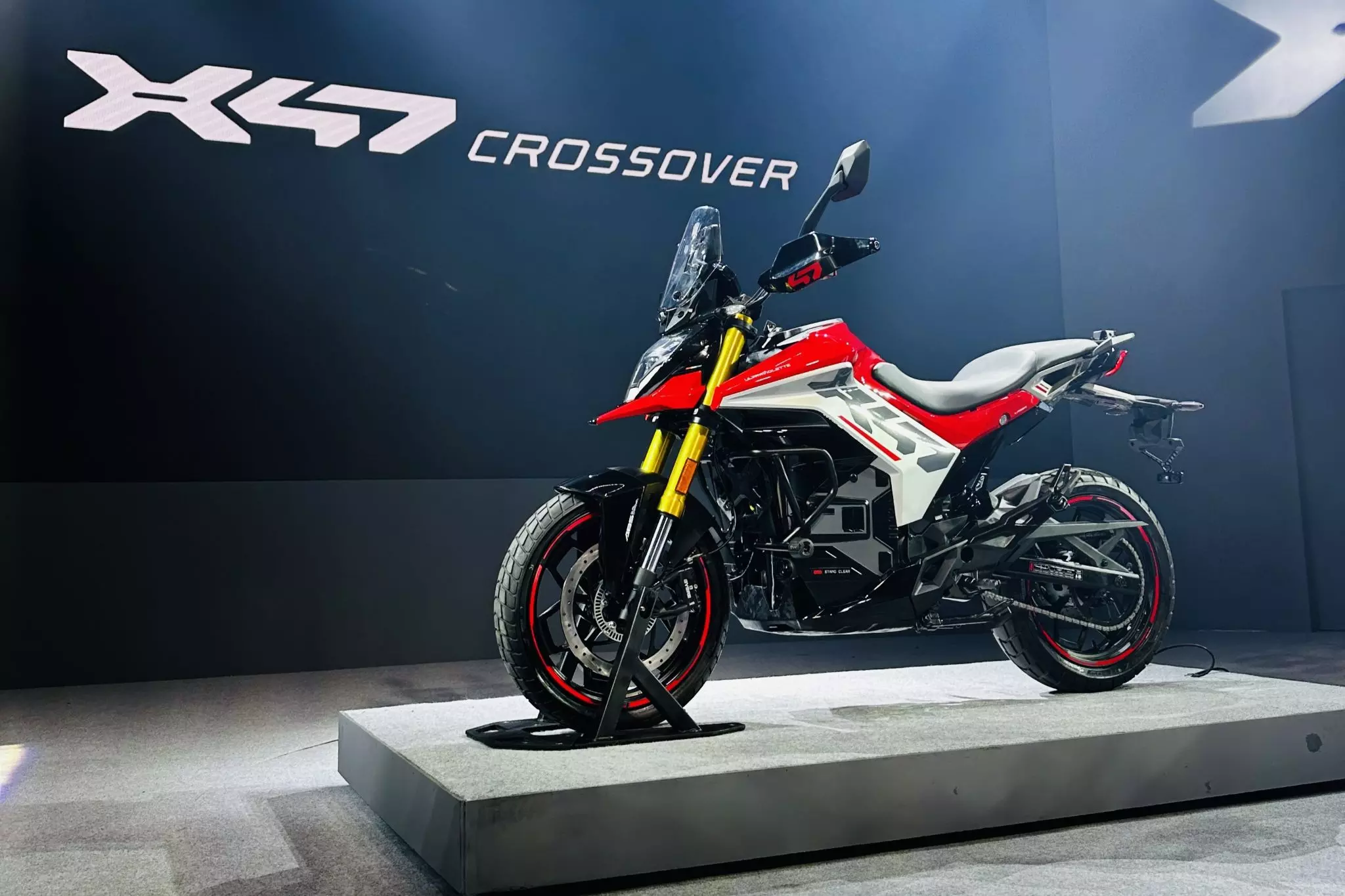
    Bengaluru startup Ultraviolette Automotive launched the X-47 Venom electric crossover motorcycle in India with an introductory starting price of 265,000 rupees. The model debuts the manufacturer’s proprietary 100-volt VX-100 powertrain architecture, built around an 11-kilowatt-hour battery pack.

    Standard retail pricing starts at 300,000 rupees, but the company cut 35,000 rupees off the sticker for the first 5,000 buyers to spur initial volumes. Co-founder Niraj Rajmohan confirmed European deliveries will commence in early 2027 following the motorcycle’s regional premiere on 3 November 2026.

    Powertrain Specifications and Fast Charging

    The VX-100 setup combines the SRB-11 battery pack with an aviation-derived motor dubbed Light Fury and an in-house motor controller. Ultraviolette states the SRB-11 pack offers 25 per cent higher energy density, cools twice as fast, weighs 15 per cent less, and charges twice as quickly as the SRB10 battery on earlier builds. It supports direct-current charging at rates up to 12 kW.

    Weighing 2.5 kg, the motor controller employs silicon carbide power transistors, cutting mass by 40 per cent while tripling power density over the previous unit. The motor uses soft magnetic composites and a trapezoidal coil topology, spinning up to 9,000 rpm. A standard 30 kW motor configuration pushes the motorcycle from zero to 100 kph in 5.9 seconds, reaching a top speed of 155 kph.

    Buyers can choose across four trims: standard, plus, Recon, and Recon+. The standard and plus editions use a 7.5 kWh battery providing an Indian Driving Cycle range of 227 kilometres. The Recon and Recon+ variants step up to the 11 kWh pack, extending IDC range to 343 kilometres. The plus and Recon+ variants include a 1.6 kW on-board charger.

    Rider Tech and Dealer Targets

    Equipment levels lean heavily on consumer electronics. Each bike includes cruise control, an IP67-certified 7-inch touchscreen running integrated navigation, a 35-watt USB Type-C port, and both front and rear dashcams. A 77 GHz long-range rear radar handles four automated safety functions: blind spot monitoring, lane change assist, overtake alerts, and rear collision warnings.

    Factory Footprint and Global Shipments

    Production currently runs out of Bengaluru, where factory capacity sits at 30,000 units annually with headroom to reach 60,000. To clear supply bottlenecks, the company is building a 250,000-unit facility known as the BIGGA plant in Hosur, Tamil Nadu. That site holds enough land to double output to 500,000 units over time.

    Hosur will assemble two upcoming VX-100 platform models: a premium electric scooter called Tesseract and an enduro motorcycle named Shockwave. Export programmes will follow domestic launches, with Ultraviolette planning to ship both future models to European distributors.

    Overseas traction remains small but active. European deliveries of the earlier F77 began in July and August 2025 across 20 countries, totaling between 500 and 700 units delivered to date. European distribution for the X-47 Venom starts in early 2027 following its continental premiere at the EICMA trade show on 3 November 2026.

    Performance Pipeline

    The product sequence leads directly into high-output sport machinery. Following the commercial debut of the Tesseract scooter in the first quarter of 2027, Ultraviolette plans to unveil production schedules for the F99.

    That track-focused model steps up to a 400-volt electrical system, pairing a 90 kW motor producing 200 Nm of torque with a 180 kg kerb weight. Company estimates target a zero-to-100 kph sprint in 3.0 seconds and a maximum speed of 265 kph, setting up a performance halo above the crossover lineup.
  • China Proposes Car Design Rules Banning Hidden Door Handles from 2027

    China Proposes Car Design Rules Banning Hidden Door Handles from 2027

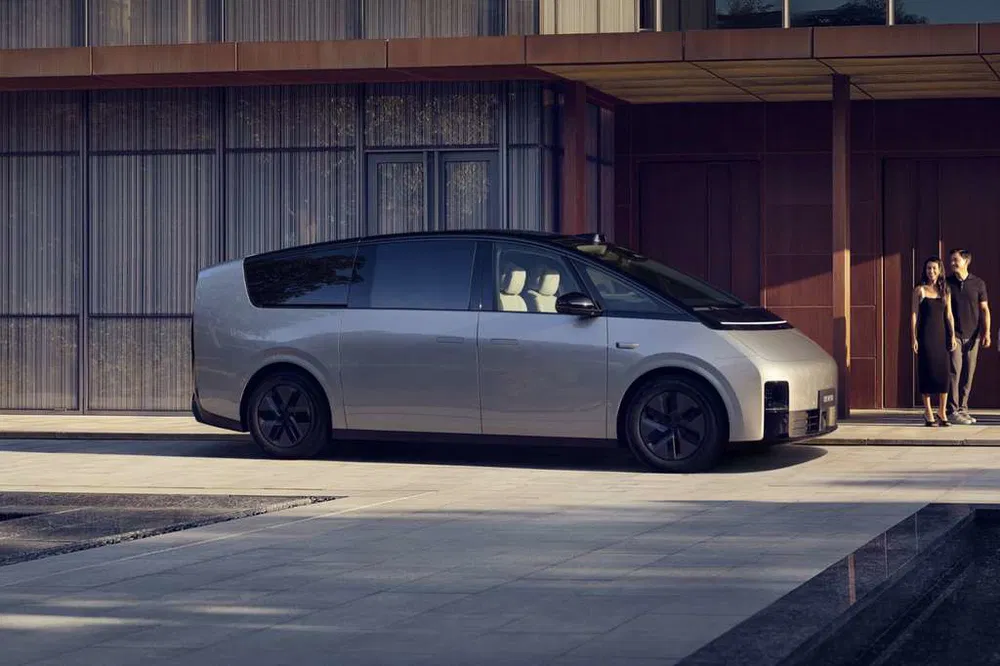
    China will ban fully hidden door handles and flexible interior screens from January 1, 2027. The country’s industry ministry issued the ban under draft vehicle safety standards.

    Every passenger vehicle door must retain a mechanical release mechanism. It must be accessible from both the inside and the outside.

    Automakers seeking regulatory approval for new models from 2027 onward must submit technical dossiers covering research and development testing. Regulators will reject applications backed by incomplete validation or false data. The draft was published by the Ministry of Industry and Information Technology alongside three partner agencies.

    Vehicles already approved for sale must file technical documentation on their innovative features by July 1, 2027. Manufacturers that fail to submit files face mandatory production halts and vehicle recalls if their models carry safety hazards.

    Mechanical Controls Return to the Cabin

    The draft targets minimalist cabin designs that replaced physical switches with touchscreens. Beyond outlawing flush, concealed exterior handles, the rules prohibit foldable or flexible displays in production vehicles.

    Seating comes under new limits. Automakers cannot let drivers or passengers activate swivel configurations or zero-gravity recline modes while a vehicle is in motion.

    Physical controls must remain for primary operating equipment. Drivers must be able to work headlights and windshield wipers through dedicated mechanical switches, not digital menus.

    Safety Scrutiny on Fast Product Cycles

    Regulators drafted the measures after finding aggressive development cycles led domestic brands to launch cars without adequate real-world testing. The race to cut aerodynamic drag and show off software features created mechanical flaws during severe collisions.

    Electronic latches drew public scrutiny after a fatal crash in Chengdu in October last year. Rescuers could not open the doors of a burning Xiaomi electric sedan from the outside. The driver died at the scene.

    Flush door handles, introduced at scale by Tesla on models including the 2018 Model 3, quickly became standard across Chinese electric vehicle lineups. Flush fittings smooth airflow and extend battery range slightly. However, emergency services have raised repeated concerns about exterior latches failing when 12-volt electrical systems cut out in an impact.

    Impact Across Domestic EV Assembly Lines

    The directive forces engineering overhauls across China’s crowded electric vehicle sector. Brands that built their pitch around button-free interiors must reintroduce mechanical linkages, switches and dedicated wiring looms into existing platform architectures.

    Suppliers of door modules, interior switchgear and instrument panels face immediate order adjustments. Tooling changes will add production costs to budget models. That will narrow margins in a market already hit by price discounting.

    Export models built on domestic platforms will carry the same mechanical changes into Southeast Asia and Europe. The ministry is taking public feedback on the draft regulatory framework until November 10.

  • Toyota to Build Next Lexus EV in China Ahead of Japan Launch

    Toyota to Build Next Lexus EV in China Ahead of Japan Launch

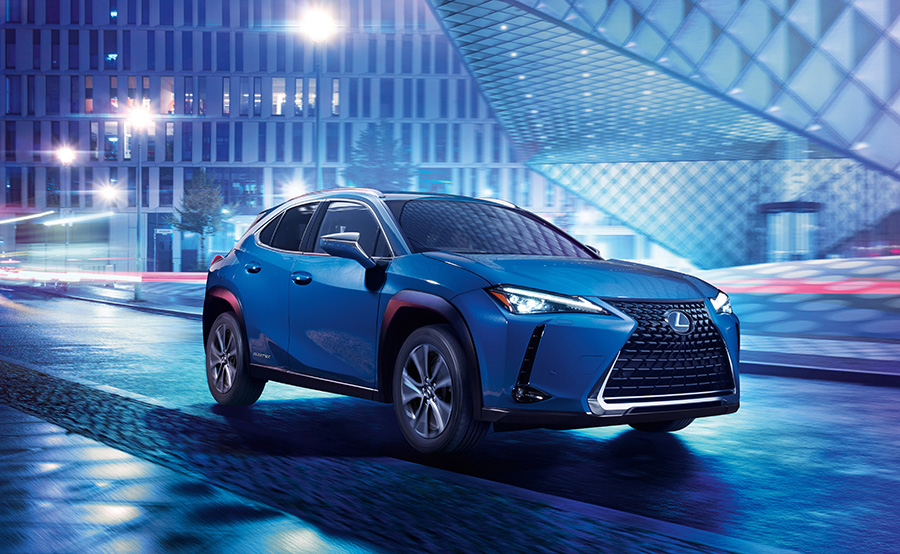
    Toyota Motor plans to manufacture its next-generation Lexus electric vehicle in China ahead of Japan, deploying gigacasting technology in Shanghai to cut production costs.

    The decision breaks with the ¥36.9 trillion automaker’s established practice of debuting new Lexus platforms at domestic Japanese assembly plants before rolling them out overseas.

    Gigacasting and Supply Chain Shifts

    Toyota will base the new manufacturing operations in Shanghai to shorten production lead times and align output with local buyers. Adopting gigacasting techniques allows the factory to cast large single-piece structural components, reducing assembly steps and altering Toyota’s global cost structure for future battery-electric models.

    Targeting China first concentrates advanced manufacturing where volume demand for premium electric cars is concentrated. The rollout forms part of Toyota’s plan to use internal battery investments and tighter plant efficiency to protect profit margins as its electrified vehicle ratio rises.

    Price Pressures in Shanghai

    Lexus contends with severe retail rivalry across China from Tesla, BMW and local electric brands that continue to push aggressive discounting across the luxury segment. Building inside China removes import overheads and shortens delivery cycles, helping the brand defend showroom pricing and aftersales service value.

    The next operational milestone will be the integration of the gigacasting lines at the Shanghai facility as Toyota works to bring the platform into commercial production without straining operating cash flows.