Tag: ev sales

  • Xpeng Schedules Third-Quarter Results After Delivering Record 118,390 EVs

    Xpeng Schedules Third-Quarter Results After Delivering Record 118,390 EVs

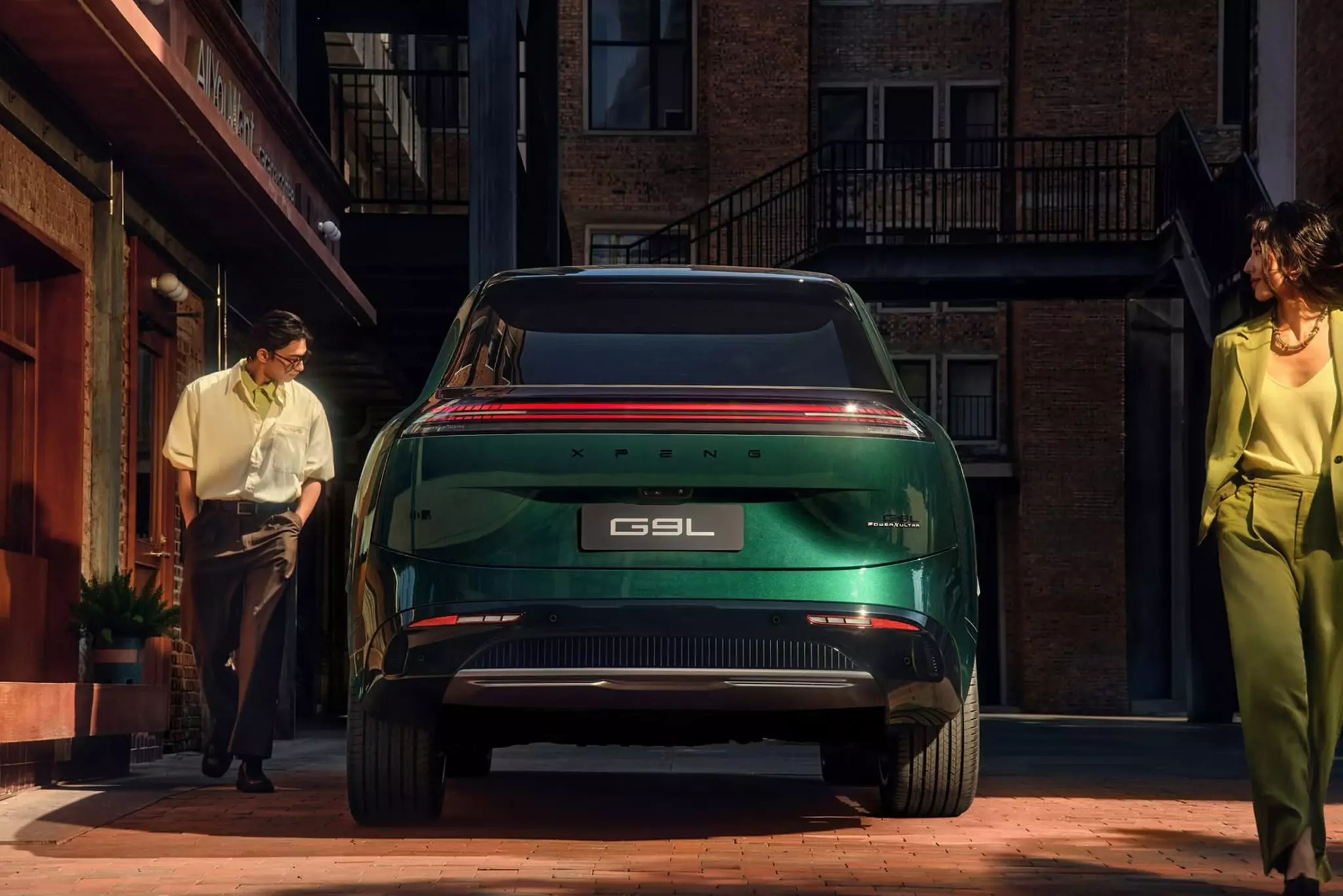
    Xpeng will report its unaudited third-quarter financial results on November 16, following record quarterly deliveries of 118,390 electric vehicles across China.

    Volume rose 2.05 percent from the same period last year and climbed 14.61 percent sequentially from the second quarter, edging past the midpoint of the company’s August target.

    The carmaker plans to host its earnings call at 8:00 pm Beijing time on November 16, prior to regular trading hours in New York. Delivery volume for the quarter sat comfortably inside the projected band of 115,000 to 121,000 units. For the three months ended September 30, Xpeng had forecast revenue between 21.7 billion yuan ($3.23 billion) and 23.4 billion yuan, representing top-line expansion of 6.47 percent to 14.81 percent.

    Margin Pressure Behind Rising Volume

    Expanding assembly lines have yet to eliminate bottom-line losses. During the second quarter, Xpeng booked revenue of 19.74 billion yuan, up 8.0 percent year on year, while its net loss widened 179 percent to 1.34 billion yuan. Overall gross margin climbed to 20.7 percent during that period, but profitability specifically on car manufacturing retreated to 12.1 percent from 14.3 percent twelve months earlier.

    Management linked that automotive margin erosion to production line switchovers and model transitions. For automotive retailers and dealership networks across tier-two and tier-three Chinese cities, those shifting economics matter. Showroom floors face aggressive discounting pressure from domestic competitors, which forces brand operators to balance higher footfall against compressed dealership commissions.

    The Fourth-Quarter Delivery Pipeline

    Operational momentum picked up as the final quarter opened. The company delivered 50,237 vehicles in October, exceeding the 50,000 threshold in a single month for the first time. That tally marked a 19.57 percent increase compared to October 2025 and a 21.77 percent jump over September 2026.

    To sustain that momentum, the automaker began nationwide handovers of the Mona L05 on November 1, following its domestic debut on October 29. Fast handovers will test distribution logistics and regional charging hubs as order backlogs translate into active road registrations.

    Pricing Battles Across Chinese Showrooms

    The earlier part of the year had laid out a choppy trajectory for the business. First-quarter deliveries reached 62,682 units before rebounding to 103,295 in the second quarter. The second-quarter earnings release on August 24 demonstrated that while total vehicle receipts grew, product changeovers continued to drag on net earnings.

    Investors and regional dealership groups will focus on fourth-quarter delivery guidance when the numbers arrive on November 16. Chairman and Chief Executive Officer He Xiaopeng had previously set an operational target to surpass 60,000 monthly deliveries before the close of the year, relying on mass shipments of the Mona L05 alongside the G9L.
  • BYD Builds Ten-Millionth Dynasty Vehicle as Da Han Sedan Nears Launch

    BYD Builds Ten-Millionth Dynasty Vehicle as Da Han Sedan Nears Launch

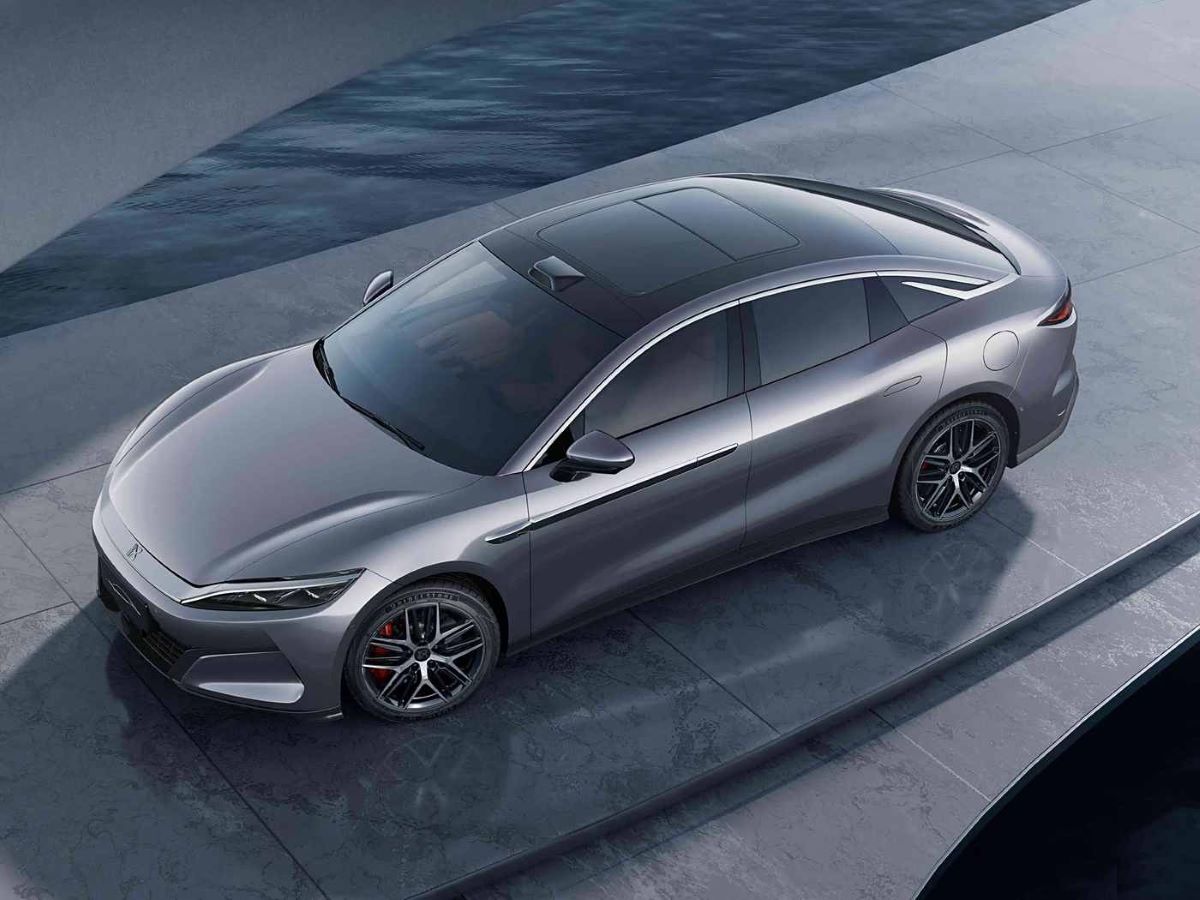
    BYD rolled its ten-millionth Dynasty series car off the assembly line in China on September 29. An upcoming Da Han flagship sedan logged the production record.

    Production of the lineup began nearly thirteen years ago with the Qin plug-in hybrid in December 2013. The final 1.14 million units took less than nine months to build.

    Lu Tian, general manager of the Dynasty sales division, announced the figure ahead of the sedan’s October 13 commercial launch. Presales opened August 21 at the Chengdu Auto Show. Three battery-electric variants are priced between 249,900 yuan and 299,900 yuan ($37,070 to $44,670).

    The five-seat vehicle measures 5,256 mm long with a 3,130 mm wheelbase. Both rear-wheel-drive editions claim 1,008 km of range under China light-duty vehicle test cycle standards. The all-wheel-drive trim offers 880 km. Dual-chamber air suspension, rear-wheel steering, flash charging and LiDAR-based driver assistance come standard across all versions.

    Mainstream Models Squeeze Upmarket Sales

    Sales for the domestic lineup have shifted downward into mass-market segments. The earlier Han sedan and Tang sport utility vehicle established BYD in the premium tier, but both nameplates have lost retail share.

    August retail deliveries for Dynasty reached 170,842 vehicles, up 13.88 per cent year on year. The Han family contributed 2,997 units and the Tang line delivered 12,340 units, making up roughly 9 per cent of the monthly total. Cheaper volume rested on the Yuan, Song and Qin families. Together they delivered 153,726 vehicles, or 89.8 per cent of August Dynasty sales.

    Export Strength Offsets Domestic Softness

    Adding higher-margin models like the Da Han helps hedge against price competition across China. Group new energy vehicle sales climbed 17.84 per cent to 440,293 units in August. Total deliveries across the first eight months fell 6.84 per cent to 2,668,015 vehicles.

    Foreign sales have offset slower domestic growth. Shipments outside China rose 134.6 per cent in August to 188,700 passenger cars, generating 43 per cent of group volume. First-half international revenue reached 181.27 billion yuan. That accounted for 52.57 per cent of total turnover, overtaking domestic sales receipts for the first time.

    Expanding the Upper Dynasty Portfolio

    The Da Han follows the June 17 rollout of the Da Tang SUV, which delivered its 10,000th unit on July 23. Both larger vehicles sit above the original Han and Tang lines to defend higher price tiers against domestic rivals.

    Year-to-date Dynasty deliveries reached 1,045,805 units through August, down 13.15 per cent from the same period in 2025. That contraction narrowed from 22.44 per cent in the first half of the year. Volume has now grown year on year for three straight months since June.

    Regulatory filings show BYD has registered a plug-in hybrid variant of the Da Han, though pre-orders currently cover only electric trims. Commercial pricing and delivery dates for the hybrid will follow after battery-electric handovers start on October 13.

  • Xiaomi SU7 Electric Vehicle Surpasses Half Million Deliveries Amid Strong EV Sales

    Xiaomi SU7 Electric Vehicle Surpasses Half Million Deliveries Amid Strong EV Sales

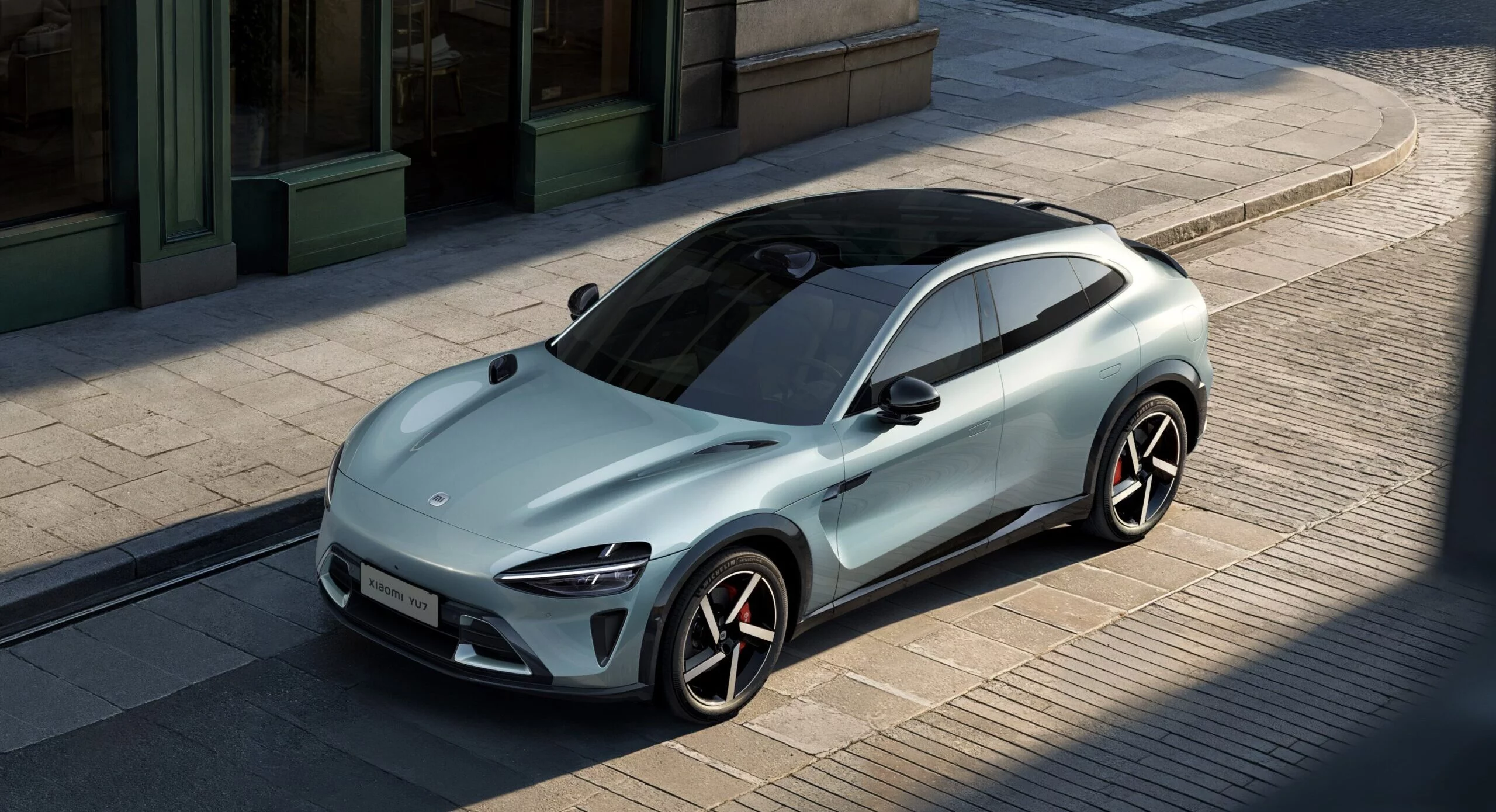
    Xiaomi’s SU7 electric vehicle has reached a substantial delivery milestone, with over 500,000 units now in the hands of customers. This achievement underscores the robust growth in electric vehicle (EV) sales and signals the increasing influence of technology companies in the automotive sector.

    The SU7’s rapid adoption reflects a broader trend of accelerating EV demand, especially within the Asia-Pacific region. As traditional automakers face heightened competition, new entrants like Xiaomi are quickly capturing market share with their tech-integrated vehicles.

    Accelerating EV Market Penetration

    The half-million delivery mark for the SU7 demonstrates Xiaomi’s successful entry into the highly competitive EV market. The company, initially known for its smartphones and consumer electronics, has used its brand recognition and technological expertise to quickly establish a presence in automotive manufacturing. This pivot highlights the convergence of consumer tech and mobility, a trend reshaping retail and consumption patterns across Asia.

    Strong sales figures for the SU7 contribute to the overall surge in electric vehicle adoption globally, with China remaining the largest market. Consumer preferences are shifting towards sustainable transportation options, driven by environmental concerns, government incentives, and advancements in battery technology and charging infrastructure.

    Broader Implications for Retail and Tech

    Xiaomi’s performance with the SU7 provides a clear example for other tech companies considering expansion into new hardware categories. The success in automotive highlights the potential for brand diversification beyond core products, particularly in high-value consumer goods. This move also forces traditional automotive retailers and brands to adapt their strategies, focusing on digital integration, advanced features, and a smooth customer experience that tech-savvy consumers expect.

    The competitive market in Asia’s EV market is intensifying, with both established brands and new startups vying for dominance. RetailNews Asia has been tracking similar moves by companies like Sony, which is also exploring mobility solutions, indicating a strategic shift among tech leaders to diversify their product ecosystems and tap into lucrative automotive opportunities.