Retail News CRM

Tag: ewallet

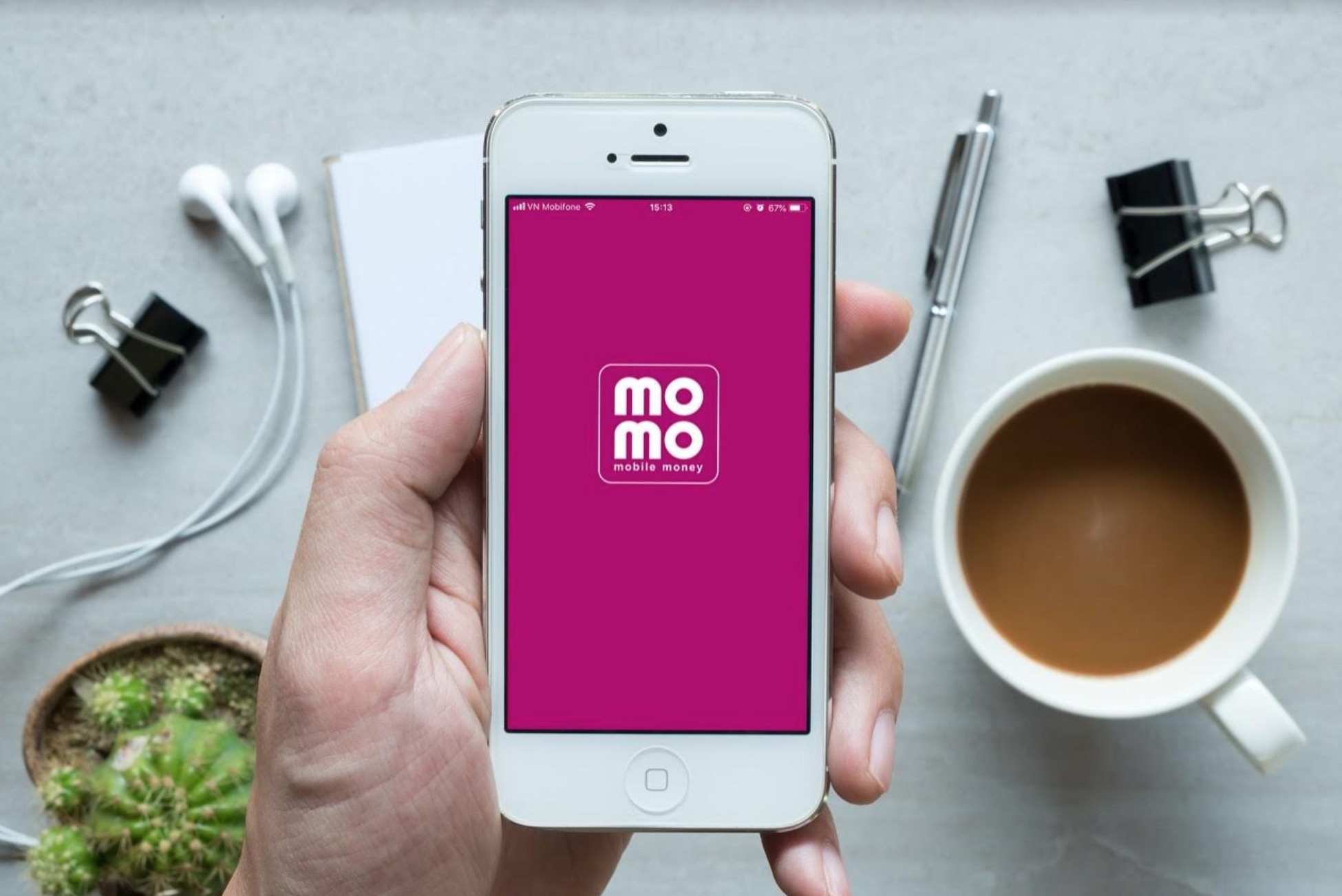
  • E-wallet MoMo buys stake in securities firm

    E-wallet MoMo buys stake in securities firm

    The owner of e-wallet MoMo has purchased more than 4.4 million shares, or a 49 stake, in Hanoi-based CV Securities JSC (CVS). The deal was struck Thursday and Online Mobile Services JSC, or M Service, has received more than 4.4 shares from two shareholders of CVS – its vice chairman Jiang Wen and general director Nguyen Kim Hau – the securities firm said in a statement sent to the State Securities Commission of Vietnam (SCC).

    Established in 2009, CVS was first known as Hong Bang Securities JSC and renamed Hung Thinh Securities in 2015. The company also moved its headquarters from Ho Chi Minh City to Hanoi.

    Its annual revenue was VND4.4 billion ($190,000) and VND4.8 billion in 2020 and 2021 respectively. As of the first quarter of 2022, CVS had recorded a cumulative loss of more than VND80 billion.

    The new deal makes M_Service the second fintech firm to invest in a securities company after Finhay, who bought shares in Vina Securities early this week.

    Both Momo and Finhay are invested in by Thien Viet Securities (TVS). As of March 31, TVS recorded the original cost of investment in M_Service at VND27.8 billion and nearly VND62.5 billion at Finhay.

    Momo had 31 million users and 140,000 payment acceptance points last year. The wallet is now a partner of more than 50 banks, and financial and insurance companies.

    The e-wallet has completed a $200-million Series E funding round funded by a consortium of investors led by Japan’s Mizuho Bank. Investment funds Ward Ferry, Goodwater Capital and Kora Management make up the rest of the consortium.

    A media representative said he could not announce a specific figure, but MoMo’s valuation exceeds $2 billion, making it a startup unicorn.

  • GoJek takes stake in e-wallet, ramping up rivalry with Grab

    GoJek takes stake in e-wallet, ramping up rivalry with Grab

    Grab Holdings and Gojek have made substantial progress in working out a deal to combine their businesses in what would be the biggest internet merger in Southeast Asia, according to people with knowledge of the talks.

    The region’s two most valuable startups have narrowed their differences of opinion, though some parts of the agreement still need to be negotiated, said the people, asking not to be named because the talks are private. The final details are being worked out among the most senior leaders of each company with the participation of SoftBank Group Corp.’s Masayoshi Son, a major Grab investor, one of the people said.

    Under one structure with substantial support, Grab co-founder Anthony Tan would become the chief executive officer of the combined entity, while Gojek executives would run the new combined business in Indonesia under the Gojek brand, the people said. The two brands may be run separately for an extended period of time, one of the people said. The combination is ultimately aimed at becoming a publicly listed company.

    Representatives of Grab, Gojek, and SoftBank declined to comment. The talks are still fluid and may not result in a transaction, the people said. The deal would need regulatory approval and governments may have antitrust concerns about the unification of the region’s two leading ride-hailing companies.

    Grab and Gojek have been locked in a fierce, expensive battle for dominance in that business along with food delivery and mobile payments over the last several years. Investors have been pushing for them to combine forces across Southeast Asia in order to reduce cash burn and create one of the most powerful internet companies in the region. Grab, which is present in eight countries, was last valued at more than $14 billion, while Gojek, valued at $10 billion, has a presence in Indonesia, Singapore, the Philippines, Thailand, and Vietnam.

    SoftBank has been pushing for a deal since Son visited Indonesia in January, but he’s grown increasingly frustrated with the lack of progress. The old rivalry and personality clashes between the two companies’ leaders have led to deadlocked negotiations in the past, according to one of the people familiar with the talks.

    Read more: SoftBank’s Son Is Said to Press Grab for Truce With Rival Gojek

    Sea Ltd.’s rise as a formidable force in e-commerce and digital payments has injected fresh impetus to the Grab-Gojek conversation, the people said. The Singapore-based company’s e-wallet, ShopeePay, has been gaining market share at a rapid clip, aided by the growing popularity of Sea’s e-commerce platform Shopee. That, in turn, is challenging market leaders GoPay and Grab-backed Ovo in Indonesia.

    Sea’s surprise journey from a scrappy startup to Southeast Asia’s most valuable company in the past 10 years has been the “biggest inspiration” for local internet companies lately, said Rohit Sipahimalani, chief investment strategist at Temasek Holdings Pte. Sea went public in 2017 after raising more than $720 million from investors and now has a market value approaching $88 billion.

    Read more: World’s Hottest Stock Is a Money-Losing Tech Giant Soaring 880%

    “People are now seeing that the public markets are a viable alternative for internet companies in Southeast Asia,” said Sipahimalani, whose firm is an investor in Gojek. “But they also recognize that they need to get to a certain scale, which is why the IPO route is becoming more attractive. I think that’s leading to some dialogue around combinations and consolidations in the region.”

    He declined to comment on the Grab-Gojek deal, adding that Singapore’s state-owned investment firm isn’t taking part in the negotiations.

  • Gojek-Grab Rivalry Extends to Digital Payments

    Gojek-Grab Rivalry Extends to Digital Payments

    Gojek has joined rival Grab in backing Indonesian state-backed e-wallet company in its Series B funding round.

    Gojek’s joining as a strategic shareholder will provide LinkAja access to the Gojek ecosystem to support LinkAja’s mission in accelerating financial inclusion in Indonesia, LinkAja CEO Haryati Lawidjaja said in a statement.

    As part of the deal, the ride-hailing giant will add LinkAja as a payment option on its app. The strategic investment builds on Gojek’s ongoing collaboration with the e-wallet, which includes payment for transportation and ticket reservation services.

    Formed from a consortium of state-owned enterprises, LinkAja operates an e-wallet and merchant services business focusing on the middle class, and micro, small, and medium-sized enterprise (MSME) segments in Indonesia.

    About 80 percent of its users are from tier 2 and 3 cities, according to LinkAja.

    According to GlobalData, rising Internet penetration, increasing digitalization and the proliferation of websites have been driving the growth of e-wallets in Indonesia, which further rose during the Covid-19 pandemic as customers have turned to alternative payment tools.

    Investments in state-backed entities can be a strategic move to maintain a healthy relationship with the government machinery. Though both Grab and Gojek managed to garner investment positions in LinkAja, Gojek seems to get some home advantage, Aurojyoti Bose, lead analyst at GlobalData, said about the deal.

    Grab, which competes with Gojek for dominance in the digital payments space in Southeast Asia, announced in November 2020 that it had invested $100 million in LinkAja, with participation from Telkomsel, BRI Ventura Investama and Mandiri Capital.

  • Asia is Ready for a Digital Banking Revolution

    Asia is Ready for a Digital Banking Revolution

    In the next three years, Asia will see more than fifty new digital banks that will completely change the financial services landscape. That’s just the beginning, GFT’s Christopher Ortiz says. The region will also see broader adoption of blockchain technology with new private exchanges, multi-currency e-wallets and digital assets.

    Some of the incumbent banks understand that a technological revolution is inevitable and are working on a digital reshaping of their offering, with broader cloud adoption, end-to-end digitalization of processes and a revamped user experience. What’s interesting is the focus remains predominantly on the retail offering, while the institutional and wealth businesses are trailing behind, weighed by the concept of personalized relationships.

    While this remains true for the current core client base of the top wealth managers, some wealth players are underestimating the impact of the transfer of wealth to the next generation, who despite not being digital natives have already adopted a complete digital lifestyle.

    Some of the most prestigious Swiss private banks understand the impending evolution and have already started a deep transformation of their offering and services with a digital mindset, to smoothly transition to a real personal digital experience. Asian wealth institutions are poised to start this process and revisit the impact of these new services on their current revenue streams.

    This is no longer about providing digital channels; that was the goal of the past ten years. The challenge is to reshape business models and create revenue-generating digital processes and services. It is estimated that cloud migration can help financial institutions reduce 80 percent of their mainframe costs, but this is not a short migration process it could take several years. As such, our recommendation to CIOs is to start embracing the cloud and initiate the migration as soon as possible.

    By 2025, most banking services will be completely digitalized. Multi-currency e-wallets with multiple central bank digital currencies and stable coins will replace physical currency, and the broad tokenization of investment assets and real state will be a reality, while most cross-border transactions will be booked on DLT technology. Financial intermediaries will also have reinvented themselves.

    Banks, as we know them today, are undergoing a fundamental change to become IT platforms with a banking license. However, the overall readiness of current financial services incumbents is under par. With some exceptions, the risk-aversion mindset is likely to prevail, and the lack of a transformational change mindset will stretch the profitability and long-term survival of key incumbents.

    The median age in Asia is around 30 years old, and about 70 percent of the region’s population is underbanked. The scale and challenges are unprecedented.

    In addition, If we look at the amount of unserved retail wealth in Asia, the opportunities are limitless. Yes, Asia will witness a revolution. Now it’s up to the incumbents to jump on the wagon and help drive it.

  • Singtel Adds Insurance Savings to E-Wallet

    Singtel Adds Insurance Savings to E-Wallet

    Singtel is adding financial services to its mobile wallet Dash, in the form of offer an insurance savings solution underwritten by Etiqa.

    The Dash EasyEarn savings insurance is designed for investors who want to start saving regularly for their future but who may be concerned about cash flow, Singtel said in a statement on Monday announcing its launch.

    The insurance plan has a minimum initial premium of S$2,000, up to a maximum of S$20,000. Policyholders are automatically covered with a 105 percent death benefit of the account value.

    Other benefits include up to 2-percent per annum returns for the first policy year, no lock-in period and unlimited withdrawals with zero penalties. Customers can purchase, top-up and make withdrawals on their EasyEarn plan via the Singtel Dash app on their mobile phone.

    The offering represents the next steps for Dash as it grows to become a more inclusive everyday app that will play a bigger part in enabling our customers’ digital lifestyles, Gilbert Chuah, head of mobile financial services, International Group, Singtel, said.

    Dash is among the largest non-bank mobile wallets in Singapore. Since its launch in 2014, the app has expanded beyond payments and mobile remittance to include lifestyle services like restaurant bookings and travel insurance. The app now has over 1 million registered users.

  • Fixed Fees Coming for Indonesia’s E-Wallet Transactions

    Fixed Fees Coming for Indonesia’s E-Wallet Transactions

    Indonesia’s central bank is planning to impose fixed fees on some e-wallet transactions in a move that not only eliminates pricing flexibility but could also deter small merchants from participating.

    Bank Indonesia is already in talks with the country’s largest digital payment startups to standardize fees on QR code transactions, according to a report citing five unnamed sources.

    Indonesia’s internet economy has a bright outlook with a Google, Temasek and Bain & Co report projecting the $40 billion market this year to grow more than three-fold by 2025. The market houses numerous global household e-wallet players including homegrown ride-hailing giant Gojek.

    The central bank wants to fix some e-wallet transaction fees at 0.7 percent – a move that could push out smaller merchants on the network that are currently being charged at very levels as an incentive. The would also hit revenue lines from large merchants, like Starbucks, which are already being charged up to 2 percent.

    In addition to pushing out smaller merchants and cut revenue from larger merchants, the central bank’s plan would also require e-wallet transaction fees to be split to an additional party: major Indonesian lenders.

    Under the new system, e-wallet transaction fees would be split between three parties: e-wallet companies, payment processors and the newly included National Electronic Transaction Settlement consortium made up of major local lenders which were previously not involved.

    This will hurt all of us, said one unnamed executive at an Indonesian e-wallet company.

  • Ant Financial Invests in Vietnam E-Wallet

    Ant Financial Invests in Vietnam E-Wallet

    Ant is expected to have significant influence and provide technical expertise to the e-wallet, created locally by a small start-up.

    Chinese digital finance giant Ant Financial has acquired a «sizeable» stake in Vietnamese e-wallet eMonkey, «Reuters» reported on Thursday.

    The acquisition, which is below 50 percent, wasn’t publicly reported because of fears over anti-China sentiment in Vietnam, the report said, citing people familiar with the matter.

    Vietnam’s consumer market has immense potential, with a population of almost 93 million and a surging middle class, high internet and smartphone penetration, and a fast-growing liking for e-commerce. The competitive digital payments space in the country is led by Standard Chartered e-wallet Momo.

    While Ant has an office in the country, eMonkey already has the necessary operating licenses and has established partnerships with financial institutions and telecoms, making market penetration easier, the news wire said.

    Ant, a fintech affiliate of e-commerce giant Alibaba, on Thursday appointed company veteran Simon Hu as its new chief executive officer.

    The online finance giant controlled by billionaire Jack Ma started out in 2004 as a way for Alibaba Group to pay for goods. It has since evolved into a $150 billion behemoth covering micro-lending, insurance, credit-scoring, and money-market funds. Ant has a domestic user base of 900 million.

  • Singapore E-Wallet Inks Partnership With Thai Bank

    The Singapore-based firm has made its first foray into an overseas market, and is promising Thai travelers affordable options to pay with the competitive exchange rates when abroad.

    YouTrip, a multi-currency mobile wallet designed with travelers in mind, is taking its services to customers outside Singapore by launching in Thailand with a partnership with Kasikornbank (KBank), the firm announced in a press release on Tuesday.

    Juthasree Kuvinichkul, founding partner of You Technologies and Grab Thailand, will lead YouTrip’s Thailand operations. As part of the tie-up, YouTrip will be offered to KBank’s 11.6 million online customers, who will be able to register through their online banking app within 3 minutes.

    KBank president Patchara Samalapa said in the statement that he sees «strong potential» in the partnership with YouTrip. We also believe in the foreign exchange market which has benefited from the strong outbound tourism growth in Thailand, due to strong Baht, travel promotions, new flight routes openings, etc., he added.

    YouTrip allows users to pay in 150 currencies at 30 million Mastercard payment points worldwide with no hidden fees at wholesale exchange rates.

    Riding on the wave of Southeast Asia’s booming travel market, YouTrip has received strong interest in its multi-currency wallet since its launch in Singapore in August 2018, counting over 400,000 downloads of its mobile application in its home market, as well as 10 million transactions processed in the year since its launch, the statement said.

    In May, the firm announced that it closed a record $25.5 million pre-Series A fundraise – the largest for a fintech startup from Southeast Asia.

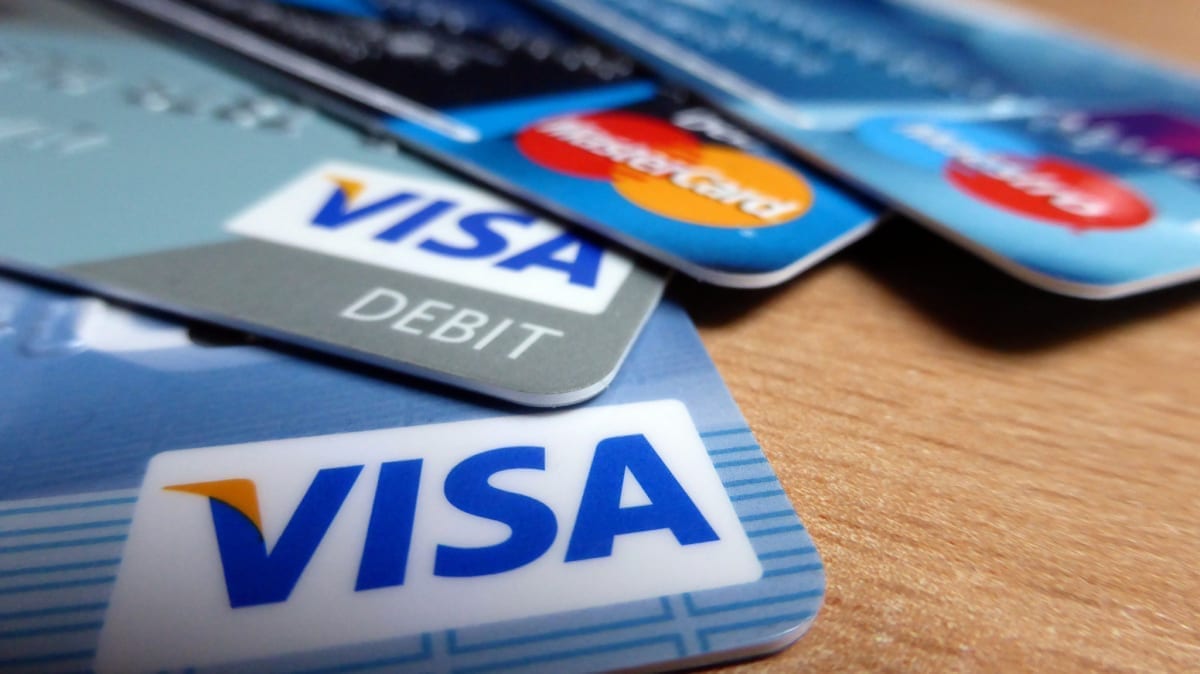
  • One-in-three Hongkongers leaving plastic credit cards in favor of e-wallets

    One-in-three Hongkongers leaving plastic credit cards in favor of e-wallets

    More than one-third of Hong Kong consumers are ditching plastic in favor of e-wallets, according to a new FIS report on global retail payment trends.

    The report showed that e-wallets are now the preferred way for Hong Kong consumers to pay for goods online. Data from the Worldpay from FIS product suite shows that more than a third (36 percent) of all online retail purchases made in Hong Kong last year were via digital wallets, followed by credit cards (30 percent) and bank transfers (12 percent). In Hong Kong, digital wallets are the preferred payment method for shopping online for clothing and footwear, electrical goods, and health and beauty products, accounting for 36 percent, 44 percent and 32 percent of these purchases respectively.

    Even though credit cards still lead in-store, when it comes to shopping online, Hongkongers embrace digital wallets such as Alipay, WeChat Pay and PayPal, which now account for 36 percent of all online retail purchases.

    The report also shows a growing consumer preference for mobile commerce, which currently comprises 16 percent of all online retail in Hong Kong. Mobile commerce is expected to grow by 34 percent by 2022.

    “Consumers in Hong Kong are increasingly choosing digital payments over the more traditional credit-debit card combinations when shopping online, according to our 2019 Retail Global Payments Report,” said FIS GM for APAC, global enterprise e-commerce, merchant solutions Phil Pomford.

    The report also highlights Hong Kong’s strong overall retail e-commerce growth, which is expected to grow by more than 18 percent to almost US$4 billion by 2022. During the same period, in-store sales are also projected to grow by 4 percent compound annual growth rate (CAGR) to be worth US$70 billion, indicating the sustained long-term health of the retail industry in Hong Kong.

    The data was published in FIS’s 2019 Retail Global Payments Report, an analysis into payments trends of 16 countries from across the world, representing 80 percent of online global retail and 60 percent of instore global retail sales.

  • DBS to Expand E-Wallet Functionalities

    DBS to Expand E-Wallet Functionalities

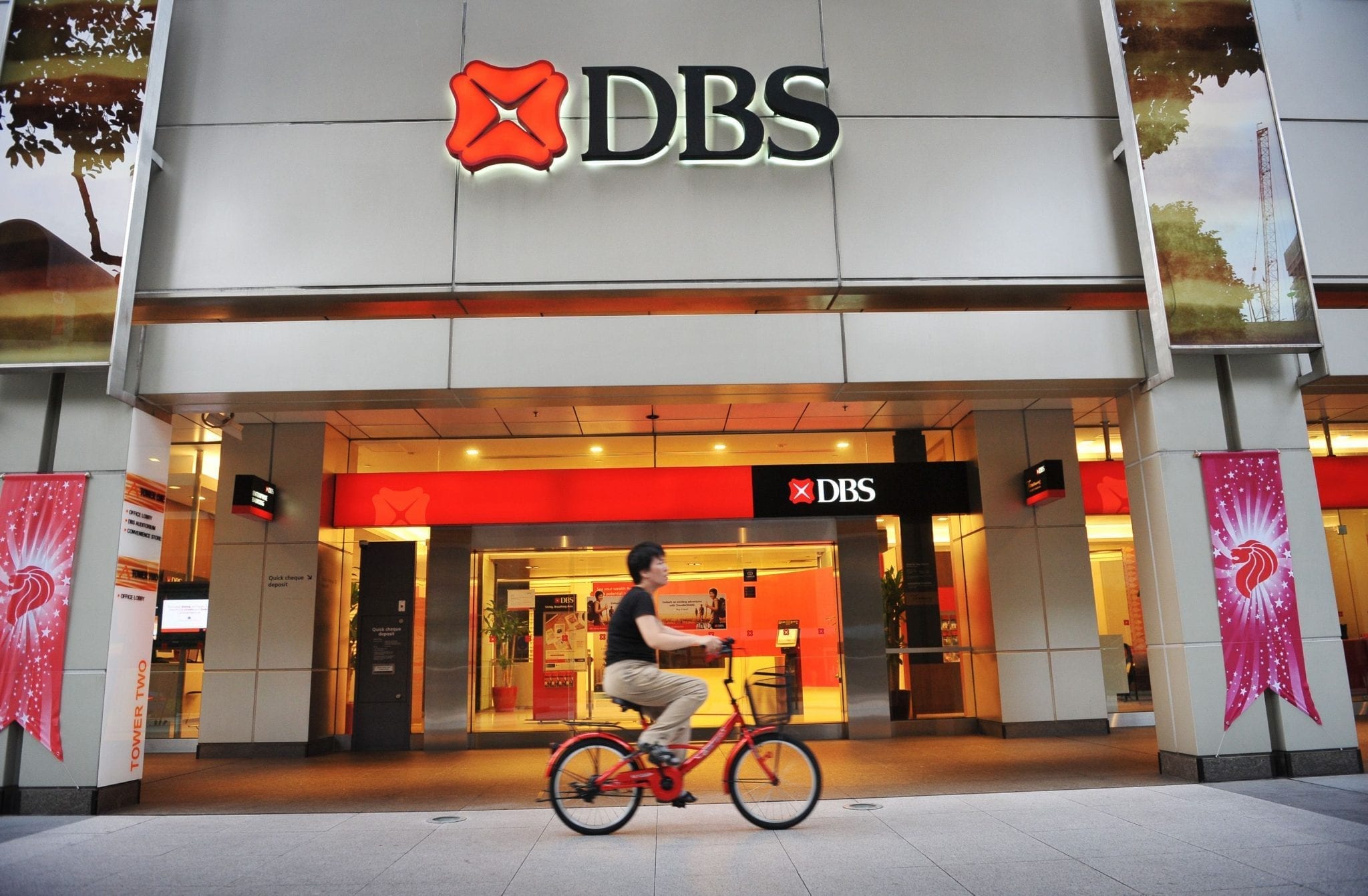
    To mark the e-wallet’s fifth anniversary, DBS announced new functionalities and merchant deals and said it hopes to grow its user base.

    BS Bank wants to grow its PayLah e-wallet user base from 1.6 million users currently to 3.5 million users by 2023, and will roll out new functionalities and improve the user experience, the bank said in a statement on Wednesday.

    From next year, the bank will integrate its rewards app, as well as debit and credit cards payments to the PayLah platform, expand payment touchpoints across the region, and increase ecosystem partnerships, the statement said, highlighting strategic platform partnerships with merchants like KFC, SISTIC and AXS.

    «In 2020, we’ll be building on the three Ps – Payments, Partners and Platform – as part of a longer-term strategic roadmap. By linking DBS/POSB debit and credit cards and integrating the DBS Lifestyle rewards app into DBS PayLah!, our customers will be able to earn and redeem rewards instantly on a single platform simply and seamlessly, regardless of their mode of payment,» Anthony Seow, DBS head of Payments & Platforms, Consumer Banking Group (Singapore), said.

    Introduced in 2014, PayLah allows users to make instant peer-to-peer fund transfers, purchase travel insurance, movie tickets, pay bills and transport expenses and pay for their purchases at more than 80,000 NETS QR, SGQR and PayNow QR-enabled merchants. The app was the first in Singapore to allow users to send and receive funds using QR codes.

    According to DBS, its 1.6 million e-wallet users made S$1.5 billion ($1.09 billion) in transactions from August 2018 to September 2019.

  • Credit Cards Fight Back Against E-Wallets Wave

    Credit Cards Fight Back Against E-Wallets Wave

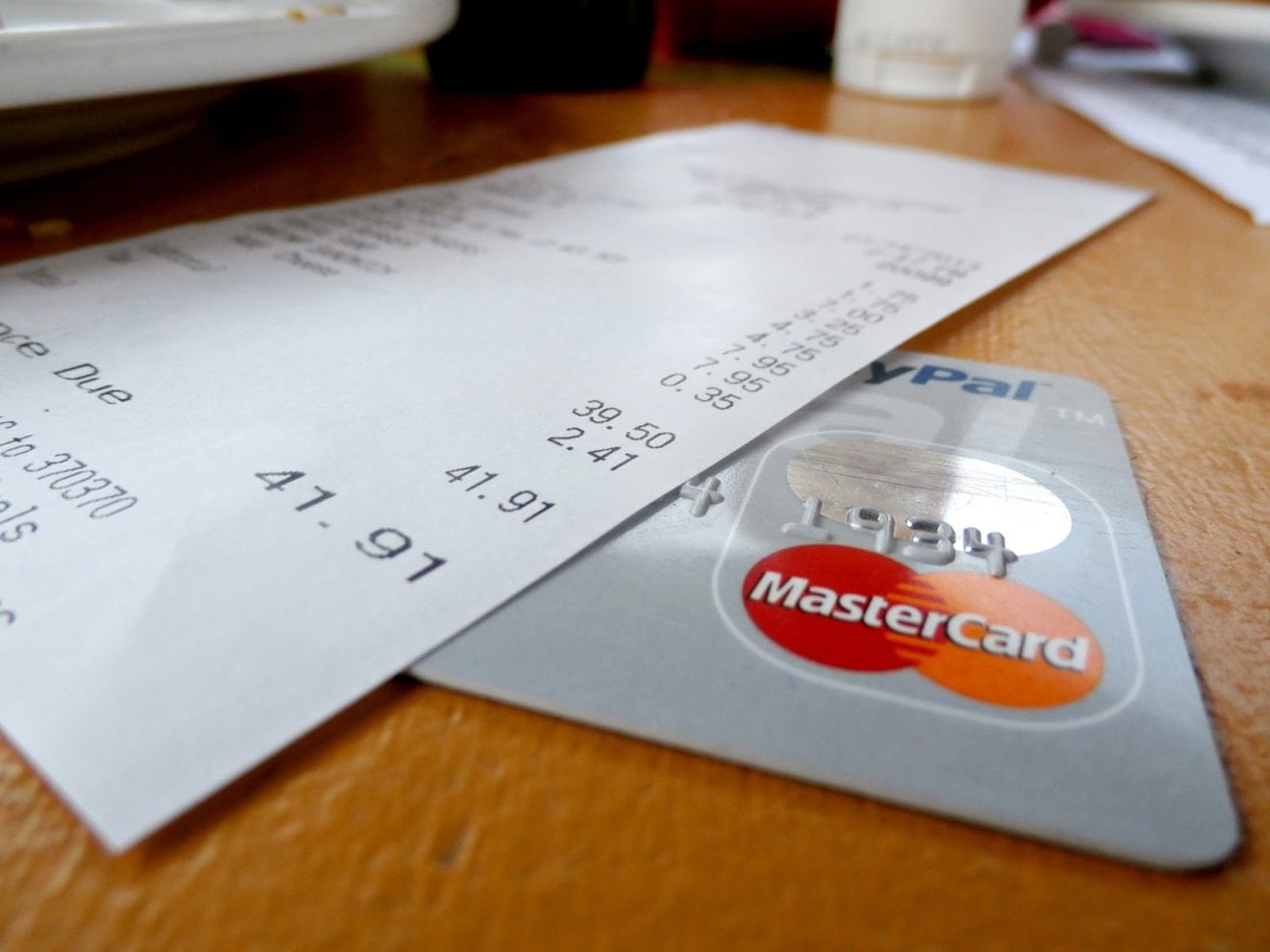
    As e-wallets gain popularity in the region, credit cards are fighting back in a push to stay relevant through rewards, reduced fees, and improved customer experiences on digital and mobile.

    2019 is a key year. This may be the year when mobile payments are expected to overtake credit cards as the preferred ways to pay for e-commerce, according to a UN report. In the face of rising penetration of e-wallets, traditional banks are finding new ways to innovate in the credit card space.

    «Credit cards are getting more creative. Local banks DBS and UOB offer credit cards marketed specifically to women, while others highlight the benefits of using a credit card to help offset your carbon footprint,» said Rohith Murthy, founder of SingSaver, a financial comparison platform.

    While e-wallets may be offering the ease of mobile payments through store partnerships and rewards across Singapore, credit cards are also turning to tech and digital to improve their offerings. For example, some banks are going entirely digital with virtual cards that reduce application approval times from days to minutes and are specifically aimed at e-commerce purchases.

    Others, however, are tying up with tech companies to add perks and touch points. «Apple recently partnered with Goldman Sachs in a digital tie up that removed fees, added transparency, and offered a slew of perks; a trend that will only grow,» added Murthy.

    In Singapore, 7 in 10 Singaporeans own at least one credit card, according to a study by market research company YouGov. Singaporeans had a total outstanding credit card and personal loan debts of about S$70.4 billion, according to the Department of Statistics Singapore (2017).

    Singsaver’s most recent data shows that cashback is still the top credit card reward choice among consumers as consumers continue to favor the flexibility and ease of cashback as a reward when using financial products such as credit cards.

    Nevertheless, miles, as a reward form is getting increasing traction due to many air miles credit cards lowering their annual income eligibility in the last 1-2 years and the promise of air miles for traveling and exploring new destinations.

    With better travel connectivity and affordability, as well as with the surge in travel interest in part due to social media, we think Singaporeans are going to be more knowledgeable about the benefits and attractiveness of miles as a reward,» said Murthy.

  • FamilyMart Taiwan deploys e-wallet

    FamilyMart Taiwan deploys e-wallet

    FamilyMart Taiwan has launched an e-wallet known as “My FamiPay”.

    The application, launched in collaboration with Cathay United Bank (CUB) and Soft Space, integrates debit/prepaid/credit cards and other various stored value cards to facilitate in-store purchases and utility bill payments.

    Loyalty points can be seamlessly collected and used to redeem or make payments at the counter. Furthermore, the application accepts transactions from over 21 non-cash payment providers via barcode scanning.

    The application will also support pre- order purchases offered exclusively to FamilyMart customers.

    According to eMarketer, Taiwan is the most mobile country in the world with 73.4% of Taiwan’s population using smartphones.

    By using Soft Space’s e-wallet, CUB aims to offer tailored financial and digital services, while FamilyMart Taiwan’s members can benefit from CUB’s extensive client list.

    Soft Space also plans to offer analysis services for FamilyMart Taiwan and CUB to embark on big data analytics.

    Further plans include making the “MyFamiPay” app available to a third party payment processor that allows business owners to accept money online seamlessly.

  • Hong Kong’s TNG FinTech to launch e-wallet in UK

    Hong Kong’s TNG FinTech to launch e-wallet in UK

    TNG FinTech Group has extended its global money transfer partnership with Tranglo Europe to cover the UK.

    TNG will invest $20 million to launch a local electronic wallet in the UK, becoming the first Asian FinTech company to access the European market with a next-generation financial services offering.

    With the service launch, TNG users will be able to make secure and instant money transfers in and out of the UK.

    Outbound remittances from the UK were estimated by the World Bank to be approximately £16.5 billion ($174.29 billion) last year, with the lion share flowing to Asia and the Middle East.

    The agreement builds on TNG’s existing partnership with Tranglo covering Asian markets. Tranglo is a payment gateway with money service business licenses for the UK, Malaysia, Singapore and Indonesia.

    TNG is reporting double-digit growth in monthly transaction volumes month-to-month. The company generated over US$1 billion worth of transactions in the first two years of launch, and last year raised a record US$115 million during a Series A funding round. The company secured a stored value facilities license from the HKMA in August last year.

    “As a global market leader with the “know-how” to roll out e-wallet platforms, we will ride on the success of TNG Wallet in Hong Kong and duplicate our expertise and experience in Europe, TNG CEO Alex Kong said.

    “The launch of the UK e-wallet will demonstrate TNG’s continued innovation to meet the needs of UK consumers initially, and then expanding to the rest of Europe.”

  • Singapore becomes test bed for Citi Pay ewallet

    Singapore becomes test bed for Citi Pay ewallet

    MarketandResearch pegged the growth of the Singaporean payment cards market at CAGR of 3.3% during the period 2012 -2014, and projects it to grow at a CAGR of 2.7% over the period 2015 – 2020. In Singapore, debit cards dominate the payment card market in terms of number of cards in circulation. In 2014, the debit cards accounted for 53% of the total number of cards in circulation in Singapore.

    This growth however is due for a change as Worldpay predicts credit card usage in the city-state to decline over the next few years falling by over 10% of market share to 69%, as alternative payment methods become more established. One alternative payment platform expected to grab share of the growing e-commerce business opportunity which a joint-report by Temasek and Google predicts to reach US$5.4 billion by 2025.

    Consumers prefer to use credit cards to make payments at POS terminals for retail purchases. The MarketandResearch report “Singapore Cards and Payments Market – Growth and Forecast to 2020” estimate the value of transactions at POS terminals accounted for 95.7% of total credit card transactions in Singapore.

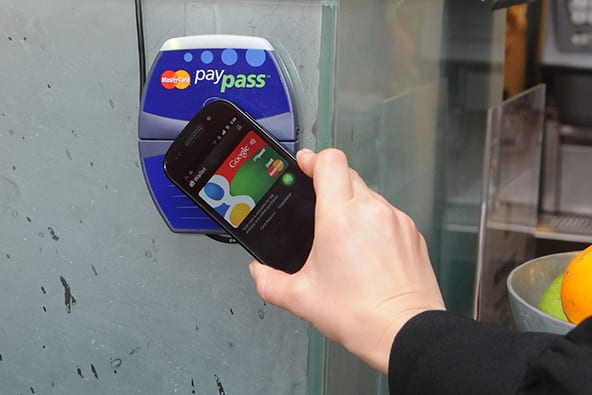
    Entering the already crowded ewallet marketplace is Citi with the official launch of Citi Pay, a digital wallet developed by the bank. It says Singapore is the first country in the world to have Citi customers have access to its new ewallet facilities. Citi customers can use their Android mobile device to tap any Near Field Communication (NFC)-enabled point-of-sale terminal.

    According to the KPMG Report “Singapore Payments Roadmap – Enabling the future of payments 2020 and beyond”, 51% of payment cards used by consumers in Singapore are now contactless. In addition, data supplied by the Infocomm Media Development Authority suggests that the total number of mobile subscriptions for 4G has increased by close to 500% from 2013 – an increase that has facilitated the move to mobile payments by consumers in the country.

    The bank claims onboarding process for Citi Pay is seamless and very easy. Customers will be able to use the same Citibank online user ID and password that they currently use to manage their existing online relationship with the bank to log in to Citi Pay, which will automatically populate their card details.

    Australia and Mexico are expected to have Citi Pay available before end of 2016. Additional markets to follow in 2017.

  • iPay you now: Singapore’s millennials demanding mobile wallets

    iPay you now: Singapore’s millennials demanding mobile wallets

    Millennials demand faster and easier ways to pay. It seemed awkward at first, as J.D Power Director Gordon Shields recalls it, having to pay using his phone at a local supermarket in Singapore. He tells how the checkout assistant confusingly shouted “Apple Pie, Apple Pie” across the store when he handed her his iPhone in an attempt to pay using the mobile app Apple Pay at that time.

    “It makes you wary of trying the payment option again,” he says, although the cashier team finally managed to make it work.

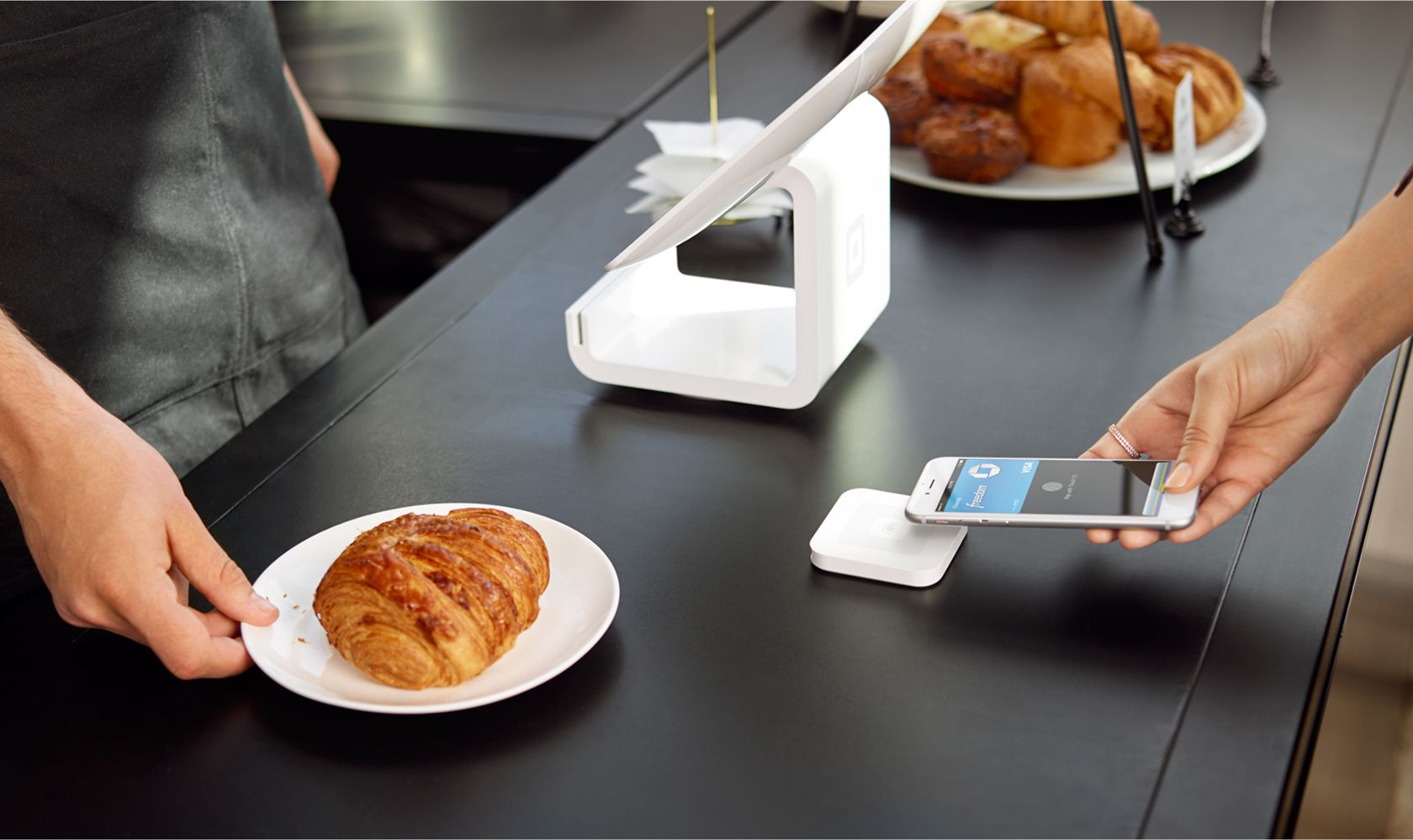
    Launched in just May by Apple and followed in June by Samsung and Android, mobile wallets have now been adopted by one in four Singaporeans but one in three millennials. Shields said that as mobile wallets allow transactions to be made quickly and also for notifications to be registered on the mobile phone, this allows cardholders to have access to their most recent account activities, as well as to receive any alerts or messages from the card issuer on their account.

    “It also helps to improve overall transparency over the account and can work to provide greater control on spending – either for someone who wants to manage their spend on certain categories, or others who may be working towards a certain cashback or rewards spend target,” he says.

    He adds, “In essence, as consumers like to have greater transparency over their accounts and prefer quicker access and control, without going through certain hurdles with OTPs or hard tokens, mobile wallets offer a good solution. However, the barriers to usage are multifold, including acceptance level across merchants, perception of fraud or misuse by cardholders, as well as the simple awkwardness for some users when trying the first time.”

    Contactless payments using mobile phones in Singapore have gained popularity only this year with more than 30,000 retail points in Singapore have enabled payment through apps such as Apple Pay, Samsung Pay, and Android Pay.

    “We expect overall usage to increase, as people move more to having their cards and loyalty programmes on the smartphone rather than in the physical wallet. However, how fast the growth will be still remains unclear,” he explains.

    A certain way to gauge how fast mobile wallet will gain more traction is by looking at how banks in Singapore embrace the innovation. OCBC Bank says it has seen over 35% growth in contactless payments for the past year.

    “It was an easy decision to embrace digital wallets, be it Apple Pay, Samsung Pay or Android Pay, as we want to make this convenient payment method available to as many OCBC customers as possible,” says OCBC lifestyle financing group head Desmond Tan.

    For Usman Khalid, Standard Chartered Singapore’s payments head, mobile wallets dissolve friction from payments.

    “Customers have strongly embraced these platforms as part of their lifestyles, with our customer engagement metrics showing a positive increase. We are also seeing significant growth in customers’ overall contactless spends,” he notes.

    Standard Chartered says it is the only international bank in Singapore to have launched services in three mobile wallets for its clients. As the technology cuts across all three mobile phone operating systems, Khalid said they have seen consumers use mobile wallets for small ticket size “everyday spend” categories such as supermarkets, coffee shops and fast food restaurants.

    Meanwhile, Maybank Singapore Community Financial Services Head Choong Wai Hong notes that their card members have the option to pay using Samsung Pay app. More than the ease of using one, Choong says customers could rely on the added security the technology offers.

    “The mobile wallet is also safe to carry and use. While some consumers may forget to bring their cards or wallets when leaving home, they rarely forget their mobile phones. Hence it provides the added comfort that they have their wallets with them even when they forget to bring their physical cards,” he underscores.

    Wai stresses that one challenge for banks is to get more customers to adopt the new mode of payment.

    “Another challenge is that not all models of mobile handsets support the respective mobile payment apps, so we have seen cases where customers want to embrace this form of digital payment, but their current mobile handsets are not compatible,” he says.

    Out of all the apps, only Android Pay can be used by older NFC-enabled mobile phones. Samsung Pay and Apple Pay support only the latest handsets of their respective brands.

    But for users who had positive experience using mobile wallets, Wai acknowlodges it is likely that there will be high penetration of mobile wallets in the long run.

    “In the short to medium term, what’s more likely is the scenario of consumers using a combination of physical card payment and mobile payment. Furthermore, physical cards are still necessary for payment in other countries where there is no or low mobile payment acceptance,” he says.

    OCBC’s Tan has the same sentiment, adding that financial institutions should speed up their innovation process or risk becoming a laggard in this rapidly-changing world of payments.

    “We are expecting digital wallets to lead the next revolution in the rapidly growing world of payments,” he foresees.

    Some banks have gone so far as creating contactless ATMs. UOB, aside from launching Asia Pacific’s first contactless payment option through its UOB Mighty app, has promised to roll out 60 contactless ATMs around the city-state by January next year. It ambitiously eyes to replace all of its 634 ATMs with NFC-enabled ones by the end of 2018.

    UOB Head for Personal Financial services Dennis Khoo says the bank even worked with partners to introduce contactless mobile payments at all MRT stations in Singapore.

    “This means that UOB cardmembers can now simply top up their EZ-Link cards at any General Ticketing Machine with a tap of their smartphone,” he notes. “It is as important to grow acceptance points in areas that are most relevant to our customers’ lives, from retail and groceries to transit. “

    He, like Shields, believes that it will be millennials who will advance the adoption of mobile wallet technology in Singapore.

    “We have noticed that they are generally early adopters of new innovations such as contactless mobile payments. As they will soon make up the largest demographic of consumers in Singapore, it is natural that they will continue to influence and shape the consumer landscape in Singapore,” he concludes.