Retail News CRM

Tag: exchange rate

  • Dollar Surges to New High Against Dong Amidst Rising Retail Sales

    Dollar Surges to New High Against Dong Amidst Rising Retail Sales

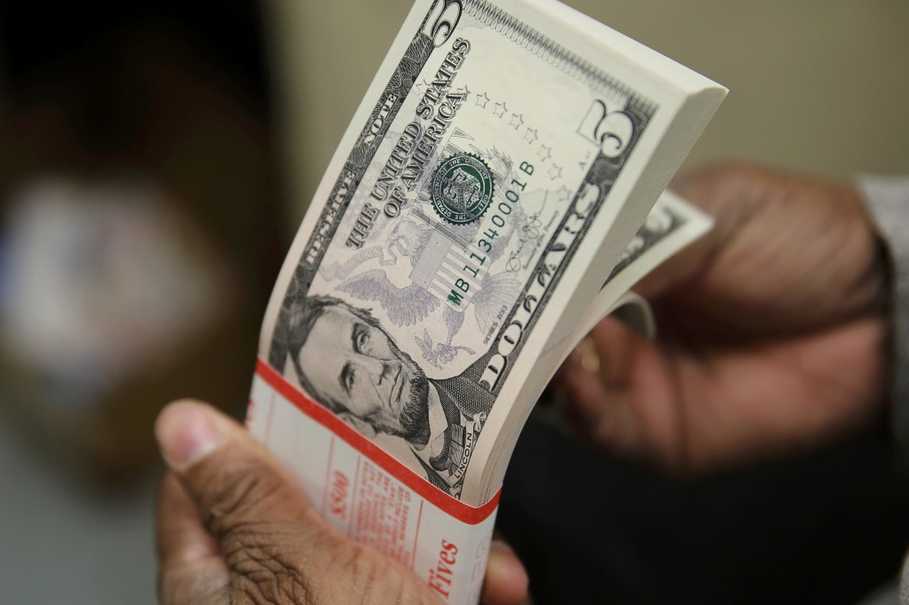
    The U.S. dollar surged to an all-time high against the Vietnamese dong on Friday morning, reflecting its robust performance against other major currencies.

    Dollar Rises at Vietcombank

    Vietcombank reported the U.S. dollar selling for VND 26,195, representing a 0.08% increase from the previous day and surpassing its former peak of VND 26,182. In the black market, however, the greenback traded slightly lower at VND 26,445.

    State Bank Adjusts Reference Rate

    In response to market dynamics, the State Bank of Vietnam raised its reference rate by 0.08%, setting it at VND 24,948. This move aims to stabilize currency fluctuations as global economic conditions evolve.

    Global Context: The Dollar’s Performance

    In international markets, the U.S. dollar regained strength after a slight dip earlier in the week. On Friday, the currency was up 0.3% at 143.08 yen and 0.4% stronger against the Swiss franc, trading at 0.8303. Meanwhile, the euro fell by 0.3% to $1.1355, and the British pound eased 0.2% to $1.3314.

    The dollar’s volatility this week has been notable. After dropping 1% on Monday amid President Trump’s mixed signals regarding economic policies and the Federal Reserve, it rebounded 1.5% a day later. This rebound came as Trump clarified his stance on Federal Reserve Chair Jerome Powell and hinted at potential de-escalation in trade tensions with China.

    Weekly Performance and Market Outlook

    Despite this week’s fluctuations, the dollar index — which gauges the currency against six major counterparts — is poised for a modest 0.27% increase. If achieved, this would mark the end of a four-week losing streak.

    As the dollar continues to experience significant swings, the developments in the forex market may have far-reaching implications for both the Vietnamese economy and global consumer trends. Investors and consumers alike should stay vigilant as these fluctuations could influence pricing on imported goods and currency accessibility in the retail sector.
  • Exchange rates, tax worry Vietnam’s most profitable firms

    Exchange rates, tax worry Vietnam’s most profitable firms

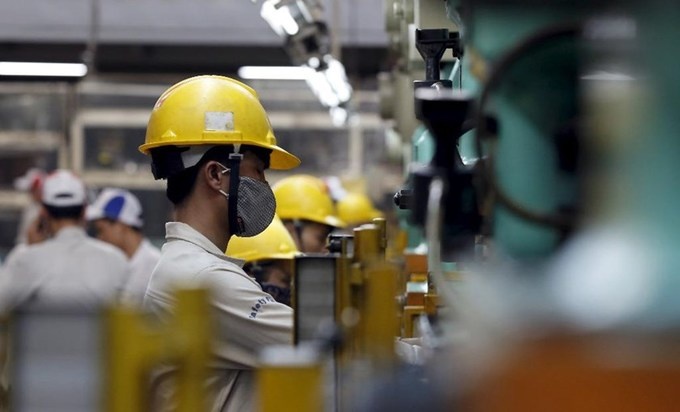
    Exchange rate fluctuations and high taxes are the main concerns of Vietnam’s most profitable businesses, a recent report has found. The survey of the 500 most profitable companies this year, which include 41 foreign invested ones, by consultancy and market research firm Vietnam Report, said 51.4 percent of businesses considered exchange rate volatility as the biggest challenge this year.

    For 42.9 percent of respondents the tax burden was the biggest concern.

    Other factors that affect their profitability are red tape (37.1 percent), global economic instability (31.4 percent) and environmental disasters (25.7 percent).

    However, 90 percent expected their revenues to rise this year.

    Eighty percent said their profit had already exceeded last year’s, with another 8.6 percent saying it had drawn level.

    Almost all (97.1 percent) said the government has stewarded the economy well by curbing inflation and managing the exchange rate adroitly.

    But they wanted improvements to administrative procedures, infrastructure and access to land.

    The survey found the telecommunications-information technology sector having the highest return on equity, 30 percent, followed by transportation with 24 percent and pharmaceuticals with 21 percent.

    The Vietnam Oil and Gas Group or PetroVietnam is the most profitable company this year followed by telecomunications firm Viettel and Samsung Electronics Vietnam Co. Ltd.

  • Exchange rate turn may aid Hong Kong retailers

    Exchange rate turn may aid Hong Kong retailers

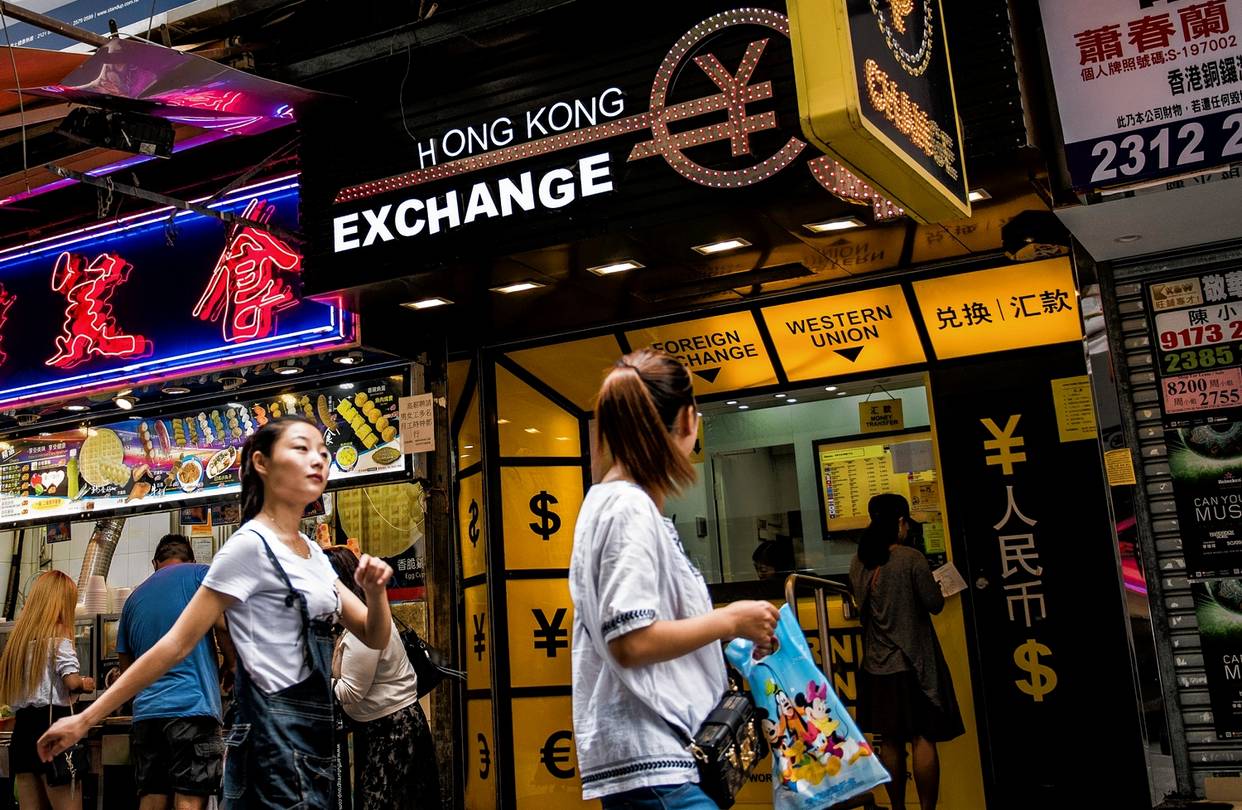
    Hong Kong’s retail sales decline may have bottomed out.

    And a leading factor in the downturn – the value of the Hong Kong dollar – may now bring a much-needed boost for Hong Kong retailers.

    China’s central bank policy this year has been to peg the value of the yuan to the US dollar – the same currency the Hong Kong dollar is pegged to.

    This means that since January, the yuan’s value relative to the Japanese yen has fallen 11.1 per cent, and to the Malaysian ringgit by 6.7 per cent.

    Last year the yuan fell against the Hong Kong dollar, making alternative destinations more attractive for cashed up Mainland Chinese shoppers who chose Japan, Korea or Europe instead, possible due to relaxed visa conditions.

    Now, the value balance is shifting back to Hong Kong, albeit there has been negligible difference in the cross rate between the Hong Kong and mainland currencies. The yuan has fallen just 0.1 per cent against the US currency this year, and risen 0.1 per cent against the Hong Kong dollar.

    “It will help perhaps put a floor in terms of retail sales,” Sandy Mehta, CEOof Hong Kong-based Value Investment Principals said in an interview with Bloomberg. “The currency by itself may not lead to a recovery, but it will surely help things bottom out.”

    Hong Kong retail sales fell 12.5 per cent in the first quarter of 2016, largely due to an ongoing decline in visitor arrivals.