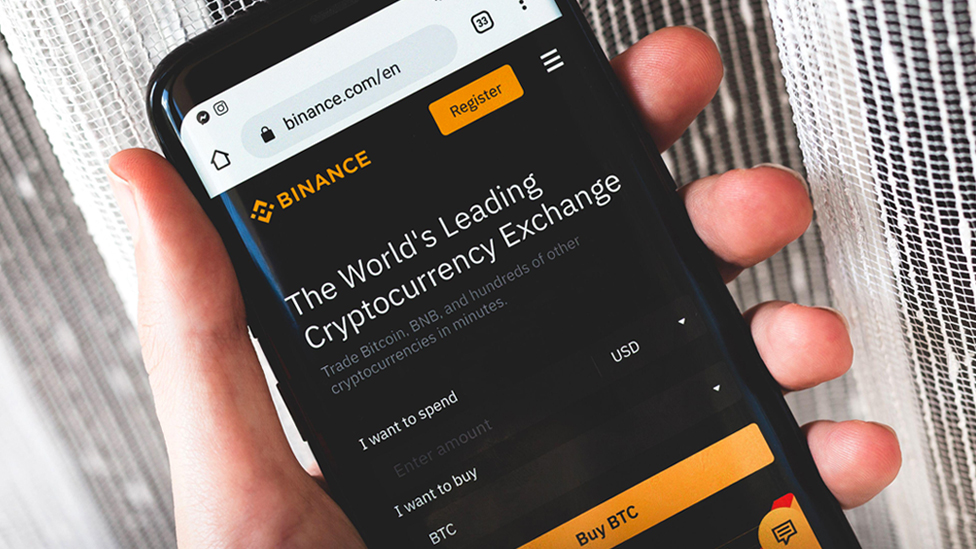
Binance opened talks with Malaysian regulators to secure a domestic operating licence, aiming to reverse a five-year market shutout triggered by an enforcement ban in July 2021.
The exchange engaged the Securities Commission Malaysia and Bank Negara Malaysia across a ten-month dialogue to establish a compliant business model. Domestic regulators previously blocked access to the platform’s mobile applications and domain names after finding it operated an illegal exchange. That enforcement package banned local marketing campaigns and cut consumer access to official community channels.
The discussions unfold alongside broader industry fallout after Binance suffered a record US$6.3 billion security breach this week, forcing the platform to halt withdrawals and pledge full reimbursement for customer losses.
Ten Months of Direct Regulatory Engagement
The dialogue between the exchange and domestic authorities focuses on establishing an onshore corporate structure. Malaysian digital asset rules require exchange operators to win registered market operator status before taking local retail deposits. The company declined to detail the specific licence category requested during the ongoing filings.
Earlier regulatory actions created a difficult starting point. The Securities Commission removed Binance from its public Investor Alert List earlier in 2024 before reversing course and re-listing the exchange in October without a stated rationale. Central bank officials maintain strict oversight on ringgit-denominated conversions to prevent unauthorized capital flows across regional borders.
Cross-Border Peer-to-Peer Scrutiny
Scrutiny over currency controls escalated when Malaysian lawmaker Lim Guan Eng sent a formal inquiry to the Securities Commission in September. The complaint asked officials to examine whether traders used foreign-currency listings on peer-to-peer markets to move ringgit outside approved channels. His office released that correspondence publicly on October 31.
Management pushed back against allegations of systemic exchange violations while adjusting product availability. The platform confirmed it disabled a Papua New Guinea kina trading board that users unofficially tied to ringgit pricing, acting directly on regulatory feedback. It categorized a separate Romanian leu trade as a single unauthorized posting by a foreign account.
Competitive Shift Across Southeast Asian Exchanges
Securing licensed access in Malaysia would change how retail fintechs and onshore exchanges compete for digital asset volumes in Southeast Asia. Domestic operators run under tight capital mandates, serving a conservative retail market that values local deposit insurance and ringgit bank rails. An approved Binance presence would bring institutional liquidity directly into a market that previously pushed crypto investors toward offshore channels.
Operating risk remains elevated following technical vulnerabilities across international infrastructure. Binance suspended withdrawals and committed to covering client funds after suffering a US$6.3 billion security breach, the largest recorded theft in the sector. Malaysian regulators scrutinize platform solvency and custody tools closely, meaning any security failure abroad reduces the probability of a swift domestic licence grant.
Past Enforcement Actions and Unresolved Hurdles
The path back to Malaysia follows half a decade of regulatory friction. The Securities Commission ordered the exchange to halt domestic operations in July 2021 after finding it solicited retail investors without registration. That order shuttered local customer service groups on Telegram and halted web marketing targeting domestic users.
Decisions now rest with the Securities Commission and Bank Negara Malaysia on whether the platform meets custody and capital requirements. The primary metric to track is whether the Securities Commission issues an agreement in principle or removes the operator from its active alert directory.