Tag: expands

  • Uniqlo Expands Global Reach with Debut Flagship Store in Kyoto

    Uniqlo Expands Global Reach with Debut Flagship Store in Kyoto

    Uniqlo, the renowned global retail brand, is expanding its presence in Kyoto by launching its pioneering global flagship store in the city. The strategic decision aims to leverage the city’s high domestic and international visitor traffic.

    The Kyoto-based Uniqlo store, spanning an impressive 3200 square meters, is set to open its doors on November 6th. The launch follows a comprehensive renovation of Uniqlo’s existing Kawaramachi store, which is currently the largest retail outlet for the brand in Kyoto.

    The Store’s Unique Layout

    Uniqlo’s new flagship store is a multi-level marvel with three airy floors above ground and a spacious basement level. It will offer a comprehensive range of LifeWear products, catering to men, women, children, and infants.

    Uniqlo is intentionally blending the brand’s LifeWear concept and service offerings with the rich traditions and cultural elements of Kyoto. The retailer’s primary aim is to mirror the city’s burgeoning popularity as an international destination.

    In a statement, Uniqlo expressed its aspiration to build a long-lasting relationship with its customers by offering them a shopping experience steeped in the multifaceted appeal of Kyoto. The brand aims at sharing Kyoto’s inherited traditions and evolving charm through their store, targeting a global audience.

    Global Expansion Plans

    Uniqlo’s decision to open a flagship store in Kyoto aligns with its ongoing efforts to penetrate international markets. As a part of its global expansion strategy, the brand reportedly plans a significant boost in its presence in India. The move involves a five-fold increase in its store network in the country, expanding from its current count to over 100 stores within the next five years. The primary focus of this ambitious expansion will be New Delhi and other major Indian cities.

    Questions & Answers

    What is the significance of Uniqlo’s new store in Kyoto?
    The global flagship store in Kyoto represents a strategic expansion in a city with high domestic and international visitor traffic. It also reflects Uniqlo’s aim to integrate local culture and traditions into its store concept.

    What can customers expect from the new Uniqlo store in Kyoto?
    Customers can look forward to a comprehensive range of Uniqlo’s LifeWear products across various categories — men, women, kids, and babies. Additionally, the store seeks to provide a unique shopping experience that blends the brand’s concept with Kyoto’s cultural elements.

    What are Uniqlo’s future expansion plans?
    Uniqlo plans to significantly enhance its presence in India, targeting a five-fold increase in its store network within the next five years. The expansion will primarily focus on New Delhi and other major cities in India.

  • Kim Kardashian’s Skims Expands to India: A Revolutionary Partnership with Reliance Retail

    Kim Kardashian’s Skims Expands to India: A Revolutionary Partnership with Reliance Retail

    Renowned fashion brand, Skims, has recently launched in India through an exclusive collaboration with Reliance Retail. The brand is going to be available across both physical retail outlets and digital platforms.

    Co-created by Kim Kardashian and Jens Grede in 2019, Skims is celebrated for its unique range of shapewear, underwear, loungewear, and staples that cater to a diverse range of body shapes and sizes.

    The Rollout Process

    The brand’s rollout in India is being spearheaded by Reliance Brands (RBL). The process is set to kick off with the opening of stores in Delhi and Mumbai. Following this, the expansion will continue over time to include more cities and sales channels.

    Isha Ambani, the director of Reliance Retail, spoke positive words about the partnership. She emphasized that the collaboration with Skims indicates the increasing demand for premium brands in India.

    “Skims has indeed revolutionized the way the world perceives shape, comfort, and inclusivity. It directly appeals to consumers who desire fashion that is both aspirational and tailored for them,” Ambani stated. She added, “We take immense pride in introducing Skims to India and establishing it here for the long haul.”

    Kim Kardashian, on her part, asserted that the brand has already received a substantial amount of interest from Indian consumers. “The enthusiasm that we have witnessed from the Indian community has been truly astounding, and we are eagerly looking forward to welcoming them into our stores for the very first time,” she expressed.

    Questions & Answers

    Who are the founders of Skims?
    Skims was co-founded by Kim Kardashian and Jens Grede in 2019.

    Where will the first Skims stores be opened in India?
    The first Skims stores in India will be opened in Delhi and Mumbai.

    What is the aim of introducing Skims to India?
    The goal is to cater to the growing demand for premium brands in the country, offering fashion that is aspirational and tailored to diverse body shapes and sizes.

  • Costco’s Online Leap into China: Partnership with JD Expands Nationwide Reach

    Costco’s Online Leap into China: Partnership with JD Expands Nationwide Reach

    Costco, the multinational warehouse retailer, has embarked on an exciting new chapter in its expansion efforts within China. The company recently inaugurated an online flagship store on JD, China’s leading e-commerce platform. This online presence is set to enhance Costco’s reach beyond its existing physical warehouse network.

    The collaboration with JD provides nationwide consumers with access to an impressive array of approximately 700 products. These offerings encompass various categories, such as groceries, household essentials, health supplements, beauty, and Costco’s exclusive Kirkland Signature private-label line. Significantly, this also includes regions where Costco currently lacks a physical presence.

    This strategic partnership with JD serves as a critical step in augmenting Costco’s business operations in China. It goes beyond the restricted physical scope of their membership warehouses. As stated by Costco China, “Our alliance with JD, utilizing its robust online platform and extensive logistics network, allows us to overcome regional boundaries. It facilitates the expansion into wider markets and ensures effective delivery of Costco’s distinctive merchandise and service value to consumers across the country.”

    The online flagship store underwent a trial phase that commenced in late May. According to Costco, during the first month of the trial period, the store attracted over 30 million visits and gained nearly 200,000 followers. These figures underscore the strong consumer interest leading up to the store’s official inauguration.

    This development materializes as Costco continues to cautiously extend its footprint in Mainland China. Since the establishment of its maiden warehouse in Shanghai in 2019, Costco has introduced a few additional stores in the nation’s major cities. Concurrently, the retailer is increasingly incorporating digital channels to augment its market reach.

    Questions & Answers

    What is the significance of Costco’s partnership with JD?
    The collaboration with JD enables Costco to extend its reach across China, beyond the physical boundaries of its warehouse network. It allows consumers from various regions, including those where Costco has no physical presence, access to an array of products.

    How many products will be available through Costco’s online flagship store on JD?
    The online store offers nationwide consumers access to around 700 products spanning various categories.

    What was the consumer response during the trial phase of the online store?
    During the trial phase in its first month, the online store attracted over 30 million visits and gained nearly 200,000 followers, indicating strong consumer interest.

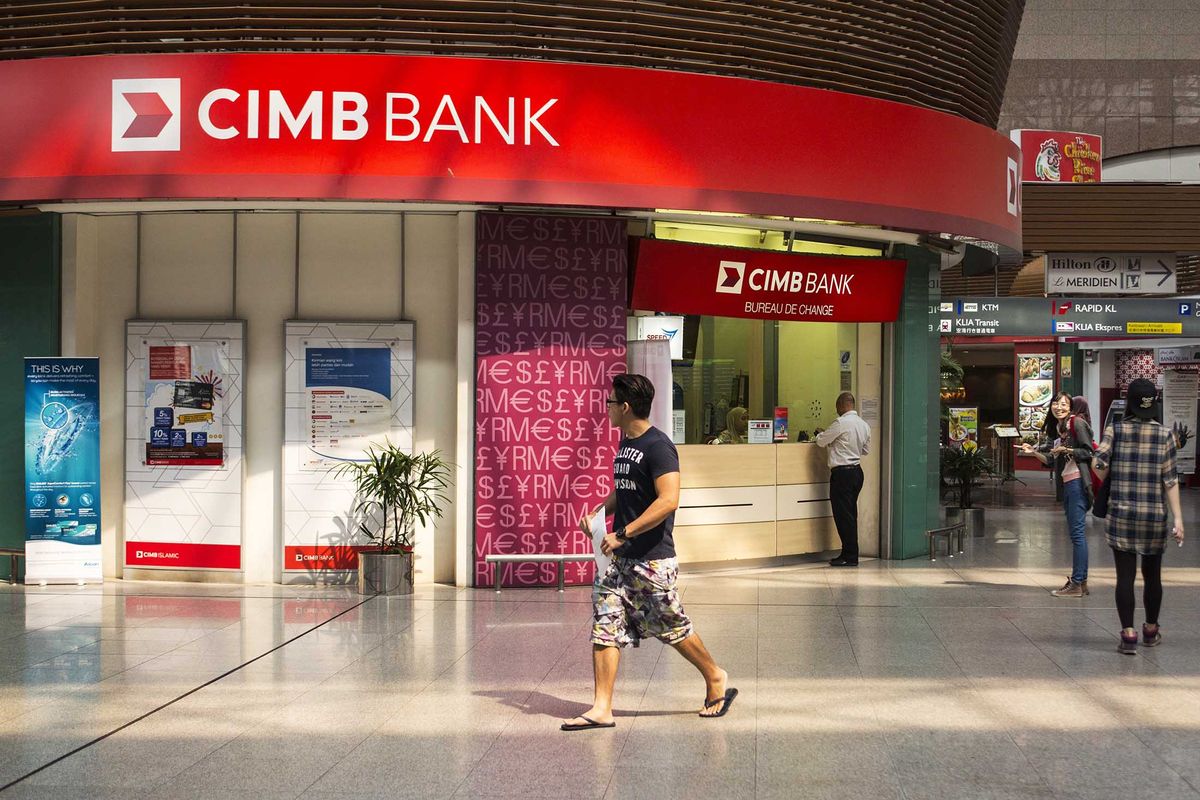
  • CIMB Expands Wealth Services into Singapore and Thailand, Targeting Southeast Asias Rising Affluent Class

    CIMB Expands Wealth Services into Singapore and Thailand, Targeting Southeast Asias Rising Affluent Class

    CIMB Group, Malaysia’s second-largest bank in terms of assets, has announced its intention to expand its private wealth business to Singapore and Thailand by the end of the year. This move is part of a larger plan to double the bank’s wealth assets under management by 2030.

    Targeting Southeast Asia’s Growing Affluent Segment

    Haniz Nazlan, the CEO of group consumer banking at CIMB, revealed on Monday that this expansion activity is targeting the rapidly increasing affluent segment in Southeast Asia. This strategic move follows the successful launch of the bank’s private wealth business in Indonesia earlier in the year and in Malaysia on the same day.

    According to Nazlan, the ASEAN economy, worth US$4 trillion, has been experiencing robust annual economic growth rates of approximately 4%, which is significantly higher than many developed markets. This economic dynamism is expected to stimulate a 5% to 6% annual increase in the region’s affluent population. Furthermore, the middle class is projected to comprise between 65% and 70% of the ASEAN population by 2030.

    Factors such as growing incomes, escalating cross-border investments, and a notable surge in intergenerational wealth transfers are propelling the market.

    A New Service for High Net-Worth Clients

    Daniel Cheong, CIMB’s head of consumer banking for Malaysia, revealed that the new private wealth service is tailored to clients who have at least RM1 million ($244,612) in assets under management. This offering is positioned above CIMB Preferred, the bank’s mass-affluent priority banking segment, which requires a minimum of RM250,000 in assets.

    CIMB’s Private Wealth service offers clients dedicated relationship managers, treasury solutions, investment advisors, customized investment products, succession planning, and digital wealth capabilities.

    Nazlan noted that affluent clients are progressively seeking advice that goes beyond mere investment product selection. He explained that they want guidance on wealth protection, preparation of their children’s futures, access to global opportunities, and making informed decisions in an unpredictable world.

    Nazlan disclosed that CIMB’s wealth assets under management (AUM) were approximately RM250 billion in the preceding year. However, he refrained from providing interim growth targets or customer acquisition figures, stating that it is still the early stages of the Private Wealth proposition’s rollout.

    Questions & Answers

    What is CIMB Group’s plan for its private wealth business?
    CIMB Group plans to expand its private wealth business to Singapore and Thailand by year-end, aiming to double its wealth assets under management by 2030.

    Who are the target clients of the new CIMB private wealth service?
    CIMB’s private wealth service targets high net-worth clients who have at least RM1 million ($244,612) in assets under management.

    What are the key services offered by CIMB’s Private Wealth service?
    CIMB’s Private Wealth service offers dedicated relationship managers, investment advisors, treasury solutions, succession planning, customizable investment products, and digital wealth capabilities.
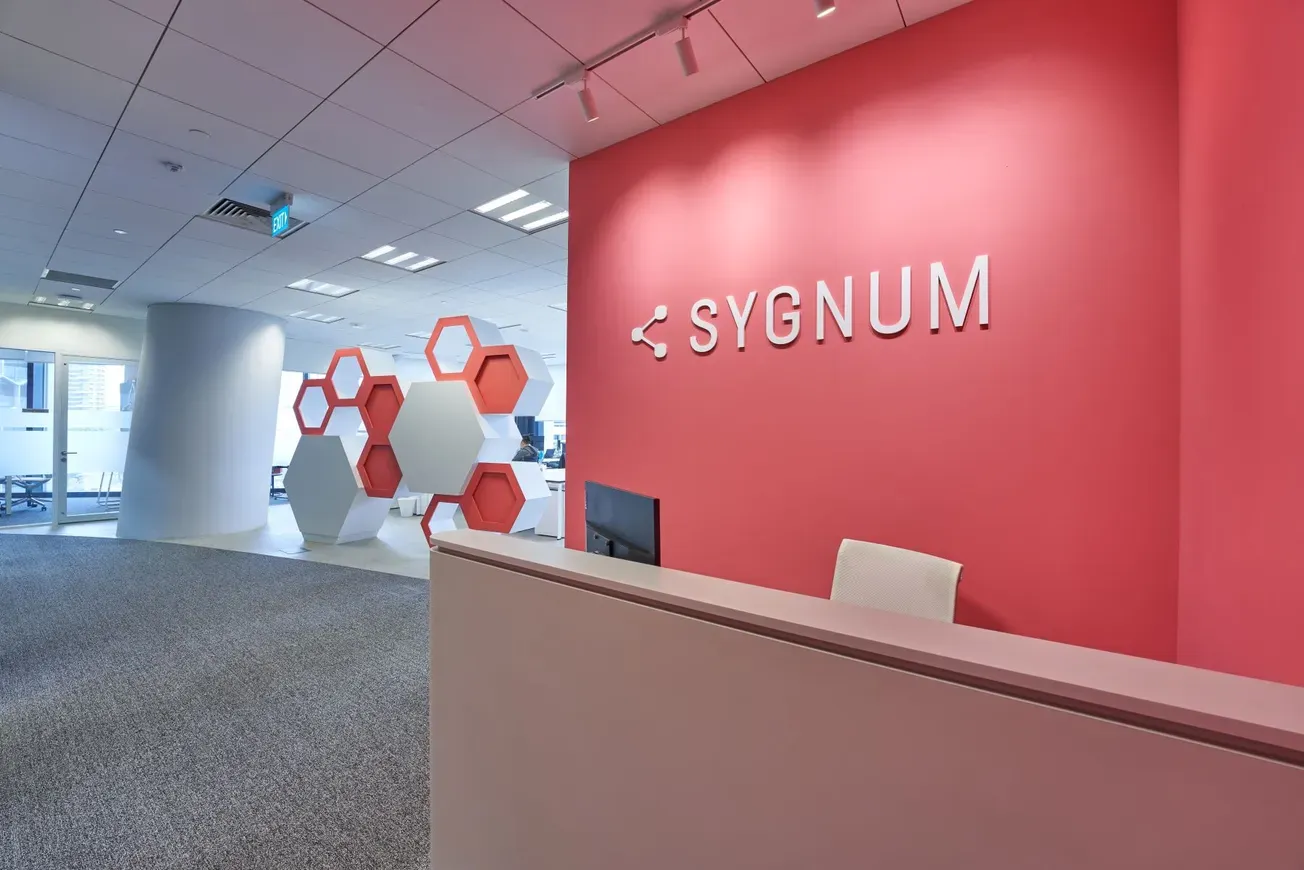
  • Swiss Banking Giant Sygnum Expands Reach in Europe with New Micar Licence

    Swiss Banking Giant Sygnum Expands Reach in Europe with New Micar Licence

    Swiss digital asset banking conglomerate, Sygnum, is amplifying its expansion efforts throughout Europe following the procurement of a Markets in Crypto-Assets (MiCA) license for its Liechtenstein-based subsidiary. This approval paves the way for the firm to engage directly with clients across the European Union and European Economic Area, marking a significant development in its global expansion agenda.

    The granting of the license arrives as the EU’s MiCA transition phase winds down, permitting Sygnum Europe to operate under the bloc’s standardized cryptocurrency regulatory framework. With its robust banking infrastructure spanning Switzerland, Singapore, and the Middle East, the firm seeks to broaden its client base among wealthy individuals, institutional investors, and financial institutions throughout Europe.

    Banking Platform at the Forefront

    Sygnum differentiates itself from other recently licensed crypto service providers by integrating its MiCA license with a well-grounded banking platform, institutional-quality custody and digital asset investment products, and an immediately deployable Bank-to-Bank infrastructure.

    Simon Schneider, the Chief Executive of Sygnum Europe, emphasized that the blending of traditional and digital finance makes trust Europe’s most precious asset. He further stated that having direct access to the European market would enable the firm to offer its regulated digital asset services to a wider range of clientele.

    Concentration on Private Wealth and Institutions

    Sygnum is primarily targeting Europe’s burgeoning pool of ultra-wealthy individuals open to investing in digital assets. Clients will have the opportunity to trade cryptocurrencies, including Bitcoin, through integrated accounts, all under the protection of regulated institutional custody. They will also have access to products like the Sygnum Crypto Yield Fund.

    Sygnum is also keen on capturing the interest of institutional investors. The firm plans to offer its off-exchange custody platform, Protect, to hedge funds, asset managers, and proprietary trading firms. The platform’s design, which disassociates custody from trading locales, aims to diminish the counterparty risks linked with cryptocurrency exchanges.

    Sygnum also identifies a significant opportunity in catering to Europe’s banking sector. The company highlights that the majority of the continent’s approximately 5,000 banks have not yet integrated digital asset services due to the stringent infrastructure and regulatory prerequisites.

    Through its Bank-to-Bank platform, Sygnum empowers financial institutions to roll out regulated digital asset offerings more swiftly, while cutting down on execution costs and operational intricacy. The company currently offers digital asset capabilities through over 25 partner banks, reaching over a third of Switzerland’s population. By 2027, it expects to be one of Europe’s largest regulated Bank-to-Bank digital asset networks by client reach.

    As part of its European growth strategy, Sygnum continues to invest in artificial intelligence. The bank was the first regulated Swiss bank to carry out live AI-facilitated digital asset transactions using a human-supervised approach that blends AI with human oversight.

    Questions & Answers

    What is the significance of Sygnum acquiring a Markets in Crypto-Assets license?
    Securing the MiCA license enables Sygnum to operate directly with clients across the European Union and European Economic Area, marking a key milestone in its global expansion plans.

    What services will Sygnum provide to its targeted clientele in Europe?
    Sygnum aims to offer its regulated digital asset services, including a well-established banking platform, institutional-quality custody, digital asset investment products, and an immediately deployable Bank-to-Bank infrastructure.

    What strategy does Sygnum plan to implement to capture the interest of institutional investors?
    The firm plans to offer its off-exchange custody platform, Protect, to hedge funds, asset managers, and proprietary trading firms. This platform, designed to separate custody from trading locales, seeks to reduce counterparty risks associated with cryptocurrency exchanges.

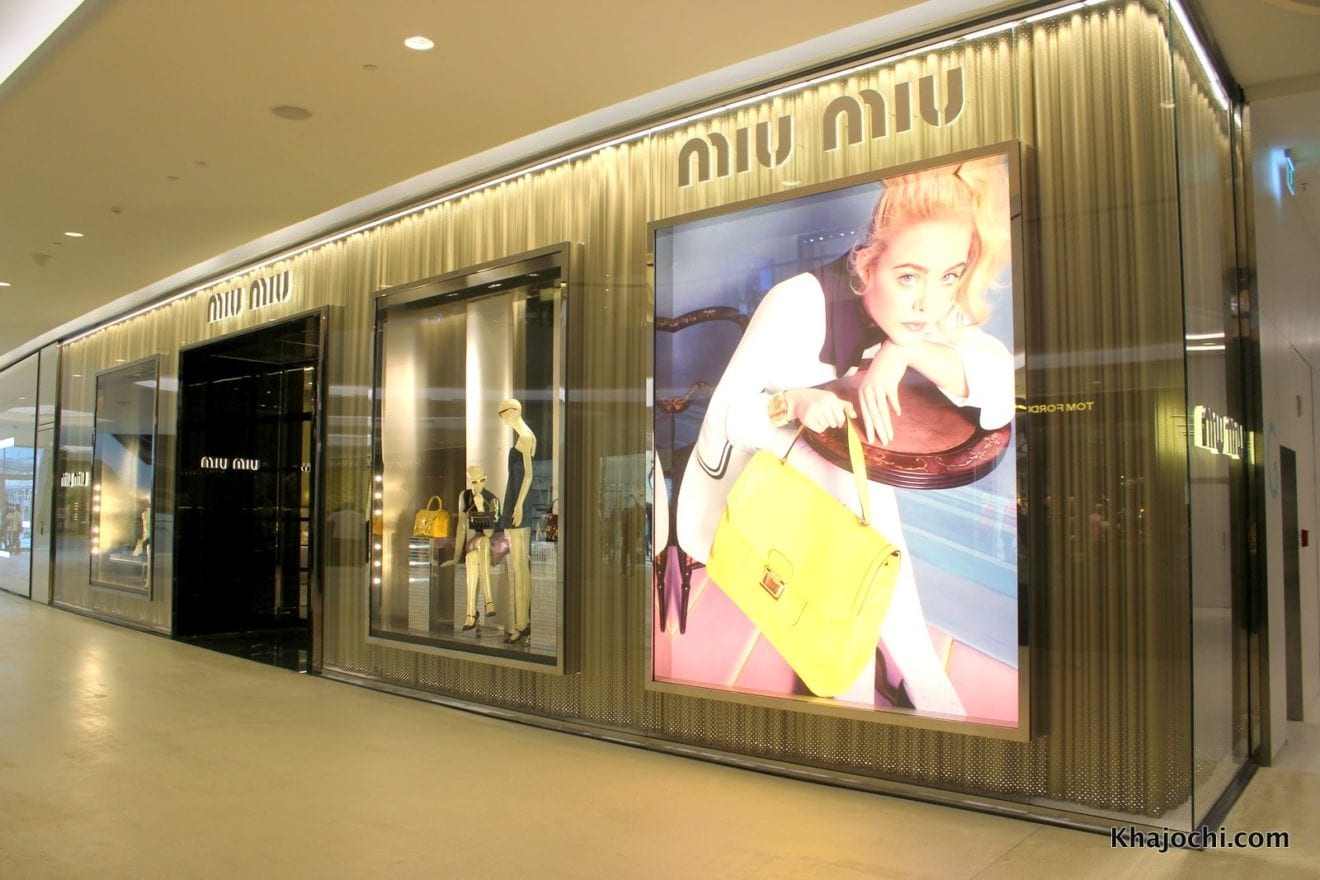
  • Miu Miu Expands Luxury Fashion Footprint with New Boutique at K11 Musea, Hong Kong

    Miu Miu Expands Luxury Fashion Footprint with New Boutique at K11 Musea, Hong Kong

    High-end fashion house Miu Miu has inaugurated a new boutique in Hong Kong’s K11 Musea, further enhancing the luxury retail location’s high-grade fashion repertoire.

    The 161 square metre boutique showcases ready-to-wear collections, handbags, footwear and accessories, alongside Miu Miu’s L’Eté and Upcycled lines. The boutique also features a range of K11 Musea-exclusive styles, presented in a minimalist interior that boasts blue canvas walls, oak wood and limestone finishes.

    This new opening is part of the ongoing multi-stage refurbishment of K11 Musea that was announced earlier this year. This large-scale renovation has introduced over 60 luxury and premium brands while revamping more than 30 per cent of the mall’s retail space.

    Horace Lam, CEO of K11 Hong Kong, highlighted that Miu Miu’s addition aligns perfectly with the mall’s strategy of boosting its appeal to luxury shoppers through carefully curated brand experiences.

    “Miu Miu’s new boutique offers a sophisticated, design-oriented environment that resonates with our culturally discerning, luxury clientele who are in pursuit of immersive retail experiences,” said Lam.

    Additionally, Lam indicated that this latest opening is a testament to K11’s dual-mall strategy. K11 Musea is primarily focused on luxury retail, while the adjoining K11 Art Mall targets a younger demographic and recently welcomed Saucony’s first flagship in Hong Kong.

    “Collectively, these new additions underscore the complementary positioning of our portfolio in the vibrant Tsim Sha Tsui district: Two malls, two unique identities, both operating at close to full capacity with sustained growth in traffic and sales,” Lam further remarked.

    Questions & Answers

    What does the new Miu Miu boutique add to K11 Musea?
    The boutique enhances the mall’s luxury fashion offerings with its curated selection of ready-to-wear collections, handbags, footwear, and accessories, as well as exclusive styles only available at K11 Musea.

    How does the new Miu Miu store align with K11 Hong Kong’s strategy?
    The addition of Miu Miu aligns with K11’s strategy of attracting luxury shoppers through carefully curated brand experiences, thereby strengthening its appeal.

    What is K11’s dual-mall strategy?
    K11 operates two malls with distinct identities. K11 Musea focuses on luxury retail, while the neighbouring K11 Art Mall caters to younger consumers. Both malls are operating at near-full occupancy with continuous growth in traffic and sales.

  • Emirates SkyCargo Expands Global Network with Weekly Freighter Service to Almaty, Central Asias Growing Commercial Hub

    Emirates SkyCargo Expands Global Network with Weekly Freighter Service to Almaty, Central Asias Growing Commercial Hub

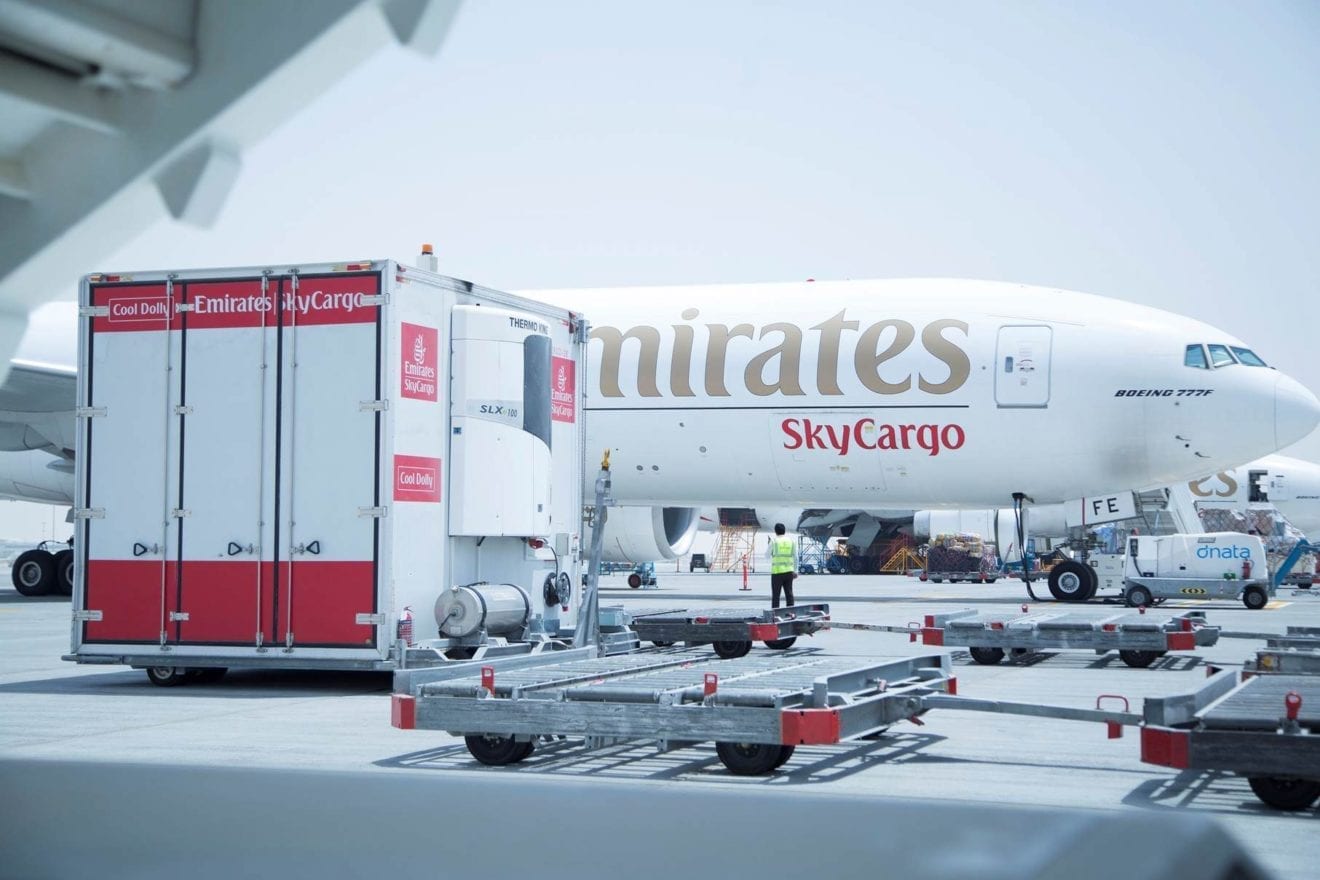
    Emirates SkyCargo, the freight arm of the prominent Emirates airline, recently announced the commencement of weekly freighter flights to Almaty International Airport, Kazakhstan, starting from 16 June 2026. In what marks the company’s first foray into Central Asia, the Dubai-based flights are set to establish a robust trade channel, tying the region to the Emirates SkyCargo global network.

    Strengthening Trade Corridors

    As the major city of Kazakhstan, Almaty is a fast-developing commercial and logistical center, serving as an economic and trading nexus in Central Asia. By offering weekly freights every Tuesday, Emirates SkyCargo aims to supply over 100 tonnes of weekly cargo capacity. This will facilitate the smooth transportation of key commodities including electronics, perishables, machinery, and other consumer items between Dubai and Almaty.

    Badr Abbas, Divisional Senior Vice President of Emirates SkyCargo, noted that the decision to offer weekly freighter services to Almaty was in line with the company’s role as a global trade facilitator. He expressed optimism that the new service would provide businesses in Almaty and the surrounding region with opportunities to expand their international operations. Furthermore, it would offer the company’s global customers quick and convenient access to a strategic marketplace. Abbas also stated that the Almaty expansion supports the company’s long-term growth strategy and the D33 Dubai Economic Agenda objectives by increasing foreign trade and solidifying Dubai’s status as a global logistics hub.

    Expansion of Freighter Fleet and Network

    In response to a surge in global demand, Emirates SkyCargo has strategically expanded its freighter fleet and worldwide network. Since March 2026, the airline has taken delivery of four new Boeing 777 freighters, with six more due for delivery later this year. This will bring the total Emirates freighter fleet to 21 aircraft by December 2026. Emirates SkyCargo offers its global customers scalable and flexible cargo capacity solutions. In addition to dedicated freighter flights, the carrier also provides high-frequency bellyhold cargo capacity on Emirates’ passenger aircraft fleet, operating to destinations across six continents.

    Questions & Answers

    What is the significance of Emirates SkyCargo’s new service to Almaty?
    The new service will open up a new channel of trade, linking Central Asia, particularly Kazakhstan, to Emirates SkyCargo’s global network. It offers businesses an opportunity to expand their operations and provides global customers with a strategic marketplace.

    How does this expansion fit into Emirates SkyCargo’s broader strategy?
    The expansion aligns with the company’s long-term growth strategy and the D33 Dubai Economic Agenda objectives. It supports the company’s role as a global trade facilitator and strengthens Dubai’s standing as a global logistics hub.

    What are Emirates SkyCargo’s plans for their freighter fleet?
    With the delivery of four new Boeing 777 freighters in 2026 and six more expected later in the year, Emirates SkyCargo plans to expand its freighter fleet to 21 aircraft by the end of 2026.

  • Tencent Revolutionizes Cross-Border Payments: Expands Remittance Services to Global Audience

    Tencent Revolutionizes Cross-Border Payments: Expands Remittance Services to Global Audience

    Tencent, the Chinese multinational conglomerate, has extended its cross-border payment service, TenPay Global, to non-Chinese citizens. This move allows overseas individuals to send money directly into China and avail themselves of WeChat-related services.

    Enhanced Access to Digital Transactions in China

    Tencent’s newly launched service, “Remit to China for Non-Chinese Citizens,” permits foreign passport holders to transfer funds directly from overseas to beneficiaries in mainland China. This expansion in Tencent’s service offerings is a significant move in making China’s highly digitalized payment ecosystem more accessible to international tourists, students, expatriates, and business travelers.

    With this service, overseas users can transfer funds to beneficiaries in China using mobile phone numbers associated with WeChat accounts. Upon receipt, the funds can be instantly used for a variety of services within the Weixin ecosystem. These include online shopping, mobile top-ups, utility payments, and other everyday transactions.

    This service is particularly beneficial for international students, workers, travelers, and expatriates in China. TenPay Global offers round-the-clock access and allows transfers to be completed within minutes.

    Strengthening Cross-Border Payment Connectivity

    This launch is part of Tencent’s broader strategy to bolster cross-border payment connectivity between China and international markets. The current TenPay Global remittance platform works in conjunction with over 60 international banks and money transfer providers, supporting transfers to China from more than 100 countries and territories worldwide.

    As cross-border mobility begins to recover across Asia, payment providers are concentrating on minimizing friction for international consumers seeking access to local payment networks.

    Tencent’s remittance service is a key component of the internationalization strategy for Weixin Pay, Tencent’s leading domestic payment platform. The company has also advanced its “Pay with Your Home E-Wallet” initiative, enabling foreign visitors to make payments in mainland China using digital wallets issued in their home markets.

    With over 40 global wallet providers, TenPay Global currently has 36 e-wallets from 13 countries and regions connected to Weixin Pay’s network.

    Tencent’s expansion is indicative of the ongoing efforts by Chinese tech companies to merge domestic payment platforms with international financial networks, simplifying transactions within China’s predominantly cashless economy for foreign users. This initiative also strengthens WeChat’s position as a hub for both payments and everyday digital services, extending its reach to a rapidly growing international customer base.

    Questions & Answers

    What services does Tencent’s “Remit to China for Non-Chinese Citizens” allow?

    The service enables foreign passport holders to transfer funds directly from overseas to recipients in mainland China. The funds can then be used for various services within the Weixin ecosystem, like online shopping, mobile top-ups, and utility payments.

    What initiative has Tencent expanded apart from the remittance service?

    Tencent has also expanded its “Pay with Your Home E-Wallet” initiative, which allows overseas visitors to make payments in mainland China using digital wallets issued in their home markets.

    Which countries and regions are connected to Weixin Pay’s network?

    Currently, 36 e-wallets from 13 countries and regions, including the United States, Singapore, Vietnam, Laos, and Mongolia, are connected to Weixin Pay’s network.

  • Satorisan Marches into China: Spanish Footwear Brand Expands Asian Presence

    Satorisan Marches into China: Spanish Footwear Brand Expands Asian Presence

    Recognized as an influential player in the footwear industry, Spain’s Satorisan has successfully broken into the Chinese market. This strategic move is part of their ongoing venture to expand their reach across Asia, following a solid foundation laid in Europe and South Korea.

    Satorisan was established in 2010 by Alejandro Monzó Tadeo, who has over two decades of experience in the active footwear industry. Since its inception, the brand has witnessed steady growth, with sales surpassing 1.6 million pairs in over 100 countries worldwide.

    Satorisan’s Debut in China

    Satorisan unveiled its presence in China through a showroom presentation of their Fall/Winter 2026 collection at Shanghai Fashion Week. The brand also launched its official account on Xiaohongshu, a popular social media and e-commerce platform in China, marking its initial entry into this vast market.

    International Growth Strategy

    Satorisan has been working consistently on their international growth strategy. In Spain, the brand operates flagship stores under the ‘Satori Home’ concept. Their Valencia store, located at Calle Sorní 25, exemplifies this concept. Established in 2016 within a renovated modernist building, it serves as both a retail store and a showroom, hosting events and community-led initiatives.

    Entering the Competitive Chinese Market

    China’s footwear market is highly competitive, with both local and global brands vying for consumers’ attention. By entering this market, Satorisan positions itself among these contenders, aiming to meet the growing demand for comfortable, lifestyle-oriented footwear.

    Questions & Answers

    What is Satorisan’s background?
    Satorisan was founded in 2010 by Alejandro Monzó Tadeo, a veteran in the active footwear industry. It has witnessed steady growth, with sales surpassing 1.6 million pairs in over 100 countries.

    How has Satorisan entered the Chinese market?
    Satorisan made its debut in China through a showroom presentation at Shanghai Fashion Week and by launching an official account on Xiaohongshu, a popular social media and e-commerce platform in China.

    What kind of competition does Satorisan face in the Chinese market?
    The Chinese footwear market is highly competitive, with both local and international brands targeting consumers. Satorisan, with its focus on comfortable, lifestyle-oriented footwear, is positioning itself to meet this robust demand.

  • Qantas Freight Expands Asia Pacific Presence with New Singapore Stop, Boosting Changi Airport’s Air Cargo Network

    Qantas Freight Expands Asia Pacific Presence with New Singapore Stop, Boosting Changi Airport’s Air Cargo Network

    Qantas Freight, a subsidiary of the Australian airline Qantas, recently announced the launch of its dedicated freighter services to Singapore. These services, which are expected to begin on April 3, 2026, will operate twice a week and include stops in Sydney, Shanghai, and Singapore.

    New Freight Services

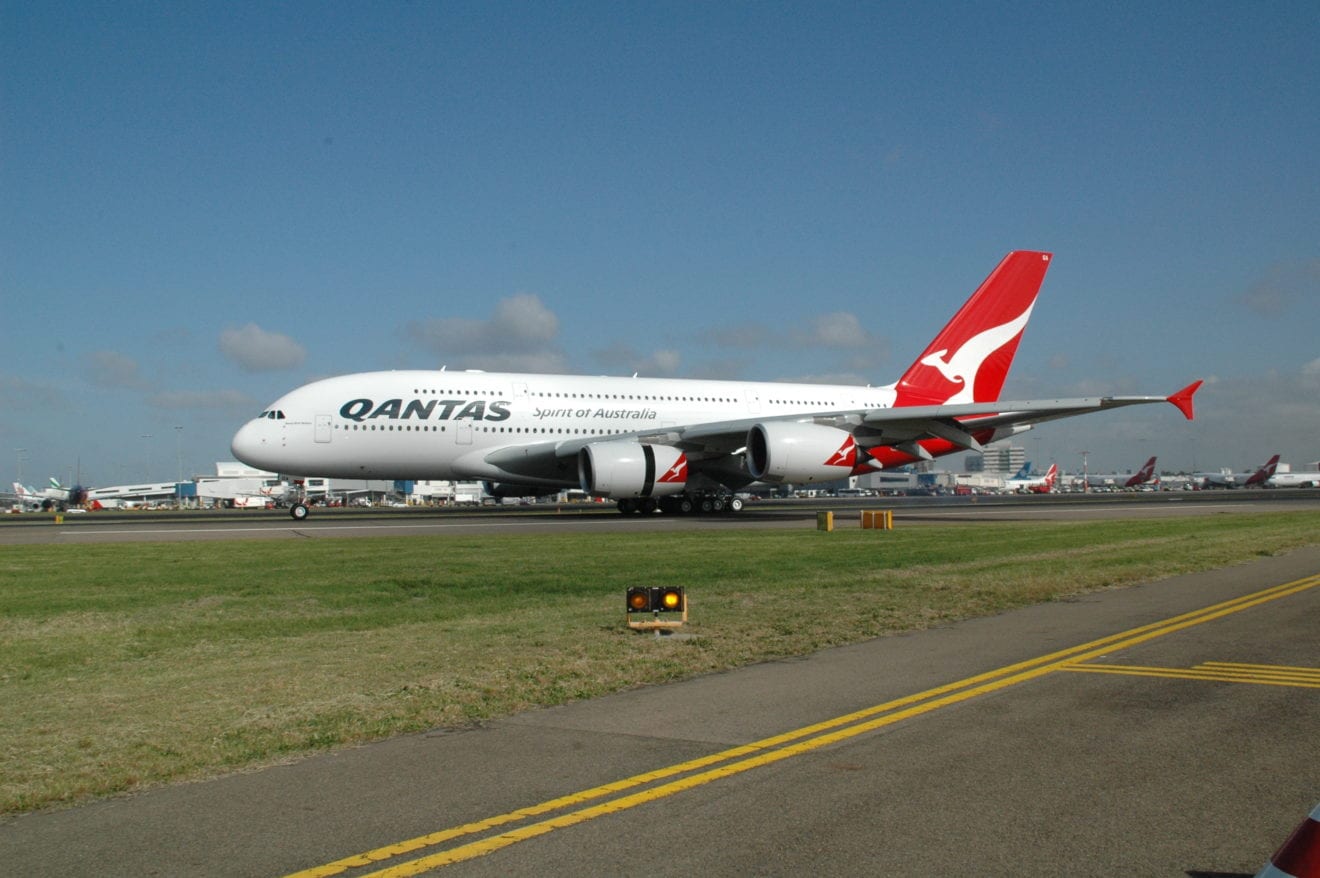
    Qantas Freight’s new services are expected to further bolster the cargo network at Changi Airport. The services will provide increased capacity, more routing options, and more flexible scheduling for shippers and freight forwarders. The services will be carried out through Qantas’ A330 freighter flights on Fridays and Sundays, delivering more than 50 tons of cargo capacity per flight.

    The Singapore stopover is a new addition to Qantas’ existing Sydney-Shanghai freighter operations, which is set to enhance connectivity across the Asia Pacific cargo network.

    First Dedicated Freighter Service

    This is the first time Qantas is offering a dedicated freighter service to Singapore. This service is expected to complement its existing belly-hold cargo capacity on scheduled passenger services. Moreover, this new routing reflects the growing demand for time-sensitive air cargo moving across Asia, Australia, and beyond.

    Singapore’s strategic location and significant global air cargo connectivity make Changi Airport an essential consolidation and transshipment hub for regional and intercontinental cargo flows.

    Statements from Qantas Freight and Changi Airport Group

    Lim Ching Kiat, Executive Vice President of Air Hub and Cargo Development at Changi Airport Group, stated that Qantas Group’s decision to expand its freighter operations to Singapore couldn’t have come at a better time. According to him, there has been an increase in air cargo demand in the Asia-Pacific region, and the region is playing a more significant role in global air cargo growth.

    Igor Kwiatkowski, Qantas Freight Executive Manager, also remarked on the importance of the new Singapore stop. He said that it would be a significant addition to the airline’s Asia Pacific presence and freight network. According to Kwiatkowski, Singapore’s status as one of the world’s major cargo hubs will play a crucial role in connecting shipments between Australia, China, and Southeast Asia. He added that the new stop would provide freight forwarders with more routing options and flexibility, especially for high-tech goods and e-commerce.

    Questions & Answers

    What is Qantas Freight’s new service?
    Qantas Freight’s new service is a dedicated freighter service to Singapore, with twice-weekly operations that include stops in Sydney, Shanghai and Singapore.

    What benefits does this new service bring to shippers and freight forwarders?
    The new service provides increased capacity, more routing options, and more flexible scheduling to shippers and freight forwarders.

    How will the new service impact Qantas Freight’s presence in the Asia Pacific region?
    The new Singapore stop is expected to significantly enhance Qantas Freight’s presence and freight network in the Asia Pacific region. It will connect shipments between Australia, China, Southeast Asia, and improve routing options and flexibility for freight forwarders.

  • Foodpanda Expands Footprint in Singapore with New Pandamart XL Stores: Bigger Selection, Better Value!

    Foodpanda Expands Footprint in Singapore with New Pandamart XL Stores: Bigger Selection, Better Value!

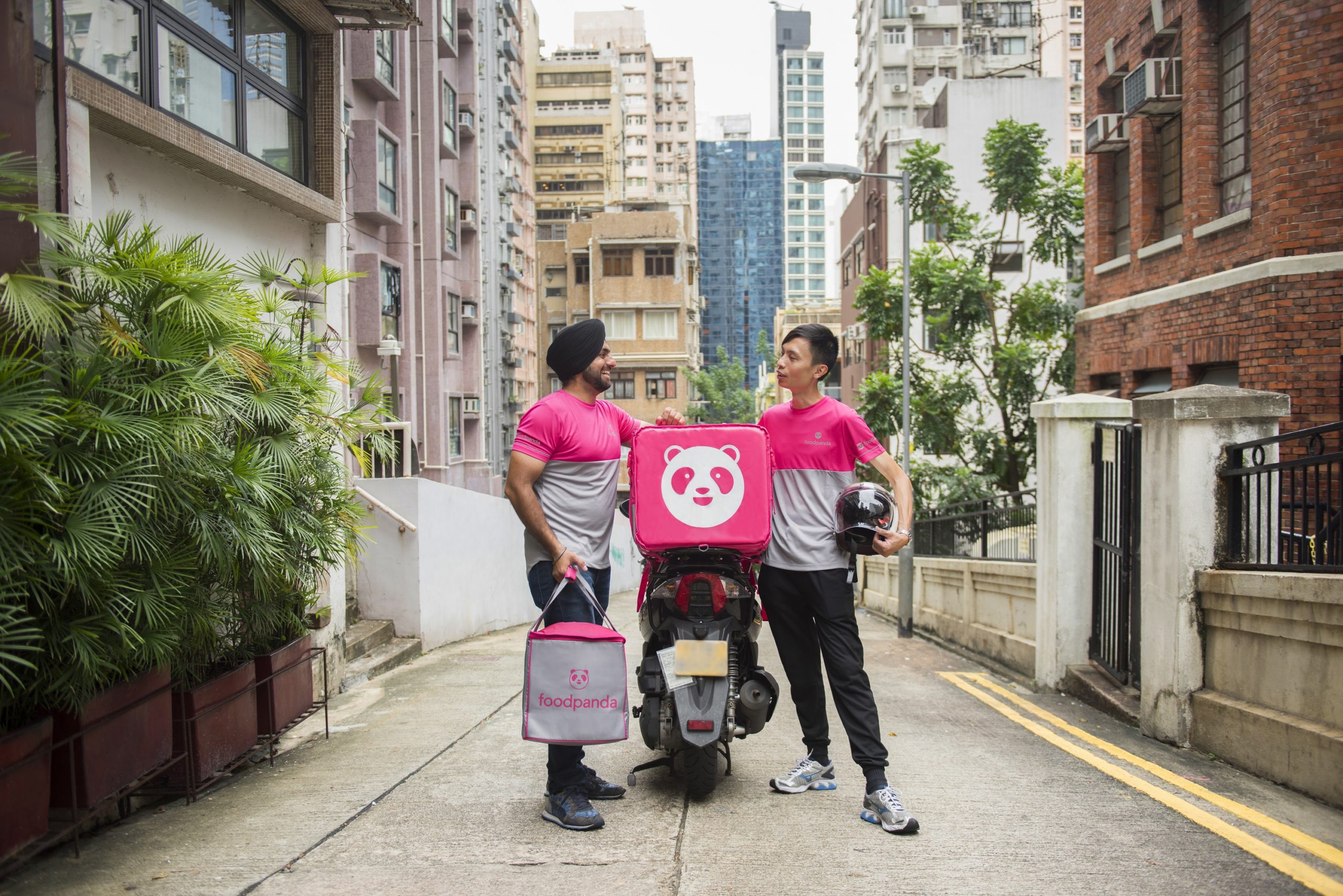
    Foodpanda, a popular food delivery service, has recently expanded its presence in Singapore with the opening of two additional Pandamart XL stores. These new locations, situated in Kallang and Yio Chu Kang, have been established to meet the increasing consumer demand and will provide a wider variety of products.

    Understanding the Change in Consumer Behaviour

    Bhavani Mishra, the Managing Director of Foodpanda Singapore, shared that they have noticed a shift in how their customers in Singapore are shopping. Shoppers are becoming more intentional, planning their purchases meticulously, spending wisely, and doing bulk shopping in one go. The new Pandamart XL stores have been specifically designed to cater to these changing needs.

    Expanded Product Range

    Pandamart XL stores are characterized by a larger product range, around 30 per cent more than their regular stores. This increased product assortment includes not just everyday items, but also specialty imported goods and locally popular items. This is designed to offer customers more options and better value while retaining the convenience they have come to expect from Foodpanda.

    Quick-commerce and Its Evolution

    Axelle Guibert, the Director of Quick-commerce at Foodpanda Singapore, elaborates that quick-commerce has moved beyond just being about convenience. It has become a part of the daily shopping rhythm in Singapore. With their new Pandamart XL stores, Foodpanda aims to deliver both scale and speed, offering customers a wider selection and better value, all in proximity to their homes.

    Foodpanda currently operates three Pandamart XL stores. The company utilizes hyperlocal demand trends for effective stock planning. This ensures that each store’s inventory is tailored to meet the specific needs of its surrounding neighbourhood.

    Questions & Answers

    What is Foodpanda’s recent development in Singapore?
    Foodpanda has recently opened two more Pandamart XL stores in Kallang and Yio Chu Kang, Singapore.

    What distinguishes Pandamart XL stores from regular stores?
    Pandamart XL stores offer 30 per cent more products than regular stores, including specialty imported goods and locally popular items, providing customers with more choices and better value.

    How does Foodpanda plan its inventory for the Pandamart XL stores?
    Foodpanda utilizes hyperlocal demand trends for stock planning, ensuring that each store is tailored to meet the specific needs of its surrounding neighbourhood.

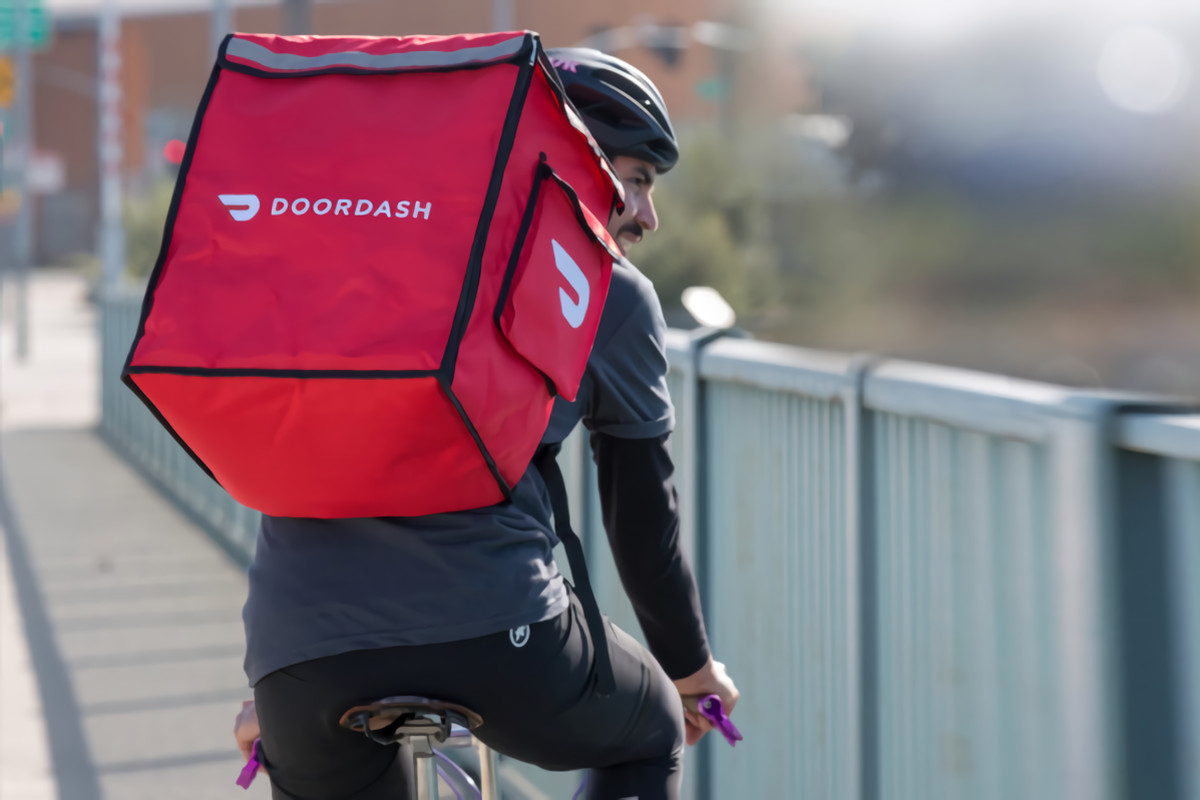
  • DoorDash Expands Aldi Partnership: Liquor Delivery to NSW and Victoria, Special Buys Nationwide!

    DoorDash Expands Aldi Partnership: Liquor Delivery to NSW and Victoria, Special Buys Nationwide!

    Starting January 21, Aldi customers in New South Wales and Victoria will have the option to purchase the retailer’s exclusive range of alcoholic beverages via DoorDash. This new service is a part of the ongoing partnership between Aldi and DoorDash, which was established a year ago.

    Expanding Delivery Options

    In addition to alcoholic beverages, Aldi’s popular Special Buys will also be available for nationwide delivery from most store locations through DoorDash. This move is in line with the company’s efforts to make more of its products conveniently accessible to customers.

    Simon Padovani-Ginies, Group Director at Aldi Australia, has emphasized the company’s commitment to making as much of Aldi’s offerings as possible available for delivery. The inclusion of their exclusive liquor range for shoppers in New South Wales and Victoria, as well as the nationwide availability of Special Buys, means that more customers will be able to access Aldi’s high-quality, low-cost products from the convenience of their homes.

    Improving Customer Experience

    This move is not just about expanding product availability – it’s also about elevating the customer experience. With the current pandemic, online shopping has become the norm and businesses that offer home delivery services are increasing in popularity. By offering delivery of their exclusive liquor products and Special Buys, Aldi is catering to the evolving needs of its customers, making shopping more convenient and stress-free.

    Questions & Answers

    When will Aldi customers in New South Wales and Victoria be able to purchase liquor products via DoorDash?
    Starting January 21, Aldi will offer delivery of its exclusive liquor products to customers in New South Wales and Victoria through the DoorDash service.

    What other products will Aldi make available for delivery via DoorDash?
    In addition to its exclusive range of alcoholic beverages, Aldi will also make its popular Special Buys available for nationwide delivery from most store locations.

    What is the aim of this new service?
    The new service aims to make shopping more convenient for Aldi customers. It is also a part of the company’s efforts to cater to the evolving needs of consumers in the current pandemic climate, where online shopping and home delivery services have become increasingly relevant and popular.

  • Reliance Retail Expands Jiomart’s Reach With 600 New Dark Stores Across India

    Reliance Retail Expands Jiomart’s Reach With 600 New Dark Stores Across India

    Reliance Retail has expanded its network in India by opening over 600 dark stores. These new outlets are in support of the company’s rapidly growing quick commerce service called JioMart, which boasts a delivery promise of under 30 minutes.

    What are Dark Stores?

    Dark stores, as the name suggests, are not traditional retail outlets. They are small, localized fulfillment centers that are used to handle online orders, either for delivery or pickup. They have been redesigned from conventional retail spaces to facilitate speedier order processing. The primary distinguishing feature is that they do not cater to walk-in customers.

    Reliance Retail strategically selected the locations for its new facilities in both urban and suburban areas. This strategic placement is intended to improve speed and efficiency in serving the company’s expanding online clientele.

    JioMart’s Unique Service Models

    JioMart app provides its users with three distinct service models. First is the quick delivery model that promises delivery within 30 minutes. Second is the scheduled delivery model that offers a wider variety of products. The third model is subscription-based, providing early morning doorstep delivery of daily essentials.

    The JioMart app faces competition from other quick commerce platforms in India such as Blinkit, Swiggy Instamart, and BigBasket.

    Reliance Retail’s Competitive Advantage

    Dinesh Taluja, Reliance Retail’s CFO, stated that the company’s extensive scale and physical presence give it a competitive edge over others in the industry.

    “We operate through a network of over 2000 stores, covering more than 4000 postal codes. This gives us a much broader reach than any other quick commerce player,” he explained.

    Questions & Answers

    What is a dark store?

    A dark store is a small, localized fulfillment center that processes online orders for either delivery or pickup. Unlike traditional retail outlets, dark stores do not serve walk-in customers.

    What are the service models offered by JioMart?

    JioMart offers three service models: quick delivery within 30 minutes, scheduled delivery with a broader range of products, and a subscription-based model for early morning doorstep delivery of everyday essentials.

    What gives Reliance Retail a competitive edge in the quick commerce industry?

    According to Reliance Retail’s CFO, Dinesh Taluja, the company’s extensive scale and physical presence give it an advantage over other players in the quick commerce space. They have a network of over 2000 stores covering more than 4000 postal codes, offering a wider reach than other competitors.

  • Cafe Amazon Accelerates Global Expansion, Sidesteps Vietnamese Market Amid Investor Exit

    Cafe Amazon Accelerates Global Expansion, Sidesteps Vietnamese Market Amid Investor Exit

    Cafe Amazon, a coffee chain operated by PTT Oil and Retail Business (OR), is accelerating its global expansion plans. Notably absent from its target locations, however, is Vietnam. This strategic decision follows the withdrawal of a Thai investor from Cafe Amazon’s joint venture in the Southeast Asian country.

    Global Expansion Focus

    As Cafe Amazon navigates its global growth strategy, it is centering its attention on several key markets. These include Laos, the Philippines, Japan, Oman, and Bahrain. The company is implementing a franchise model in these regions with a keen focus on ensuring consistent brand standards. This encompasses all aspects from design to quality and service.

    Growth Trajectory

    Cafe Amazon has seen rapid growth over the past ten years, expanding to over 5000 outlets worldwide. This impressive global presence has positioned the company as one of Asia’s largest coffee chains. Notably, in the second quarter of the fiscal year 2025, Cafe Amazon reported sales of over 107 million cups of coffee. This represents a nearly 5 per cent increase from the same time the previous year.

    Vietnamese Market Shift

    The exit of a key investor marks a significant change in Cafe Amazon’s approach to the Vietnamese market. In recent years, this market has seen increasing competition from both local and international coffee chains. While the specifics of the company’s restructuring have not been disclosed, Cafe Amazon has indicated that it intends to focus on markets with a higher potential for growth.

    Questions & Answers

    Why is Cafe Amazon not focusing on expansion in Vietnam?
    The company has decided to shift its focus following the exit of a Thai investor from its joint venture in Vietnam.

    Which markets is Cafe Amazon focusing on for its expansion?
    Cafe Amazon is turning its attention to Laos, the Philippines, Japan, Oman, and Bahrain for its global expansion.

    How is Cafe Amazon performing globally?
    Cafe Amazon has over 5,000 outlets worldwide, making it one of Asia’s largest coffee chains. In the second quarter of the fiscal year 2025, the company sold over 107 million cups of coffee, indicating a nearly 5 per cent increase from the previous year.

  • Tradeweb Bolsters Asian Division With Veteran Investment Specialist Appointment

    Tradeweb Bolsters Asian Division With Veteran Investment Specialist Appointment

    An Investment Expert Takes Charge at Tradeweb Asia

    Tradeweb, a global provider of electronic marketplaces for an array of financial services, has bolstered its Asian division with the appointment of a veteran investment specialist. The company is experiencing a phase of substantial growth, and the new recruit will be responsible for supervising business operations and client engagement across the Asian region.

    A Strategic Merger

    Rich Chun, the recently appointed Head of Tradeweb Asia, will be based in Hong Kong. His role will involve reporting to co-heads of global markets, Enrico Bruni and Troy Dixon, and directing regional strategy, business development, and client relationships.

    Tradeweb’s international business has seen a significant boost, registering a year-on-year revenue growth of 41 percent in the second quarter of 2025. This consistent expansion in Asia mirrors the region’s escalating importance as a hub for worldwide fixed income and electronic trading activities.

    A Wealth of Experience

    Chun brings with him a wealth of experience in trading and portfolio management, having held senior positions in various financial corporations for over three decades. His expertise in institutional risk transfer is expected to be a valuable asset for Tradeweb. Among his numerous roles, Chun has served as a Managing Director and Portfolio Manager at HPS Investment Partners, where he established the company’s Hong Kong outpost. He also held significant trading positions at Citigroup.

    Amplifying Customer Relations

    Bruni, one of the co-heads of global markets at Tradeweb, expressed his confidence in Chun’s appointment, highlighting Chun’s abundant industry knowledge as a substantial benefit to cultivating stronger relations with their clients and providing enhanced value to the local investment community. Chun reciprocated the sentiment, expressing pride in joining Tradeweb at a period of dynamic change in Asian financial services. He is eager to contribute to the development of new technologies that would enhance efficiency and opportunity for clients.

    Well-established in the Asia Pacific

    Tradeweb already holds a strong regional presence, with offices in Hong Kong, Shanghai, Singapore, Sydney, and Tokyo. The company has a history of introducing pioneering initiatives, such as becoming the first platform to provide electronic access to China’s bond market through various ventures.

    Pillar of Japanese Markets

    Tradeweb has also played a significant role in the advancement of the Japanese markets, by making Japanese Government Bonds (JGBs) and Yen interest rate swaps available on its trading platform. This strategy has resulted in significant growth in the total traded volume of both Yen IRS and JGBs.

    Recruiting Top Talent

    Chun’s appointment is a testament to Tradeweb’s ambition to solidify its position in the rapidly evolving Asian financial market. The company is making strategic moves to stay ahead in a landscape where technology, liquidity, and market access are increasingly intertwined.

    Questions & Answers

    What role will Rich Chun play at Tradeweb?
    As Head of Tradeweb Asia, Rich Chun will oversee regional strategy, business development, and client relationships.

    What has been the recent growth rate of Tradeweb?
    Tradeweb has recently experienced a 41 percent year-on-year revenue increase in the second quarter of 2025.

    What initiatives has Tradeweb introduced in Asia Pacific?
    Tradeweb was the first to offer electronic access to China’s bond market and significantly contributed to the electronification of Japan’s markets.