Tag: expat

  • Lessons from Vietnam: How Expats Mastered the Art of Saving and Spending Wisely

    Lessons from Vietnam: How Expats Mastered the Art of Saving and Spending Wisely

    Stepping into the world of retail in Vietnam can be a revelation, especially for foreigners adjusting to the local financial landscape. One British expat, who moved to the country to work as a sales director, discovered this first-hand when he encountered a budgeting practice that seemed almost quaint yet profoundly effective. At the home of a friend, he was shown a drawer brimming with envelopes, each earmarked for specific expenses such as Tet celebrations, emergency savings, and even a future refrigerator. He was struck by the simplicity of it all: “They know exactly where their money ends up, even without spreadsheets,” he remarked.

    Understanding the Vietnamese Financial Mindset

    As he settled into his new life, the 34-year-old Briton began dating a woman who would eventually become his wife. This relationship opened a window into the Vietnamese approach to personal finance, characterized by careful consideration for every expense. Major purchases are discussed well in advance and pursued only when funds are available or when there is an urgent need. Borrowing, particularly from banks, is seen as a last resort, often introduced through family or friends. “Vietnamese people are very afraid of debt,” he noted, highlighting a stark contrast to western financial habits.

    Clashing Financial Philosophies

    The couple’s differing attitudes towards money often led to disagreements. While he was inclined to take risks—wielding credit for investments and chasing opportunities—his wife adopted a more cautious stance. When he entertained the idea of investing in a UK startup, her probing questions forced him to reconsider: What if it failed? Could they afford to recover? Would he feel comfortable discussing this investment with their children one day? These moments of reflection revealed to him the striking reality that many Vietnamese manage to buy homes, invest in land, and support families—all on modest incomes.

    A Shift in Spending Habits

    He learned that the real essence of financial success lies not in how much you earn, but in how much you can save. An eye-opening experience occurred when he decided against purchasing a new car after noticing his wife’s family relied on old faithful motorbikes. “In Vietnam, no one cares what you drive as long as it gets you there,” he mused. Eventually, the couple was able to secure a plot of land on the outskirts of Hanoi, representing a prudent and distinctly Vietnamese choice.

    Gradually, his mindset began to shift; a $10 sandwich triggered thoughts of a more economical $2 bowl of pho. He observed a similar transformation among many other foreigners who find themselves rethinking their approach to money during their time in the country.

    Culture Shock and Financial Reality

    A report by Navigos Group indicates that about 50% of expats experience culture shock, with financial habits playing a significant role in this adjustment. Statista highlights that in 2023, only 7% of Vietnamese adults held a credit card, making this one of the lowest rates in the region. Moreover, a World Bank survey revealed that a staggering 64% of Vietnamese strive to avoid borrowing even when facing financial hardships.

    William Gray, a financial advisor at Infinity Financial Solutions, noted that many foreigners adapt their financial behaviors once they embrace the culture. “Limited access to credit forces them to live within their means,” he said, especially when they begin making joint financial decisions with a Vietnamese partner. This leads to priorities centered on saving and acquiring property rather than accumulating debt.

    Navigating Differences in Financial Perspectives

    In 2024, Liam Ward, a 30-year-old expat in Ho Chi Minh City, found himself embroiled in a spirited debate with his Vietnamese girlfriend over their savings strategy as they prepared to cohabitate. He envisioned their savings funding travel adventures, while she viewed them as a safeguard against potential disasters like job loss or unexpected illness.

    “There is a clear gap in how the two cultures perceive money,” Ward stated. The couple ultimately reached a compromise by investing in gold, a practice he initially found perplexing. He worried about its liquidity in emergencies but soon learned that gold is a quick and accessible means of creating cash when needed. After experiencing volatile price spikes in late 2024 and early 2025, he acknowledged, “It turns out this is how many Vietnamese build and grow their wealth.”

    Questions & Answers

    What budgeting method stood out to the expat living in Vietnam?
    He discovered a simple yet disciplined approach where his friend stored money in envelopes labeled for different expenses, ensuring a clear understanding of spending without needing spreadsheets.

    How do Vietnamese attitudes toward debt differ from those in Western cultures?
    Vietnamese people are generally cautious about borrowing and prefer to rely on savings and family support rather than accumulating debt, contrasting with Western habits that more readily embrace credit.

    What financial lesson did the expat learn through his relationship?
    He realized that financial success is not about high earnings but about effective saving and spending, leading him to appreciate the value of modest living and careful budgeting.
  • Vietnamese Expat Faces Challenges Securing $700,000 Home in Ho Chi Minh City After Canada Return

    Vietnamese Expat Faces Challenges Securing $700,000 Home in Ho Chi Minh City After Canada Return

    After nearly four decades in Canada, my uncle has returned to Vietnam to settle down in his homeland, following the passing of his wife. With his daughter married and living in France and his son residing in the U.S., he thought finding a cozy home in Ho Chi Minh City (HCMC) with a budget of VND18 billion (US$700,000) would be a breeze. However, he was in for a surprise as he soon found tube houses tucked away in narrow alleys commanding prices upwards of VND10 billion — and some even flirting with VND20 billion.

    Despite the current market being described as “frozen,” these diminutive central properties, often measuring barely a few dozen square meters with outdated designs, continue to carry lofty price tags. This perplexing phenomenon is likely mirrored in Hanoi as well.

    Rather than navigating the steep staircases of these narrow homes, my uncle mused about investing in land in a nearby province and building a house with a small yard. Initially, he favored city living for its conveniences and access to medical care, but after weighing the options, he cautiously decided to “leave the decision for next time.”

    Once a practical solution to rapid urban growth during chaotic city planning, tube houses have now morphed into overpriced assets. Prices no longer reflect comfort or practicality, often inflated by rampant speculation, land hoarding, and the prevailing notion that “downtown real estate will always appreciate.”

    While homes in city centers undeniably boast location advantages and resale potential, the reality of treating cramped 4-5 meter wide houses as premium properties exposes a market distortion that prioritizes financial gain over genuine living needs. Instead of enjoying the luxury of space and greenery, many find themselves squeezed into small dwellings simply because they boast billion-dollar valuations on paper.

    The path forward for housing development must embrace a holistic urban strategy that enhances suburban infrastructure, relieves the pressure on city centers, promotes affordable housing, and edges the market away from treating homes as mere investment vehicles.

    If you were in my uncle’s shoes, would you opt for a cramped tube house in a bustling alley, or carve out your dream home on a spacious plot of land in a nearby province?

    Questions & Answers

    What led my uncle to return to Vietnam?
    He returned after living in Canada for nearly 40 years, following the death of his wife, with both his children living abroad.

    What challenges did he face while house hunting in HCMC?
    Despite a solid budget, he found that even small, narrow tube houses were priced way above expectations, with many costing over VND10 billion.

    How can the housing market in Vietnam improve?
    A comprehensive urban strategy is needed that emphasizes suburban development, affordable housing, and a balanced approach to property ownership without excessive speculation.

  • Expats unhappy with Vietnam visa policy

    Expats unhappy with Vietnam visa policy

    Vietnam’s consternating visa policies helped placed the nation in the bottom 10 of an index ranking countries in terms of how favorable expatriates find their living conditions.

    The Expat Essentials Index, informed by the annual Expat Insider survey by website InterNations (which describes itself as the world’s largest online community of expats), found expatriates vexed about the Vietnam’s visa policy.

    For the 2022 edition of the index, InterNations asked 11,970 expats of 177 nationalities living in 181 countries and territories to provide information on various aspects of expat life.

    To be featured in the Expat Essentials Index, each destination needed a sample size of at least 50 survey participants. In total, 52 countries and territories met this requirement.

    Vietnam landed in the bottom 10, ranking 46th in the overall index, which included the four subcategories of Digital Life, Admin Topics, Housing, and Language.

    The nation was placed 51st out of 52 destinations for the Admin Topics Subcategory.

    Within this subcategory, 48% of surveyed expats reported that they had difficulties obtaining a visa to move to Vietnam, double the global average of 24%.

    Almost two in three, or 66%, said it was challenging to deal with the local bureaucracy, compared to 39% globally. And 41% found it difficult to open a local bank account, compared to 21% globally.

    “The bureaucracy makes simple tasks quite difficult,” said a British expat living in Vietnam, according to the survey.

    Vietnam ranked last for the availability of government services online in the Digital Life Subcategory, where it placed 49th. About one in four expats (23%) described it as difficult to pay without cash in Vietnam, compared to 8% globally.

    The country also fell in the bottom 10 of the Language Subcategory, ranking 47th.

    Within this subcategory, Vietnam ranked last for the ease of learning the local language.

    However, 65% of respondents reported that it is easy to live in Vietnam without speaking the local language, compared to 51% globally.

    For more positives, the country excelled in the Housing Subcategory, where it ranked fifth. Nearly seven in 10 expats (69%) considered housing in Vietnam affordable (compared to 39% globally), and 76% reported that it is easy to find a house here (versus 54% globally).

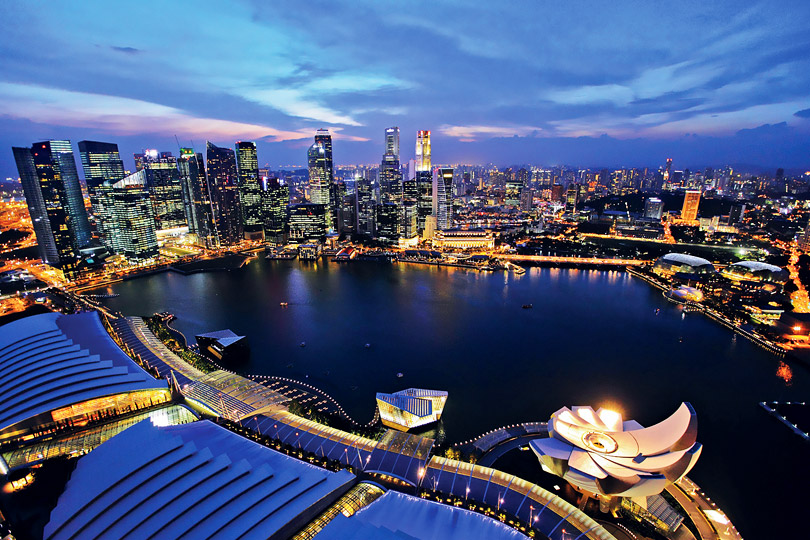
    The survey found Bahrain the world’s best destination for expats and Germany the worst. Singapore came third in the list as expats highly rated its digitalized life and Indonesia sixth thanks to affordable housing, with both having the language advantage.

  • Hong Kong Must Reopen to Remain a Financial Hub

    Hong Kong Must Reopen to Remain a Financial Hub

    Outgoing city chief executive Carrie Lam makes frank comments to CNBC before her departure at the end of the month.

    Hong Kong’s embattled chief executive Carrie Lam, who has faced a difficult, tempestuous five-year term that included the 2019 pro-democratic protests, the subsequent introduction of the city’s National Security Law, and the Covid-19 pandemic, appeared to be more forcefully speaking her mind than had previously been the case in an interview with CNBC on Friday.

    She apparently indicated to viewers that the city could not continue to function as a financial hub if the current border controls remain in place, as this has made people impatient.

    The border control measures have really made people very impatient. Of course, they’ve undermined Hong Kong’s status as a hub. If you cannot travel freely to other places and into the mainland, how could you be a hub?

    Despite recent steps to relax some pandemic restrictions, Hong Kong continues to require a 7-day quarantine for any foreign arrivals. It also continues to employ extensive contact tracing and testing requirements city-wide, among other measures.

    Lam discussed the departure of foreigners and expatriates, saying that this was not due to the National Security Law, but the extent and duration of the strict pandemic controls. Other topics that were discussed included the one country, two systems governing principle in Hong Kong, which she believed had been mischaracterized by overseas media.

    I sometimes find it very disturbing that a lot of Western media try to portray Hong Kong as just another Chinese city and have no proper recognition or understanding of one country, two systems, Carrie Lam said.

    She maintained that freedom of expression, assembly and media continued to be upheld in the city.

  • Singapore Weighs Open Borders Amid Omicron

    Singapore Weighs Open Borders Amid Omicron

    The country’s COVID-19 task force said closing its Vaccinated Travel Lanes (VTLs) would not stop the spread of Omicron.

    Closing Singapore to visitors from countries with high numbers of Covid-19 cases would affect the republic’s reputation and connectivity with the rest of the world, and rules have already been tightened to contain the Omicron variant, the country’s multi-ministry task force on Covid-19 said at a press briefing.

    Even if we close all the VTLs, there will still be non-VTL connections between Singapore and other countries and Omicron will still be able to enter Singapore unless we impose a total lockdown and close our borders entirely, Ong Ye Kung, taskforce co-chair said about whether it was looking to review border and VTL measures.

    At the same time, the task force warned of an upcoming Omicron wave» and said that it does not intend to relax further social restrictions currently, but will try not to have to tighten them until at least the Chinese New Year in February. Current gathering limits permit groups of five.

    Compliance with safe management measures will give Singapore a much higher chance of getting through this upcoming wave without having to tighten further, Finance Minister Lawrence Wong said at a press briefing.

    Switzerland is among Singapore’s top investment and trading partners, and there are around 1,000 Swiss companies and around 3,000 Swiss expatriates in the city-state. UBS is a notable example, with several thousand employees in Singapore and frequent travel between Zurich and Southeast Asia.

    The city-state stopped new ticket sales for VTL flights and buses from December 23 to January 20 amid Omicron concerns and said it would cap VTL quotas and ticket sales for travel after January 20 at 50 percent.

    Last week, it said that on-arrival tests for non-VTL travelers, who are all required to serve a 7 or 10 day Stay Home Notice (SHN) either at their place of residence or at a dedicated facility, are no longer required. From 8 January, all non-VTL travelers entering Singapore will also no longer be required to undergo a COVID-19 PCR test on arrival.

    The Ministry of Health on Wednesday said that from 14 February 2022 onwards, persons aged 18 years and above who have completed the primary vaccination series of COVID-19 vaccines and are eligible for booster vaccination will only be considered as fully vaccinated for 270 days after the last dose in their primary vaccination series.

  • Expats Pay Packages Fall in Singapore, Hong Kong

    Expats Pay Packages Fall in Singapore, Hong Kong

    Expat packages have taken a hit as a result of lower cost of benefits and a dip in salaries.

    The average pay package for a mid-level expatriate in Singapore fell by $7,284 a year, and now stands at $225,171 annually – the 17th highest in the world, ECA International said.

    However, cash salaries in the republic stand at the fifth-highest globally, and the city holds the title of the location offering the best quality of living, the global mobility specialist said in its annual MyExpatriate Market Pay report, published this week.

    Expatriate packages comprise three main components: the cash salary, benefits such as accommodation, international schools, utilities, or cars, and tax.

    While expats take home less, the latest rankings are expected to increase the country’s attractiveness to expatriates and companies looking to set up regional hubs in the country, given the cheaper cost of employing expatriate staff, Lee Quane, Regional Director – Asia at ECA International, said.

    Elsewhere, expatriate pay packages in rival regional financial hub Hong Kong dropped by over $5,000 over the last year, to a new average total of $279,399, despite an average salary increase of $265, largely due to falling accommodation costs.

    Globally, Japan was the most expensive location to send workers to, overtaking the United Kingdom, with the average expatriate package there costing $405,685.

  • Hong Kong Dethroned as Most Expensive City for Expats

    Hong Kong Dethroned as Most Expensive City for Expats

    Hong Kong was dethroned as the costliest city for expatriates, according to a recent survey by Mercer, after holding the top rank for three years in a row.

    Ashgabat, the capital of Turkmenistan, was ranked as the costliest place for expat living, according to «Mercer’s 2021 Cost of Living City Ranking», unseating Hong Kong from the top spot.

    The report is based on the examination of over 400 cities and price evaluation of 200 categories of goods and services across essential needs like housing and utilities to personal spending like footwear and tobacco.

    Despite a shuffle at the top, the broader Asia Pacific region still dominated the ranks as home to the costliest cities.

    In addition to Ashgabat, another five Asian cities were also ranked within top ten including Hong Kong (2), Tokyo (4), Shanghai (6), Singapore (7) and Beijing (9).

    Switzerland was also particularly prominent in the rankings with three cities from the country occupying positions in the top 10.

    They include Zurich (5), Geneva (8) and Bern (10).

    But regardless of the region, all employees and employers were impacted by the coronavirus pandemic especially with regards to international mobility.

    According to Mercer, organizations are already implementing alternatives forms of international assignments and cross-border working arrangements to sustain their overseas operations and workforces.

    Cost of living has always been a factor for international mobility planning, but the pandemic has added a whole new layer of complexity, as well as long-term implications related to health and safety of employees, remote working and flexibility policies, among other considerations, said career president and head of Mercer strategy Ilya Bonic.

  • TransferWise Partners Alipay in China

    TransferWise Partners Alipay in China

    The London-headquartered online money transfer service is teaming up with Chinese payments and lifestyle services platform Alipay to expand remittance options for its users.

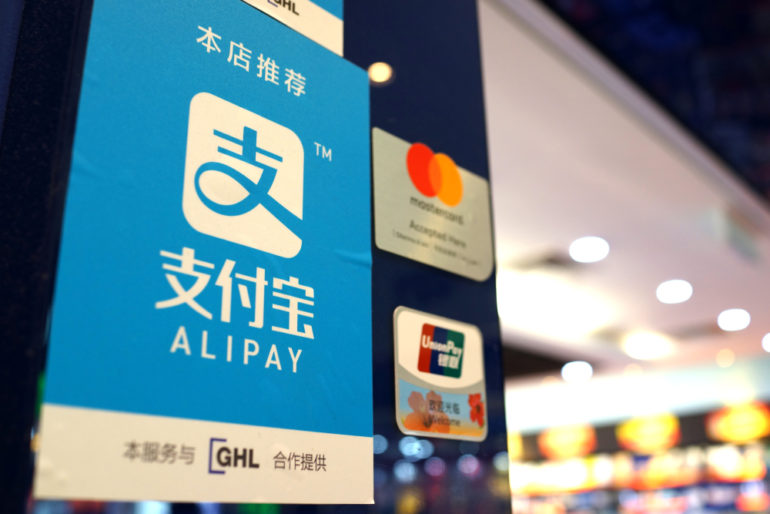
    TransferWise is making more inroads into Asia with a tie-up with mobile payments giant Alipay, which will enable instant transfers to China for 17 currencies, the firm announced in a statement on Tuesday.

    With Alipay serving more than 1.2 billion people worldwide together with its local e-wallet partners, TransferWise, which has 7 million customers worldwide, called the partnership a «major expansion.»

    Co-founder and CEO Kristo Käärmann said money transfers to China has been one of the most requested features among TransferWise users since its expansion in Asia.

    China is projected to be one of the top remittance recipient countries in the world, with £54 billion ($65.4 billion) expected to be sent back home by Chinese expats and migrants living abroad, TransferWise said in the announcement, citing a 2019 report.

    In 2019, TransferWise rolled out a debit Mastercard in Singapore, which also included a TransferWise Borderless multicurrency account. It also began processing international payments into digital wallets in Indonesia and the Philippines last year.

    Founded in 2011, TransferWise is valued at $3.5 billion, following its last funding round of $292 million in May 2019. It has raised a total of $772.7 million in funding in 10 rounds to date. According to the firm, it processes $6 billion in transfers monthly.


  • Don Quijote Thailand launches as Don Don Donki

    Don Quijote Thailand launches as Don Don Donki

    Japanese discount chain Don Quijote has launched its first store in Thailand.

    Trading as Don Don Donki, the Don Quijote Thailand foray marks a continuation of an aggressive and rapid rollout of stores across Asia, including in Hong Kong, Taiwan, Philippines and Malaysia. The company plans to expand its overseas store network from the current 41 to 200.

    Located at Mall Thonglor, an upscale residential area of Bangkok which is home to many Japanese expats, the store anticipates US$18 million in annual sales.

    The 28,000sqm shopping centre is operated by a joint venture among Pan Pacific, Thai paint maker TOA group and a local subsidiary of a Japanese parking lot developer.

    “Thailand is the most marketable country in Southeast Asia,” said Takao Yasuda, founding chairman and supreme advisor at Pan Pacific.

    “We will continue to explore opening multiple stores here.”

    Don Quijote Thailand is operating under the alternative name – as it does in Singapore – because the Don Quijote brand is used by another business.

  • Hard Rock Cafe to be reintroduced in Philippines

    Hard Rock Cafe to be reintroduced in Philippines

    Bistro Group has acquired the exclusive franchise for Hard Rock Cafe in the Philippines, planning to reintroduce the brand in the region after a year’s absence. The Hard Rock group has high hopes for the partnership given the new local partner’s proven performance in the “Western-driven market.”

    Area franchise development VP Steve Yang said: “The Bistro Group is a strong industry player and with its robust portfolio of brands as well as its track record for more than 20 years, we are confident that they will be a strong partner to help us take Hard Rock Cafe in the Philippines to the next level.”

    The new Hard Rock Cafe will open next month in a 653sqm space at the Conrad S Maison mall in Pasay City, with four to five branches potentially in the works for Cebu and Bonifacio Global City.

    “Putting Hard Rock inside a mall is in response to the current lifestyle trend and is one of the best locations we’ve seen in our operations,” Yang said.

    Hard Rock’s VP for franchise operations and development Anibal Fernandez said the company wants to expand its presence in high-growth markets frequented by locals and tourists.

    “Last year alone we launched cafes in Spain, Austria, South Africa, Andorra, Bolivia, India, Cambodia, Myanmar, Argentina and Nicaragua. In 2018 we are developing in Africa, Middle East, Europe, North and South America, South Asia and China, among others.”

  • Vietnam a dream destination for expats

    Vietnam a dream destination for expats

    Getting a job is easy, cost of living is low, and quality of life is high.

    It sounded too good to be true, but Samantha Beukes decided to check the place out. Friends had been raving on Facebook about living the good life in Vietnam. It was true.

    When she first came to Vietnam from South Africa, Beukes spent a month traveling around the most famous destinations in the country.

    And then, almost effortlessly, the 25-year-old found a job that she was very happy with. Opportunities to work in Vietnam, she realized, were more easily available here than in her own country.

    The abundance of job opportunities in several fields that Vietnam needs to tap international expertise in has been attracting many expats from all over the world. Between 2004 and 2015, the number of foreigners working in the country surged by more than six times, according to the Ministry of Labor, Invalids and Social Affairs.

    Vietnam has been named among the top 10 destinations for expats in the world in the 2018 Expat Insider survey of InterNations, a global expat network with 3.1 million members.

    An overwhelming majority – 81 percent – of surveyed expats described the Vietnamese people as welcoming, and 73 percent said it was easy to settle down in the country.

    Official data shows that there are now 83,500 expats working in the country, a number that has been increasing steadily since Vietnam launched its Doi Moi or renovation policy in 1986, firmly putting behind the long years of war and its aftermath.

    While many expats come here because finding jobs is very difficult for them back home, many are also drawn by the vibrant life they can enjoy even as they earn and save.

    High demand

    Vietnam’s rapid growth after years of relative isolation has also led to high demand for expertise in various areas, and this is most visible in the need for English teachers from kindergarten to university level.

    “Expats are just a quick Facebook search away from finding many high paid jobs, including teaching,” Samantha said. Currently, Samantha teaches at an international school, and four out of five foreigners she knows in the country are doing the same job.

    While English teaching jobs are most sought after by expats without much experience or advanced education, Vietnam also offers jobs aplenty in other sectors.

    Manufacturing, banking and retails are sectors that have a high demand for expats in the country, according to Ngo Thi Ngoc Lan, regional director of Navigos Search, which provides executive search services in Vietnam.

    In a survey by Navigos Group in 2017, 50 percent of business respondents in the retail sector said they had a policy to recruit foreigners. Among them, 56 percent of employers preferred candidates from Southeast Asia, and 22 percent from Europe, the survey found.

    Apart from the availability of jobs, high pay is another factor that lures many foreigners to the country. Expats in Vietnam made around $88,000 a year on average in 2017, according to the Expat Explorer survey done by London-based lender HSBC. Some 72 percent of expat respondents said they were able to save more money in Vietnam compared to other countries.

    “An expat is paid 30 to 50 percent more than a Vietnamese national,” Lan from Navigos said. In the areas of education and manufacturing, an expat can be paid two or three times higher than a Vietnamese employee to match the wages they would receive in their home country, she said.

    For high-ranking positions, businesses need to provide their expat workers with other perks like tuition fees for their children, rent, private driver and airfare travel for the whole family, Lan said.

    Comfortable lifestyle

    Given the low cost of living in Vietnam, the salary expats receive allow them to have a very comfortable life in the country.

    Having worked in Vietnam for over two years, Frenchman Benjamin Durand is very satisfied with the $2,500 paycheck he gets each month as a software engineer in Hanoi.

    This salary, which is roughly what an average Vietnamese makes a year, allows him to spend generously. In the weekends, Durand often goes climbing in the mountains around Hanoi or dancing in pubs where many foreigners gather to have fun. “Living in Vietnam is a great experience,” he said.

    ‘Live like a king’

    As of June 2018, the cost of living in two biggest cities in Vietnam are among the cheapest in the world, according to Numbeo, a collaborative online database which enables users to submit and compare living costs between cities.

    Hanoi ranks 7th and Ho Chi Minh City 9th in the index, with lower costs of living than Philippines’ Manila, Malaysia’s Kuala Lumpur and Thailand’s Bangkok.

    Megan, an English tutor in Hanoi who asked that her last name is not used, spends only half what she used to in the United States. Furthermore, she is able to save much more in Vietnam than in South Korea, where she lived for a year before coming to Hanoi.

    “You can really live like a king or queen in Vietnam if you want to,” she said.

    In areas of expertise where expats are in high demand, local businesses compete to give them attractive benefits that most locals don’t get. Apollo English, one of the most popular English teaching brands in Vietnam with 30 facilities in the country, provides incentives like airfare to the country, free accommodation for the first week and assistance in getting visas and work permits.

    Cleverlearn, another English teaching center, offers its foreign teachers salaries of up to $2,000 a month. The center also promises to provide assistance to expat teachers in finding housing and other needs when they first come to Vietnam.

    Visible privilege

    While many businesses hire foreigners to meet actual demand for human resource, there are those which employ them for the mere purpose of marketing, taking advantage of Vietnamese people’s preference for all things foreign.

    Advertisement agencies often employ expats to promote a product as they believe the appearance of a foreigner, especially a Western one, will attract more customers.

    This preference might not be well placed, sociologists say. “Many Vietnamese think that foreigners are wealthy and skilled in their profession, but that’s not always true,” said Dr Trinh Hoa Binh, deputy secretary of the Vietnam Academy of Social Sciences.

    The phenomenon reflects a lack of confidence of Vietnamese people in their own distinct culture, Binh said. He added that when Vietnamese people are more educated, they will start to see the true value of foreign labor in the country.

    But for now, such perceptions don’t bother expats happily enjoying their lives and privilege in Vietnam.

    Samantha, the English teacher from South Africa, says Vietnam will continue to be her second home in the foreseeable future as she has a very satisfying income in a culture where people are friendly and work opportunities are abundant.

    “I know of people back in my country who want to come over for work too”, Samantha said.

  • Expats confused over Vietnam’s profile picture requirement for phone users

    Expats confused over Vietnam’s profile picture requirement for phone users

    Some have no idea about the requirement, others find it invasive while network providers can’t guarantee help in English. Expats are having issues with Vietnam’s new regulation which asks phone users to submit a profile picture to their network provider.

    The Ministry of Information and Communications requires mobile subscribers to provide photographic proof of their identities before April 24, or they will be locked out of their network.

    Ryan, 28, is a Briton working in Hanoi. He had no ideas about the new regulation until we contacted him because the profile photo request was sent to his phone in Vietnamese.

    “I’ve never had to do this in the U.K. or in any other countries I’ve travelled through,” Ryan said, adding that he finds the requirement “invasive”.

    In light of recent data breaches by companies as large as Facebook, Ryan is concerned that his information could fall into the wrong hands. “I don’t know if I could trust my network provider with my information,” he said.

    The government claims the requirement will result in better control of network subscribers and prevent spam accounts.

    But while network providers claim user data will only be used to manage subscribers as stated by law, experts believe the regulation has loopholes that could be taken advantage of.

    The images could slip through the network security holes, a scenario in which the responsibility of the network provider has not yet been clearly defined, said lawyer Vu Tien Vinh.

    A photo taken by a customer and sent to a network provider cannot be authenticated, Vinh added.

    Having been to many Asian countries, Mark from Canada finds the regulation odd. “Why would a phone company need my photo?” he said.

    Ryan and Mark are not the only expats who are having issues with the regulation. Many foreigners are also confused as local mobile operators don’t seem to provide the assistance they need.

    On Saturday, customer service centers of all major network providers were packed with customers coming in to have their photos taken.

    Amid the chaos, employees at the centers suggested that foreigners could bring in their passport, or take a photo of their passport and submit it to the companies’ websites. But, they could not guarantee there would be anyone who speaks English available to help.

    Vietnam has 118.7 million mobile subscriptions, according to official data and there are 82,000 foreigners living and working in the country. As of last week, at least 38 million mobile phone users have not provided adequate personal information to network providers, said Nguyen Duc Trung, a senior telecommunications official at the Ministry of Information and Communications.

    Mark is one of them. The 35-year-old is not planning to do anything yet. “I’ll see if they actually lock my account,” he said.

  • Foodland, plans to expand lots over the next five years

    Foodland, plans to expand lots over the next five years

    Expats’ favorite supermarket, Foodland, plans to expand lots over the next five years. The chain has doubled its yearly investment budget to THB500 million to open four or five new grocery stores and add three new types of restaurants to their roster.

    Some of the new locations are already open. There is now a Foodland at The Street community mall on Bangkok’s Ratchadaphisek Road. Another Foodland opened yesterday at Rama 3’s The INT Intersect community. A third is opening soon at the Terminal 21 in Nakhon Ratchasima. The other locations have not yet been announced.

    Foodland’s new restaurants will include a Japanese ramen chain, a Hong Kong-style roasted-goose dining spot and a Singapore-style street food restaurant.

    Chief executive officer Somsak Teerapattanakul said, “As I am getting older, I want to speed our expansion as much as possible. Starting from next year, we plan to open four or five new Foodland stores for five consecutive years,” Somsak said.
    These expansion plans means that the company’s sales might reach THB10 billion in 2017, which would be 25 percent higher than the THB8 billion they should hit this year.