Retail News CRM

Tag: Expectations

  • Miniso Triumphantly Surpasses Expectations with Robust Sales and Over 8000 Stores Worldwide

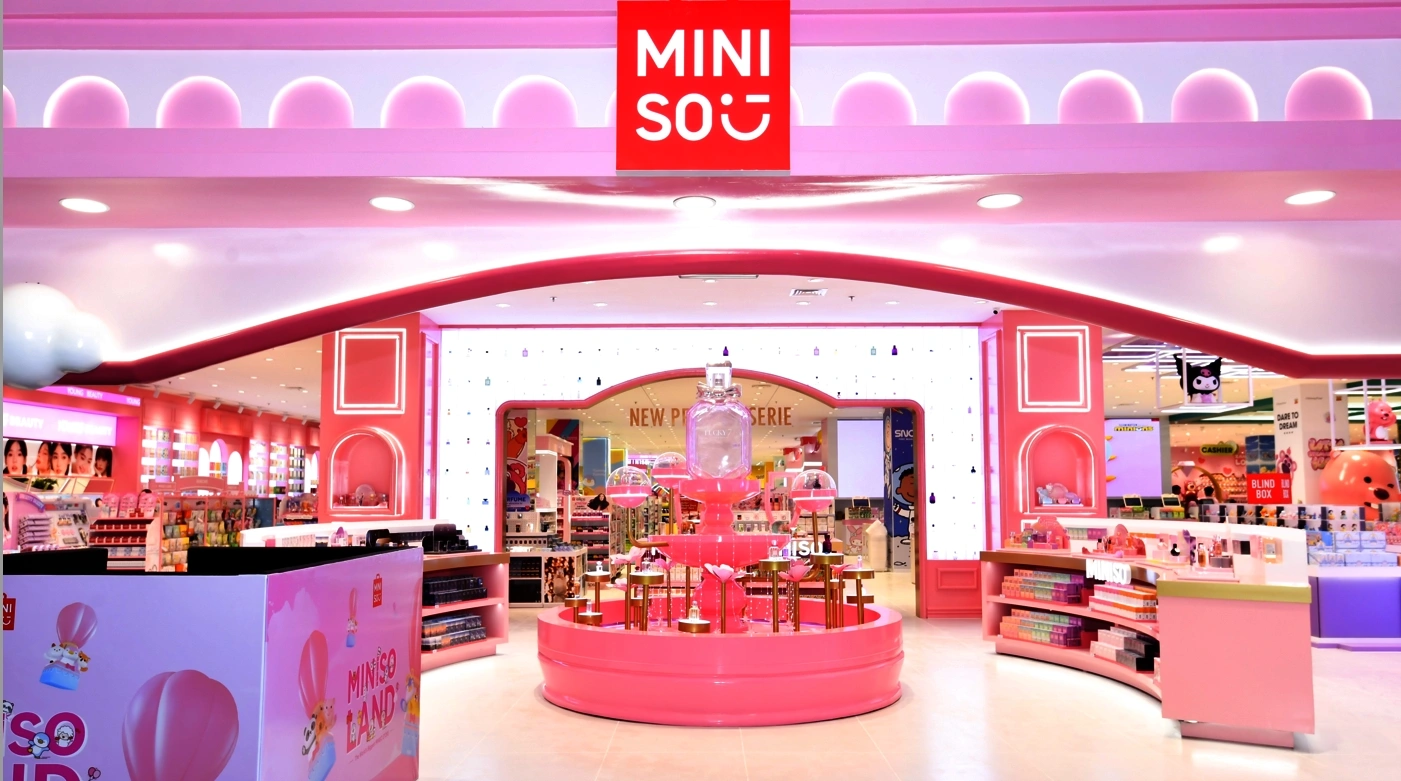
    Miniso Triumphantly Surpasses Expectations with Robust Sales and Over 8000 Stores Worldwide

    The third fiscal quarter has proven to be a successful one for Miniso, as their sales growth exceeded initial projections. The company’s expansion strategies have also reached a pivotal point.

    For the third fiscal quarter, which concluded on September 30, the variety retailer saw its revenue skyrocket by 28.2% to RMB5.8 billion (US$814.3 million). This revenue increase sits at the top end of their projected range of 25-28%.

    The Miniso brand itself experienced a rise in revenue of 22.9%, reaching RMB5.2 billion. This includes a substantial 19.3% increase in Mainland China along with a 27.7% surge in international markets. Additionally, Top Toy, another brand of the company, has seen its revenue surge by 111.4% to RMB574.5 million.

    Every operating segment of the company exhibited positive momentum in the same-store GMV throughout the quarter. This has resulted in group-level statistics rising to a mid-single digit level.

    Store Count Increases

    At the group level, the total number of stores reached 8138 by September 30. This marks an annual rise of 718 net new stores.

    The current Miniso store count is 7831, including 4407 in Mainland China and 3424 overseas. Meanwhile, Top Toy has a total of 307 stores.

    “We are thrilled to have reached two significant milestones for Miniso Group this quarter. For the first time, our quarterly revenue surpassed RMB5 billion. Additionally, our global store count now exceeds 8000,” stated CEO Guofu Ye.

    However, despite these significant achievements, the company’s net profit declined by 31% to RMB443.2 million. Nonetheless, the adjusted net profit demonstrated a rise of 11.7% to RMB766.8 million.

    Questions & Answers

    What was Miniso’s growth in the third quarter?
    Miniso’s revenue soared by 28.2% to RMB5.8 billion (US$814.3 million) in the third quarter.

    How many new stores did Miniso open in the last year?
    Miniso opened 718 new stores in the past year, bringing their total to over 8000.

    Despite the growth, did Miniso’s profits decline in the third quarter?
    Yes, Miniso’s net profit declined by 31% to RMB443.2 million. However, the adjusted net profit was up by 11.7% to RMB766.8 million.

  • Asia’s Retail Revolution: The Rise Of Omnichannel Shopping And Its Impact On Consumer Expectations

    Asia’s Retail Revolution: The Rise Of Omnichannel Shopping And Its Impact On Consumer Expectations

    The Asian retail landscape is witnessing a paradigm shift, thanks to the intriguing rise of omnichannel retailing. Retailers across the region are scrambling to cater to the modern consumer, who seamlessly blends online shopping with in-store experiences. This shift isn’t just noteworthy; it’s transforming how brands engage with their audiences, creating a shopping experience that is both personalized and convenient.

    The Omnichannel Revolution and Consumer Expectations

    With online shopping no longer a secondary option, shoppers now expect a fluid transition between digital interfaces and physical stores. According to a recent report, 70% of consumers prefer a brand that offers a consistent shopping experience across platforms. This demand is prompting retailers to invest heavily in technology that enhances customer interactions, whether browsing their favorite clothes on a mobile app or engaging with staff in a local boutique.

    Even in a world of increasing automation, the human element is proving harder to replace than anticipated. A clever team of retail innovators might say that blending the digital and physical shopping worlds is akin to mixing tradition with a dash of technology – and just like a well-crafted cocktail, the right shake can produce unexpected delight.

    Challenges Within Transformation

    Despite the opportunities, the journey to omnichannel excellence is fraught with challenges. Retailers face hurdles such as inconsistent inventory management and fragmented customer data, which can thwart integration efforts. To overcome these obstacles, smart retailers are turning towards data analytics tools that help capture customer preferences and habits. The end goal? Tailoring their offerings to meet the precise needs of consumers.

    Moreover, training employees to navigate this hybrid shopping environment is crucial. They need to act as brand ambassadors who can provide knowledgeable assistance, whether in-store or virtually. It’s a delicate balancing act, ensuring staff are equipped to deliver a unified experience that keeps customers returning.

    Technology’s Role in Enhancing Retail Experience

    Tech giants like Alibaba and Tencent are already leading the charge, leveraging artificial intelligence and data science to predict shopping trends and personalize customer experiences. However, smaller retailers are equally thriving by adopting user-friendly technology solutions that can elevate their game without breaking the bank. Implementing chatbots, enhancing mobile app capacities, and utilizing customer relationship management tools are just a few strategies gaining momentum in this new retail era.

    As brands continue to innovate, Asia’s retail sector is set to redefine what consumers can expect from their shopping journeys, lighting the path towards a more interconnected future.

    Questions & Answers

    How are retailers responding to the shift towards omnichannel shopping?
    Retailers are investing in technology to improve customer interactions across online and offline platforms, ensuring a seamless shopping experience.

    What major challenges do retailers face in the transition to omnichannel?
    Challenges include inconsistent inventory management and fragmented customer data, which complicate integration efforts.

    Which technologies are emerging as pivotal for enhancing retail experiences?
    Artificial intelligence, data analytics, and user-friendly technology solutions are key players, enabling brands to predict trends and better cater to consumer preferences.