Retail News CRM

Tag: expensive city

  • Hong Kong Retains Title of World’s Most Expensive City for Homebuyers, Surpassing Zurich and Singapore

    Hong Kong Retains Title of World’s Most Expensive City for Homebuyers, Surpassing Zurich and Singapore

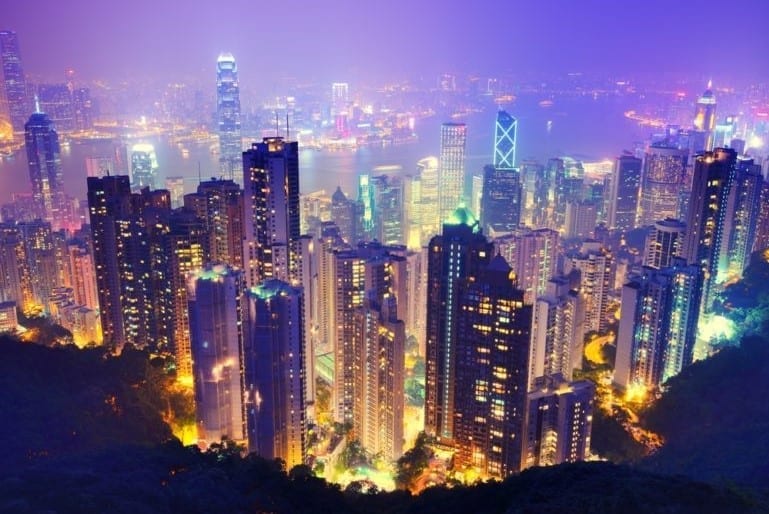
    The latest report from the Deutsche Bank Research Institute reveals a significant dip in the average price of city-center apartments in Hong Kong, which now stands at US$25,946 per square meter, a sharp decline from $31,943 in 2020. This shift positions Hong Kong as the city with the highest home purchase prices globally, a fact that piques interest amid its challenging housing market dynamics.

    Singapore and Zurich Close Behind

    Trailing Hong Kong are Zurich and Singapore, with average prices of $23,938 and $22,955 per square meter, respectively. However, the report highlights that these financial powerhouses often rank lower in quality of life, largely due to exorbitant housing costs. In fact, Hong Kong finds itself ranked 48th globally in terms of livability, an ironic twist for a city with such soaring property values.

    The Rental Landscape: New York Takes the Crown

    In the rental arena, New York steals the spotlight, boasting an average price of $8,388 per month for a three-bedroom apartment. Hong Kong, meanwhile, places seventh in this category, with average rents at $4,807 per month—not too shabby, yet still overshadowed by cities like Singapore, Boston, London, San Francisco, and Zurich, according to the South China Morning Post.

    Super-Prime Properties Still Shine

    In an earlier report, The Wealth Report 2025 from property consultancy Knight Frank affirmed Hong Kong’s status as a top contender for super-prime property transactions, recording a remarkable 166 sales valued at $10 million or more last year. This appeal stems from the city’s robust financial infrastructure, strategic placement, and a penchant for ultra-luxury real estate. The report noted that the finite supply of prime properties combined with a consistent global thirst for these trophy assets keeps the super-prime market a central feature of Hong Kong’s investment landscape. It’s said that with a budget of $1 million, buyers can snag just 22 square meters of luxury in Hong Kong, while the same sum gets them 32 square meters in Singapore—a stark reminder of the differences in affordability across the region.

    Questions & Answers

    How has the average price of apartments in Hong Kong changed since 2020?
    The average price of city-center apartments in Hong Kong has dropped from $31,943 per square meter in 2020 to $25,946 in the latest report.

    Which city has the highest rental rates for three-bedroom apartments?
    New York takes the lead with average rental prices of $8,388 per month for three-bedroom apartments, while Hong Kong ranks seventh at $4,807 per month.

    What factors contribute to Hong Kong’s appeal in the super-prime property market?
    Hong Kong’s attraction lies in its robust financial infrastructure, strategic location, limited supply of prime properties, and a sustained global appetite for high-value real estate.
  • Hanoi, HCMC among 20 most expensive cities in Southeast Asia

    Hanoi, HCMC among 20 most expensive cities in Southeast Asia

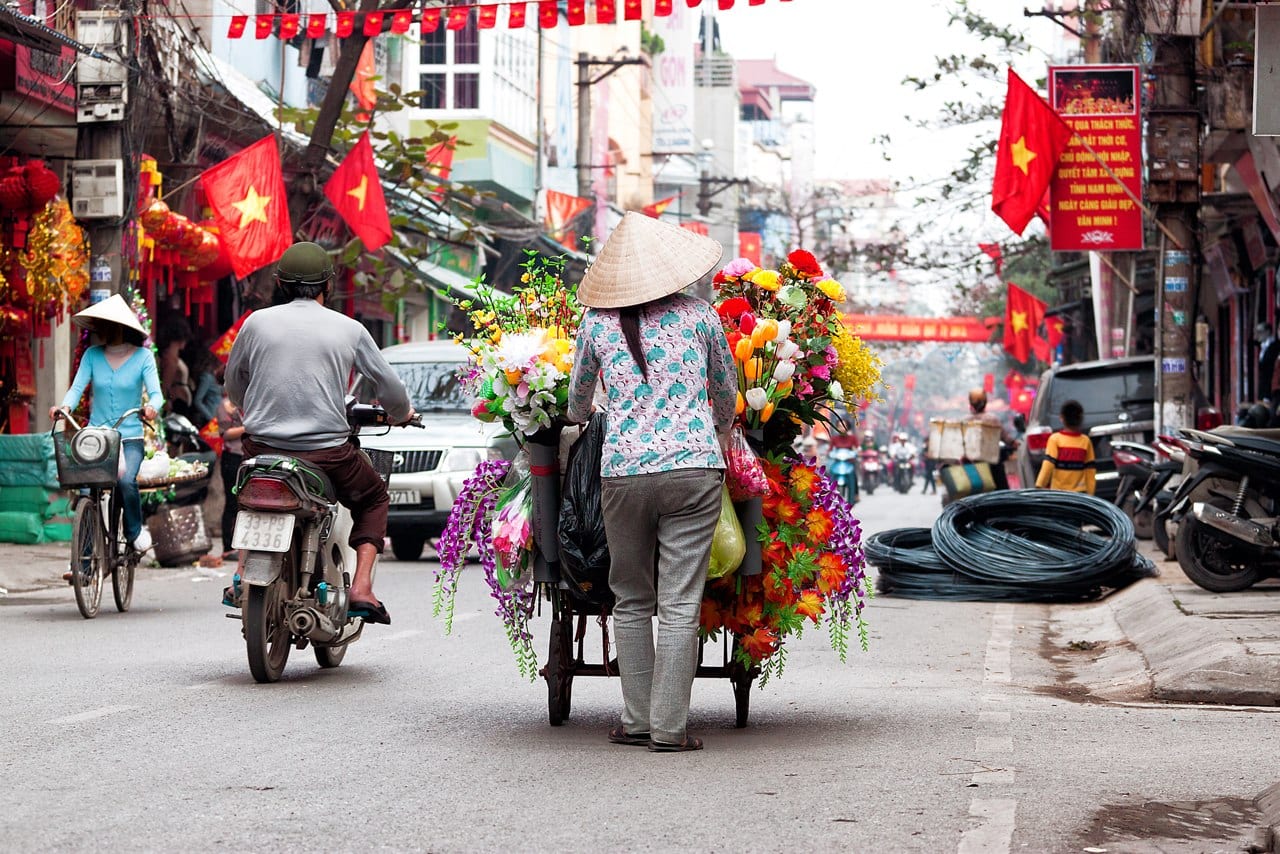
    A new index puts Hanoi 13th and HCMC 15th on the list of 20 most expensive Southeast Asian cities. The new Cost of Living Index for the region has been compiled by Numbeo.com, the world’s largest database of user contributed data about cities and countries worldwide. According to Numbeo, a person spends on average $447.25 a month in Hanoi exclusive of rent. For a four-person family, this figure would be $1,601. Hanoi’s cost of living ranks 316th among 440 cities in the world.

    Meanwhile, in HCMC, the average monthly expense for a single person excluding rent is $434.94, and $1,562 for a family of four. HCMC ranks 320th out of 440 cities in the world, and is 61.50 percent less expensive than New York.

    This year, Singapore, Southeast Asia’s biggest business hub, remains the most expensive city in the region. The city-state is immediately followed by Bangkok of Thailand. Yangon in Myanmar is in third place, a surprise as the city did not even make the top 30 in mid-2018.

    Many Southeast Asian capitals are featured in the list, with Phnom Penh of Cambodia ranked fifth, Jakarta of Indonesia, 11th, and Manila of the Philippines, 14th.

    Numbeo says that its survey has taken into account several factors including house rents, cost of eating out, and purchasing power needed to live a comfortable life to come with a cost of living index for 20 major cities in Southeast Asia.

  • Shanghai, Singapore is now Asia’s most expensive city

    Shanghai, Singapore is now Asia’s most expensive city

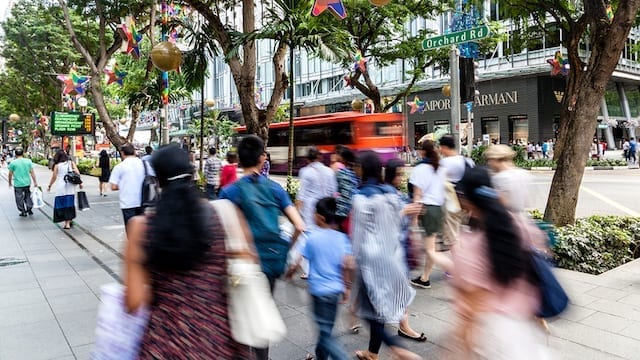
    Asia’s most expensive city for high net worth individuals is no longer Hong Kong. Both Shanghai and Singapore have overtaken it, with property costs alone pushing it beyond capital cities across the region. Wealth Report Asia, published annually by financial services company Julius Baer, measures the price of a basket of items including property prices, a degustation dinner, cars, a piano, wine, jewellery and even botox.


    Shanghai is now Asia’s most expensive city to buy six of the 22 items Julius Baer surveys (a hospital room, watch, handbag, wine, jewellery and skin cream). In addition, it has grown more pricey on a relative basis to buy property (from fifth to fourth most expensive), and legal fees have lept from 10th to second.

    Singapore is the most expensive city to buy a car or a degustation dinner, and ranks in the middle of the list on every other item, its best result eighth for a piano.

    Property prices and business class air fares have skewed Hong Kong’s position on the list – they are more expensive there than elsewhere. But in contrast, Hong Kong is cheapest city to buy skin cream, the second cheapest for wine and jewellery and the fourth cheapest for men’s suits, womens shoes and watches.

    The region’s least expensive city is Kuala Lumpur, Malaysia’s capital. According to Julius Baer, it is the most competitive city to buy property, wine, jewellery, a piano and cigars or to rent a hotel suite.

    Price deflation of items onshore such as legal fees (down four spots) and jewellery (down three spots) offset a recovery in the value of the ringgit against the US dollar.

    The data was calculated on a price-weighted basis.

    Chinese luxury consumption slowing

    Meanwhile, the report says the “China express” driving the world’s luxury retail market is slowing.

    Chinese nationals accounted for just 2 per cent of luxury spending in 2003 yet by last year that share had soared to 32 per cent – and they account for more than 70 per cent of global growth.

    But Julius Baer says recent signs “are pointing to an outlook that will be less spectacular”.

    “Amid the ongoing trade conflict with the US and a softening growth dynamic, the Chinese stock market has come under significant selling pressure this year. Chinese consumer confidence, which has been a good leading indicator for luxury goods performance trends, appears to have rolled over.

    The weakness in Chinese consumer confidence has weighed on the sector of late, and is likely to remain a drag going forward if Chinese consumption trends continue to slow.”

    The report also noted that Chinese retail sales growth has also been moderating in recent months.

    “We believe China is going through a self-induced slowdown as the economy transforms from investment-led to consumption-led growth. Reforms are currently taking a back seat in favour of selective and measured easing but [we] still expect 6.5 per cent growth this year, before a slowdown to 6.2 per cent next year.

    “Following a strong recovery since 2015, it is reasonable to expect global luxury consumption to slow in the near-term from a high base and moderating Chinese demand. Yet we remain upbeat in the longer term premised on structural growing demand from Chinese millennials and a more prominent female presence in the luxury market.”