Tag: expensive

  • Bangkok Tops List as World’s Most Expensive City for Renters, Reveals DWS Housing Affordability Review 2025

    Bangkok Tops List as World’s Most Expensive City for Renters, Reveals DWS Housing Affordability Review 2025

    Bangkok, Thailand’s capital city, has distinguished itself as the least affordable city in the world for renters, as per the Housing Affordability Review 2025. The report, compiled by Germany’s DWS, indicates that the average middle-class family in Bangkok spends nearly 79% of their disposable income on renting a two-bedroom apartment.

    The Root of High Rental Rates

    The city’s inflated rental prices are primarily due to a scarcity of condominiums. The second quarter saw condo availability drop to a 16-year low, a situation exacerbated by climbing construction costs and high-interest rates.

    Global Ranking of Affordability

    Following Bangkok, Mumbai and Mexico City were ranked second and third as the least affordable cities, with renters spending 66% of their disposable income on rent. Hong Kong came in fourth at just over 60%, and Johannesburg, South Africa, was in fifth place at approximately 58%. These cities are part of a group of 24 global cities with the most challenging rental markets. Other Asian cities on this list include Manila, Beijing, Hanoi, and Singapore.

    The study analyzed the rent to median disposable income ratio in 80 cities. A lower ratio signifies more affordable rent, with the worldwide average ratio standing at 38%.

    Cities with More Affordability

    On the other end of the spectrum, Salt Lake City was deemed the most affordable city, with a ratio of 20%. Leipzig and Austin followed closely, both featuring a ratio of 23%.

    Cities that ranked lower in affordability experienced a more significant decrease in affordability ratios compared to those ranking higher. Additionally, these cities saw their remaining spending power increase at a slower rate compared to cities demonstrating more economic resilience.

    Disposable Income After Rent

    The report also calculated the disposable income households have left after paying their monthly rent. Singapore topped the list globally with approximately $8,000 of leftover income, which is twice the global average. San Francisco followed with $7,650, and Abu Dhabi was third with $7,000.

    According to the report, wealthier cities typically benefit from high-income levels and balanced housing costs, which allows residents to retain robust purchasing power even after paying rent.

    Questions & Answers

    What factors contribute to Bangkok’s high rental rates?
    A lack of available condos, heightened construction costs, and high-interest rates are all factors that contribute to Bangkok’s high rental rates.

    Which city has the most affordable rental market?
    Salt Lake City is considered the most affordable city for renters, with a rent to disposable income ratio of 20%.

    Which cities have the highest disposable income after rent payments?
    Singapore, San Francisco, and Abu Dhabi lead the world in terms of disposable income after rent, with Singapore households having an average of $8,000 left over.
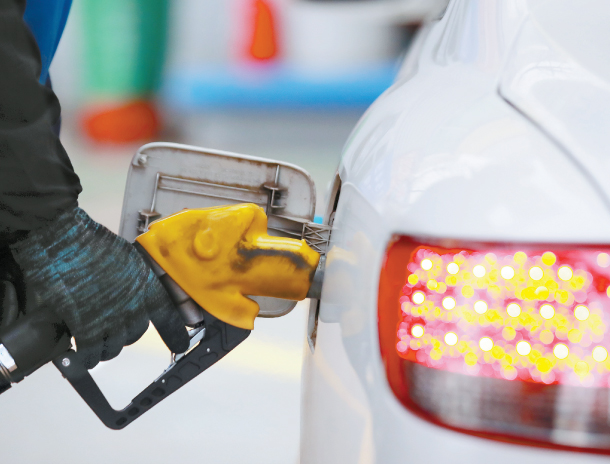

  • Indian Consumers Face Post-Election Fuel Price Shock

    Indian Consumers Face Post-Election Fuel Price Shock

    Surging global oil prices will pose a first big challenge to India’s new government, whoever wins an election now under way, especially as domestic prices have been allowed to lag, meaning consumers are in for a painful surge as they catch up.

    For oil-import dependent India, higher global prices could lead to a weaker rupee, higher inflation, the ruling out of interest rate cuts and could further weigh on twin current account and budget deficits, economists warned.

    But compounding the future pain, state-run fuel suppliers and retailers have held off passing on to consumers the higher prices during a staggered general election, which began on April 11 and ends on May 23, according to sources familiar with the situation.

    That delay is expected to be unwound once the election is over. And there could be additional price increases to make up for losses or profits missed during the period of delayed increases, the sources said.

    In some major Asian countries, such as Japan and South Korea, pump prices are adjusted periodically so they move largely in tandem with international crude prices.

    That was what was supposed to happen in India but the election means there have been many days when pump prices have been unchanged.

    In New Delhi, for example, while crude oil prices have gone up by nearly $9 a barrel, or about 12 percent, in the past six weeks, gasoline prices have only risen by 0.47 rupees a litre, or 0.6 percent.

    State-controlled fuel suppliers and retailers declined to say why they had delayed price increases, or discuss whether there has been any pressure from the government of Prime Minister Narendra Modi.

    A government spokesman declined to comment.

    The opposition Congress party said Modi’s government was violating its own policy of daily price revision by advising the state oil companies to hold prices steady.

    “The government should cut fuel taxes otherwise consumers will have to pay much higher oil prices once the elections are over,” said Akhilesh Pratap Singh, a senior leader of the Congress party.

    Nitin Goyal, treasurer at the All India Petroleum Dealers Association, representing fuel stations in 25 states, said prices were similarly held down for 19 days in the southern state of Karnataka last year, when it held state assembly elections. Only for them to surge after the vote.

    “Consumers should be ready for a rude shock of a massive jump in retail prices, similar to the level we have seen in the Karnataka state election,” Goyal said.

    Sri Paravaikkarasu, director for Asia oil at Singapore-based consultancy FGE, said retail prices of gasoline and gasoil prices would have been up to 6 percent, or about 4 rupee, higher if they had been allowed to rise in line with global prices.

    “Indian pump prices have failed to keep up with the recent uptrend in crude prices,” Paravaikkarasu said.

    “With the country’s general elections underway, the incumbent government has been keeping pump prices relatively unchanged.”

    India had switched to a daily price revision in June 2017 from a revision every two weeks, as the government allowed retailers to set prices.

    But the government faced protests last October when retailers raised prices by up to 10 rupees a litre after the crude oil price went above $80 a barrel, forcing it to cut fuel taxes.

    Global prices rose to their highest level in 2019 on Thursday, days after the United States announced all Iran sanction waivers would end by May, pressuring importers including India to stop buying Tehran’s oil. [O/R]

    Higher oil prices will mean Asia’s third largest economy is likely to see growth of less than 7 percent rate this fiscal year, economists said. Growth slowed to 6.6 percent in the October-December quarter, the slowest in five quarters.

    Rating agency CARE has warned that a 10 percent rise in global oil prices could increase demand for dollars, putting pressure on the rupee and widening the current account deficit.

    India’s oil import bill rose by nearly one-third in the fiscal year ending March 31 to $140.5 billion, against $108 billion the previous year.

    “The increase in international oil prices is a credit negative for the Indian economy,” ICRA, the Indian arm of the Fitch rating agency, said in a note.

    “Every $10/ bbl increase in crude oil prices increases the fiscal deficit by about 0.1 percent of GDP.”

    Any big price rise would also build a case for the central bank to keep rates steady, or even raise them.

    The Reserve Bank of India’s Monetary Policy Committee, which cut the benchmark policy repo rate by 25 basis points this month, warned that rising oil and food prices could push up inflation.

    Policymakers are worried that a sustained increase in the oil price in the range of $70-75/barrel or higher can move the rupee down by 3-4 percent on an annual basis.

    The rupee has depreciated by 1.24 percent against the dollar since a year high in mid-March.

  • Rolls-Royce to bring limited-edition model to Korea

    Rolls-Royce to bring limited-edition model to Korea

    Rolls-Royce Motor Cars, the luxury car brand under the BMW Group, said Wednesday it will introduce one of its 35 limited-edition Silver Ghost Collection models in South Korea this month. Rolls-Royce made the limited edition cars to pay homage to the original Silver Ghost from the early 1990s. The car makes use of real silver accents in its interior and exterior to set it apart.

    The forest green-colored limited version to be sold in Seoul carries the phrases “Silver Ghost Since 1907” and “Silver Ghost Collection – One of Thirty-Five” in the car’s interior, the company said in a statement.

    Rolls-Royce began selling its vehicles in Korea 15 years ago. Its current lineup includes the Phantom, Ghost, Wraith, Dawn and Cullinan.

    In 2018, the carmaker sold 123 Rolls-Royce vehicles in Korea, up 43 percent from 86 a year earlier, according to the Korea Automobile Importers and Distributors Association.

    Prices and other details were not provided for the limited-edition model.

  • The most expensive place to rent an office in the world

    The most expensive place to rent an office in the world

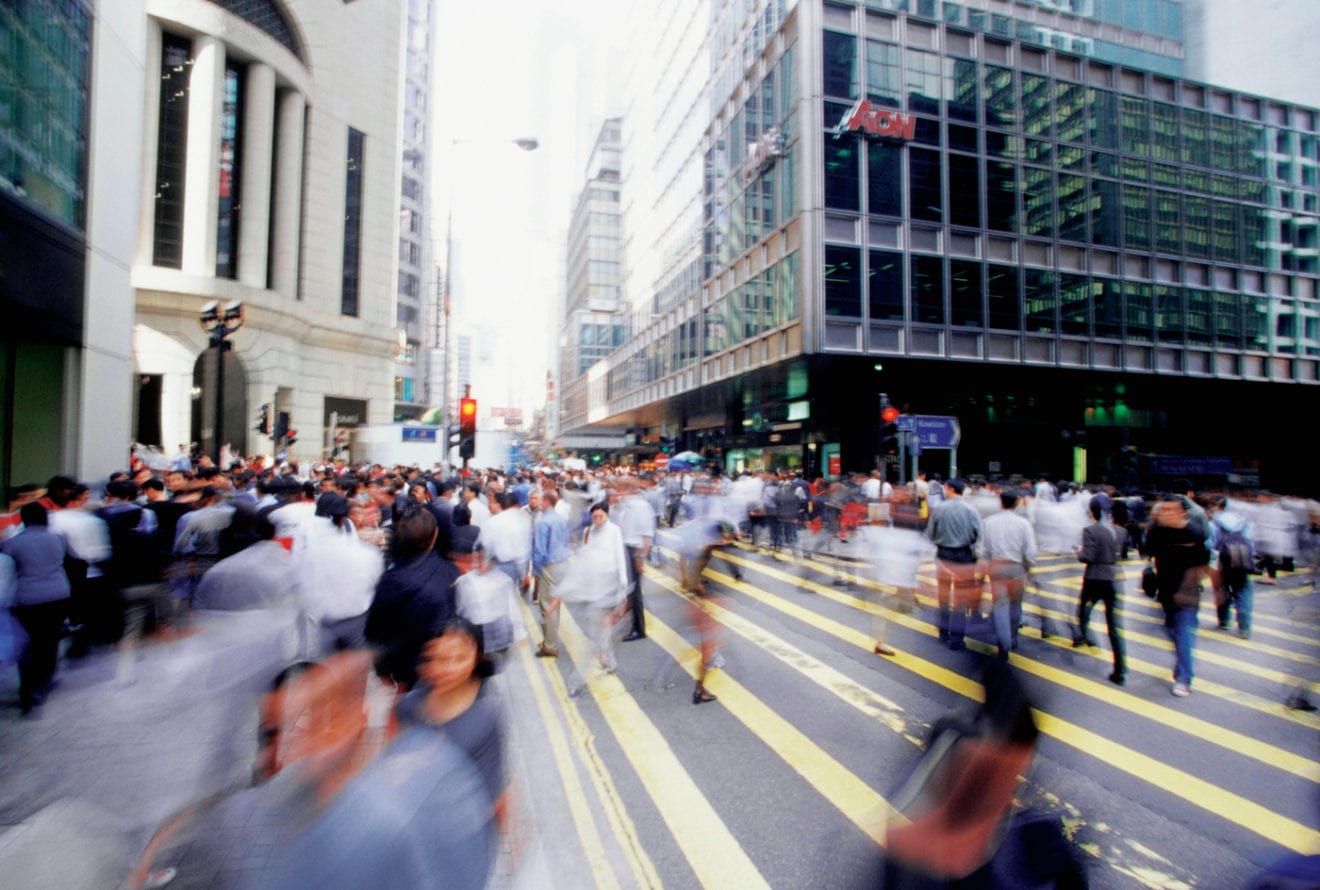
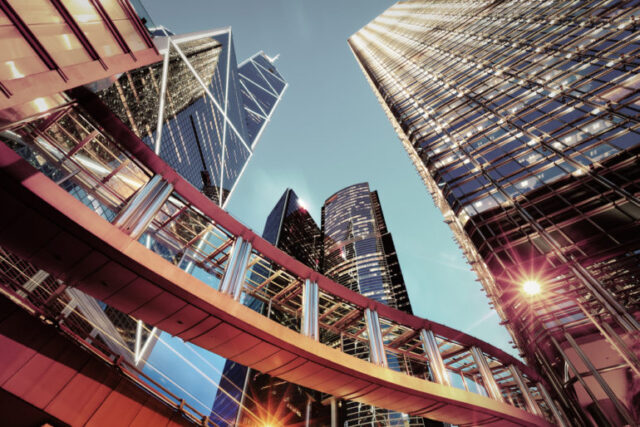
    Central, Hong Kong’s frenetic business and retail heart, crammed with skyscrapers, swanky malls and luxury hotels, is the most expensive district for renting office around the world. Although the office rent in Hong Kong’s Central district is already the world’s most expensive, and there are more and more companies moving out of the city centre to cheaper locations, prices are likely to remain sky high, or even higher.

    Hong Kong is the key financial centre in Asia, and Central is still the most important financial district in the city. Thus, the office rent in Central district is predicted to increase continuously.

    According to Raymond Chow, the Executive Director for Commercial Property at Hongkong Land, Central’s largest office landlord, “Central is still the home to the city’s most influential institutions, such as the Securities and Futures Commission, The Stock Exchange of Hong Kong and Hong Kong Monetary Authority, the connectivity of Central remains a magnet for leading players” he added,  “It is in a way that other districts cannot compare.”

    In June 2018, Central was ranked the most expensive office location in the world for the third year by global commercial real estate firm CBRE, thanks to the strong demand from mainland tenants, who would like to expand their business outside China and seeking Grade A office space.

    Office space in Central now costs USD $306 per square foot, 30 per cent higher than the second highest area, London’s West End, at US$235 per square foot.

    Of the top 10 most expensive premium rental locations, six were in Asia, including Shenzhen, Beijing, Tokyo, and Delhi.

  • Hanoi, HCMC hotel rooms getting expensive

    Hanoi, HCMC hotel rooms getting expensive

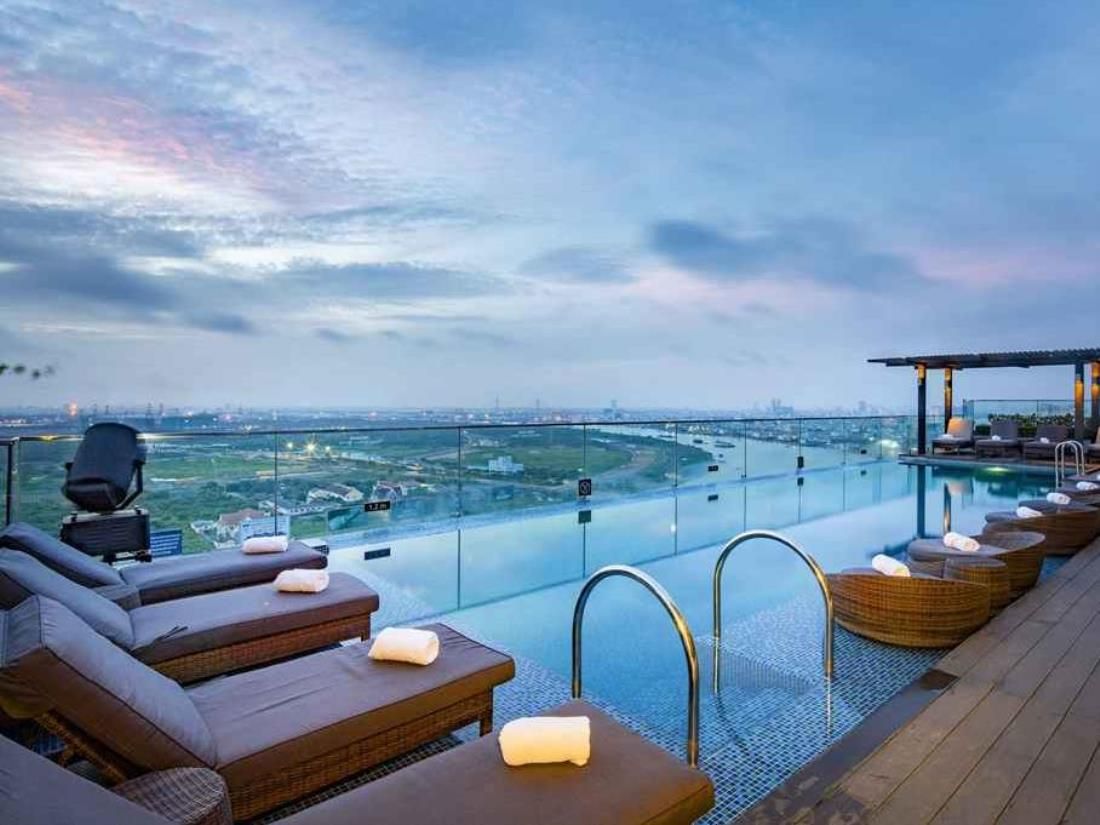
    Hotel room rates in Hanoi and HCMC, at around $110 a night, are the second most expensive in Southeast Asia behind only Singapore. Real estate services firm CBRE Vietnam said at a recent conference that the performance of the four- and five-star hotel segments was very strong in 2018 due to limited supply but constantly increasing demand.

    By the end of the year the average rent in this segment reached $112.6 in Hanoi and $114.1 in HCMC. High-end rooms in Hanoi number 7,770, of which two thirds are in the five-star category, and their average occupancy rate last year was 78.4 percent.

    Most of them are concentrated in the downtown area and Ba Dinh, a central district where most government offices and embassies are located.

    CBRE said in recent years sharing economy models like AirBnB have been trending, with AirBnB supply in Hanoi and Ho Chi Minh City topping 24,000 units compared to 17,500 four- to five-star hotel rooms.

    “However, despite the rapid growth of this model, room-sharing has not a clear impact on business in the four-five-star segment.”

    As of 2017 there were 118 five-star hotels/resorts in Vietnam, almost twice the number in 2013.

    They had an occupancy rate of over 75 percent, 5 percentage points up from 2016, according to global consulting firm Grant Thornton.

    Vietnam National Administration of Tourism (VNAT) statistics show an upsurge in the number of foreign visitors to Vietnam in the last few years. Last year 15.5 million came to the country, a 20 percent rise from 2017.

  • Cathay Pacific to honor premium Vietnam-US tickets sold by mistake

    Cathay Pacific to honor premium Vietnam-US tickets sold by mistake

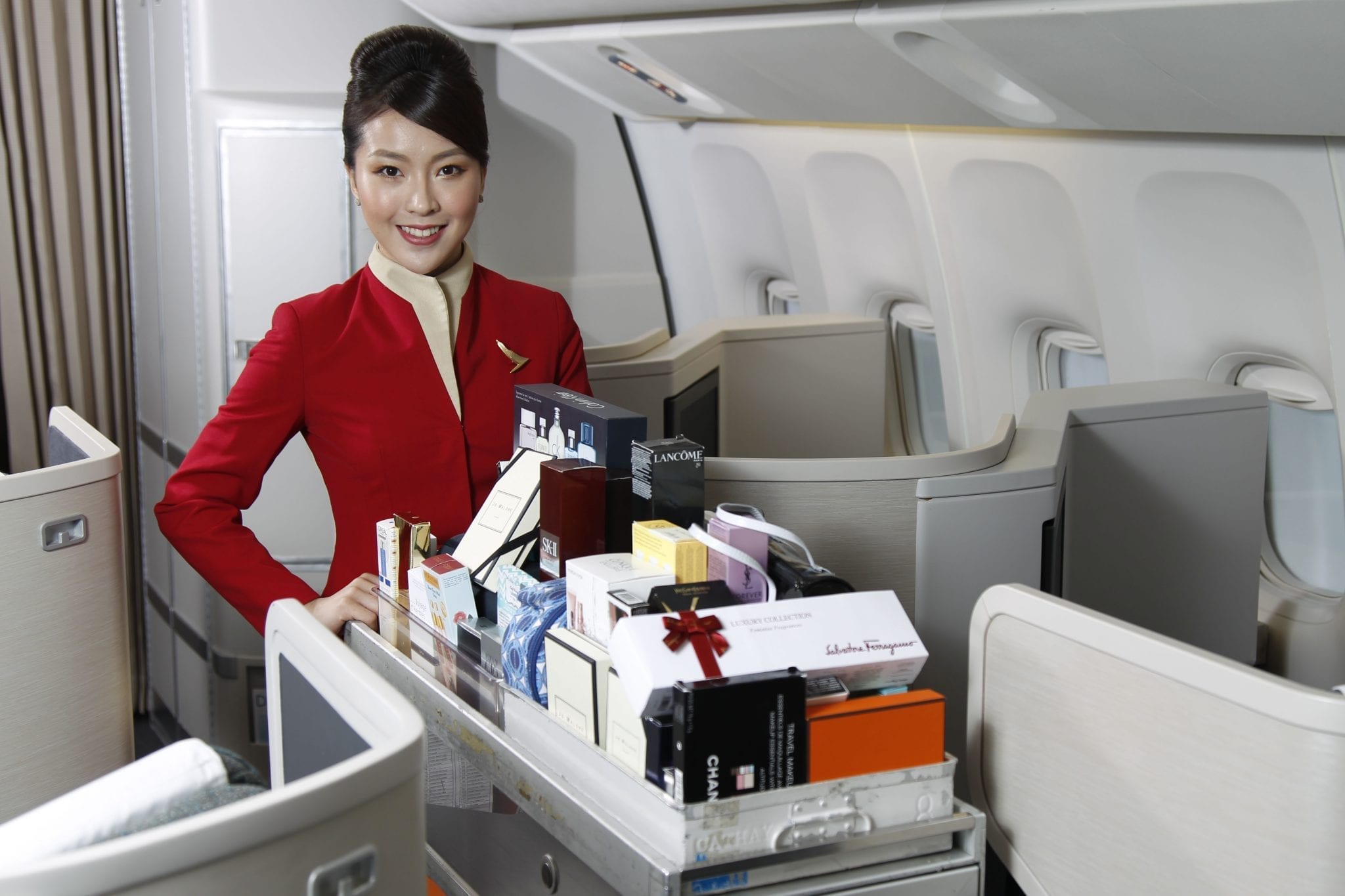
    Cathay Pacific Airways mistakenly sold Vietnam-U.S. first class and business class tickets at economy prices, but will honor them. The Hong Kong flag carrier made this announcement in a Twitter post Wednesday after customers reported Tuesday that they were able to purchase first class and business class tickets at unusually cheap prices from Vietnam to North American destinations such as San Francisco and New York in the U.S. and Vancouver, Canada.

    Cathay, Asia’s largest international airline, offered return business and first seats from Vietnam’s central city of Da Nang to New York at the price of $650 and $845 respectively, while typically these tickets cost $16,000 and $31,000.

    Hanoi-based pastor Jacob Bloemberg was one of the lucky customers who were able to purchase the tickets, which only lasted “for minutes.”

    “My wife and I travel from Hanoi to the U.S. every year, but we are very excited this time as we enjoy business class seats at the price of an economy seat,” he said.

    The number of tickets sold during the computer error is believed to be several thousand. Cathay Pacific blamed the mistake on an individual entering the wrong fares into the company’s system. Although Cathay has not revealed the cost of this error, it is calculated that the airline should have collected at least $685,800 from 11 customers that it spoke to.

    However, Cathay said it hoped the move would make this year special for its customers.

    “Yes – we made a mistake, but we look forward to welcoming you on board with your ticket issued. Hope this will make your 2019 ‘special’ too!,” the airline said on its Twitter account.

    It added #promisemadepromisekept, and #lessonlearnt at the end of the post.

    Last summer, a similar situation happened with Hong Kong Airlines when business class tickets were sold for $587, much lower than the usual price of $3,800. The airline honored its mistakes and covered all bookings.

    Bloemberg said that Cathay’s move was “honorable.”

    “If there are similar errors in the future, I’d like to find out right away.”