Tag: experiential retail

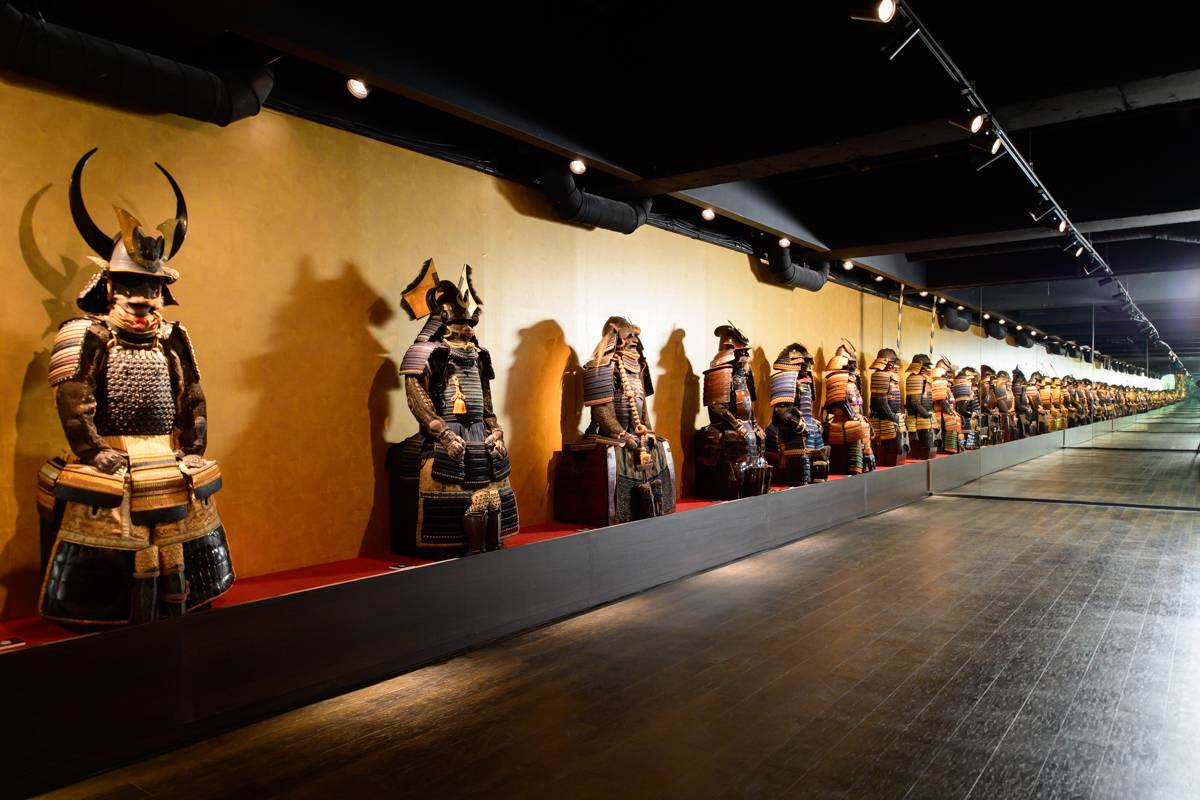
  • Japan Launches 200,000-Yen Ninja Heritage Tours for Inbound Travellers

    Japan Launches 200,000-Yen Ninja Heritage Tours for Inbound Travellers

    Regional operators in Mie and Shiga have rolled out exclusive travel packages priced from 200,000 yen ($1,270) per night to channel foreign interest in ninja into high-end experiential spending.

    Launched in May, the public-private NINJA ORIGINS initiative provides international tourists with custom itineraries that combine farm labour, herbal tea preparation, and shrine visits across the historic strongholds of Iga and Koka.

    The project moves away from generic sightseeing by grounding commercial offerings in documented regional practices, with Mie University professor Yuji Yamada noting that lasting commercial success requires genuine historical substance.

    Premium Pricing in Historic Hubs

    Tour packages bundle private access to regional heritage sites with hands-on craft sessions and overnight accommodation. By setting base pricing at 200,000 yen per person, the initiative targets higher-spending tourists who bypass conventional urban circuits.

    Mie and Shiga local authorities designed the programme alongside private hospitality businesses to direct inbound spending into rural economies. At the Iga-ryu Ninja Museum near the 16th-century Iga Ueno Castle, foreign visitors now account for more than 20 per cent of admissions. Operators in Nabari also monetise historical associations at Akame 48 Waterfalls, charging for outdoor physical training courses that include wall-scaling and rope-crossing exercises.

    Multilingual operational capacity underpins the commercial push. At Koka Ninja Village in Shiga prefecture, where international arrivals occasionally make up almost the entire daily visitor register, operators employ staff fluent in English, Chinese, and Tagalog to conduct tours and demonstrations of historical devices like mizugumo water-crossing shoes.

    Urban Attractions Capture Mass Footfall

    Urban commercial operators take a different route by integrating martial history into quick-stop retail formats. Samurai Ninja Museum Kyoto, located in the Nakagyo Ward near the high-density Nishiki Market retail strip, sells high-turnover experiences to walk-in international shoppers.

    These city venues generate revenue through rapid-throughput activities, charging tourists for costume rentals, target ranges for star-shaped shuriken, and fukiya blowgun ranges. Footfall spans source markets including Australia, Slovenia, Colombia, and the United States, drawing consumers who discovered the genre through cinema rather than Japanese gaming or print publishing.

    The urban model prioritises high footfall and ancillary retail transactions, while the Mie and Shiga operators rely on high transaction values and overnight hospitality margins. This dual structure creates distinct commercial opportunities across the experiential leisure sector.

    Authenticity Determines Commercial Lifespan

    Academic researchers tracking cultural commerce caution that superficial novelty wears thin without regional substance. Mie University professor Yuji Yamada noted that commercial longevity requires local historic linkages rather than generic marketing.

    Simply using ninja to build a tourist attraction won’t make it last.

    Operators relying purely on costume rentals face customer attrition as experiential travel patterns mature. Without authentic regional programming, attraction owners risk heavy capital outlays on exhibits that fail to generate repeat visits or premium ticket sales.


  • Pokémon Company to Open First Permanent Store Outside Asia in London in 2029

    Pokémon Company to Open First Permanent Store Outside Asia in London in 2029

    The Pokémon Company announced on Oct. 23 that it will open its first permanent retail store outside Asia in London in 2029.

    The British opening makes the UK the fourth country worldwide to host a permanent location, joining Japan, Singapore, and Taiwan, where an outpost operates in Taipei.

    Official plans describe the London site as a “Pokémon retail destination” featuring exclusive merchandise and immersive fan spaces, while the Pokémon Company also intends to launch several other branches outside Asia. Japan itself houses roughly two dozen specialty shops running from Hokkaido to Okinawa.

    The Long Shift From Asian Flagships

    Domestic operations in Japan rely on three tiered physical retail formats: large Pokémon Center megastores, mid-sized Pokémon Stores, and smaller Pokémon Center Satellite hubs. Across Japan, the firm runs roughly two dozen specialty locations from Hokkaido to Okinawa.

    Regional Asian expansion outside Japan has moved conservatively over the past decade. Permanent outposts operate only in Taipei and Singapore, leaving Western territories to depend on short-term pop-up installations or third-party wholesale accounts. The London project shifts the company’s real-estate strategy toward full-scale experiential flagship ownership in Europe.

    Pop-Up Metrics and Western Foot traffic

    Direct experiential retail allows franchise owners to extract higher margins from licensed intellectual property while starving grey-market resellers of scarce inventory. London served as an initial testing ground for that demand when the company operated temporary Pokémon Center pop-up shops starting in 2019. Long queues and stock shortages at those temporary sites proved British consumers would absorb dedicated physical units.

    Western retail landlords now face a protracted wait. By anchoring the launch date to 2029, the operator gives itself years to secure prime central London real estate and arrange supply chains, but risks exposing the project to rising prime retail rents and shifting discretionary consumer spending across Europe.

    Testing the Limits of Single-IP Retail

    The company previously attempted a permanent presence in the West when it opened Pokémon Center New York in 2001. That venture lasted four years before parent partner Nintendo folded the footprint into the broader Nintendo Store in 2005, illustrating the operational cost of keeping an isolated character brand profitable on expensive Western high streets.

    Gaku Susai, Chief Product and Experience Officer at The Pokémon Company International, said:

    “We are always exploring new opportunities that help us create unique and memorable experiences for our fans. This new London store will give visitors the chance to step into the world of Pokémon, whether they’re discovering the brand for the first time or have been Trainers for years. We hope it becomes a place where everyone can come together, feel like part of a community and enjoy the magic of Pokémon in a whole new way.”

    What to Track Ahead of 2029

    Retail analysts will track whether the brand’s supply chains can fulfill high-volume character merchandise abroad without cannibalising regional online sales. Securing local suppliers and handling direct imports will determine the unit economics of the flagship.

    The immediate milestone is the property acquisition itself. The Pokémon Company must confirm its British lease location and floor layout before announcing the additional international branches it plans to build beyond Asia.

  • Bangkok Watch Week Attracts 40,000 Visitors to Siam Paragon

    Bangkok Watch Week Attracts 40,000 Visitors to Siam Paragon

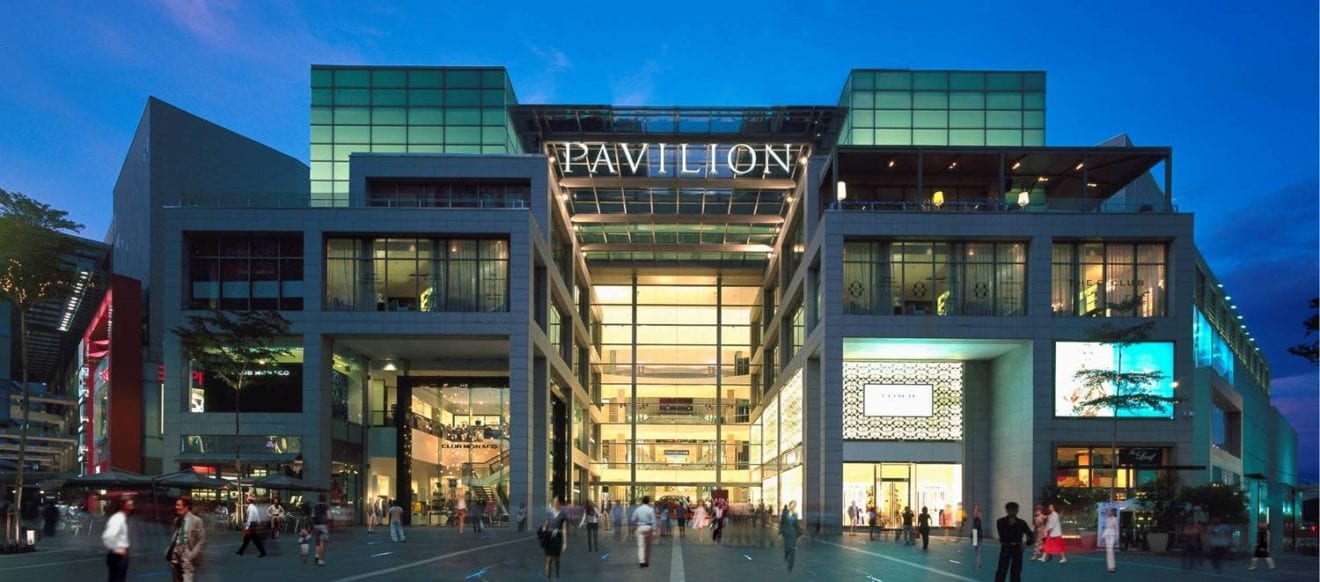
    Siam Piwat Group drew more than 40,000 visitors to the second edition of Bangkok Watch Week at Siam Paragon, expanding brand participation past 45 luxury houses.

    The six-day exhibition, held from September 22 to 27 across two floors of the Bangkok shopping complex, doubled its overall attendance compared with its 2025 debut. The turnout included 400 international collectors, while brand participation climbed more than 50 per cent.

    Organised by mall operator Siam Piwat, the event operated across three formats: a public show, an industry symposium, and brand-run boutique workshops. Entry remained free for regular shoppers. The Fondation Haute Horlogerie joined the programme for its Southeast Asian debut, running an academy lounge offering entry-level horology certifications to the public.

    Shifting luxury retail from private salons to mall concourses

    For decades, Swiss and European watchmakers restricted previews to invite-only trade summits in Geneva or closed boutique salons. Bringing 45 maisons directly onto the open concourse of a Southeast Asian commercial mall reverses that playbook. Siam Piwat is betting that footfall conversion no longer depends strictly on closed-door clienteling, but on pulling younger consumers into technical workshops before they buy their first mechanical piece.

    The approach hands luxury tenants direct exposure to high-spending tourist traffic that standard multibrand watch retailers struggle to capture organically. Thai landlords face sharp regional competition from Singapore and Tokyo for luxury spend, making hands-on programming essential to keep international shoppers on-site.

    Siam Piwat targets international collector traffic

    Tourism flows into central Bangkok remain critical to the format. Siam Piwat identified Chinese and Indian travelers as volume drivers for overall mall trade, while shoppers from elsewhere in Asia and the Middle East deliver the highest average transaction values.

    Pavaris Eam-ekpattana, director of strategic luxury experience management at Siam Piwat unit Supremo Co., confirmed that the group separates the show from its older commercial watch events.

    Brand interest expanded beyond the major Swiss conglomerates. British brand Bremont attended for the first time to seek a local distributor, while boutique managers from German maker A. Lange & Söhne reported that multi-brand exposure helped bridge client bases with houses such as Panerai, Jaeger-LeCoultre, and Vacheron Constantin.

    Attendance gains build on initial sales spike

    The operational expansion follows steep top-line gains recorded during the event’s first run. During the inaugural 2025 edition, Siam Paragon attracted 20,000 visitors and 200 foreign collectors. Luxury watch sales inside the mall surged 92 per cent compared with the corresponding period in 2024.

    Caroline Murphy, president of strategic project development at Siam Piwat, said the mall owner does not evaluate the fair purely on short-term sales desks:

    “We do not measure the success of the event in terms of sales as the primary purpose of the fair is not commercial, but to establish Bangkok as a luxury watch capital of the world, by sharing knowledge and insight of the wonderful world of watchmaking to a robust watch community of local Thai and international collectors,”

    Global network plans for third edition

    Siam Piwat is preparing to link future editions into a wider circuit. The organiser is evaluating strategic ties with luxury events in Tokyo and Milan, aiming to create a recurring international calendar stop rather than a standalone Bangkok marketing push.

    Brand retention and floor space allocations across Siam Paragon’s central retail levels serve as the key operational test.

  • Kuala Lumpur Mall Launches Pocket Monsters Mega Retail Campaign

    Kuala Lumpur Mall Launches Pocket Monsters Mega Retail Campaign

    A Kuala Lumpur shopping mall has launched a mega promotional campaign this week built around the Pocket Monsters entertainment franchise to lift consumer footfall and retail engagement, as reported by The Star.

    The 1 major experiential push combines themed displays, interactive installations and character merchandise across high-traffic retail spaces in the Malaysian capital.

    Entertainment intellectual property in physical malls

    Shopping centres across Southeast Asia increasingly rely on global intellectual property activations to convert casual visitors into paying shoppers. Landlords use character installations and interactive zones to capture family spending during school breaks and weekend shopping peaks.

    Pop culture licensing allows mall operators to differentiate their properties from neighbouring retail hubs without committing to permanent structural overhauls. Merchandising pop-up counters and branded photo opportunities serve as immediate footfall drivers for tenant storefronts nearby.

    Shifting mall footfall strategies in Malaysia

    Malaysian shopping centre operators face persistent competition from suburban developments and expanding e-commerce channels. Securing recognized character franchises provides mall managements with immediate social media visibility and destination appeal.

    Food and beverage outlets and lifestyle retailers positioned near central promotional atriums typically capture the immediate spillover from these events. Landlords structure temporary pop-ups to ensure high tenant dwell times throughout the ground-floor concourses.

    Operational costs and short-term licensing cycles

    Securing franchise rights and building custom exhibition pieces requires substantial upfront capital from shopping centre operators. The commercial return depends heavily on whether increased atrium traffic translates into sustained register receipts across tenanted stores.

    Short-term character campaigns also carry operational limits once the novelty fades among local consumers. Retailers require fast turnaround cycles to rotate seasonal intellectual property before visitor interest wanes.

    The retail pipeline for urban centres

    Experiential retail partnerships continue to dictate leasing and marketing budgets across prime commercial real estate in the Klang Valley. Landlords remain focused on securing exclusive character partnerships to anchor their fourth-quarter marketing calendars.

    Retail operators and tenants will monitor conversion metrics from family-oriented pop-ups as shopping malls finalize their event schedules for the coming retail quarters.

  • Rebel Opens 3,000Sqm Flagship Store in Hobart

    Rebel Opens 3,000Sqm Flagship Store in Hobart

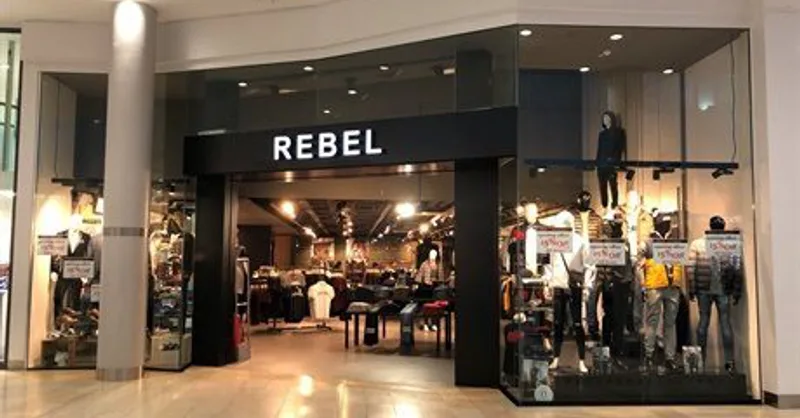
    Rebel opened its largest Tasmanian store on Murray Street in Hobart in September 2026, spanning 3,000 square metres across two floors. The flagship created more than 40 jobs.

    The two-level site replaces a former H&M location in the central business district. It brings the sporting goods chain to three outlets across the state alongside existing stores in Rosny Park and Launceston.

    Interactive format on Murray Street

    This Hobart flagship is the retailer’s second Rebel Customer Experience format in Tasmania. An interactive football zone lets shoppers test boots and equipment before paying. The store also stocks gear for cricket, basketball and Australian rules football.

    Shelf space leans heavily into Tasmanian Devils teamwear and guernseys ahead of the state entering the Australian Football League. Dedicated testing zones help defend physical store sales against online sports apparel retailers.

    Shifting footprints across regional centres

    Athletic specialty stores face rising occupancy costs in central business districts, yet taking over vacated department and fast-fashion spaces provides pre-built foot traffic. For landlords, experiential sporting anchors balance slowing apparel footfall in secondary city centres.

    Conversion rates must stay high to justify multi-level rents. Interactive zones increase customer dwell times, but they require higher staffing ratios on the floor to manage testing areas and equipment fittings.

    Five-year expansion targets 70 stores

    Super Retail Group appointed Jenny Child as managing director of Rebel earlier in 2026. Store portfolio expansion sits at the centre of the brand’s capital deployment.

    We know how passionate Tasmanians are about sport and with the state’s first AFL team on the horizon, there’s never been a more exciting time to open a store of this scale in Hobart.

    Hobart’s opening kicks off a five-year development cycle aimed at mid-sized and regional hubs. Rebel currently operates 39 regional locations across Australia. It plans to scale that network to 70 sites by June 2031 across RCX, foundation and compact formats.

    Next openings in the pipeline

    Rollout schedules over the next four quarters will determine how quickly Rebel opens the remaining 31 regional sites to meet its June 2031 target.

  • Asia Shifts from Adopting Retail Formats to Exporting Global Innovation

    Asia Shifts from Adopting Retail Formats to Exporting Global Innovation

    Asian retail operators have shifted from adapting Western store models to exporting original store formats, testing methods, and experiential concepts to international retail markets in September 2026.

    The transformation spans a region home to more than half of the world’s population, where intense domestic competition forces retailers to treat physical spaces as media platforms rather than pure transactional outlets.

    Compressed Cycles and Cultural Platforms

    Retail concepts originating in East Asia have redefined how physical stores interact with consumer culture. Japanese operators such as Uniqlo and Muji established operational models focused on product simplicity, while lifestyle brands including Beams and niko and … developed blended formats combining apparel, dining, print media, and gallery spaces.

    Chinese operators have pushed product experimentation into compressed timeframes. Collectibles retailer Pop Mart built an international retail footprint by combining proprietary intellectual property, gamified blind-box purchases, and scarcity mechanics. Cosmetics retailer Harmay reorganized beauty merchandising around warehouse-style discovery layouts, replacing traditional cosmetic counters with unguided foot traffic flows.

    South Korean retailers have centered physical retail on narrative spaces. Eyewear brand Gentle Monster builds flagship locations around large-scale kinetic art installations and architectural exhibits, treating optical frames as entry points to brand environments rather than primary display fixtures.

    Physical Real Estate as Entertainment Hubs

    In Southeast Asia, commercial developers are altering shopping center layouts to capture consumer footfall through leisure rather than tenant distribution. Bangkok properties including IconSiam, Siam Paragon, and One Bangkok allocate large square footage to indoor cultural floating markets, exhibitions, and public gathering areas.

    These developments operate on the principle that dwell time drives secondary spending. Landlords who prioritize transactional floor space over communal programming face higher tenant turnover as standard retail purchases migrate online.

    For global brand managers, the rise of Asian retail formats creates pressure to shorten product development cycles. International brands entering China, India, and Vietnam must build supply chains capable of responding to immediate consumer feedback rather than operating on seasonal six-month planning horizons.

    Operating Across Fragmented Retail Markets

    The operational discipline behind these models developed out of regional market complexity. In India, retail groups manage supply chains across multiple languages, varied regional income bands, and fragmented state-level tax structures, making standardized Western formats difficult to sustain without deep localization.

    Vietnam is replicating similar dynamics as rapid urban development and a high proportion of mobile-first shoppers accelerate the turnover of food, beverage, and lifestyle concepts in Ho Chi Minh City and Hanoi.

    Global retail operators are now monitoring flagship performance metrics and tenant lease structures at new mixed-use developments like Bangkok’s One Bangkok to measure returns on high-footprint experiential spaces.

  • Anaconda Opens 6,000-Square-Metre Flagship in Queensland

    Anaconda Opens 6,000-Square-Metre Flagship in Queensland

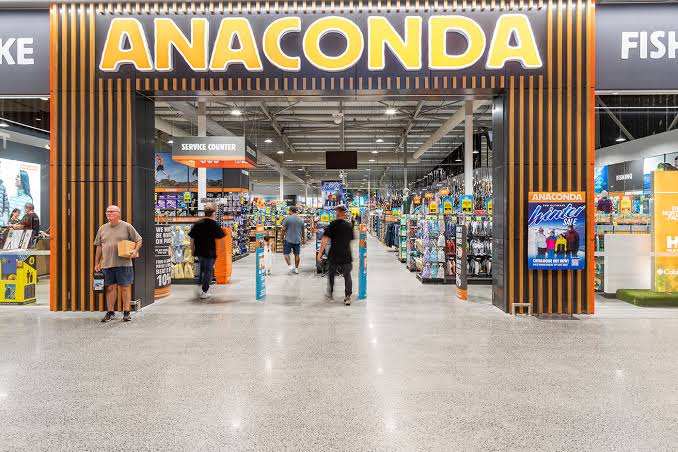
    Anaconda opened a 6,000-square-metre flagship store in Brendale, Queensland, anchoring a 92 million Australian dollar retail development in Moreton Bay. The site, branded Anaconda Adventure HQ, is the outdoor equipment retailer’s largest purpose-built location in Australia.

    Built along South Pine Road and Old North Road, the destination gives shoppers dedicated zones to test equipment before purchase. Chief executive Chris Lude stated the layout targets campers, skiers, and anglers looking for practical demonstrations inside the building.

    Interactive gear testing and live displays

    The Brendale floor plan allocates substantial square footage to working trial areas. Facilities include an alpine-themed snow cave, an indoor boat show with a simulated marina, an outback camping ground, a fishing simulator, and a 12-metre aquarium holding live barramundi.

    Big-box specialty retailers across Asia-Pacific are increasingly turning floor space over to active trials. Dedicating thousands of square metres to live environments raises capital expenditure per site, but operators use the experiential footprint to pull shoppers away from pure-play online merchants.

    Spotlight Group shifts toward destination formats

    Parent company Spotlight Group Holdings financed the expansion as part of a wider push into regional destination centres. Executive deputy chairman Zac Fried said customer buying habits now favor testing gear on site over selecting items directly from warehouse racking.

    Spotlight Group will track trading performance at the Brendale complex as it evaluates whether to scale similar mega-format builds across other high-growth suburban corridors in Australia.

  • SM Supermalls Revenue Rises 8% to $667M on Record Occupancy

    SM Supermalls Revenue Rises 8% to $667M on Record Occupancy

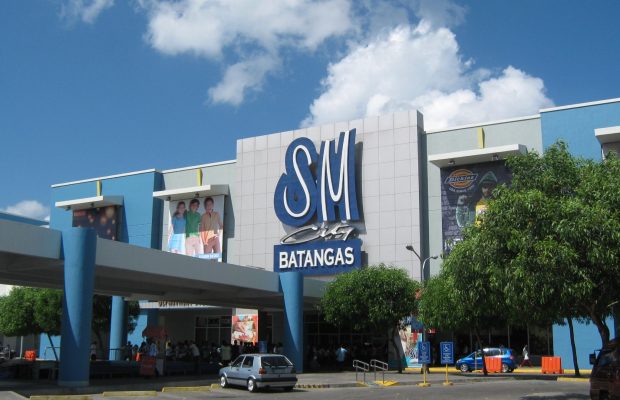
    SM Supermalls lifted first-half revenue by 8 per cent to US$667 million across the Philippines as mall occupancy reached a record 96 per cent.

    Same-store sales rose 4.8 per cent to 41.8 billion Philippine pesos during the six-month period, driven by steady foot traffic and resilient food spending.

    Vacant floor space dropped to 4 per cent across the network, with the operator attributing most empty units to planned tenant relocations rather than lease cancellations. President Stephen Tan said shoppers have grown more deliberate about where they spend, favouring better quality and experiential formats over basic discount hunting.

    Casual dining led tenant performance, according to executive vice president for marketing Joaquin San Agustin, who noted that trading held steady across nearly all retail categories.

    Shifting space from apparel to leisure

    To keep mall floors full, the group is reallocating square footage away from traditional apparel racks toward sports, entertainment and social concepts. Recent additions include pickleball courts, running hubs, food halls, game parks and combined dining-and-gaming venues.

    “A mall can’t stay the same,” Tan said. “You have to keep introducing new tenants and new experiences to keep customers coming back.”

    Across Southeast Asia, mall operators face a split market. While department stores in older suburban centres lose ground to online shopping, dominant prime developers in the Philippines, Indonesia and Thailand are converting excess retail capacity into recreational destinations to protect dwell times and rental yields.

    Provincial expansion pipeline

    Growth is now concentrated outside the capital. The company opens SM Nuvali in Laguna this November, installing the country’s first direct-view LED cinema screen to replace traditional projection booths.

    Further openings scheduled in the pipeline include new regional developments in Tagum, General Trias, Bohol and Malolos.

  • Lululemon Launches Wellbeing Garden Activation in Shanghai

    Lululemon Launches Wellbeing Garden Activation in Shanghai

    Lululemon launched its Wellbeing Garden activation in Shanghai on October 10, bringing its global Wellbeing for All campaign to mainland consumers. The project anchors community gatherings around physical movement and mental wellness across the city.

    The Canadian athletic apparel maker designed the installation to merge mindfulness exercises with product shows. Shoppers and fitness participants can access instructor-led sessions, interactive wellness spaces, and product trials on site.

    Community Building in China

    Experiential retail remains central to how international sports brands build customer loyalty in Tier 1 Chinese cities. Rather than relying solely on conventional store formats, sportswear labels deploy outdoor pop-ups, run clubs, and yoga sessions to keep foot traffic connected to physical stores.

    Lululemon has built its mainland presence around store ambassadors and free community workouts. The Shanghai garden activation extends that playbook by creating a dedicated destination outside standard shopping mall footprints.

    Competition in Premium Activewear

    Mainland China continues to attract intense competition among premium athletic and outdoor brands. Global names face rising domestic sportswear labels that are expanding their own lifestyle and technical apparel ranges.

    The Shanghai activation runs as retail operators across China watch fourth-quarter foot traffic patterns and community participation figures closely.

  • 7-Eleven Unveils First Concept Store in Macau, Emphasizing Experiential Retail

    7-Eleven Unveils First Concept Store in Macau, Emphasizing Experiential Retail

    7-Eleven has opened its first concept store in Macau, bringing an experience-focused retail format that combines a broader shopping experience with traditional convenience offerings. This expansion follows similar successful concept store launches by the brand in Hong Kong and signals a strategic move to differentiate its presence in the region.

    The new Macau store aims to serve both residents and visitors, positioning itself as a destination for exploring trend culture, unique products, and diverse food options. RetailNews Asia has observed a growing trend among convenience store operators in Asia to evolve their formats, moving beyond basic transactions to offer enhanced consumer experiences, particularly in competitive urban markets.

    Expanding The Retail Experience

    The new 7-Eleven outlet is structured around three core pillars: an innovative retail design, an exploratory shopping journey, and an expanded selection of ready-to-eat food. Its product mix includes a variety of trendy toys, collectibles, and specialty items, alongside the usual food and beverages.

    The store features 7-Eleven’s signature green tones, complemented by soft, natural lighting. An open layout is created by shelving positioned along both side walls, designed to guide customers through different product zones. This deliberate design aims to encourage discovery and longer dwell times.

    Specialty Products And Food Offerings

    A key highlight of the Macau concept store is a dedicated section for collectibles and blind boxes. This zone shows collectible toys, trading cards, and trending accessories, including popular brands like Beyblade X, JOGUMAN, and Sanrio blind boxes. The store also carries exclusive items such as the “7-Eleven meets niko and …” collaboration collection. Also, it will launch Macau-themed clicker toys styled after mahjong tiles, with plans to introduce limited-edition products periodically.

    The food and beverage selection includes 7CAFÉ and Tsat Jai Sik Dong, offering local favorites such as siu mai, fish balls, stirred noodles, and milk tea. Patrick Lui, managing director of 7-Eleven Hong Kong & Macau, indicated that the company sees significant potential in Macau for this elevated retail approach. This strategy mirrors 7-Eleven’s earlier concept store openings in Causeway Bay, Kai Tak, and Tseung Kwan O, which have successfully established themselves as neighborhood attractions.