Retail News CRM

Tag: export import

  • India rice rates hit more than three-month high, Chinese rules weigh on Vietnam

    India rice rates hit more than three-month high, Chinese rules weigh on Vietnam

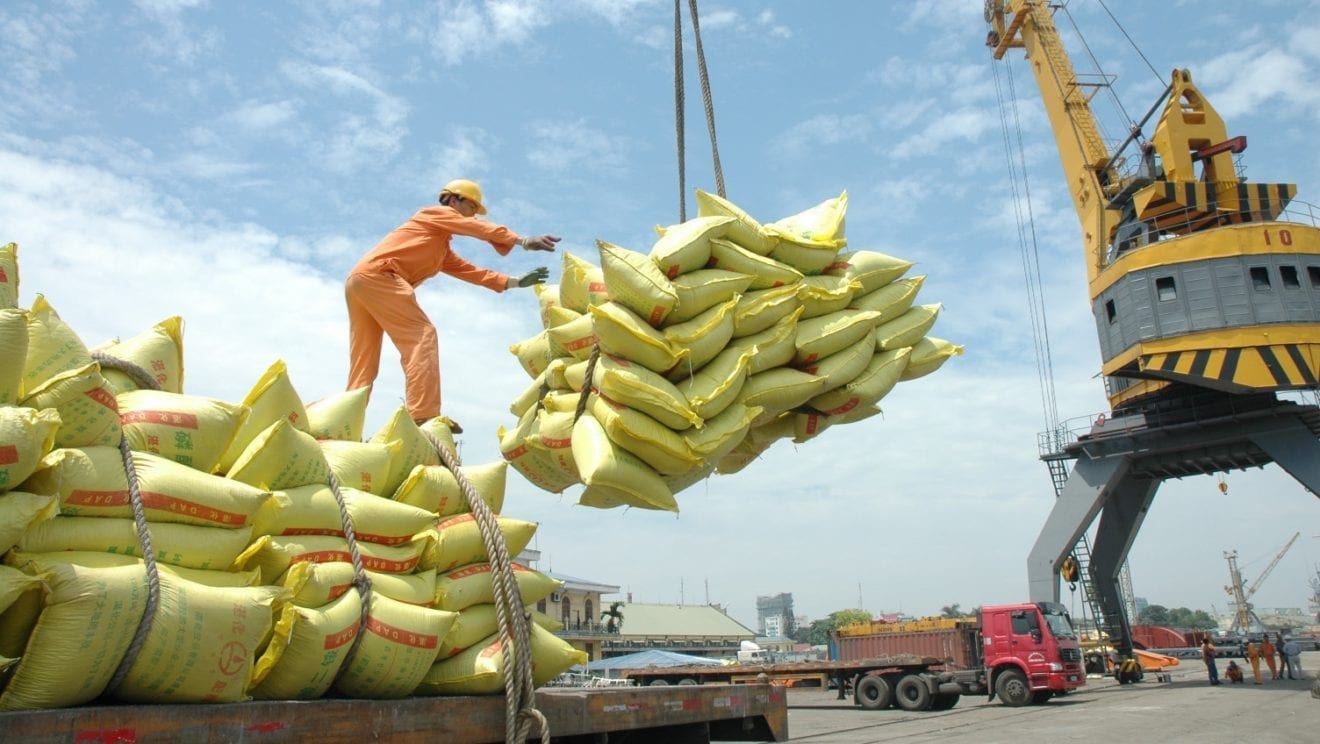
    Rice export prices in India rose to their highest in more than three months as a key producing region hiked procurement rates for domestic paddy. Top exporter India’s 5 percent broken parboiled variety was quoted at $375-$382 per tonne this week, the highest since Sept. 7.

    The central state of Chhattisgarh, a leading rice producer, raised the minimum paddy buying price to 2,500 rupees per 100 kg, from 1,750 rupees earlier this week.

    “Importers are not ready to pay a higher price. Exports are likely to slow down in coming months,” said an exporter based at Kakinada, in the southern state of Andhra Pradesh.

    Prices of Vietnam’s 5 percent broken rice declined for the fifth straight week to $385 a tonne as activity remained muted, traders said.

    “Prices fell further because we are concerned that China’s move to impose stricter conditions on Vietnamese rice will have a long-term impact,” a trader based in Ho Chi Minh City said.

    “It’s not clear if China is buying more from Cambodia and Myanmar to compensate for the possible declining shipments from Vietnam.”

    Another trader said supplies from Vietnam will increase from late next month when the winter-spring harvest begins.

    In Thailand, benchmark 5 percent broken rice prices were quoted at $390-$391 per tonne, free on board Bangkok, versus $385-$393 a week ago, as the market is expected to remain quiet until well after the New Year period.

    “This is a reasonable level as we’re nearing the end of the year. There is not much overseas activity and we’re also in the harvesting season,” a Bangkok-based trader said.

    Meanwhile, Bangladesh, which emerged as a major importer of rice in 2017 due to stock depletion following floods, has stepped up efforts to procure more rice locally after output of the staple grain improved, a food ministry official said.

    “The response from farmers is very good and the procurement drive will be continued,” the official said.

    The country’s production for 2018/19 is expected to recover to 34.7 million tonnes, up 6.3 percent year-on-year, according to estimates from the U.S. Department of Agriculture attaché in Bangladesh.

    The South Asian country has procured more than 1.3 million tonnes of rice locally so far in the current season to build state reserves.

  • Rising dollar, market glut cut Vietnam’s shrimp export value

    Rising dollar, market glut cut Vietnam’s shrimp export value

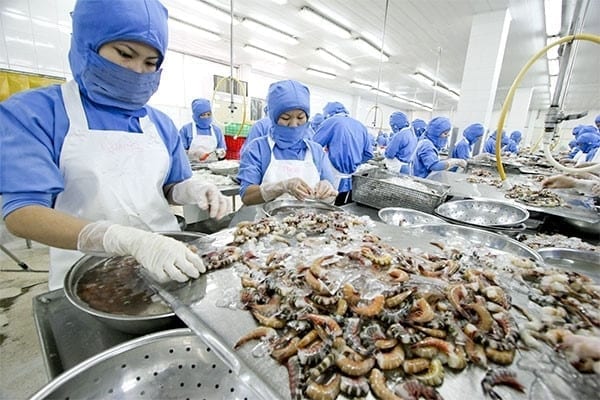
    Vietnam’s shrimp export value plunged almost 15 percent year-on-year in September, hit by the rising dollar and other factors. The Vietnam Association of Seafood Exporters and Producers (VASEP) said shrimp export value dropped by 14.8 percent year-on-year in September.

    Total shrimp export value for the first nine months of the year went down four percent year-on-year to $2.6 billion, the association added.

    The slip in export value began in the second quarter, because of several factors including excessive shrimp supply across the globe and overseas markets taking safeguard action to protect domestic enterprises, the association said.

    Global shrimp supply is expected to rise some 5.5 percent from 2017 to 2018, Undercurrent News, a global seafood news publication, quoted James Anderson, a University of Florida seafood economist, as saying.

    The situation has been worsened by the rising dollar, causing importers to buy less.

    The DXY index of the U.S. dollar versus six developed market currencies is up 4.82 percent this year, now topping the rise of the dollar against emerging market currencies.

    This saw the shrimp export value to the U.S. decrease continuously from April to July this year. In the first nine months of the year, it fell three percent year-on-year to $472.4 million.

    A similar trend can be seen in shrimp exports to the E.U., despite an impressive increase in value in the first six months of the year, the association said.

    VASEP expressed hope that if world prices improve in the coming months, Vietnam’s shrimp export output will increase in the fourth quarter and boost total value for the year to $3.85 billion, last year’s figure.

    However last year’s shrimp export value marked a year-on-year increase of 22 percent.

    Vietnam is world’s third-largest shrimp supplier, according to the agriculture ministry.

  • Vietnam footwear industry to be benefited from trade war

    Vietnam footwear industry to be benefited from trade war

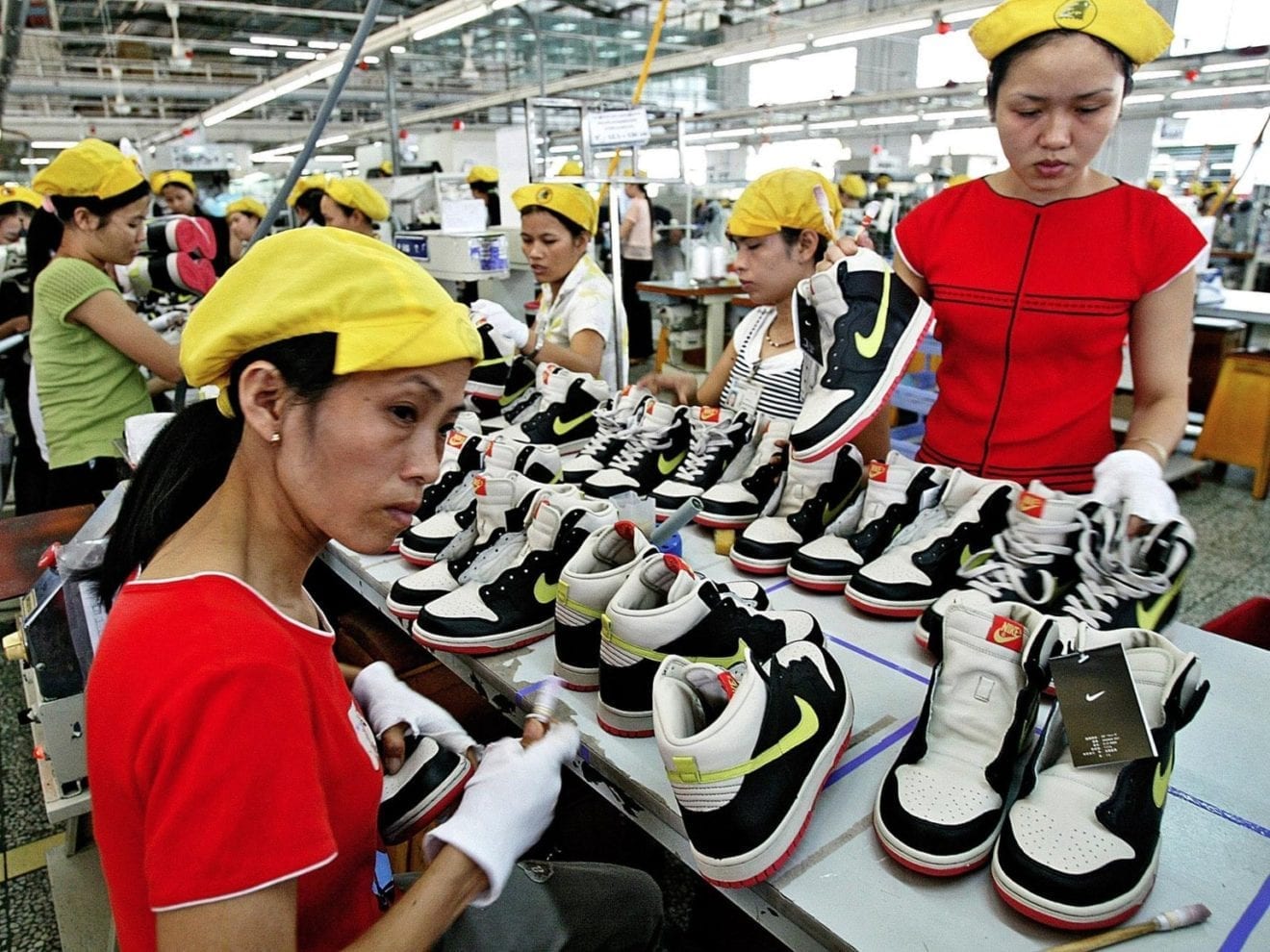
    Vietnamese footwear exporters seem to be benefiting from the ongoing trade war between the U.S. and China. According to customs statistics, Vietnam’s footwear exports in the first nine months of this year were worth $11.74 billion, a 10.2 percent year-on-year increase. Its exports to China in the period have risen by 28.5 percent, to Japan by 14.7 percent, and to the U.S. by 13.5 percent.

    Vietnam is the second biggest exporter of footwear to the U.S. behind China, shipping 404 million pairs of shoes last year.

    The upward trend is likely to continue, too, as rising wages in China increase the cost of goods produced there and the country is thus directing more of its manufacturing resources toward higher-priced goods like electronics, according to the global footwear news outlet Footwearnews.

    Foreign companies are moving to other countries like Vietnam to cut cost.

    Adidas CEO Kasper Rorsted said last May that his company is shifting sourcing of footwear from China to Vietnam.

    Vietnam has in fact overtaken China as its top supplier, with Vietnamese factories producing 44 percent of its shoes by volume last year and Chinese manufacturers supplying 19 percent, according to Adidas.

    This would help shield the company from potential tariffs or supply chain disruptions if President Donald Trump’s trade war with China continues to escalate, a fact its competitors also seem to be taking notice of.

    Vietnam may see export orders surging as footwear importers shun China to avoid high U.S. tariffs and choose the Southeast Asian nation instead, local media quoted Diep Thanh Kiet, vice chairman of the Vietnam Leather, Footwear and Handbag Association (Lefaso), as saying.

    “Vietnam’s leather and footwear export can reach $19.5 billion or slightly higher this year depending on the situation,” he said. Vietnam’s footwear exports were worth $14.65 billion last year.

  • US-China trade spat will exert exchange rate pressure on Vietnam

    US-China trade spat will exert exchange rate pressure on Vietnam

    If US-China trade tensions drag on, Vietnam will still see good growth but face strong exchange rate pressures exerted by two major currencies. After GDP growth reached 6.98 percent in the first 9 months of 2018, the highest in the past 8 years, it is relatively clear that the Government will reach its 6.7 percent growth target by the end of the year. Only a 6.11 percent growth in the fourth quarter to meet this objective.

    Usually, the fourth quarter will have the highest quarterly GDP of the year, thanks to the rise in exports, production and consumption. Consequently, some experts are optimistic that this quarter’s growth is likely to exceed the third quarter (6.88 percent) to bring GDP in 2018 to 6.9 – 7 percent as predicted by major international financial institutions.

    In its forecast, HSBC Vietnam made a rather safe prediction that GDP growth in 2019 would stand at 6.7 percent, equivalent to the bank’s forecast of growth for this year.

    In line with this, GDP per capita is expected to improve from $2,321 in 2017 to $2,734 next year. However, inflation will rise to 4.2 percent, the bank said.

    “The US economy is seeing strong growth, but the global economy is in decline and stagnating. However, while other countries in the region are showing signs of decline, Vietnam remains an exception,” said Pham Hong Hai, CEO of HSBC Vietnam at the ‘Infrastructure Outlook 2018’ conference last week.

    The International Monetary Fund (IMF) has lowered its forecast for global economic growth in 2018 and 2019 due to the escalating trade war. In a recent development, President Donald Trump has reiterated his threat to impose tariffs on another $267 billion in Chinese goods, which comes on top of the $200 billion in goods he has already targeted earlier this year.

    “Vietnamese companies, with the exception of the rubber industry, are increasing their capacity to export to the U.S. while the capacity of Chinese companies is decreasing,” said Hai on prospects for 2018.

    “Moreover, FDI will remain the main driver of growth as investors are likely to prioritise targeting Vietnam as opposed to other economies in the region.

    “Investors have traditionally preferred China, but now they are paying more attention to Vietnam because of its free trade agreements (FTAs),” he said.

    Although the outlook for 2019 is positive, the U.S.-China trade war still creates an unstable global economic environment. Vietnam has been trapped between the two major currencies, which both have extensive trade ties, economists said.

    At the end of September, the U.S. Federal Open Market Committee (FOMC) raised the refinancing rate by 0.25 percent to 2.25 percent. This is the third interest rate hike this year, and another is scheduled to happen before the end of 2018.

    This has led to an appreciation in the dollar, higher prices on imports into Vietnam, higher input costs and more pressure on exchange and interest rates.

    Meanwhile, the yuan is likely to continue to depreciate if tensions drag out, aimed at limiting the damage done from the effect U.S. tariffs have on the price of Chinese goods. With export turnover to China reaching $35.5 billion, accounting for 17 percent of Vietnam’s export turnover last year, exports in general will likely suffer.

    Vietnam also lies in the top 5 countries in the crosshairs of the U.S.’ protectionist policies given Vietnam’s high trade surplus with the U.S.

    However, experts believe it is highly unlikely for Trump to launch a trade war against the country as Vietnam is willing to be flexible. Recent announcements from Prime Minister Nguyen Xuan Phuc also indicated that Vietnam is very willing to welcome investors as well as consume more goods from the U.S.

    “We are also excited to know how you plan to do business or expand in Vietnam,” the Prime Minister declared in front of 40 leading U.S. firms in New York last September.

    As the fourth quarter has just commenced, there are still many variables yet to be ascertained to make predictions for next year. Even the U.S.-China trade war with its global economic implications, is unpredictable, not to mention other risks not associated with the trade war itself.

    “Vietnam has a great outlook, but the risk lies mainly in public debt. However, public debt has been falling. In addition, CPI at 4 percent or higher is also a risk for 2019,” Hai of HSBC noted.

    In the medium and long term, the future of Vietnam’s economy, according to specialists, remains a big question. HSBC offers two scenarios by 2030. The first is optimistic, predicting growth of over 8 percent while the other sees GDP growth deceleration to a level below 4 percent.

    According to Hai, the final outcome will depend on Vietnam’s ability to solve challenges in such issues as policy, productivity and infrastructure.

    “We are looking forward to Government reforms because we are in the Industry 4.0 era,” he added.
  • Felcra Malaysia wants to export palm oil to Middle East, Africa

    Felcra Malaysia wants to export palm oil to Middle East, Africa

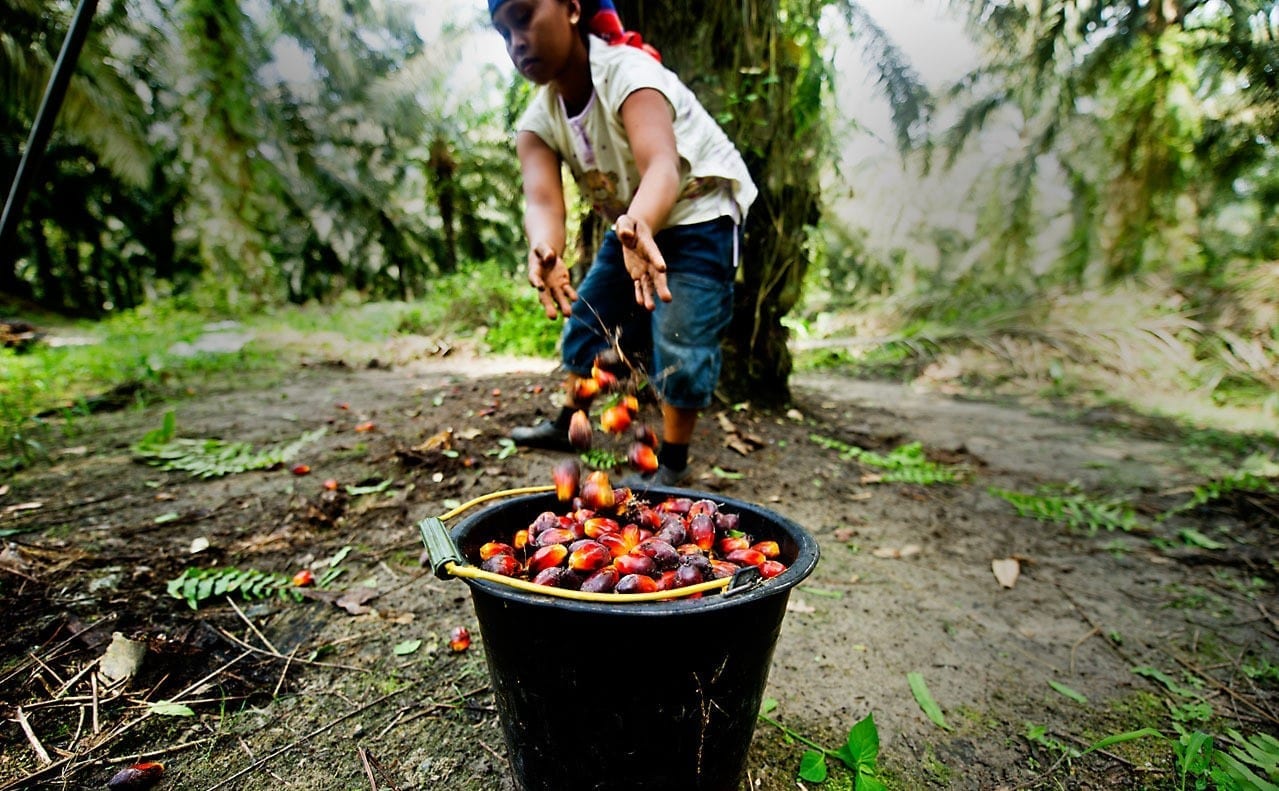
    Felcra Bhd is planning to forge collaborations with international companies for the purpose of exporting palm oil to countries in the Middle East and Africa, said its CEO, Datuk Zulkarnain Md Eusope.

    To increase the agency’s revenue, he said, it must not focus on specific countries only in exporting the commodity.

    “The Chinese government through its ambassador has stated the country’s commitment to import palm oil even if the European Union (EU) countries do not want to buy palm oil from Malaysia.

    “We must diversify our efforts (to increase revenue) following the palm oil issue with the EU,” Zulkarnain said.

    He was speaking to reporters after attending the Perak Region Felcra Employees Aspiration 2018 ceremony with Perak government leaders, which was officiated by State Rural Development, Agriculture, Plantation, Information and Human Capital Development Committee chairman, Datuk Saarani Mohamad, here today.

    Further information on the plan would be announced later after the negotiation process with the companies were concluded, said Zulkarnain.

    In another development, he said Felcra would establish a research and development centre in plantation, agricultural and food sectors, to be located in Felcra Nasaruddin Belia near Parit here.