Retail News CRM

Tag: exporters

  • Dak Lak Durian Crisis: Testing Halt Triggers Heavy Losses for Farmers and Exporters

    Dak Lak Durian Crisis: Testing Halt Triggers Heavy Losses for Farmers and Exporters

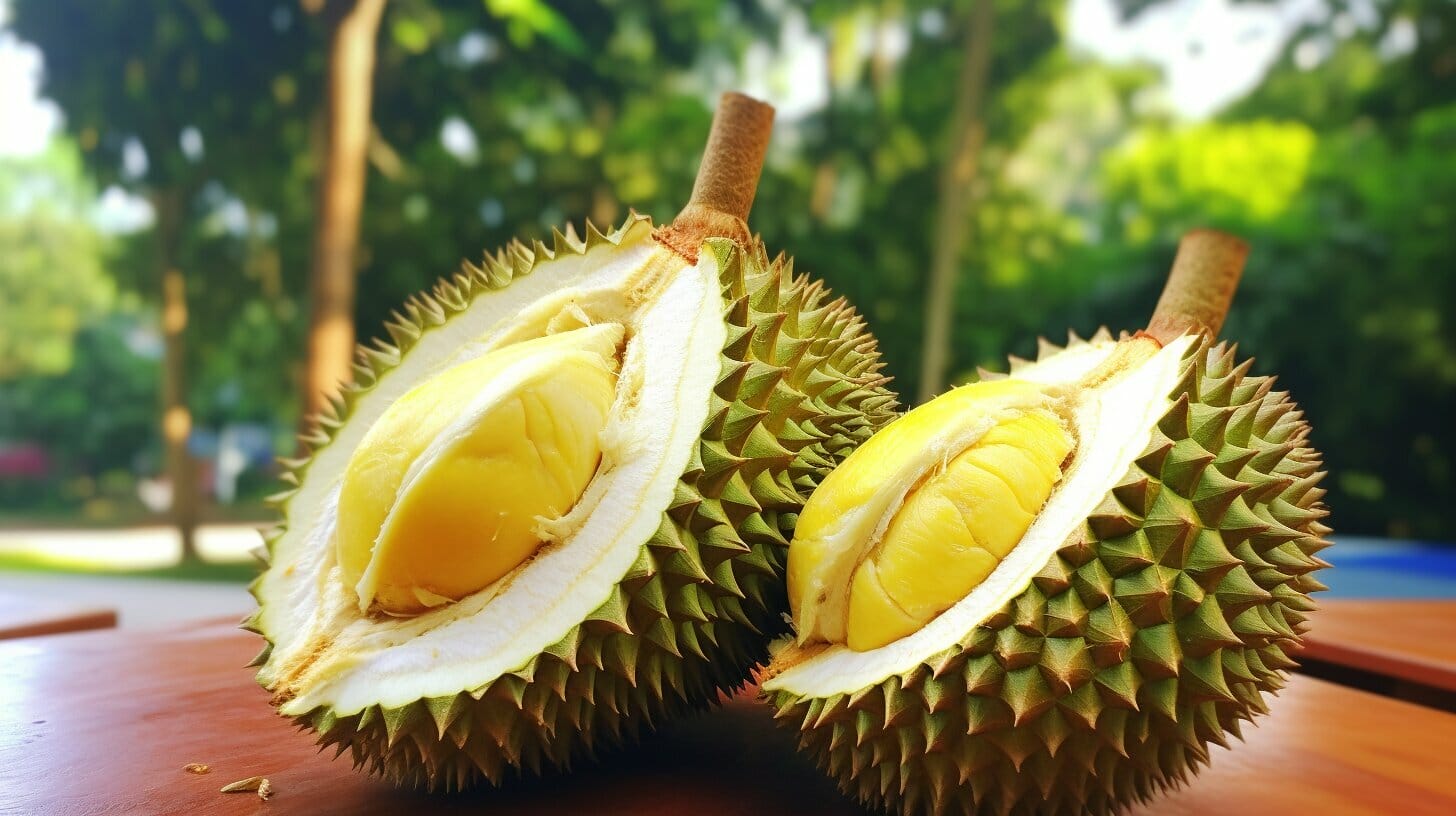
    Durian orchards in Dak Lak Province are suffering significant losses as export activities have halted and demand has plummeted due to delays in chemical residue testing. Doan Thi Thuy, an orchard owner in Krong Pak District, has experienced the harsh realities of this situation with fruits beginning to fall from her over 100 durian trees in recent days.

    Failed Deals and Falling Prices

    Thuy mentioned that several large-scale traders had shown interest in purchasing her durians for VND82,000 (US$3.12) per kilogram, even going so far as to put down deposits. Unfortunately, these deals fell through, forcing her to sell the now overripe fruits to smaller traders at a significantly reduced price of VND20,000-25,000 per kilogram.

    Impacts of Testing Delays

    The Dak Lak Durian Association recently highlighted that almost 2,000 containers of fruits have been stuck at various locations including warehouses, packing facilities, and border checkpoints since October 11. This bottleneck has occurred due to the halt in chemical residue testing, which is a critical step in obtaining the necessary certifications for export.

    The peak durian harvesting season in Dak Lak, a key producing province in the Central Highlands, is currently underway. However, the paused testing has resulted in significant losses for farmers.

    Orchard Owners Bearing the Brunt

    Doan Kiem, a durian farmer, has resorted to selling his durians, originally intended for export, at just a quarter of the agreed-upon price to anyone willing to buy. Kiem spends approximately VND600 million annually to maintain his 500-tree orchard and estimates his losses in the hundreds of millions due to this predicament.

    The pause in testing has not only affected farmers but also exporters who are left with no other option but to wait for the test results. Some businesses, fearing their fruits will spoil, have tried to sell in the domestic market or have processed them. Delays in testing have even caused several shipments of durians to crack and spoil, leading to losses amounting to billions of dong.

    The Path Forward

    A testing center in northern Vietnam expects to resume operations shortly. The temporary halt was to ensure the stability and accuracy of the equipment after its heavy use during the peak season. Vietnam has 24 labs that have been approved by Chinese customs to test a total of 3,200 samples per day. However, the heavy workload has led to equipment breakdowns at many labs, while others have had to pause operations due to license renewal processes.

    The Ministry of Agriculture and Environment has instructed relevant agencies to review all labs and provide necessary assistance. It has also advised the Plant Protection Department to cooperate with Chinese authorities to get more testing facilities approved.

    The Vietnam Fruit and Vegetable Association has suggested that testing facilities should plan their maintenance schedules in advance and notify businesses sooner to avoid further bottlenecks. It also encourages exporters to keep a close eye on market trends and adjust their shipping schedules to avoid congestion during peak seasons.

    Despite the current challenges, Vietnam managed to export $1.8 billion worth of durians in the first eight months of 2025. Fresh fruit shipments accounted for $1.52 billion of this total, marking a 25% decline from the previous year. However, frozen durian exports saw an impressive increase, up 127% to $265 million.

    Questions & Answers

    What is the main reason for the current losses in Dak Lak’s durian industry?
    The primary reason is the delay in chemical residue testing, which has halted exports and led to a significant drop in demand.

    How have testing delays affected durian farmers and exporters?
    Testing delays have resulted in massive losses for durian farmers, with fruits falling from trees and deals with traders falling through. Exporters are also in a bind as they can’t export their produce without the necessary certifications.

    What measures are being taken to resolve this issue?
    A testing center in northern Vietnam expects to resume operations shortly. Additionally, the Ministry of Agriculture and Environment has instructed relevant agencies to review all labs, provide necessary assistance, and work with Chinese authorities to get more testing facilities approved.
  • Malaysian Exporters Set Sights on Chinese Durian Lovers at Exciting Beijing Fruit Festival

    Malaysian Exporters Set Sights on Chinese Durian Lovers at Exciting Beijing Fruit Festival

    A vibrant Malaysian fruit festival in Beijing showcased the beloved durian, generating estimated revenues between CNY3 million and CNY5 million (approximately US$416,000 to US$693,000) for 50 participating exporters. This exciting three-day event, which wrapped up on Sunday, marked the third consecutive year of Malaysian traders presenting their agricultural offerings to Chinese consumers, as reported by the state-owned newspaper Bernama.

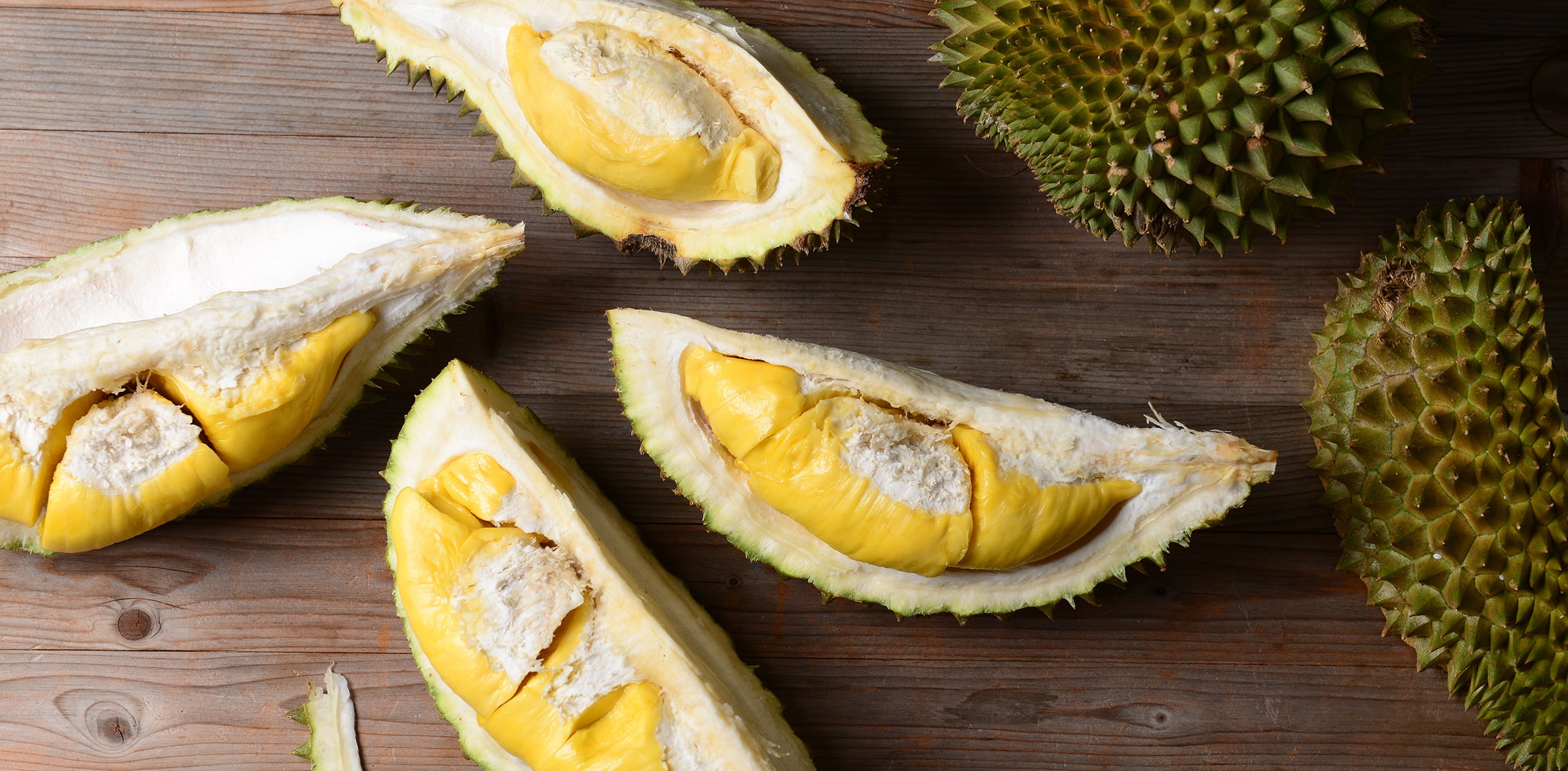
    This year’s event put a special emphasis on durian varieties, notably the coveted Musang King and Black Thorn. Attendees were treated to a visual feast with over 150 kilograms of Musang King and 60 kilograms of Black Thorn durians on display, alongside delightful selections of 120 kilograms of pineapples and 80 kilograms of mangosteens.

    Malaysian Ambassador to China, Datuk Norman Muhamad, expressed his pride in seeing durian, hailed as the country’s “national treasure,” take center stage. He noted that last year, Malaysia’s durian exports to China totaled CNY40.17 million (around US$5.5 million) and emphasized China’s status as Malaysia’s largest trading partner for 16 consecutive years. “This time, we are not selling. We are here to promote, educate, and raise awareness about the uniqueness of Malaysian tropical fruits,” he stated.

    Loh Wee Keng, the chairman of the Malaysia Chamber of Commerce and Industry in China, shared optimistic projections that durian exports to China could rise by 15% to 20% this year. This growth comes despite facing weather-related challenges, fueled by robust consumer demand.

    As the world’s largest durian market, China primarily sources this cherished fruit from Thailand and Vietnam, but countries like Malaysia, the Philippines, and Cambodia are increasingly stepping up their export efforts. It seems like everyone wants a slice of the lucrative durian pie!

    Questions & Answers

    What was the revenue expected from the Malaysian fruit festival in Beijing?
    The festival was estimated to generate between CNY3 million and CNY5 million (around US$416,000 to US$693,000).

    Which durian varieties were showcased at the event?
    The spotlight was on Malaysia’s renowned Musang King and Black Thorn durians.

    How significant is China for Malaysian durian exports?
    China has been Malaysia’s largest trading partner for 16 years, with total exports reaching CNY40.17 million (approximately US$5.5 million) last year.

  • High air freight costs for Vietnamese fruit exporters

    High air freight costs for Vietnamese fruit exporters

    The shipping fee per kilogram of fruit can be three times higher than the price at farmer’s garden. Vietnamese fruit exporters are struggling to stay competitive due to high air freight costs compared to other countries.

    Fruit exports from Vietnam to European countries are subject to a $3.2 per kilogram shipping fee, 44 percent higher than Thailand’s at $1.8, Dam Quang Thang, CEO of Agrice VN, told. Thang’s company is exporting mango, longan, dragon fruit and lychee at a cost up to three times higher than their price at farmer’s garden.

    Exports to Shanghai, China are also facing high air freight fee of $1.8 per kilogram, while the cost is $2.6 from Vietnam to Australia, Thang said.

    As fruits are preferred to be consumed fresh, shipping by sea is not appropriate as the long duration can rotten the produce. However, high air freight costs are pushing up prices of Vietnamese agricultural products overseas, said Ta Duc Minh, Vietnam’s commercial counsellor in Japan at an agriculture conference in February.

    In Japan, Vietnamese mango is priced higher than that of Ecuador and Thailand, even though the distance from Vietnam to Japan is shorter compared to those countries, Minh said.

    Additionally, promotion of agricultural trade is also facing many difficulties due to the increase of protectionism in countries such as the U.S., China, Japan and the European Union, said Tran Van Cong, deputy director of the Department of Agricultural Product Processing and Marketing under the Ministry of Agriculture and Rural Development.

    Negotiations to open foreign markets to Vietnamese agricultural products are difficult and usually take five to seven years to complete. Competition is increasingly fierce in terms of price, quality, design and food safety, Cong said.

    Vietnam’s agriculture products export turnover reached $36.3 billion last year. This year, the country plans to reach $40.5 billion.

  • Vietnam wants China to permit more rice exporters

    Vietnam wants China to permit more rice exporters

    Many Vietnamese rice exporters are facing difficulties after China authorised only 22 Vietnamese businesses to export rice into the country.

    The permission was announced by China’s General Administration of Quality Supervision, Inspection and Quarantine (AQSIQ), which allowed 22 firms to export rice and rice products from January 1, counting from the date of departure from the Vietnamese border. Any businesses not listed by AQSIQ were banned from exporting to the Chinese market from January 1.

    This decision has affected many Vietnamese firms which were not in the list but had already signed rice contracts before the date.

    One such company is Can Tho Food Company, which is not allowed to export rice to China, although it had signed a contract to export 18,000 tonnes of rice to China at the end of last year.

    Nguyen Van Dung, the company’s deputy director, said the delivery would have been completed by early February, but following the new order, it was no longer permitted to export and hence was suffering huge losses.

    “Our contract was canceled cancelled and we have to compensate some VND300 billion for our partner. In addition, we have to bear further costs,” Dung told Vietnam Television.

    Dung said rice was preserved in the store for quite a long time so the company had to re-process 10,000 tonnes of rice, which raised the cost by VND200-300 per kg.

    “I hope the State and relevant sectors create conditions for my company to sell rice, helping us to overcome difficulties. If it is not solved soon, my company will go bankrupt,” Dung said.

    Tran Thanh Nam, deputy minister of agriculture and rural development (MARD), said the ministry would soon contact China authorities, asking them to send an expert delegation to Viet Nam to assess more businesses which could be eligible for exporting rice to China.

    China’s permission to 22 Vietnamese rice exporters was given after a group of Chinese experts traveled travelled to Viet Nam to inspect 31 enterprises that had previously applied to the local ministry for export rights to China last year.

    According to MARD, China tops the list of Viet Nam’s rice export with 35.4 per cent of market share in the first three quarters of 2016.

    Total rice export turnover to the Chinese market touched 1.35 million tonnes, amounting to $613.4 million in 2016, down 23 per cent in terms of quantity and 13.9 per cent in terms of value in comparison with the same period in 2015.