Malaysia is poised to host the Formula 1 Bahrain Grand Prix in October, an event that is projected to give a significant boost to the country’s economy through tourism and related sectors. Analysts believe that the race will have long-term economic benefits for the country, contributing to an increase in tourism, attracting more international investment, and promoting the organization of other world-class events.
Race Details and Economic Impacts
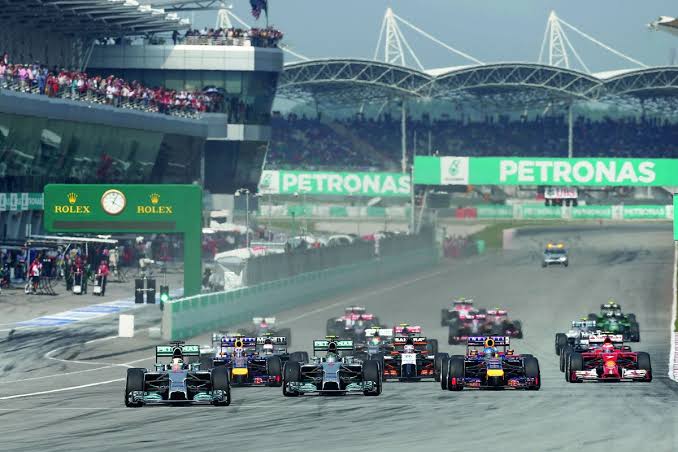
Deputy Prime Minister Ahmad Zahid Hamidi stated that the economic impacts of hosting such a prestigious event extend beyond simply increasing tourist numbers. The global media coverage and viewership that the race attracts will also greatly contribute to promoting Malaysia on an international scale. Formula 1 and the Fédération Internationale de l’Automobile (FIA) recently announced that Malaysia has been selected to host the Bahrain Grand Prix at the Sepang International Circuit (SIC) from October 2-4, 2026. This is contingent upon final agreements and official approval, including endorsement from the World Motor Sport Council.
The upcoming race, set to take place between the Azerbaijan and Singapore Grands Prix, is a one-off replacement for the Bahrain GP, which has been postponed due to regional conflicts. Malaysia has been chosen as the host country due to the SIC having been the venue for F1 on numerous occasions between 1999 and 2017.
Positive Reactions and Expectations
The decision has been well-received in Malaysia, with former Sepang International Circuit CEO, Datuk Razlan Razali, stating that the choice of Malaysia as host makes strategic sense. Razali also believes that hosting the Bahrain GP will not pose any major operational challenges and that the SIC will not require any significant modifications for Formula 1.
While the idea of Formula 1’s permanent return to Malaysia remains unlikely due to the high costs associated with hosting the championship, Razali is confident that the upcoming race will benefit domestic tourism and create opportunities for local suppliers and food and beverage businesses.
Motorsports Association of Malaysia president Tan Sri Mokhzani Mahathir also welcomed the return of Formula 1 to Sepang, stating that it would be particularly meaningful for younger motorsport fans who missed the championship after it left Malaysia in 2017. Mahathir is optimistic that the hospitality, tourism, airline, and F&B sectors will all see benefits from the event.
Questions & Answers
What are the expected benefits of Malaysia hosting the Formula 1 Bahrain GP?
Hosting the race is expected to boost Malaysia’s economy through increased tourism and related industries. In the long run, it could potentially attract more international investment and encourage organization of other world-class events.
Why was Malaysia chosen to host the Bahrain GP?
Malaysia was selected due to its successful track record of hosting F1 at the Sepang International Circuit, having done so 19 times between 1999 and 2017.
Is there a possibility of Formula 1 permanently returning to Malaysia?
The likelihood of a permanent return is currently considered remote due to the high costs associated with hosting the championship. However, this upcoming race could potentially pave the way for further discussions.