Tag: Express delivery

  • FedEx Commits $150 Million to Build Automated Air Cargo Hub at Delhi Airport

    FedEx Commits $150 Million to Build Automated Air Cargo Hub at Delhi Airport

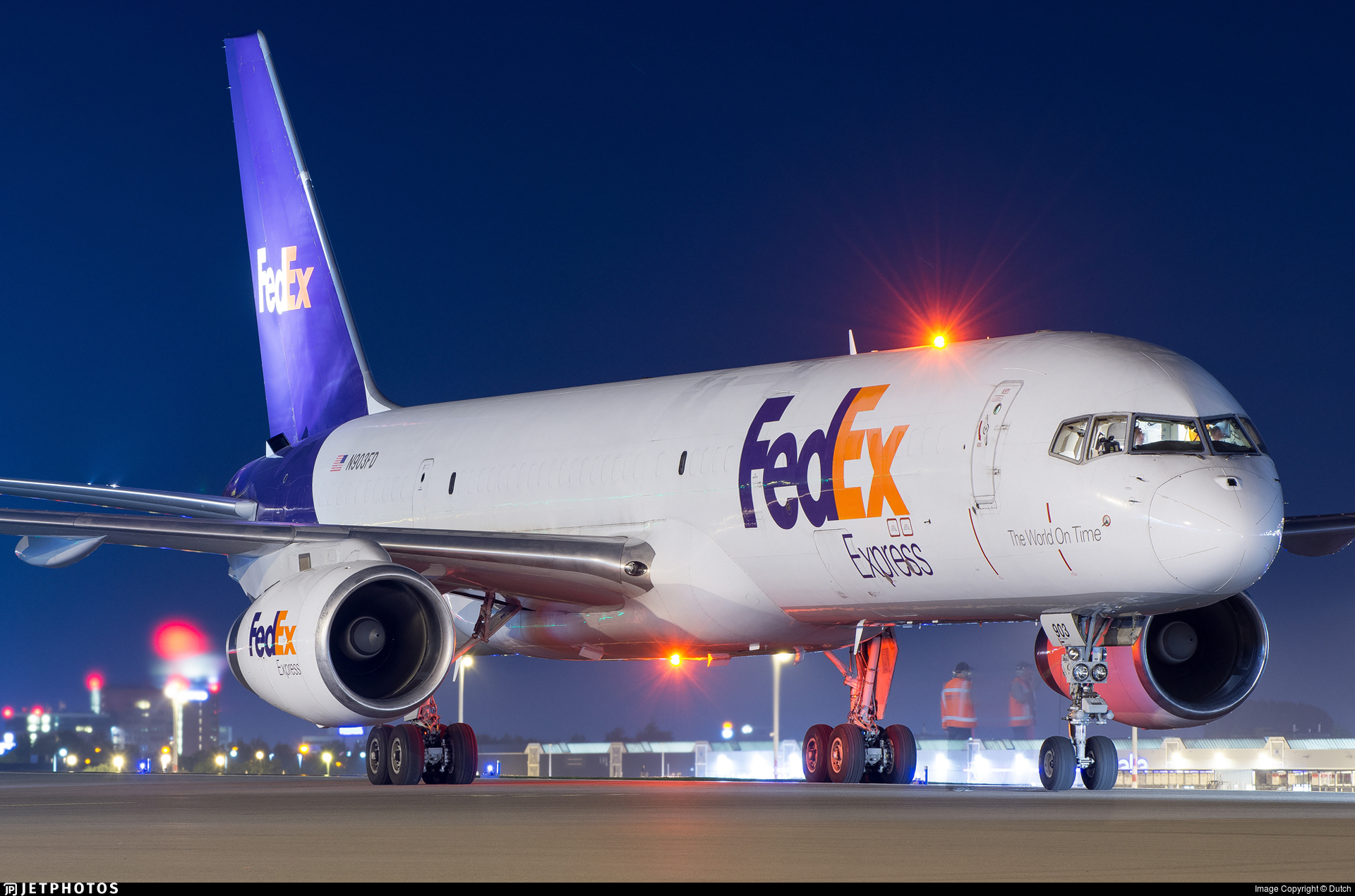
    FedEx will spend $150 million to build and equip a dedicated air freight terminal at Delhi international airport, expanding its international cargo processing capacity across northern India. The planned 230,000-square-foot facility will lift the carrier’s sorting rate at the airport from 600 packages an hour to 5,000.

    The investment will consolidate FedEx’s scattered pickup and delivery operations around the airport into a single base. It includes high-speed automated conveyor lines and computer vision scanners powered by artificial intelligence to route international parcels through customs and sorting lanes.

    Consolidation at GMR Cargo Campus

    Airport operator GMR Airports Ltd is developing the broader cargo zone to house airlines, freight forwarders, and logistics providers. Phase 1 will cover roughly one million square feet, with construction starting shortly. A planned second phase could add between 500,000 and one million square feet of space.

    FedEx is leasing the warehouse structure from GMR and financing all internal sorting systems, scanning hardware, and IT infrastructure. The site design allows for modular physical expansion as freight volumes increase.

    “India is a critical market in our global network, with North and East India playing an important role in the country’s growing trade and economic opportunity,” said Kami Viswanathan, president of FedEx Middle East, Indian Subcontinent and Africa. Viswanathan noted that the expanded presence aims to give regional exporters faster links to overseas buyers as annual Indian merchandise trade exceeds $1.2 trillion.

    Expanding the Indian Triangle

    The Delhi project is the third major air cargo site FedEx has funded in India over the past nine months. In February, the Memphis-based logistics group committed $250 million for an on-airport freight facility at Navi Mumbai International Airport, an Adani Group project targeting 500,000 metric tons of cargo capacity in its initial phase. FedEx will run that site alongside its existing operations at Mumbai’s legacy airport.

    Before that, in December, the company opened a 60,000-square-foot hub at Kempegowda International Airport in Bengaluru, processing up to 4,000 packages an hour across pharmaceutical, industrial, and technology export lines.

    Connecting Delhi, Mumbai, and Bengaluru gives FedEx dedicated airport-side sorting hubs across India’s three largest manufacturing and technology corridors. Construction on the Delhi cargo park begins in the coming weeks, with GMR preparing the phase one site for tenant fit-outs.
  • Express delivery market gathers speed

    Express delivery market gathers speed

    Ride-hailing giant Grab has followed Russian delivery firm Dostavista and local ride-hailing app Be to invest in express delivery services. The Singapore-based ride-hailing firm announced last week that it plans to invest $500 million in Vietnam over the next five years to expand its transport, food and payment networks. The money will also go towards developing fintech, mobility solutions and logistics, it said.

    In the beginning of August, Grab signed a strategic partnership agreement with budget carrier Vietjet Air, tech-based courier Swift247 to launch an integrated express digital platform that provides delivery solutions by ground and air in Southeast Asia.

    The new service would allow goods to be delivered between Hanoi and HCMC in as little as five hours, Vietjet had said in a statement.

    In mid-August, Dostavista, a “crowd-sourced” same-day delivery startup founded in Russia, raised $15 million in its series B round to invest in Southeast Asia. Dostavista owns express delivery app MrSpeedy Vietnam, which was launched in June 2018 and now has 6,000 partner drivers and 2,000 supplier clients in Vietnam.

    With competition from foreign firms heating up, domestic enterprises have also been boosting their operations in this industry. On August 6, ride-hailing service Be Group launched the beExpress delivery service in Vietnam, focusing on e-commerce deliveries and aiming for 30 percent of Vietnam’s express delivery market by next year.

    In July, logistics startup Giao Hang Nhanh JSC (GHN) also opened a fully automated warehouse in Hanoi to support its quick delivery services. It will open a second in Ho Chi Minh City before November, and is currently building a third with an area of 50,000 square meters in Hanoi, GHN said.

    With competition heating up, delivery firms are trying to differentiate themselves by racing to offer increasingly fast shipping services.

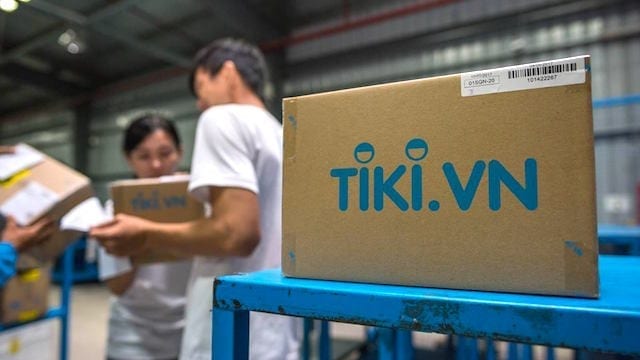
    E-commerce platform Tiki has a shipping policy that offers delivery of over 100,000 products within two hours. Shopee, the biggest e-commerce player in terms of users, offers delivery of certain products in four hours, Sendo in three hours, South Korea’s Lotte, one hour, and electronics retailer giant Mobile World has committed to ship some items in as little as 30 minutes.

    This is a particularly fierce period for the express delivery market, and the advantage falls to large enterprises or those who can raise large amounts of capital from investment funds, Do Hoa, CEO of business consultancy IME Vietnam, told local media.

    “Speed is the most important factor in delivery. In this competitive stage, large apps with many services will have an edge because they can cross-subsidize express delivery with profits from other segments, allowing them to hang on for longer.

    “This is a long-term game, requiring large investments, partners and warehouse networks. Smaller businesses with fewer financial resources will be easily eliminated,” Hoa said.

    Growth in Vietnam’s e-commerce industry will drive demand for express delivery services, especially in the business-to-consumer segment, Ken Research said. The e-commerce industry itself is also recording robust growth, with online sales rising by 30 percent last year to over $8 billion, according to the Ministry of Industry and Trade.

    Vietnam’s express logistics market is expected to reach over $1.4 billion by 2022, growing at an average CAGR of 22.8 percent per year, according to market research firm Ken Research.