Tag: eye

  • CES 2019 Gadgets that will define the online casinos of tomorrow

    CES 2019 Gadgets that will define the online casinos of tomorrow

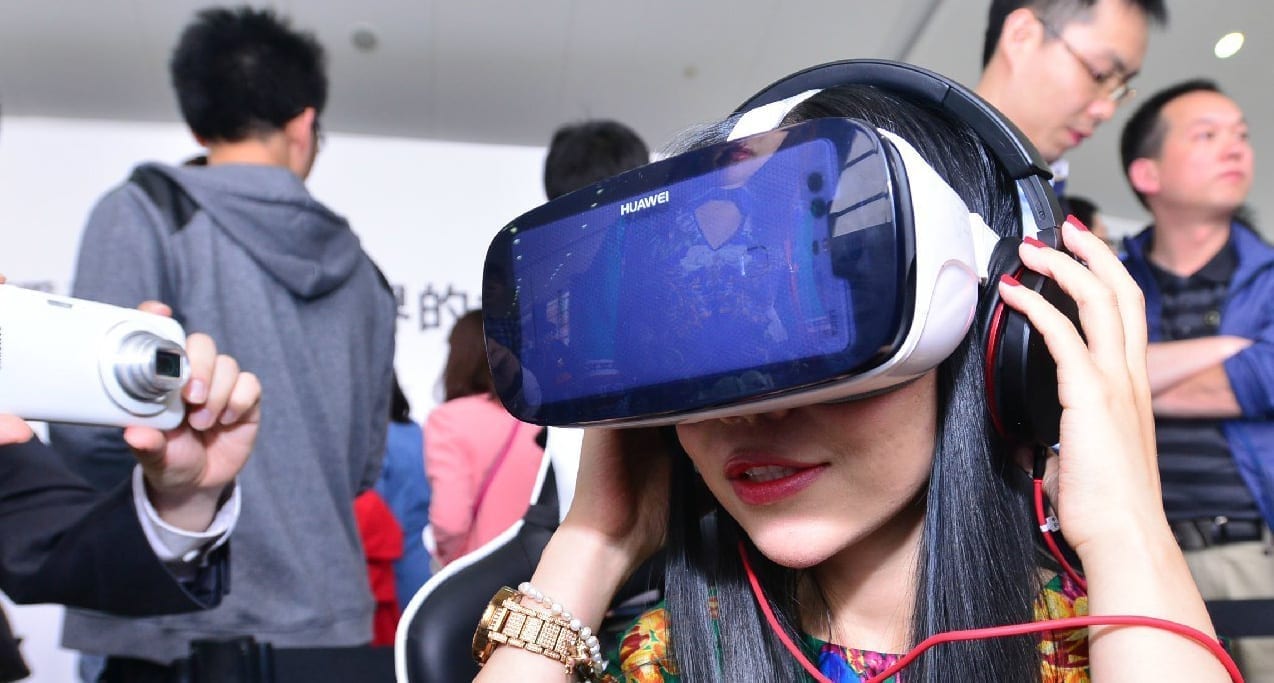
    Consumer Electronics Show or CES serves as the best time of the year when manufacturers and developers all over the world get to showcase their greatest and latest technologies. And none of them disappointed this time around as well, especially with regard to the developments in the augmented in virtual reality technologies, and their application in the gaming industry of tomorrow.

    Right from the latest VR headsets to the system peripherals that are going to completely transform the way we interact with our surroundings in virtual reality, there were all kinds of impressive offerings in the CES 2019. You could very well see how the future of online slots and various other online casino games is going to unfold in the times to come. Let’s take you through some of the best AR and VR tech products that were showcased in this year’s edition of CES.

    Oculus Quest

    Nothing denying the fact that Oculus Rift is an excellent option for virtual reality enthusiasts, but we all know that it needs continuous tethering to a PC to be able to enjoy it. Oculus Quest does away with that requirement. It’s an all-in-one gaming headset which is absolutely wireless, enabling players to enjoy the VR games to the fullest, even while being on the move.

    Once you set up Oculus Quest with the help of the oculus mobile app, it can start tracking your movements without the need of any external cameras. It instead uses the camera situated on the headset’s front, implying that you’ll be able to play anywhere you like as long as the place has room for the two controllers and the headset. It’s not without a reason that Time.com has called Oculus Quest the Virtual Reality’s best bet yet.  Furthermore, you can operate Oculus Quest both from the sitting and standing positions. Although it lacks the power of Vive or Rift, the PC-powered headsets, the Quest still supports some of the highly popular VR games, including The Climb and Moss.

    Vivo Pro Eye

    This one’s a premium VR headset which is a version better than the earlier one, after integrating the Tobii eye-tracking technology. With Vivo Pro Eye headset you can enjoy an even more immersive VR experience, and get to navigate menus and execute all kinds of functions using nothing but your gaze. The headset is already being used in popular apps such as Major League Baseball’s Home Run Derby VR. It’s also expected to make it easier for businesses to use eye-tracking technology with minimum resources.

    3D Rudder for Playstation VR

    With PlayStation VR you can explore your virtual environment in 360° and PlayStation has done an excellent job in making this experience very realistic. However, people felt that something was slightly off as they were unable to use their feet in this environment. The 3D Rudder for PlayStation VR is meant to fix this problem, and allow the players to apply pressure, spin or tilt using their feet, and move around freely inside their favourite VR environments.

     

  • “Flying eye hospital” Orbis makes stop in Singapore

    “Flying eye hospital” Orbis makes stop in Singapore

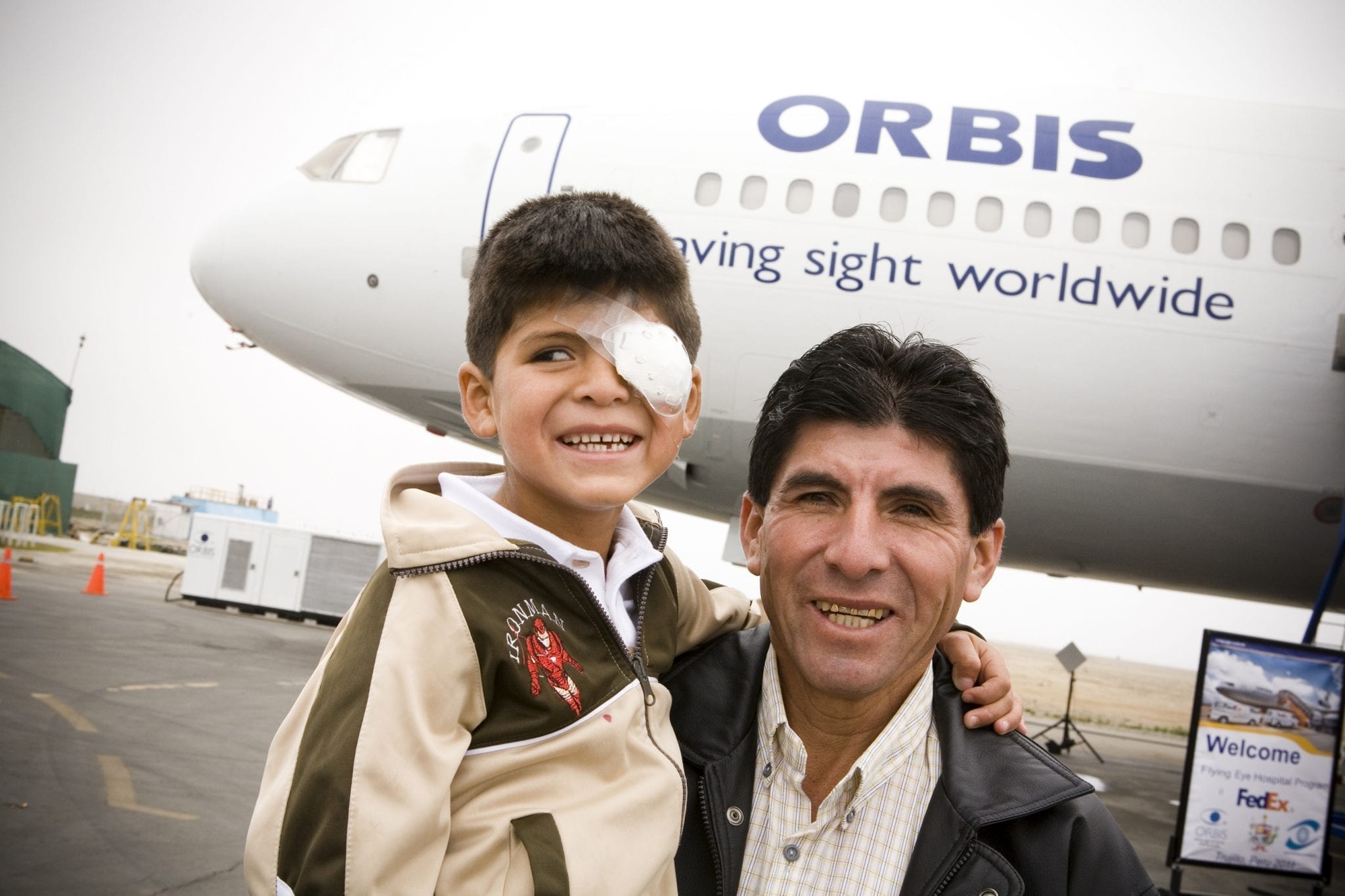
    A plane arrived this week at Paya Lebar Airbase. But it is no ordinary aircraft. The Orbis plane, also known as the world’s only “flying eye hospital”, made its stop in Singapore this week to raise awareness about blindness.

    Orbis, an international non-profit organisation, is primarily a teaching hospital which trains medical professionals from developing nations in eye care. It has so far travelled to 92 countries, providing hands-on training to medical professionals and better access to quality eye care, among other areas.

    It also conducts operations for patients on board the aircraft while medical professionals watch and learn in an adjacent classroom through a live feed.

    Orbis’ visit to Singapore marks the first time that its latest plane model- a third generation MD-10 plane- has landed in the Republic after hundreds of aircraft experts retrofitted it. The whole effort took six years.

    The aircraft, which was open to the media on Friday, boasts a 46-seat classroom, an operating room as well as a patient care and laser treatment room, among other features.

    Apart from having a longer flight range of 6,000 nautical miles which will enable it to fly longer distances, the plane’s live broadcast capabilities will also better train doctors and nurses with live footage in 3D.

    According to the World Health Organisation, 285 million people in the word are visually impaired. Yet, about 80 per cent of these cases are preventable.

    Orbis has, in the last five years, trained over 115,000 doctors and other medical professionals. Over 340,000 eye surgeries have been performed for patients during that same period.

    “The Flying Eye Hospital plays a vital role in Orbis’ mission to bring the world together to fight blindness,” said Mr Paul Forrest, Chief Development Officer of Orbis International.

    “Our launch of this new third-generation Flying Eye Hospital not only marks a new chapter in our shared sight-saving journey, but also brings us a significant step closer to our dream of eliminating avoidable blindness forever.”

    Apart from helping to retrofit the plane, FedEx also announced in June this year that it was renewing its five-year US$5.375 million (S$7.66 million) commitment to Orbis. That includes providing aircraft services and sponsoring fellowships for ophthalmologists to study in leading global eye institutes.

  • Foreign Investors Eye Hospital Business in Indonesia

    Foreign Investors Eye Hospital Business in Indonesia

    Foreign investors have expressed interest in healthcare business investments in Indonesia. Singapore-based Global Growth Markets (GGM) consultant said that India-based hospital group Apollo Hospitals is currently considering to build a telemedicine center and a hospital in Indonesia. In addition, Malaysia-based IIH Healthcare recently announced that they would tap into the Indonesian market as a part of its expansion plan.

    GGM consultant Pet Read revealed that Indonesia’s healthcare industry showed the highest growth after China and India. The number of privately owned hospitals in Indonesia grew by 50 percent per year over the last few years.

    “Currently, the number of hospitals in Indonesia, including government-owned hospitals, is around 1,300,” Mr. Read said in a press release on Thursday, November 3, 2016.

    Other foreign companies interested in developing hospitals in Indonesia included Columbia Asia Health Services Group. The company, based in Kuala Lumpur, has planned to open three hospitals in Semarang.