Tag: ezubao

  • China court jails 24 people over $1.5-bln financial fraud

    China court jails 24 people over $1.5-bln financial fraud


    A court in southern China has jailed 24 people for fraudulently raising nearly 10 billion yuan ($1.5 billion) in one of the country’s biggest financial scams, the official Xinhua news agency said.

    The group was convicted of illegally raising funds during the decade to 2012 from more than 230,000 investors, mainly senior citizens who put in their life savings, it said, citing the court.

    Guangdong Bangjia Leasing Co set up four firms in the southern province and many branches and subsidiaries across China, luring retail investors to buy memberships and fund nonexistent loans by promising returns of as much as 47 percent.

    The case spotlights growing risks in a loosely regulated wealth management products industry, which lures millions of unsophisticated retail investors to high-yield products offered by opaque online finance firms and privately run exchanges.

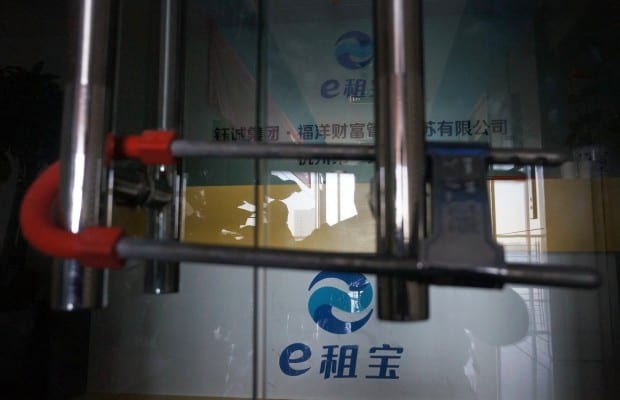
    In February, authorities arrested 21 officials of Ezubao, once China’s biggest peer-to-peer lending platform, which collected $7.6 billion in less than two years from more than 900,000 investors.

    Ezubao used savvy marketing, authorities said, to fund “a complete Ponzi scheme”, that used investor funds to support a lavish lifestyle for company executives.

    Last year, hundreds of angry investors also hit the streets in Beijing and Shanghai after losing $6 billion from the Fanya Metals Exchange, which offered investment products promising an annual return of up to 14 percent.

    The Guangzhou Intermediate People’s Court on Monday sentenced the main suspect in the Guangdong fraud, Jiang Hongwei, to life in prison, while the others received terms ranging from 3 years to 14 years, Xinhua said.

    The court has frozen and seized their assets, including 127 vehicles and 43 villas, but prosecutors said few victims might get their money back, since Jiang had squandered millions on luxuries, the agency added.

    Some older investors who lost money in the Guangdong fraud said they were attracted by its fancy branding.

    “Their grand exhibition occupied six halls,” Xinhua quoted one elderly woman from Jiangsu province as saying.

    “After attending it, I felt assured and decided to invest 700,000 yuan,” she added. “It was all the savings my husband and I had.”

    ($1=6.5397 Chinese yuan)


  • Is Xinqi Asset another Ezubao?

    Is Xinqi Asset another Ezubao?

    An asset management company backed by property projects has defaulted on wealth management products worth 1.9 billion yuan (HK$2.27 billion), affecting more than 5,000 retail investors across mainland China and triggering more concerns about its property and financial markets.

    Xinqi Asset held a meeting to discuss solutions with its investors in Shanghai on Wednesday, sources said. Retail investors have been unable to redeem their investments and earnings since Sunday.

    A final solution has not been confirmed. It remains unknown whether other assets managed by Xinqi are safe. An earlier company statement said assets under management stood at around 4 billion yuan. Shanghai police have been taking complaints from investors and looking into the matter.

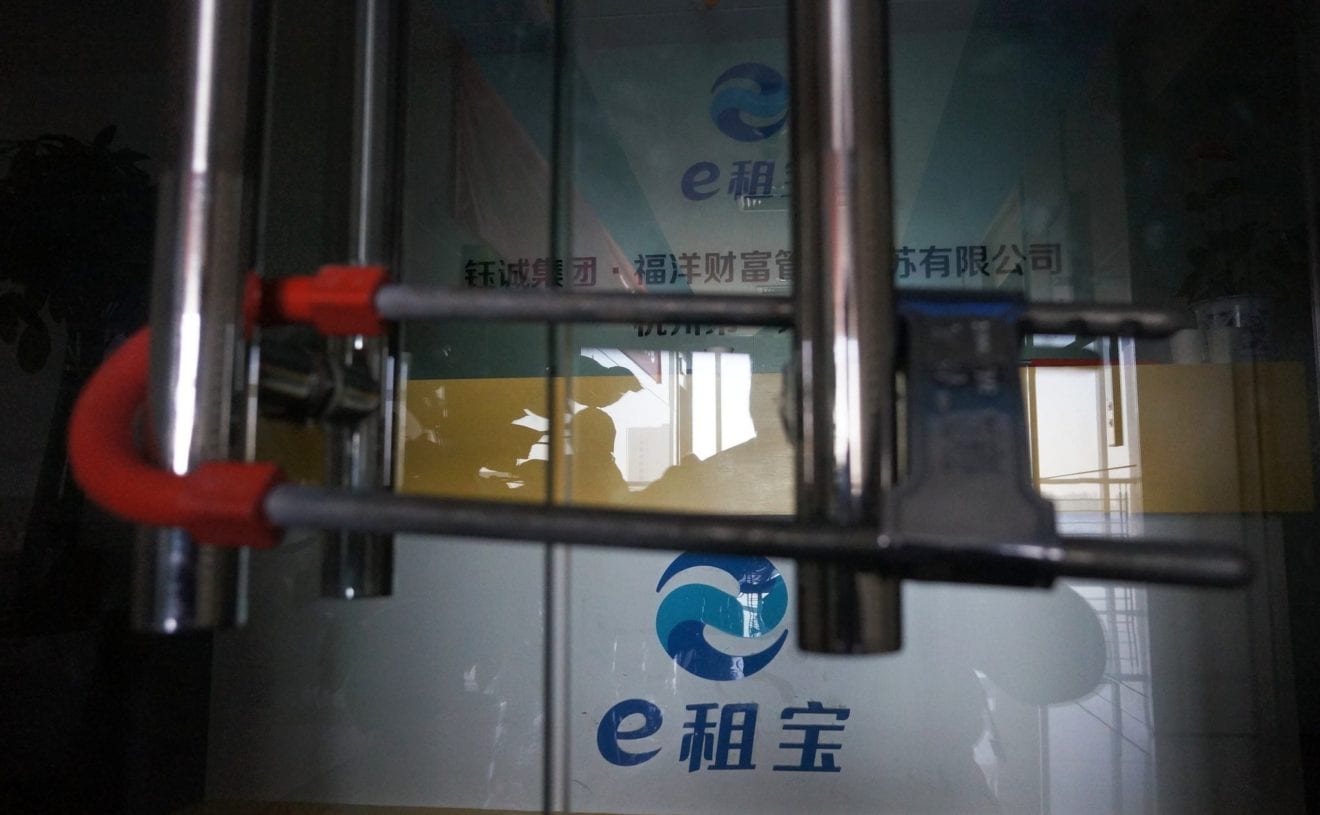
    More defaults and scandals have been exposed in the mainland’s thriving wealth management business in recent months as the economy slows down, revealing scams in the innovative and less regulated sector. Late last year, the mainland’s largest peer to peer lending company, Ezubao, defaulted on HK$59 billion owed to more than 900,000 investors across the mainland. Xinhua said 95 per cent of the projects on the platform were fake.

    Xinqi Asset sold wealth management products to individual investors, with the investments put into commercial and residential development in second-tier cities including such as Xian and Zhengzhou, and promised annual interest rates as high as 15.6 per cent, according to its official website and documents about its products.

    Worse still, there is no specific regulator overseeing these companies

    The wealth management products issued by Xinqi Asset were used to finance big property developers.

    Xinqi would buy properties under development from the developers, and then transfer ownership to retail investors. Investors would be repaid with their capital and earnings after the project was finished and the developer bought back the properties.

    Xinqi Asset lists mainland China’s leading property developer, Greenland, as a partner on its official website.

    Greenland denied raising funds through Xinqi Asset as early as September, although it did sell some property units to it.

    “It seems Xinqi Asset has been using offline selling, rather than online selling to promote its products, which makes it different from the popular peer to peer lending companies,” said Abner An, an independent financial commentator in Beijing. “However, China’s offline asset management companies have even bigger problems with lack of transparency in capital flow.

    “Worse still, there is no specific regulator overseeing these companies. It is crucial to find out the capital flow under Xinqi Asset. It is possible that their investments in property are eroded by sluggish selling in second-tier cities. But the problem will be bigger if the money is embezzled to do other high-yield investment.”

    Calls to Xinqi’s headquarters in Zhengzhou, Henan province on Thursday, failed to reach management.

    Xinqi Asset, registered in Xian, Shaanxi province, has registered capital of 200 million yuan.