Tag: factory output

  • Philippine Factory Activity Slips to 49.6 in September

    Philippine Factory Activity Slips to 49.6 in September

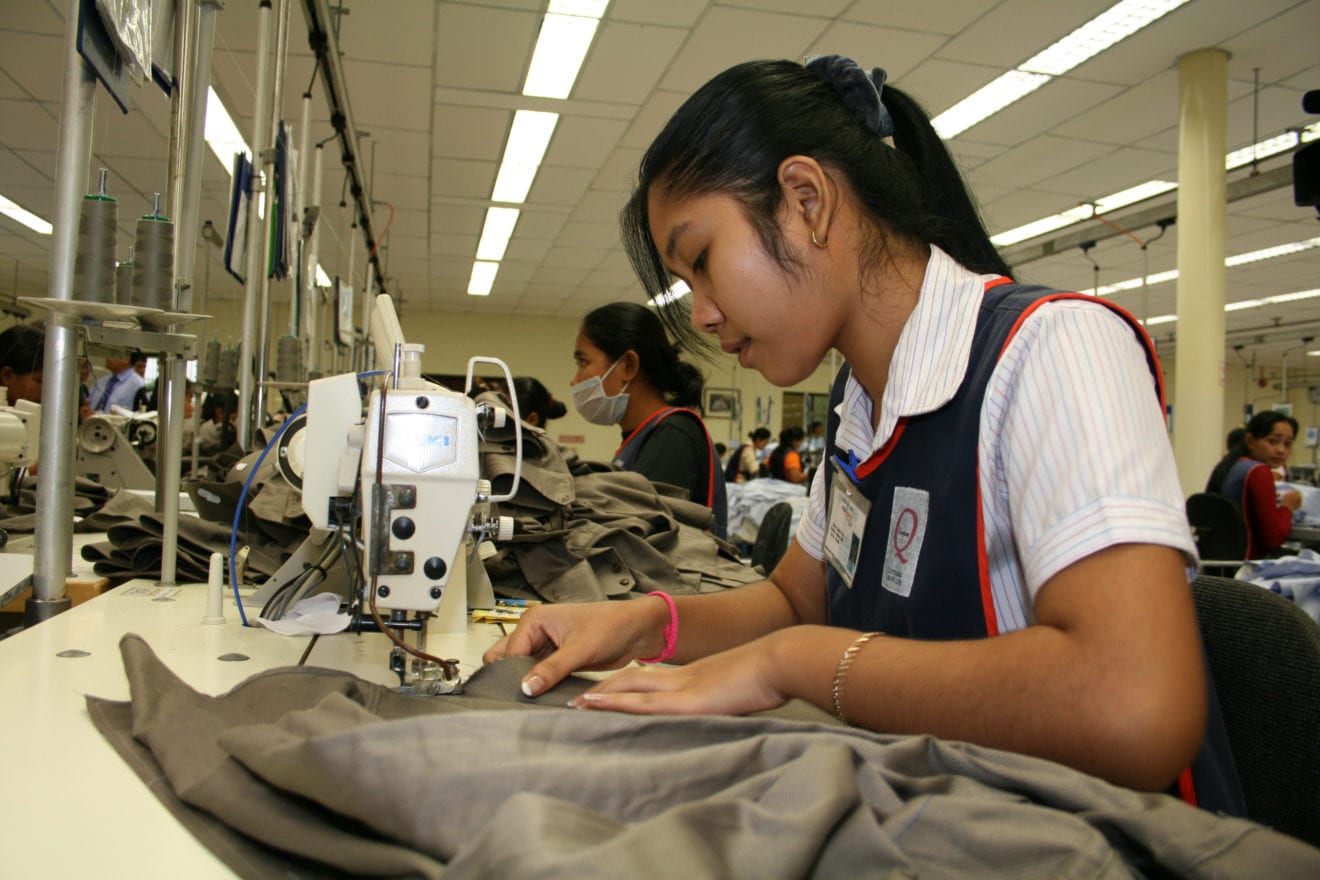
    Philippine factory activity contracted in September as the Purchasing Managers’ Index fell to 49.6 from 54.9 in August, according to survey data from S&P Global.

    The drop below the 50-point line separating growth from contraction marks the sector’s first downturn since April.

    Sharp Drop Across Output and Orders

    Data from roughly 400 manufacturing companies across the Philippines showed simultaneous declines across production, new business, export sales, and factory payrolls. Production volumes registered their steepest fall since November 2025, halting a sustained summer run of operational growth.

    Higher input expenses squeezed producers throughout the month. Rising global crude oil prices, spurred by heightened geopolitical friction between the United States and Iran, drove fuel and transportation costs upward and quickly eroded manufacturing margins.

    “Filipino manufacturers reported a notable impact from high oil prices, strong international competition and weak demand during September. Output, new orders and employment all dropped into contractionary territory,” said Siân Jones, principal economist at S&P.

    Inventory Run-Downs and Slower Buying

    Factory operators responded to cooling client demand by slashing their purchasing activity and depleting existing warehouse inventories rather than placing fresh component orders. That shift into defensive retrenchment creates immediate headcounts and volume challenges for industrial suppliers across Southeast Asia that feed Philippine assembly lines.

    For retailers and consumer brands relying on domestic finished goods, production cuts threaten inventory availability ahead of the fourth-quarter holiday sales rush. Consumer goods firms face a dual squeeze: paying more for freight while encountering price resistance from households managing broader inflationary pressures.

    Reversal of Peak Expansion

    The sudden slump reverses a period of rapid industrial growth that lifted the Philippine PMI to near decade highs in August. Factory output expanded steadily through the middle of the year after an earlier soft patch in April, supported by domestic order books before overseas competition and energy shocks altered buying patterns.

    Industrial buyers across Metro Manila and surrounding manufacturing hubs now track fourth-quarter export bookings and regional energy price movements to gauge whether output stabilizes before year-end.

  • Japan Factory Output Drops 1.7% as Vehicle Assembly Halts

    Japan Factory Output Drops 1.7% as Vehicle Assembly Halts

    Japan’s factory output shrank 1.7 per cent in August from July. Severe weather and seismic disruptions hit automotive assembly lines, reversing expectations of a rebound.

    A Reuters poll had pointed to a 1.7 per cent expansion. Instead, output missed median forecasts and fell for a second straight month.

    Disruptions Hit Automotive Assembly

    Vehicle production slumped 6.8 per cent month on month, according to Ministry of Economy data. Plant operations halted after an earthquake and a typhoon disrupted domestic logistics and assembly schedules in August.

    General-purpose and business machinery output fell 6 per cent over the same period. Those steep drops in vehicles and machinery wiped out modest gains across other manufacturing categories.

    Pressure on Regional Supply Chains

    Automakers across Asia depend on precision components and sub-assemblies exported directly from Japan. When domestic plants halt, regional supply chains feel the shock within weeks. That pinches vehicle availability for dealerships across Southeast Asia and Australia.

    Production volatility in Japan complicates inventory planning for regional parts suppliers and downstream car retailers. Dealership networks running lean stock models face delayed order fulfilments whenever Japanese assembly hubs stall.

    Central Bank Rate Calculations

    This two-month slide lands at a delicate moment for central bank policymakers. Bank of Japan officials continue to review economic indicators before deciding whether to raise interest rates in the near term.

    Slowing factory output complicates that plan. Raising borrowing costs during an industrial slump risks cooling domestic capital investment and consumer spending.

    Forecasts Point to Autumn Rebound

    Repeated natural disasters tested the industrial base throughout the summer, extending a volatile run for domestic goods producers.

    Manufacturers surveyed by the Ministry of Economy expect seasonally adjusted production to rebound 3.2 per cent in September and expand 3.1 per cent in October.