
Tag: Fair Trade Commission

  • Japan Probes 4 Major Brewers over Wholesale Price Fixing

    Japan Probes 4 Major Brewers over Wholesale Price Fixing

    Japan’s Fair Trade Commission has launched an antitrust investigation into the country’s four largest brewing groups over allegations of coordinated wholesale price increases across their domestic beer portfolios.

    Asahi Breweries, Kirin Brewery, Sapporo Breweries and Suntory Spirits together control 90 per cent of Japan’s beer market, where overall volume has dropped 40 per cent since its mid-1990s peak.

    Regulators suspect the four companies coordinated the timing and scale of price increases passed on to beverage wholesalers following rising energy and ingredient expenses. All four brewers confirmed they are cooperating with the inquiry, with Asahi Group Holdings defending its pricing adjustments by pointing to 100 billion yen ($632 million) in cumulative cost pressures accumulated across its operations in recent years.

    Stagnation in a Shrinking Home Market

    Domestic consumption patterns have shifted steadily as Japan’s population ages, younger demographics cut alcohol intake and consumers migrate toward lower-priced alternatives. Rather than consolidating at home to build global operating scale, the four brewers spent decades defending local market share through near-identical flagship five per cent lagers and fast-following seasonal product launches.

    That domestic focus left the Japanese giants outpaced by global rivals that consolidated aggressively over the same period. Combined, Japan’s big four brewers account for just 20 per cent of the production volume commanded by market leader Anheuser-Busch InBev, which built a massive portfolio including Budweiser, Corona and Stella Artois.

    Diverging Paths to Offshore Growth

    For regional retail distributors and brand operators across Asia, the regulatory action highlights the divergent survival strategies each brewer adopted as the domestic pool shrank. Kirin pivoted heavily toward healthcare and functional nutrition, reducing alcohol to less than half of its total revenue and spending $1.4 billion to acquire Canadian supplements maker Jamieson Wellness. Suntory broadened into international spirits by taking over Jim Beam.

    Sapporo faced activist pressure from 3D Investment Partners over capital allocation following troubled acquisitions of US craft producers Anchor Brewing and Stone Brewing. The company subsequently moved to divest real estate assets and partnered with Carlsberg to target beer distribution across Southeast Asia. Asahi pursued direct offshore brewing scale, acquiring European heritage brands such as Peroni and Pilsner Urquell, though its global footprint still trails the industry’s largest players.

    The Long Legacy of Failed Consolidation

    Japanese industrial sectors from regional banking to automotive manufacturing have historically resisted domestic consolidation until demographic pressures forced tie-ups. The brewing industry attempted its only major domestic combination in 2009, when Kirin and Suntory entered merger negotiations to create a top-five global food and beverage group, but those discussions collapsed over management control.

    Investigators at the Fair Trade Commission are examining historical pricing records and communications between the brewers to determine whether formal penalty notices or cease-and-desist orders will be issued against the four companies.

  • Seoul High Court Clears Coupang Probe Amid $350 Billion US Talks

    Seoul High Court Clears Coupang Probe Amid $350 Billion US Talks

    The Seoul High Court on Wednesday rejected Coupang’s bid to suspend an on-site antitrust inspection, allowing South Korea’s Fair Trade Commission to proceed with its investigation.

    The ruling complicates talks between Seoul and Washington over the next stages of a planned $350 billion South Korean investment in the United States.

    Coupang had refused to cooperate with the probe, arguing that the regulator failed to provide advance notice. Following the court’s decision, FTC Chairman Ju Biung-ghi vowed to review internal agency rules to prevent companies from using court injunctions to evade or delay investigations.

    Court Clears On-Site Fair Trade Probe

    Ju rejected claims from Washington that Korean regulators are singling out American businesses. He affirmed that the watchdog enforces competition rules equally across domestic and foreign firms. The regulator opened its on-site probe in September following months of tension over platform compliance and supplier relationships. In June, Coupang secured FTC approval for a voluntary co-prosperity scheme tied to private brand supplier contracts. Broader compliance inquiries continued anyway.

    For digital platform operators across South Korea, the ruling establishes that procedural objections will not derail regulatory sweeps. Domestic rivals such as Naver and Shinsegae-backed SSG.com, alongside foreign entrants targeting the Korean market, face strictly enforced spot checks. Suppliers and merchants gain use against platform gatekeepers as regulators examine contract terms and distribution dominance.

    Scrutiny Strains Bilateral Investment Package

    Regulatory friction is now spilling into broader trade diplomacy between Seoul and Washington. Under a bilateral framework, South Korean conglomerates agreed to commit 350 billion dollars to US industrial projects in exchange for lower US tariffs on Korean exports. The two sides have already selected a 200 billion dollar gas-fired power facility in Texas. It will power data centres and semiconductor fabrication plants.

    Subsequent tranches of the investment deal remain subject to negotiations over financing, returns and government approvals. Those talks involve capital commitments in nuclear energy, Westinghouse technology partnerships and the Alaska LNG development. Heightened scrutiny on Coupang gives American trade officials use to demand protective carve-outs for US-domiciled technology companies operating in South Korea.

    Pressure Builds in Washington

    Political pushback in the United States has mounted steadily over the summer. A US House committee accused South Korean authorities in July of discriminating against Coupang. A US lawmaker also introduced draft legislation to sanction foreign regulators deemed to be targeting American corporations. Seoul maintains that all enforcement actions adhere strictly to domestic competition statutes, targeting business conduct rather than corporate nationality.

    South Korean President Lee Jae Myung met US President Donald Trump in New York on the sidelines of the UN General Assembly to review bilateral economic cooperation.

    The platform dispute remains a persistent flashpoint as both governments work to finalize the bilateral investment framework.

    What Lies Ahead for Platform Rules

    Attention now shifts to the FTC’s findings at Coupang headquarters and the pending rewrite of procedural inspection rules. RetailNews Asia will track whether the regulator levels formal financial penalties against the platform and how Washington incorporates tech sector protections into upcoming project rounds of the 350 billion dollar pact.

  • Korea convenience store boom causes concern

    Korea convenience store boom causes concern

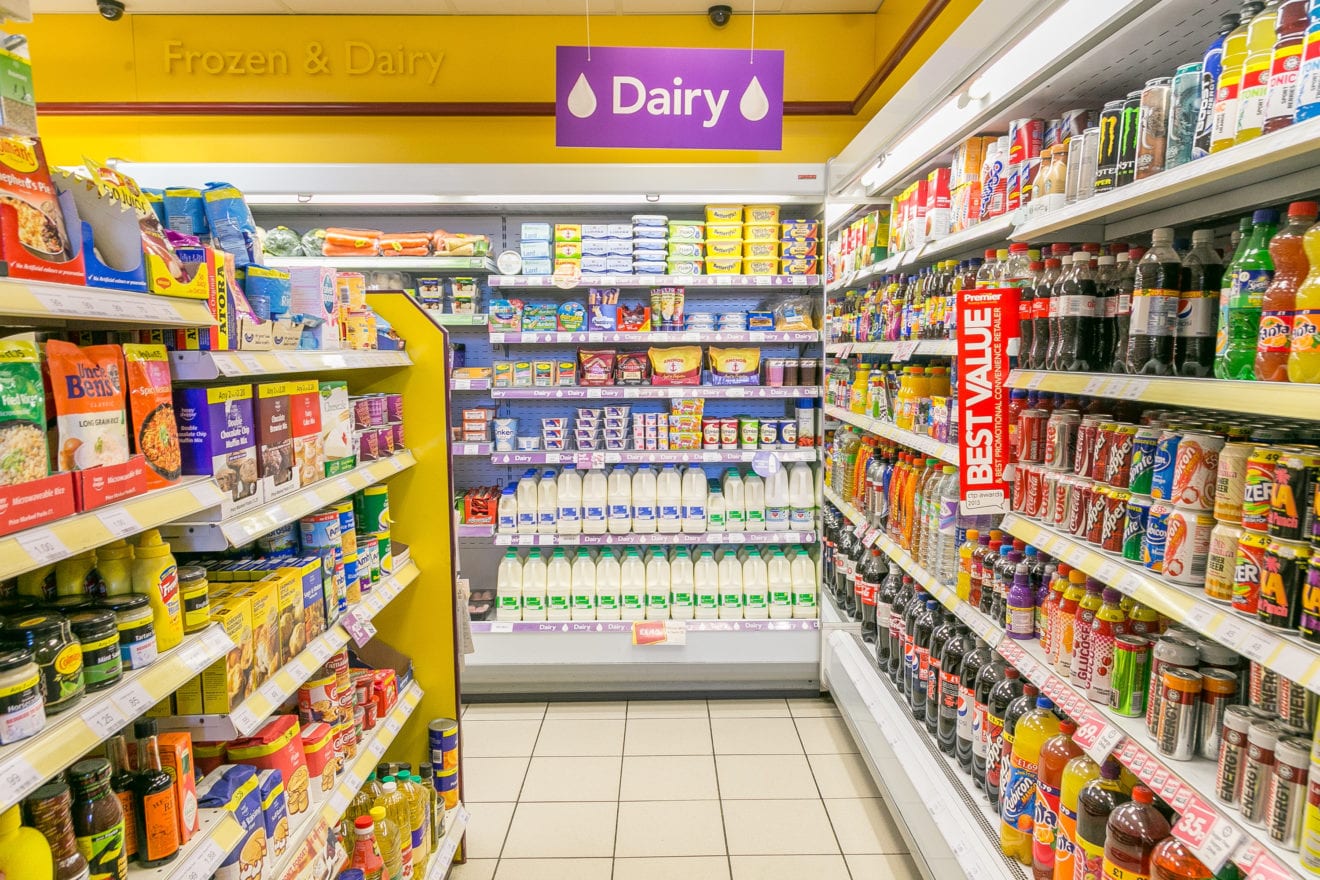
    Around 15 convenience stores were opened in South Korea every day on average last year.

    And the Korea convenience store boom is worrying a ruling lawmaker, who has urged the nation’s fair trade watchdog to seek measures to avoid excessive competition in the market.

    According to the data compiled by Rep. Yoo Ui-dong of the Saenuri Party, 5508 convenience stores were newly established in 2015 alone, casting concerns over a potential oversupply of such shops in the domestic market.

    Yoo said while the numbers may seem to reflect the boom in the industry, such a sharp gain may have an adverse impact on the livelihoods of the shop owners.

    “Currently, we do not have a law that can regulate the opening of a new convenience store right next to another,” Yoo said.

    “The Fair Trade Commission needs to come up with measures to limit the number of new shops.”