Tag: fairprice group

  • FairPrice Deploys 3,000 Smart Trolleys as Retailers Turn to In-Store Media

    FairPrice Deploys 3,000 Smart Trolleys as Retailers Turn to In-Store Media

    Retailers are expanding into advertising, fintech services, and data monetisation as intensifying competition puts pressure on product margins.

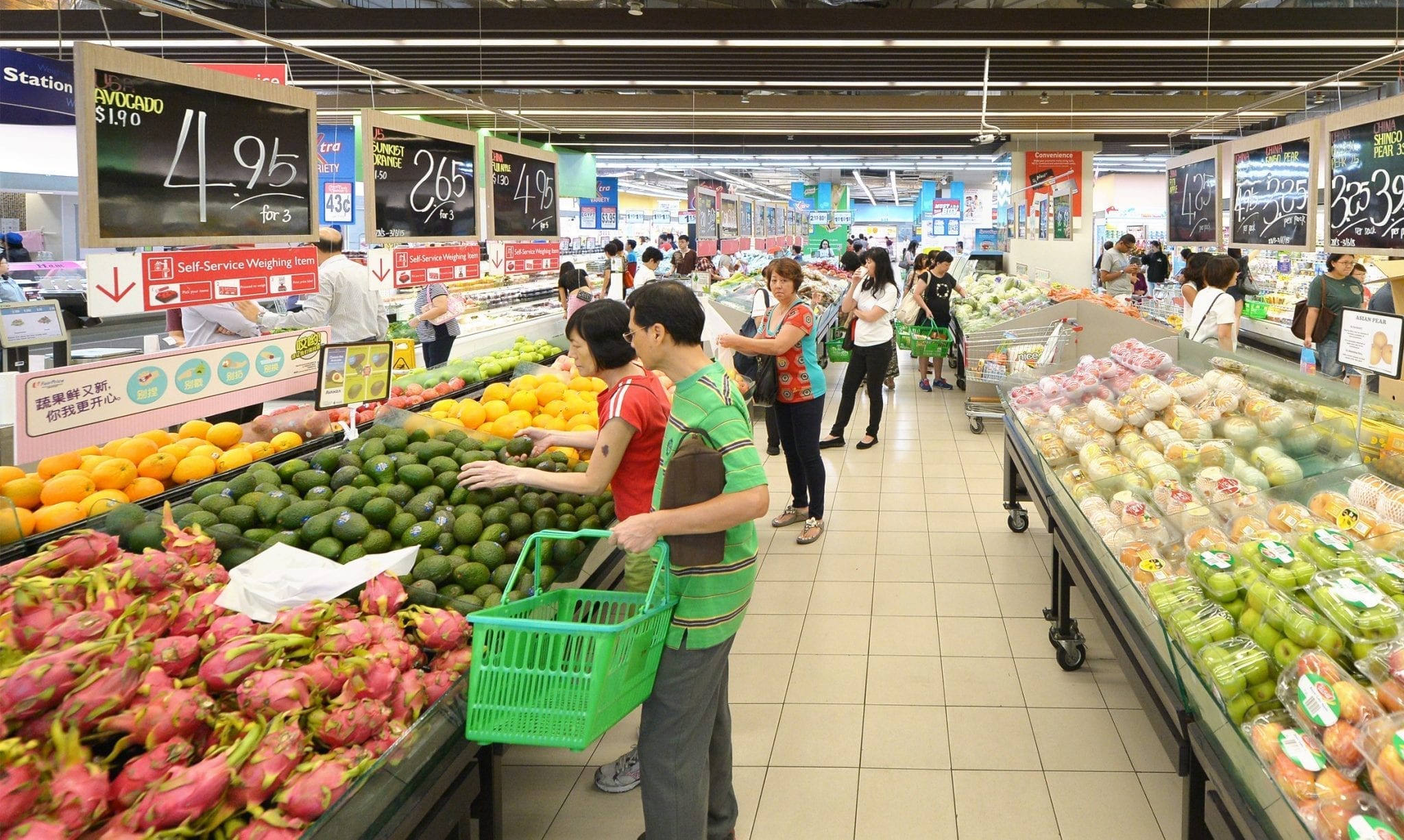
    FairPrice Group has deployed about 3,000 smart trolleys across selected stores ahead of a wider rollout planned for 2027, linking carts to shopper app accounts to personalise ads and offers.

    Speaking at the Retail Asia Summit 2026 in Singapore, Sanjay Singh, senior vice president for the Investor Transformation group at Frost & Sullivan Asia Pacific, said retail media can become a profit engine for physical stores by connecting demand, inventory, payments, and fulfilment.

    Smart Carts and Targeted Health Campaigns

    Grocery operators are using point-of-sale data to sell brand campaigns inside physical aisles. Rajiv Singh, head of the retail media network at FairPrice Group, said an in-store initiative run with Singapore’s Health Promotion Board shifted 12 percent of approximately 500,000 targeted shoppers toward lower-sodium product alternatives. The state health agency is now doubling the budget and scale of the campaign.

    Ad deals are benchmarked on incremental return. The grocer measures exact sales generated per marketing dollar spent. Linking smart shopping trolleys directly to the FairPrice mobile app allows the chain to trigger personalized promotions as shoppers navigate aisles.

    Packaged goods manufacturers gain direct access to verified purchase histories through these retailer-owned networks. Brands pay premiums for verified basket conversions rather than broad digital impressions across open web platforms.

    Extending Sales Windows Beyond the Store

    Duty-free and department store operators are adjusting checkout rules to capture spending outside physical premises. The Shilla Duty Free now allows travelers to purchase merchandise via the iShopChangi platform up to 30 days after their trip, according to Joanne Soh, head of consumer marketing and e-commerce at the travel retailer.

    A wider post-travel purchasing window lets airport retailers recover sales lost to tight flight schedules and carry-on luggage limits. Physical airport storefronts become discovery showrooms backed by centralized domestic delivery.

    Department store operator Metro Singapore is reallocating floor space toward targeted customer problems. Henry Christian, head of loyalty, marketing and partnerships at Metro Singapore, pointed to the retailer’s Sleep Lab concept, launched on World Sleep Day on 15 March. The format evaluates brand participation and customer discussions alongside standard sales volumes.

    Micro Occasions and Quick Commerce Channels

    Food makers are mining retailer transaction data to generate sales outside traditional peak holidays. Kenneth Lau, global digital commerce excellence lead at Mondelēz International, said digital commerce accounts for roughly 41 percent of the company’s sales this year. That channel delivers 61 percent of its total growth.

    In China, Mondelēz partnered with on-demand delivery giant Meituan to target office afternoon tea breaks, tailoring Oreo product selections specifically for immediate local fulfillment. The confectionery group also created an exclusive digital-commerce gift box for its BTS brand collaboration priced at about $15, selling out 20,000 packs on Shopee across Southeast Asia within seven days.

    Furniture retailer Castlery is focusing investments strictly on measurable omni-channel systems. Leah Howatson, general manager for international markets at Castlery, said the company synchronizes online shopping carts with physical store systems so staff can complete purchases started online, while scaling back curated experiential events that failed to deliver adequate return on investment.

    Balancing Capital Outlays Against Ad Revenue

    Retail media networks are creating a split between high-volume grocers and discretionary specialty chains. Supermarket operators control the recurring transaction volume required to justify in-store screens, trolley hardware, and data infrastructure. Discretionary chains lack that visit frequency. They struggle to build ad scale, forcing them to focus on cart synchronization and extended checkout windows instead.

    Physical rollouts still face operational hurdles from hardware maintenance, screen vandalism and basement mobile network dead zones. Retailers that over-invest in in-store hardware without securing long-term brand ad commitments risk adding capital costs without lifting net margins.

    Attention now turns to FairPrice’s planned 2027 fleet expansion for smart carts across its full Singapore footprint, which will test whether ad-supported trolley systems generate sustainable yields across suburban store formats.
  • FairPrice Adapts on Xiaohongshu to Target 3.1 Million Chinese Tourists

    FairPrice Adapts on Xiaohongshu to Target 3.1 Million Chinese Tourists

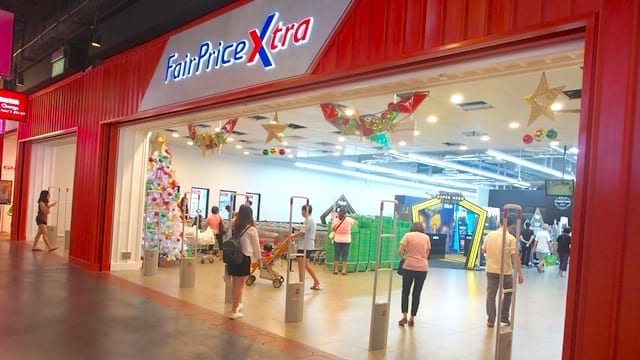
    FairPrice Group has partnered with agency Prizm Group to overhaul its marketing on Xiaohongshu, shifting resources away from broadcast advertisements toward search-indexed consumer guides.

    The push targets a domestic audience where Chinese residents make up 73.9 per cent of Singapore’s resident population, alongside mainland Chinese visitors who generated S$3.68 billion in tourism receipts during the first nine months of 2025.

    Shifting from Social Feeds to Search Queries

    Xiaohongshu, operated internationally as RedNote, functions across Southeast Asia primarily as a product search engine rather than a passive social feed. Users search the platform for purchasing advice, store guides and product comparisons before transacting in physical outlets or on digital storefronts.

    For retailers, the operational change requires building content around high-frequency search keywords rather than conventional brand campaigns. Agency data from Prizm Group shows that organic saves serve as the primary performance benchmark on the platform, indicating intent to retrieve product information inside a supermarket aisle.

    Localising Terminology for Regional Shoppers

    Campaign assets developed for FairPrice include bilingual grocery guides designed to resolve naming disparities between Southeast Asian and mainland Chinese retail packaging. A visual reference guide for fresh pork cuts mapped regional Singaporean retail labels against terms used by shoppers from mainland China.

    A related campaign targeting office workers with breakfast recipes generated 1,453 organic saves against 1,591 likes, demonstrating higher retention than standard social engagement formats. FairPrice also introduced closed user group chats on the platform to distribute promotional vouchers without diluting standard search feeds.

    Regional Reach Across Southeast Asian Markets

    The platform’s user base extends across neighbouring Malaysia, where the Chinese community accounts for 22.2 per cent of citizens, representing nearly seven million consumers. Xiaohongshu recorded more than 2.5 million active Malaysian users in 2023, establishing the country as the platform’s second-largest user base outside mainland China after Taiwan.

    Retail operators running regional supply chains across the Singapore-Malaysia corridor face three distinct consumer tiers on a single application: local citizens, resident expatriates and incoming tourists. Marketing assets created for domestic Singaporean shoppers frequently fail with mainland tourists due to differences in product nomenclature and payment preferences.

    Search Indexing Over Brand Broadcasts

    Mainland China delivered 3.1 million visitor arrivals to Singapore in 2025, regaining its position as the city-state’s top international travel source. Department of Statistics data indicates that inbound spending from these travellers concentrates heavily in grocery, personal care and specialty food categories.

    Retailers operating physical store networks in the region are now tracking keyword volumes on lifestyle platforms alongside traditional Google search rankings to protect footfall against cross-border e-commerce alternatives.

  • Mom’s Touch Sees Strong Singapore Debut with Sales More Than Doubling

    Mom’s Touch Sees Strong Singapore Debut with Sales More Than Doubling

    Korean fast-food chain Mom’s Touch has reported strong initial performance for its first store in Singapore, with opening sales more than doubling its target. The outlet, located on South Bridge Road in Singapore’s Central Business District, launched last Friday and attracted over 200 diners on its opening day.

    This Singapore debut marks the first venture under a master franchise agreement between Mom’s Touch and FairPrice Group, Singapore’s largest retailer. FairPrice Group operates a diverse portfolio including supermarkets, food outlets, convenience stores, and pharmacies. Despite having a capacity of 90 seats, the store has maintained queues before opening each day, consistently exceeding its daily sales target by more than twofold during its first five days of operation.

    Local Adaptations and Expansion Plans

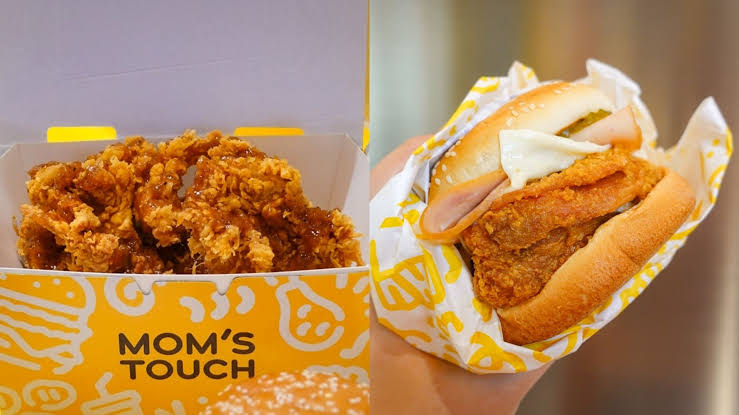
    Mom’s Touch dedicated over two years to developing ingredients, sauces, and a supply chain to meet halal dietary requirements and cater to local tastes in Singapore. The company ensured its signature items, such as the Thigh Burger, maintained their quality equivalent to those offered in Korea. The Singapore menu features market-specific items, including a spicy pepper-sauce burger, a fish fillet burger, and a burger with Australian Angus beef, egg, and cheddar cheese. Morning options like egg toast were also introduced to suit the store’s office district clientele. Prices for menu items range from 3.95 to 6.95 Singapore dollars.

    Dennis Quek, General Manager for Mom’s Touch Singapore and General Manager of FairPrice Group’s Kopitiam division, highlighted the aim of offering local customers a distinctive dining experience. Following this successful launch, Mom’s Touch plans to open a second store in a residential area of Singapore later this year, with broader expansion across the country slated for next year. The brand has been actively expanding its international footprint, having entered Thailand in 2022 and subsequently establishing a presence in Japan, Mongolia, Laos, and Uzbekistan. The company aims to operate 220 overseas stores by 2027.

    Asia’s Growing Fast Food Market

    Mom’s Touch’s strategic entry into Singapore, partnering with a retail giant like FairPrice Group, reflects a common approach for international brands seeking rapid market penetration and local relevance in Asia. Other global and regional fast-food chains have similarly adapted menus and forged local alliances to succeed in diverse Asian markets. RetailNews Asia has observed this trend across various F&B sectors, where localization and strong distribution partnerships are key to overcoming operational challenges and appealing to distinct consumer preferences in a competitive landscape.