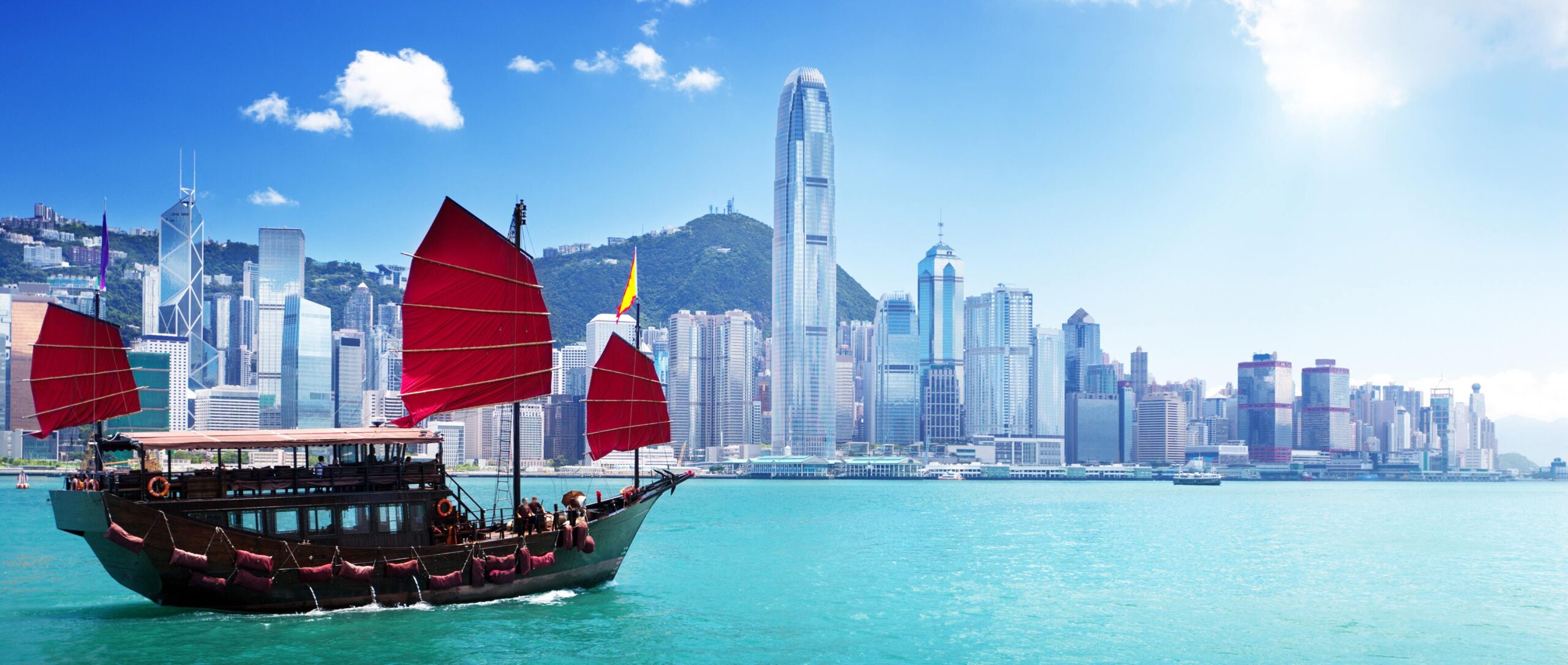
Hong Kong family offices and ultra-high-net-worth investors generated 16 per cent of commercial property transactions year-to-date, up sharply from 9 per cent in 2025, according to Knight Frank. The brokerage reported that hotel deal volume hit HK$11.3 billion (US$1.4 billion), nearly doubling the HK$6.3 billion recorded across all of 2025.
Private capital accounts for 24 per cent of deals in hotels and student accommodation as buyers target repriced hospitality sites alongside deeply discounted prime offices. According to Ken Peng, chief investment officer at Raffles Family Office, an expected 0.25 percentage point interest-rate increase by the US Federal Reserve in December will do little to curb outbound or local acquisitions.
Colliers head of capital markets Thomas Chak noted that local dynasties often deploy funds through direct equity structures or high-dividend real estate investment trusts. Rather than pausing for higher borrowing costs, wealthy families continue allocating capital across Hong Kong, Japan, Europe and the United States.
Cash Flow Drives Conversions in Hong Kong
Local buying has concentrated on discounted hospitality and office assets suited for conversion into long-term rentals or student housing. Rising university enrolments and a persistent shortage of purpose-built student beds allow operators to lock in rental cash flows nine to twelve months in advance. Repriced hospitality assets offer quicker turnaround times than ground-up residential builds.
Deeply discounted prime office buildings are also drawing private equity groups and family syndicates capable of absorbing vacancy without bank pressure. Single-family offices representing established local dynasties often hold assets through direct equity structures or high-dividend real estate investment trusts. Alternatively, legacy properties acquired decades ago at minimal cost basis remain locked away for long-term rental income.
Capital Targets Japanese Hospitality and Tokyo Offices
Beyond the domestic market, Hong Kong private capital has targeted Japan as its primary Asia-Pacific destination. Cross-border funds have concentrated heavily on Japanese hotels and hospitality assets, alongside core office developments in Tokyo. Australia and New Zealand represent secondary targets for regional diversification, providing established legal protections and steady yield profiles.
Western gateway cities in Europe and the United States continue to absorb wealth from families seeking portfolio dispersion. Most Hong Kong family offices hold minimal local domestic real estate relative to their net worth, preferring trophy commercial and residential holdings in cities where family members live, study or maintain corporate branches. This structure shields multi-generational portfolios from single-market regulatory shifts.
use Risks Surface Under Prolonged Borrowing Costs
A quarter-point rate hike in December will have limited impact on unencumbered buyers, yet sustained elevated rates create pressure for overleveraged property owners. Debt-financed commercial operators face refinancing gaps as lenders write down collateral valuations. That pressure creates acquisition pipelines for cash-rich family offices hunting distressed office assets across regional hubs.
Federal Reserve policy shifts could cool rate pressures by 2027 if US economic growth moderates and fiscal policy tightens following legislative shifts. Until monetary policy reverses, institutional funds with high borrowing costs remain constrained, leaving private family offices to dominate off-market commercial disposals.
Hong Kong commercial real estate deals closed 2025 with HK$6.3 billion in hotel volume before private capital stepped up conversion activity early this year. Attention now turns to the Federal Open Market Committee meeting in December, where Fed officials have indicated they may raise interest rates.