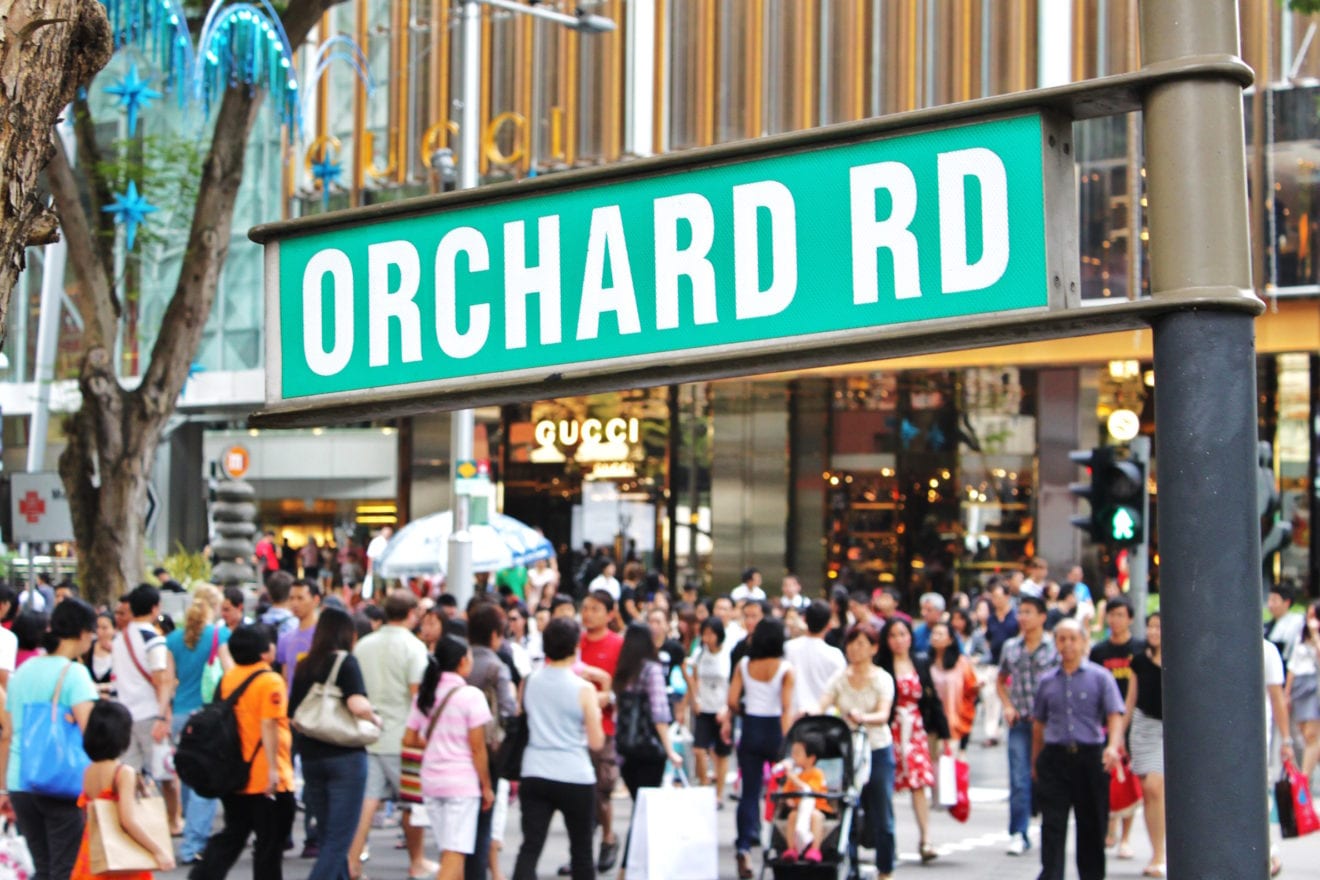
Orchard Road is meant to be Singapore’s premier shopping belt, but you wouldn’t know it if you strolled into many of the malls along the 2.2km stretch these days.
The vacancy rate in malls within the Orchard planning area hit a five-year high in the first quarter at 8.8 per cent . Islandwide, vacancy rates are 7.3 per cent. In contrast, vacancies in malls outside the city area are 6.4 per cent.
To be sure, the retail scene is in trouble nationwide. Retailers’ takings fell 3.2 per cent in February against the same month a year ago. Stripping out motor vehicles, retail sales dropped by a heftier 9.6 per cent.
But it is Orchard Road that appears worst hit, thanks to a softening global economy that has crimped tourism growth. The number of visitors to Singapore was up by 0.9 per cent at 15.2 million last year, but their overall spending fell 6.8 per cent to $22 billion – the first drop in tourism receipts in six years, since the global financial crisis.
What ails Orchard Road malls is that many lack a unique positioning and feature similar tenants.
DIFFERENT FORTUNES
To be fair, some malls are doing well on that stretch, with the highest concentration of shoppers centred on the section from ION Orchard to Ngee Ann City.

ST ILLUSTRATION: MANNY FRANCISCO
These two malls, along with Paragon, continue to draw shoppers with their mix of shops partly due to their luxury brands that are not easily found elsewhere except at the Marina Bay Sands mall.
Analysts say these three malls in Orchard Road remain popular among prospective tenants, with healthy leasing enquiries. At ION Orchard, for example, American jeweller Tiffany & Co recently opened a store across two levels.
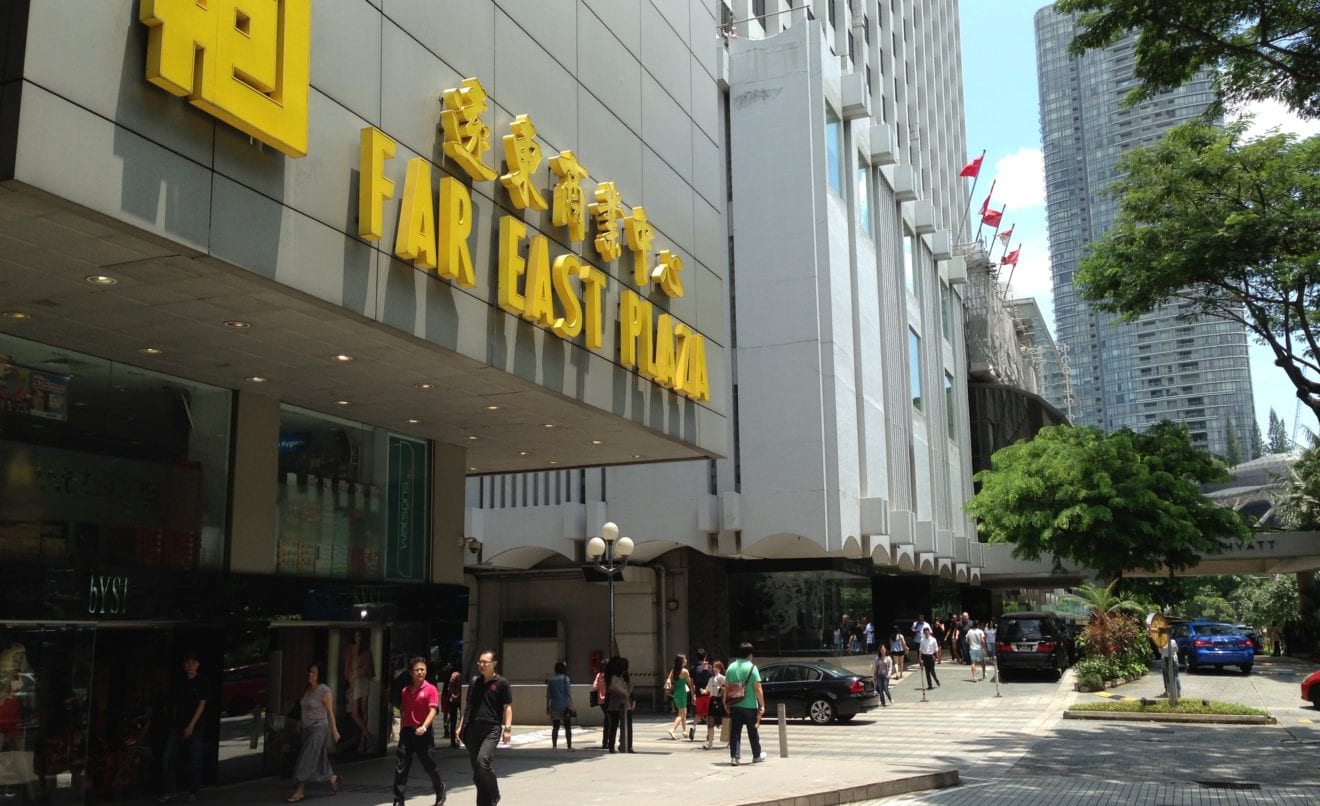
Older strata-titled malls in the area, such as Far East Plaza and Lucky Plaza, struggle to keep up with the times. Shop units in these properties are owned by individuals, and renovation works can be carried out only if the majority of owners agree.
But even newer malls such as Orchard Gateway and Orchard Central have been disappointingly quiet.
A visit to Orchard Central shows that most of the space on levels two and three is hidden by hoardings.
Landlord Far East Organization said the mall, which opened in 2009, is undergoing changes to its tenant mix and “enhancement works are also well under way… for improved shopper experience, better accessibility and visibility”.
Another mall, 268 Orchard Road, which opened last year, had only three tenants, The Straits Times reported last month. Security guards posted on the ground floor stopped us from going to the rest of the mall this week, saying there are no stores open on the upper floors and permission was needed from the management to visit. Ngee Ann Development owns the mall.
One problem facing Orchard Road was the rapid surge in supply of retail space in 2014. Of the 2.33 million sq ft net new supply of retail space islandwide that year, 355,000 sq ft were in the Orchard area, consultancy Colliers International noted. This was more than three times higher than the 97,000 sq ft in 2013.
The increase in Orchard Road retail space also came at a time when shiny new malls were springing up across the city and in suburban centres. The net new supply of retail space nationwide was 1.28 million sq ft in 2013.
Analysts say Singapore is “over-shopped” – too many malls for such a small country.
In fact, RHB Research Institute Singapore said in an August report that Singapore has the highest concentration of retail space per capita in South-east Asia: 1.08 sq m or 11.6 sq ft of retail space per capita, compared with 0.8 sq m per individual for Bangkok and 0.71 sq m for Kuala Lumpur. But that is lower than Hong Kong’s 1.5 sq m (16.2 sq ft) as at end-2015, said consultancy JLL.
‘COOKIE-CUTTER’ MALLS
Retail experts say that when shoppers have so much choice, malls need to have differentiated offerings to stand out. Yet many malls feature mainstream brands that shoppers can find elsewhere.
Brands like H&M, Forever 21, Uniqlo and Cotton On are popular. Dr Seshan Ramaswami, associate professor of marketing education at Singapore Management University, said: “The massive scale and scope of (H&M and Uniqlo’s) business across the world allow them to have relatively lower variable costs for their offerings.”
Such brands may appeal to the value-conscious shopper. But they are available in neighbouring countries, and are no longer novel to tourists.
“I think our malls here lack identity, they don’t have a unique story to tell. If they all have similar stores, then they are replaceable – why go to one mall when you can get the same thing in another?” Singapore Polytechnic marketing and retail lecturer Amos Tan said.
Countering this view, Australian retail chain Cotton On Group says it customises its product range according to the shopper profile of the mall. The company has 74 stores in Singapore across various brands such as Cotton On, Cotton On Body, Cotton On Kids, Rubi Shoes, Typo and Factorie. Of these, 11 are in Orchard Road.
LANDLORDS
Landlords have a big role to play in shaping the retail scene, experts say.
For example, landlords may prefer to rent out shop space to mass-market, reliable brand names that can pay the rent.
Associate Professor Prem Shamdasani from the Department of Marketing at the NUS Business School said: “Most malls are under Reits (real estate investment trusts), so they will fall back on the bread-and-butter tenants, which are more established, so as to ensure sustainable yields for the mall.”
This results in the cookie-cutter look of many malls. Retailers say landlords are often inflexible in rental negotiations, compounding their troubles.
The Emporium Group founder Sylvia Lim said some landlords are as “hard as rock” when it comes to rent negotiation. The fashion retailer has two permanent stores – at Tanglin Mall and 112 Katong – and a pop-up store at Millenia Walk.
She was hoping to convert the pop-up store into a permanent one, but was told she had to pay 20 to 50 per cent more rent.
“It’s about lending a helping hand. Maybe for the next six months, we will help you with a bit of rental, just for a period of time – none. Even in this market, they won’t budge,” Ms Lim said.
Landlords should also be more involved and proactive in driving advertising and promotion campaigns, say retailers.
One positive example is Australian property company Lendlease, which rolled out Tring 313, a location-based app that informs shoppers of promotions by tenants at 313@Somerset.
THE X FACTOR
What will get shoppers back spending in Orchard Road malls?
Retail experts say shopping has to be more than a transaction; it has to be an occasion, one that provides a unique experience – call it the X-factor – to the consumer.
Frasers Centrepoint, which oversees The Centrepoint – formerly a popular haunt but now with large sections of vacant space from basement one to level three, largely due to ongoing upgrading works – is working on delivering a “holistic shopping experience” when refurbishment is done in the fourth quarter. Mr Christopher Tang, chief executive of commercial and Greater China business at Frasers Centrepoint, said: “These experiences should not only integrate shopping, but also other lifestyle aspects.”
New tenants at the mall will include Din Tai Fung, Crystal Jade Kitchen, Mak’s Noodles, Honolulu Cafe and Song Fa Bak Kut Teh, and supermarket Cold Storage with a new store concept.
To keep retail offerings different and relevant, having more home- grown brands will help, as will what’s called a “destination store”.
An example of a destination store is the Apple Store, expected to open soon at Knightsbridge in Orchard Road. “It will change the streetscape. If you look at the Apple Store in Tokyo or Hong Kong, they are all very strong crowd-pullers, it will be a game changer for that vicinity,” said Mr Desmond Sim, CBRE head of research for Singapore and South-east Asia.
Dr Ramaswami said retailers can better leverage technology to track consumer profile, “so that a salesperson can perhaps recognise a customer profile the minute she enters the store… and then use sales strategies based on that customer’s online and offline shopping profiles to suggest merchandise, offer special discounts or cross-sell”.
Then there is Orchard Road itself.
Its last major revamp was in 2009, when the sidewalks were spruced up and widened – a $40 million undertaking. It might be timely to consider improving underground connectivity and making the area more pedestrian-friendly.
“The multi-lane busy traffic makes the street unwelcoming and intimidating for pedestrians at street level. Pedestrianising at least some parts of Orchard Road can be a way forward in order to better connect both sides of Orchard Road,” suggested Ms Anthea To, senior associate director of research and advisory at Colliers International.
The hot, humid weather and the lack of shade when it rains are cited as other factors why the Orchard Road belt is losing its lustre.
What’s needed are more initiatives like the one organised by the Orchard Road Business Association with the support of Singapore Tourism Board, the monthly Pedestrian Night on the first Saturday of the month, an initiative that ended in February.
To be fair, retail stores worldwide are facing similar challenges.
What could help bring some magic back to Orchard Road malls is having more interesting retail spaces, customised service and more interesting brands, including home-grown ones. These will require both landlords and retailers to be bolder in experimenting with different shop mixes.