Retail News CRM

Tag: fares

  • AirAsia boosts domestic and international flights

    AirAsia boosts domestic and international flights

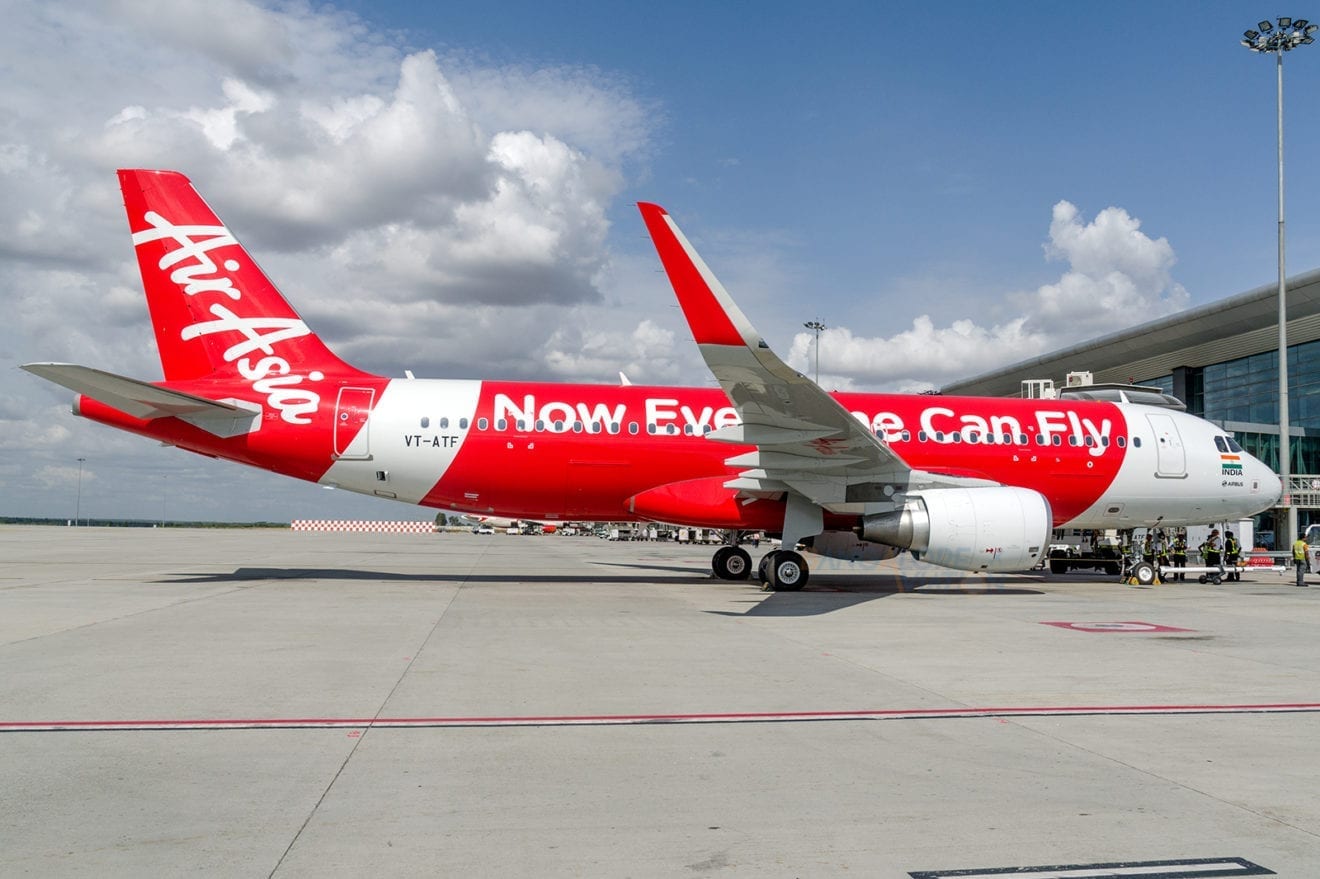
    AirAsia gears up for the nation’s reopening by adding more international routes to cater for significant pent-up demand ahead of Malaysia reopening borders to international travel 1 April.

    With the continued easing of travel restrictions, the airline group increased domestic flight capacity in Malaysia by 156% since October 2021, when it kickstarted the Langkawi travel bubble scheme.

    It has also increased international flights by 50% since the Malaysian government’s 8 March announcement confirming the reopening of borders on 1 April.

    Currently, the airline has 75 aircraft operating flights across the group serving Thailand, the Philippines, Indonesia, Cambodia, Singapore and Vietnam.

    AirAsia Aviation Group CEO Bo Lingam said:  We’re thrilled to be resuming more flights in all of our core markets in Malaysia, Thailand, the Philippines and Indonesia and to be adding additional services to some of AirAsia’s most popular international destinations, including Bali, Manila, Bangkok, Ho Chi Minh City, Phuket and more, starting in April. Domestic flying also continues to soar across the group. We have recently  launched four new domestic routes in Malaysia from Kuching to Langkawi, Penang to Sibu, Johor Bahru to Bintulu and Kota Kinabalu to Kuala Terengganu this year.

    “While our domestic services across the group have grown by 156% in recent months due to significant consumer demand, and by 50% for international, we expect to return to 100% or more of pre-Covid domestic and international flying by the end of this year.”

    To spur travel demand and bookings to destinations such as  Singapore, Vietnam, the Philippines, India, Thailand, Indonesia, the Maldives, Brunei, Cambodia, Sri Lanka, Laos, Bangladesh, the airline group is pegging fares as low as MYRM89 one-way, while domestic routes are on sale from just MYR39 one-way.

    Travelers can book cheap fares through the ‘Flights’ option in the AirAsia Super App from now until 27 March 2022 for travel between 1 April and 25 March 2023.

  • AirAsia clarifies high fares

    AirAsia clarifies high fares

    AirAsia has denied that its airfares between the Peninsula and Sarawak are high as well as its unavailability for the Christmas and state election period.

    The low-cost airline operator said it has engaged continuously with the Ministry of Transport Sarawak (MoTS) and submitted applications to permanently increase its scheduled flight frequencies from Peninsular Malaysia and Sabah into Sarawak on several occasions since early this year, including the latest request submitted last week which included the operation of extra flights for the upcoming holiday season, Christmas and Chinese New Year.

    The airline said it received confirmation from MoTS and the Sarawak State Disaster Management Committee (SDMC) today for an additional 42 weekly flights from Peninsular Malaysia and Sabah into the state for a limited period from Dec 4 to Jan 5, 2022.

    This has brought the fares down from around RM1,000 one way to below RM200 for a Kuala Lumpur to Kuching flight and these were very quickly snapped up, it said.

    “AirAsia wishes to clarify its position with regards to the views and concerns expressed on social media that the airline is charging high fares for flights between Peninsular Malaysia and Sarawak for the upcoming Christmas and holiday season that coincides with the state election scheduled for Dec 18”, it said in a statement.

    Chief Executive Officer of AirAsia Malaysia Riad Asmat said as a low-cost carrier, the airline is in a volume business to pass on the lowest fares to its guests.

    “AirAsia’s operation is all about economies of scale where we need to achieve a high passenger volume so that costs can be spread among a sizable number of passengers, allowing us to offer travelers low fares and giving them great value for money.

    “Historically, our average fare for flights between Sarawak and Peninsular Malaysia has been around RM160 per one-way passenger. This takes into account the highest fares and the lowest, including when we offer zero fare promotional sales,” he said.

    Riad said AirAsia’s pricing model is similar to other airlines around the world and is based on supply and demand.

    “In abiding with the limited flight frequencies imposed by the SDMC resulting in a reduced supply of flight seats, AirAsia’s demand-based dynamic pricing mechanism has inevitably derived prices seen as unfavorable to buyers at this time. It must be remembered that this is also the same mechanism that we used to offer guests promotional fares from as low as RM99 one way earlier in October,” he said.

    He added that as a general rule, fares will be higher, closer to the travel date, and during peak holiday periods when their flights are already near full.

    “Buyers have already taken up to 90 percent of our capacity on most flights. The limitation on the number of flights available in the market is a key factor that has pushed the prices higher across all airlines”.

    Riad said for the record, AirAsia used to fly over 300 weekly flights into Sarawak pre-Covid, connecting Kuching, Sibu, Miri, and Bintulu to Kuala Lumpur, Penang, Johor Baru, Kota Kinabalu, and various other destinations in Malaysia.

    “Just for Kuala Lumpur – Kuching alone, we used to fly between 12 and 15 flights daily on this hugely popular route before Covid, but with the latest approval today, AirAsia will be flying 5 daily flights between Kuala Lumpur and Kuching which is a 67 per cent reduction in our capacity due to the restrictions by SDMC.

    “We comprehend that demand is there but at the moment we are unable to meet it until more flight approvals are given,” he said.

    Riad also expressed AirAsia’s sincere appreciation to SDMC and MoTS for the additional flight approval for the Christmas holiday season.

    “However, we would like to appeal to MOTS and SDMC to also approve our request for extra Chinese New Year flights, and to remove frequency restrictions on all the approved flights entirely to enable us to better manage cost efficiency and lower the fares for passengers.”

    AirAsia, Riad said has always pledged its full commitment and support towards the full reopening and resumption of travel and tourism activities in Sarawak.

    They were also looking forward to keep working closely with all relevant regulators, the federal and state governments, civil aviation and health authorities, and tourism bodies to ensure the highest conformity to standard operating procedures for every flight.

  • Airlines want minimum fares, no one else does

    Airlines want minimum fares, no one else does

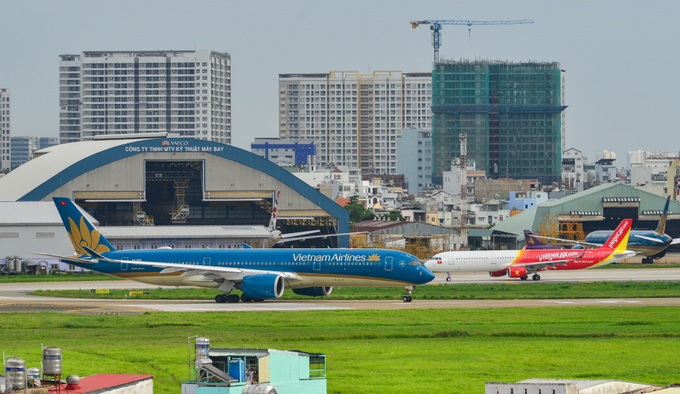
    While economists fear having lower limits for airfares will distort competition, some airlines worry safety is at stake. If fares do not make up even the fuel costs of a flight, aviation safety would be affected, Dang Ngoc Hoa, chairman of Vietnam Airlines, said at a meeting held on Monday to get feedback from economists on proposed minimum fares.

    The Civil Aviation Administration of Vietnam (CAAV) has proposed minimum fares of VND320,000-VND750,000 ($14.06 – $32.95) for domestic flights between November 1 and October 31 next year to help airlines overcome the difficulties caused by the Covid-19 pandemic.

    Too low prices would weaken all airlines, Hoa said. Many countries like China and India have floor prices for air tickets, he pointed out.

    He said amid the pandemic fares are very low at just 40 percent of those in 2018-19, and 250 airplanes are parked in airports, some of which are running out of parking space.

    But despite the low fares, airlines have to keep operating to maintain parking space, minimum cash flows and planes, he said.

    During the first Covid outbreak in March 2020, there were three flights a day in total, while during the fourth wave starting in April 2021, especially July-August, “there were no flights”, he said.

    All carriers have been hit and most airlines are facing losses, he said.

    Vietnam Airlines made a loss of VND7 trillion ($301.7 million) in the first half of the year, while private airlines reported losses of a trillion dong, he added.

    But despite his impassioned argument, economists at the meeting said minimum fares are not acceptable.

    Can Van Luc, chief economist of BIDV, said floor prices could cause confusion and be unfair to both state-owned and private enterprises, and even violate the Law on Prices and the Law on Enterprises.

    Nguyen Sy Dung, former deputy head of the Office of the National Assembly, said: “it is unfair to impose a floor price on air tickets”.

    If minimum fares are applied, a three-star airline must sell at the same price as a five-star airline, and no customer would spend money to travel in the former, he pointed out.

    “We might kill an airline through price policy. It’s unacceptable”.

    In a recent communication to the Ministry of Transport, three airlines agreed to apply floor prices airfares while two others disagreed.

    The Department of Transport admitted that since costs and services are not comparable, it would be difficult to determine common minimum fares applicable to all airlines.

    In the first seven months of this year Vietnamese carriers carried 13.7 million passengers, down 57.7 percent from the same period in 2019.

  • AirAsia launches three-day sale for domestic flights

    AirAsia launches three-day sale for domestic flights

    AirAsia Group Bhd, which resumed its domestic flights on April 29, has launched a three-day sale for domestic flights booked through airasia.com and its mobile app from today to Sunday.

    During the sale, AirAsia BIG members can enjoy all-in one-way fares from as low as RM129 for domestic travels between July 1 and Nov 19, while non-members’ fares start from RM134.

    In a statement, Amanda Woo, head of the commercial for AirAsia, said passengers can now perform an unlimited number of date changes to their flights with the recent announcement of flight change fee waiver for all new bookings with travels up to Dec 31.

    She added that since the resumption of its domestic services, AirAsia has enhanced its safety measures throughout the entire flying journey, including pre-flight, in-flight, and arrival processes.

    Several contactless procedures including contactless payments at the airport, contactless kiosks, passenger reconciliation system, as well as enhanced features on AirAsia mobile app are also in place to ensure a smooth and safe travel experience for all AirAsia’s guests.

  • AirAsia studying possibility of increasing airfares

    AirAsia studying possibility of increasing airfares

    Low-cost airline AirAsia Bhd is studying the possibility of increasing its airfares in the future, following the implementation of the Conditional Movement Control Order (CMCO). Executive chairman Datuk Kamarudin Meranun said discussions are ongoing to decide if there is an urgent need for AirAsia to increase its airfares in the future.

    “Even if there is an increase, it will not be significant.

    “At the moment, we do not know exactly how much the increase would be (if any) as we do not know the total number of AirAsia aircraft that would be allowed to operate during the CMCO,” he told reporters after the launch of the group’s charity campaign, “Derma Dengan Ikhlas” here today.

    On Tuesday, some local carriers warned that passengers will likely have to pay over 50% or more for airfares if social distancing is implemented onboard aircraft, as proposed by the International Air Transport Association (IATA) in view of the Covid-19.

    Malaysia Airlines Bhd and Malindo Air said the need for social distancing among passengers would result in a spike in airfares by up to 54%.

    Malaysia Airlines said this was seen in Thailand after its government-regulated empty seating between passengers, which resulted in domestic fares increasing by over 50%.

    “We will continue to drive dynamic pricing based on capacity and demand. Promotions will surely be ascertained periodically as and when it is feasible.

    “We expect customers to be more concern about safety and security,” it said in a news report yesterday.

    Kamarudin said the increase of fares would be subject to costs and AirAsia would try as much as possible not to increase its fares so as not to burden passengers.

    “Our intention is resuming flight (operations) is to ensure that operations can continue and not because we are aiming for profit, as, in the current challenging situation, it is difficult for airline companies to make a profit.

    “As long as we can pay for management costs such as maintenance and so on, it is sufficient,” he said.

    He said the operation of airline companies is subjected to government directives, hence, all plans will have to comply with the government’s decision, especially during the CMCO.

    “So, when we made a plan and when the announcement by the government is not in line with our plans, we have to change it,” he said.

    Meanwhile, Kamarudin said AirAsia has used RM50,000 from its contribution fund to purchase essential goods from ST Rosyam Mart supermarket to be distributed to more than 1,000 families and various communities, including single mothers, non-governmental organizations, mosques and welfare organizations.

    “So far, we have provided assistance to more than 50 locations and we realized that there are more communities that are in need of such assistance,” he said.

    The airline had launched a public digital donation drive on April 5 and has managed to raise RM911,000 to date.

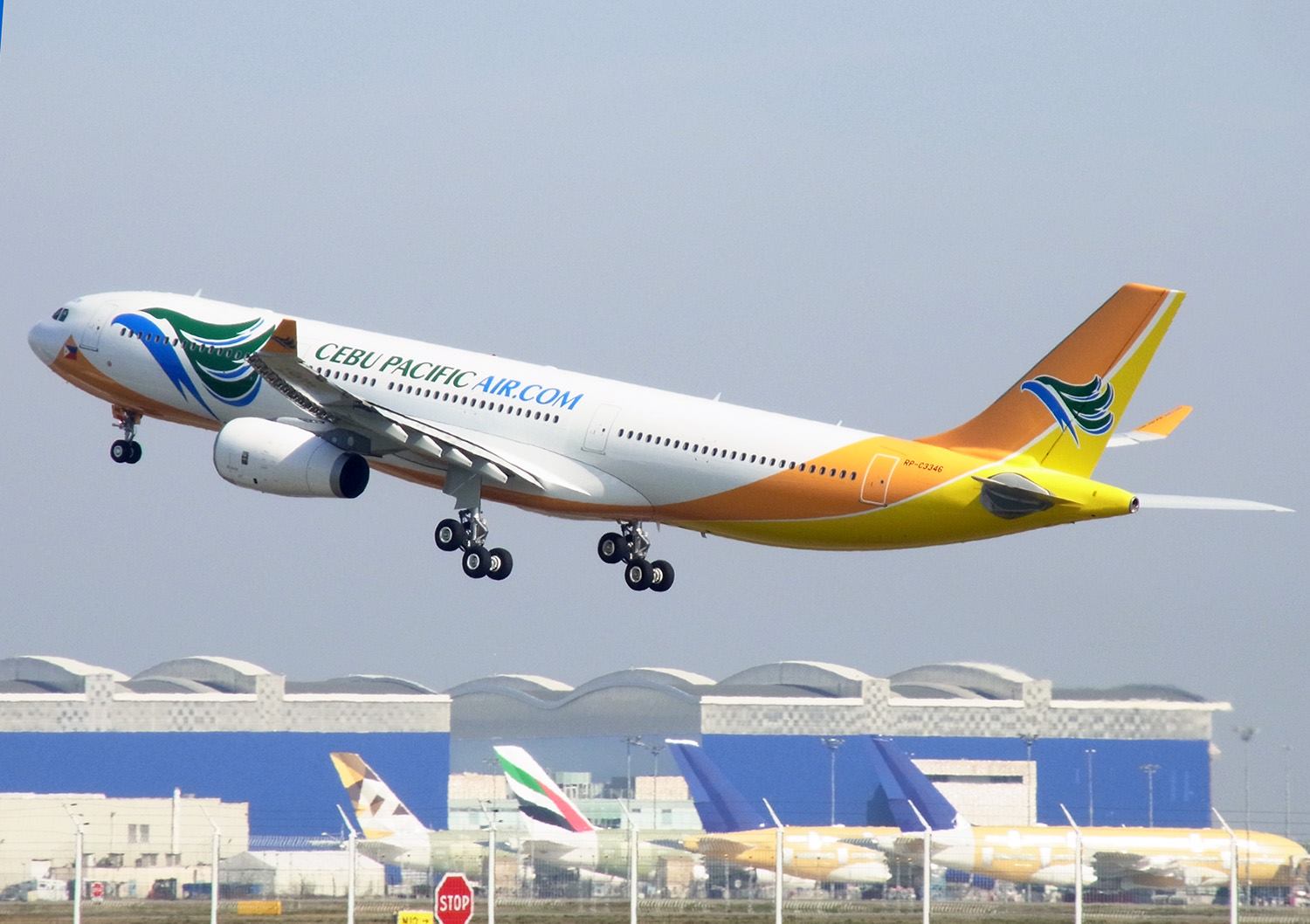
  • Cebu Pacific announces its $139 fares for Chinese New Year

    Cebu Pacific announces its $139 fares for Chinese New Year

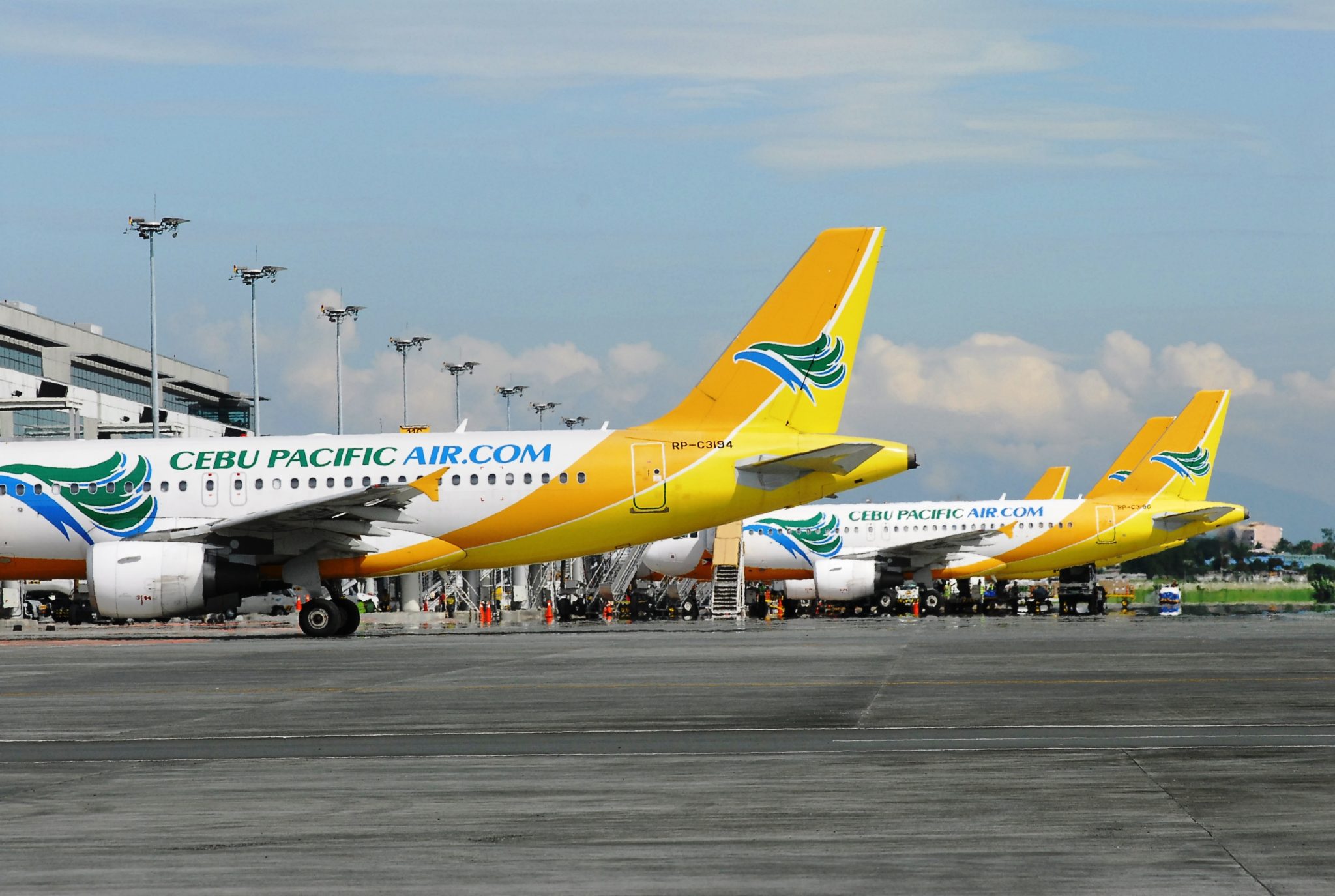
    If the Philippines has been on your mind for a little while, then Cebu Pacific has got the flights for you. In celebration of the Chinese New Year 2020, airfares to the Philippines have been reduced to a price you’re going to love.

    This sale is short and sweet, take off from Melbourne to Manila from $139 or Sydney to Manila from $159 one way. That totals a round trip from $278 return, not bad if you ask us.

    Before you book, we suggest checking Skyscanner to make sure you’re getting the best possible price for your Philippines escape.

    You will be able to end 2020 with a bang, the travel dates run between 1 July to 31 December 2020 (and what a way to bring in the new year).

    If you’re stuck on itinerary, we’ve got you sorted. Whatever your idea of a holiday is, there’s something for everyone with visits to Boracay Island, the Chocolate Hills or the majestic Puerto Princesa Subterranean River National Park.

    This one really isn’t around for long, the sale ends 17 January 2020 unless sold out prior.

  • Cebu Pacific holding ‘9.9’ promo fare sale

    Cebu Pacific holding ‘9.9’ promo fare sale

    Cebu Pacific is holding another seat sale from Sept. 9 to 10. The airline did not specify fares but said new destinations will become available every 8 hours starting midnight Sept. 9.

    From 12 a.m. to 8 a.m. all local destinations except Batanes and Marinduque will be on offer.

    From 8 a.m. to 4 p.m. Cebu Pacific will offer promo fares to Japan, Korea, China, Taiwan, Hong Kong and Macau.

    Promo fares to ASEAN destinations, Dubai and Australia will be offered from 4 p.m. to 12 a.m.

    The fares will be valid for travel from April 1 to Aug. 31 next year.

  • AirAsia celebrates 600 million guests flown with BIG Sale

    AirAsia celebrates 600 million guests flown with BIG Sale

    Airasia the world’s best low-cost airline for 11 years running, is celebrating 600 million guests flown with a BIG Sale and six million promotional seats.

    Enjoy promotional all-in AirAsia BIG Member fares from as low as RM12 for flights from Kuala Lumpur to Penang, Kuantan, Johor Baru, Kota Kinabalu, and Kuching, from RM50 for flights to Surat Thani, Krabi, Visakhapatnam, Maldives (Male), Bangkok, Can Tho and many more.

    Fly AirAsia X from as low as RM196 from Kuala Lumpur to Tianjin, Seoul, Taipei, Gold Coast, Osaka and other exciting long-haul destinations. For extra comfort and perks, try our award-winning Premium Flatbed from Kuala Lumpur to Wuhan, Busan, Fukuoka, Melbourne from only RM796.

    Enjoy 16% off Pick A Seat when making seat selection with flights during the initial booking stage, up to 40% off bookings for selected hotels and up to 60% off flight-plus-hotel holiday packages. BIG members will earn an additional 600 BIG points when booking activities during the BIG Sale period (minimum spending of RM200).

    Book at airasia.com or the AirAsia mobile app from September 23 (0001h GMT +8) to Sept 26 (2400 GMT +8) for travel between Feb 10 and Dec 15, 2020 .

    AirAsia group chief commercial officer Karen Chan said, “As a show of appreciation to our 600 million guests flown, we are pleased to announce a BIG Sale across our network. As we further transform into a travel tech platform company, the AirAsia BIG Sale will become more than just flight promotions. Be sure to look out for exclusive discounts on selected hotels, activities and flight-plus-hotel packages when you book your next journey on airasia.com.”

    AirAsia BIG Members, BigPay users and AirAsia Credit Card holders will be able to take advantage of a 24-hour priority access period starting Sept 22. Simply log in as a BIG Member on airasia.com to access seats at the lowest fares. (0001h GMT +8). BIG Members will also be able to redeem promotional seats from as little as 500 BIG Points one way on airasiabig.com and the AirAsia BIG mobile app.

  • AirAsia may face fines for charging processing fees for card and online banking transactions

    AirAsia may face fines for charging processing fees for card and online banking transactions

    low-cost carrier AirAsia could still face fines for charging passengers additional processing fee for card and online banking transactions. This comes right after AirAsia Group CEO, Tan Sri Tony Fernandes had announced that the airline will scrap the processing fee beginning October 2019.

    The Malaysian Aviation Commission (Mavcom) had made it compulsory for all airlines in Malaysia to remove hidden charges such as card payment charges and administrative fee effective 1st June 2019. The amendments to the Malaysian Aviation Consumer Protection Code 2016 (MACPC) also require airlines to refund the passenger service charges, taxes, fees and charges prescribed under any written law for both refundable and non-refundable tickets if a passenger did not travel. Refunds must be reimbursed within 30 days and airlines are only permitted to charge a maximum of 5% processing fee if the ticket is non-refundable.

    It was also reported that the Mavcom will issue a show-cause letter to airlines on the violation of the MACPC and the commission will then determine if the airline has contravened the said provision. The commission highlights that it is compulsory for airlines to remove the processing fee and airlines must also disclose the final price of the airfare both at the point of advertisement and prior to the consumer purchasing the flight tickets.

    They added that the final price must include the base fare and all required charges to be paid to the airline, government-imposed taxes, fees as well as fuel surcharge. This, according to the commission, will eliminate hidden charges such as card payment charges and administrative fees.

    The regulator said that it has been a practice in the past where the price increases after selections are made due to additional charges that were not disclosed upfront. The Edge Markets had reported that it may seem that AirAsia and AirAsia X would be liable for contravening the MACPC as they continue to charge processing fees until 30th September 2019.

    As mentioned earlier, AirAsia charges card processing fee as high as RM12 per passenger per flight depending on the destination. This means a return ticket could cost as high as RM24 for processing fee and if you’re travelling in a group of four, that’s equivalent to RM96 for processing fees alone.

    When Tony Fernandes was asked if Mavcom had ordered AirAsia to remove the transaction fees, he denied it on Twitter.

    At the moment, AirAsia encourages its passengers to pay by BigPay prepaid Mastercard to enjoy zero processing fees for their flight tickets. It is also worth pointing out that Bank Negara Malaysia had decreed that merchants cannot impose surcharges for payments using debit and credit cards.

    The same report also highlighted that AirAsia had stopped charging a RM3 klia2 fee on passengers departing from klia2 after it was made illegal by Mavcom. According to AirAsia, the extra fee was to cover the huge amount of extra cost klia2 has created such as aerobridges and the SITA check-in/boarding systems. Although it wasn’t disclosed in AirAsia’s annual report, The Edge Markets estimated that the airline would have collected RM45.24 million from the RM3 fee based on the number of passengers carried by the group from Malaysia Airports Holdings Bhd’s 2018 annual report.

  • AirAsia transitioning to asset-light business model

    AirAsia transitioning to asset-light business model

    AirAsia is moving from the traditional model of owning aircraft to become an asset-light airline. The company plans to fully shift to the new model by completely withdrawing from aircraft ownership, a move that would bring the obvious benefit of lowering its financial liabilities.

    During AirAsia’s conference call with analysts last Wednesday, its management said it is targeting to sell another 19 aircraft this year.

    AirAsia is also focusing on its “digitalization” agenda, management added.

    The analyst said AirAsia would be looking to secure a deal similar to what it achieved last year when it went into sale and leaseback agreements that helped it raise a lot of funds.

    AirAsia’s management expects to raise around RM1.5bil from the sale and leaseback of its remaining 19 aircraft.

    Last year, the airline group sold 79 aircraft and 14 aircraft engines to US private investment firm Castlelake LP in a deal worth RM4.38bil.

    Following the success of the sale, AirAsia had last week announced a bumper dividend of 90 sen a share, which is worth more than RM3bil in total payout.

    For shareholders of AirAsia, this strategy has worked out well. AirAsia began its aggressive sale and leaseback programme and dishing out dividends around 2017.

    Here’s an interesting fact: AirAsia shareholders who bought the company shares on Jan 2, 2017 would have paid RM1.78 per unit. Since then, that’s exactly how much the airline has paid back in dividends, giving back those investors their entire cost of buying those shares.

    “AirAsia is a different company now. It is transitioning into an asset-light model, focusing its services through its platform and on-the-plane experience as well as its mobile wallet,” an analyst said.

    Going forward, though, not all analysts have a positive view on the airline’s earnings growth prospects.

    Going by Bloomberg data, analysts have a varied target price on AirAsia’s shares, ranging from RM1.56 to RM5.20.

    For the first quarter ended March 31, AirAsia posted a 92% drop in net profit to RM96.09mil compared with RM1.14bil recorded last year, when it recorded extraordinary gains. Its shares closed at RM2.88 last Friday.

    CIMB Research analyst Raymond Yap expects AirAsia’s future earnings to be under pressure, stemming from rising operating costs and higher depreciation as well as interest expenses due to the Malaysian Financial Reporting Standards 16.

    He added that other risks included higher fuel prices and a weaker ringgit against the US dollar.

    “The poor results will likely shock the market and cause analysts to slash their earnings forecasts, although the share price may be supported in the next two months by the 90 sen special dividend per share,” he said in a report.

    Yap has recommended investors to sell their positions in AirAsia prior to the dividend ex-date on June 30.

    “We recommend investors to take advantage of any share price upside post-announcement of the 90 sen special dividend to sell into strength, and to sell their AirAsia holdings prior to the dividend ex-date on June 30, 2019, to avoid the rush out of the door,” he said.

    Although AirAsia’s management has highlighted that it is targeting to continue with special dividend payments to shareholders for every two years, Yap believed the group is unlikely to declare additional special dividends in the near future beyond the 90 sen per share it had announced.

    “Continued losses at AirAsia India and Indonesia AirAsia may require the group to provide further equity injection or continuous working capital support,” he said.

    A different view is held by Nomura Research analyst Ahmad Maghfur Usman, who has the highest target price of RM5.20 for AirAsia shares. He expects AirAsia’s core earnings in financial year 2019 (FY19) to double to RM1.37bil compared with RM656mil last year.

    “We remain optimistic on the earnings outlook on the back of lower fuel costs, coupled with the turnaround from its Asean affiliates, while we expect losses from India to narrow on improved scalability as passenger volumes increase,” he said in a research note.

    For this year, AirAsia is targeting to add 18 aircraft including additional 11 for AirAsia India.

    In terms of its digital business, AirAsia is targeting to roll out remittance and lending products and expand its BigPay offerings to other Asean countries this year.
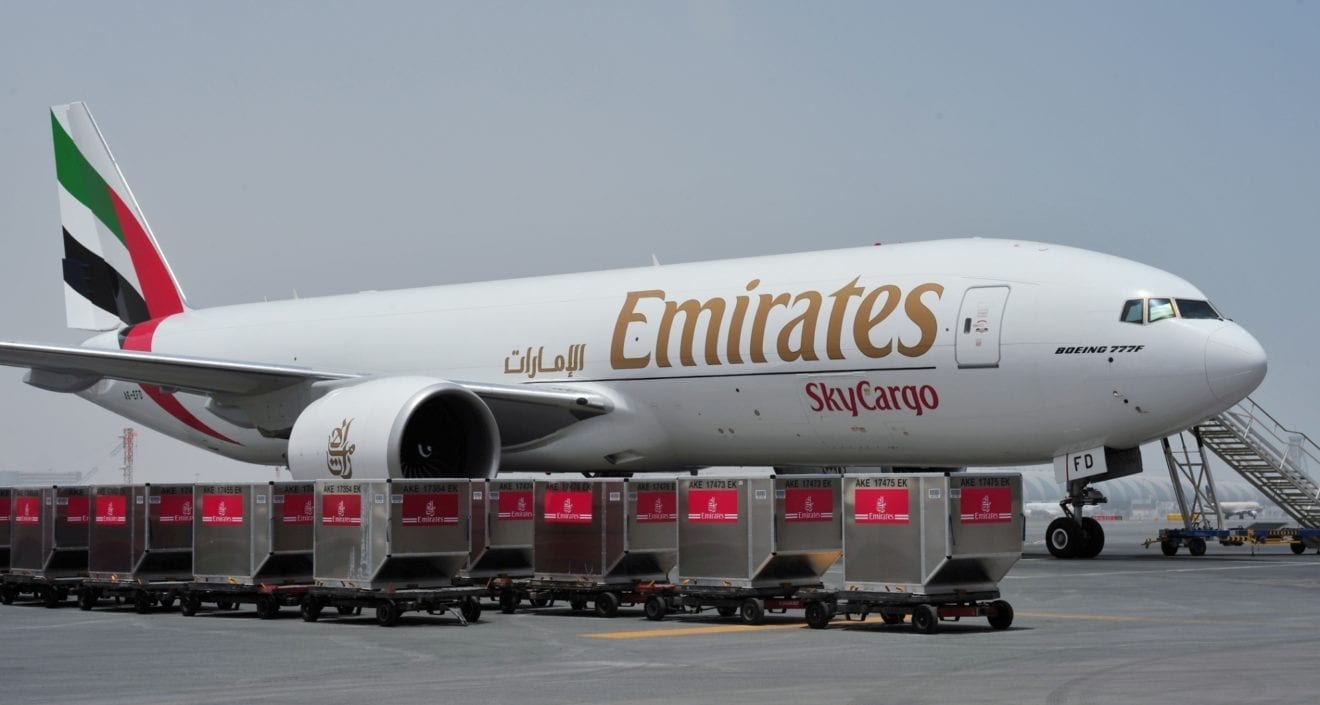
  • Emirates offers summer promotion tickets

    Emirates offers summer promotion tickets

    Emirates offers summer promotion fares for customers from Vietnam who book tickets from now until April 22 and travel from April 15 until November 30, 2019.

    Economy Class fares start from VNĐ17,189,000 (US$747) to Dubai, VNĐ19,999,000 ($870) to Paris, VNĐ21,809,000 ($948) to London, VNĐ23,819,000 ($1,035) to Amsterdam, VND25,189,000 ($1,095) to Madrid, and VNĐ27,179,000 ($1,181) to Boston.

    The Early Bird promotion also offers very attractive Business Class fares, only from VNĐ66,079,000 ($2,873). Business Class passengers traveling on the Boeing 777 can enjoy unprecedented levels of comfort with wider and more ergonomic seats that recline into a lie-flat position for a restful sleep.

    In addition, Emirates passengers from Vietnam who purchase Economy Flex or Flex Plus fares can enjoy 30kg and 35kg baggage allowance, respectively. When booking Flex or Flex Plus fares, Skywards members earn more Skywards and Tier Miles, allowing them to earn the next reward or reach the next tier faster.

    Emirates currently operates daily non-stop flights between HCM City and Dubai, and daily non-stop flights between Hà Nội and Dubai. Through its Dubai hub, Emirates offers passengers travelling from Việt Nam convenient connections to an extensive global network in the Middle East, Africa, Europe, the US and South Asia.


  • Budget airline AirAsia announces discount fares

    Budget airline AirAsia announces discount fares

    There is good news for air travellers. Budget airline AirAsia has come out with ‘discount fares’ as part of its sales promotion campaign.

    The ‘discounted fares’ begin from as low as Rp1,099 for domestic destinations on flights operated by its Indian joint venture and Rp2,999 for international flights operated by other group airlines. However, these ‘discounted fares’ are for a limited period.

    Booking period

    Tickets for ‘discounted fares’ can be availed from June 4 to June 11 for travel between January 15, 2018 and August 28, 2018.

    “Travellers can enjoy fares as low as ₹1,099 to domestic destinations such as Bengaluru, New Delhi, Hyderabad, Kochi, Goa, Srinagar, Ranchi and Kolkata operated by AirAsia India. They can also fly to international destinations such as Kuala Lumpur, Bangkok, Phuket, Krabi and many more destinations operated by AirAsia Berhad, Thai AirAsia, AirAsia X Berhad and Indonesia AirAsia X at fares as low as Rp2,999,” said a release.

    “Guests travelling on AirAsia X will also be able to enjoy its award-winning Premium Flatbed to Sydney, Melbourne, Korea, Japan, Bali at a fare of ₹11,999.”

    “The lowest fare during this promo applies to all bookings made through www.airasia.com and the AirAsia mobile app,” the release added.

    “Big sale is the best time to lock down travel plans for next year. With so many fantastic destinations on offer, it is perfect for a long break or even just a quick weekend getaway,” said Amar Abrol, MD and CEO.

  • See Singapore from $445 return flying Singapore Airlines

    See Singapore from $445 return flying Singapore Airlines

    With budget airlines such as Scoot now flying to Singapore, cheap flights to the Asian nation are a dime a dozen. However, if you’re searching for luxury on that long-haul journey, Singapore Airlines is one of the best carriers to take you there.

    The luxury airline currently has discounted fares to Singapore from $445 return, for flights departing from Perth.

    The last time we saw Singapore Airlines’ fares drop along these routes was in November 2016, where fares started from $515 return.

    These sale flights are for travel on select dates between 8 May and 21 October 2017. This includes select dates in June, which is an ideal time to visit Singapore as it’s the dry season and outside of the school holiday period.

    Sample fares in this sale include $552 return from Darwin, $600 return from Melbourne and $613 return from Sydney.

    Singapore Airlines is an all-inclusive carrier. These fares include checked-in luggage, in-flight entertainment and on-board meals.

    These fares are not part of any particular promotion and are available until sold out.

  • AirAsia India Offers All-Inclusive Tickets

    AirAsia India Offers All-Inclusive Tickets

    Ahead of the Holi festival next week, AirAsia India has announced a promotional offer, selling tickets starting Rs. 1,499. Bookings for this AirAsia India offer are open till March 12, 2017, the airline – which is a joint venture between Tata Sons and Malysian carrier AirAsia – said on its website. AirAsia India’s special fares scheme is applicable on travel till June 30, 2017, said the airline, which competes with the likes of Air India, IndiGo, Jet Airways and SpiceJet in the domestic market.

    Under the special all-inclusive tickets programme, aimed at the upcoming Holi festival, tickets between Hyderabad and Bengaluru are being offered from Rs. 1,499 – the lowest under the scheme.

    “Celebrate the festival of colours with your loved ones in #Srinagar, #Pune & other awesome destinations!” AirAsia India said in a tweet.

    Some of the other routes covered under the offer include Imphal-Guwahati from Rs. 1,999, Pune-Jaipur from Rs. 2,999, and Pune-Bengaluru and Visakhapatnam-Bengaluru from Rs. 2,399, as per the AirAsia India website.

    Discounted fares from various airlines have spurred strong growth in air travel market in India. The country’s domestic air passenger traffic zoomed 25.13 per cent to 95.79 lakh last month, data from aviation regulator DGCA (Directorate General of Civil Aviation) showed.

    Rival airlines IndiGo, SpiceJet and Jet Airways had also announced discounted tariffs recently.

    Also, AirAsia India is likely to commence international operations from the second half of next calendar year. “We will have 14 aircraft in the fleet within this year, depending on the business performance. And, we will add another six planes by the middle of the next year. Then we will get to international operations,” its CEO Amar Abrol had said earlier.

  • Thai airlines raise domestic fares

    Thai airlines raise domestic fares

    Thailand’s low-cost airlines are increasing fares on domestic routes in a respond to a massive increase in excise tax on jet fuel that came into effect last week. The government increased the fuel tax on all domestic flights from 20 satang to THB4  per litre, claiming it was overdue, while bringing the tax more inline with the THB6 a litre tax on diesel fuel.

    Nok Air, Thai Lion Air and Thai AirAsia issued statements, Tuesday, saying they would raise fares on domestic routes to reflect the “real cost increase by THB150 per sector”. It will increase roundtrip fares by THB300.

    This additional cost will be included in all fares posted on Nok Air’s website as of 6 February 2017 onwards, the statement read.

    Thai AirAsia and Thai Lion Air announced the same increase, effective 1 February (Air Asia) and 6 February (Lion Air).

    Bangkok Airways announced later in the day  that it would increase fares by THB200 per sector, effective 8 February.

    Excise Department  director general, Somchai Poolsavasdi, said the increase should generate more than THB4 billion from domestic jet fuel consumption, which is expected to reach 1.2 billion litres a year.

    Excise tax on lubricants has also been raised, to THB5 a litre from zero previously, he said.

    He noted that land transport companies pay THB6 in excise tax on a litre of diesel fuel, while airlines have enjoyed a 20 satang tax (100 satang = THB1) for years. The  tax is not applied to international flights originating or transiting in Thailand.

    The department hiked the fuel tax to create fairer competition in business, he said. It was a reference to rail and bus transport that has suffered a mass migration to airline travel.

    Inter-city bus fares will be slightly more competitive when compared with airline fares after the THB150 is added to air fares. By 2016,  jet fuel costs had declined by 36% since 2014 and this allowed low-cost airlines to quote fares that were almost identical to long-distance bus fares (air-conditioned buses).

    While offering a token helping-hand to bus operators, the government’s other hand will snatch THB4 billion in taxes ultimately from travel consumers.  It is unlikely  to persuade travellers to return to long-distance bus transport noted as the second most dangerous form of transport after the infamous Toyota commuter van.

    Thai aviation has been rising rapidly in recent years powered by low-cost airlines at the expense of land transport. Jet fuel consumption, will exceeds 1 billion litres this year, the director general reported.

    Association of Domestic Travel advisor, Yutthachai Soonthronrattanavate, told Voice TV media that the tax increase would impact badly on domestic tourism.

    “As airlines increase fares to compensate, the burden falls squarely on the consumer’s’ shoulders,” he said.

    “The tax measure will hurt airlines operating domestic flights flying about one hour and using 8,000 to 9,000 litres per trip …it will increase an airline’s costs…in turn passengers will then have to spend more on flights.”

    In the past when fuel prices were high, airlines immediately passed part of the cost to consumers in the form of a “fuel surcharge.”   They eventually were forced to include the surcharge as part of the base fare rather than lumping it with service fees and taxes at the close of the transaction.

    Thailand’s Ministry of Tourism and Sports is counting on domestic tourism to boost earnings and share the benefits of tourism beyond the main gateways.  Low-cost airlines are the main driver allowing urban Thais to explore their country safely and at competitive prices.

    Government officials will argue there are alternatives such as rail and road transport, but the standard and safety of those alternatives lags far behind air travel.

    It would take a massive investment to upgrade rail transport to offer fast inter-city rail travel that could be considered  a credible alternative to low-cost airline travel. It’s decades away which means for most travellers  low-cost airlines continue to be the only choice to get around the country quickly and safely.

    In the TV interview, Yutthachai said the excise department should have staggered increases step by step to give airlines a chance to adjust while cushioning the impact on consumers.