Tag: farm

  • Major firms spend big on pig farming

    Major firms spend big on pig farming

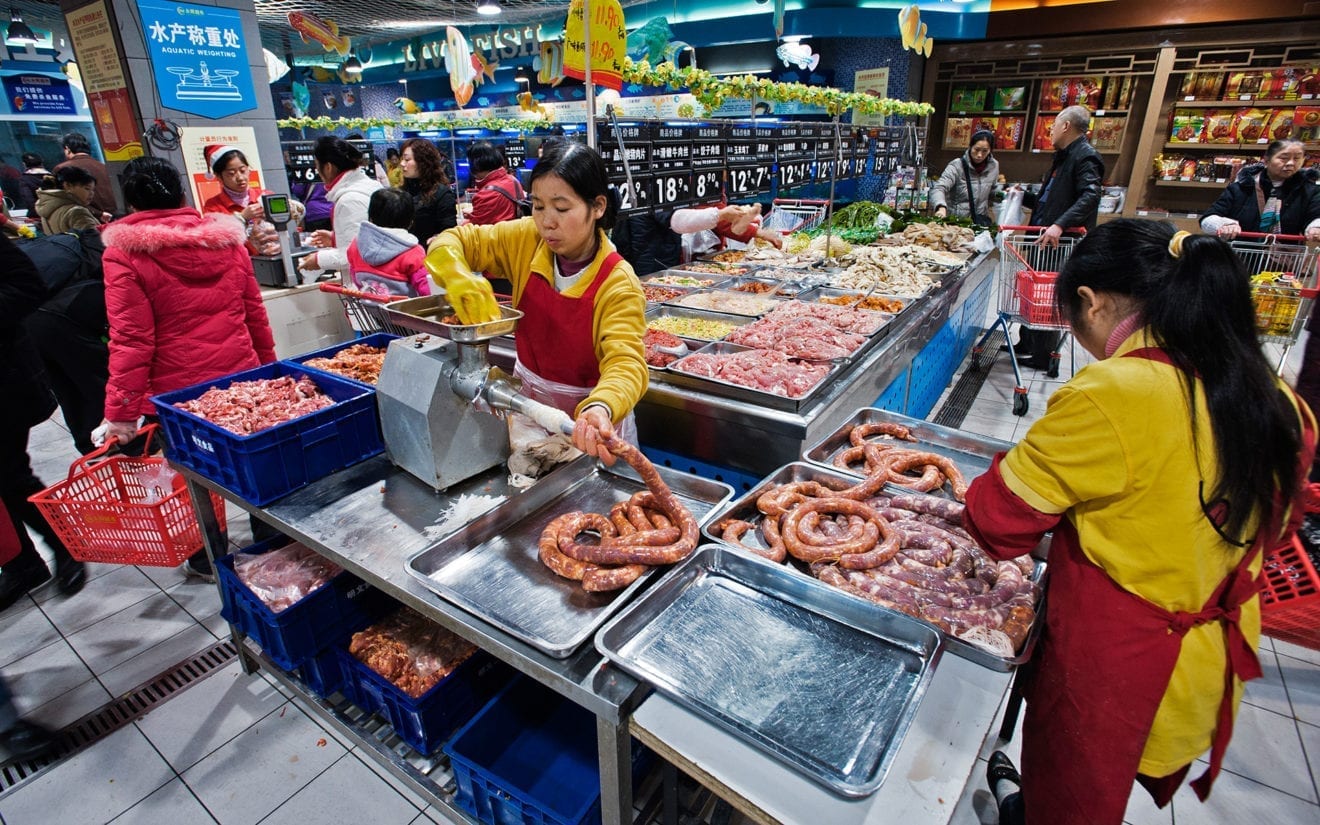
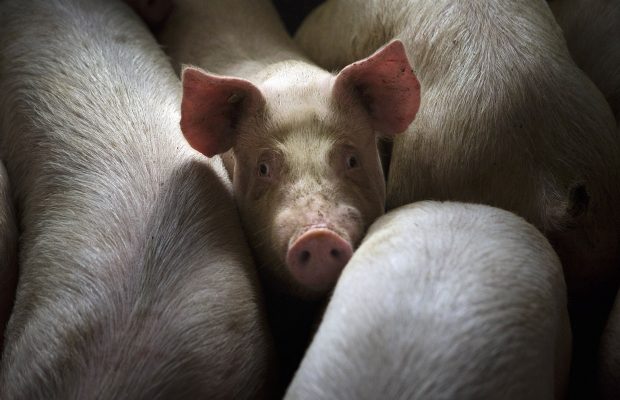
    Many big companies have been investing trillions of dong (VND1 trillion= $41.67 million) in raising pigs, with the Vietnamese pork market estimated at $15 billion.

    According to a recent financial report by Thaiholdings Joint Stock Company, through its subsidiary Thaigroup, it has joined hands with third parties to invest VND600 billion in a pig raising project in the central province of Thanh Hoa. Thaiholdings stands to receive 60% of total profits.

    Earlier, many domestic giants had poured up to trillions of dong into pig farming, including Hoang Anh Gia Lai Joint Stock Company, Hoa Phat Group Joint Stock Company, Hoang Anh Gia Lai Agricultural Joint Stock Company and Truong Hai Group Joint Stock Company.

    Foreign-invested firms, including Thai-invested C.P Vietnam Corporation, South Korea-invested CJ Vina Agri Company and Australia-invested Mavin Group Joint Stock Company, have also invested in the market.

    International Finance Corporation (IFC), a member of the World Bank Group, has so far this year poured a total VND2.8 trillion into three pig-raising firms, namely Mavin, BaF Vietnam Agriculture Joint Stock Company and GreenFeed Vietnam Corporation. GreenFeed said it wants to sell over 125,000 tons of pork to 385,000 consumers every year, while Mavin plans to annually supply the market with 900,000 tons of pork.

    Pig farming has become an attractive business as pork is the main source of animal protein in Vietnamese meals, accounting for about two-thirds of total meat consumption. According to a recent report by U.S. financial information services provider Fitch Solutions, the total meat consumption in Vietnam is forecasted to grow over 25% in the 2018-2026 period.

    Vietnam will be one of the countries with the strongest meat consumption growth globally in the coming years, Fitch Solutions said, noting that there are no cultural barriers to eating meat.

    By 2026, on average, each Vietnamese person will annually consume more than 51 kilograms of meat, including 31 kilograms of pork, more than 16 kilograms of chicken and over four kilograms of beef, up 9% against the consumption forecasted for this year.

    Meanwhile, global meat consumption would average 34.6 kilograms in 2026, an increase of less than 0.5 kilograms in 10 years, according to the Organization for Economic Cooperation and Development (OECD).

    Along with the increase in market demand, the report by Fitch Solutions showed a strong trend of industrialization in pig farming. After the spread of African swine fever in 2019, small farming households have been exiting the industry because of expensive investments and fluctuating prices.

    Fitch Solutions said strong businesses would benefit from the potential recovery of pork prices in the future.

    In the first half of this year, Hoang Anh Gia Lai Agricultural Joint Stock Company sold more than 82,000 pigs and made a profit of more than VND530 billion, the highest semi-annual profit since 2018. It expected to achieve the profit target of VND1.12 trillion this year.

    Hoa Phat Group said the agricultural sector brought in after-tax profits of nearly VND720 billion last year.

    However, Fitch Solution believed that the Vietnamese pig industry would face challenges in the longer run as people gradually eat less pork. In the 2022-2026 period, consumption of chicken and beef will grow almost equally at more than 13%, but that of pork less than half the rate. There will be more room for the chicken market to grow because of its affordable price.

    Grasping the above trend, many firms also began to invest in poultry production. Since the fourth quarter of 2020, Masan MEATLife has acquired the 3F Viet brand and applied technology in the field of chilled meat to chicken products. Regarding this segment, it achieved revenue of nearly VND1.5 trillion in 2021, up nearly 58% against 2020. The company will further invest in the market whose value is expected to be worth $5 billion in future.

    Recently, Hoang Anh Gia Lai Agricultural Joint Stock Company raised 100,000 free-range chickens on a trial basis. The chickens are expected to be sold on the market in November. Meanwhile, Mavin Group proposed building a complex worth VND600 billion in the northern province of Son La to breed chickens and ducks and process the meat for export.

    The Vietnamese pig market is estimated at some $15 billion, according to the 2021 annual report by local meat processing company Masan MEATLife under Masan Group.

  • Starbucks sells its Evolution Fresh juice business

    Starbucks sells its Evolution Fresh juice business

    Starbucks is selling its cold-pressed juice brand, as the company focuses on its coffee-drink business and improving its stores and relations with its cafe workers under interim Chief Executive Howard Schultz.

    Fresh-food maker Bolthouse Farms Inc. said it agreed to acquire Starbucks’s Evolution Fresh line of juices, which currently are sold in Starbucks cafes and supermarkets. Terms of the deal, which Bolthouse said is expected to close later this year, weren’t disclosed. Starbucks said the financial impacts of the deal weren’t expected to be material.

    For Starbucks, the deal comes as Mr. Schultz directs more investment toward the coffee giant’s cafes and baristas. Mr. Schultz, the longtime Starbucks leader who returned in April for his third stint leading the chain, said the company needs to better handle increased demand, improve the cafe experience for customers and baristas, and increase communication between workers and executives.

    Starbucks said it believes Bolthouse Farms has the beverage-industry experience to help Evolution Fresh grow, and shares Starbucks’s priorities for developing the brand and its employees.

    The coffee chain in 2011 paid $30 million to acquire Evolution Fresh, when Mr. Schultz was at Starbucks’s helm for the second time. Mr. Schultz said at the time that the deal would give Starbucks a position in the $1.6 billion premium juice category, and products targeting the health and wellness sector.

    Starbucks opened a handful of Evolution Fresh-branded juice bars, but later wound down that effort after Kevin Johnson was named Starbucks’s CEO in 2017. The company continued selling bottles of Evolution Fresh organic, cold-pressed juices in all of Starbucks’s U.S. stores.

    Mr. Schultz told Starbucks investors earlier this month that since returning, he has pushed the company to focus squarely on improving its core U.S. business. In April he canceled billions of dollars in previously planned stock buybacks, saying Starbucks needed to invest more in its stores, including $200 million in additional compensation and training for workers.

    Starbucks on Monday said it would permanently leave the Russia market, closing 130 stores after the country’s invasion of Ukraine.

    The Evolution Fresh deal will add the brand to California-based Bolthouse’s portfolio of juices, which include vegetable, fruit and protein products. Bolthouse’s current brands represented about one-quarter of the U.S. sales of refrigerated beverages as of last month, according to data from market-research firm IRI.

    “This is what we do. We grow stuff and turn it into juice,” said Bolthouse CEO Jeff Dunn. “They got a great supplier and we got a great brand.”

    Bolthouse said it would keep the juice brand’s nearly 300 employees, who currently are employed directly by Starbucks in California. Over the roughly six-month sales process, Starbucks was focused on how Bolthouse would treat its employees and keep up juice supply to its stores, Mr. Dunn said.

    Evolution Fresh, which is sold at Whole Foods Market and some other retailers in addition to Starbucks, had roughly 2% of the U.S. refrigerated-beverage market as of last month, according to IRI figures. Bolthouse intends to increase marketing of Evolution Fresh and get the products onto the shelves of other retailers, said Mr. Dunn, a former executive at Campbell Soup and Coca-Cola.

    “People have awareness of it, but they don’t see it in a lot of other places other than Starbucks, or maybe Whole Foods,” he said. “We’ll expand the brand and really bring it to a lot more people.”

    Bolthouse Farms, backed by private-equity firm Butterfly Equity, bought back its namesake brands from Campbell in 2019. It has looked to acquire other fresh-food brands since, Mr. Dunn said.

  • Filipino ice-cream Carmen’s Best opening in Singapore

    Filipino ice-cream Carmen’s Best opening in Singapore

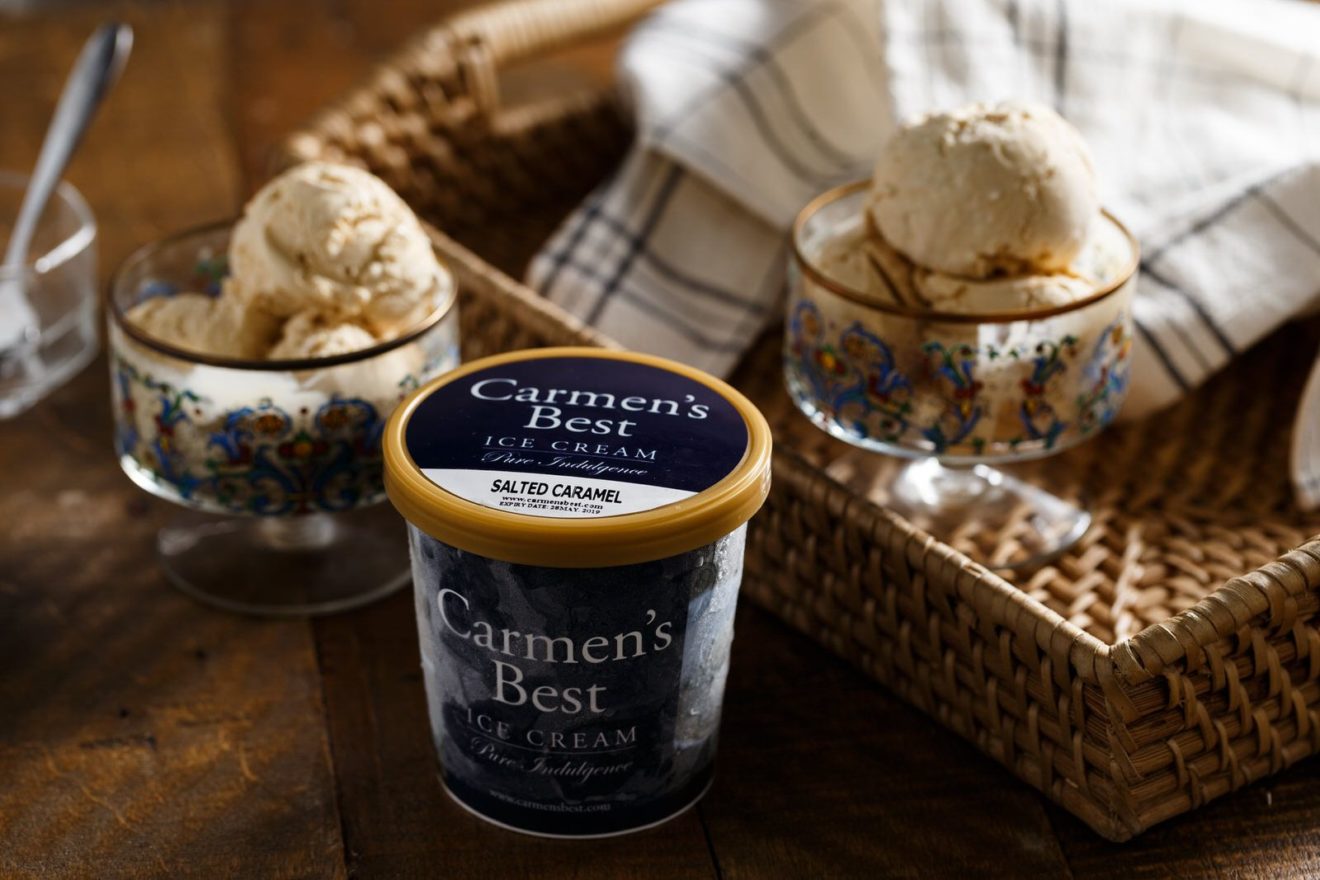
    Premium Filipino ice-cream chain Carmen’s Best has opened its first overseas store in Singapore.

    The store, which held its soft opening on Monday at Capitol Singapore, offers fresh milk-based ice creams in flavors such as milk chocolate, butter pecan, and Sicilian-sourced pistachio. The brand is launching a Singapore-exclusive cheese flavored ice cream that contains chunks of cheese.

    Owner and founder Paco Magsaysay have stated a goal to become a “Filipino-made, world-class ice-cream brand.”

    The brand began as a dairy farm serving a growing number of stores and partners before launching its ice-cream products.

  • Yonghui boosts stake in Chinese grocery Zhongbai

    Yonghui boosts stake in Chinese grocery Zhongbai

    Dairy Farm Group-backed Yonghui Superstores is to boost its interest in Central Chinese regional supermarket chain, Zhongbai Holdings.

    According to a stock exchange filing in Shanghai, Yonghui is offering RMB8.10 per share to take its stake in the company from 30 per cent to 40 per cent. The deal is worth RMB559 million (US$83.3 million) and the shares will be bought from a state investment fund.

    Zhongbai, based in Wuhan, has 1255 stores, mostly in central China, including supermarkets, convenience stores, neighbourhood fresh-produce shops, foodmarkets and a premium grocery concept.

    Dairy Farm Group has a 20 per cent stake in Yonghui and has continued to invest in the business to maintain that shareholding as other investors, including Tencent and JD have invested in the retailer’s growth. Jardine Matheson executive chairman Ben Keswick is Yonghui’s chairman.

    Yonghui currently has just a single store in Hubei province, which means the investment will give it instant critical mass in the region. The company has more than 950 supermarkets in 22 Chinese provinces, its strongest representation in Guangdong.

  • ‘Solid’ profit growth for Dairy Farm International

    ‘Solid’ profit growth for Dairy Farm International

    Dairy Farm International Holdings had solid profit growth in the first half despite lower sales in its supermarkets and hypermarkets, says chairman Ben Keswick.

    “While the rest of the year is expected to stay challenging for supermarket and hypermarket activities in Southeast Asia, the group’s other businesses continue to make steady progress.”

    Overall profits increased with strong results from Maxim’s and Yonghui as well as good performances from the health-and-beauty and home-furnishings divisions, more than compensating for the lower earnings in the food division.

    Sales for the period by the group’s subsidiaries of US$5.5 billion were marginally behind last Year’s first half, but flat at constant exchange rates. Total sales, including associates and joint ventures, were 3 per cent higher at $10.4 billion. The underlying net profit was $211 million, up 6 per cent.

    Supermarket and hypermarket sales declined 3 per cent lower at constant exchange rates, and profits fell because of continuing softness in some key markets. Trading continued steadily in Hong Kong, but difficult trading conditions in Malaysia, Singapore and Taiwan resulted in lower sales and profits.

    In Indonesia, better margin management enabled profits to be maintained despite lower sales, while profitability improved in the Philippines even though sales were flat following the closure of a hypermarket.

    Yonghui had 15 per cent growth in revenue and a 57 per cent jump in profit, thanks to higher store numbers and margin improvement from more effective merchandising.

    China underpins growth

    Dairy Farm’s convenience stores performed well. Hong Kong and Macau were ahead of last year, supported in part by a modest increase in tourist numbers. In Singapore, sales were lower as some stores were closed, although earnings benefited as several had not been profitable. Store expansion in Mainland China continued to underpin sales growth.

    In the health and beauty division, good sales and profit growth were achieved in Hong Kong, Macau and Indonesia.

    In Malaysia and Singapore, sales and profits fell as consumer confidence remained low. Mainland China sales were enhanced with successful promotions, and in the Philippines, improved systems following the integration of Rose Pharmacy started to yield positive results.

    In home furnishings, Ikea’s performance was driven by strong sales in Indonesia and Taiwan, despite a soft performance in Hong Kong. Store expansion continues with a fourth Ikea store opening in Hong Kong later this year and a site secured for a second store in Jakarta. Meanwhile, e-commerce activities are showing encouraging results in all three markets.

    In the restaurants division, Maxim’s (which operates Starbucks in Hong Kong and Vietnam, and other food brands across Southeast Asia) delivered a strong performance as its expansion continued. There are now more than 1000 outlets across Greater China and Southeast Asia.

    Dairy Farm last month agreed to take over Rustan’s in the Philippines by acquiring the remaining 34 per cent stake from its JV partner.

    Maxim’s opened its first The Cheesecake Factory in Hong Kong in May, and in July announced the franchise to run American burger-and-fries restaurant Shake Shack in Hong Kong and Macau. The first store opens next year.

    At the end of June, the Dairy Farm group had more than 6600 outlets across all formats, compared with 6548 at the end of last year.

    Meanwhile, group CEO Graham Allan steps down at the end this month after five years of introducing changes that have laid the foundation for growth, says Keswick. He will be succeeded by Ian McLeod, who has had more than 30 years’ experience in retail.

  • Vietnam launches new agency to ‘rescue’ farm products

    Vietnam launches new agency to ‘rescue’ farm products

    Farmers are growing more food than the population can eat due to a breakdown in communication. Vietnam’s Ministry of Agriculture and Rural Development (MARD) launched a new department on Wednesday aiming to “rescue” the country’s farm products.

    Despite its agricultural strengths, Vietnam simply isn’t consuming its own agro-products. Weak connections between farmers and traders and an inability to forecast the market have led to overproduction, leaving farmers and producers on the brink of bankruptcy.

    Local people have even been asked to step in and buy up excess supplies of bananas, watermelons and pork since the beginning of the year.

    The department will offer market forecasts and monitor the consumption of domestic farm products, then coordinate with relevant agencies to balance supply and demand as well as work with the trade ministry to control imports and exports, said MARD on its website.

    According to MARD chief Nguyen Xuan Cuong, Vietnam has managed to shift from a hungry country to a major food exporter in the past 30 years.

    Last year, Vietnam raked in $32 billion from agro-forestry-fishery exports. Of that figure, 10 items enjoyed export revenue of over $1 billion.

    However, the Southeast Asian country is facing three main challenges. Firstly, Vietnam has over 10 million farming households whose productivity remains lower than that of the region and the world. Secondly, Vietnam is among the world’s top five nations hardest hit by climate change, especially in agriculture. Thirdly, in the age of integration, the country faces fierce competition from overseas.

    To address these challenges, Cuong said the sector needs to restructure and focus more on processing and marketing.

    “Currently, processing and marketing remain weak in Vietnam as production and marketing are not linked, which results in the overproduction of many agricultural products,” said Cuong.

    The new department is expected to work closely with ministries, associations and businesses to connect production and marketing with the aim of tapping the world’s 7 billion population and the 92 million people in the domestic market, Cuong said.

  • Bolloré Logistics Korea Installs an Urban Farm in the Center of Seoul

    Bolloré Logistics Korea Installs an Urban Farm in the Center of Seoul

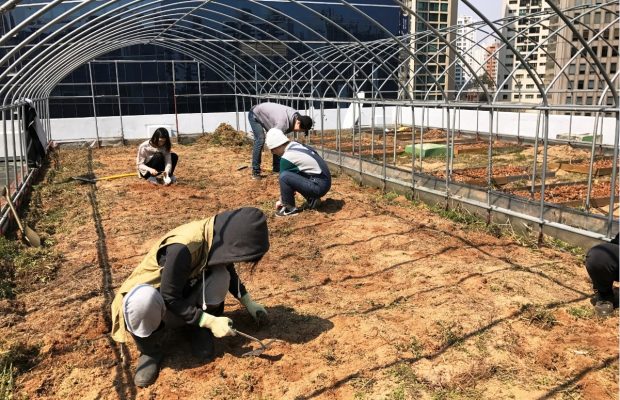
    Bolloré Logistics Korea recently installed an urban farm on its office rooftop building in Seoul, South Korea, as part of the Group’s initiative to promoting “Green Projects” and protecting biodiversity.

    Urban farming is a practice of growing your own food in the city, with limited space. Bolloré Logistics Korea has transformed the available rooftop space of its 6-floor office building into an urban farm, optimizing current available space resources. This urban farm is split into four parcels and covers a total space of 264 sqm.

    Bolloré Logistics Korea signed an agreement with Pajeori*, a non-profitable organization, to maintain the farm with volunteers from the nearby neighborhood in order to cultivate each a small parcel of the Urban Garden, therefore making it a community base project as well.

    The urban farm is growing organic fruits and vegetables as only natural fertilizers mostly made from rice bran are and will be used. Bolloré Logistics Korea also plans to grow traditional Korean fruits and vegetables which are not always found anymore in big retail stores, as they are difficult to grow and conserve since they require a wide range of unique resources for food and agriculture.

    Some honey plants will also be planted in order to attract pollinators. Back in 2016, Bolloré Logistics Korea sponsored a wooden beehive structure (“Honey Factory”) to create awareness of the vital role of bees in our lives as they are a crucial component of food production and are responsible for a third of the food that we eat.

    Bolloré Logistics Korea looks forward to harvesting the very first crops in the upcoming months.

    Fully in line with the biodiversity action plan put into effect within the Group, Bolloré Logistics’ biodiversity strategy has three fundamental pillars based on the ARC concept (Avoid / Reduce / Compensate):

    • Embracing biodiversity as one of the company’s environmental concerns;
    • Working with customers and suppliers on biodiversity issues and the impact of our activities;
    • Make our sites models for biodiversity, all over the world.
  • Lao Dairy Farm carves out healthy market niche

    Lao Dairy Farm carves out healthy market niche

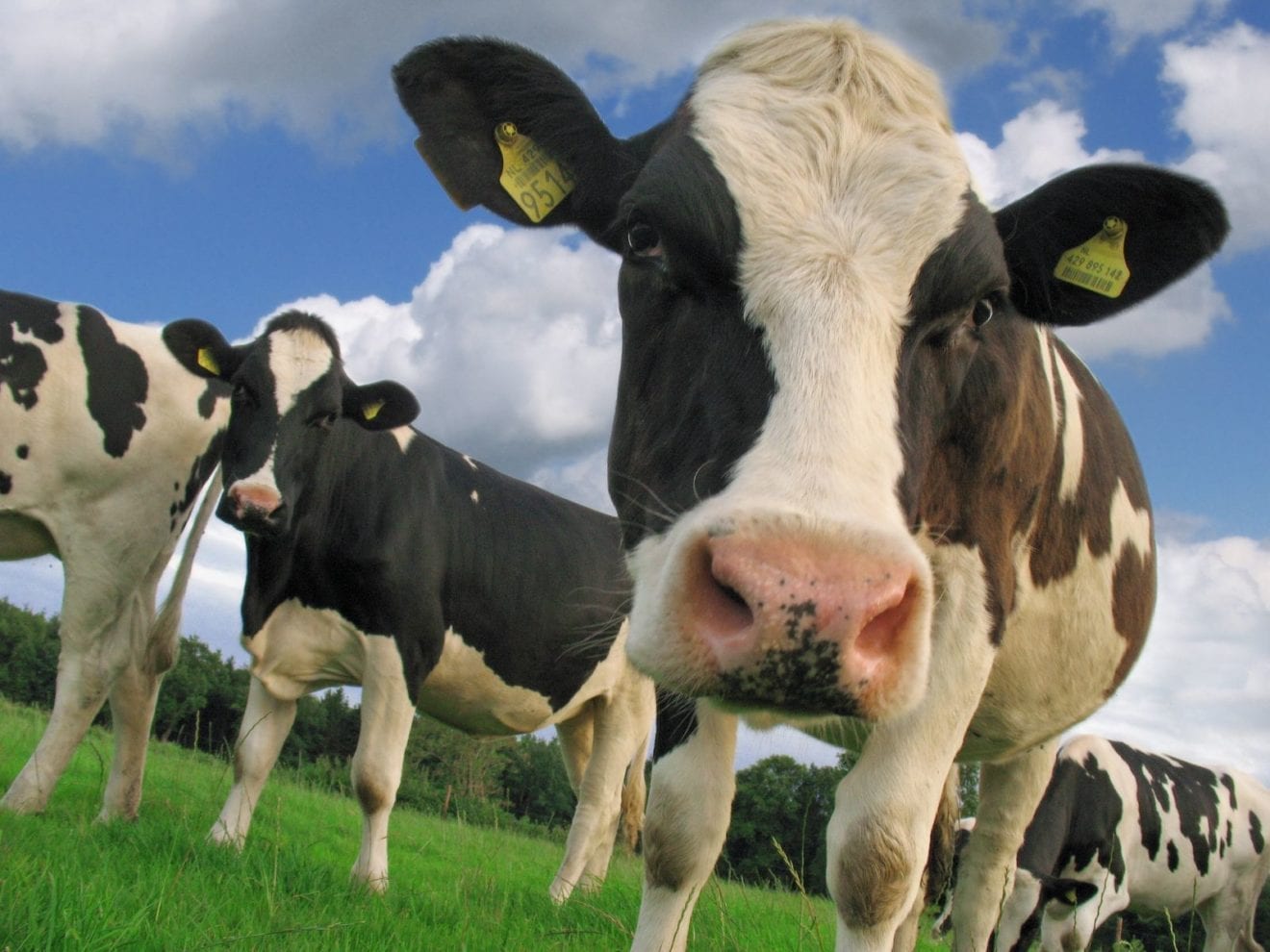
    The farm is located in Naxineua village, Naxaithong district. It keeps a variety of animals, including goats, pigs, ducks, chicken, and fish, but its mainstay is ists herd of dairy cows.

    Farm Director Sengmany Yathotou told last week that they began in 2014 with 16 cows which they kept for the family’s use and tended to after work because the family enjoyed agricultural activities.

    To start with, they never thought about how much milk they obtained from the cows each day and didn’t think about selling it. They used it only for their own consumption, sometimes giving some to their neighbours, friends or relatives.

    After a year, people in the neighbourhood and nearby shops started asking them to provide milk for sale because they had tried it and liked the taste.

    They started to sell the milk in markets and shops in Vientiane such as M-Point Mart, and coffee and cake shops, and have since expanded their distribution from four to eight minimarts.

    Their 16 original cows were bred in Australia but were imported from Thailand. The family now has 110 cows including some calves that were born on the farm.

    Sengmany says the farm is equipped with modern technology that ensures all the milk is hygienically produced and the milk-based products are made on the premises.

    The farm is now promoting its “Crysta” brand and hopes it will become widely recognised and be able to compete with overseas milk brands.

    The cows are milked twice a day, with each giving 10 to 15 litres, making a daily total of about 450 litres.

    Sengmany plans to expand her milk market in the provinces of Luang Prabang, Xieng Khuang and Attapeu, and is currently looking at transport costs.

    “Keeping a dairy herd is still something new for us, especially getting the cows pregnant so that they produce calves. It’s very difficult as we’re not very familiar with this and run the risk of the newborn being a male rather than a female, and of course we would prefer females,” she says.

    “The second challenge is that we have to get more people interested in eating and drinking food produced in Laos. But we’re sure that if they try our products they will find that the taste and quality is the same as international brands.”

    The farm covers more than 10 hectares, including fields of Napier grass and sweetcorn for the cows to eat.

    The family makes pasteurised milk, yogurt, and yogurt drinks.

    The milk is popular with expatriates and is also used to make cheese, which is sold to shops.

    The Lao Dairy Farm employs 40 people including two specialists from Thailand and Vietnam who studied milk production in Denmark.

    “Some of our cows are pregnant and there are three or four births each month, so that means we will have more cows and we’re sure to get at least 700 litres of milk a day in the next three months and then we will expand our market to the provinces,” Sengmany says.

    The cows’ pregnancy lasts for nine months after which they produce milk. The calves can become pregnant when they are one year old.

    Some of her customers ask Sengmany why her products are not cheaper since they are made in Laos. But she explains that everything on the farm is new and imported, especially the medicines and vitamins that are given to the cows. They use high quality materials but she points out that their retail prices are no higher than anyone else’s.

    The Lao Dairy Farm plans to open a cafe on the first floor of Lao-ITECC, which will feature milk and yogurt, as part of its market expansion plans.