Retail News CRM

Tag: farmers

  • New Zealand Dairy Farmers Rejoice: Global Demand Triggers a 6.3% Surge in Dairy Prices

    New Zealand Dairy Farmers Rejoice: Global Demand Triggers a 6.3% Surge in Dairy Prices

    Cattle farmers in New Zealand have been given a much-needed boost as the Global Dairy Trade (GDT) announced a rise in pricing in its most recent index.

    On the 6th of January, the GDT conducted its latest auction, which resulted in dairy prices experiencing a 6.3% surge. Leading the pack were whole milk prices, which showed a 7.2% jump. This was followed by skim milk, which increased by 5.4%, and finally, butter, which saw a 3.8% upturn.

    After reaching a peak in early March of 2025, dairy prices had been on a steady decline. The current upward trend is a response to an increase in demand, according to the GDT.

    The GDT holds its sales events bi-monthly, attracting an international pool of bidders. These events are an opportunity for the GDT to implement its ‘price discovery process’. This complex mechanism calculates accurate price levels for global dairy products by considering factors such as supply, demand, and bidding.

    New Zealand’s primary export remains dairy products. The country’s largest dairy markets are China, Australia, and the United States.

    Questions & Answers

    How much did dairy prices increase in the latest GDT auction?
    Dairy prices rose by 6.3% in the most recent GDT auction. Whole milk saw the largest increase with a 7.2% surge, followed by skim milk at 5.4% and butter at 3.8%.

    What is the ‘price discovery process’ implemented by the GDT?
    The ‘price discovery process’ is a sophisticated system used by the GDT to determine accurate price levels for the world’s dairy products. It takes into account factors like supply, demand, and bidding.

    What are New Zealand’s largest dairy export markets?
    New Zealand’s most substantial dairy export markets are China, Australia, and the United States.

  • Dak Lak Durian Crisis: Testing Halt Triggers Heavy Losses for Farmers and Exporters

    Dak Lak Durian Crisis: Testing Halt Triggers Heavy Losses for Farmers and Exporters

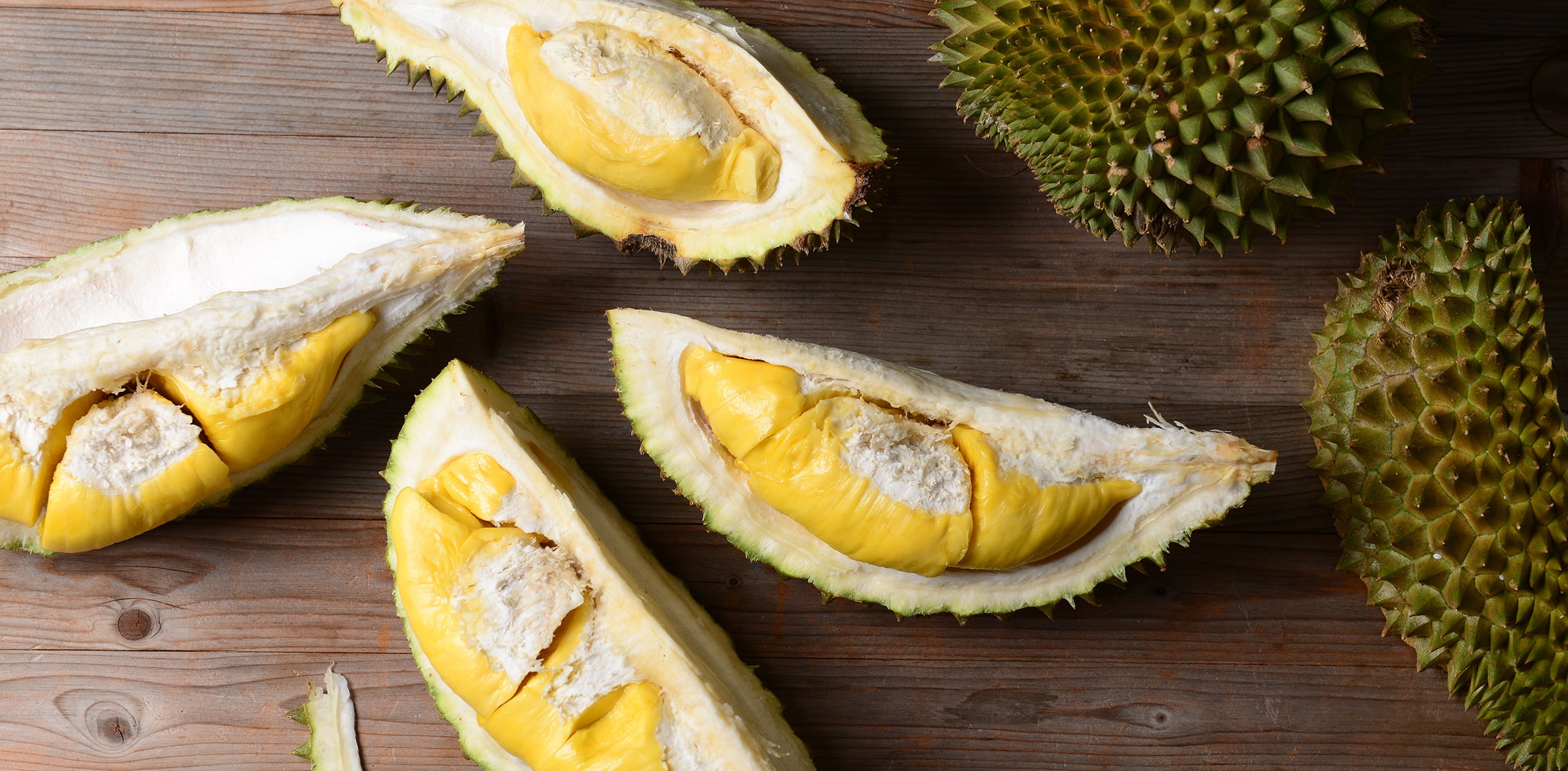
    Durian orchards in Dak Lak Province are suffering significant losses as export activities have halted and demand has plummeted due to delays in chemical residue testing. Doan Thi Thuy, an orchard owner in Krong Pak District, has experienced the harsh realities of this situation with fruits beginning to fall from her over 100 durian trees in recent days.

    Failed Deals and Falling Prices

    Thuy mentioned that several large-scale traders had shown interest in purchasing her durians for VND82,000 (US$3.12) per kilogram, even going so far as to put down deposits. Unfortunately, these deals fell through, forcing her to sell the now overripe fruits to smaller traders at a significantly reduced price of VND20,000-25,000 per kilogram.

    Impacts of Testing Delays

    The Dak Lak Durian Association recently highlighted that almost 2,000 containers of fruits have been stuck at various locations including warehouses, packing facilities, and border checkpoints since October 11. This bottleneck has occurred due to the halt in chemical residue testing, which is a critical step in obtaining the necessary certifications for export.

    The peak durian harvesting season in Dak Lak, a key producing province in the Central Highlands, is currently underway. However, the paused testing has resulted in significant losses for farmers.

    Orchard Owners Bearing the Brunt

    Doan Kiem, a durian farmer, has resorted to selling his durians, originally intended for export, at just a quarter of the agreed-upon price to anyone willing to buy. Kiem spends approximately VND600 million annually to maintain his 500-tree orchard and estimates his losses in the hundreds of millions due to this predicament.

    The pause in testing has not only affected farmers but also exporters who are left with no other option but to wait for the test results. Some businesses, fearing their fruits will spoil, have tried to sell in the domestic market or have processed them. Delays in testing have even caused several shipments of durians to crack and spoil, leading to losses amounting to billions of dong.

    The Path Forward

    A testing center in northern Vietnam expects to resume operations shortly. The temporary halt was to ensure the stability and accuracy of the equipment after its heavy use during the peak season. Vietnam has 24 labs that have been approved by Chinese customs to test a total of 3,200 samples per day. However, the heavy workload has led to equipment breakdowns at many labs, while others have had to pause operations due to license renewal processes.

    The Ministry of Agriculture and Environment has instructed relevant agencies to review all labs and provide necessary assistance. It has also advised the Plant Protection Department to cooperate with Chinese authorities to get more testing facilities approved.

    The Vietnam Fruit and Vegetable Association has suggested that testing facilities should plan their maintenance schedules in advance and notify businesses sooner to avoid further bottlenecks. It also encourages exporters to keep a close eye on market trends and adjust their shipping schedules to avoid congestion during peak seasons.

    Despite the current challenges, Vietnam managed to export $1.8 billion worth of durians in the first eight months of 2025. Fresh fruit shipments accounted for $1.52 billion of this total, marking a 25% decline from the previous year. However, frozen durian exports saw an impressive increase, up 127% to $265 million.

    Questions & Answers

    What is the main reason for the current losses in Dak Lak’s durian industry?
    The primary reason is the delay in chemical residue testing, which has halted exports and led to a significant drop in demand.

    How have testing delays affected durian farmers and exporters?
    Testing delays have resulted in massive losses for durian farmers, with fruits falling from trees and deals with traders falling through. Exporters are also in a bind as they can’t export their produce without the necessary certifications.

    What measures are being taken to resolve this issue?
    A testing center in northern Vietnam expects to resume operations shortly. Additionally, the Ministry of Agriculture and Environment has instructed relevant agencies to review all labs, provide necessary assistance, and work with Chinese authorities to get more testing facilities approved.
  • Bega Group Launches High Protein Milk, Tapping Into Rising Health-conscious Market Trend

    Bega Group Launches High Protein Milk, Tapping Into Rising Health-conscious Market Trend

    Introduction

    In response to growing consumer interest in the natural nutritional benefits of dairy, Bega Group’s Dairy Farmers brand is poised to unveil its High Protein Milk. The product, notable for its high protein content, aims to capture a market increasingly focused on the health advantages of daily food consumption.

    Product Features

    Each 300ml serving of Dairy Farmers’ High Protein Milk contains 18 grams of dairy protein. According to the company, this is the highest concentration of protein in any dairy milk currently on the Australian market. The product matches the protein levels found in Bega’s existing The Complete Dairy 1L range. Furthermore, this high-protein milk maintains the creamy flavor of traditional full-cream milk, balancing health benefits with taste.

    Health and Nutritional Benefits

    Katrina Strazdins, group manager of nutrition at Bega Group, noted that Dairy Farmers High Protein Milk is also rich in calcium. Therefore, when incorporated into a balanced diet, it can serve as a valuable tool for maintaining strong bones and muscles. Additionally, it can aid post-exercise recovery through its high protein content.

    Market Trends and Demand

    The product’s launch aligns with the rising demand for high-protein foods. Bega Group has observed a 23% year-on-year increase in the high-protein category. This trend is being driven by consumers that seek greater functional benefits from their everyday diets. Anjali De Silva, marketing manager of white milk at Bega Group, expressed that this growth in dairy milk presents an opportunity for consumers to leverage its potential as a convenient and natural source of high-quality protein.

    Availability

    Starting from July 14, Dairy Farmers High Protein Milk (2L) will be available in Coles stores throughout NSW, Victoria, and SA.

    Questions & Answers

    What is the protein content of Dairy Farmers High Protein Milk?
    A 300ml serving of Dairy Farmers High Protein Milk contains 18 grams of dairy protein.

    What is the significance of high protein in milk?
    High-protein milk can assist in maintaining strong bones and muscles, as well as aiding recovery after exercise.

    Where and when will Dairy Farmers High Protein Milk be available?
    Dairy Farmers High Protein Milk will be available from July 14 in Coles stores across NSW, Victoria, and SA.

  • Malaysian Farmers Explore Legal Action to Safeguard 2,400 Ha of Durian Farmland from Corporate Takeover

    Malaysian Farmers Explore Legal Action to Safeguard 2,400 Ha of Durian Farmland from Corporate Takeover

    The Save Musang King Alliance, under the leadership of president Wilson Chang, is raising alarms over DOA Plantation, a company barely a year old, for allegedly occupying approximately 2,400 hectares of durian orchards without proper consent.

    Accusations Made Against DOA Plantation

    Chang has voiced serious concerns that the firm has forcibly ousted farmers, marked their durian trees, and has yet to produce any official documentation to substantiate its claim over the land, as reported by Free Malaysia Today. In a recent social media post, Chang lamented, “There is strong reason to believe that the firm intends to harvest durians this season and profit from the hard work of local farmers, without any compensation.”

    Entirely undeterred, the alliance is exploring legal avenues to halt DOA Plantation’s operations and safeguard local growers’ rights. Chang also called attention to the puzzling circumstances surrounding how such a vast area of land was handed to a company led by directors from Penang and Sarawak, urging the Pahang government to clarify the situation. He emphasized, “We reaffirm our core belief that the land is the lifeblood of our farmers, and that every tree represents years of hard labour and care. No corporation should be allowed to exploit this without consequence.”

    The High Stakes in Durian Farming

    According to Chang, the new company aims to seize control of around 2,400 hectares of farmland, intertwining orchards that have previously sparked ownership disputes between local farmers and authorities. The anticipated harvest from these durian trees alone is estimated to be worth over RM100 million (US$24 million)—a lucrative bounty that has everyone on their toes.

    Chang also noted that although discussions with the Pahang government regarding the farmland have not completely met farmers’ demands, there has been “meaningful progress” after five years of determined resistance from Musang King durian farmers in Raub. To date, the price of Grade A durians has seen a boost from MYR30 per kg in 2020 to MYR35 today, along with clearer grading standards aimed at ensuring fairer payments for farmers.

    With these advancements in mind, the Save Musang King Alliance is contemplating an out-of-court settlement with the Pahang government, redirecting its energies toward the legal battle against DOA Plantation.

    Challenges Ahead

    In an earlier incident in April, the Pahang government cut down over 1,000 durian trees, asserting they were cultivated on illegally occupied land. The alliance claimed a court ruling from the previous May prohibited such demolitions, while authorities countered that no judicial orders were contravened and defended their right to clear the land.

    Meanwhile, the Malaysian Anti-Corruption Commission has announced it is currently gathering relevant documents as part of its investigation into the land encroachment allegations. Several former government officials linked to the case have been identified, but as yet, no arrests have been made. One can only wonder what surprising twists lie ahead in this unfolding saga of durian drama!

    Questions & Answers

    What are the main allegations against DOA Plantation?
    The main allegations include forcibly removing farmers from their land, marking trees for harvest, and failing to present any official documents proving their right to operate on the 2,400 hectares of durian orchards.

    How has the Pahang government responded to the situation?
    The Pahang government has defended its actions, including the removal of over 1,000 durian trees, stating they were on illegally occupied land and asserting that no court orders were violated.

    What next steps are being considered by the Save Musang King Alliance?
    The alliance is contemplating legal action against DOA Plantation while also considering an out-of-court settlement with the Pahang government to better focus their efforts in this ongoing land dispute.

  • Thai Farmers Rally for PM to Enlist Blackpink’s Lisa in Boosting Fruit Exports

    Thai Farmers Rally for PM to Enlist Blackpink’s Lisa in Boosting Fruit Exports

    Thai fruit growers have turned to Prime Minister Paetongtarn Shinawatra with an innovative proposal: enlist K-pop sensation Lisa (Lalisa Manoban) of Blackpink to champion the global promotion of Thai fruits. This request came during the Prime Minister’s recent visit to Chanthaburi province, where farmers highlighted Lisa’s star power as a key to accessing new markets beyond China.

    The farmers passionately argued that Lisa’s endorsement could significantly boost Thailand’s fruit exports, potentially generating over THB 500 billion (approximately US$15 billion) annually. Currently, the nation’s fruit export revenue stands at a considerably lower THB 200–300 billion. With Lisa’s impressive global presence—she boasts over 105 million Instagram followers and holds ambassadorial roles with luxury brands like Celine and Bulgari—the farmers believe her involvement could elevate Thai products on the international stage.

    During the meeting, farmers addressed several pressing challenges, including the critical need for faster customs clearance at border checkpoints, where shipments can face delays of up to 12 days. They urged for clearer regulations to combat premature harvesting of durians, which negatively affects both weight and quality. In addition, they advocated for better policies to address labor shortages, suggesting the extension of work permits for migrant laborers and enabling them to move between provinces for job opportunities. A proposed THB 100 million compensation fund for durian farmers and locals affected by wild elephant incursions also featured prominently in their discussions.

    In response, Prime Minister Paetongtarn assured the farmers that the government is working with companies to purchase surplus produce, thereby minimizing waste. She pledged to streamline export processes and confirmed that the Ministry of Labour will tackle agricultural workforce shortages. As part of her visit, the Prime Minister explored an exhibition by the Young Smart Farmer group, where innovative durian sales through livestreaming were showcased. She also took part in a durian-cutting event, highlighting her commitment to the fruit sector.

    Who knew a K-pop star could be the missing ingredient in boosting Thailand’s fruit exports?

    Questions & Answers

    What was the main request from Thai fruit growers to the Prime Minister?
    They urged Prime Minister Paetongtarn Shinawatra to invite K-pop star Lisa to promote Thai fruits globally, believing her popularity could enhance exports.

    What challenges did the farmers discuss during their meeting?
    They highlighted customs delays, premature harvesting regulations, labor shortages, and proposed a compensation fund for those affected by wild elephants.

    How did the Prime Minister respond to their concerns?
    She committed to improving export processes, addressing labor shortages, and collaborating with companies to purchase surplus produce to reduce waste.

  • Pinduoduo Trains Farmers in Online Commerce to Boost Agricultural Incomes

    Pinduoduo Trains Farmers in Online Commerce to Boost Agricultural Incomes

    Agricultural e-commerce platform Pinduoduo has helped to raise incomes for rural farming communities by widening market access for producers, who can now bypass intermediaries to sell directly to consumers.

    But while many farmers are aware of the benefits of selling online, they may still find it daunting to set up and run their own e-commerce business without help and training. This is especially so for those with less education and are less tech-savvy.

    Pinduoduo, which operates a digital platform connecting millions of farmers and consumers, identified the lack of digital skills as a potential sticking point toward wider adoption of agricultural e-commerce. Founded in 2015, Pinduoduo started as an online fresh produce retailer and has made it a core priority to use technology to improve agriculture.

    The company’s “Tech for Agri” approach is centered on increasing market accessibility, improving digital inclusion and literacy, and fostering innovation as key enablers for agricultural modernization.

    Recognizing that the lack of internet-savvy talent may prevent farming communities from participating fully in e-commerce and the digital economy, Pinduoduo set about creating a comprehensive learning platform to deliver courses for aspiring farmers to become agricultural entrepreneurs.

    In 2019, Pinduoduo partnered with China Agricultural University to train farmers on how to run their own online businesses. The inaugural class in Yunnan province was attended by dozens of local farmers. That year, Pinduoduo held more than 1,000 hours of instructor-led training sessions and trained hundreds of farmers. Together with its online courses, the company helped train 490,000 agricultural merchants.

    Since then, Pinduoduo has developed an extensive suite of online courses covering topics in business, finance and marketing. Delivered in the form of articles, videos and livestreaming sessions, the on-demand online courses leverage on the widespread availability of the mobile internet and provide a valuable resource for farmers and merchants to learn at their own pace.

    Pinduoduo has also focused on training the younger generation of farmers to take up e-commerce and help their communities. Many of these youths left their rural hometowns to work in big cities but have the desire to return to start their own businesses and to be closer to their families.

    As of the end of October 2021, more than 126,000 “New Farmers” born after 1995 have set up online stores on Pinduoduo. Many of these younger “New Farmers” have tertiary education.

    As digital natives, these “New Farmers” are more open to new technology and innovations. They are also more mindful of the need for more sustainable development in agriculture.

    Each young “New Farmer” is estimated to inspire another five to 10 youths to go into e-commerce. On average, each young “New Farmer” creates 50 local jobs directly and indirectly by boosting demand for ancillary services from logistics to packaging. This helps to grow agriculture-related industries and bolsters the agricultural ecosystem.

    To date, Pinduoduo has connected an estimated 16 million farmers to the digital economy through its platform. With its more than 800 million active consumers, Pinduoduo is helping to aggregate and channel consumer demand to benefit rural communities.


  • Dragon fruit suffers pandemic troubles

    Dragon fruit suffers pandemic troubles

    The Covid-19 pandemic has made it difficult for Vietnamese dragon fruits, in season now, to be exported.

    China, which accounts for some 80 percent of Vietnam’s total dragon fruit exports, has restricted the flow of goods at some border gates as part of its pandemic safety precautions.

    Meanwhile, for markets like the European Union, the U.S. and some Asian countries, the pandemic has caused an increase in logistics cost, and traders are facing fiercer competition from Taiwan, Thailand and Malaysia.

    To expand markets for its dragon fruit, Vietnam is seeking ways to penetrate new markets, including Australia and Japan.

    Ta Duc Minh, the commercial counselor at the Vietnamese embassy in Japan, said Vietnamese farmers and firms should ensure synchronous cycles from cultivation, harvest and preservation to transport and export to maintain the freshness and taste of dragon fruits.

    They should also intensify the application of advanced post-harvest technology to ensure product quality, he said.

    Phu proposed the central province of Binh Thuan and the southern province of Long An, the two country’s largest dragon fruit producers, should speed up processing and export of dried fruit as well as other products made from dragon fruits like wine and syrup.

    Binh Thuan has 33,750 hectares of dragon fruits with an average annual output of 650,000 tons. It currently has 240 dragon fruit collecting, semi-processing and packaging facilities, and six processing facilities that make different products with the fruit.

    According to the Long An Department of Industry and Trade, the province produces some 330,000 tons of dragon fruit each year.

  • Nearly 8,000 Vietnamese farmers take to online sales

    Nearly 8,000 Vietnamese farmers take to online sales

    Nearly 8,000 Vietnamese farmers started trading on e-commerce platforms in the first six months, up 191 percent year-on-year, as authorities pushed the development of the digital economy.

    The total value of agriculture produce on e-commerce platforms in the period tripled to VND944 billion ($41 million), according to a Ministry of Information and Communications report.

    It stated this was the result of the ministry and municipal authorities pushing postal companies to partner with e-commerce platforms to help distribute produce.

    This year, Vietnam’s lychees became the first agricultural produce to be exported to Europe via a domestic e-commerce platform.

    Minister of Information and Communications Nguyen Manh Hung said e-commerce and logistics is the future of the postal sector, thanks to technology paving the way.

    Vietnam’s digital economy is forecast to grow by 29 percent annually from 2020 to $52 billion by 2025, according to a study by Google, Temasek Holdings and Bain & Co.

  • Farmers staff go on Strike

    Farmers staff go on Strike

    Employees of local department store chain Farmers have walked off the job in the first of a series of planned actions to combat the retailer’s reliance on an “unfair performance pay system”, according to First Union.

    Workers gave Farmers an ‘F’ for payment issues, including the performance pay system that keeps wages down, as well as Farmers’ refusal to pay a living wage.

    Staff will be wearing an “F for Farmers: Farmers Workers Deserve a Living Wage” sticker on their shirt at 40 of the retail chain’s 56 stores, according to NZ Herald.

    “Eighty per cent of Farmers workers are on less than the Living Wage,” First Union retail, finance and commerce divisional secretary Tali Williams said, calling the business’s pay rates an embarrassment.

    “Minimum wages are not enough to live on. Farmers is well behind other major retailers with its pay rates.

    “What’s worse is that Farmers is one of the only major retailers with a performance pay system that actively keeps wages down.”

    Farmers workers typically start on around the minimum wage ($16.50 an hour), but the retailer’s pay scale tends to end at around $17.50 with any further pay increases tied to staff performance.

    This is not the first strike the retailer has faced in recent memory, with similar actions taken by staff last year.

    First Union’s ‘Worth It’ campaign, started in April 2018, aims to encourage business to pay a living wage of $20.55 per hour to employees to assist the almost 20 per cent of New Zealand workers who are at risk in insecure or low-paid jobs.

    “Farmers needs to listen to their own family values and return to the bargaining table with a Living Wage for workers and their families,” Williams said.

  • No new buyer found yet for Aussie Farmers Direct

    No new buyer found yet for Aussie Farmers Direct

    The administrators of Aussie Farmers Direct have recommended that the company be wound up after failing to find a buyer for the business ahead of a second creditors meeting later this week.

    Owing $86.7 million, Stay in Bed Milk & Bread (traded as Aussie Farmers Direct) is expected to yield only $3.4 million in realisable value, leaving creditors $69.2 million out of pocket, KordaMentha administrators Craig Shepard and Leanne Chesser said.

    Recoverable assets include a database of around 100,000 customers, the sale of which is currently being finalised with interested parties.

    In the months leading up to SIBMB and sister business The General Store (TGS) falling into administration management had attempted to secure a buyer, but despite three parties expressing interest in February they were unable to secure a deal.

    Founders Jordan Muir and William Scott had even considered a public float in mid-2017 to secure additional capital for the loss-making business, which burned through $70 million in private investment over four years.

    The final death knell for the business came after the investors behind AFD’s holding company withdrew financial support in March following unsuccessful attempts to restructure the business into a profitable operation, leaving the company losing around $500,000 per week without a backer.

    In addition to the loss of investment, administrators added that the food, grocery and meal kit delivery business’ strategy was overly focused on sales growth driving unsustainable investment in expensive systems such as IT and logistics infrastructure.

    Administrators also agreed with the view of management that it was ultimately unable to compete with Coles and Woolworths.

    SIBMB had been booking losses for several years prior to its collapse, which worsened from a $10.9 million loss in FY15 to a $21.3 million loss in FY17.

    TGS was initially making a small profit, but by FY17 booked losses of $627,000.

    A second meeting of creditors will be held in Melbourne on Thursday 19 April, at which time the process of formally shutting down the remnants of the business is expected to progress.

  • Jollibee poultry plant gives chicken farmers new income opportunity

    Jollibee poultry plant gives chicken farmers new income opportunity

    Cargill Joy Poultry Meat Production Inc. opened on Tuesday, giving chicken farmers in Batangas and nearby provinces new income opportunities, Jollibee Foods said Wednesday.

    A joint venture between Jollibee Foods and Minneapolis, USA-based Cargill , the largest poultry processing plant in the country has a yearly capacity of 45 million chickens.

    “The plant increases income opportunities for local poultry farmers in Batangas and nearby provinces as they will supply the chickens to be processed at the JFC facility,” according to Jollibee Foods.

    The poultry plant in Santo Tomas, Batangas will supply the demand of JFC bands with dressed and marinated chicken.

    “C-Joy is partnering with local poultry farmers in Batangas and nearby provinces to supply the new facility with chicken,” according to Cargill.

    “We are looking forward to producing the chickens that will be supplied to the C-Joy plant to meet the poultry meat requirements of Jollibee,” said Vic Lao, president of Highcrest Corp., a partner-grower of the C-Joy.

    Cargill and Jollibee Foods revealed the partnership in May last year, saying the processing plant will create an estimated 1,000 new full-time jobs in Batangas.

    They said the plant will be 70-percent owned by Cargill Philippines which will oversee the setting up, management, and operations, with Jollibee Foods owning 30 percent.

    JFC invested P244.9 million in the processing plant, and P15.2 million in Cargill Joy Poultry Realty Inc. from which C-Joy leased the land to build the facility.

    The poultry processing plant is industry positive, according to the United Broilers Raisers Association.

    “This is positive for the industry as this will promote competition among big market players like San Miguel and Bounty fresh,” UBRA president Bong Inciong told GMA News Online.

    “Maganda rin ‘yan kasi kaunti lang ‘yung big players. So, healthy for the industry na may competition sila. Also, ‘yung mga small farmers will be given opportunity to grow kasi meron silang bagong malaking client,” he added.

    Summit Securities Inc. president Harry Liu said the development will have an impact on the financial condition of Jollibee Foods.

    “I think it will help the bottom line. I am sure they are doing this investment for future requirement and steady supply for the business now and in the future,” he said in a separate text message.

    JFC closed the third quarter with a net profit of P1.62 billion, up 21.1 percent from a year earlier.

  • Japanese Farmers’ Market lands at Changi

    Japanese Farmers’ Market lands at Changi

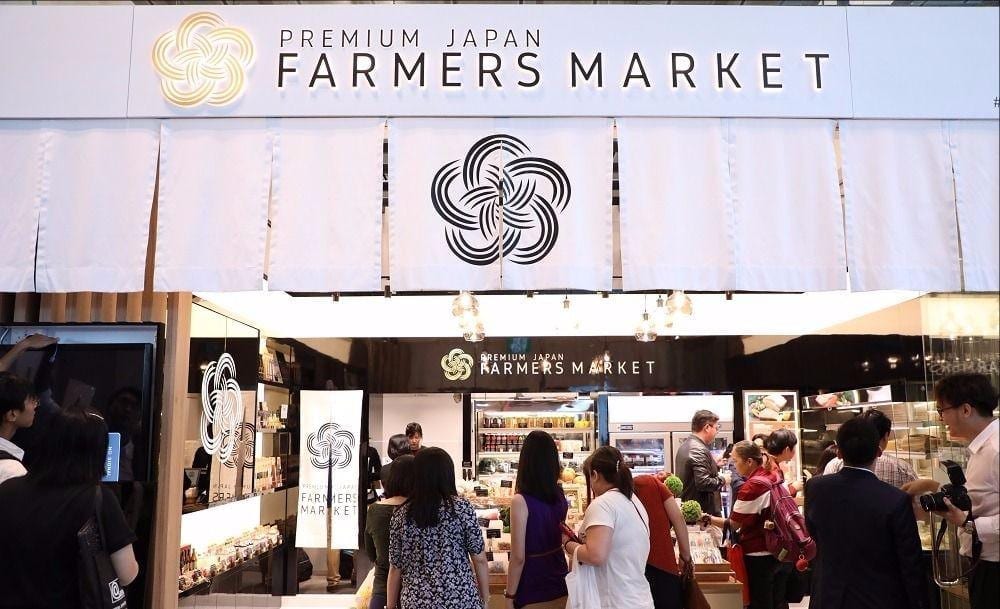
    Hailed as a Singapore first, the Premium Japanese Farmers Market offers everything from seasonal vegetables and fruits to meat products and sake imported from Japan – in Changi Airport’s Terminal 3 departure hall.

    Some items, including egoma tea, a special sushi selection and wagyu sake, are new to Singapore.

    The store also offers ready-to-eat bento boxes by Go-Zen, which can be customised from a range of 25 ingredients including scallops, snow crab, ikura salmon roe, Niigata Japanese rice and wagyu beef.

  • Australian egg farmers have sent the first shipment of eggs to South Korea

    Australian egg farmers have sent the first shipment of eggs to South Korea

    Australian egg farmers have sent the first shipment of eggs to South Korea, to help ease a major shortage caused by an Avian influenza outbreak.

    Approximately 30 million birds have been culled to stem the spread of the disease, causing a shortfall of around 15 million dozen eggs each week.

    Prices of eggs and other poultry products have soared as a result, with retail egg prices rising by around 21.5 per cent to $2.50 (2,207 KRW) for 10 eggs.

    But at the farm gate, farmers have raised the price of eggs they are selling by 50 per cent to $1.75 (1,551 KRW).

    The outbreak is the first in seven months, caused by a highly contagious new strain, H5N6.

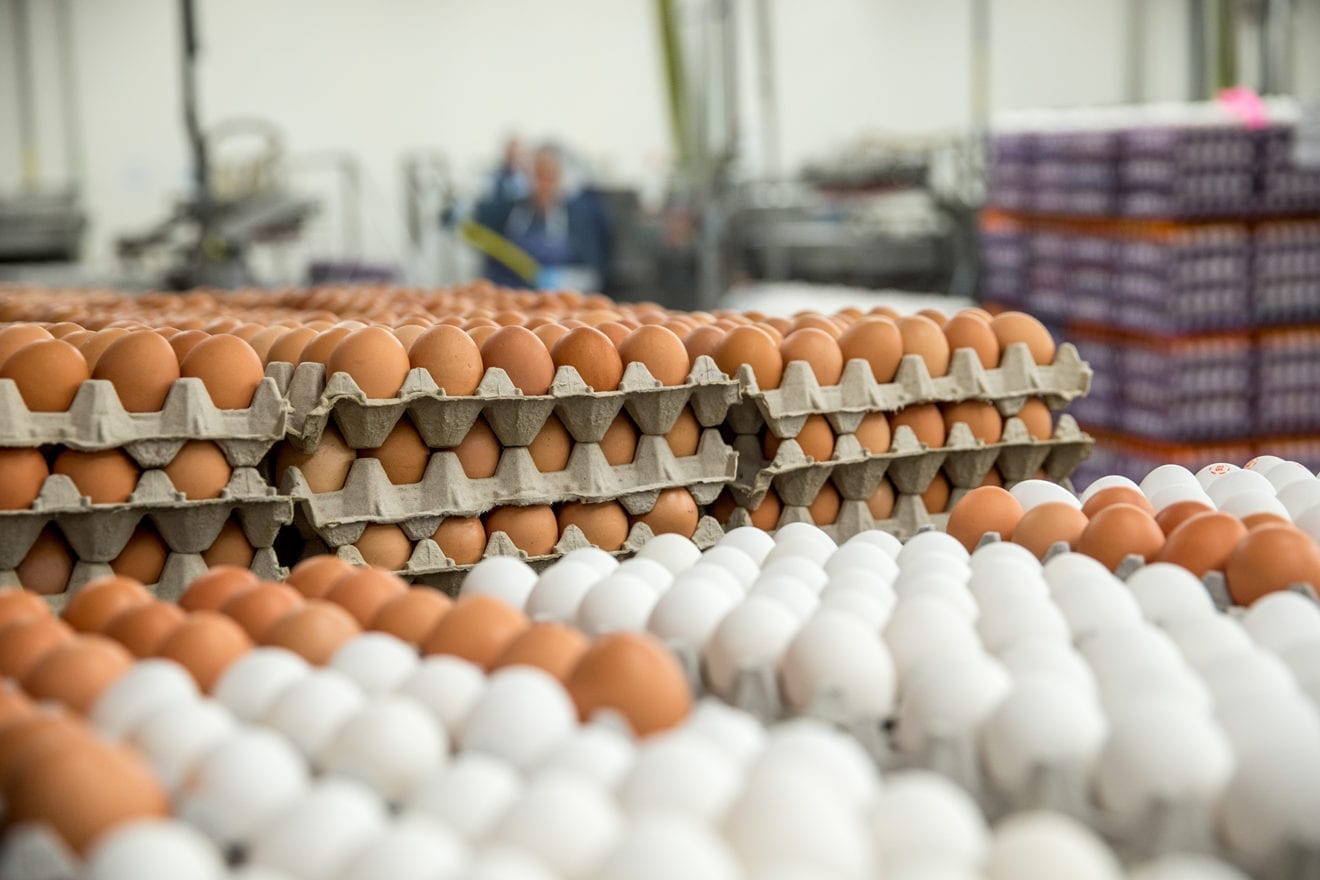
    Huge shipments of white eggs are already arriving from the USA, but Koreans have a preference for brown eggs, and that is where Australian farmers are stepping in.

    It is estimated around $20 million worth of eggs will be sent to South Korea, aided by a recently inked export agreement approved by South Korea, which permits the sale of Australian eggs.

    Industry body, the Australian Egg Corporation Limited managing director Rowan McMonnies said the urgency of the situation had help negotiations between the Australian Department of Agriculture and Water Resources and the South Korean government.

    “South Koreans are some of the biggest egg consumers in the world,” Mr McMonnies said.

    In comparison, Australians east around 227 eggs per person annually, the British consume 182 and South African eat 150 each per year.”

    All tariffs on imported eggs have been suspended until at least 30 June 2017.

    The first shipment of eggs left Australia by air last week, and further shipments will be sent by sea in the coming months.

    Mr McMonnies said the export of eggs to South Korea would not impact domestic supplies.

    “The Australian egg market is very large and Australian egg farmers are always seeking to balance supply and demand.

    “If anything this represents an opportunity for the expansion of the industry.”

  • DHL eCommerce offers e-commerce expertise and logistics services to help Thai rice farmers

    DHL eCommerce offers e-commerce expertise and logistics services to help Thai rice farmers

    DHL eCommerce, a division of Deutsche Post DHL Group, has collaborated with the Ministry of Commerce in Thailand to offer e-commerce expertise and logistics services free of charge for a period of four months to help Thai farmers grow their business and reap the benefits from selling on e-commerce platforms. This follows recent challenging market conditions which have seen an oversupply of rice and strong export competition.

    do_download

    Partnering with the Thailand Ministry of Commerce’s Department of International Trade Promotion (DITP), DHL eCommerce works with farmer co-ops across Thailand to help set up and enable an easy and streamlined process to manage their online inventory and ship to consumers domestically. Experts from DHL eCommerce advise and support farmers by integrating their sales processes with e-commerce portals on BentoWeb, a local e-commerce services provider which has been pre-integrated with the DHL eCommerce Customer Web Portal. Once on BentoWeb, farmers will be able to easily arrange for deliveries and shipments quickly at a click of a button, allowing rice goods to be picked and dispatched to end consumers located in Thailand.

    The collaboration combines the global logistics experience of DHL with the in-depth local market knowledge from DHL eCommerce Thailand, the Ministry of Commerce Thailand and BentoWeb, allowing farmers to benefit from solutions that are tailored to their specific needs. The Ministry of Commerce will work on promoting and registering farmers on www.thaitrade.com/rice while BentoWeb will enable the online order process and inventory management for the farmers. DHL eCommerce will pick up the products from the farms and deliver them free of charge to the consumers directly.

    “We are extremely honored to have this opportunity to use our e-commerce expertise and logistics services to make a positive impact on the farmers’ businesses and their livelihoods. As an organization operating in Thailand, providing both domestic as well as international delivery services to the local businesses, we are committed to the Thailand market. Wherever and whenever we can contribute to the local communities, we will do our utmost best to support,” said Kiattichai Pitpreecha, Managing Director, DHL eCommerce Thailand.

    Thailand is one of the world’s leading rice exporters with an expected output of 25 million tonnes of rice expected in the 2016/17 production year. “The Ministry of Commerce has been rolling out a series of programs aimed at helping the local farmers and one such initiative is this collaboration with DHL eCommerce Thailand to help farmers sell their produce online. We have been working together in the past three weeks to onboard these farmers onto the e-commerce platform so that domestic consumers can place orders and have DHL eCommerce deliver to their doorsteps. We are extremely heartened that an organization such as DHL eCommerce is putting their foot forward to help the local communities,” said Mrs Apiradi Tantraporn, Minister of Commerce, the Royal Thai Government.

    For farmer co-ops like Ban Um-sang Rice Community, they have managed to take the matter of the rice supply glut in their stride and tap onto the opportunities of e-commerce thanks to DHL eCommerce. Ban Um-sang Rice Community explained, “The internet has opened up more possibilities for us farmers to do business. We can communicate and connect with customers directly, previously impossible with more traditional methods. We don’t have to worry about organizing our deliveries too, as they are taken care of by experienced logistics specialists. By giving us more options, e-commerce makes us less affected by existing market forces and gives us the freedom to improve our sales in new ways.”

    In addition to DHL eCommerce’s international delivery capabilities, it has since the beginning of this year been offering domestic delivery services in the Thai market. Identifying the country as one of the fast-growing e-commerce markets, DHL eCommerce established end-to-end domestic and international delivery solutions for Thai e-commerce merchants. The company has a 3,000 sqm central distribution center in Bangkok and a network of over 40 depots located throughout the country for nation-wide logistics connectivity. By 2017, DHL eCommerce aims to more than double the number of depots and enhance its fleet with two-wheel vehicles that can surmount Thailand’s complex last-mile delivery challenges.

  • Thai farmers receive government loans to stabilize market prices

    Thai farmers receive government loans to stabilize market prices

    Thailand is the world’s second largest rice exporter, and it is confronted by a fall in prices that has mostly affected the rice farmers, with prices hitting a thirteen months low. Now the Thai Government has taken action and has proposed a set of measures with would help alleviate the pressure from the country’s rice farmers.

    According to Thailand’s Minister of Commerce Apiradee Tantraporn, rice farmers will receive 10,500 baht, or 299 US dollars, for every tonne of white paddy stored. The measure is aimed at all Thai farmers, with those who store Thai Pathum Thani fragrant rice to receive 11,300 baht, that is 322 US dollars, per tonne.

    “The overall budget is set at 18 billion baht ($514 million). This is to help relieve grievances farmers are facing while the main crop is being harvested,” Mrs. Apiradee Tantraporn told journalists.

    Last week, the government announced it would offer loans worth 1,3 billion US dollars to jasmine rice farmers, if they store the grain for at least six months to slow down market supply.

    Another measure the government has taken is easier access to open rice paddy markets. Mrs. Tantraporn said this is in order to boost competition among rice farmers and for their benefit, in the middle of this period’s price depression. According to state officials, in the province of Udon Thani’s retail centres and PTT gas stations, markets will be opened in the next weeks. Here the farmers will be allowed to sell their rice and negotiate the prices directly with the buyers, circumventing the need for intermediaries.

    Action is also taken in Lopburi and Sukhothai, where the government and other agencies have joined forces in order to promote and allow farmers to sell their rice directly. In Sukhothai, milled rice was on sale at up to 40% discount prices, while in Lopburi, the Si Sa Ket police was put together a market for farmers to sell the rice to their families and police staff.

    In total, there will be no less than  109 open markets organised in 44 provinces, all with the sole purpose to to help farmers sell rice paddy directly to consumers.