Tag: fashion brand

  • Guess announces new CEO

    Guess announces new CEO

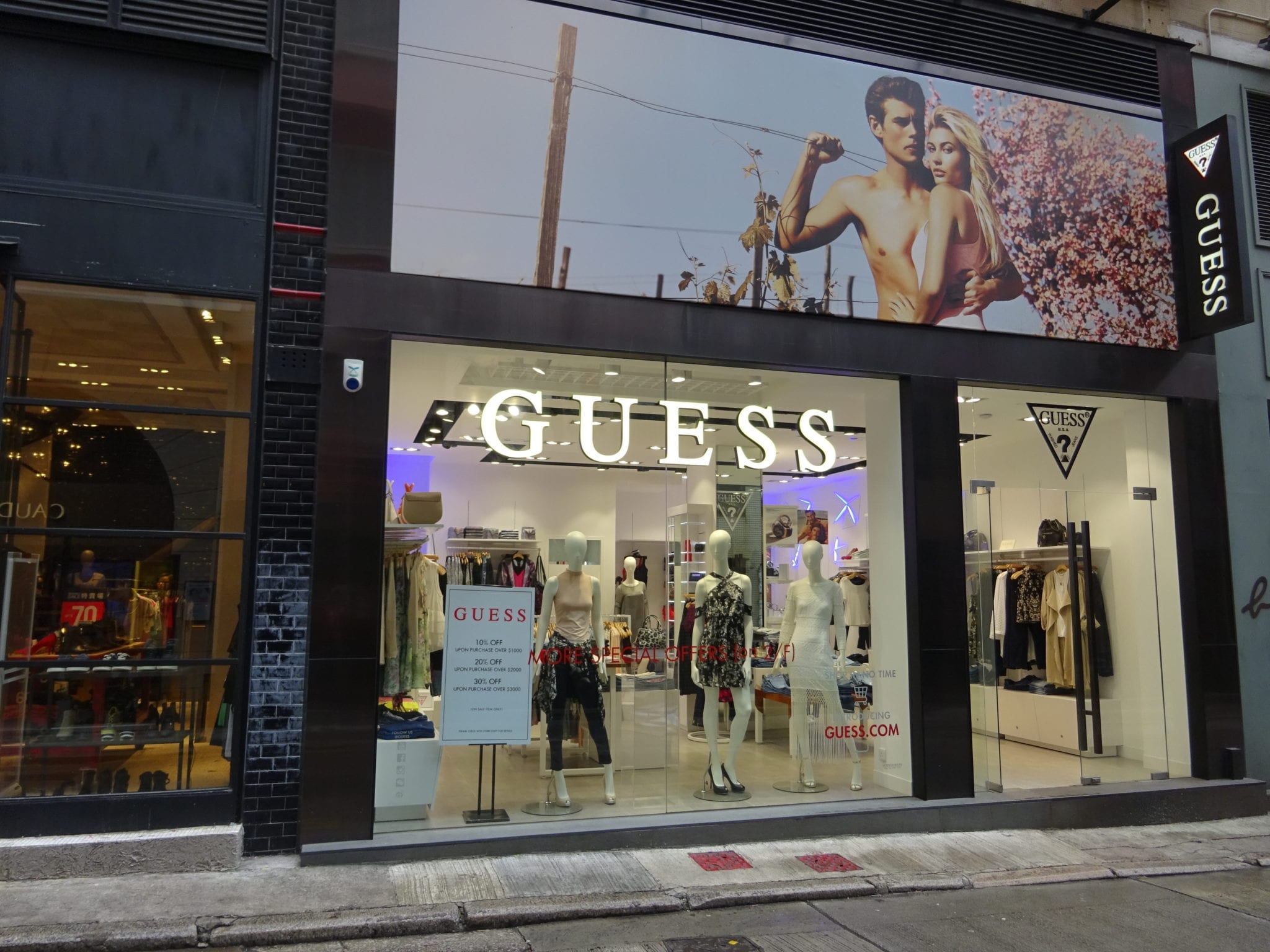
    Iconic American fashion brand Guess Inc. announced that its chief executive officer and director, Victor Herrero, is leaving the company effective February 2, 2019. Carlos Alberini, who served as Guess’s president and chief operating officer more than ten years ago, will replace Herrero.

    “On behalf of the Board of Directors, I want to thank Victor for his contributions during his tenure and wish him well in his endeavors,” said Maurice Marciano, chairman of the board.

    Alberini has been appointed as the new CEO and a Director of the company, “effective upon his separation from his current employer,” said Guess in a press release detailing the new hire on January 28.

    Alberini served as COO for the Californian company from 2000 to 2010. He was co-CEO of Restoration Hardware until 2014, and a director on the board of Restoration Hardware from 2010 until present.

    More recently, Alberini has been the Chairman and CEO of Lucky Brand, a role he took on from 2014.

    “I am very excited to have Carlos coming back as CEO at Guess. He was instrumental in building the international business in Europe and Asia during his 10-year tenure with the company,” said Maurice Marciano.

    The company also announced that Marciano has agreed to remain as Chief Creative Officer. His employment will be “at will”, according to Guess.
    During the transition, Marciano will be acting as interim Chief Executive Officer.

    In 2017-2018 financial year, Guess witnessed a steady growth track in Asia, notably in China.

    In March last year, the brand said it planned to open 60 stores in Asia, after also opening its first subsidiary in Singapore.

    In same financial year, the group said it improved its gross margin in Asia by 470 base points, with sales up 40 percent.

  • Uniqlo opens Manchester flagship, expands beyond London

    Uniqlo opens Manchester flagship, expands beyond London

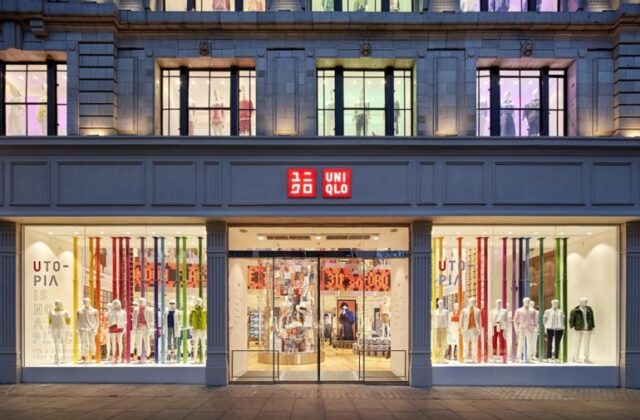
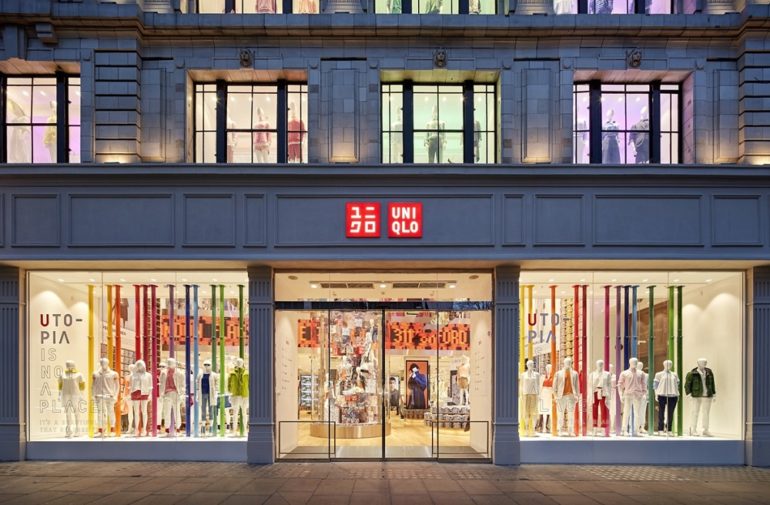
    Japanese retail chain Uniqlo is expanding its store network internationally, announcing the opening of its latest store in the UK. Opening in the city of Manchester, Uniqlo is returning the British city after leaving Manchester back in 2004, not long after it entered the UK market. Uniqlo revealed the news this week on its Instagram: “Uniqlo Manchester – opening spring 2019. Tokyo heads up North. Register for updates on our Manchester store opening at the link in bio.”

    The post also gave location details, revealing the store is slated for Manchester Arnadale at 57 Market Street. The address is the former-space of closed down UK retail chain BHS, which shuttered on Market Street in August 2016, after 35 years of service on the city’s main shopping strip.

    The new store will occupy a 22,690 square feet and will sell Uniqlo’s full range of core items for men, women and kids, as well as jeans and t-shirts.

    The retailer said that the expansion north of London was an important step in its UK growth.

    “The launch of Uniqlo in Manchester represents another major milestone for us in the UK, as we continue to expand our presence in this important market for the company worldwide,” Uniqlo chief executive Taku Morikawa said.

    “We are very excited to be able to offer Uniqlo LifeWear to the people of Manchester and surrounding areas for the first time and show how our high quality, comfortable and functional clothing can help improve their everyday lives.”

    It is hoped that Uniqlo Manchester will fair better than BHS, and in turn compete strongly with fellow fast-fashion brands Primark and H&M, which are currently set up in the millennial-heavy city.

    Uniqlo first launched 20 stores in the UK, but then closed 15 sites outside of London three years later, including two in Manchester.

    It currently operates nine stores across London, one in Kent at Bluewater shopping centre and another in Oxford at Westgate.

    In its most recent earnings update, Uniqlo Europe said that in the year up to August 31, 2018, profits rose from €673,000 to €6.3million on a turnover of €533million, up from €410million.

  • D&G opens boutique in Osaka Japan

    D&G opens boutique in Osaka Japan

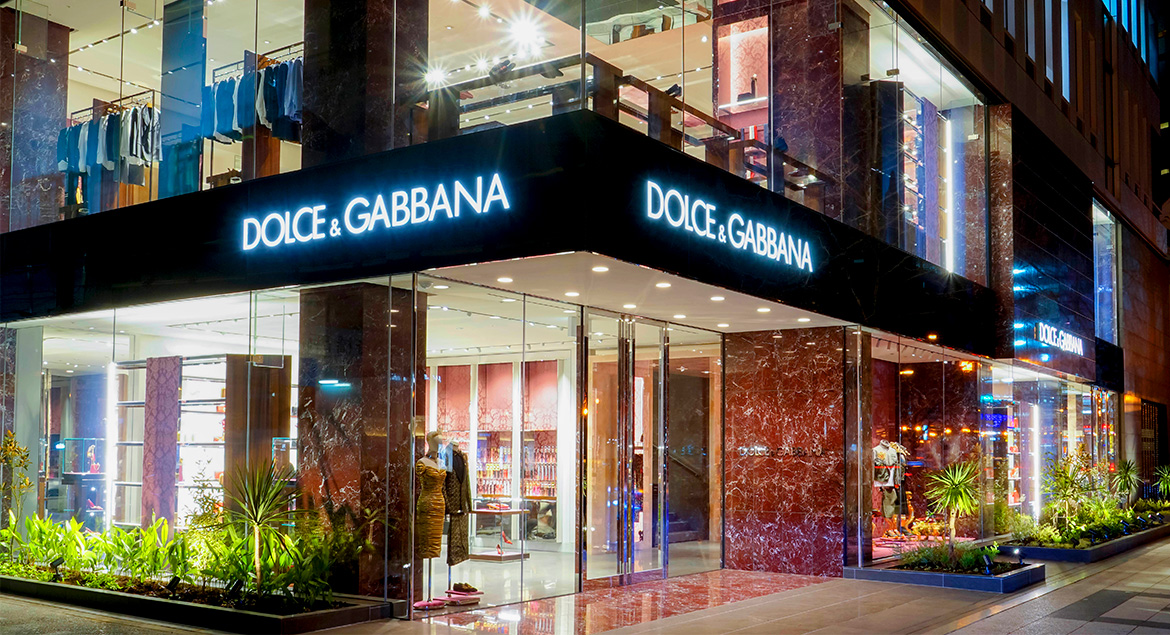
    Luxury brand Dolce & Gabbana has opened a new D&G Osaka store. The two-level, 905sqm #DGLovesOsaka boutique at Midosuji is designed to reflect the unique local features of Osaka while still representing the brand’s heritage, with red marble and pink onyx finishings touched off by pink rugs and wallpaper. A large baroque-styled mirror is a centrepiece of the decor.

    The #DGLovesOsaka boutique stocks ready-to-wear collections and accessories for men, women, and children.

  • More about Japanese label HYKE

    More about Japanese label HYKE

    HYKE enjoys a massive following in its native Japan, slowly developed since its inception in 2013. Over the past six years the label, led by married designers Yukiko Ode and Hideaki Yoshihara, has cultivated a horde of Japanese devotees attracted to HYKE’s neutral color palettes, tweaked militaria and effortless elegance. This following has garnered stockists that include some of the nation’s largest department stores, like Isetan, UNITED ARROWS and the Japanese branch of Barneys New York.

    Despite the independent brand’s commercial and critical success in Japan, HYKE remained an obscurity to even the most fashion-savvy shoppers outside of Asia. That was until the brand’s collections with The North Face received such international acclaim that the partners created a dedicated Instagram page and website exclusively for the ongoing collaboration.

    Behind the covetable technical collaborations, however, the underappreciated Japanese label has quietly advanced its singular vision with a laser focus.

    In 1997, Ode and Yoshihara launched a vintage clothing store, dubbed “bowls.” “We would go buy only the best clothes overseas and then put our favorite items on display in the shop,” the designers told the Woolmark Company in August 2016. “When we found clothes we liked, we didn’t want to sell them to anyone else. We decided that we would instead make clothing that contained the essence of what we liked, and that’s how our first brand, green, started.”

    Veterans of two different Japanese fashion schools, Ode and Yoshihara spent time as a stylist and patternmaker, respectively, before opening the store and launching green a year later.

    Guided by the philosophy of beauty through functionality, green offered simple yet thoughtfully-crafted, vintage-inspired womenswear in an era that was not known for understated clothing. Though minimalist fashion is de rigueur now, early 2000s style was rife with loud party dresses, flashy logos and gold accents.

    Thus, green’s fur-trimmed parkas, relaxed denim and muted trench coats seem even more prescient when reexamined 20 years later. A growing demand encouraged Ode and Yoshihara to introduce a brief men’s offering alongside the more expansive womenswear line, eventually taking green to the runway for the label’s final season, Spring/Summer 2009.

    Following green’s tenth anniversary, Ode and Yoshihara shuttered the label in October 2009; by then green had ballooned from a small side project to one of Japan’s pre-eminent womenswear brands. The couple retreated from fashion altogether, taking several years off to reformat their approach to design and raise their two children. In doing so, the duo shifted bowls from a vintage boutique to a management company before debuting their new flagship label, HYKE, in 2013.

    HYKE thrived almost immediately, thanks to its appreciably clean, minimalistic designs and the accumulated green fanbase. Ode and Yoshihara aim “to evolve fashion history by our heartstrings,” recreating militaristic garments with custom fabrics. Though some clothes sport playful fringe or deep pleats, the basis of each collection remains the same: the couple sources key vintage pieces for inspiration — be it a classic M65 jacket or fishtail parka — deconstructs the garments to study patterns, threads and craftsmanship, before piecing them back together via contemporary pattern-making. Using simple, versatile colors and unparalleled craft, HYKE’s consistently wearable offerings prove reliably popular. This consistent demand encouraged both Mackintosh and adidas Originals to join forces with HYKE in 2014.

    The one-off Mackintosh collaboration yielded a workmanlike approach to reimagining the British heritage brand’s signature outerwear, with HYKE serving up four muted, militaristic iterations of three classic coats for both men and women. Meanwhile, the adidas Originals partnership continued until Fall/Winter 2016, with each season gradually expanding HYKE’s design ethos. A quick comparison of the first drop — minimalist Trefoil hoodies, army green pullovers and velcro-strapped adilette runners — to the final release — monochrome Seeulaters, faux croc skin adidas clutch bags, sporty capes and occasional snakeskin patterns — makes the evolution all the more dramatic. The success of these lines, as well as the continuing growth of the main line, helped Ode and Yoshihara win the 35th Mainichi Fashion Grand Prix in 2017.

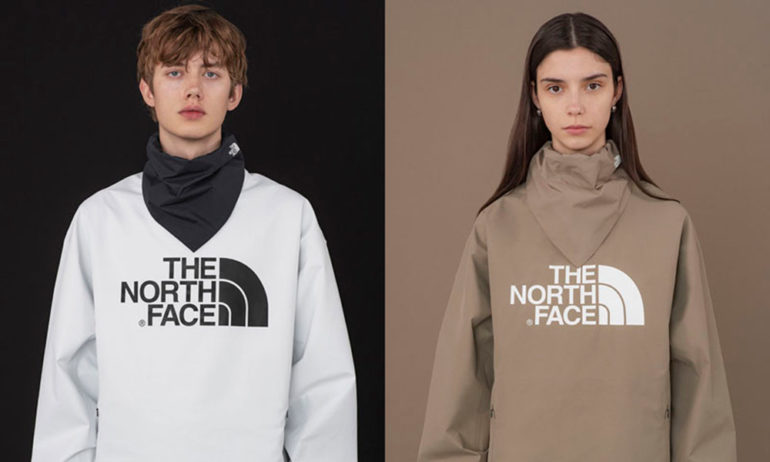
    Both the Mackintosh and adidas collaborations received global releases, but the reception was muted in comparison to HYKE’s headline-stealing collaboration with The North Face. The collection debuted during HYKE’s Spring/Summer 2018 runway, immediately establishing an ideal marriage of HYKE’s minimalist taste with The North Face’s utilitarian gear, informed by the Japanese label’s desire to combine “the functionality of outdoor sports wear with the sensitivity of HYKE.”

    HYKE’s preferred army green, black and white color palette returned for the collection, along with playful snakeskin patterns and signature garments, like the cropped Bolero Jacket and solid-color pullovers. With each collaborative release since that first joint effort, the duo have introduced small expansions to keep the line fresh — oversized pullovers, sock-like sneakers and even menswear — while retaining much of the same elements from past drops. However, The North Face Japan’s complicated licensing prevents the collection from seeing worldwide release, despite the overwhelmingly positive international reception and the recent addition of menswear to the line.

    To make a complex issue very simple: America’s The North Face is a different company from Japan’s The North Face. In 1978, outdoors company Goldwin began distributing The North Face in its native Japan, eventually purchasing the exclusive Japanese (and partial Asian) TNF license from the American branch. This exclusive license still remains in Goldwin’s possession; thus, American The North Face products can’t sold in Japan and Goldwin’s The North Face goods can’t be sold outside of the island nation. Since HYKE x The North Face is produced by Goldwin, that means that distribution will likely never expand beyond Asia, unless the Japanese The North Face strikes a deal with its American counterpart, as Goldwin recently did with THE NORTH FACE PURPLE LABEL.

    Regardless of legal qualms, HYKE maintains a massive following in its native Japan, with a developing influence throughout Asia as Korean and Chinese retailers take note of the brand’s adaptable designs. And more The North Face collections will only aid HYKE in increasing its global presence. Although the license quagmire will keep those collaborations from being sold overseas, HYKE could potentially bring its in-house creations abroad. If savvy Western retailers snap up the Japanese brand’s minimalist wares, it may open the floodgates for future expansion — possibly even bending the rules for The North Face.

    After six years back in fashion, Ode and Yoshihara remain unflinching in their dedication to realize the identity they established with the launch of HYKE. With no desire to cut corners (or prices) on its detail-oriented Japanese expertise, the designers are in no hurry to broaden its global footprint, or even create a proper menswear offering. Next up for the brand? Perhaps HYKE will finally open a Japanese flagship store, a hard-won focal point in service of clientele who appreciate the label’s unwavering commitment to independence.

    HYKE x The North Face Spring/Summer 2019 drops February 6 exclusively at The North Face Futakotamagawa and Isetan Shinjuku before hitting other Japanese TNF outposts on February 16.
  • Ralph Lauren continues momentum in Asia

    Ralph Lauren continues momentum in Asia

    Premium lifestyle brand Ralph Lauren increased gross profit across its third quarter period by 6 per cent to  $1.46 billion (US$1.05 billion), compared to $1.37 billion (US$996 million) the year prior. The growth was driven by a 90 bps increase in gross margin to 61.6 per cent, as a result of reduced promotional activity and improved pricing.

    “Solid execution on our key initiatives, especially during the important holiday period, delivered better-than-expected results for the third quarter as we drove higher average unit retail and continued to improve quality of sales overall,” Ralph Lauren president and chief executive Patrice Louvet said.

    “These results give us confidence that our strategic investments in brand-building, product, digital, and global expansion are on the right track, while the strength of our balance sheet will continue to be a competitive advantage as we manage through an increasingly volatile global environment.”

    The business saw momentum in Asia continue, with 11 per cent revenue growth to $379.65 million (US$275 million) led by 19 per cent constant currency growth in Greater China, and strength across Japan, South Korea and Australia.

    North American sales increased by 3 per cent to $1.25 billion (US$909 million), and enjoyed flat comparable bricks-and-mortar sales and a 21 per cent increase in digital sales for the region.

    Global revenue for the brand’s digital offering improved 20 per cent over the last year, with growth in the brand’s directly-operated digital flagships exceeding expectations.

    Net income for the period grew to $165.67 million (US$120 million), or $2.04 per diluted share (US$1.48).

    Looking toward the final quarter of fiscal 2019, Ralph Lauren expects net revenue to drop slightly due to a planned reduction in off-price sales, though predicts net revenue for the fiscal year will be up slightly, though didn’t provide concrete figures.

  • China’s SMCP tops 1 billion euros revenue for first time

    China’s SMCP tops 1 billion euros revenue for first time

    Chinese-owned SMCP Group said that total company sales exceeded 1 billion euros in 2018, marking a revenue-first for the French fashion group. “With double-digit sales growth in 2018, SMCP posted a remarkable performance and continued to deliver on its strategic roadmap,” said Daniel Lalonde, SMCP’s Chief Executive Officer. For the year ending December 31, SMCP recorded sales increasing 13%, in line with its previously upgraded full-year 2018 guidance.

    Lalonde said the achievement signalled rapid sales increase was fuelled by online and digital, with the company working hard to fight market headwinds, which have taken out other European retailers in 2018.

    “Our performance throughout the year, and more particularly over the last quarter, demonstrates that SMCP is built on strong foundations and further illustrates the resilience of our business model in the midst of unprecedented market headwinds,” said Lalonde, in a press release.

    “I would also like to place a special emphasis on our significant progress in digital: it has been growing consistently and strongly over the past years and now represents nearly 15% of our total sales,” he added.

    The sales growth included a solid like-for-like sales growth of 3.7% for the twelve-month period “despite challenging market conditions in the fourth quarter,” which saw sales climb less, up 8%.

    Full-year reported sales were up 11.5%, including a negative currency impact of -1.6% reflecting the appreciation of the euro.
    Over the last twelve months, SMCP net openings reached 134 points of sale, including 102 directly operated stores, surpassing its annual target. By region, 59 stores were opened in APAC alone, the zone receiving the most new outlets compared to the Americas and Europe.

    In APAC, the group posted a strong double-digit sales growth of 18.2% at constant currency, driven by mainland China which generated over 20% of sales growth.

    The operator of French fashion brands Sandro, Maje and Claudie Pierlot said Sandro sales grew 6% in 2018, while Claudie Pierlot recorded a 7% increase. Maje was the biggest grower, up 10% for the year.

    For 2018, SMCP confirmed its adjusted EBITDA margin guidance at around 17%.

    Evelyne Chetrite and Judith Milgrom founded Sandro and Maje in Paris, in 1984 and 1998 respectively, and continue to provide creative direction for the brands. Claudie Pierlot was founded in 1984 by Claudie Pierlot and acquired by SMCP in 2009.

    SMCP was acquired China’s Shandong Ruyi in 2016.

  • Avery Baker resigns from Tommy Hilfiger

    Avery Baker resigns from Tommy Hilfiger

    Tommy Hilfiger will jettison the chief brand officer role following the departure of incumbent Avery Baker in June, the fashion label has confirmed. Baker has announced plans to step down from the job in June. The marketer will then rejoin the company on a consulting basis, primarily as part of a new brand advisory board staffed by external advisors and chief executive officer Daniel Grieder.

    Baker’s C-suite brand responsibilities will be divided among other senior members of staff. She is currently responsible for global marketing, communications, brand strategy, creative direction for product design, global licensing and creative services.

    The marketer joined the PVH-owned company in 1998. She landed the chief marketing officer title in 2011 after a stint as executive vice-president of global communications and marketing.

    She was named chief brand officer in 2014.

  • Louis Vuitton celebrates the launch of Virgil Abloh’s SS19 collection

    Louis Vuitton celebrates the launch of Virgil Abloh’s SS19 collection

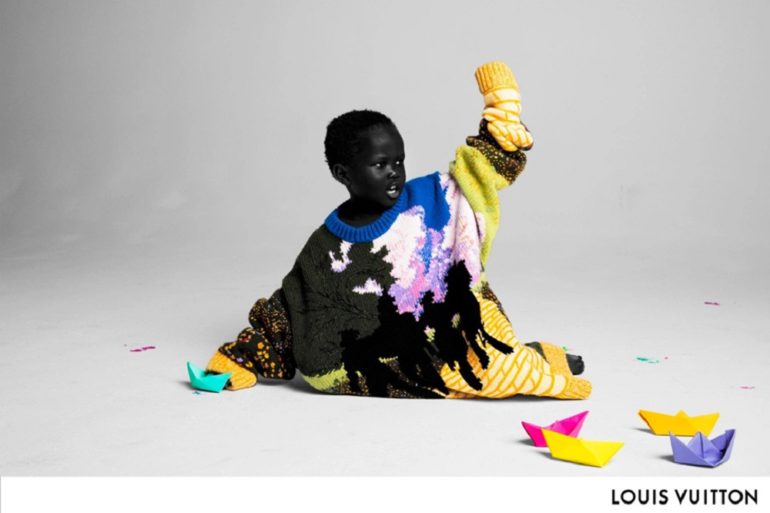
    For those that have been patiently waiting to get their hands on Virgil Abloh‘s debut Louis Vuitton collection, the highly anticipated Spring/Summer 2019 offerings are now available online. The online release comes shortly after Virgil opened up an exclusive pop-up at Chrome Hearts’ New York City flagship.

    The Yellow Brick Road Hand-Knitted Crewneck, Poppies Dorothy Graphic Windbreaker and colorful Calfskin Cut Away Vest serve as notable garments from the collection. Standout carrying options include the iridescent take on the classic Keepall Bandouliere 50, Soft Trunk Messenger Bag, Mini Polochon Messenger Bag and a host of holster-style utility pouches. Rounding things up is Virgil’s take on LV’s iconic Millionaire Sunglasses, early Jordan Brand model-inspired LV Trainer Sneakers, and the LV Creeper Ankle Boot Timberland homage.

    Check out some of the items above and head over to louisvuitton.com now to shop Louis Vuitton’s SS19 collection.

    In case you missed it, Virgil Abloh recently launched a comprehensive archive of his work.

  • Hugo Boss Asia-Pacific boosted sales

    Hugo Boss Asia-Pacific boosted sales

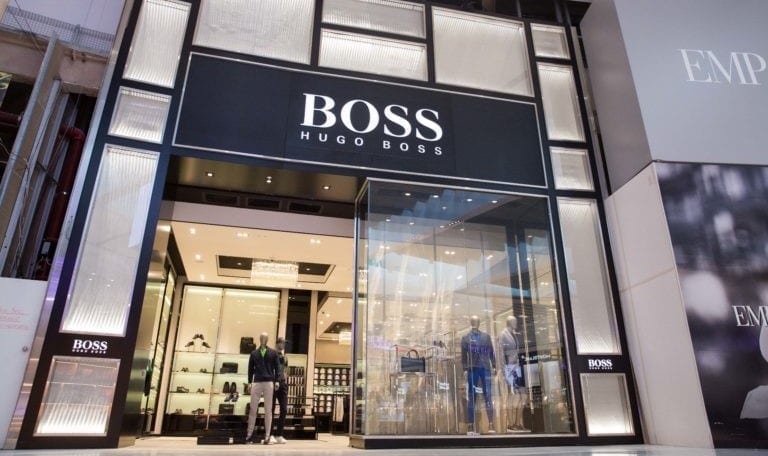
    German menswear retailer Hugo Boss has seen sales growth accelerate in the fourth quarter of 2018, driven by Asia. Comparable-store sales rose 4 per cent compared to the previous corresponding period and online sales rose 37 per cent, marking the fifth consecutive quarter of double-digit e-commerce sales growth. Group sales also grew 6 per cent in the fourth quarter, adjusted for currency differences, to €783 million – compared to €735 million in the previous corresponding period.

    On a comparable-store basis, Asia Pacific was the fastest growing region for the brand, with China achieving high single-digit currency-adjusted store-sales growth for the period.

    Europe and the Americas saw comparable-store sales growth in the mid-single-digit and low-single-digit rates respectively, while sales in the business’ wholesale division increased 15 per cent.

    The brand issued a preliminary full-year total sales figure of €2.79 billion for 2018 – an increase of 2 per cent compared to 2017 – with the “dynamic growth” of the brand’s retail business seen as the key contributor.

    Hugo Boss expects operating income to remain flat at approximately €491 million – the same figure seen in 2017.

    “We look back on a successful 2018. We increased our pace of growth and achieved our full-year targets, supported by a very good fourth quarter,” Hugo Boss CEO Mark Langer said.

    The brand is to focus on sustainable growth and profitability this year, according to Langer, who notes that the new year will be focused on the execution of the business plan until 2020.

    “We will personalise our offerings even more and accelerate important business processes. In doing so, we drive brand desirability and set an important milestone for achieving our mid-term targets,” Langer said.

  • Reebonz to use blockchain technology to assure authenticity

    Reebonz to use blockchain technology to assure authenticity

    Southeast Asian online luxury marketplace Reebonz is exploring blockchain technology as part of its strategy to demonstrate the provenance of products. Complementing the firm’s existing in-house team of ateliers who specialise in authenticating leather products, timepieces, gemstones and jewellery, Reebonz intends to incorporate all transactions on a blockchain to ensure the comprehensive traceability of all products sold within its ecosystem. The firm’s goal is to enable buyers to verify the authenticity of products on their own and stamp out losses and distrust generated by the global exchange of counterfeits.

    By establishing end-to-end traceability, customers will also be able sell their items back to Reebonz, which would allow the company to easily identify a customer’s purchase.

    “The Reebonz leadership team is extraordinary and has already developed a cutting-edge technology and platform”, said Tim Draper, senior advisor of Draper Oakwood Technology Acquisition and founding partner of Draper Associates.

    “The authentication of pre-owned luxury items using the blockchain is just one of many high impact innovations Reebonz is pioneering to improve the luxury shopping experience for customers across Asia Pacific.”

    “While we started as an online platform that helps consumers access affordable luxury, we have evolved into an ecosystem that connects buyers and sellers through the widest range of luxury,” added Reebonz CEO and co-founder Samuel Lim.

    “Identifying gaps and opportunities in the luxury e-commerce landscape and spearheading strategies that present innovative ways of redefining luxury consumption has made us a leader in this industry. As we continue to build out a thriving community of buyers, sellers and international boutiques, it will become critical for the industry to evolve, and for us to become a leading innovator of authenticity solutions. We are excited to use the blockchain technology to solve one of the key global issues that impacts our industry.”

  • Jack Wills bags cash injection to save the business

    Jack Wills bags cash injection to save the business

    Creditors of fashion label Jack Wills under HSBC have ordered an assessment of the firm’s finances, according to a report. The news comes just weeks after Jack Wills achieved new investment of £10 million (US$12.8 million), followed by speculation that the company may soon need further financial help – prompting the appointment of advisers from auditing firm EY.

    The new investment reportedly comes from an unnamed wealthy Italian family, which has previously invested in Jack Wills’ majority shareholder, BlueGem Capital Partners. BlueGem itself is thought to have provided a similar injection of cash. The identity of the investor is likely to be revealed following reports expected to be filed at Companies House.

    Brand co-founder Peter Williams was ejected from the firm’s board last year, with new executives brought in to effect a turnaround.

    Jack Wills operates more than 90 stores worldwide, including five stores in Hong Kong and two in Singapore.

  • Ermanno Scervino opened store in Chinese Hangzhou

    Ermanno Scervino opened store in Chinese Hangzhou

    Italian fashion house Ermanno Scervino is launching a new boutique in Chinese Hangzhou. The 140sqm store, located inside the Hangzhou Tower shopping centre, houses the brand’s womenswear and menswear pret-a-porter and accessories collections. Its interior design follows the style of the maison’s flagship store inaugurated in Florence last June, with large surfaces featuring industrial concrete flooring and concrete wall finishing punctuated by inlaid and laminated gold frames. The store showcases wooden furnishings with stucco decorations and retro-inspired details.

    “The growth and development of our brand in Far East has been proceeding systematically and consistently since a few years now,” said Ermanno Scervino Group CEO Toni Scervino.

    “After Shanghai and our recent opening in Hong Kong, Hangzhou is now a further step forward. The Chinese clientele is proving more and more its passion for the tailoring and Made in Italy proposal of our Maison. In collaboration with our partner Riqing we are therefore working to be more and more present on the territory”.

  • Coach enters KL’s SkyAvenue Genting

    Coach enters KL’s SkyAvenue Genting

    U.S. luggage, leather goods and accessories maker Coach has unveiled a new Malaysian boutique at Kuala Lumpur’s SkyAvenue, Genting Highlands. Located inside the Malaysia capital’s innovative shopping precinct on Level 2, Coach’s SkyAvenue store spans approximately 2,002 square-feet and stocks the New York brand’s ready-to-wear collections for both women and men, as well as its iconic hand bags, small leather goods, footwear, accessories and jewellery.

    Coach Creative Director Stuart Vevers in partnership with William Sofield, designer and president of Studio Sofield, were the talent behind the store layout.

    Embellished in modern luxury, as seen in the leather and natural wood finishes that reflect the sophisticated yet playfulness of Coach, the Kuala Lumpur store boasts custom-made cabinets – made from natural and ebonised ash.

    Other texture and material plays come via the use of blackened steel, vintage bronze and wood trimmings.

    Customers will also appreciate the pinewood floor, made of custom wool carpeting, and the tasteful mid-century furniture.

    The new Kuala Lumpur store even has a ‘Craftsmanship Bar’, offering personalised monogramming in addition to leather care and cleaning.

    With more than 100 retail options, SkyAvenue is one of Kuala Lumpur’s most unique shopping experiences.

    The mall is located 6,000 feet above sea level, and is home to a huge range of retail and F&B establishments spanning across five floors. The opening comes at a time when Coach is focusing on Asia, namely China.

    Last week, the New York brand revealed it will stage its next Pre-Fall 2019 runway show in Shanghai, in celebration of the brand’s 15th anniversary.

    Titled “Coach Lights Up Shanghai,” the collection of ready-to-wear, sneakers and accessories is scheduled to show December 8, and will be the first show of its kind that Coach has done outside of New York.

    Global sales at Coach, which makes up over 70% parent company Tapestry’s sales, rose 4% in the three months ended September 29.

    For the quarter period, Tapestry net sales rose to $1.38 billion. Net income was $122.3 million, compared with a loss of $17.7 million a year earlier.

  • DKSH adds 3 brands in path to double Thai luxury

    DKSH adds 3 brands in path to double Thai luxury

    Market expansion service provider DKSH Thailand has announced plans to double the scale of its Thai luxury and lifestyle business within two years. The firm has picked up three international brands this year, with another Italian lifestyle brand to be added to its portfolio next year.

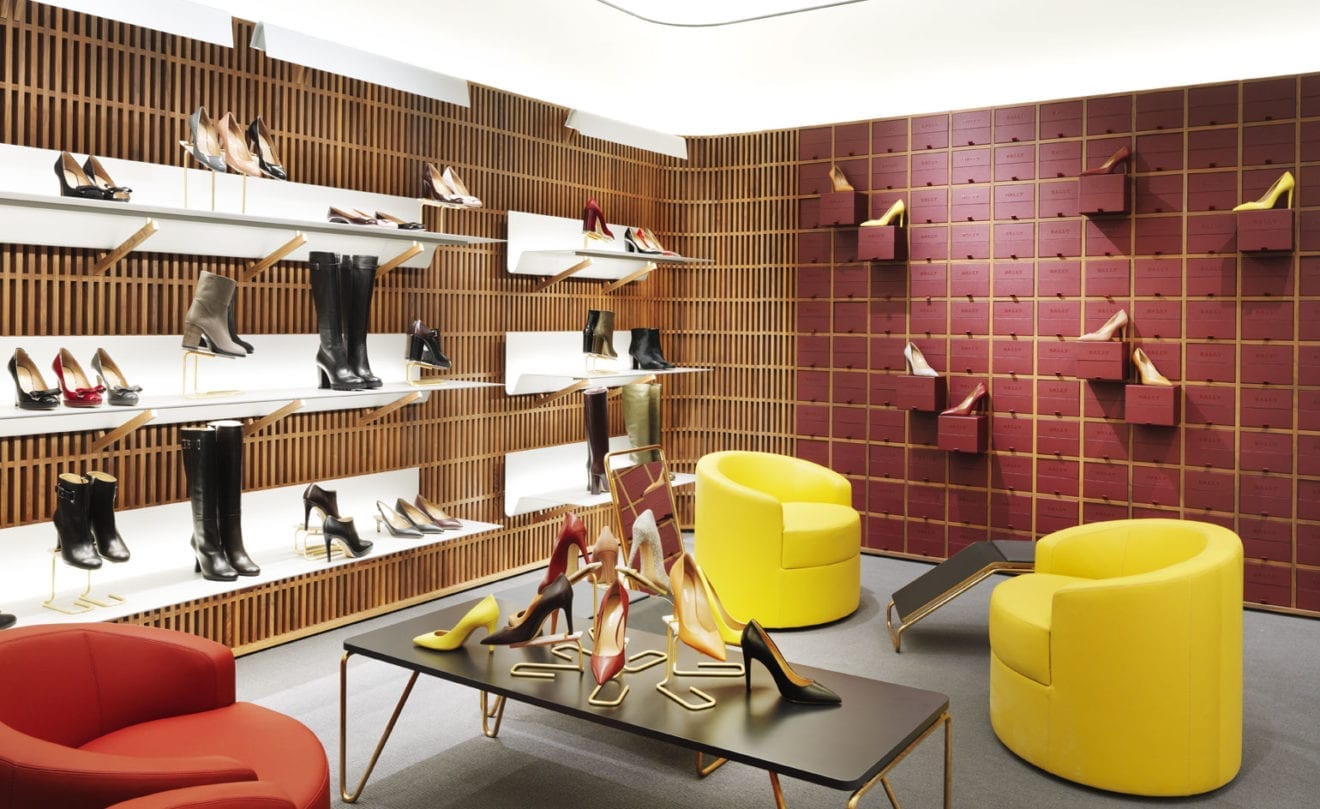
    Included in the expansion is a THB30 million (US$913,800) investment in a new 200sqm flagship Bally store in Thailand, opening at Iconsiam on Friday (November 9).

    DKSH regional VP of luxury and lifestyle business Franck Giacobini said luxury and lifestyle is picking up again and sales are strong.

    “DKSH’s luxury and lifestyle business in Thailand will strengthen in the next few years because the country has a young population with high spending power.”

    He added that DKSH will allocate a huge investment to the Thai market, considering the country’s high-end retail complexes and strong tourism.

    President of DKSH Thailand Douglas Humphrey added: “DKSH has been in Thailand for over a century. Our consumer product business in Thailand is the biggest market for the DKSH network globally. We will continue to invest here in terms of people, capability and supply chain in the coming years.”