Tag: fast casual

  • Soul Origin to Double Store Network to 400 Locations over 10 Years

    Soul Origin to Double Store Network to 400 Locations over 10 Years

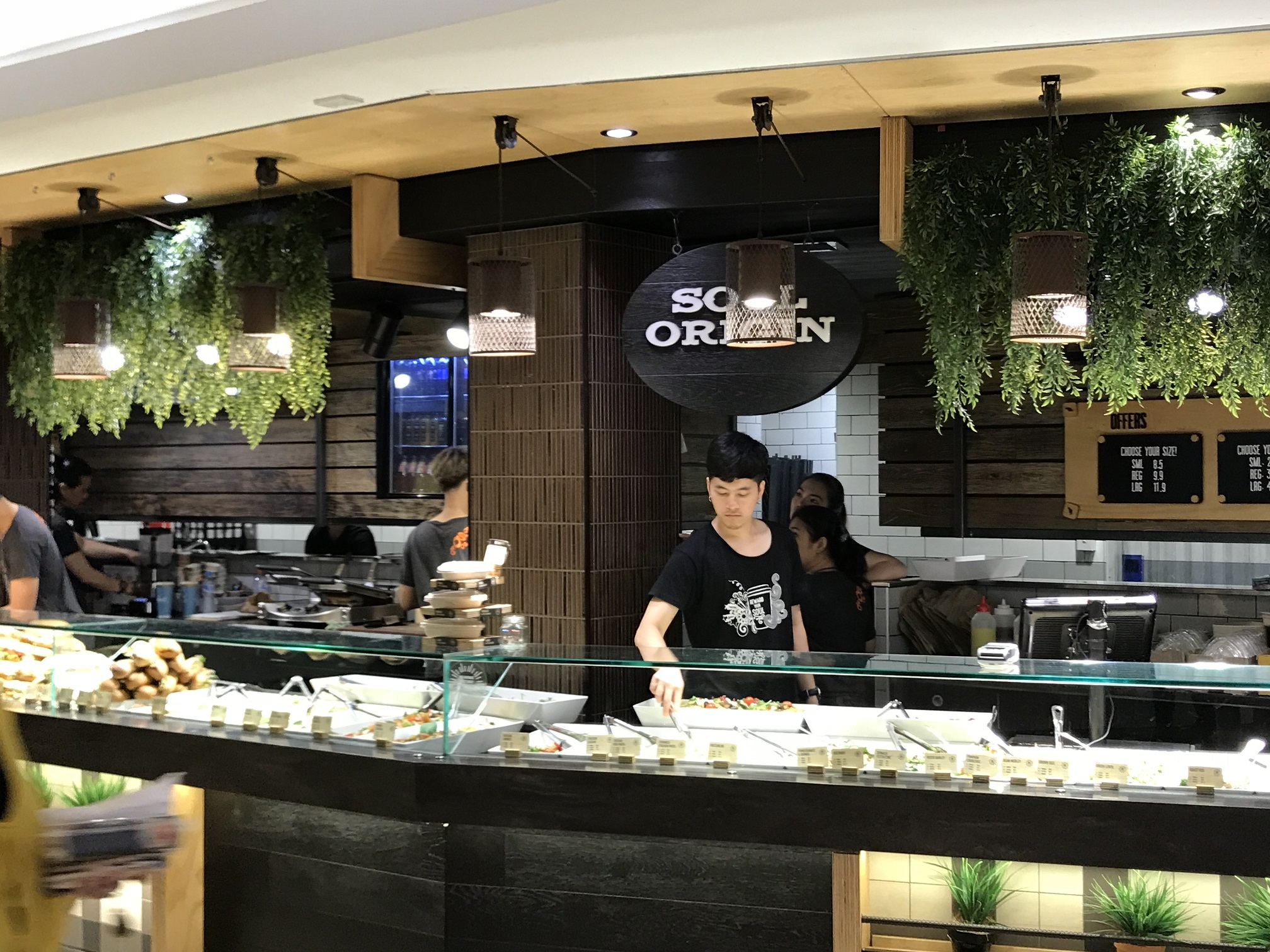
    Fast-casual chain Soul Origin plans to more than double its store network to approximately 400 locations globally over the next 10 years.

    The company, which marks its 15th anniversary this year, has grown into a network of 178 locations with around 22 million customer visits each year. Opening 15 to 20 stores annually across Australia, New Zealand and additional international markets will drive the expansion.

    Shifting Out of the Food Court

    Alongside continued growth in shopping centres, Soul Origin will add more regional, drive-through, airport, hospital, university and service-centre locations. Six new stores are scheduled to open before Christmas, including a new company-owned flagship at Sydney International Airport.

    Highway retailing forms a central pillar of the push. Soul Origin operates a hybrid service-centre format in partnership with fuel retailer Ampol, with two additional co-located sites scheduled to open before the end of the year. The business is scouting further roadside and regional plots across New South Wales, Queensland and Victoria.

    Trans-Tasman Growth and Extended Trading

    New Zealand represents the immediate cross-border priority. The company currently runs four stores across the country and has mapped out approximately 10 additional openings there over the next two years.

    Longer operating hours in roadside and transit hubs require a wider menu. Kitchens across the network are rolling out hot dinner items, matcha drinks and expanded iced beverage selections. Soul Origin is also taking side dishes and add-ons first tested in its drive-through prototypes and adding them to traditional metro counters.

    Franchise Pressures and Highway Formats

    Transitioning from enclosed shopping mall food courts into roadside and transit locations alters the underlying store economics. Food court units rely on captive foot traffic with heavy daytime peaks, whereas highway service centres and airport terminals demand split-shift staffing, higher capital expenditure for kitchen fit-outs and steady evening volume to recover rent.

    Competing quick-service operators across Australia and the wider region have pursued identical fuel-convenience partnerships to escape rising mall occupancy costs. For Soul Origin, sustaining average transaction values during afternoon and dinner trading will determine whether these extended-hour formats generate acceptable returns for franchise partners.

    Management Transition at Fifteen Years

    The expansion plan arrives as the company marks 15 years since its founding as a single family-run food outlet. Current chief financial officer George Gebran will step into the chief executive role on October 1 to manage the operational expansion.

    Co-founder and current managing director Hao Quach will step down from day-to-day management on the same date. Quach will remain with the business to focus on long-term strategy, market entry and corporate development.

    Network development will center on the delivery of the six pre-Christmas openings, the performance of the new Sydney Airport terminal site, and the execution of the 10-store pipeline planned for New Zealand through 2028.

  • Yakima Opens Ombak KLCC Outlet in Push for Halal Japanese Street Food

    Yakima Opens Ombak KLCC Outlet in Push for Halal Japanese Street Food

    YAKIGO opened an outlet at Ombak KLCC on 11 September 2026. The launch anchors its quick-service Japanese skewer format inside Kuala Lumpur’s central commercial district.

    Located at Lot C1 on the Urban Eats concourse floor, the branch is the brand’s third operating site. It forms part of a planned five-location network spanning retail malls, university campuses and highway rest stops.

    Central kitchen backing and localized recipes

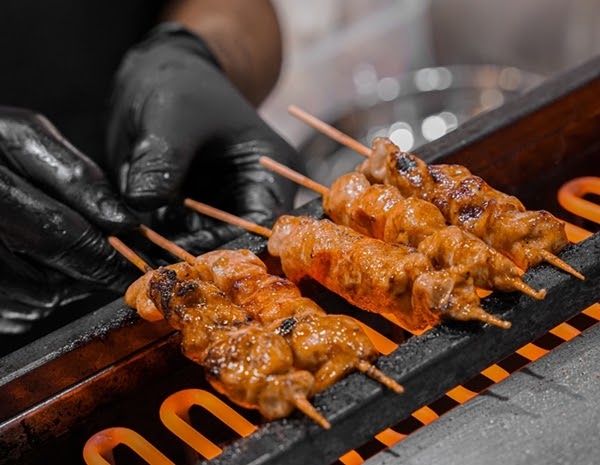
    The concept adapts Japanese yakitori into a fast-casual format built around batch grilling. Kitchens prepare skewers throughout service. They pair them with three sauces: a classic yakitori glaze, a spicy Golden Buttermilk sauce and a localized Sambal Bara.

    Menu bundles divide into three tiers tailored for high-footfall concourses. Options include a three-piece Snack Bag for on-the-go eating, a five-piece Signature Box, or a four-piece Full Meal served over Japanese rice.

    To serve Malaysia’s mainstream Muslim consumer base, the chain runs a halal-certified central kitchen. It sources all ingredients from compliant suppliers. Strategy officer Matthews Chang stated the business intends to make Japanese street dining broadly accessible through localized flavours and inclusive sourcing.

    The fast-casual shift in quick-service Asian dining

    For mall landlords and concourse operators, compact skewer formats deliver high revenue density per square metre. Stalls with limited, standardized stock-keeping units drive quick turns and high takeaway volume during peak lunch and evening commuting windows.

    Central kitchen certification clears the main operational hurdle facing Japanese concepts in Southeast Asia. Shifting butchery, skewer assembly and sauce production offsite strips complexity out of compact stores. It also ensures regulatory compliance across every point of sale.

    Expanding across commuter and campus hubs

    The Ombak KLCC site follows earlier launches aimed at different foot-traffic demographics. YAKIGO began operations at KIPMall Kota Warisan before opening a campus branch at Taylor’s University to capture student dining spend.

    Another retail store opened at Coalfields Retail Park on 10 September 2026, just ahead of the KLCC launch. The location establishes an outer-suburban presence in Selangor.

    Next stop on the North-South highway

    YAKIGO will open its next counter at the Seremban Rest and Service Area along the North-South Expressway in early October 2026. The branch takes the format into high-volume highway transit retail.

  • Dairy Queen Returns to Hong Kong with Four Outlets in Fourth-Quarter Push

    Dairy Queen Returns to Hong Kong with Four Outlets in Fourth-Quarter Push

    American ice cream chain Dairy Queen will open four Hong Kong outlets in the fourth quarter of 2026. The rollout starts with a flagship in Causeway Bay.

    The launch reintroduces the 85-year-old brand to the market 47 years after a brief stint in 1979. Outlets will spread across Hong Kong Island, Kowloon, the New Territories and the outlying islands.

    Locations and Product Formats

    Its first flagship site opens at the One Causeway Bay shopping centre in November. A second store in Kowloon is under hoarding at The Angle shopping centre in Kwun Tong. The remaining two branches will open before the end of December.

    Dairy Queen developed a localised menu for the territory with five core product categories. Offerings include milkshakes, parfaits, ice cream cakes, and its signature soft-serve dessert. The soft serve uses an exclusive full-fat dairy mix and an air overrun of roughly 40 per cent to maintain consistency.

    Shifting Rents and Tourist Spending

    Structural turnover continues across the city’s food and beverage sector. Prime commercial rents in core retail districts remain down 60 to 70 per cent from their 2013 and 2014 peaks. That drop lowers startup overhead for international franchise operators as legacy restaurants exit.

    Lower leasing costs arrive alongside a rebound in inbound traffic. Hong Kong recorded 31.22 million visitor arrivals during the first seven months of 2026, up 11 per cent year on year. Total retail sales value grew 8.9 per cent over the same period.

    Deploying across four separate districts in a single quarter lets foreign fast-casual operators build brand awareness quickly. The footprint tests local demand across tourist and suburban residential catchments.

    Fit-out work continues at the One Causeway Bay site ahead of the November launch. Opening dates for the New Territories and island locations are expected before year-end.

  • Chipotle Opens First Asian Restaurant in Seoul with Singapore Next

    Chipotle Opens First Asian Restaurant in Seoul with Singapore Next

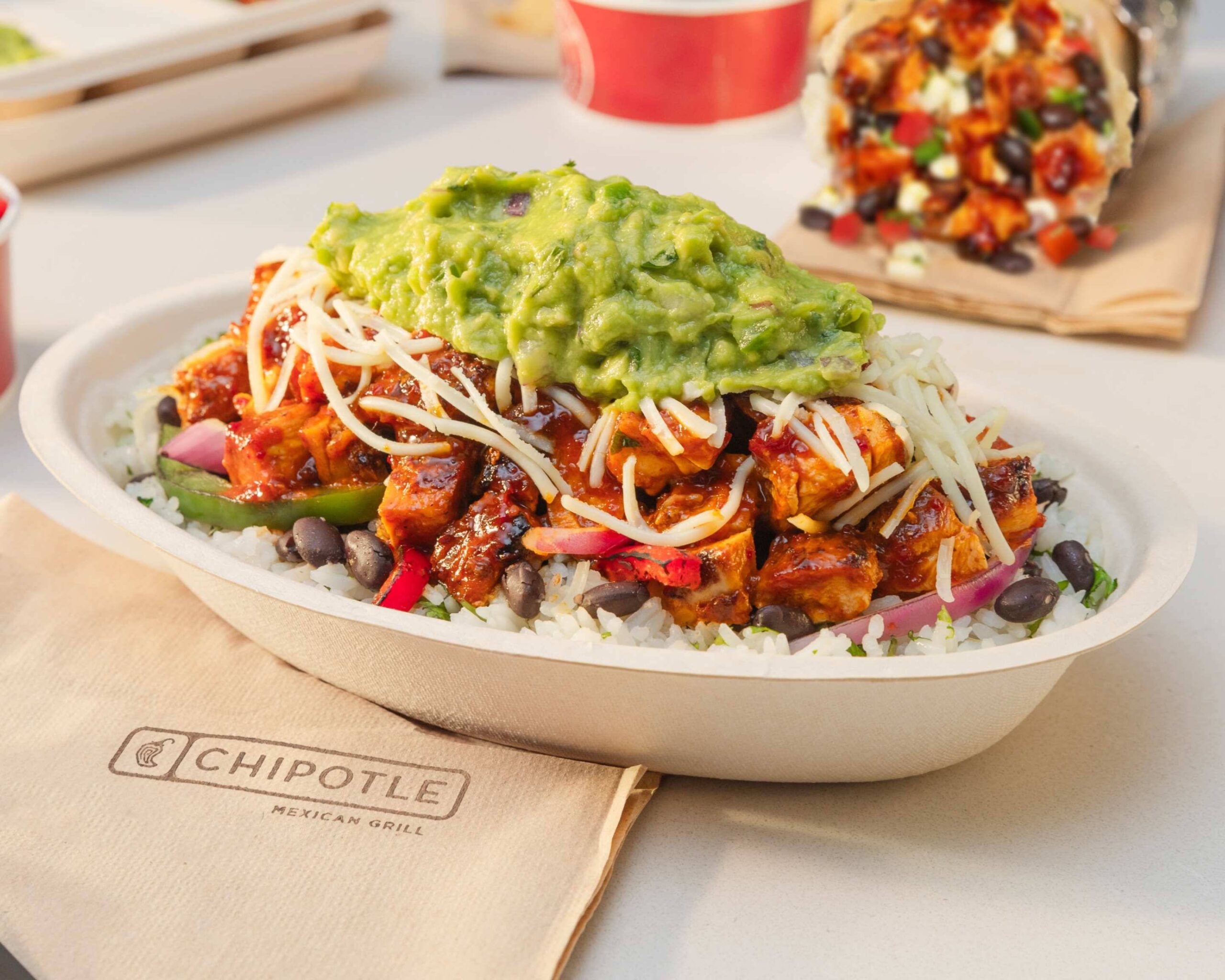
    Chipotle Mexican Grill opened its first Asian restaurant in Seoul, picking South Korea as the entry point for its regional expansion. The US fast-casual chain partnered with local conglomerate Sangmidang Holdings, formerly SPC Group, to run the operations.

    More locations will open across South Korea before the end of the year. The group will take the concept to Singapore next year for its second market in the region.

    The Partnership in Seoul

    Sangmidang Holdings manages the local rollout, bringing Chipotle’s standard assembly-line menu of burritos, bowls, tacos, quesadillas, and salads to Korean diners. The format keeps its customisation model, preparing ingredients daily without artificial colours or preservatives.

    Scott Boatwright, chief executive of Chipotle, identified South Korea as a primary target due to customer demand for fresh food served quickly. Sangmidang president Hee-soo Hur said the business will focus on maintaining the exact operational format developed in North America.

    Expanding Across Asian Markets

    Western fast-casual operators regularly use South Korea to test Asian consumer appetites before tackling larger Southeast Asian markets. High dining-out frequency and dense urban foot traffic in Seoul give foreign operators quick feedback on pricing and menu adaptation, though competition among domestic and international fast-food chains remains fierce.

    Sangmidang is now securing real estate for the next batch of Seoul restaurants due before December. Site selection for the inaugural Singapore restaurant is also underway ahead of its planned opening next year.

  • Thai Brand Emily’s Rolls Out Konjac Version of Signature Chicken Noodles

    Thai Brand Emily’s Rolls Out Konjac Version of Signature Chicken Noodles

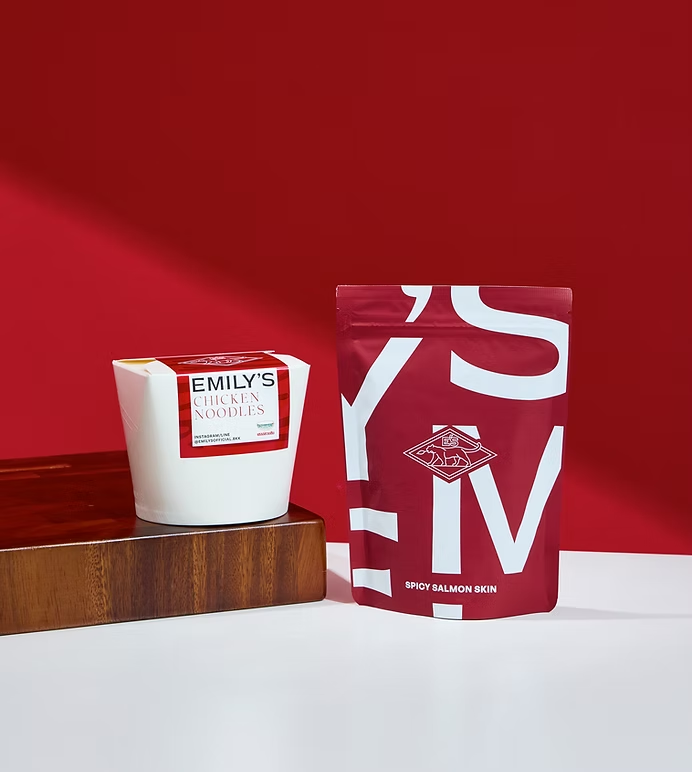
    Thai food brand Emily’s launched a limited-edition konjac version of its signature shredded chicken noodles on 20 August, targeting consumers seeking low-calorie dining options.

    The Bangkok-born business introduced the high-protein alternative as an adaptation of its core menu item, which drove the company’s initial viral retail growth across Thailand.

    Health-Focused Menu Shift

    Founders Naiyanachanok Patamasingh Na Ayutthaya and Thaparat Waerojruedee developed the dish by swapping traditional wheat-based noodles for konjac root substitutes. The formulation retains the brand’s original chicken seasoning while cutting net carbohydrates and overall calorie counts.

    Konjac noodles have gained traction across Southeast Asian quick-service and casual dining formats. Fast-casual concepts across Bangkok and regional capitals frequently use limited-run functional dishes to convert casual social media interest into repeat footfall without changing baseline kitchen inventory permanently.

    Limited-Edition Rollout

    The new recipe operates as a short-run promotional item across the brand’s sales channels. Emily’s built its retail footprint around packaged and ready-to-eat comfort food formats before branching into dedicated counter operations.

    Customer sales performance and reorder velocity during the initial promotion window will determine whether the brand integrates the konjac dish into its permanent daily menu.

  • I’m Donut? Expands into Southeast Asia with Kuala Lumpur Store in September

    I’m Donut? Expands into Southeast Asia with Kuala Lumpur Store in September

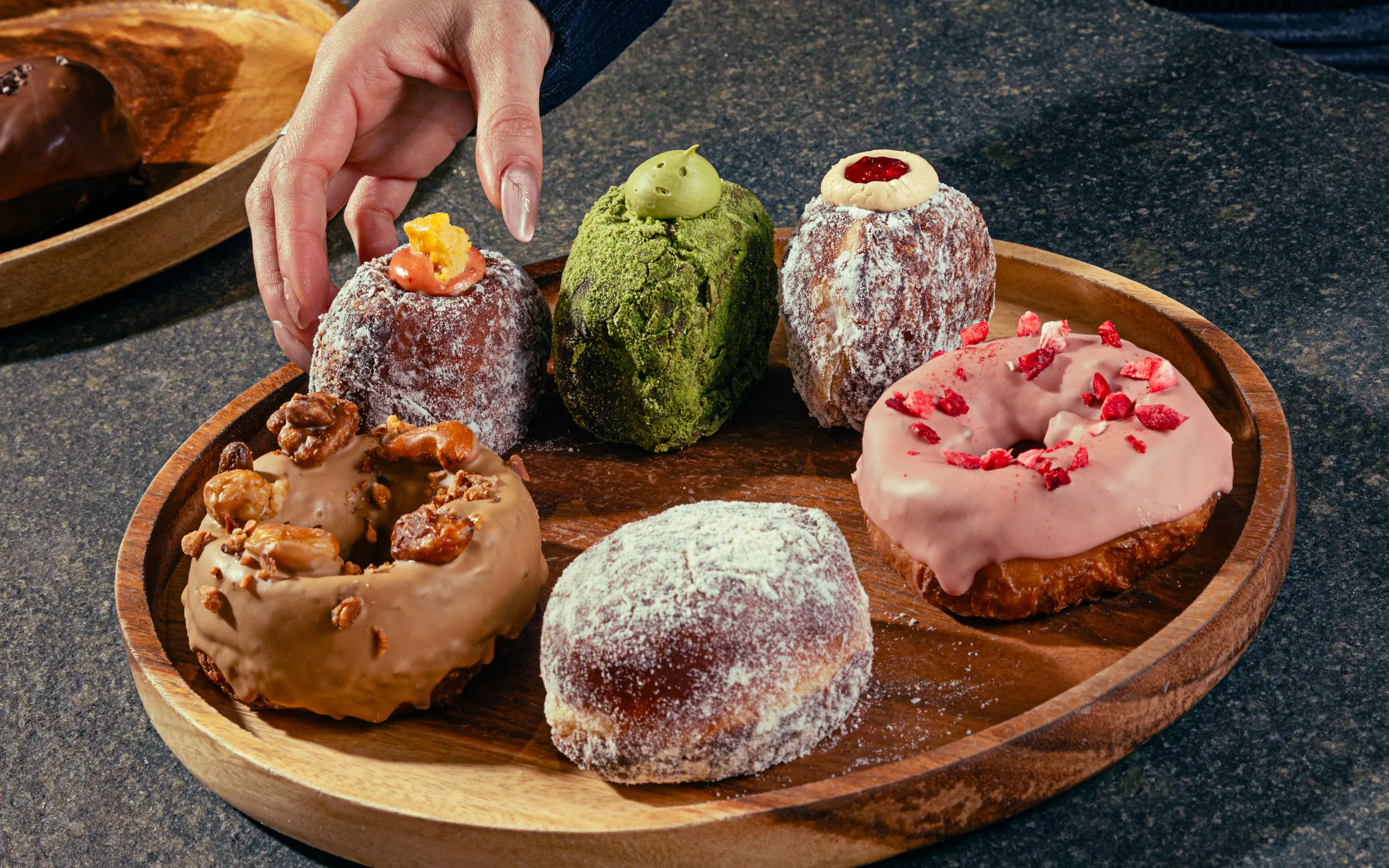
    Japanese bakery brand I’m donut? Will open its first Southeast Asian store in Kuala Lumpur this September. The store brings the company’s signature raw nama donuts to Malaysia for its regional debut.

    The concept built long queues across Tokyo with fried dough that uses pumpkin puree and high hydration to achieve a soft texture. The brand now enters Southeast Asia as international food and beverage operators target urban shopping destinations across the region.

    Expansion beyond Japan

    Malaysia frequently serves as an entry point for Japanese food brands testing regional appetites. Operators rely on high consumer familiarity with Japanese retail concepts and strong mall foot traffic in the Klang Valley to build brand momentum before expanding into neighbouring countries.

    Specialty dessert brands across Southeast Asia have shifted toward focused single-item menus. High-turnover bakery concepts allow operators to keep production footprints compact while driving customer traffic through distinct product formats.

    Competition in premium baked goods

    Artisanal bakery chains and overseas dessert operators are competing directly for prime retail space in major Malaysian retail centres. Premium baked goods have maintained steady foot traffic even as broader consumer discretionary spending faces pressure from food inflation and import costs.

    RetailNews Asia notes that dessert chains expanding internationally must balance localized supply chains with the need to match the taste profiles of their original domestic stores. The company plans to announce the exact retail site and opening schedule in Kuala Lumpur ahead of the September launch.