Tag: faw

  • Audi Appoints Former Chery CEO Jeff Zhang as China President

    Audi Appoints Former Chery CEO Jeff Zhang as China President

    Audi announced on Thursday that former Chery brand CEO Jeff Zhang will take over as president of Audi China on November 1, replacing Johannes Roscheck.

    Rolf Michl, chairman of the management board of Audi Sport GmbH, steps in on the same date as chief operating officer to form a dual-leadership board of management with Zhang.

    Roscheck, who has led Audi China since April 2024, will hand over duties before returning to Ingolstadt in early 2027, while Rouven Mohr assumes interim leadership of Audi Sport GmbH on November 1.

    The Two-Brand Joint Venture Split

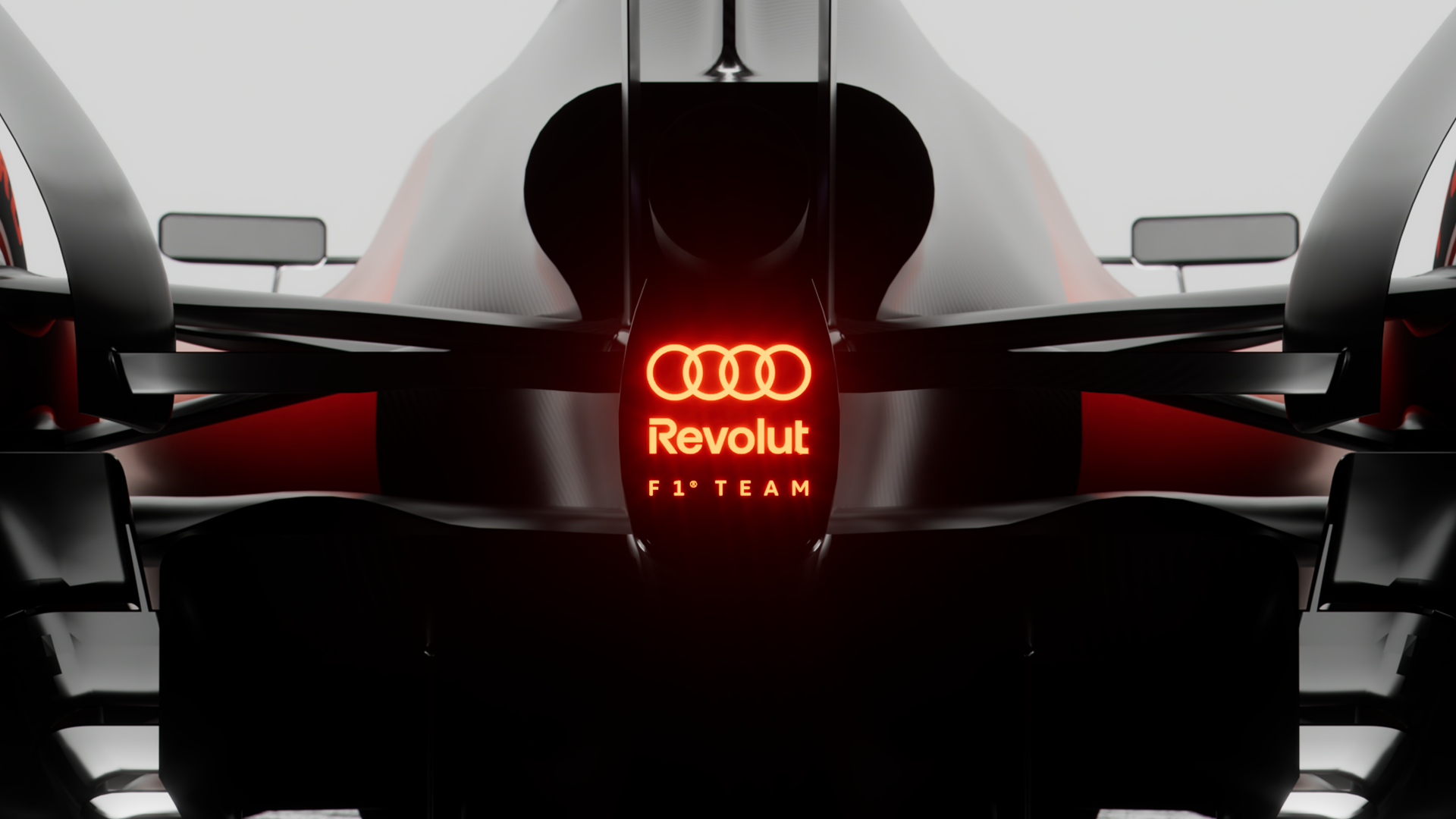
    The management overhaul accompanies an operational division of Audi’s manufacturing partnerships in China. Under the updated operating structure, SAIC Audi will handle exclusively the AUDI sister marque, while FAW Audi retains the legacy four-ring emblem covering combustion and global electric vehicle lineups.

    The standalone AUDI brand drops the classic four interlocking rings in favor of capital letters tailored specifically for buyers in mainland China. On September 3, Audi and SAIC Motor established the AUDI Innovation & Technology Center in Shanghai to engineer dedicated models for that portfolio.

    Zhang brings more than 20 years of automotive operations experience to the role. He previously served as vice president of Chery International, directed Chery’s European division, managed Chinese operations for Alfa Romeo and DS Automobiles under Stellantis, and worked at Nissan across Japan and North America. Between 2018 and 2020, Zhang worked within Audi China to build the sales footprint at SAIC Audi and steer joint projects with FAW Audi.

    Foreign Luxury Marques Under Local Pressure

    Foreign premium automakers in China face severe volume contraction as domestic electric brands eat away at traditional luxury segment dominance. By putting a Chinese automotive veteran at the helm, Audi is shortening regional reporting lines to counter pricing pressure and faster product iteration from domestic carmakers.

    German premium brands spent decades relying on centralized vehicle designs. That playbook failed to anticipate how fast Chinese buyers shifted toward connected software platforms, leaving legacy imported architectures exposed in dealership showrooms.

    Dual-Leadership Architecture at the Operating Level

    Michl balances the commercial side with product experience from Audi’s performance business. He has run Audi Sport GmbH since September 2022, managing RS high-performance cars and Audi exclusive customization programs after starting in product marketing in 2007.

    The split board answers directly to Audi chief executive Gernot Döllner, who is restructuring international divisions to defend Chinese sales volumes. Dividing the executive mandate allows Zhang to negotiate regional dealer networks while Michl protects component integration with global platforms.

    First Joint EV Platform Targets 2028 Debut

    The leadership transition follows two months of structural reorganisation across Audi’s Chinese corporate footprint. SAIC Audi and FAW Audi operated overlapping showrooms for years, complicating sales operations and discounting discipline across provincial dealer groups.

    SAIC and Audi plan to develop four production models on the co-developed ADP 2.0 platform through the new Shanghai engineering center. The first electric model from that pipeline is scheduled to reach the market in 2028.

  • Toyota Plans 400,000 Range Extender Vehicles Annually in China by 2028

    Toyota Plans 400,000 Range Extender Vehicles Annually in China by 2028

    Toyota plans to produce 400,000 range-extender electric vehicles annually in China by 2028. The program pushes the carmaker into a powertrain segment long dominated by domestic brands.

    Initial manufacturing starts in April 2027 at a rate of several hundred vehicles a month. Output will climb to an annualised volume of 200,000 units by December 2027. This project is the Japanese carmaker’s first range-extended electric vehicle (REEV). The setup pairs an electric motor and battery pack with a small petrol generator that recharges the cell rather than driving the wheels.

    How the Powertrain Operates

    The system relies entirely on electric drive for the axles. During long trips, the onboard combustion engine fires up once battery charge drops below a set threshold. It runs strictly to generate electricity. That setup removes range anxiety along rural routes where fast chargers remain scarce.

    Chinese consumer demand for extended-range vehicles has surged over the past two years. Buyers in second-tier and third-tier cities frequently choose REEVs. The format combines daily battery-only urban commuting with fuel-station flexibility on highways.

    Chasing Domestic Specialists

    Toyota is stepping onto territory carved out by Li Auto, which built its brand around extended-range luxury SUVs. Other Chinese manufacturers followed quickly. Seres-backed Aito, Leapmotor, Xpeng and Xiaomi’s SkyNomad sub-brand all rolled out range-extender platforms to maintain sales.

    Foreign legacy automakers have struggled to match the pace of Chinese rollouts. Volkswagen introduced a China-exclusive range-extender model earlier this year. Li Auto publicly mocked the German brand for its late entry. Offering extended-range powertrains has become critical for foreign joint ventures trying to stem market-share losses against local rivals that undercut them on price and interior digital tech.

    Tightening Regulatory Oversight

    Regulators in China are tightening scrutiny across the segment. In June 2026, government authorities introduced stricter technical requirements and standard testing protocols. These rules specifically target range-extender fuel consumption and emissions once the traction battery is depleted.

    Automakers entering the segment must meet higher energy-conversion efficiency targets to qualify for local green-vehicle incentives. Toyota engineers must now design a generator package that satisfies those consumption rules. It must also preserve enough cabin space to compete with software-heavy Chinese rivals.

    Building on Joint Venture Electrification

    Earlier electrification efforts by Toyota in China began cautiously with the global bZ4X electric SUV in 2022. Partnerships with local manufacturers followed to develop market-specific vehicles. The carmaker released the bZ3 electric saloon with BYD and FAW, followed in 2025 by the bZ3X with GAC and the bZ5 SUV coupé with BYD and FAW.

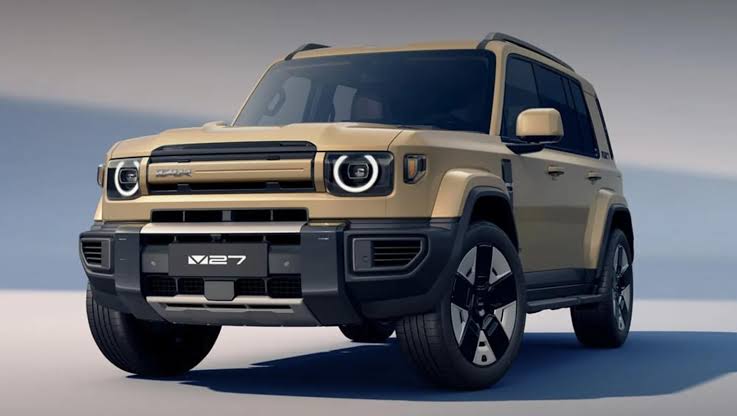
    Lineup expansion continued in early 2026 with the GAC-built bZ7 electric saloon. The 2027 range-extender model adds a separate propulsion option to that joint-venture portfolio as factories prepare to hit the 400,000-unit target by 2028.

  • Nokia, FAW Group to use 5G to transform China’s automotive sector

    Nokia, FAW Group to use 5G to transform China’s automotive sector

    Nokia has signed a strategic MoU with FAW Group, the Chinese state-owned automotive manufacturing company, to carry out joint research in smart connected cars, industrial IoT (IIoT), smart manufacturing and digital transformation.

    Nokia will deploy a 5G trial network on FAW’s campus in Changchun, the capital of northeast China’s Jilin province, to support R&D in autonomous driving and connected car applications.

    As well as the commercial 5G solution, Nokia will provide security, big data, cloud and 5G slicing technology to accelerate FAW’s digital transformation, according to a company statement.

    In addition, Nokia will provide end-to-end system integration, helping FAW to implement smart manufacturing with automation solutions, such as autonomous AGVs, AR/VR machine vision, and AI-enhanced quality inspection.

    FAW Group is one of the biggest automakers in China. Through collaboration with Nokia, the company intends to maintain its dominant position in the market by using digital technologies to enable autonomous driving, IoT and smart manufacturing.

    FAW, together with eight automobile OEMs including Guangzhou Automobile Group and Dongfeng Motor Group, has recently acquired a combined 31.2% in Smart Connection Technology, the Internet of Vehicle unit of China Unicom.