Tag: FDA

  • Asia Pulp and Paper Introduces New Compostable  Bio Container for Takeaway Food to FooPak suite

    Asia Pulp and Paper Introduces New Compostable Bio Container for Takeaway Food to FooPak suite

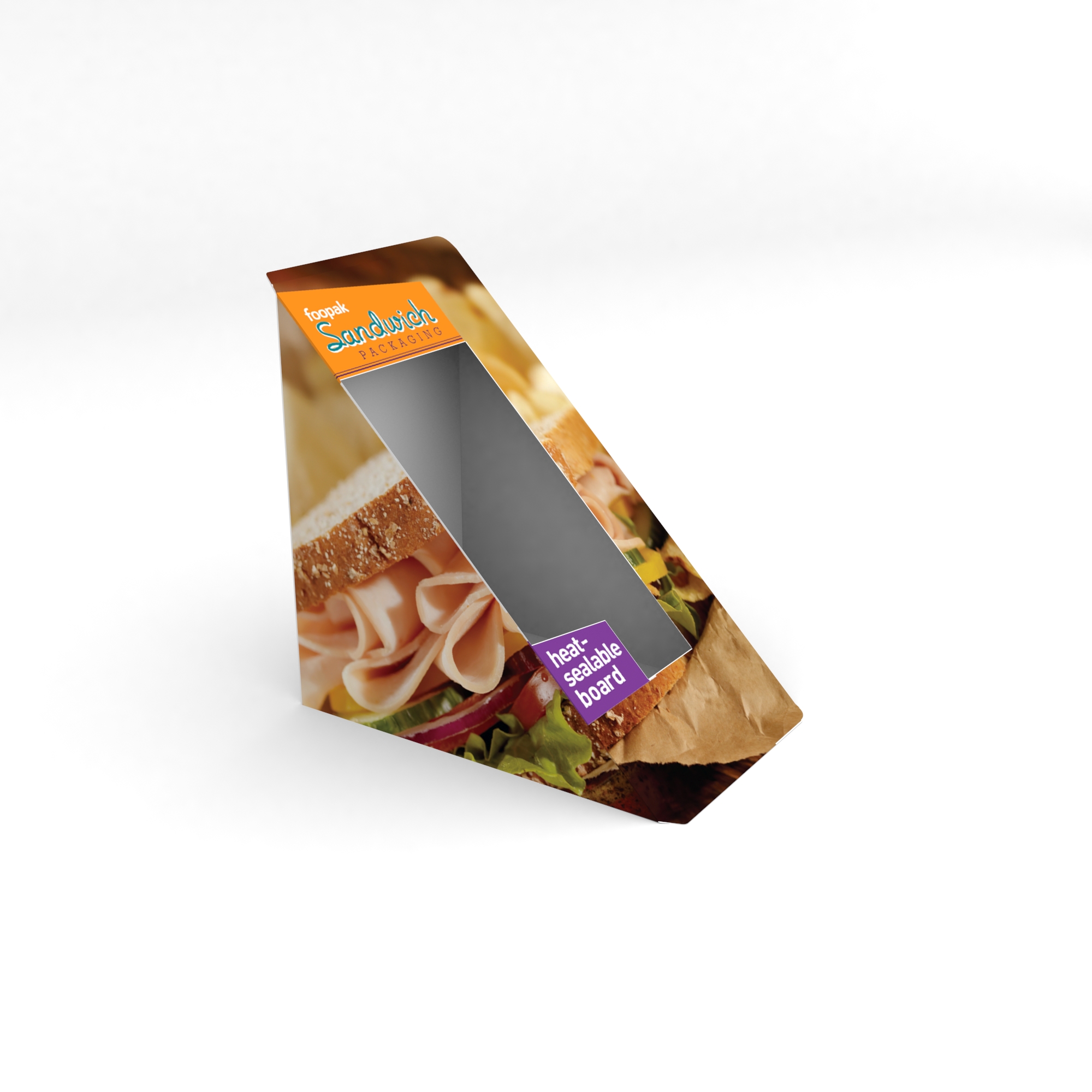
    Asia Pulp & Paper (APP) continues to expand its portfolio to meet the environmentally conscious goals and demands of consumers with the newest addition to the Foopak suite of products: the new Bio Container for takeaway food. Constructed with folding boxboard (FBB), the box offers a fully biodegradable and compostable solution for takeaway containers, trays, and other direct food contact items. The highly durable paper stock capable of breaking down naturally in 12 weeks makes the boxboard an ideal alternative to commonly used plastic boxes.

    The Bio Container’s double coating has an outside layer that is ideal for branding and promotions with a white surface that is excellent for multi-color lithography, letter press, and flexography. The inside layer provides a level 9 grease resistance, designed to protect against water and grease absorption to promote reduced food leakage. Formulated for high-speed bar heat-sealing at 80C/356F for converting and finishing and hot gluing applications. The box is suitable for both microwave and freezer use.

    This new offering from APP is FDA compliant and ISEGA certified for composability within 12 weeks, and available in 260-370 gsm & 13.3-23.6 caliper. Strength and sustainability combined gives brands a solution to single-use plastics that satisfies consumer demands for both quality and environmental impact.

    “Expanding our Foopak line to include FBB to-go containers is another step toward helping brands across the globe reach their sustainability goals,” said Felix Koh, Senior Vice President and Global Business Unit Head, APP. “We’re proud to offer a product that will satisfy the needs of consumers and businesses alike, while extending our market reach.”

  • Alibaba Group’s Quest for China’s $100 Billion Retail Drug Market Stalls

    Alibaba Group’s Quest for China’s $100 Billion Retail Drug Market Stalls

    Alibaba Group Holding Ltd. has sailed into headwinds in its plans to conquer China’s medical market by prescribing and selling drugs through an online platform. Chinese officials shut down a government-owned drug tracking system that was created and operated in partnership with Alibaba’s health-care division, Alibaba Health Information Technology Ltd.

    The news saw the unit’s shares take a hit, falling 14% to 4.10 Hong Kong dollars (HKD) on Monday, before rising slightly to close at 4.17 HKD Tuesday.

    The system is owned by China’s Food and Drug Administration, which helps it monitor drugs’ manufacturing, regulatory, expiration and composition data. However, the FDA suspended the system due to complaints from pharmaceutical companies that are jittery over Alibaba’s involvement.

    Meanwhile, the FDA has said that it is reviewing drug-monitoring rules to accommodate the dissenting voices, reported Wall Street Journal.

    Alibaba teamed up with a private-equity startup linked with its founder, Jack Ma, known as Yunfeng Capital Ltd to purchase a controlling 54 percent share in Citic 21CN, which dealt in management of pharmaceutical products data. The new company, Ali Health, subsequently started dealing in Alibaba’s e-commerce sales of over-the-counter drugs.

    It also created an app that links patients with hospitals and community doctors.

    Cure for Country’s Ailing Healthcare Industry

    Ali Health has touted itself as the cure for most problems ailing China’s health-care industry, which is characterized by overcrowding in public hospitals and too much reliance on drugs.

    Data by management consulting firm Bain & Co. shows hospitals in mainland China rely on sales of drugs for 80 percent of their revenues, opening a loophole for corruption to thrive.

    Ali Health ensures local pharmaceutical industry players maintain standards of drug safety as it strives to gain an early market lead over potential rivals should China allow retailers to sell drugs through online platforms.

    This fact hasn’t escaped the eye of drugs firms, who have increasingly expressed dissatisfaction over Alibaba’s participation.

    A provincial pharmacy chain Yontinhe Group sued China’s FDA in January, saying it was creating an uneven playing field by co-operating with Ali Health. It cited provision of big-data view of all medicines produced by all pharmaceutical firms in China to Ali Health as one area it was favoring the latter in, among other accusations.

    Responding to Yontinhe’s claims, the FDA issued a statement on Jan. 26, saying that it backed the drug-monitoring system. Nonetheless, it appears to be responding to the complaints with its decision to seek views of all market participants concerning how to review the drug-monitoring system.

    China’s prescription drugs market is estimated to register sales valued at $100 billion, according to a study by consultancy firm Deloitte.

    Ali Health attributed its involvement in the tracking system for almost all the revenue of US$4.8m (37m HKD) it earned in the year through March 31, 2015. It says its role is to operate the system, while the FDA owns it in a partnership aimed at eliminating counterfeits in the Chinese health-care market.

  • TWG Teas plays down pesticide scare

    TWG Teas plays down pesticide scare

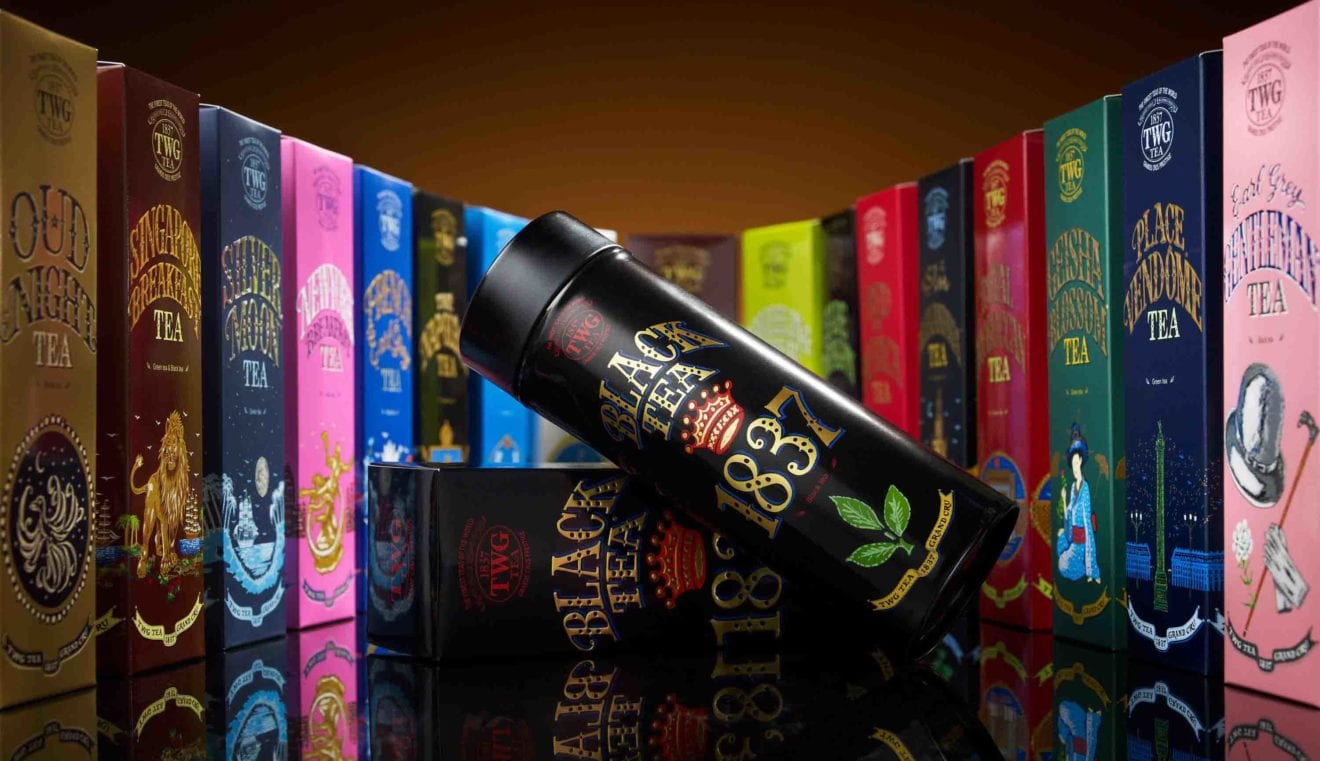
    Osim International subsidiary, upmarket tea chain TWG, is playing down a pesticide report in Taiwan.

    Taiwan’s Food and Drug Administration says it found excessive levels of pesticide residues in TWG’s Chamomile Green Tea sourced from India.

    TWG has retail stores in Singapore, Malaysia, Japan Cambodia, Taiwan, Hong Kong, Korea and the Philippines, China, Indonesia and Thailand as well as in Europe, and sells packaged teas online. It positions itself as a high end, gourmet tea brand.

    But a TWG Tea spokeswoman Maranda Barnes told The Business Times the issue has been “overblown” by Hong Kong media, and consumers in Singapore, Hong Kong, China and Taiwan had nothing to be concerned about.

    She said the Chamomile Green Tea had passed tests by Singapore authorities, but been rejected by the Taiwan FDA.

    Barnes said tea leaves in Taiwan are tested in the same way as fresh fruit and vegetables designed to be chewed and swallowed – yet if a residue was present in a tea leaf it would be infinitely diluted when infused as tea is designed to be drunk.

    She said it was impossible to test every tea for every one of 300 pesticides in existence.

    “We put our teas through a battery of tests. Unfortunately, we cannot test for every single chemical in the world in every batch. In Taiwan, even if a product was rejected and sent back, the government will promote the rejection through the media.”

    TWG is in ongoing discussions with Taiwan’s FDA regarding the test results.