Tag: federal reserve

  • Asian Equities Slide as South Korea Drops 3.6% and AI Spending Faces Scrutiny

    Asian Equities Slide as South Korea Drops 3.6% and AI Spending Faces Scrutiny

    Asian equity markets retreated across the board on Tuesday as South Korea’s benchmark index tumbled 3.61 per cent ahead of major global technology earnings.

    The MSCI Asia ex-Japan index fell 0.93 per cent while Tokyo’s Nikkei 225 dropped 1.28 per cent, reflecting investor hesitation across key regional hardware and semiconductor hubs.

    Seoul and Tokyo Lead Stock Declines

    Selling was heaviest in South Korea, where tech heavyweights dragged the KOSPI down sharply during morning trade. Market debutant Elice Group, a South Korean artificial intelligence infrastructure provider, opened 16 per cent below its initial public offering price after raising 201.1 billion won ($151.12 million) in its listing.

    European index futures pointed lower as well. Euro Stoxx 50 futures fell 0.71 per cent, DAX futures slipped 0.40 per cent and FTSE futures lost 0.44 per cent, while S&P e-minis held flat at 7,734.25.

    AI Spending Faces Heavy Scrutiny

    Investor attention is shifting toward corporate balance sheets as market participants demand direct evidence that enterprise software demand and consumer spending justify elevated capital commitments. Meta platforms, scheduled to report quarterly numbers on Wednesday, is one of five major hyperscalers projected by Goldman Sachs to push collective capital expenditure to $1.2 trillion next year.

    Hardware suppliers face an immediate test as results arrive from Tesla, Lam Research and Texas Instruments later in the week, alongside private operator SpaceX.

    The market is happy to cover shorts and unwind defensive trades, but that’s very different from having the conviction to rebuild aggressive exposure to AI.

    For component suppliers and contract manufacturers across East Asia, the stakes are elevated because regional valuations have priced in continuous quarterly gains. If hyperscalers signal any moderation in data centre buildouts, Asian memory and chip assembly vendors will bear the initial brunt of order adjustments.

    Institutional funds have begun pulling back from aggressive tech exposure, rotating into defensive holdings until earnings prints validate revenue conversion rates. The sharp discount on new market listings like Elice Group reflects shrinking risk tolerance for loss-making infrastructure plays across the region.

    Energy Markets and Trade Directives

    Crude oil prices ticked upward as energy traders tracked political developments in Washington and unrest in Europe. Brent crude rose 0.21 per cent to $109.78 a barrel, while US West Texas Intermediate gained 0.15 per cent to trade at $103.82 a barrel.

    An executive order issued by US President Donald Trump on Friday waived selected sanctions and tariffs on Russian energy exports, including duties on crude shipments and refined goods. Trump stated on Saturday that a final policy determination remains pending, leaving refiners and logistics providers uncertain about trade enforcement rules.

    Gold prices retreated from recent highs, with spot gold slipping 0.51 per cent to $4,118.71 an ounce.

    Currency Flows and Central Bank Signals

    Currency trading showed safe-haven positioning following weekend civil unrest in France that prompted municipal curfews in Paris, Lille and Nice. The euro traded at $1.12 after recovering 0.06 per cent from Monday’s slide, while the British pound held at $1.33 and the Japanese yen weakened marginally to 158.57 per dollar.

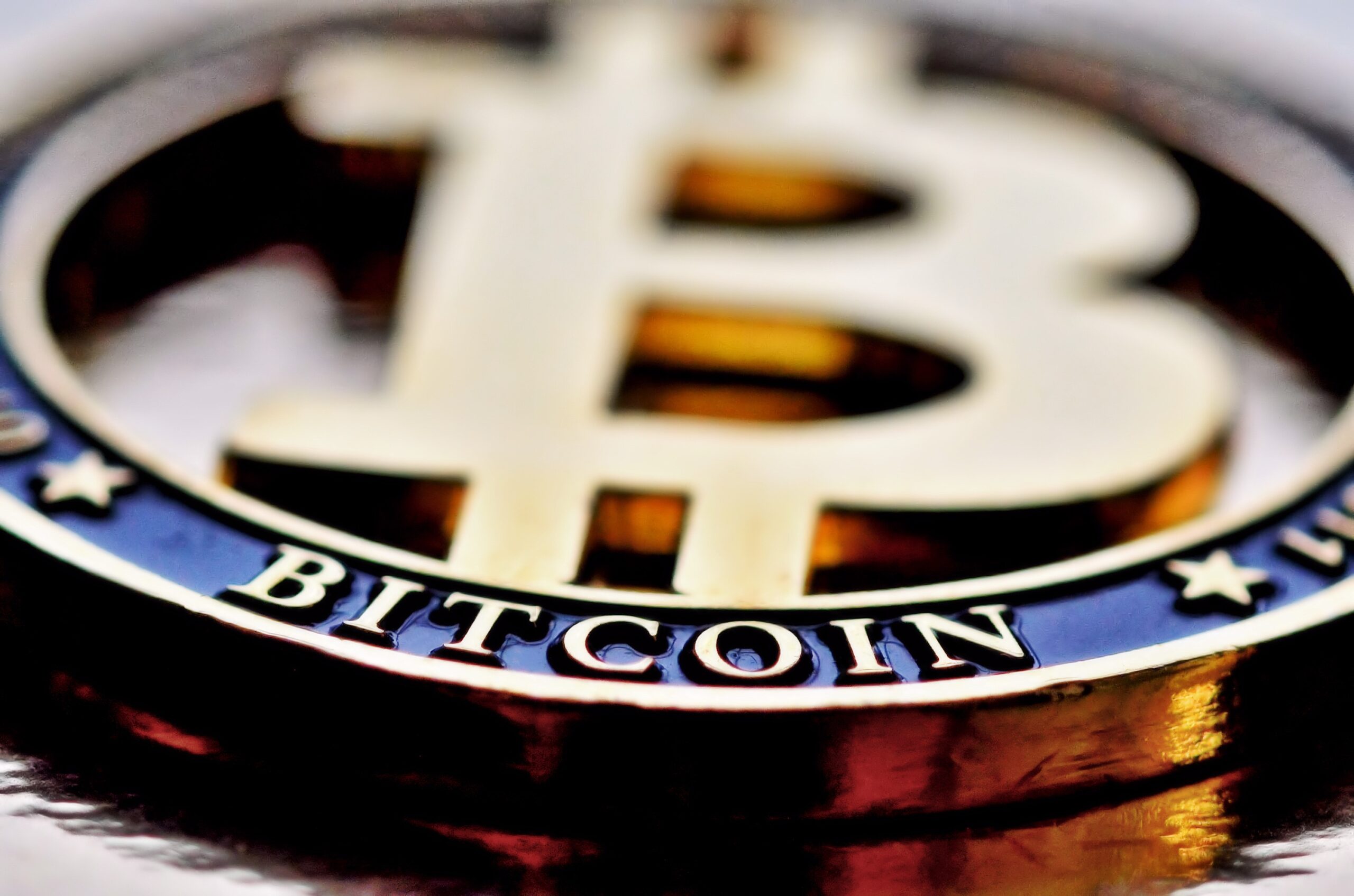
    Comments from US Federal Reserve officials, including Chair Kevin Warsh, indicated that monetary authorities see sustained domestic economic momentum and feel little urgency to adjust policy rates immediately. Digital assets followed equity markets lower, with bitcoin dropping 0.67 per cent to $81,386.40 and ether falling 0.54 per cent to $2,385.75.

    Traders now look to upcoming policy speeches from European Central Bank officials Martin Kocher and Olli Rehn, followed by Bank of England policymaker Megan Greene in London, ahead of Meta’s earnings release on Wednesday.

  • Bitcoin Cap at US$100,000 as Yields and Iran Conflict Stall Rally

    Bitcoin Cap at US$100,000 as Yields and Iran Conflict Stall Rally

    Bitcoin will struggle to break above US$100,000 before year-end as climbing bond yields and geopolitical tensions cap capital flows into digital assets.

    The largest cryptocurrency traded at US$81,404 on Saturday after slipping 0.4 per cent over five days, holding well below its peak of US$126,000 recorded in October 2025.

    Trading desks and data platforms expect the token to range between US$75,000 and US$95,000 through the fourth quarter. Digital asset trading firm QCP Capital placed its base case between US$80,000 and US$90,000, while CoinMarketCap projected a final year-end close between US$85,000 and US$92,000. Higher borrowing costs in the United States and energy disruptions linked to the conflict with Iran continue to direct institutional cash toward traditional debt instruments rather than spot crypto markets.

    Yield Pressures Compete for Institutional Capital

    Surging yields on US government paper have changed how regional asset allocators price speculative investments. The 10-year US Treasury yield reached a 24-year high of 5.36 per cent earlier this month, establishing a steep hurdle rate for non-yielding assets.

    Liquid alternatives in sovereign debt now provide fixed returns without digital asset volatility. Digital asset infrastructure firm BitGo notes that elevated risk-free returns have altered portfolio construction across Asian desks.

    Investors can earn attractive yields on lower-risk instruments such as Treasuries, so crypto is competing for capital on harder terms this quarter.

    Retail and family office flows in Singapore and Hong Kong that previously chased crypto beta have shifted toward short-duration dollar paper. That reallocation has drained liquidity from secondary crypto markets, leaving market makers with thinner order books and less capacity to absorb sudden liquidations.

    Macro Headwinds Outweigh Token Catalysts

    Price action has decoupled from internal blockchain milestones and now tracks broader macroeconomic data prints. Oil markets have become a direct counterweight to token values as escalation risks in the Middle East threaten energy supplies.

    CoinMarketCap data shows bitcoin moving inversely to crude prices, selling off on supply threats and rallying only when regional friction cools. A wider confrontation involving Iran that drives oil higher could push the token down below US$70,000, according to trading desk estimates.

    Inflation figures in the United States have reinforced that defensive positioning. September consumer prices rose 0.6 per cent, exceeding consensus forecasts and raising the likelihood of tighter central bank policy through the final quarter.

    The Long Path Down From Peak Valuations

    Current price levels follow a protracted market contraction that erased substantial paper wealth over the past twelve months. A steep downturn after the October 2025 record of US$126,000 wiped US$19 billion from the market, pinning the token under US$70,000 for several months.

    An August rebound above US$80,000 renewed retail buying interest across Asian exchanges, but prices stalled near US$85,000 as buying volumes thinned. Arbitrum Foundation investment strategists observe that while bitcoin has gained roughly 40 per cent from its June low, sustained momentum requires stable macro conditions that current interest rate projections do not support.

    Institutional buyers who entered during earlier exchange-traded product approvals remain cautious about adding exposure above current spot prices. Without steady inflows from multi-asset funds, market liquidity remains concentrated inside narrow range-bound channels.

    What to Watch at the October Fed Meeting

    Monetary policy decisions will determine whether the current trading floor holds through December. The US Federal Reserve meets on October 27 and 28 to decide on interest rates.

    A decision to hold rates steady alongside softer forward guidance could allow bitcoin to test the upper boundary of its US$95,000 forecast range. A benchmark rate increase would likely send the token back down toward US$75,000 before the end of the month.

  • US Dollar Drops Across Asia as AI Debt Jitters Shake Currency Markets

    US Dollar Drops Across Asia as AI Debt Jitters Shake Currency Markets

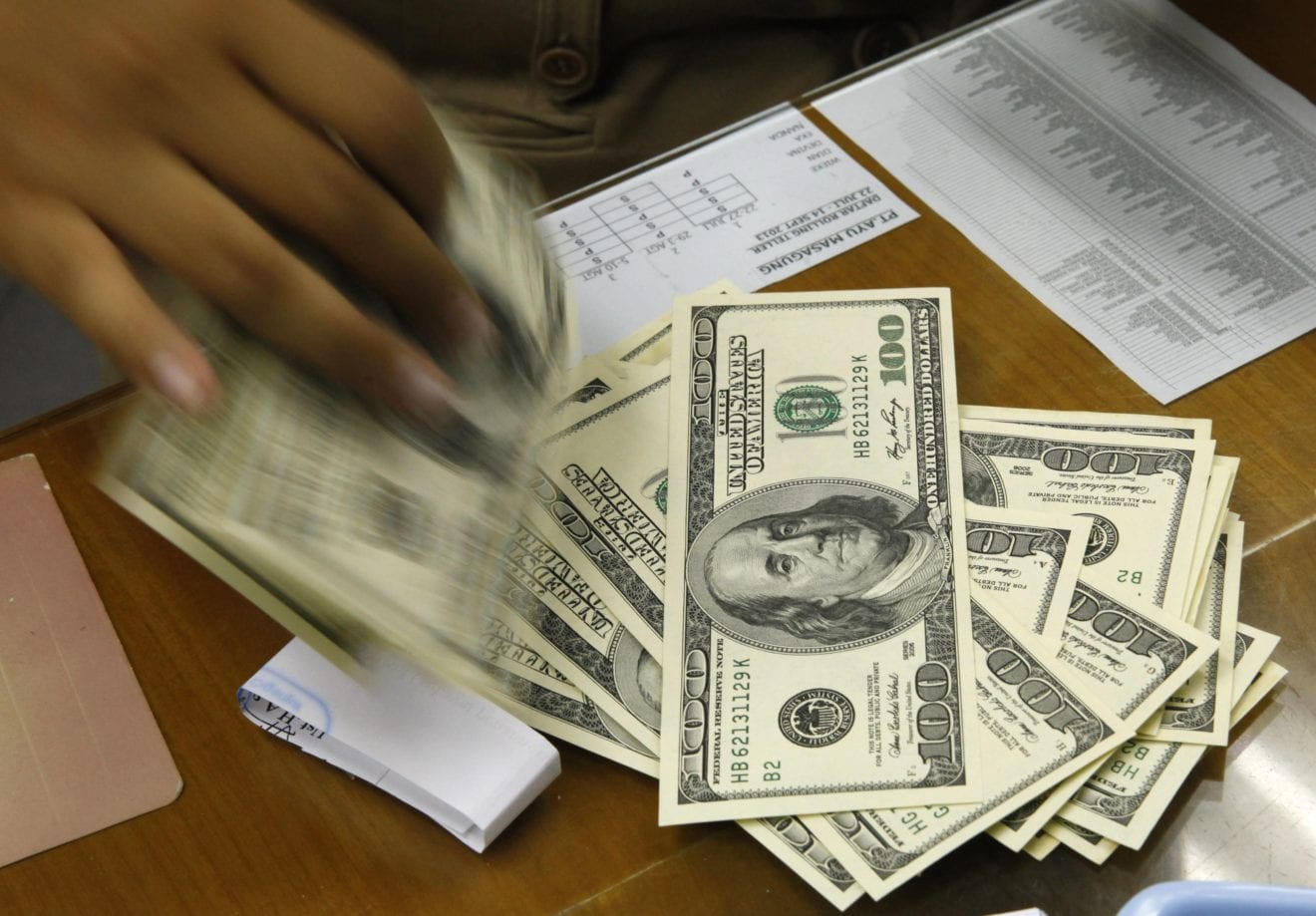
    The US dollar fell 0.25 per cent to 101.77 on Friday. The drop puts the greenback on course for a 0.45 per cent weekly decline as debt strains across the tech sector rattled global markets.

    A selloff across artificial intelligence infrastructure providers drained momentum from the American currency. That handed gains to the Japanese yen, the euro and the Swiss franc.

    Traders redirected capital away from dollar assets. Heavy losses across tech hardware and data centre operators raised doubts about near-term returns on computing infrastructure. The pullback broke four consecutive weeks of dollar gains against the yen. On Friday, the Japanese currency traded up 0.28 per cent for the week at 157.89 per dollar.

    Tech debt stress spills into currency trades

    Credit stress across the artificial intelligence supply chain triggered the shift in foreign exchange sentiment. Data centre operators face mounting financing expenses. Bond investors now question whether operating cash flows can service the borrowing loads accumulated during the recent hardware expansion.

    Cloud provider CoreWeave became the focal point of market anxiety this week. The company carries about $50 billion in debt. Yields on its April-issued notes climbed to roughly 15 per cent, while credit default swaps jumped to about 1,000 basis points. That pricing signals a 63 per cent probability of default over five years.

    Pressure on high-yield debt shook equity valuations across hardware suppliers. Options traders responded by buying downside protection at record volumes. The fallout altered currency dynamics. Instead of serving as a traditional haven during equity declines, the dollar softened as investors priced in reduced US economic momentum and lower bond issuance.

    Central banks chart divergent regional paths

    In Tokyo, monetary policy signals provided direct support for the yen. Bank of Japan Governor Kazuo Ueda confirmed on Friday that authorities will keep raising benchmark interest rates as economic and financial conditions develop.

    That stance contrasts with expectations in Washington. Traders assign an 87 per cent probability to the Federal Reserve holding interest rates steady at its late October meeting. Softer US yields earlier in the week removed support from the greenback, even after firm inflation data.

    Elsewhere in the Asia-Pacific region, the Australian dollar climbed 0.55 per cent on Friday to $0.6959. Despite the daily rebound, the currency remained down 0.3 per cent over the week. A weak domestic employment report dampened expectations of further rate increases by the Reserve Bank of Australia.

    European currencies attract defensive capital flows

    European currencies captured much of the capital rotating out of dollar assets. The euro rose 0.14 per cent to $1.1235 on Friday. The move built on a 0.56 per cent surge on Thursday, securing a 0.39 per cent weekly advance.

    Switzerland’s currency drew the strongest defensive buying among major peers. The Swiss franc tracked toward a 0.61 per cent weekly climb against the dollar. Investors expect Swiss policymakers will keep benchmark interest rates at zero rather than pushing borrowing costs into negative territory.

    Equity investors also adjusted their exposure. Funds rotated out of high-valuation technology names and into consumer products and healthcare shares to protect portfolio returns.

    Corporate capital plans face valuation hurdle

    Tech spending drove the market correction after months of heavy debt financing for data centre construction and processor purchases. Tech giants Alphabet and Meta Platforms expanded their balance sheets to secure computing capacity. Specialized cloud operators relied on private debt and bond markets.

    Market volatility has already disrupted corporate fundraising schedules. Smart ring maker Oura postponed its planned US initial public offering. Private artificial intelligence developers such as Anthropic face heightened scrutiny over their revenue multiples ahead of potential public listings.

    Currency traders are looking ahead to the Federal Reserve rate decision later this month. Upcoming third-quarter corporate earnings will reveal whether enterprise software revenue can support those debt commitments.

  • US Lawmaker Asks Fed Chair Kevin Warsh to Review Hong Kong Funding Access

    US Lawmaker Asks Fed Chair Kevin Warsh to Review Hong Kong Funding Access

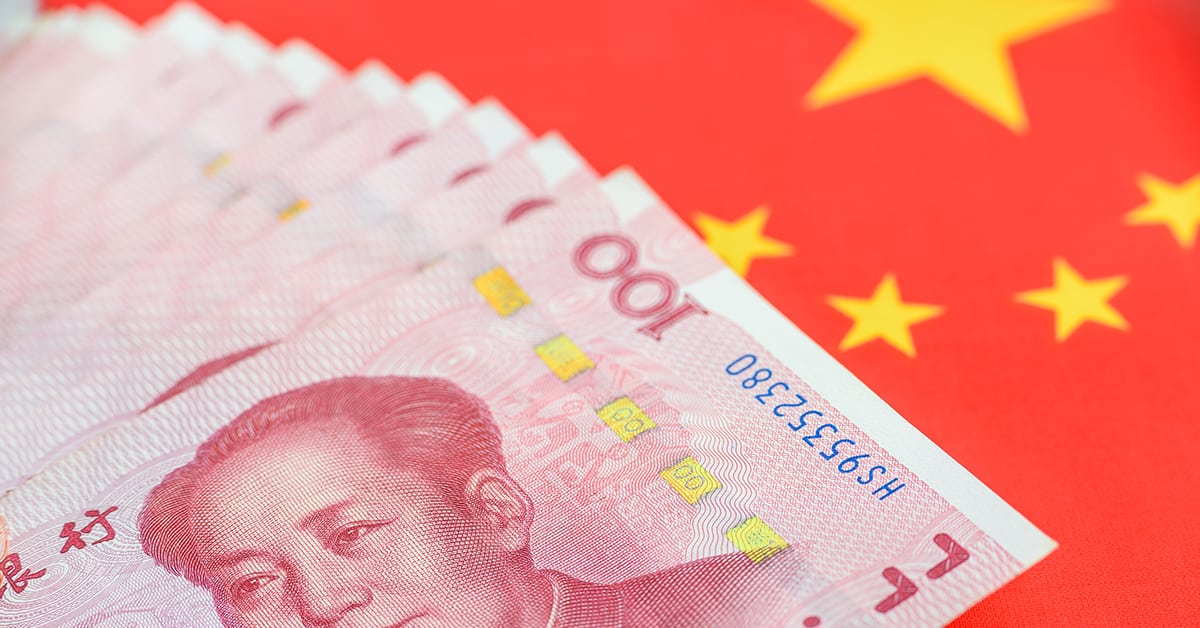
    A US lawmaker asked Federal Reserve Chair Kevin Warsh on 9 October 2026 to review Hong Kong’s access to an emergency short-term dollar funding facility. The request cited Beijing’s global yuan push.

    Hong Kong financial operations face limited fallout from the proposal. The city does not rely on the emergency window for regular financing.

    The Emergency Funding Review

    The facility supplies short-term US dollar liquidity during market disruptions. Washington lawmakers want access re-evaluated as China expands renminbi cross-border settlements and builds alternative payment rails.

    This push targets Hong Kong’s access to central bank swap lines and repo facilities managed in Washington. Curtailing that access would signal an attempt to weaponize core central bank liquidity mechanisms over currency competition.

    Impact on Hong Kong Financial Operators

    Immediate disruption remains negligible for lenders, treasury desks, and corporate borrowers in Hong Kong. Local banks run on deep foreign exchange reserves and private market liquidity rather than standing central bank borrowing lines.

    Market confidence carries the real risk. Restricting access to standard central bank liquidity safety nets creates friction for international institutions managing dollar-denominated assets through Hong Kong.

    Risks to Global Dollar Dominance

    Politicizing access to Federal Reserve backstops creates unintended consequences for the United States. Blocking commercial financial centers from dollar liquidity tools encourages global market participants to diversify reserves into alternative currencies.

    Narrowing access accelerates the shift toward non-dollar settlement platforms across Asia. The policy stance risks undermining the dollar’s status as the global reserve benchmark faster than foreign policy initiatives can contain competing currencies.

    Next Steps for the Fed

    Scrutiny over offshore dollar clearing has increased alongside geopolitical competition between Washington and Beijing. The proposal reflects broader legislative efforts to examine ties between American central banking infrastructure and Asian clearing hubs.

    The Federal Reserve has not issued a formal response to the lawmaker’s request, leaving the review timeline open.

  • Tokyo Stocks Breach 70,000 as Tech Gains Drive Nikkei Rally

    Tokyo Stocks Breach 70,000 as Tech Gains Drive Nikkei Rally

    Japanese equities jumped on Monday morning as the benchmark Nikkei Stock Average crossed the 70,000 threshold during intraday trading for the first time in three months.

    Technology shares led the surge in Tokyo after renewed optimism surrounding artificial intelligence boosted investor demand across the sector.

    Macroeconomic Data Eases Rate Pressure

    Cooling economic data from the United States provided immediate support for equity valuations. The September U.S. Jobs report showed slower-than-expected employment growth, prompting market participants to scale back expectations for a Federal Reserve interest rate increase this month.

    Lower rate expectations in the United States relieve valuation pressure on high-multiple technology counters across Asia, giving institutional buyers room to rebuild equity positions.

    Technology Sector Leads Market Rebound

    Capital flows into hardware, semiconductor, and artificial intelligence-related names provided the bulk of the index momentum during the morning session. Tokyo equity markets had spent the past three months trading beneath the 70,000 mark following earlier volatility.

    For portfolio managers and corporate treasuries in the region, the recovery above 70,000 sets a firmer valuation floor for Japanese listed corporations. Technology suppliers and capital equipment manufacturers benefit directly when broader risk sentiment stabilizes.

    What to Watch Next

    Trading desks now turn their focus to upcoming central bank meetings and subsequent corporate earnings reports across the Asian tech hardware supply chain to gauge whether intraday index levels hold through the close.

  • Asian Stocks Dip 0.2% as US 10-Year Treasury Yield Hits 5.306%

    Asian Stocks Dip 0.2% as US 10-Year Treasury Yield Hits 5.306%

    Asian stocks were subdued on Oct 1 as global bonds remained under pressure, with MSCI’s broadest index of Asia-Pacific shares outside Japan falling 0.2 per cent following a brutal September.

    Blockbuster earnings from AI chipmaker Micron failed to lift market sentiment, while stalling US-Iran peace talks kept oil prices elevated and benchmark US 10-year Treasury yields touched 5.306 per cent.

    Regional equity performance was mixed as South Korea’s KOSPI slipped 0.14 per cent, Japan’s Nikkei gained over 1 per cent on chip shares, and European stock futures fell 0.75 per cent.

    Treasury Yields Test Multi-Decade Highs

    Bond markets ended September with heavy losses after rising energy prices revived inflation concerns across major economies. The United States 30-year Treasury yield traded at 5.634 per cent after touching 5.6517 per cent, a level unseen since June 2002.

    Sustained yields above 5 per cent have weighed on equity valuations and corporate balance sheets. United States federal debt has now crossed the $40 trillion mark, leaving investors focused on debt sustainability and rate velocity. Darren Shames, global head of rates sales at Nomura, noted that the speed of the yield move has drawn intense scrutiny from institutional allocators.

    Currency markets reflected the bond pressure. The United States dollar traded near a two-month peak, while the euro held at $1.1334 after sliding 2.5 per cent through September. In Tokyo, the Japanese yen weakened 0.3 per cent to 157.95 per dollar, even after Bank of Japan summary documents showed several board members favored accelerating the pace of domestic interest rate hikes.

    Chip Earnings and Hardware Valuation Pressure

    Strong quarterly figures from memory maker Micron failed to sustain broader technology gains across Asian exchanges. Hardware and consumer electronics supply chains remain caught between record artificial intelligence infrastructure demand and broader macroeconomic drag.

    Official trade figures from Seoul showed South Korea’s total exports jumped 83.5 per cent year-on-year in September to a record $120.94 billion, led by a 262 per cent surge in semiconductor shipments to $60.3 billion. Computer product shipments surged 435.3 per cent to $7 billion as suppliers fulfilled high-bandwidth memory orders for global computing platforms, including multi-billion supply agreements involving Samsung Electronics, SK hynix, and Nvidia.

    “Micron’s numbers are another strong validation of AI and memory demand, but markets may increasingly be asking whether we are closer to peak memory shortage, even if demand continues to exceed supply,” said Charu Chanana, chief investment strategist at Saxo.

    Energy Pressures and Policy Shifts

    Elevated commodity prices continue to complicate central bank calculations across Asia-Pacific import hubs. Brent crude futures hovered at $98.15 per barrel on October 1, after climbing more than 14 per cent in September to register a third straight month of price gains.

    Diplomatic friction and stalled peace negotiations between the United States and Iran regarding the seven-month conflict in the Middle East have kept shipping risks elevated across crucial energy corridors. Higher bunker and fuel costs are feeding directly into freight rates, hitting import-reliant consumer goods distributors and retailers across Southeast Asia.

    Data released on September 30 showed United States consumer price inflation rose less than expected in August, offering brief relief to equity trading desks. Pricing data from CME FedWatch showed traders assigned a 38 per cent probability to a Federal Reserve rate increase on October 28, down from a 50 per cent probability priced a day earlier.

    What Operators and Investors Face Next

    For retail conglomerates, electronics manufacturers, and commercial property owners across Asia, persistent capital costs are forcing tighter inventory control and reduced reliance on floating-rate debt. Higher discount rates limit speculative store rollouts, prompting operators to favor proven high-density retail corridors over aggressive regional expansion.

    The current market tension follows the Federal Reserve’s September decision to raise borrowing costs for the first time in three years. While New York Fed President John Williams indicated on September 29 that there was no immediate urgency for another policy move, energy market volatility keeps headline inflation risks open.

    All eyes now turn to the Federal Reserve’s rate-setting meeting on October 28, alongside third-quarter earnings releases from Asia’s leading consumer hardware and semiconductor manufacturers as South Korea aims for $1 trillion in annual exports.

  • Bitcoin Slides to $75,026 Following Failed Clarity Act Vote in US Senate

    Bitcoin Slides to $75,026 Following Failed Clarity Act Vote in US Senate

    Bitcoin dropped to a four-week low of $75,026 after the US Senate rejected the crypto-friendly Clarity Act ahead of an interest-rate decision by the Federal Reserve.

    Prices fell roughly 4 per cent on Tuesday. The token then recovered slightly to trade at $75,877 during European afternoon dealing.

    Trading desks across Asia and Europe pulled back risk exposure following the vote. Digital asset markets are now searching for support while central bankers prepare their next policy announcement.

    Senate procedural vote fails

    The defeat delivered an immediate blow to institutional sentiment. The Clarity Act fell 11 votes short of clearing a key procedural hurdle in the Senate. That result halts a measure designed to establish the first comprehensive statutory framework for US digital currencies.

    Primary oversight now reverts to regulatory agencies. That structure leaves rules vulnerable to revision whenever administrative leadership changes in Washington.

    Ethics rules stall legislation

    Lawmakers clashed over specific provisions in the bill, preventing a final vote. Disagreements centered on ethics restrictions designed to bar government officials from profiting personally from digital asset holdings.

    Backers had pitched the bill as an essential foundation for corporate adoption and institutional custody services. In the end, unresolved disputes over governance clauses cost the legislation its cross-party support.

    Agency oversight replaces federal law

    Asia-Pacific institutions monitor American policy closely because US frameworks shape cross-border liquidity and settlement standards. Operators in Singapore and Hong Kong run under established local licensing regimes. Even so, regional trading volumes still react directly to legal shifts in Washington.

    Commercial banks and brokers must now continue navigating overlapping agency guidance rather than codified law. This lack of uniform rulemaking prolongs compliance uncertainty for dollar-denominated token products across regional desks.

    Rate decision sets next direction

    Bitcoin had held a steady range before Tuesday as fund managers waited for macroeconomic cues. The 4 per cent drop erased early September gains, returning the market to support levels last tested four weeks ago.

    Market attention now shifts to the Federal Reserve interest-rate announcement scheduled for later today, where policy guidance will determine near-term dollar liquidity.

  • Bitcoin Climbs Past $87,000 as Crypto Short Liquidations Top $878 Million

    Bitcoin Climbs Past $87,000 as Crypto Short Liquidations Top $878 Million

    Bitcoin rallied 7.7 per cent to touch US$87,354 in New York trading on Sept 21, lifted by positive exchange-traded fund flows and an equity advance.

    The move lifted total cryptocurrency market capitalisation to US$2.8 trillion, its highest level since late January 2026.

    Bearish traders absorbed the brunt of the swing as digital asset liquidations crossed US$1 billion over a 24-hour window, according to data from Coinglass. Short positions accounted for roughly US$878 million of that total, forcing forced buy-backs across derivatives exchanges.

    Rival tokens followed the lead. Dogecoin gained up to 14 per cent, XRP climbed 8 per cent, and Ether rose 4.3 per cent to reach US$2,747. Listed digital asset shares also advanced, with Coinbase Global climbing 3.5 per cent, Circle Internet Group rising 3 per cent, and Strategy jumping 9.5 per cent.

    Derivatives Markets Lean Toward Upside Calls

    Options positions on the Deribit platform showed a sharp rotation toward upside wagers. Traders held more than 272,000 call contracts compared with roughly 154,000 put contracts, signaling strong demand for upside exposure.

    People are repositioning from downside protection to wanting to capture the upside.

    Institutional participation through spot exchange-traded funds provided the baseline liquidity needed to clear derivative resistance levels. The shift forced short sellers to unwind use accumulated during the prior week’s market slump.

    Macro Hurdles Temper Retail Participation

    Capital allocators in Asian trading hubs face a different risk backdrop than during previous speculative peaks. While institutional desks can use regulated funds to trade volatility, retail engagement across regional exchanges remains subdued.

    Competition from artificial intelligence equities has diverted speculative capital that once flowed directly into alternative tokens. With Brent crude trading above US$100 a barrel and US Treasury yields lingering at elevated levels, fund managers are treating crypto gains as tactical liquidity rallies rather than secular bull cycles.

    Legislative Gridlock and Regulatory Approvals

    The rebound unfolded after the market digested two policy setbacks: the failure of the Clarity Act in the US Senate and the Federal Reserve’s first benchmark interest-rate increase in more than three years.

    Relief came on Sept 17 when the Securities and Exchange Commission approved digital versions of securities to trade on domestic platforms. That approval offset legislative disappointment and restored institutional confidence in market structure continuity.

    Bitcoin had previously climbed to a 2026 high above US$97,000 in mid-January before sliding into a multi-month consolidation pattern that left it roughly a third below its October 2025 record.

    Policy Signals to Dictate Price Stability

    Momentum now hinges on whether cash inflows can withstand hawkish guidance from upcoming Federal Reserve speaker appearances throughout the week.

    Trading desks are watching the US$88,000 resistance level to determine if ETF inflows can sustain buying volume without triggering a fresh wave of profit-taking.

  • Japanese Yen Drops to 156 Against Dollar Following Hawkish Federal Reserve Rate Hike

    Japanese Yen Drops to 156 Against Dollar Following Hawkish Federal Reserve Rate Hike

    The Japanese yen fell past 156 against the US dollar in Tokyo on Thursday morning after the Federal Reserve raised interest rates. Fed officials paired the hike with a hawkish outlook. The US Dollar Index climbed above 100 as Asian currencies retreated.

    This sell-off pushed the currency back toward multi-month lows against the greenback after earlier rallies had lifted it to 152 and 154. The reversal resets the cost floor for Asian supply chains. Most settle energy, raw materials and consumer electronics components in dollars.

    Widening Rate Gap Hits Asian FX

    Washington provided the catalyst. The Federal Reserve confirmed further tightening to curb stubborn inflation. Higher yields on US debt continue to draw capital away from Asian fixed income assets, penalising currencies tied to low or negative real interest rates.

    Consumer brands and retailers importing inventory across Asia face immediate margin hits. Importers of packaged food, apparel and tech hardware face higher wholesale landed costs. Export manufacturers gain a temporary translation boost, but it masks weak domestic consumer sentiment.

    Squeeze on Margins and Import Costs

    Retail operators cannot easily pass currency fluctuations to shoppers without dampening foot traffic. Department stores, specialty chains and supermarket networks across East Asia face a hard choice. They must absorb higher procurement invoices or risk volume drops by raising shelf tags.

    Japan’s Ministry of Finance and corporate treasurers lost the breathing room they had earlier in the week. The market had watched the yen strengthen toward 152. The Federal Reserve quickly extinguished bets on an early monetary pause.

    Bank of Japan Decision in Focus

    Earlier trading saw the yen swing between 152 and 154 to the dollar as desks weighed domestic inflation against global bond yields. Japanese land prices and tourism spending showed resilience. Still, imported input inflation continues to squeeze local business margins.

    Traders now look to the Bank of Japan’s upcoming policy meeting. Officials face rising pressure to consider domestic rate adjustments to arrest further currency depreciation.

  • Bitcoin Pushes Past $70,000 as Traders Eye Fed Rate Decision

    Bitcoin Pushes Past $70,000 as Traders Eye Fed Rate Decision

    Bitcoin rebounded past $70,000 in late August as derivative markets turned net bullish for the first time in 12 months, setting up a decisive test against tightening global interest rates.

    The recovery pulled the world’s largest cryptocurrency out of a multi-month trough near $60,000, even as trading desks price in an 85 per cent probability of a US Federal Reserve rate increase.

    Derivatives Flip Bullish on Year-End Targets

    Data from options platform Derive.xyz shows the 25-delta skew, which measures relative pricing between bullish call options and defensive put options, turned positive on August 20. The pricing shift shows traders are paying a distinct premium for upside exposure heading into the fourth quarter.

    Open interest for the December 25 expiry is now heavily concentrated around two key strike levels: $710 million in notional value sits at the $80,000 strike, alongside $530 million positioned at $100,000. Capital rotated back into digital assets after speculative liquidity pulled out of Korean equities and settled following the massive SpaceX initial public offering.

    Spot exchange-traded funds have also reversed a prolonged dry spell. After logging eight consecutive weeks of net redemptions across May and June, funds recorded nearly $2 billion in net inflows during the week of August 17 alone.

    Macro Headwinds and Regional Capital Shifts

    For institutional allocators and private wealth desks in Asia, the renewed momentum presents a sharp divergence from traditional macro models. High bond yields near 5 per cent create fierce competition for liquid funds, yet regional buyers are treating deep drawdowns as accumulation windows rather than structural breaks.

    Asian family offices that trimmed exposure during the mid-year selloff face higher re-entry hurdles if institutional flows consolidate above current ranges. The primary operational risk sits with used derivatives books across regional trading hubs, where sudden rate adjustments can trigger rapid liquidations if the currency fails to clear upper resistance bands.

    “BTC was in oversold territory for some time,” said Matthew Dibb, chief operating officer of Singapore-based crypto investment manager Stack Funds.

    Policy Votes and Price Catalysts

    The current price action marks a steep clawback from the 50 per cent drawdown that followed the October 2025 peak above $126,000. The token rallied strongly after the election of US President Donald Trump before macro pressure and elevated inflation numbers erased those advances through early 2026.

    A critical legislative checkpoint arrives with a scheduled US Senate procedural vote on the Clarity Act, a regulatory package designed to classify tokens as securities or commodities. Traders will immediately turn to the Federal Reserve’s rate announcement on Wednesday, alongside whether Treasury buyback programmes expand to cushion long-term sovereign bond yields.

  • Yen Traders Brace for Silver Week Intervention as BOJ Decision Looms

    Yen Traders Brace for Silver Week Intervention as BOJ Decision Looms

    Currency traders in Tokyo are bracing for official market intervention around the Bank of Japan’s September 18 policy meeting, eyeing the upcoming three-day holiday for sudden yen buying.

    The Japanese yen climbed 0.5 per cent to 157.99 against the US dollar on Thursday as markets began pricing in an interest rate increase larger than 25 basis points.

    Trading desks expect sharp swings during Silver Week, a long holiday weekend starting immediately after the central bank convenes. Thin liquidity during national holidays gives authorities greater traction when buying yen, echoing April when the government stepped in during an extended break for the first time since 2024.

    Holiday Liquidity and Rate Gaps

    Tokyo deployed a record $96.4 billion over the past month to prop up the currency, backed by coordination with Washington. Japanese Finance Minister Satsuki Katayama and US Treasury Secretary Scott Bessent both confirmed readiness to enter foreign exchange markets without hesitation.

    Hedge funds have nevertheless started rebuilding short bets against the yen. Elevated crude oil import bills and a persistent interest-rate gap with the United States continue to drag the currency down toward the 160 line, where SBI FX Trade president Marito Ueda warned fresh intervention becomes probable.

    Pressures Across Asian Balance Sheets

    For retailers and consumer brands across Asia, rapid currency swings disrupt cross-border supply chains and contract pricing settled in dollars. Japanese store operators face relentless cost increases on imported food and inventory, while regional exporters must recalibrate margins against an unpredictable yen.

    Attention now shifts to the US Federal Reserve’s rate decision days before the Bank of Japan meets on September 18, with traders watching whether the exchange rate tests the 160 level before holiday trading begins.

  • Asian Markets Gain as JGB Yields Slide Ahead of US Jobs Data

    Asian Markets Gain as JGB Yields Slide Ahead of US Jobs Data

    Asian stocks and government bonds climbed on Thursday as investors recalibrated interest rate expectations ahead of crucial United States labour data.

    MSCI’s broadest index of Asia-Pacific shares outside Japan rose 0.5 per cent, tracking modest overnight gains on Wall Street as benchmark sovereign borrowing costs pulled back across major economies.

    Japanese government bonds led the fixed-income recovery ahead of a Ministry of Finance auction of super-long debt. The yield on 30-year Japanese government bonds dropped 10 basis points to 4.065 per cent, retreating from near-record highs, while benchmark 10-year US Treasury yields dipped 0.99 basis point to 4.784 per cent.

    Bond Yields Ease Across the Region

    Relief across regional debt markets followed remarks from Federal Reserve Bank of New York President John Williams, who noted that elevated long-term yields reflect economic resilience while policymakers assess upcoming data. Traders using the CME Group FedWatch tool now price a roughly two-in-three probability of a 25-basis-point rate increase this month, up from 37 per cent a week earlier.

    Economic data from Tokyo offered fresh evidence of domestic momentum. Japan’s services sector expanded in August at its fastest pace in five months, supporting expectations that the Bank of Japan retains room to raise borrowing costs further.

    For retailers and consumer operators across Asia, the pause in yield expansion offers short-term relief on commercial debt and capital expenditure plans. Persistent rate differentials and elevated debt costs have weighed on cross-border expansion financing throughout the region this quarter.

    Currency and Commodity Shifts

    Currency trading remained steady, with the dollar index slipping 0.05 per cent to 99.54. The Japanese yen held its ground at 158.59 per dollar after surging 0.9 per cent in the prior session, while the euro edged up to $1.1589.

    Energy markets softened slightly despite geopolitical friction between the United States and Iran. Brent crude fell 0.44 per cent to $95.21 a barrel and US crude dropped 0.3 per cent to $90.74 a barrel, while spot gold gained 0.32 per cent to trade at $4,400.47 an ounce.

    Market attention turns next to Friday’s US nonfarm payrolls report and an upcoming address by Federal Reserve Governor Christopher Waller.

  • China Sovereign Bond Yields Drop to 1.69 per Cent as US Gap Widens

    China Sovereign Bond Yields Drop to 1.69 per Cent as US Gap Widens

    China’s 10-year government bond yield fell to 1.692 per cent on Monday, widening the policy divergence with the United States as domestic economic growth slowed.

    The yield sits near a 12-month low after July retail sales, industrial output, and fixed-asset investment all missed analyst forecasts.

    Brokerages including Great Wall Securities project the 10-year yield will drop further to 1.65 per cent. The slide reflects rising domestic calls for borrowing cost cuts to counter deflation and a prolonged property slump.

    In contrast, long-term borrowing costs in the United States remain elevated. The US 30-year Treasury yield hovered near a two-decade high of 5.304 per cent. Federal Reserve Chairman Kevin Warsh indicated at the Jackson Hole symposium that inflation control remains the primary focus over employment, while eliminating forward policy guidance. US Treasury Secretary Scott Bessent pledged to double a bond buyback programme, yet investors continue demanding higher yields for long-dated American debt.

    Foreign Inflows and Diverging Policies

    Overseas investors purchased 9.5 billion yuan ($1.4 billion) in Chinese government bonds in July, logging their third consecutive month of net buying. Total foreign holdings in China’s nearly 200 trillion yuan debt market stand at approximately 4.3 trillion yuan, representing roughly 2 per cent of the market.

    A stronger yuan alongside lower local yields has helped attract offshore capital seeking insulation from volatile global equities. While the US central bank confronts energy price pressures and heavy fiscal debt issuance under the Trump administration, Beijing faces the opposite challenge of stimulating dormant consumer demand.

    Capital Flows Across Asian Markets

    For corporate borrowers and retailers across Asia, the widening interest-rate spread alters funding strategies. Chinese issuers are leaning harder into yuan-denominated debt to capture ultra-low domestic borrowing costs, while dollar-denominated debt servicing grows heavier.

    Markets now watch whether the People’s Bank of China will deliver an official policy rate cut before the third quarter ends, testing the projected 1.65 per cent floor on sovereign yields.

  • Vietnam Gold Prices Drop to Lowest Level Since July

    Vietnam Gold Prices Drop to Lowest Level Since July

    Gold prices in Vietnam dropped on Saturday morning to their lowest level since July 22, tracking an overnight tumble in global bullion markets.

    Saigon Jewelry Company gold bars declined 1% to VND148.7 million ($5,700.59) per tael, which equates to 37.5 grams. Gold rings slipped 0.99% to VND149.7 million per tael, bringing the total decline for domestic gold to 2.68% so far this year.

    Global Bullion Tumbles on Rate Bets

    The domestic retreat tracked sharp losses across international trading desks. Spot gold fell 2.9% to $4,567.23 per ounce on Friday, marking its lowest reading since August 20. U.S. Gold futures for December delivery settled down 2.9% at $4,529.9 per ounce.

    Traders liquidated positions after Federal Reserve Chairman Kevin Warsh indicated that inflationary pressure remains persistent. The comments prompted markets to price in higher odds of monetary tightening rather than immediate policy relief.

    Domestic Retail Demand Reacts

    The drop reversed an earlier weekly rally that lifted global prices to a high of $4,696.18 on Tuesday. Gold ended the week down 2.9% overall.

    In Vietnam, physical gold remains a primary retail savings vehicle and an inflation hedge. When global spot prices swing rapidly, domestic jewellery retailers adjust their buy and sell spreads within hours to protect inventory margins.

    Market participants now shift their attention to the upcoming Federal Reserve policy meeting in September to gauge whether physical bullion demand in Asia will face further currency and interest rate headwinds.

  • Asian Shares Hold Flat as Investors Await Nvidia Earnings and US Sanctions Plan

    Asian Shares Hold Flat as Investors Await Nvidia Earnings and US Sanctions Plan

    Asian stock benchmarks traded flat on August 24 as investors held back ahead of Nvidia’s earnings and impending US sanctions on Iran. Regional tech exporters stayed cautious after sharp swings last week.

    Tokyo’s Nikkei index held steady following a 4 per cent drop the previous week, while South Korean shares fell 0.8 per cent and Taiwan slipped 0.5 per cent. The broader MSCI Asia-Pacific index outside Japan declined 0.2 per cent in morning trading.

    Tech Earnings and Jackson Hole Outlook

    Consumer electronics supply chains and semiconductor manufacturers across Asia are focused on chipmaker Nvidia, which reports earnings on August 26. Analysts expect quarterly revenue to double to roughly US$92 billion, with full-year revenue guidance projected between US$103 billion and US$105 billion.

    Regional equity markets are also tracking the outlook for US monetary policy. Federal Reserve Chairman Kevin Warsh will address the Jackson Hole economic symposium on August 28, with money markets pricing a 40 per cent probability of a rate increase on September 16 and a full move by December.

    US Treasury yields have continued to pressure equity valuations across the Pacific. Yields on 30-year US debt hovered at 5.2760 per cent, close to a 19-year peak of 5.3371 per cent, despite Treasury Secretary Scott Bessent announcing plans to double government bond buybacks.

    For Asian manufacturers and retail supply chains, high borrowing costs in the US and volatile currency markets keep export financing and inventory management under pressure. When long-term yields remain near multi-decade highs, valuations across Asian tech suppliers face tighter scrutiny from international funds.

    Trade Disputes and Commodity Pressures

    Energy and shipping corridors remain volatile as Bessent prepares to outline fresh sanctions on Iran, which maintains naval control over the Strait of Hormuz. Brent crude slipped 1.0 per cent to US$93.43 a barrel after climbing 6.6 per cent last week, while US crude fell 1.1 per cent to US$86.14.

    Cross-border retail trade faces additional frictions following a breakdown in US-Canada trade negotiations. Canadian Prime Minister Mark Carney confirmed reciprocal tariffs on US imports, covering electronics, appliances, dairy, steel, agricultural equipment, and pulp and paper.

    Gold prices advanced 0.4 per cent to US$4,623 an ounce, positioning bullion for a monthly gain exceeding 14 per cent. Attention now shifts to upcoming US core inflation figures, expected to hold at 3.3 per cent for July.