Retail News CRM

Tag: Filipino

  • Filipino Bakery Chain Mary Grace Set For First International Venture In Singapore

    Filipino Bakery Chain Mary Grace Set For First International Venture In Singapore

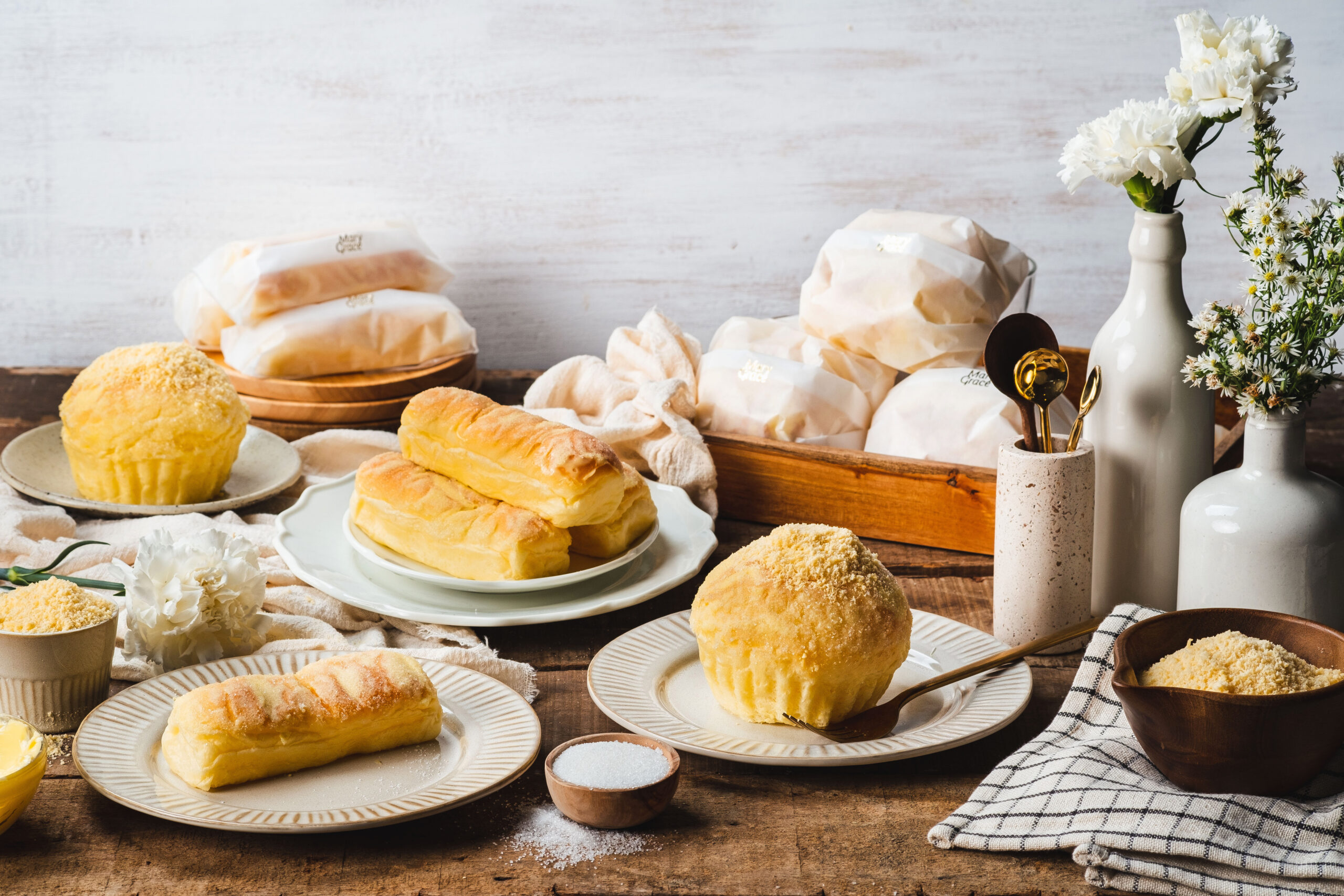
    Singapore has recently seen an influx of Chinese food and beverage (F&B) brands. Among them are the florist-café Tomacado, the popular teahouse Incloud, and Siji Miinfu, a specialist in Peking duck. However, the island nation is also preparing to welcome a notable name from the Philippines: Mary Grace. From its humble beginnings as a small bazaar stall set up by a mother of five in 1994, Mary Grace has grown into a bakery and café chain with over 140 outlets in the Philippines. The upcoming Singaporean outlet will be its first international venture.

    Mary Grace’s Initial Success in Singapore

    In September of this year, Mary Grace held a three-day pop-up event in Singapore. Despite minimal advertising, the event was a sold-out success. This could be a signal that when the permanent store opens, a large number of eager customers will be waiting.

    Signature Offerings

    The bakery’s signature offerings include its cheese rolls and ensaymada, a soft and buttery Filipino pastry adapted from the Spanish ensaïmada. In the classic version, Mary Grace tops the pastry with a dusting of aged Edam cheese. During the pop-up event, a box of six was sold for $31.50. The ensaymada also comes in several other flavours, such as cinnamon apple and chocolate.

    Mary Grace’s other home-style baked goods include carrot cake, banana bread, lemon bars, and strawberry shortcake. It is hoped that these, along with savoury items like sandwiches and Filipino-style all-day breakfast dishes, will be available in the Singapore store.

    Further Information

    Details about the exact location and opening date of Mary Grace’s Singapore location are still forthcoming. The latest updates will be posted on its Instagram account @cafemarygrace.sg.

    Questions & Answers

    What is Mary Grace’s origin?
    Mary Grace originated as a small bazaar stall set up by a mother of five in the Philippines in 1994. It has since grown into a large bakery and café chain with over 140 outlets in its home country.

    What are some of the signature items at Mary Grace?
    Some of the signature items at Mary Grace include cheese rolls, ensaymada which is a fluffy, buttery Filipino pastry, and other home-style baked goods like carrot cake, banana bread, lemon bars, and strawberry shortcake.

    When and where will the permanent Mary Grace store in Singapore open?
    The exact details regarding the opening date and location of the Mary Grace store in Singapore have not yet been released. Future updates will be posted on its Instagram account @cafemarygrace.sg.

  • H&M Leverages Young Filipino Talent to Fuel Exciting Growth Opportunities

    H&M Leverages Young Filipino Talent to Fuel Exciting Growth Opportunities

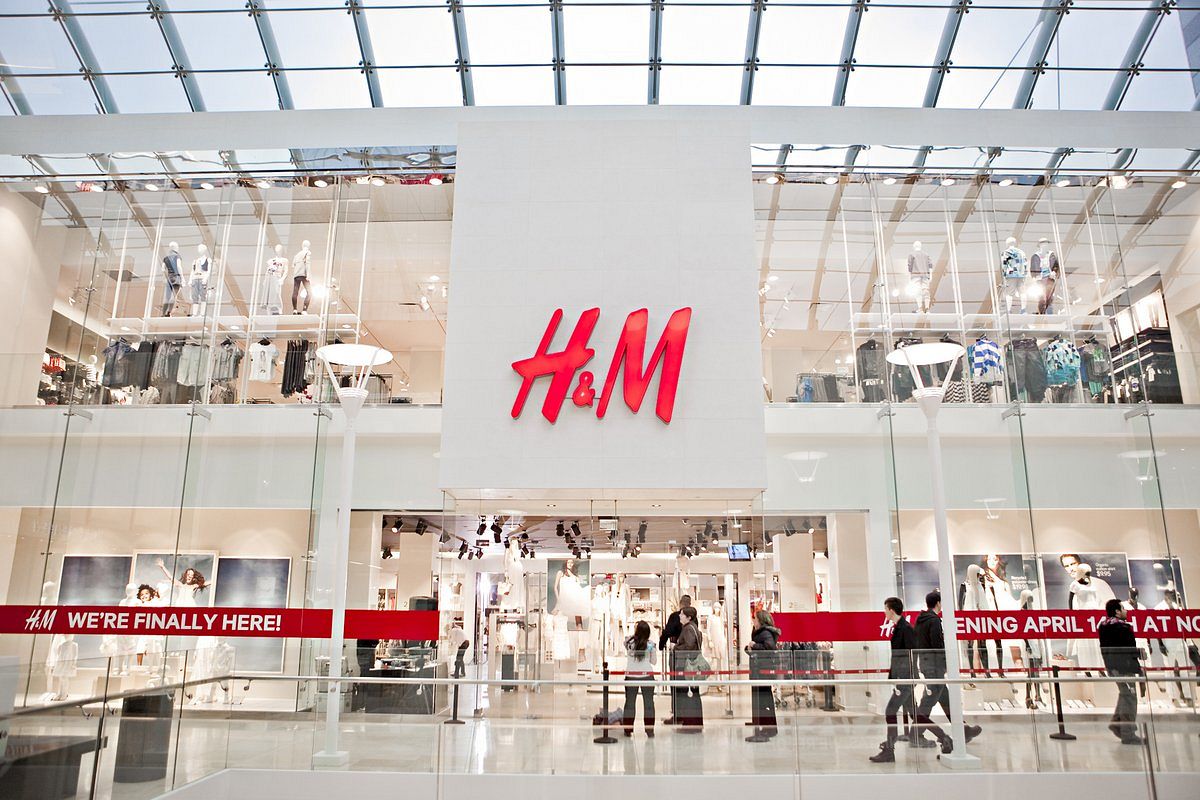
    H&M is setting its sights on the vibrant youth demographic of the Philippines as a catalyst for its growth in Asia, according to Saed El-Achkar, the Regional Manager and CEO of H&M’s Greater China and East Asia Regions. With nearly 11 years of presence in the archipelago, boasting 41 stores and a thriving online platform, the Swedish fashion behemoth recognizes that a confluence of trends is reshaping the Philippine retail landscape.

    Youthful Energy Driving Fashion Consumption

    At the heart of this transformation is the country’s youthful population, with an average age of just 27 years—a statistic that ignites enthusiasm in a way that’s rare in many corners of the globe. “That’s something that you cannot find in many countries around the world, which is incredibly exciting and interesting,” El-Achkar remarked. This youthful energy isn’t just about age; it fuels a fierce passion for fashion and a lifestyle reflective of broader global trends.

    Fashion-forward and Digitally Savvy Shoppers

    Filipino consumers are not just buyers; they are fashion-hungry individuals eager to express their style. El-Achkar emphasized their positive outlook, stating, “Customers are fashion hungry, enthusiastic about life, happy. People want to look good, feel good and be nice, and then continuously celebrate, which is super exciting.” This zest for life, coupled with their strong digital habits, paints a picture of an engaged consumer base. “The Filipino customer is very social, not only physically, but also digitally,” he explained. Their presence on platforms like Instagram and TikTok enhances their connection to fashion, making them a dream audience for any retailer, including H&M.

    Strategic Importance and Cultural Resonance

    Beyond just numbers, the Philippines’ geographic and cultural positioning plays a crucial role in H&M’s regional strategy. Nestled in Southeast Asia, the nation benefits from rich diversity and a growing appetite for international fashion trends. As El-Achkar highlighted, the way Filipino customers perceive fashion and their openness to global trends make the country a pivotal market for the brand. “It is incredibly important for us,” he affirmed.

    A Vision for the Future: Enhancing Customer Engagement

    Looking forward, H&M’s mission is clear: to deepen customer engagement by enriching both in-store and online shopping experiences. “Our journey or our mission is to liberate fashion for the many, make sure that fashion is as close as possible to all our customers… by elevating the fashion level, by elevating the experience, both in our stores and on our online platform,” said El-Achkar. This dual focus on enhanced experience and personal connection is designed to build lasting relationships with consumers, ensuring H&M remains a staple in Filipino wardrobes for years to come.

    Questions & Answers

    What is H&M’s primary strategy in the Philippines?
    H&M aims to capitalize on the youthful and digitally engaged population of the Philippines to drive its growth in the region.

    How does H&M view the Filipino consumer’s relationship with fashion?
    H&M sees Filipino consumers as enthusiastic and fashion-conscious, enjoying both life and personal expression through style.

    What role does digital engagement play in H&M’s approach?
    Digital engagement is crucial, as Filipino customers are highly active on social media platforms, enhancing their connection to fashion brands.

  • 58 percent of Filipino women delay marriage and kids for career

    58 percent of Filipino women delay marriage and kids for career

    Most Filipino women believe there has never been a better time to be a woman and that femininity is strength, according to research made by global marketing communications brand J. Walter Thompson (JWT).

    That they are among the least likely to experience sexism in the workplace compared to their sisters in the Asia-Pacific region reflects this world view.

    ‘Too superficial’

    Filipino women also wish to mentor their juniors—whether in the family, office or other social circles—in the self-taught independence and expression they have honed as part of growth. One reason for this is that Filipino women apparently feel it is dangerous to leave young girls looking for role models in media, since female celebrities are “too superficial.”

    JWT revealed the results of its study called “Filipina Next” in time for the celebration of International Women’s Day last March 8. The quantitative and qualitative research covered Filipino women across socioeconomic levels, from 18 to 70 years old.

    “Filipina Next” is an offshoot of the group’s more exhaustive poll in 2016 called “Female Tribes” that involved 4,300 participants from the United States, China, United Kingdom, Brazil, Saudi Arabia, Russia, India, Australia and South Africa. In that study, women, ages 18 to 70, were asked about money, career, religion, sex and other “relevant topics.”

    Highlights

    Among the highlights that JWT Philippines managing director Golda Roldan and executive strategic planning director Pamela Pacete-Garcia shared from “Filipina Next” are:

    98 percent of Filipino women believe in establishing “strong and substantial women in television and film,” but 76 percent find female celebs “too superficial.”

    Still, 15 percent credit a female role model in media for inspiring them to leave an abusive relationship.

    94 percent want women in general to “step up and serve as mentors to young girls.”

    80 percent consider themselves “the main household purchaser,” with 73 percent saying they make majority of financial decisions at home.

    72 percent claim they “don’t need anyone but themselves to achieve their goals.”

    Among those who turned to role models, 41 percent “have taken risks in life that they otherwise would not have taken;” 40 percent “became more ambitious,” while 33 percent were encouraged to go to school or pursue further education.

    63 percent consider sexual fulfillment important as a lifelong concept, with 70 percent agreeing that sexual fulfillment is not just for the young; 50 percent expect to remain sexually active even in their advanced years.

    58 percent would delay getting married and/or having children to pursue their chosen career.

    More than career advancement and the acquisition of material wealth, 47 percent measure success as “achieving a higher level of religious and spiritual awareness.”

    Policy issues

    While JWT studies showed Filipino women as the least likely to experience sexism at work, guest panelists in the presentation agreed that mentoring young women would help them overcome challenges, especially in the workplace.

    Taguig Rep. Pia Cayetano said this means it becomes more crucial now to confront policy issues such as maternity leave, age discrimination and reproductive health because “we still live in a time when women are very much discriminated against.”

    In the case of Olympic medalist Hidilyn Diaz, she recalled facing opposition from family members, particularly her mother, Emelita, after she decided to concentrate on weightlifting—a sport normally associated with “macho” men.

    Luminaries

    Other panelists attributed their success to strong women in the family who raised them, and mentors at work who encouraged them to find their place.

    Trickie Lopa of Art Fair Philippines had grandmothers who were both luminaries in the faculty of University of Santo Tomas, and a mother who also worked.

    “I never experienced women being Maria Clara (the weak female character in Rizal’s “Noli Me Tangere”). These days I work with women… I’m surrounded so it’s never been an issue,” Lopa said.

    Armie Jarin-Bennett of CNN Philippines recalled asking too many questions (“Tanong ako nang tanong”) at work “so people had the tendency to take me under their wing.”

    Melissa Henson, senior vice president and chief marketing officer of Manulife Philippines, once had a “Turkish lady” who taught her the ropes during a stint abroad.

    “In the US, I was the quiet Filipina who didn’t speak. Kasi nakakahiya, baka mali ang sasabihin ko, mas matalino sila sa akin,” she said.

    Henson said her boss encouraged her to speak up “or they’ll think you don’t know. If I turn out wrong, so what? Do better next time. I grew significantly, professionally under her watch.”

    Role models

    Johnson & Johnson country director Tina Sabarre noted that her women role models “did not act like men,” which made her realize “I can really be a woman, be strong in my femininity, and not work as if I am a man, and succeed.”

    Globe Telecom senior vice president and head of consumer mobile marketing Issa Cabreira grew up watching a grandmother, who was widowed at 49, raise seven children, and a mother who raised four kids after separating from her husband.

    “Having two very strong role models made me who I am today. If I am asked what drives me, it’s always those two amazing women—professionals who were doing the (traditional) jobs of men because they were running businesses,” Cabreira said.

    “I did not follow them as entrepreneurs, but they drove me to be at least half as successful on my own,” she added.
  • How Indonesians Became Richer than Filipinos

    How Indonesians Became Richer than Filipinos

    An Indonesian boom sparked by growing economic stability and falling corruption and debt levels has helped Indonesians catch up and become better off than Filipinos in per capita income in recent years.

    That hasn’t surprised those following emerging markets closely, though the Philippines’ equity market has outperformed Indonesia’s in the last ten years. Nor has it been a surprise seeing the Philippines leave behind the old glory days of the 1960s, and be bypassed by the one Asian country after another in per capita GDP.

    “There was a time when the Philippines was seen as an Asian trendsetter, and fashionable young Malays would sport the barong, the formal embroidered shirt favored by Filipinos, to look cool,” writes Ruchir Sharma in Breakout Nations. “But that was back in the 1960s, when the Philippines had the second highest per capita income in Asia, behind only Japan. The nation’s fortunes shifted since then.

    By the 1970s South Korea and Taiwan had passed the Philippines in per capita income terms. Malaysia and Thailand followed in the 1980s and China in the 1990s. Then in 2009, in a moment the Manila elite thought it would never see, Indonesia’s boom made Indonesians richer than Filipinos for the first time in history.”

    That’s a trend that continued beyond 2009. In 2016, Philippines per capita GDP was close to two-thirds of that of Indonesia’s; the gap is even bigger in ppp. What has Indonesia done right that Philippines’ hasn’t?

    To begin with, it has managed to shake off the economic and political instability that came with the breaking of the Asian financial crisis – a crisis which hit Jakarta hard, with GDP falling close to 20 percent over the 1997-1998 periods.

    Moreover, Indonesia managed to bring its government debt down, which accounts roughly for 60 percent of that of Philippines. Then there’s the battle against corruption and cronyism, big killers of emerging market growth, though it still remains high compared to that of China and India.

  • Filipino Business Community in Indonesia Launches Business Club

    Filipino Business Community in Indonesia Launches Business Club

    The Filipino business community in Indonesia has launched the Philippine Business Club Indonesia (PBCI), a business association representing private sector interests to promote and strengthen business, economic, and socio-cultural ties between the Philippines and Indonesia.

    “I am very optimistic about the potential of this business association, and we look forward to the activities and projects that the PBCI will undertake this year and in the coming years to ensure that its members can take advantage of new avenues for trade, investment, and economic cooperation between the Philippines and Indonesia,” Deputy Chief of Mission of the Philippine Embassy in Jakarta Robert Manalo stated at the launch here recently.

    The initiative signals the Filipino communitys greater commitment to building a stronger and strategic relationship with Indonesia.

    “Indonesia is the largest market in the ASEAN, representing almost half of its population. With the implementation of the ASEAN Economic Community, we are facing a historic opportunity to support a vital and growing Philippine private sector, one whose expanding interests show a more global outlook amid the economic integration in the region,” remarked Antonio Capati, chairman of the PBCI.

    The PBCI will endeavor to promote, strengthen, and foster cooperation and collaboration among its members in pursuing the commercial and social interactions of companies, individuals, and organizations dedicated to the development of trade, investments, and people-to-people cooperation between the Philippines and Indonesia.

    The PBCI will work closely with the Philippine Embassy and the Philippine Trade and Investment Center in Jakarta, business chambers, respective public and private sectors, and other key stakeholders in the Philippines and Indonesia to realize its objectives. The club will host seminars, conferences, trade & investment briefings, trade missions, matchmaking, and networking events.

    Additionally, the club will undertake special projects to contribute to business and social development in the Philippines and the ASEAN.