
Tag: financial inclusion

  • China Expands Digital Yuan Network to Accelerate Adoption with Eight New Banks

    China Expands Digital Yuan Network to Accelerate Adoption with Eight New Banks

    China has taken a significant step to boost the adoption of its central bank digital currency, the digital yuan or e-CNY, by adding eight new banks to its operational network. This expansion is designed to make the digital currency more accessible and integrated into daily financial transactions for consumers and businesses nationwide.

    Previously, only six state-owned commercial banks were authorised to handle e-CNY services. The inclusion of new institutions, including joint-stock commercial banks and city commercial banks, broadens the reach of the digital currency, allowing more citizens to open digital wallets and conduct transactions through a wider array of banking applications.

    Broadening Access and Integration

    The People’s Bank of China has been systematically rolling out the digital yuan in various pilot programs since 2019. These initiatives have included trials for cross-border payments, subsidies, and a wide range of retail scenarios, showing the currency’s potential utility. By expanding the network of participating banks, the central bank aims to move beyond these pilot stages and achieve more widespread public use.

    This strategic push is expected to streamline payment processes and enhance financial inclusion, particularly in areas where traditional banking services might be less accessible. The increased competition among banks offering e-CNY services could also lead to more innovative features and improved user experiences, benefiting both consumers and retailers.

    Implications for Asia’s Digital Payments

    The drive to scale the digital yuan network highlights China’s commitment to advancing its digital economy and potentially establishing a leading role in global central bank digital currency development. As the e-CNY becomes more entrenched in the domestic market, it presents new considerations for retailers and brands operating within China, particularly regarding payment infrastructure and consumer spending habits.

    For RetailNews Asia, this development signals a continuing trend across the region towards digitisation of financial services. Countries like Singapore and Thailand are also exploring or implementing their own digital currency initiatives, suggesting a future where digital currencies could play a more prominent role in cross-border trade and regional financial ecosystems.
  • Digital Payments Now Comprise over 64% of Philippines Retail Transactions

    Digital Payments Now Comprise over 64% of Philippines Retail Transactions

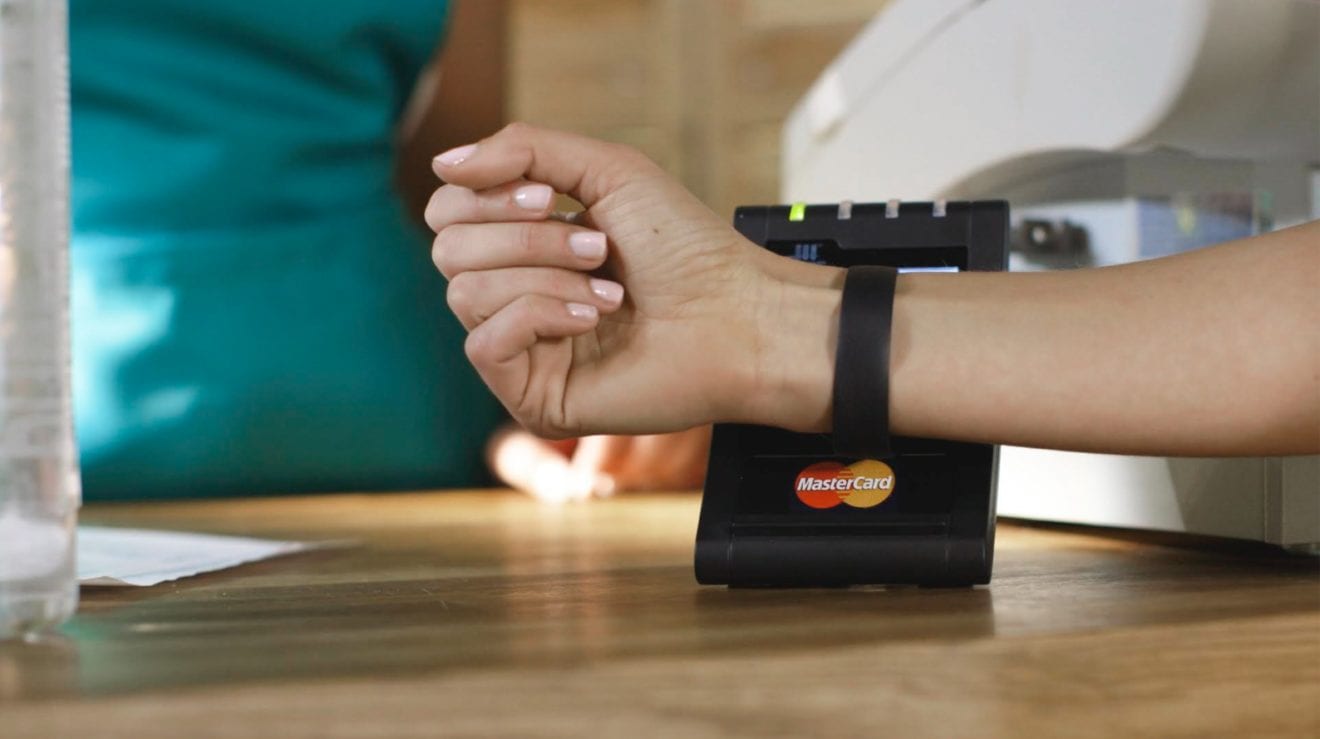
    Digital payment methods have significantly surpassed traditional cash transactions in the Philippines, now representing 64.7 percent of all retail transactions by volume in 2025. This figure is a notable increase from 57.4 percent in the previous year, demonstrating a rapid adoption of electronic payment channels across the archipelago.

    The Bangko Sentral ng Pilipinas (BSP) reported that this growth has exceeded its target of 50 to 54 percent. The central bank credits its efforts towards interoperability, ensuring that a broad range of businesses and service providers operate within a unified payment system. This integration enhances the value proposition for all participants, including consumers, businesses, banks, and e-wallets, by expanding the network’s reach and utility.

    Accelerated Digital Shift in Retail

    The rise of digital payments in the Philippines has been dramatic, climbing from just 20.1 percent of retail transactions in 2020. The share grew to 30.3 percent in 2021, 42.1 percent in 2022, and 52.8 percent in 2023, before reaching the current level. This sustained momentum underscores a fundamental change in consumer behavior and retail operations across the country.

    Key drivers behind this acceleration include a 69.4 percent increase in digital payment accounts and a 36.3 percent expansion in the number of merchant locations accepting digital payments. QR Ph transactions, the national QR code standard, surpassed both debit and credit card transactions for the first time in 2025. A total of 2.47 billion QR Ph transactions, valued at P1.16 trillion, were processed during the year, reflecting a growing preference for interoperable, account-based payments among Filipinos. This wider adoption generates network externalities, where the convenience and value of electronic payment channels increase as more entities join the ecosystem.

    Broader Financial Inclusion and Future Outlook

    Beyond retail transactions, the push for digital payments aligns with the BSP’s broader goal of deepening financial inclusion. The number of basic deposit accounts reached 27.9 million as of March, up from 27.6 million at the end of 2025, with 177 banks now offering these accessible accounts. The central bank has also welcomed initiatives by several banks to reduce or waive interbank digital transaction fees, anticipating that lower costs will make electronic fund transfers more affordable and accessible for households and small businesses.

    For retailers and consumer brands operating in the Philippines, this trend necessitates continued investment in digital payment infrastructure and smooth integration of various e-wallet and QR code solutions. The rapid adoption seen in the Philippines mirrors similar patterns across Southeast Asia, where countries like Indonesia and Vietnam are also experiencing significant shifts towards cashless economies. This transformation offers opportunities for businesses to streamline operations, enhance customer experience, and reach a wider, digitally-savvy consumer base.