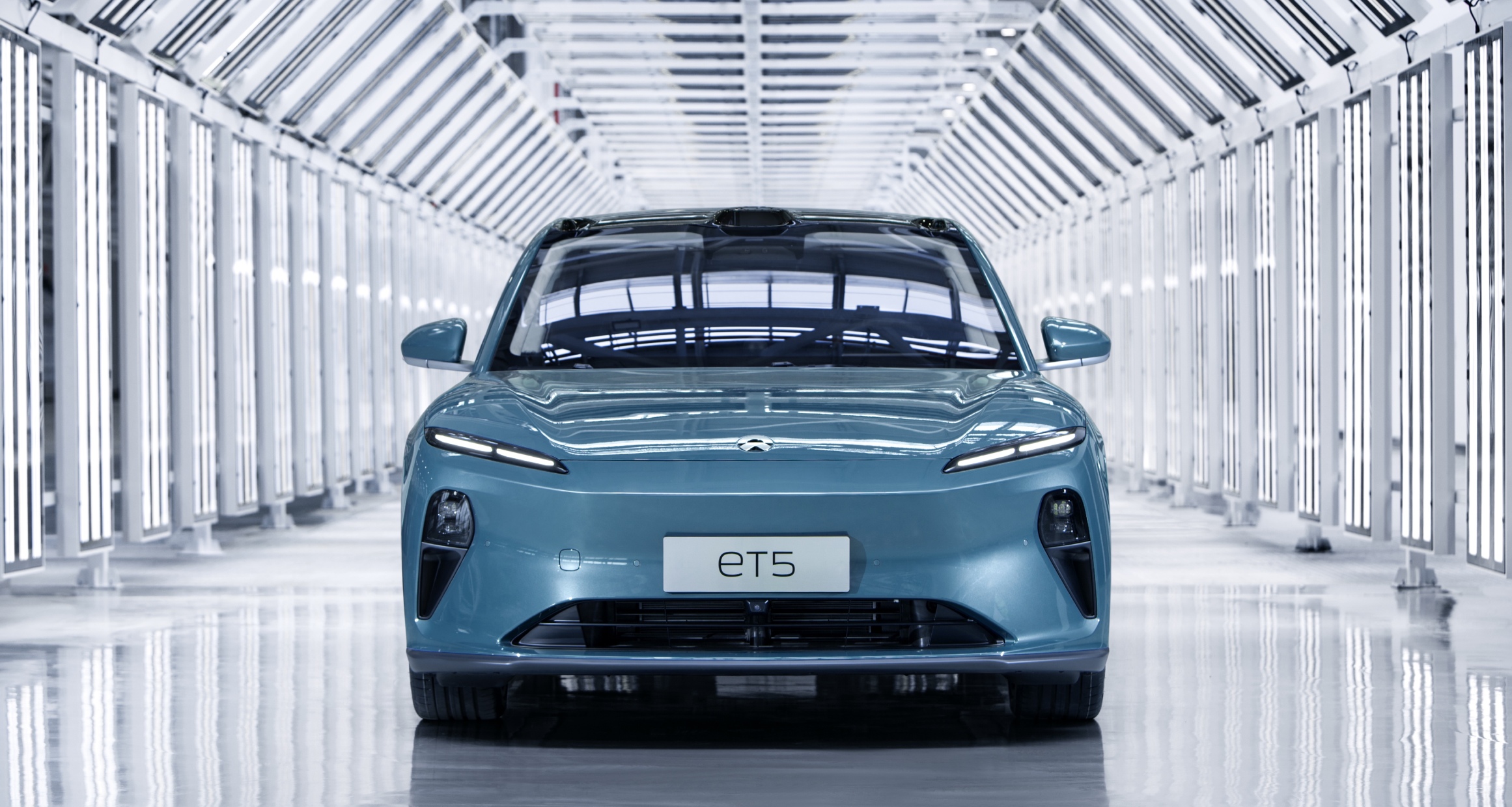
Tag: firefly

  • Nio Adds ES8 Special Edition in Guangzhou as Overall Deliveries Slip

    Nio Adds ES8 Special Edition in Guangzhou as Overall Deliveries Slip

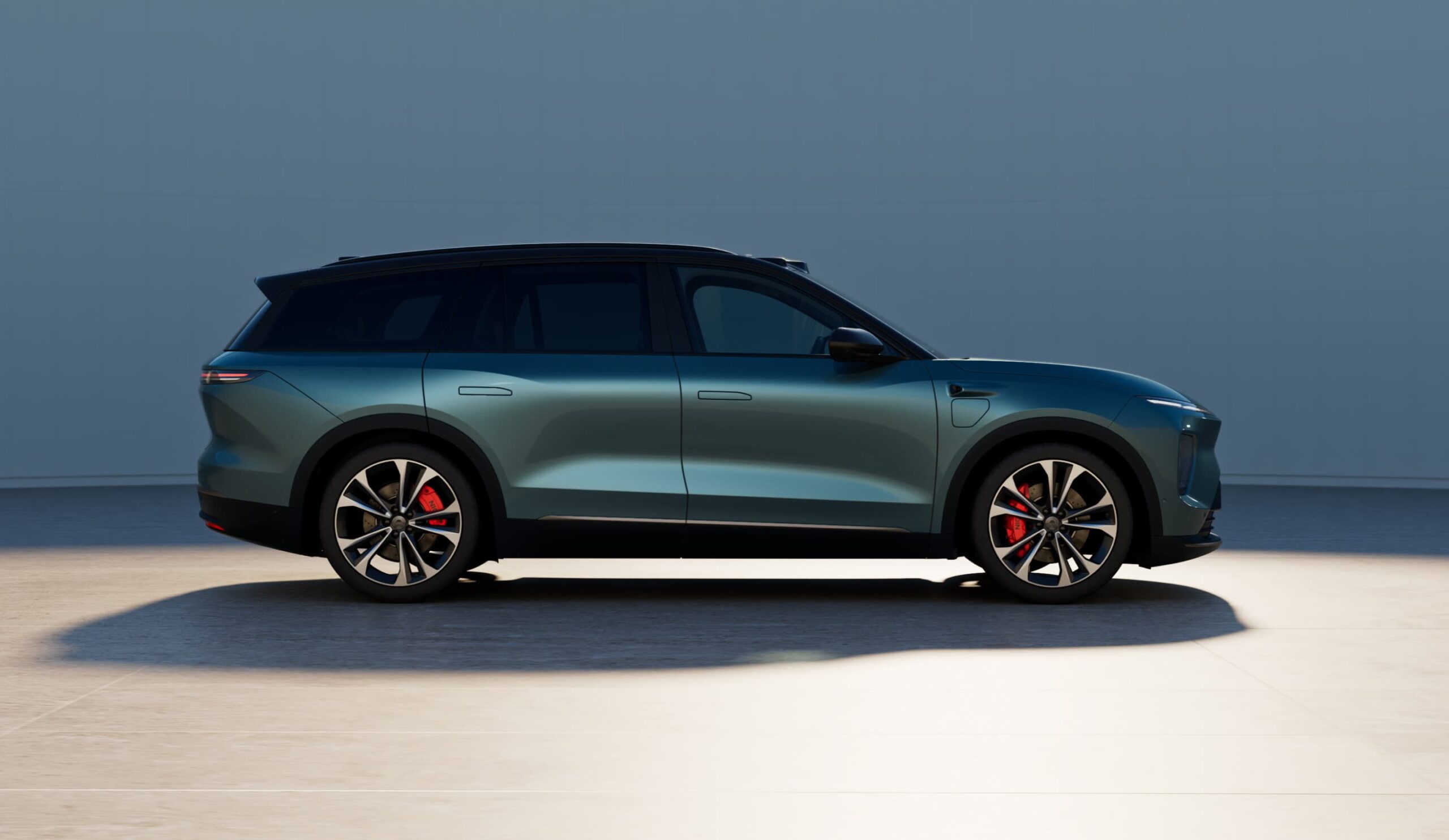
    Nio will introduce a special edition of its third-generation ES8 sport utility vehicle at the Guangzhou Auto Show on November 27, leaning on a model that drove half its brand sales in September.

    The current variant retails between 382,800 yuan ($57,010) and 446,800 yuan with a battery pack, or from 274,800 yuan under the company’s battery subscription service.

    Trade reports indicate the special edition will focus on visual tweaks and dedicated exterior colors rather than structural powertrain revisions. Technical specifications and final showroom pricing remain unannounced ahead of the exhibition opening at the Canton Fair Complex.

    Carrying the Core Brand

    The third-generation ES8 has delivered 160,000 units since customer handovers started on September 21, 2025. It took 33 days to log the final 10,000 units in that run, crossing the threshold on October 23.

    Volume peaked early in the year, hitting 17,658 units in January before settling into a steady pace through late summer. Deliveries reached 10,546 vehicles in September, accounting for 49.5 per cent of all cars sold under the main Nio badge.

    Showrooms currently stock five variants across five-, six-, and seven-seat cabin layouts. A five-seat configuration joined the lineup in July, followed by an optional package in September that bundled 22-inch forged wheels and gold-painted brake calipers.

    Delivery Run Breaks Under Pressure

    Product adjustments at the top of the catalogue arrive as group-level volume contracts across Chinese showrooms. Nio Inc delivered 34,246 vehicles across all its nameplates in October, falling 15.2 per cent from a year earlier and ending 31 straight months of annual expansion.

    Deliveries for the flagship Nio badge stood at 18,125 vehicles during the month, up 5.7 per cent year-on-year but down 15.0 per cent from September. Volume shortfalls at the mass-market Onvo division wiped out gains recorded by the primary marque and the smaller Firefly brand.

    That pressure leaves retail networks leaning heavily on top-tier metal to protect dealer cash flows and average selling prices. In September, the ES8 and the newer ES9 SUV combined to generate 85.6 per cent of all deliveries booked by the core brand.

    Defending High-Ticket Margins

    Automakers in China routinely deploy cosmetic packages late in a vehicle’s second year to defend pricing floors without rewriting list prices. Premium buyers respond to distinctive trim lines, allowing manufacturers to hold transaction values steady while rivals discount older stock.

    For Nio, the risk sits in product concentration. Squeezing incremental volume out of a single large chassis works only while wealthy urban households keep buying; it does nothing to fix showroom traffic across the broader, cheaper model lines.

    Showroom teams also face internal overlap. The ES9 delivered 7,706 units in September, carving out 36.2 per cent of brand volume and competing for the same multi-car family budgets that supported the ES8 throughout late 2025.

    A Crowded Trade in Guangzhou

    Nio claimed first place in retail sales for China’s large SUV category over the first ten months of the year, though it withheld specific October figures for the vehicle. The nameplate logged 10,705 units in November 2025 and 22,276 in December 2025, setting a high hurdle for year-end comparisons.

    Trade attention now turns to the Canton Fair Complex, where regional operators will gauge whether cosmetic trims can reverse the October slide. Guangzhou Auto Show runs through December 6, when order intake figures will show whether buyers still pay full price for the platform.
  • Nio Delivers 3,000 ES9 Flagship SUVs in Shanghai as Overall Group Volume Drops

    Nio Delivers 3,000 ES9 Flagship SUVs in Shanghai as Overall Group Volume Drops

    Nio handed over its 3,000th flagship ES9 sport utility vehicle in Shanghai on November 2, completing five full operating months on the market in its global headquarters city.

    The electric vehicle retails from 498,000 yuan with battery pack included. Handover of the threshold unit took place at the Shanghai leg of the Nio Cup National Golf Invitational to a buyer replacing an internal combustion engine luxury model. Nio stated that the ES9 has led automotive sales for vehicles priced above 500,000 yuan in Shanghai across four consecutive months.

    Premium Traction in the Home Base

    Deliveries for the ES9 began on May 28, exactly one day following its official launch on May 27. The large sport utility vehicle took until July 5 to log its first 1,000 handovers in Shanghai, making the commercial hub the first Chinese municipality to reach that volume. Shanghai functions as a core sales engine for the company. During the first half of the year, Nio logged retail sales of 20,736 vehicles in Shanghai, representing 10.88 per cent of its nationwide retail volume over that six-month span, based on figures from Shanghai Jiading district government channels.

    National production and delivery rates for the model climbed steadily through the late summer. The ES9 posted 7,706 customer deliveries nationwide in September, an increase of 18.94 per cent from August. September represented the vehicle’s second-strongest monthly delivery tally since rolling off the assembly line, bringing total national ES9 deliveries to 32,203 units by the close of the third quarter.

    Large Formats Carry Main Brand Weight

    Top-tier models now account for the vast majority of showroom throughput at the core marque. In September, the ES9 and the smaller ES8 together generated 85.62 per cent of all deliveries under the primary Nio badge. High-ticket sport utility platforms continue to shield the brand from intense price erosion visible in lower consumer tiers, giving dealerships dependable transaction revenue per stall.

    Retail networks face an uneven showroom floor across company sub-brands. While the primary luxury marque logged 18,125 deliveries in October, up 5.73 per cent year on year, gains across that line and the budget-focused Firefly brand failed to counterbalance sharp slippage at mass-market unit Onvo. Relying almost exclusively on 500,000-yuan premium buyers restricts total addressable volume, leaving operational overhead exposed when mass-tier nameplates falter against domestic rivals.

    Widening Split Across Portfolio Divisions

    Corporate deliveries dropped 15.23 per cent year on year in October to 34,246 units across all operations. That monthly contraction snapped a continuous 31-month expansion streak for Nio Inc, dating back to February 2024. Factory allocations and component orders must now adjust to diverging showroom demand between premium sport utilities and entry brands.

    The older third-generation ES8 achieved 160,000 cumulative deliveries on October 23, adding its final 10,000 units over a span of 33 days. That long-term performance demonstrates steady customer retention in large-format battery-electric models. Preserving momentum at that price tier requires constant equipment iterations to deflect pressure from competing domestic executive limousines and family haulers.

    Guangzhou Debut to Test Marque Depth

    Portfolio development turns next to southern trade circuits before year-end financial accounting closes. Nio plans to introduce a special edition of the ES8 at the Guangzhou Auto Show in late November, testing whether upgraded equipment trims can defend high-margin utility sales against newer luxury entries.

  • Firefly Halts Subang to Singapore Flights Through October 14 Due to Regional Haze

    Firefly Halts Subang to Singapore Flights Through October 14 Due to Regional Haze

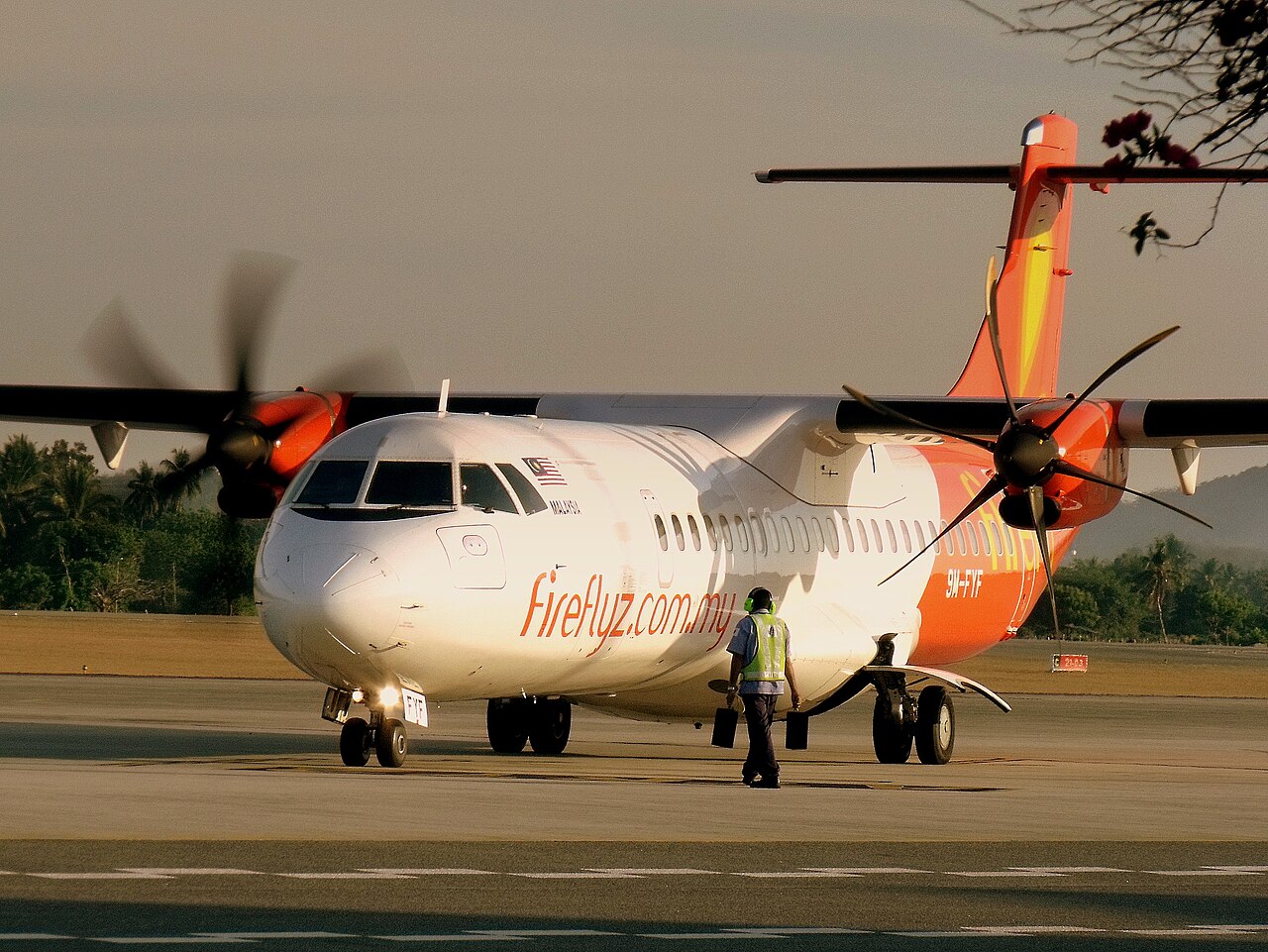
    Firefly has extended the cancellation of all flights between Subang and Singapore through October 14. Thick haze across the cross-border corridor cut visibility.

    The suspension affects six daily return services between Sultan Abdul Aziz Shah Airport and Singapore’s Seletar Airport. The airline initially halted the route from October 10 to October 12. It then pushed the restart date back.

    Disrupted Schedules Across the Causeway

    Grounded flights cover services FY3122 and FY3123, FY3124 and FY3125, FY3126 and FY3127, FY3128 and FY3129, FY3130 and FY3131, and FY3132 and FY3133. Together, the pairings make up the carrier’s daily shuttle between the two secondary hubs.

    Firefly is rebooking affected passengers onto parent company Malaysia Airlines flights out of Kuala Lumpur International Airport, subject to seat availability. Travelers who decline the alternate itineraries can claim a full refund to their original payment channel within 30 working days.

    Air Quality Readings in Singapore

    Pollution levels in Singapore remained in the unhealthy range as operations were paused. Data from Singapore’s National Environment Agency showed 24-hour Pollutant Standards Index readings between 118 and 155 on Monday evening.

    Regional monitoring stations recorded the highest concentration in the central and western districts at 155. Eastern areas registered 139, southern sectors measured 122, and northern districts reported 118.

    Impact on Business Travel Corridors

    Subang to Seletar provides an alternative for executive and short-haul business travel between the two capitals. Halting the route pushes passenger volume back to Kuala Lumpur International Airport and Changi Airport.

    Turboprop operations at secondary city airfields face tighter weather and visibility minimums than major hubs equipped with advanced instrument landing systems. When visibility drops, regional feeder links take the earliest schedule cuts.

    Next Steps for Passenger Operations

    Operations teams continue to monitor visibility along the corridor ahead of the scheduled October 15 resumption.

    Plans call for restoring the six daily return services once air quality clears minimum safety thresholds at both airfields.

  • Nio Delivers 37,408 Vehicles in September to Meet Third-Quarter Guidance

    Nio Delivers 37,408 Vehicles in September to Meet Third-Quarter Guidance

    Nio delivered 37,408 electric vehicles in September, up 7.65 per cent from a year earlier. The result met its target for the third quarter.

    The Shanghai-headquartered carmaker finished the three months ended September 30 with 109,178 deliveries. That was a 25.39 per cent rise year on year. The total landed inside management’s projected band of 108,000 to 111,000 units.

    Quarterly volume beat the bottom of the guidance range by 1,178 cars and trailed the top end by 1,822. Deliveries climbed 1.41 per cent from the second quarter. In that previous period, the company handed over 107,658 vehicles and missed its own targets. Total volume across the group reached 300,301 units for the first nine months of the year, bringing cumulative shipments to 1,297,893 vehicles.

    Firefly Sets Monthly Record as Onvo Slides

    Performance split sharply across the company’s three marques. Firefly delivered 7,327 small electric cars in September. That was up 26.87 per cent year on year and 25.21 per cent month on month. It beat its previous monthly high of 7,084 units set in December 2025. Firefly added 1,475 deliveries compared with August, providing 93.83 per cent of the group’s monthly volume expansion.

    The mass-market Onvo brand moved the other way. It delivered 8,763 vehicles in September, sliding 42.52 per cent from a year earlier and dropping 0.53 per cent from August. The brand has now recorded two consecutive months of annual declines, hit by price competition in China’s mainstream family EV segment.

    Premium SUVs Anchor the Main Brand

    Deliveries for the core Nio premium badge reached 21,318 vehicles in September. That was a 55.29 per cent rise from a year earlier and a 0.68 per cent uptick from August. For the full third quarter, the main brand delivered 62,500 units, expanding 69.25 per cent year on year.

    Sport utility vehicles generated the bulk of those numbers. The third-generation ES8 crossed 150,000 cumulative deliveries on September 20, one year after its commercial release. Meanwhile, the flagship ES9 SUV reached 30,000 cumulative deliveries on September 23. It hit that mark 119 days after its May 28 launch. In August, the ES8 and ES9 together accounted for 17,480 units, representing 82.55 per cent of the core brand’s monthly sales.

    Diverging Brand Trajectories Reshape Sales Mix

    Running a three-brand strategy gives Nio coverage across price points. However, it also creates operational imbalances across assembly lines and dealer networks. Firefly provides entry-level volume. The premium Nio lineup secures higher revenue per vehicle. Onvo, designed to capture middle-income buyers, faces immediate pressure from domestic rivals cutting prices on mid-sized crossovers.

    RetailNews Asia views the core SUV lineup as the anchor for company gross margins while Onvo recalibrates. Maintaining showroom traffic across three brand banners requires heavy capital allocation for retail space and marketing. If Onvo fails to arrest its sales drop, lower dealership returns and factory utilisation will drag on profitability.

    Infrastructure Backing and Next Delivery Targets

    Nio entered the final quarter after adjusting its energy infrastructure business. On September 28, Geely agreed to take a 30 per cent stake in Nio Power. Geely is injecting 640 million yuan in cash alongside equity in battery swap operator Yiyi Power, standardising swap networks across commercial fleets and consumer vehicles.

    Attention now turns to the fourth-quarter production schedule. The group delivered 124,807 vehicles in the final three months of 2025. That sets a high seasonal bar. Meeting it requires Onvo to stabilise while Firefly and the premium SUV line maintain their delivery pace.

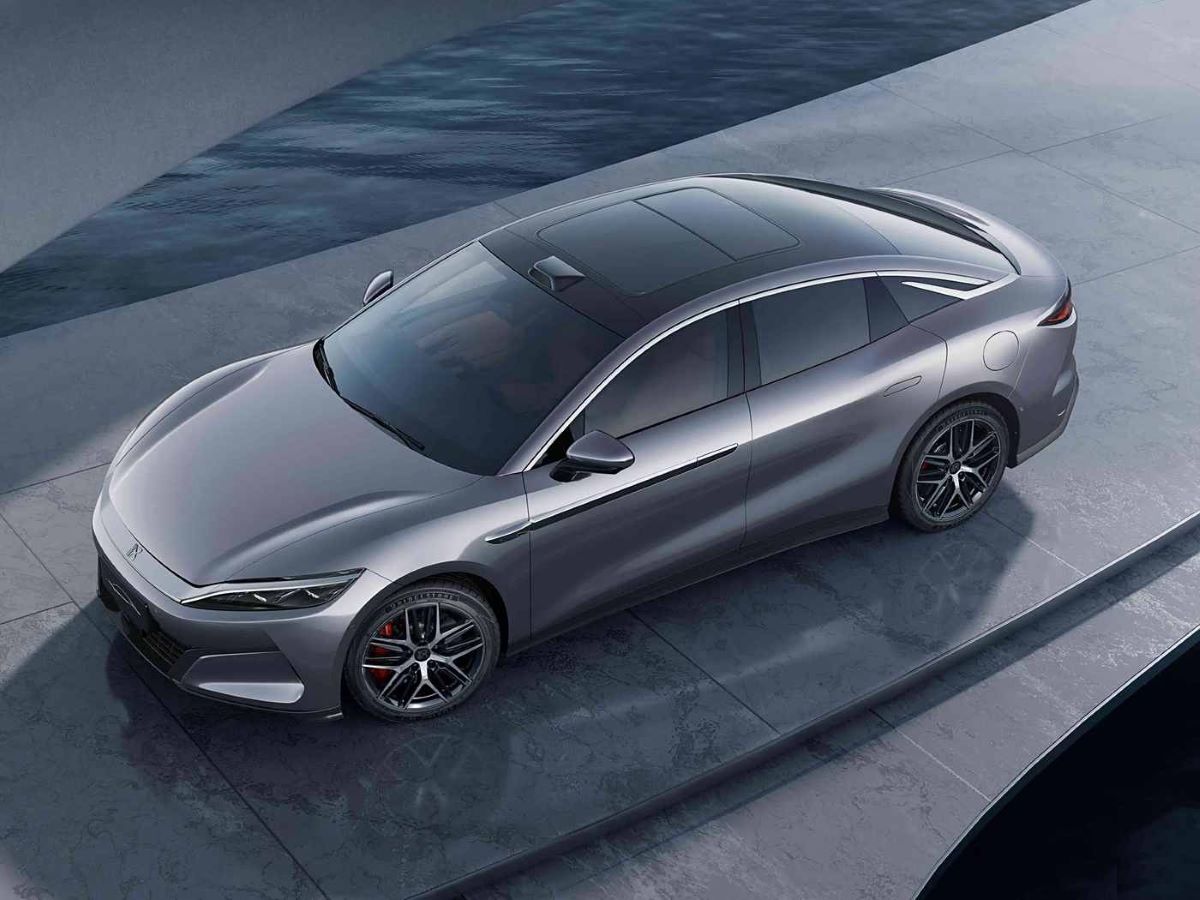
  • BYD Recalls 183,000 Vehicles in China over Brake Pedal Defect

    BYD Recalls 183,000 Vehicles in China over Brake Pedal Defect

    BYD is recalling 183,211 electric and hybrid vehicles in China after regulators identified a manufacturing defect in the brake pedal assembly. China’s State Administration for Market Regulation confirmed the recall affects Qin sedans and Tang sport utility vehicles built between 2014 and 2022.

    Most of the affected units belong to the Tang series, alongside roughly 40,300 Qin models. The defect involves a batch of brake pedal stop buffers that can tear or detach over extended use. When the buffer fails, brake lights can stay illuminated continuously even when the driver is not touching the pedal. That creates a collision hazard for trailing traffic. BYD will inspect the vehicles and fit replacement components at no cost to owners through its authorised dealer network.

    Steering issues hit Nio’s Firefly line

    The regulator also published a separate recall notice covering Nio. The company must recall 686 vehicles from its Firefly sub-brand due to a wiring harness fault in the electric power steering assist. In extreme operating conditions, the defect can cause sudden power steering failure. Nio dealers will inspect the batch and replace the affected harness free of charge.

    Both notices arrive during heightened regulatory scrutiny over automotive hardware quality across China. In August, the market regulator oversaw corrective campaigns affecting more than four million vehicles across eleven manufacturers, including Tesla, Xiaomi, Leapmotor, Xpeng, and Zeekr. Those actions addressed emergency mechanical door releases rather than braking hardware, but the regulatory intervention demonstrates tighter enforcement on basic vehicle safety mechanics.

    Domestic market friction versus export gains

    For BYD, the physical recall tests dealership service capacity across Chinese cities at a time when domestic retail demand has softened. While BYD set a company record in August by delivering 256,230 battery-electric passenger cars, its domestic retail sales dropped below prior-year levels. Total monthly deliveries reached 440,293 new energy vehicles, supported primarily by strong export growth into overseas markets.

    The recall creates immediate operational work for BYD service centres. Dealership networks must process more than 183,000 physical workshop visits while maintaining routine vehicle servicing and pre-delivery inspections for new buyers. The Tang and Qin nameplates represent early volume drivers for BYD’s new energy transition, meaning many affected cars are now out of their initial warranty periods.

    Inspection deadlines and component supply

    Managing older vehicle fleets is becoming a standard operational requirement for Chinese electric vehicle makers. Earlier production runs from the 2014 to 2018 era relied on different component suppliers than current vehicle architectures. Ensuring replacement parts reach regional service centres quickly will determine how fast BYD clears the regulator’s safety docket.

    Authorized repair networks across China have started scheduling owner appointments for the free buffer replacements. The market regulator will track completion rates for both BYD and Nio as workshop filings come due in the final quarter.