Tag: first

  • JD.com Forecasts Rise in Home Appliance Sales in H2 Despite First Revenue Drop in Over a Decade

    JD.com Forecasts Rise in Home Appliance Sales in H2 Despite First Revenue Drop in Over a Decade

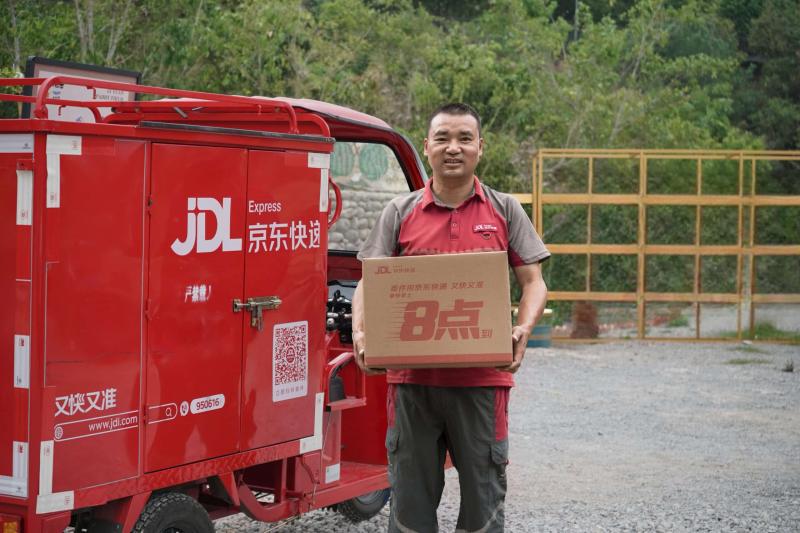
    JD.com, a prominent marketplace for consumer electronics in China, forecasted an uptick in home-appliance sales for the second half of the year during their recently held quarterly review. This projection was made despite their first reported decrease in quarterly income in over a decade.

    The CEO of the company, Sandy Xu, addressed the downturn in revenue from electronic and home appliances during a conference call with analysts. She attributed the decline to an elevated comparison base from the previous year and escalated raw material costs. However, she noted that there was a resurgence in momentum entering into June.

    Expectations for Growth

    As she peered into the coming months, Xu expressed her confidence in the potential growth of the consumer electronics category, even as its continually rising prices may continue to impact consumer demand adversely. She postulated that this growth will be “meaningful” and is partly due to the easing of the challenging year-on-year comparison.

    However, the impact of these predictions was somewhat dampened as US-listed shares of the company saw a decrease of 3.5 per cent in trading during the GMT 1342 time slot.

    The Uphill Task of Rejuvenating Consumer Spending

    Despite the setbacks, JD.com exceeded estimated quarterly revenue projections, with the annual 618 shopping festival playing a significant role. The festival, one of the country’s largest online retail events, ran for more days than previous years, offering retailers and brands additional time to vie for consumer spending via deep discounts and promotional campaigns.

    However, total revenues still saw a dip of 2.9 per cent, settling at 346.4 billion yuan (US$51.37 billion) in the quarter ending in June. This underlines the ongoing struggle to rejuvenate consumer spending in China. This struggle is exacerbated by consumer apprehension concerning job security and the prolonged downturn in China’s property sector, which has weakened consumer confidence.

    The company reported a net profit for the quarter of 7.1 billion yuan, a notable improvement compared to last year’s 6.2 billion yuan in the same period. The non-GAAP net profit for the quarter was 8.9 billion yuan, showing an impressive 20 per cent increase from the second quarter of 2025.

    Questions & Answers

    What factors were attributed to the recent dip in JD.com’s revenues?
    The decline in revenues was attributed to an elevated comparison base from the previous year and increased raw material costs.

    What is the company’s projection for the second half of the year?
    JD.com predicts an increase in home-appliance sales during the second half of the year.

    How does JD.com plan to rejuvenate consumer spending?
    One strategy is through extended online retail events like the annual 618 shopping festival which offers deep discounts and promotional campaigns to consumers.
  • Vietnam’s Pepper Exports Soar Past $1B in First 7 Months, Up 10.1% YoY

    Vietnam’s Pepper Exports Soar Past $1B in First 7 Months, Up 10.1% YoY

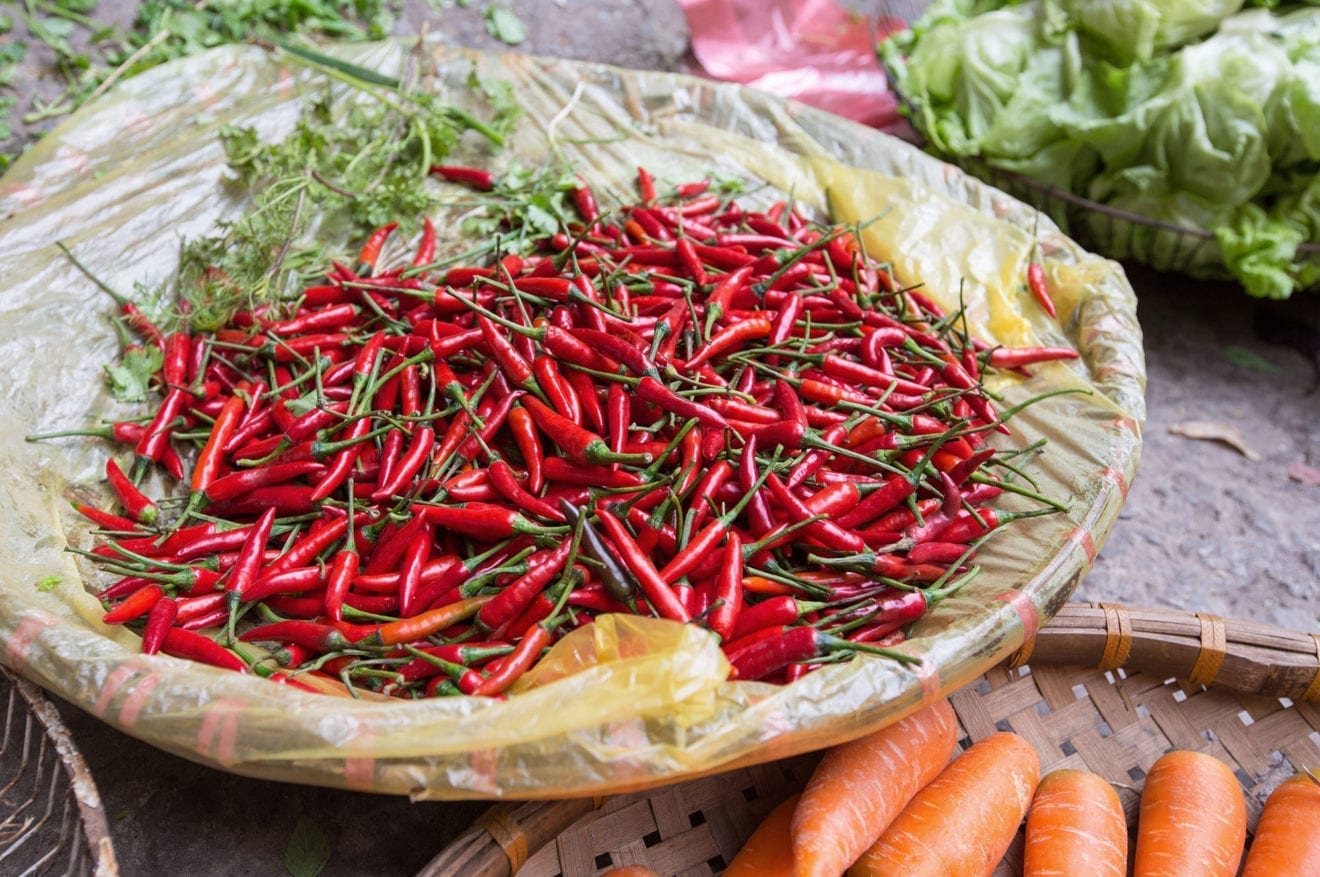
    In the first seven months of this year, Vietnam experienced a significant boost in its pepper export industry, achieving a total value of US$1.08 billion, which reflects a 10.1% increase from the same period last year. According to data from the Vietnam Pepper and Spice Association, the quantity of exported pepper reached a total of 168,429 tonnes, marking a 16.1% growth year-on-year.

    Global Markets for Vietnamese Pepper

    Asia continued to be the leading buyer of Vietnamese pepper, with imports totalling 76,845 tonnes. This figure represents a 12.3% increase from the previous year and accounts for 45.6% of Vietnam’s total pepper exports. Meanwhile, exports to America surged by 34% to 45,470 tonnes, and exports to Europe grew by 7.5%, reaching 36,140 tonnes. Africa also saw a 10% rise in imports, with a total of 9,964 tonnes.

    Within these regions, the U.S. remained the largest single market, with imports totalling 40,712 tonnes, reflecting a 31.8% increase year-on-year. Following closely behind, China imported 17,110 tonnes, marking a notable 55.8% growth. Other significant importers included the Netherlands and Thailand, which imported 6,136 tonnes and 6,913 tonnes, respectively. However, not all markets showed growth; exports to Germany and India declined by 18.1% and 26.4% respectively.

    On the other hand, Vietnam’s pepper imports reached a total of 48,812 tonnes, valued at $279.3 million. This represents a substantial increase of 55.1% in volume and 43% in value compared to the previous year. The leading supplier was Cambodia, which accounted for a staggering 52.1% of all inbound pepper, with imports increasing by 256.9% to a total of 25,413 tonnes.

    Vietnamese Pepper Industry’s Future Outlook

    Le Viet Anh, chairman of the Vietnam Pepper and Spice Association, anticipates that pepper prices will remain stable in the foreseeable future, assuming there are no major geopolitical disruptions. Despite facing increasing competition for land and stringent regulations, particularly the European Union Deforestation Regulation, the Vietnamese pepper industry remains optimistic.

    The association has suggested that the industry should shift its focus from expanding production to enhancing the quality, branding, and value addition of its products. In response to this, companies are being encouraged to increase investments in certified raw materials, strengthen collaborations with farmers, improve pesticide residue controls, enhance traceability systems, and fulfil all technical standards required by importing markets.

    Moreover, embracing sustainable practices such as regenerative agriculture, circular economy models, lower carbon emissions, and smarter water usage is recommended. These measures align with the rising trend of green consumption and can contribute to the industry’s resilience and future success.

    Questions & Answers

    What was the total value of Vietnam’s exported pepper in the first seven months of this year?
    The total value was US$1.08 billion, a 10.1% increase from the same period last year.

    Which countries are the largest importers of Vietnamese pepper?
    The U.S. and China are the largest importers, with the U.S. importing 40,712 tonnes and China importing 17,110 tonnes in the first seven months of this year.

    What future strategies are being proposed for the Vietnamese pepper industry?
    The Vietnam Pepper and Spice Association recommends enhancing the quality and branding of products, improving controls and traceability systems, fulfilling importing market standards, and embracing sustainable practices.

  • Cascade Brewery Debuts First Mid-Strength Beer, Expanding Portfolio with Cascade Draught 3.5

    Cascade Brewery Debuts First Mid-Strength Beer, Expanding Portfolio with Cascade Draught 3.5

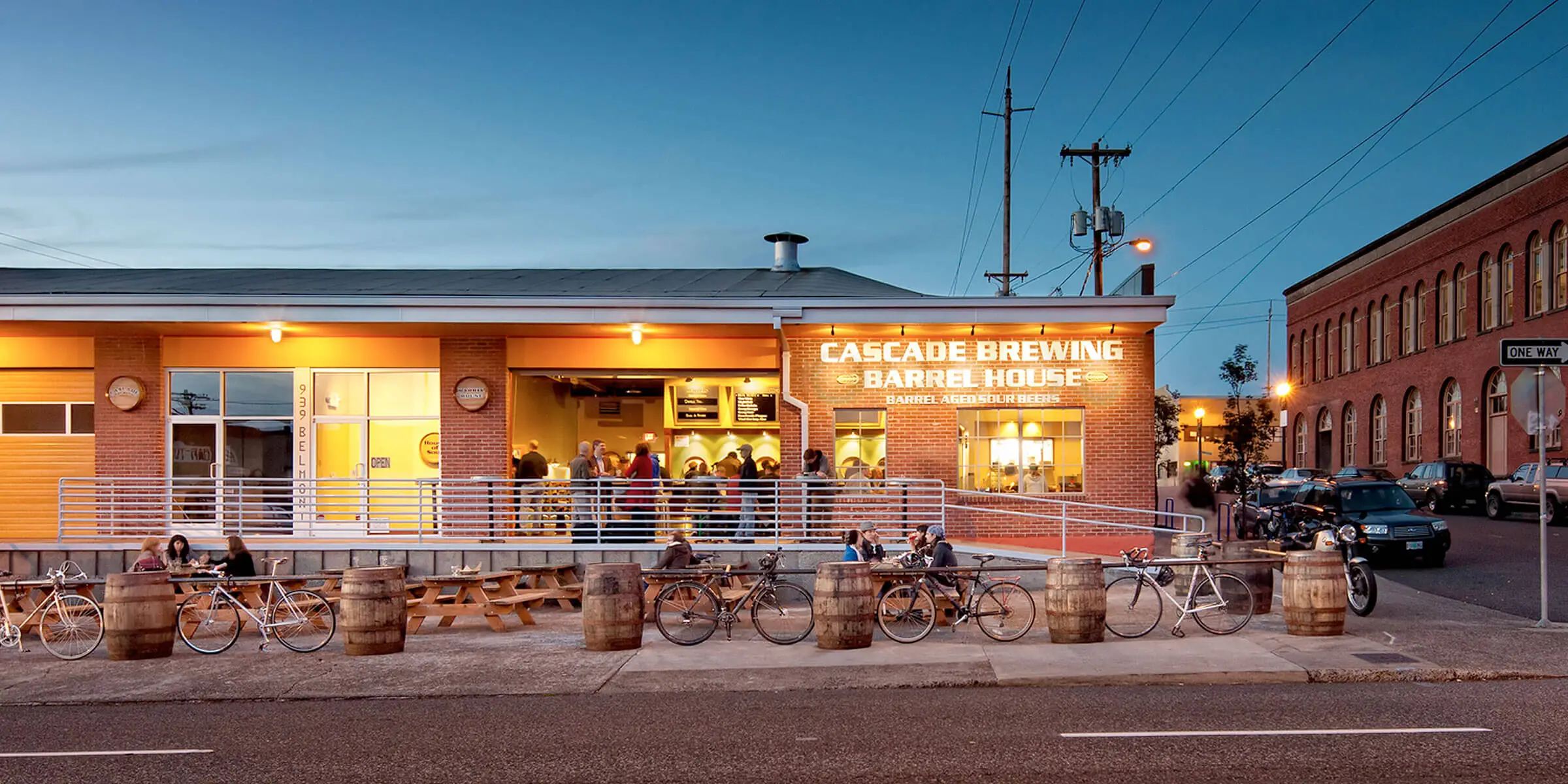
    Cascade Brewery, a long-standing Tasmanian beer maker, has diversified its product range by launching a new mid-strength beer — Cascade Draught 3.5 per cent. This venture marks the first time the company has introduced a mid-strength variation of its traditional beer.

    New Beer Targets Changing Consumer Preferences

    The new brew is a conscious effort to provide a lower-alcohol alternative that still retains the distinctive taste, malt attributes, and bitterness found in its full-strength counterpart. The mid-strength Cascade Draught promises to deliver the flavor of a standard beer but contains just one standard unit of alcohol per 375ml can.

    Brendan Flanagan, the head of manufacturing at Cascade Brewery, emphasized the importance of this launch. He stated that Cascade has been an integral part of Tasmania for over 60 years, and launching a mid-strength beer was a challenge they undertook seriously. Flanagan adds, “This is a perfect illustration of our commitment to ensuring that Cascade continues brewing quality beer in Tasmania, for Tasmanians, for many more years.”

    Investing in Future Growth

    The introduction of Cascade Draught 3.5 per cent comes on the heels of the company’s recent efforts to rejuvenate the infrastructure of their historic production facility. This move signifies Cascade Brewery’s intention to continue investing in its future growth and maintain its presence in the Tasmanian market.

    The new product is sold in packages of thirty 375ml cans and is only distributed within Tasmania. Local independent retailers, hospitality venues, and Cascade Brewery’s central brewery outlet will exclusively sell the new mid-strength brew.

    Questions & Answers

    What is the alcohol content in the new Cascade Draught?
    The new Cascade Draught has an alcohol content of 3.5%, making it a mid-strength beer.

    What sets the mid-strength Cascade Draught apart from the full-strength version?
    While the mid-strength Cascade Draught contains less alcohol, it is designed to match the taste, malt characteristics, and bitterness of its full-strength counterpart.

    Where can consumers purchase the new Cascade Draught?
    The new beer is available exclusively in Tasmania through regional independent retailers, hospitality venues, and Cascade Brewery’s central outlet.

  • Heineken Thrives in First Half of Fiscal Year Despite Cutting 3000 Jobs

    Heineken Thrives in First Half of Fiscal Year Despite Cutting 3000 Jobs

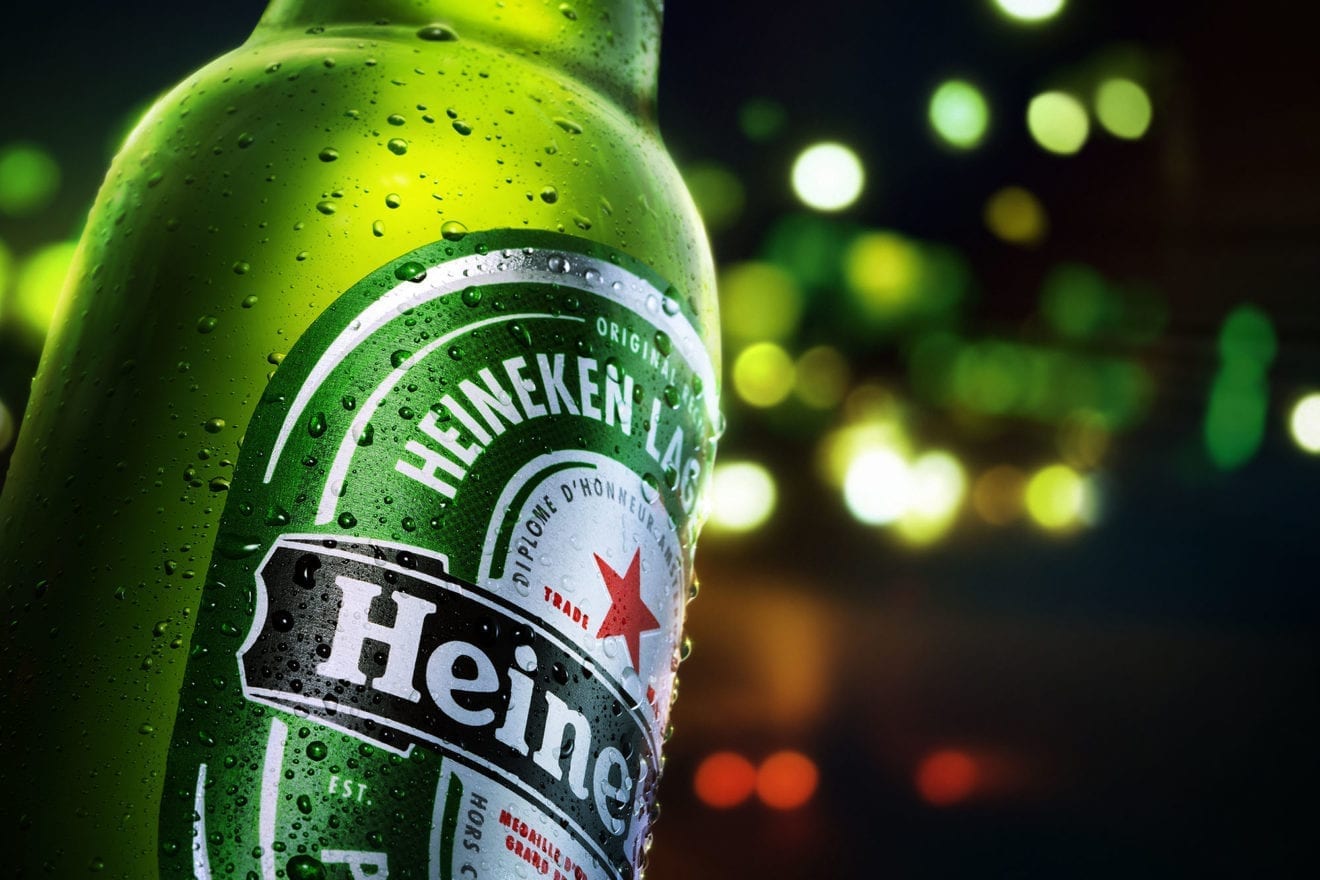
    Heineken, the renowned brewing titan, has reported a substantial surge in growth during the first half of this fiscal year, following its decision to eliminate 3000 roles within the organization.

    The company declared a $24.3 billion revenue during this period, signifying a 2.7% increment, and correspondingly, a net profit of about $2 billion, marking a 10.2% rise.

    The organization’s CFO, Harold van den Broek, gave an account of these financial outcomes prior to the scheduled appointment of the company’s prospective CEO, Rafa Oliveira, set to take the helm on October 1.

    Van den Broek articulated, “We recorded volume expansion and a sturdy operating profit surge, with all our five global brands witnessing growth and maintaining promising momentum in our premium and beyond beer portfolios.” He further added, “The performance is indicative of the caliber of our progressive growth, the flexibility of our advantageous footing, and our ability to acclimate and execute in a fluctuating landscape. We further initiated major measures to enhance productivity and foster future-ready competencies, ensuring we efficiently catalyze further growth.”

    The Asia Pacific region was Heineken’s most robust source of revenue growth, with a staggering increase of 10.57%. Conversely, the company’s year-on-year growth in the Americas remained static.

    Emphasizing the company’s cautious approach in light of uncertain circumstances, van den Broek remarked, “We have confidence in our strategy and its progress, but we continue to exercise caution due to the persisting macroeconomic and geopolitical volatility.”

    The company’s prudence was demonstrated earlier this year, in February, when it declared 3000 job cuts in the first half of the fiscal year. In addition to these job reductions, Heineken anticipates eliminating another 3000 roles before the onset of the next fiscal year. The company asserts that these cuts have considerably expedited organizational transformations.

    Questions & Answers

    What was Heineken’s net profit and revenue growth in the first half of the fiscal year?
    Heineken reported a $24.3 billion revenue, a 2.7% increase, and approximately $2 billion in net profit, a 10.2% increase.

    Who is set to become Heineken’s new CEO?
    Rafa Oliveira is expected to become the new CEO of Heineken, with his appointment scheduled for October 1.

    What is the company’s approach in response to ongoing macroeconomic and geopolitical uncertainty?
    Heineken is exercising caution and prudence in response to ongoing uncertainties, as evidenced by its job reduction strategy and emphasis on efficiency and productivity.

  • Indonesia Sparks Digital Evolution in Retail with First Nationwide Connected Packaging Contest

    Indonesia Sparks Digital Evolution in Retail with First Nationwide Connected Packaging Contest

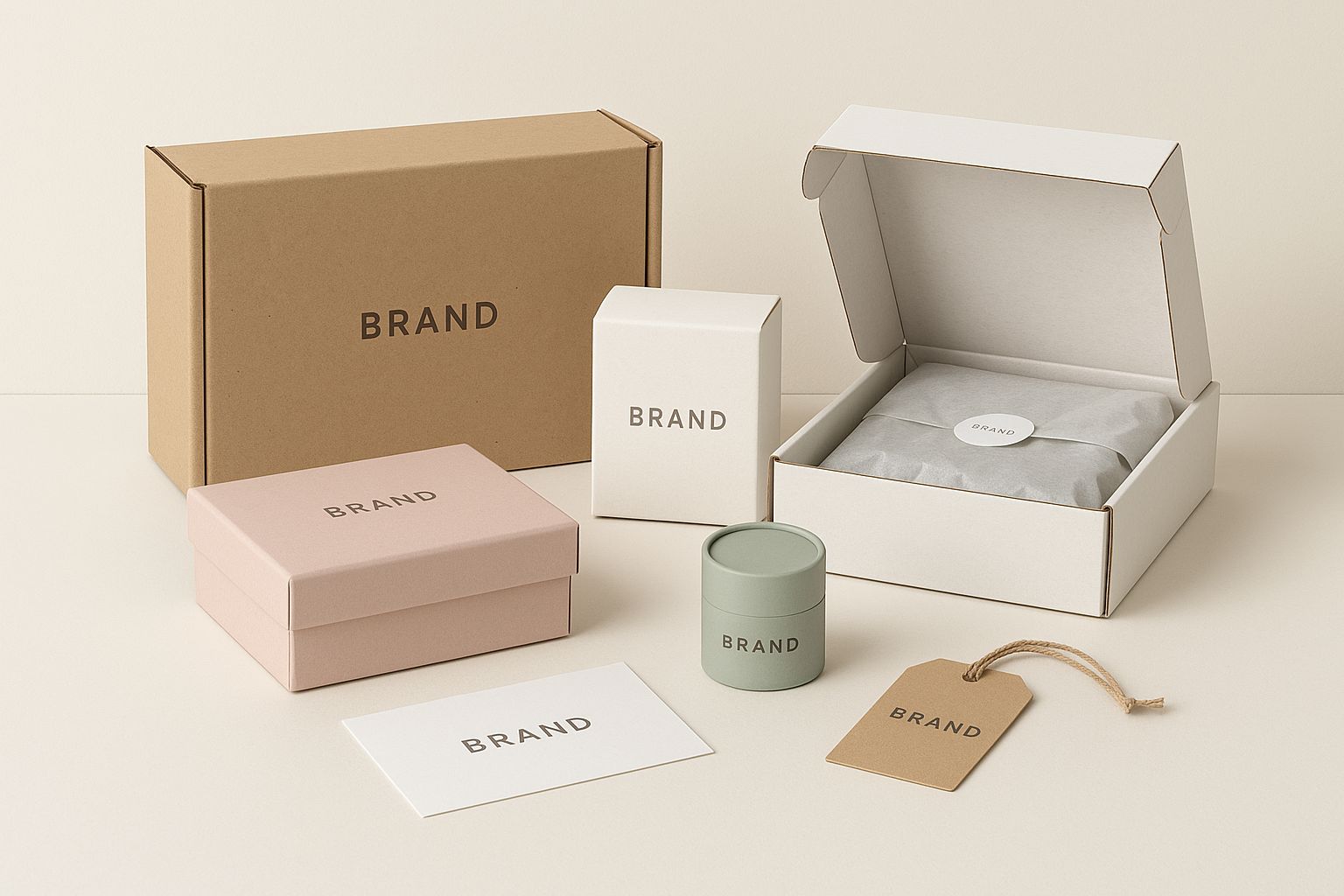
    Over 40 universities are participating in a national initiative to explore how product packaging can be transformed into a constant customer engagement platform through augmented reality. This comes at a time when retailers and brands are grappling with increased customer acquisition costs, diminishing organic social media reach, and the growing need to cultivate direct customer relationships. In response to these challenges, a new avenue for marketing is emerging in the form of product packaging, a tool consumers already bring home with them.

    Traditionally viewed as a mere protective container or branding surface, packaging is increasingly transitioning into a digital touchpoint capable of extending the customer journey beyond the point of purchase. This connects physical products with digital experiences on the web, enabling brands to continue educating consumers, tell more elaborate product narratives, verify authenticity, provide after-sales services, encourage repeat purchases, and foster direct customer interaction even after products have left the retail shelves.

    This transformation underlines a wider evolution happening in retail, where every physical product has the potential to transform into an owned media channel. This allows brands to maintain direct communication with consumers, minus the reliance on paid advertising or third-party digital platforms.

    Turning Packaging into Interactive Retail Experiences

    Recognizing this opportunity, Singapore-based MarTech firm HOVARLAY has launched the Nusantara Packaging Experience Awards (NPEA) 2026, Indonesia’s inaugural national competition focusing on connected packaging innovation.

    Participants from over 40 universities and polytechnics across Indonesia have come together for this competition, which encourages students to reimagine traditional packaging as a strategic business asset. It is not just about visual design; it’s about strengthening customer interactions, improving retail experiences, and creating tangible value for brands.

    The participants, focusing on Indonesia’s rich oleh-oleh industry, have been tasked to revamp regional food, beverage, and souvenir packaging using HOVARLAY’s no-code, web-based augmented reality platform. By merely scanning with a smartphone, consumers can unlock interactive digital experiences that range from destination storytelling and artisan heritage to product education, loyalty programs, recipes, promotions, sustainability information, and brand experiences.

    Seizing Opportunity through Connected Packaging

    For Indonesia, one of Southeast Asia’s most extensive consumer markets, this opportunity is particularly notable. With its vibrant ecosystem of regional specialty products and tourism-driven retail, connected packaging offers local brands the chance to stand out and emphasize the cultural stories behind their products.

    While technologies like QR codes have become increasingly familiar to consumers, their use has largely been confined to payments or basic product information. Through NPEA, students are challenged to broaden their vision and transform packaging into an interactive retail experience that fluidly merges physical products with digital storytelling and customer engagement.

    Questions & Answers

    1. How is packaging evolving in the retail industry?
    Packaging is no longer just a protective container or branding surface. It’s becoming a digital touchpoint that extends the customer journey beyond the point of purchase, by linking physical products to digital experiences.

    2. What is the Nusantara Packaging Experience Awards (NPEA) 2026?
    The NPEA 2026 is Indonesia’s first national competition dedicated to connected packaging innovation. It pushes students to reconsider traditional packaging and view it as a strategic business asset that can strengthen customer engagement and enhance retail experiences.

    3. How can connected packaging benefit brands and consumers?
    Connected packaging can extend customer engagement beyond the point of purchase, providing ongoing education and support. For brands, it creates an owned media channel for direct communication with consumers, gathering valuable engagement insights for future marketing and customer retention strategies.

  • Asia Pacifics First Mastercard Airport Dining Club Debuts in Hong Kong: A Premium Travel Experience for Affluent Flyers

    Asia Pacifics First Mastercard Airport Dining Club Debuts in Hong Kong: A Premium Travel Experience for Affluent Flyers

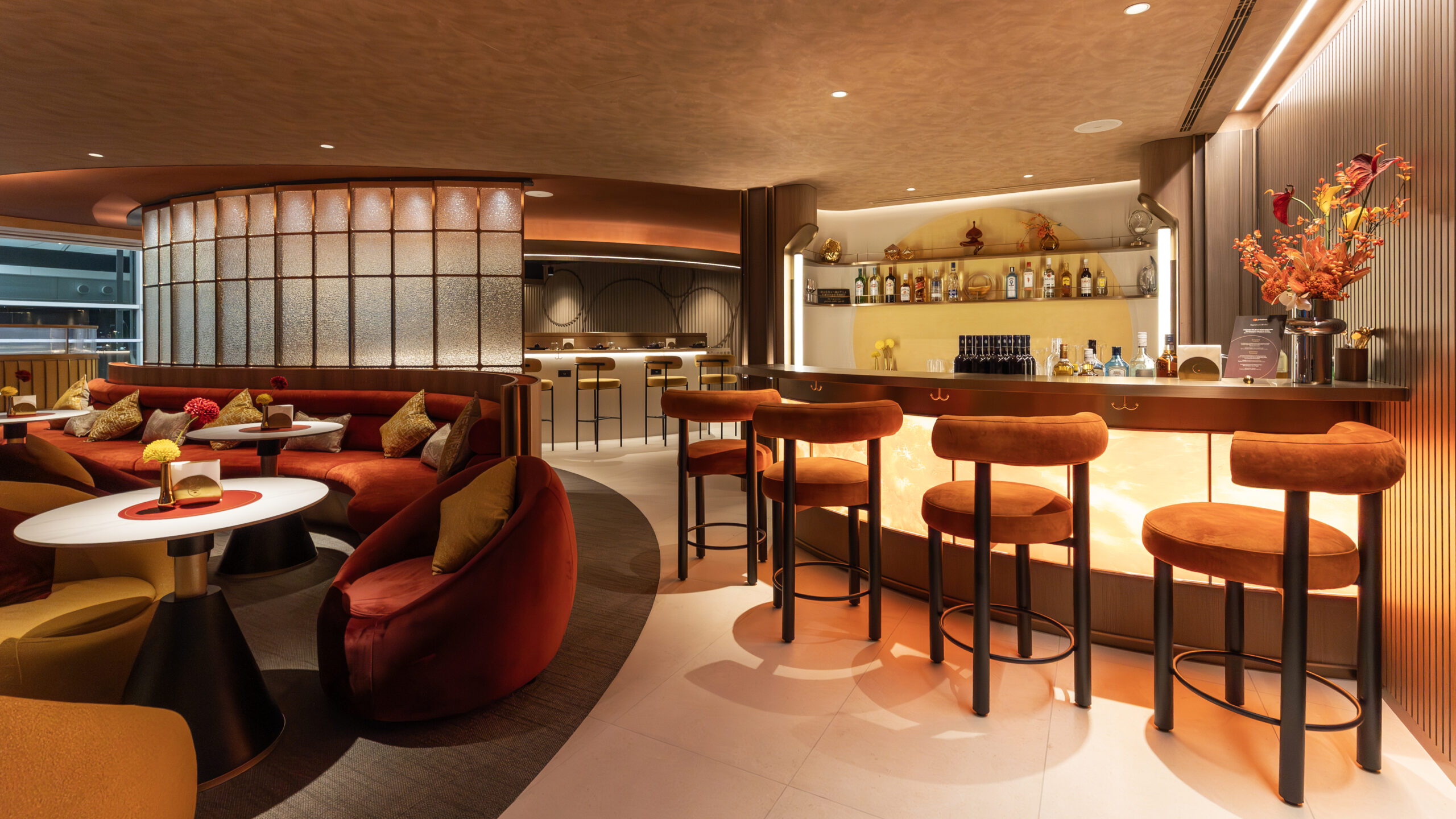
    Mastercard has broadened its premium travel services in the Asia Pacific region by launching the first Taste by Priceless dining club at Hong Kong International Airport. This move is aimed at bolstering the company’s allure for wealthy travelers. The dining club, located in Terminal 1 near Gate 40, is open to eligible World Legend, World Elite, and World Mastercard cardholders traveling via Hong Kong, irrespective of the country of card issuance. This airport-based venture forms part of The Mastercard Collection, the corporation’s global array of premium travel, dining, and entertainment benefits.

    Adapting to Changing Travel Trends

    The unveiling of this dining club showcases the rising significance of lifestyle and travel privileges in the race for high-value cardholders. Payment providers are now focusing on more than just traditional incentives to distinguish their premium services. Joyce Bo, Executive Vice President, Core Payments, Asia Pacific at Mastercard, observes that travelers now view airports as integral parts of their journeys, rather than merely transit points. Consequently, more travelers are seeking worthwhile experiences that justify arriving early at airports.

    Mastercard reports that World Legend cardholders enjoy complimentary access for themselves and up to three guests, while World Elite and World Mastercard holders can enter at discounted rates. Eligible travelers can gain access to the dining club within three hours of departure without requiring a prior reservation.

    Unique Dining Concepts and Expansion Plans

    The venue in Hong Kong showcases two unique dining concepts: The Counter and The Cove. The Counter provides a chef-curated tasting menu, while The Cove offers an à la carte menu that combines Asian and Western dishes. The experience is enhanced by exclusive desserts and cocktails crafted specifically for the Taste by Priceless brand.

    The introduction of the Taste by Priceless dining club in Hong Kong is Mastercard’s first airport-based venture of this nature in the Asia Pacific region. This follows the inaugural launch in São Paulo’s Guarulhos International Airport. Another location is set to open in Mexico City later this year. In addition to airports, Mastercard continues to broaden its comprehensive Priceless portfolio by offering curated dining experiences in locations such as Hong Kong, Rome, Mexico City, and São Paulo. This supports its strategy of incorporating premium experiences throughout the customer journey.

    Questions & Answers

    What is the Taste by Priceless dining club initiated by Mastercard?
    This is a premium dining experience offered by Mastercard at select airports, targeted at its affluent cardholders.

    Who can access the Taste by Priceless dining club at Hong Kong International Airport?
    World Legend, World Elite, and World Mastercard cardholders are eligible to access the dining club.

    What unique dining experiences does the Taste by Priceless dining club offer?
    The venue showcases two unique dining concepts – The Counter and The Cove, offering a chef-curated tasting menu and à la carte selections of Asian and Western cuisine, respectively. Exclusive desserts and cocktails are also a part of the experience.

  • Chinese Hotpot Giant, Banu, Ignites Global Expansion with First Hong Kong Outlet

    Chinese Hotpot Giant, Banu, Ignites Global Expansion with First Hong Kong Outlet

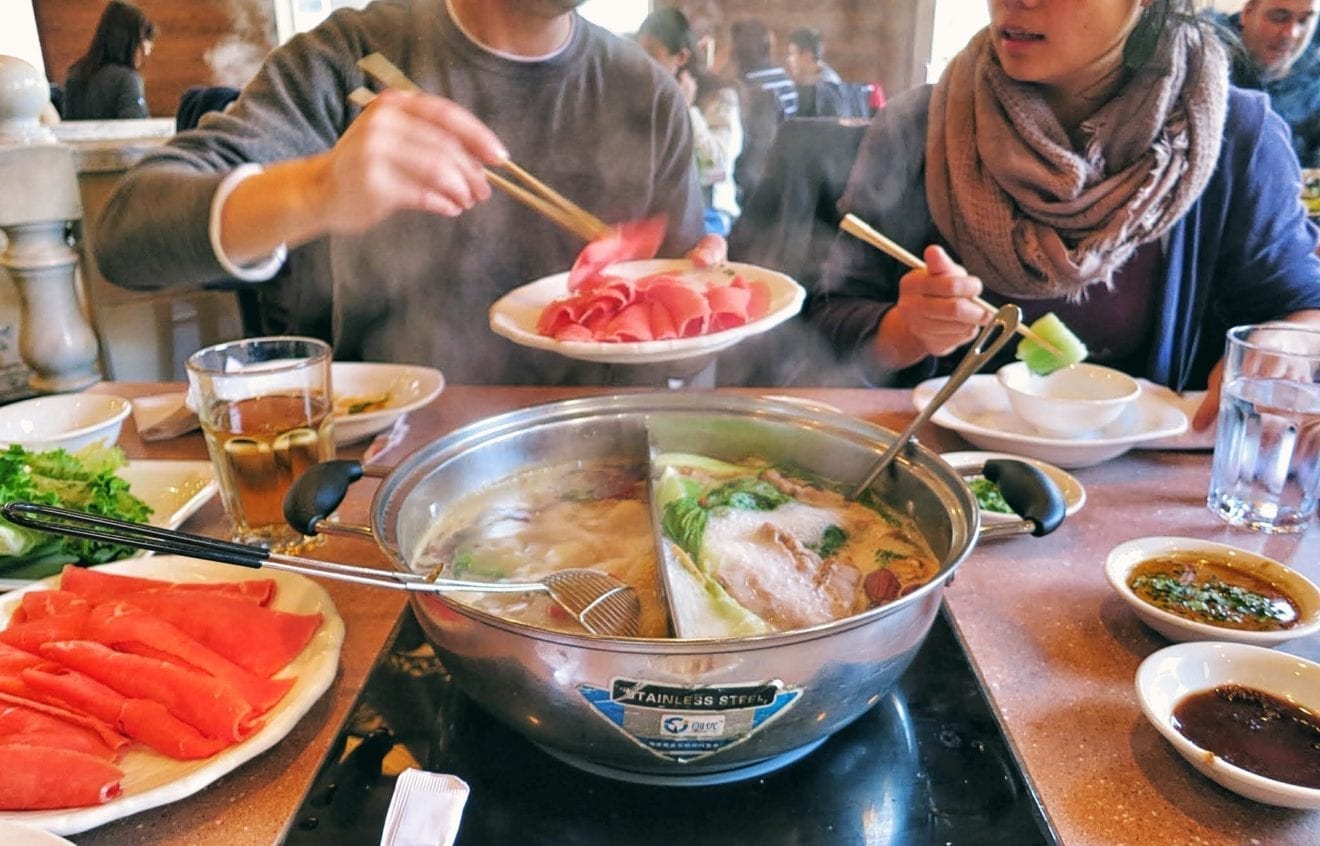
    Banu, a premier hotpot brand originating from Mainland China, has broadened its horizons by launching its very first establishment in Hong Kong.

    Established in 2001, Banu has seen rapid expansion, operating over 200 outlets across Mainland China. The brand’s debut in Hong Kong, with its maiden store located in Hysan Place, Causeway Bay, signifies the commencement of its ambitious global expansion plan.

    A Market Leader

    Banu is recognized as the largest revenue-generating brand in China’s premium hotpot market, recently ascending to occupy the second spot in the country’s overall hotpot market standings. The previous year witnessed an impressive 88.7% year-on-year surge in profits, alongside the opening of 44 new locations.

    In anticipation of its Hong Kong debut, Banu acknowledged the region’s reputation as a global culinary hub, boasting a mature catering industry with stringent standards for ingredient quality and culinary processes. They noted that Hong Kong’s hotpot market is distinctly divided: budget brands compete for footfall with their value-for-money offerings, while high-end establishments focus on deluxe seafood offerings. However, they believe there is a yet unexplored niche for boutique hotpot that harmoniously blends authentic Sichuan flavors with meticulous ingredient selection, all packaged within a sophisticated premium dining experience.

    Future Plans

    Towards aiding its global expansion, Banu is considering an initial public offering (IPO) in Hong Kong. Current market data indicates that themed restaurants, such as Banu, account for one-third of Hong Kong’s hotpot market.

    The brand’s unique positioning, centered around their signature beef tripe, is anticipated to unlock new growth opportunities in the market.

    Questions & Answers

    What is Banu’s market position in China’s hotpot market?
    Banu is recognized as the largest revenue-generating brand in China’s premium hotpot market and holds the second position in the country’s overall hotpot market standings.

    What is Banu’s expansion strategy?
    Banu is considering an initial public offering (IPO) in Hong Kong to aid its global expansion. It aims to explore the untapped niche for boutique hotpot that blends authentic Sichuan flavors with meticulous ingredient selection in a premium dining experience.

    What is Banu’s unique selling proposition?
    Banu’s unique selling proposition is its signature beef tripe, which it hopes will unlock new growth opportunities in the market.

  • Macau Welcomes First Miniso Land Store: A New Era for Premium, IP-Driven Retail in Asia

    Macau Welcomes First Miniso Land Store: A New Era for Premium, IP-Driven Retail in Asia

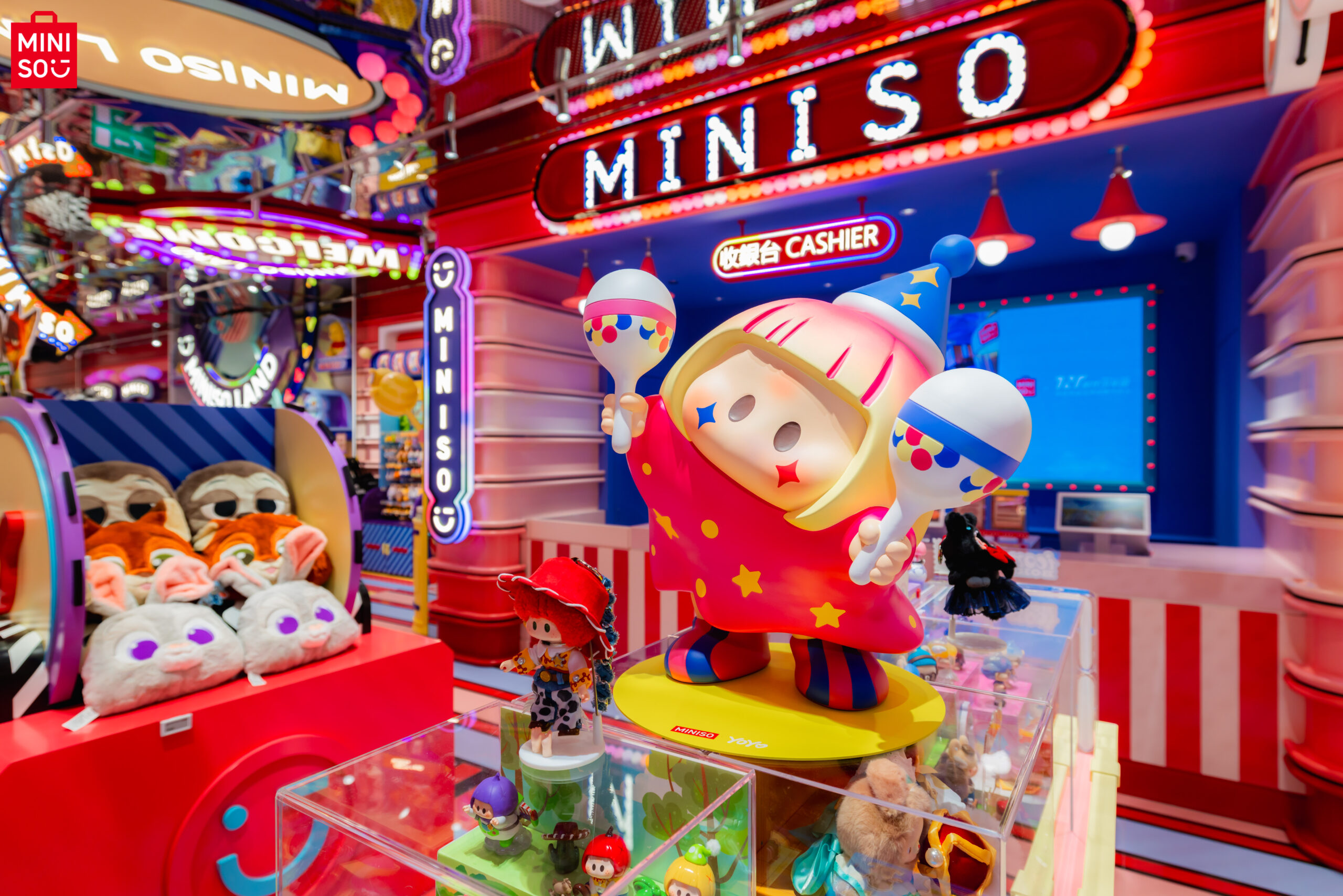
    Miniso, a leading retail brand, has launched its first ‘Miniso Land’ outlet in Macau, marking a significant milestone in its Asia-wide expansion strategy. This new premium retail store is part of Miniso’s broader efforts to strengthen its network of intellectual property (IP)-oriented stores across the region.

    Centrally located in The Shoppes at Venetian, this 400 square meter shop stands as Miniso’s largest outlet in Macau. Offering an extensive range of over 1200 stock keeping units (SKUs), the store boasts a vast selection of products across various categories, ranging from collectibles, blind boxes, plush toys, and stationery to lifestyle items.

    Innovative Conceptualization

    Miniso Land showcases the brand’s unique fusion of an expanded product assortment with themed merchandising and interactive displays. This signature premium concept store features more than 30 licensed and proprietary IP collections. Distinguished sections are dedicated to globally recognized brands, such as Disney, Harry Potter, Pokémon, One Piece, Crayon Shinchan, Sanrio, and Chiikawa. Additionally, the store highlights Miniso’s original character, YoYo, through special displays.

    This innovative retail strategy has been instrumental in driving the brand’s growth. By fostering licensed IP collaborations and creating destination retail experiences, Miniso aims to enhance customer engagement and boost sales.

    Expansion Across Borders

    Earlier this year, Miniso also unveiled its first Miniso Land store in Malaysia, located at Sunway Pyramid, which spans across a sprawling 1700 square meters. This outlet introduced a larger-format concept focused on IP collaborations and immersive retail design.

    The brand’s move to establish its premium store concept in Macau reaffirms its commitment to bolstering its global network of immersive IP-driven retail outlets.

    Questions & Answers

    What is the unique offering of the new Miniso Land store in Macau?
    The new Miniso Land store features a broad selection of more than 1200 SKUs across various categories and over 30 licensed and proprietary IP collections, providing a unique, immersive retail experience for customers.

    What is the strategic significance of the new store in Macao for Miniso?
    The opening of the new store in Macau is a crucial step in Miniso’s plan to expand its globally immersive IP-driven retail concept, strengthening its presence in the Asian market.

    What was Miniso’s previous significant expansion move?
    Earlier this year, Miniso opened a large-format Miniso Land store at Sunway Pyramid in Malaysia, marking a significant step in expanding its IP collaborations and immersive retail design concept.

  • Sunway Malls Revolutionizes Shopping with Malaysias First AI-Powered Smart Mall

    Sunway Malls Revolutionizes Shopping with Malaysias First AI-Powered Smart Mall

    Sunway Malls, one of Malaysia’s leading shopping center operators, has launched a pioneering artificial intelligence (AI) system designed to transform its locations into the nation’s first “smart malls.”

    The innovative AI network will work in tandem with Sunway’s existing ‘Internet of Things’ (IOT) framework to enhance operational efficiency and productivity while simultaneously enriching the consumer experience. This technological advancement builds on the successful integration of IOT at the Sunway Pyramid shopping center in Subang Jaya last year.

    Embracing Digital Transformation

    HC Chan, Group Managing Director of Sunway Malls, emphasized the growing importance of digital technology in the business landscape. He explained that the precision, timeliness, and relevance provided by this technology facilitates more insightful and strategic responses in an intensely competitive market.

    According to the company, all 16 Sunway Mall locations will be incorporated into a comprehensive IOT network. This integration will facilitate a cohesive management system that relies on automated, data-driven insights for decision-making processes. The company pledged to allocate resources “intelligently,” anticipating and resolving maintenance issues before they become problematic.

    Expanding Technological Features

    The extensive technological upgrade will introduce a range of features, including a 5G network, smart toilets and escalators, AI-enabled CCTV, and digital sustainability initiatives.

    Furthermore, Sunway Malls will launch a new AI customer chatbot and the Sunway Super lifestyle app, designed to enhance the customer experience. These digital services will offer smart parking, in-mall navigation, and a virtual shopping assistant, revolutionizing the shopping experience for customers.

    Questions & Answers

    What is the purpose of Sunway Malls’ new AI ecosystem?
    The AI ecosystem has been developed to enhance operational efficiency and productivity, while also improving the consumer experience at Sunway’s shopping centers.

    What other technological features will be introduced in the smart malls?
    In addition to the AI and IOT systems, the smart malls will feature a 5G network, smart toilets and escalators, AI-enabled CCTV, digital sustainability programs, and a customer chatbot.

    How is the decision-making process influenced by this digital transformation?
    Decision-making at Sunway Malls will be guided by a unified management system that uses automated, data-driven insights, allowing for intelligent resource allocation and proactive maintenance issue resolution.

  • Chloé Debuts First Luxury Boutique in Vietnam, Enriching Ho Chi Minh Citys Shopping Landscape

    Chloé Debuts First Luxury Boutique in Vietnam, Enriching Ho Chi Minh Citys Shopping Landscape

    Chloé, an esteemed French luxury fashion house, has recently established its first store in Vietnam, nestled within a bustling shopping complex in the heart of Ho Chi Minh City. The brand, recognized for its romantic, free-spirited and distinctly feminine aesthetic, was a pioneer in the luxury ready-to-wear sector since its conception in 1952 by Gaby Aghion. Today, Chloé is part of the impressive portfolio of the Swiss luxury conglomerate Richemont.

    First Footprints in Vietnam

    In mid-June, Chloé made its debut in the Vietnamese market, facilitated through an exclusive distribution agreement with Duy Anh Fashion and Cosmetics (DAFC). Situated on the first floor of the Saigon Centre, the new boutique sports the brand’s signature Parisian elegance juxtaposed with its free-spirited femininity. The store offers a carefully curated selection of Chloé’s iconic products, including leather goods, footwear, and ready-to-wear collections.

    In Vietnam, DAFC is recognized as a leading luxury retail distributor, controlling more than 70% of the high-end fashion and cosmetics market. The company manages the distribution of products from over 60 international luxury fashion and cosmetic brands, operating more than 50 stores throughout the country.

    Questions & Answers

    What is Chloé known for?
    Chloé is renowned for its romantic, free-spirited, and feminine aesthetic, and is a pioneer in the luxury ready-to-wear fashion sector.

    Where is Chloé’s first Vietnam store located?
    Chloé’s first Vietnam store is located on the first floor of the Saigon Centre, a prominent shopping complex in Ho Chi Minh City.

    Who is the distributor for Chloé in Vietnam?
    Duy Anh Fashion and Cosmetics (DAFC) is the exclusive distributor for Chloé in Vietnam.

  • Izipizi Makes Stylish Strides in Japan with Debut of First Direct-to-Consumer Store

    Izipizi Makes Stylish Strides in Japan with Debut of First Direct-to-Consumer Store

    French eyewear retailer Izipizi has expanded its operations to Japan, launching its initial directly managed brick-and-mortar shop. This marks the company’s first in-person venture in the Japanese market. The store is strategically situated on Cat Street, which falls in the busy axis between the Shibuya and Harajuku districts of Tokyo.

    Establishing Presence in a Fashion Hub

    Cat Street was selected due to its repute as a central hub for fashion, design, and lifestyle – factors that align with Izipizi’s brand image. This new store supplements the brand’s already established presence in Japan, which has been upheld by a network of chosen retail partners distributing its products since 2012.

    The newly opened boutique showcases a variety of the brand’s eyewear collections. This includes the ‘Sun’, ‘Reading’, ‘Kids’, ‘Active’, and ‘Screen’ ranges. Furthermore, it stocks models that have been specifically designed to cater to the Japanese market, featuring light-tinted and photochromic lenses.

    Izipizi’s Expansion Goals

    This launch signifies Izipizi’s robust presence in Japan and further underscores the company’s ambitions for growth in this market. The French brand, which started its journey in Paris in 2010 under the name See Concept, rebranded to Izipizi in 2017. It focuses on non-prescription, ready-to-wear eyewear.

    Questions & Answers

    What is the significance of the location of Izipizi’s first directly operated store in Japan?
    The store is strategically located on Cat Street, between Shibuya and Harajuku districts, which are known as a fashion, design, and lifestyle hub in Tokyo.

    What types of eyewear does the new Izipizi store stock?
    The store stocks a variety of collections from the brand, including ‘Sun’, ‘Reading’, ‘Kids’, ‘Active’, and ‘Screen’, along with models that have been specifically developed for the Japanese market.

    What is Izipizi’s origin and speciality?
    Izipizi was founded in Paris in 2010 as See Concept. It was later rebranded to Izipizi in 2017. The brand specializes in non-prescription, ready-to-wear eyewear.

  • Australian Fashion Powerhouse Zimmermann Unveils First Boutique in Hong Kong, Accelerating Asian Expansion

    Australian Fashion Powerhouse Zimmermann Unveils First Boutique in Hong Kong, Accelerating Asian Expansion

    Zimmermann, the esteemed Australian fashion label, has unveiled its first boutique in Hong Kong at the upscale Pacific Place, further solidifying its foothold in the Asian market.

    The boutique is strategically situated in the posh sector of Pacific Place, offering a significant contribution to the opulence of the area. The label collaborated with Studio McQualter, a familiar partner, to design the store, resulting in an amalgamation of interconnected spaces. These areas are meticulously curated to showcase Zimmermann’s ready-to-wear and accessories collections.

    A Blend of Elegance and Artistry

    The boutique is a perfect blend of elegance and artistry, featuring an eye-catching glass facade with terrazzo flooring. It is further adorned with stained-oak fixtures and an array of vintage furnishings that enhance the aesthetic appeal. The interior also exhibits pieces from Australian artists Angus Gardner and Elliot Watson, adding a cultural touch to the shopping experience. Taking a step further to offer comfort and exclusivity, the boutique includes a private lounge for clients. The boutique’s debut coincides with the launch of Zimmermann’s High Summer 2026 collection, offering the latest fashionable trends to its customers.

    Over the past couple of years, Zimmermann has rapidly expanded its physical presence in Asia. This started with the inauguration of a flagship store in Beijing at Taikoo Li Sanlitun, which was followed by outlets in Shanghai and Chengdu. More recently, the brand broadened its reach by opening its first boutique in Thailand at IconSiam.

    This latest addition in Hong Kong signifies a new growth phase for Zimmermann under the leadership of CEO Roberto Eggs. Having joined the Australian luxury brand in May, after spending over ten years at Moncler Group, Eggs has been instrumental in Zimmermann’s expansion and success.

    Questions & Answers

    What is unique about Zimmermann’s new boutique in Hong Kong?
    The boutique is designed with interconnected spaces, showcasing the brand’s ready-to-wear and accessories collections. It features a glass facade, terrazzo flooring, stained-oak fixtures, vintage furnishings, and also showcases works by Australian artists.

    When did Zimmermann’s expansion into Asia begin?
    Zimmermann started expanding its physical presence in Asia over the past two years, with the opening of a flagship store in Beijing.

    Who is leading Zimmermann’s expansion?
    The brand’s new phase of growth is being spearheaded by CEO Roberto Eggs, who joined Zimmermann in May after spending over a decade at Moncler Group.

  • Lululemon Breaks Ground in India: First Store to Launch in New Delhis DLF Promenade

    Lululemon Breaks Ground in India: First Store to Launch in New Delhis DLF Promenade

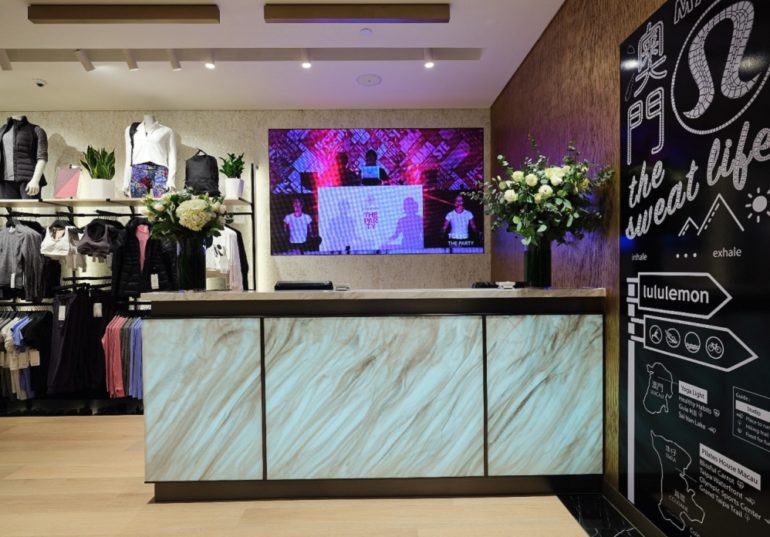
    Canadian sportswear label, Lululemon, has announced plans to open its first shop in India during the forthcoming fall season. The inaugural store is slated to be located in DLF Promenade. This move falls under the company’s franchise agreement with Tata CLiQ, which will also facilitate the introduction of Lululemon products to consumers all across India via its Tata CLiQ Luxury and Tata CLiQ Fashion platforms, coinciding with the store’s launch.

    First Store Stock and Community Building

    Lululemon’s premier store in New Delhi will carry the company’s technical athletic clothing and accessories for both men and women. The product range will encompass various categories such as yoga, pilates, running, training, tennis, golf, and everyday movement. In addition to retailing products, the store is intended to function as a community hub for events, fostering connections between customers, brand ambassadors, and local fitness communities.

    Sarah Clark, Lululemon’s Senior VP, EMEA, expressed pride in the company’s venture into India. She conveyed that the company’s teams have been collaborating with Tata CLiQ to engage with the New Delhi community. The vibrant and active consumer base in the city is reportedly eager for high-quality performance products that merge technical innovation with superior style.

    Lululemon’s International Expansion

    The brand’s launch in India forms an integral part of its wider global expansion strategy. Lululemon currently operates in over 30 global markets. Earlier this year, it extended its reach to Poland, Greece, Hungary, and Romania, utilizing its franchise model.

    Questions & Answers

    What is Lululemon’s main product range?
    Lululemon primarily sells technical athletic apparel and accessories for men and women.

    Where will Lululemon’s first store in India be located?
    Lululemon’s inaugural store in India is planned to open in DLF Promenade, New Delhi.

    How is Lululemon expanding its brand internationally?
    Lululemon is growing its global presence primarily through a franchise model, which has recently led to its expansion into countries like India, Poland, Greece, Hungary, and Romania.

  • Dutch Yacht Giant Alumax Sets Sail in Vietnam with First International Shipyard

    Dutch Yacht Giant Alumax Sets Sail in Vietnam with First International Shipyard

    Alumax Boats, a Dutch firm known for supplying water taxis for the 2012 London Olympics, has launched its first shipyard outside its homeland in Vietnam, through a joint venture partnership. This expansion was marked with a grand inauguration ceremony held on Wednesday at the Thuan Thanh Industrial Park situated in the northern province of Bac Ninh. The joint venture, Alumax Amsterdam, is a collaborative effort between Alumax Boats, the local conglomerate Son Ha Group, and shipbuilder James Boat.

    The Lego of Shipbuilding

    The process of production at the shipyard has been likened to ‘playing with Lego’ by the joint venture representatives. Here, the workers assemble precut aluminium components to create the final product. This is a testament to Alumax Boats’ specialization in constructing aluminium vessels, the expertise that the firm first exported to Vietnam in 2021 during the Covid-19 pandemic through its alliance with James Boat.

    As a part of the joint venture, Alumax Boats stands as the provider of core high-performance aluminium shipbuilding technology. On the other hand, Son Ha Group brings to the table its industrial manufacturing capacity, management acumen, and financial resources, while James Boat serves as the technological conduit amongst the partners. The responsibility of vessel design is shared between Alumax Boats and James Boat, with the production designs subsequently transferred to Son Ha’s manufacturing facilities.

    The Rise of Marine Tourism

    The leaders of the joint venture have expressed their optimism about the growing demand in Vietnam for catamaran party yachts. These are open-deck leisure vessels capable of hosting 30 to 50 passengers. Typically, these yachts feature sound systems, dining areas, bars, bedrooms, and spacious decks for the guests to soak in the panoramic ocean views. Acknowledging this, a spokesperson for the joint venture stated, “This has been identified as one of our strategic products to capitalize on the growth of marine tourism in Vietnam and across the region.”

    The joint venture has planned to manufacture three yachts, ranging from 6.5 to 16.5 meters in length, this year. It has already bagged orders for government service vessels and yachts worth US$20 million. Son believes that building yachts in Vietnam could result in a price reduction of about 40% compared to imported ones.

    The lightweight properties of aluminium lead to improved fuel efficiency. After 40 to 50 years of service life, these vessels can be recycled far more effectively than their steel and composite counterparts, which are still commonly produced in Vietnam.

    Questions & Answers

    What makes the joint venture’s production process unique?
    The joint venture compares its production process to ‘playing with Lego,’ where workers assemble precut aluminium components to form the final product.

    What role does each party play in the joint venture?
    Alumax Boats provides core high-performance aluminium shipbuilding technology, Son Ha Group contributes its industrial manufacturing capacity, management expertise, and financial resources, and James Boat serves as the technological bridge between the partners.

    What are the benefits of manufacturing yachts in Vietnam?
    Manufacturing yachts in Vietnam could result in a price reduction of about 40% compared to imports. Additionally, the use of aluminium leads to improved fuel efficiency and allows for effective recycling after 40 to 50 years of service.

  • Vietnam’s Fruit and Vegetable Exports Skyrocket 17.8% in First Half of 2026: A Boom in Durian Trade

    Vietnam’s Fruit and Vegetable Exports Skyrocket 17.8% in First Half of 2026: A Boom in Durian Trade

    In the first half of 2026, Vietnam saw a significant increase of 17.8% in its fruit and vegetable exports, reaching a total of US$3.65 billion. This upward trend was notably reflected in the second quarter, where exports alone generated a revenue of $2.18 billion, as reported by the Ministry of Agriculture and Environment.

    Strong Export Performance and Market Expansion

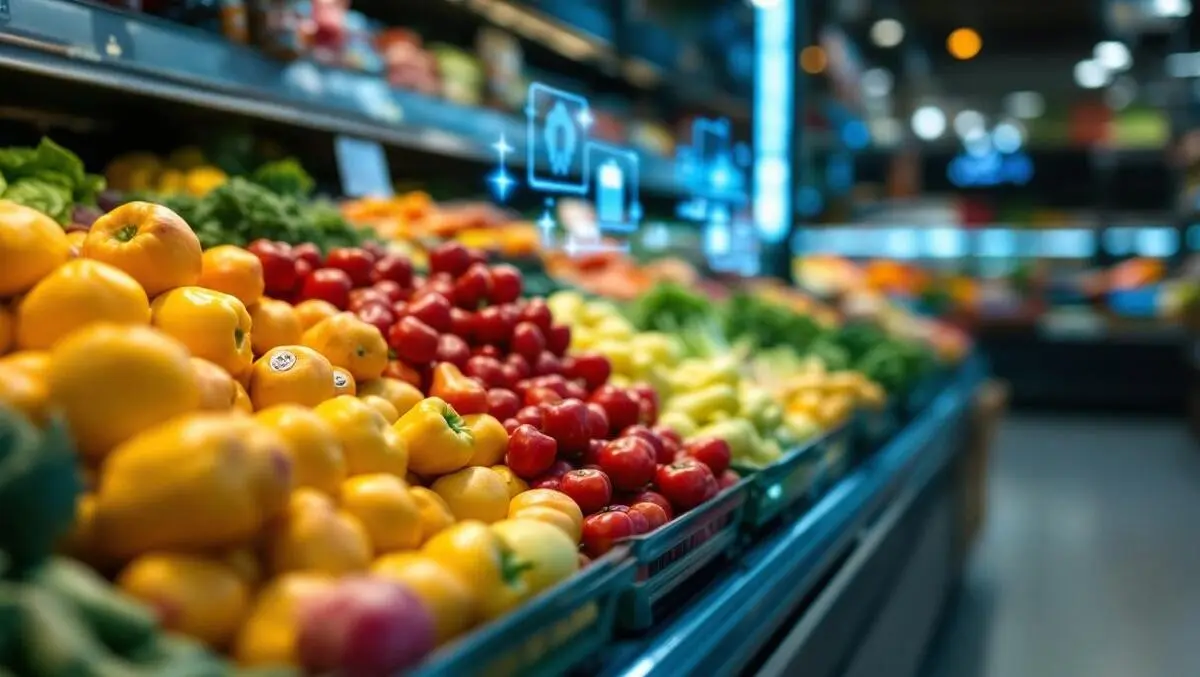
    The Ministry predicts that the continued growth of fruit and vegetable exports throughout 2026 will have minimal impact on domestic prices, facilitated by a steady demand from international markets and abundant local supply. Durian, one of Vietnam’s leading fruit exports, is currently shipped to 28 global markets and has yielded nearly $562 million within the first five months of 2026. This represents a notable increase of 46% compared to the previous year.

    Vietnam currently possesses approximately 192,000 hectares dedicated to durian farming. The Crop Production and Plant Protection Department anticipates that durian output will surge from 1.8 million tonnes in 2025 to around 2-2.1 million tonnes this year. Additional exports, including lychees and coconuts, have also experienced double-digit growth due to robust demand from major markets such as China, the U.S., and South Korea.

    Nguyen Quoc Manh, the deputy director of the department, highlighted China as Vietnam’s primary market for fruit and vegetable exports. The country has witnessed an annual growth of approximately 65-70% in shipments to China over recent years. To reduce reliance on one market, the Ministry is working to secure access to more fruits within high-value markets like the U.S., Japan, South Korea, and Australia.

    The Future of Vietnam’s Fruit and Vegetable Industry

    Manh emphasized that Vietnam’s fruit and vegetable industry has been transitioning towards a different growth model. The focus is now on enhancing the quality of produce, increasing its value, and driving sustainable development, as the capacity for further cultivation expansion is restricted. Strict quality and food safety standards imposed by high-value markets such as the European Union and China present significant challenges for the industry.

    In addition, producers face mounting pressure from increasing input costs brought about by global economic and geopolitical uncertainties. Manh shared that over the coming five years, the ministry intends to amplify research and breeding of fruit and vegetable varieties that align with domestic production capabilities and market demand. This will include promoting deep processing, expanding export markets, and implementing a low-emission crop production strategy for 2025-2035. The aim is to foster a greener, more competitive, and sustainable fruit and vegetable industry that can boost farmers’ incomes.

    Questions & Answers

    What led to the significant increase in Vietnam’s fruit and vegetable exports in 2026?
    The increase was driven by an abundant supply of produce, stable market demand, a notable surge in durian exports, and double-digit growth in lychees and coconuts exports.

    What challenges does Vietnam’s fruit and vegetable industry face?
    The industry faces challenges imposed by strict quality and food safety standards in high-value markets, and increasing input costs due to global economic and geopolitical uncertainties.

    What measures is the Ministry taking to sustain the growth of Vietnam’s fruit and vegetable industry?
    The Ministry plans to increase research and breeding of suitable fruit and vegetable varieties, promote deep processing, expand export markets, and implement a low-emission crop production strategy to drive a greener and more sustainable industry.