China has unveiled its inaugural five-year scheme centered on consumption, where it anticipates annual retail sales to reach approximately 60 trillion yuan (US$9 trillion) by 2030. This indicates a deceleration in year-on-year growth to roughly 3.7 per cent, compared to the estimated 5 per cent noted between 2021 to 2025.
Encouraging Household Consumption and Spending
In addition to scaling retail sales, China also committed to enhancing household incomes and significantly augmenting the share of household consumption in the economy, which presently stands around 40 per cent. The yearly target for retail sales growth mirrors a declining impetus in goods consumption, prompting policymakers to shift the focus towards bolstering household expenditure as a key growth propeller.
China’s State Council approved and unveiled the plan on Monday, with a pronounced focus on service consumption. Target sectors encompass elderly care, childcare, healthcare, culture, tourism, sports, and education. The State Council anticipates that, by 2030, the consumer market will expand further, the household consumption rate will increase considerably, and the economic growth’s reliance on consumption will be solidified further.
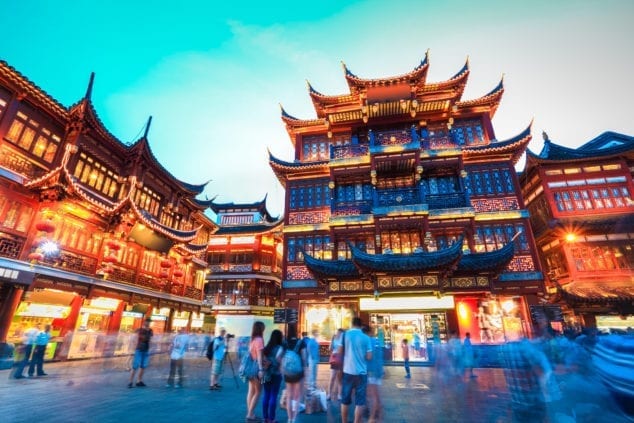
The new blueprint also advocates for substantial tourism-related spending, broadening of visa-free entry to additional countries, and increasing direct international flights to Europe, the US, and countries involved in the Belt and Road Initiative.
Addressing Consumption Imbalances and Enhancing Services
While China’s services expenditure has outpaced goods consumption growth in recent years, it remains significantly behind developed economies. In 2025, per capita services consumption amounted to 46.1 per cent of total consumption, markedly lower than the approximately 70 per cent observed in the US.
To redress the deepening imbalance between robust industrial output – buoyed by exports – and tepid domestic consumption, some government economists have advocated for long-overdue income and welfare reforms.
The plan also aims to make China’s social security system more streamlined and sustainable, providing individuals with greater spending confidence and stability.
The five-year plan underscores the need to strengthen household spending power via higher wages, increased property income, enhanced social security, and improved public services. Commitments have also been made to eliminate “unreasonable restrictive measures” in areas like car purchases, housing, and approvals for entertainment events.
Fiscal and financial policy is expected to place heightened emphasis on direct benefits to consumers, spending related to livelihood, and consumption-related infrastructure.
Questions & Answers
What is China’s anticipated annual retail sales by 2030?
China aims for annual retail sales to reach approximately 60 trillion yuan (US$9 trillion) by 2030.
What sectors does China’s inaugural five-year scheme on consumption target?
The industries of focus encompass elderly care, childcare, healthcare, culture, tourism, sports and education.
What measures does China’s consumption plan propose to strengthen household spending power?
The plan proposes measures such as increasing wages, enhancing property income, improving social security, and boosting public services. It also promises to remove restrictive measures in areas like car purchases, housing, and approvals for entertainment events.