Tag: FJ Benjamin

  • FJ Benjamin and Lazada Singapore Sign MOU for Strategic Partnership to Boost Online-Offline Sales

    FJ Benjamin and Lazada Singapore Sign MOU for Strategic Partnership to Boost Online-Offline Sales

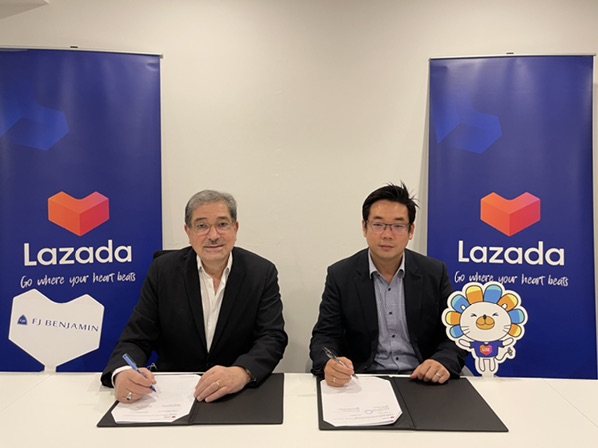
    FJ Benjamin Holdings (FJB) and leading eCommerce platform, Lazada Singapore, today signed a Memorandum of Understanding (MOU) to forge a strategic partnership that aims to deliver the ultimate retail experience to customers across all channels and devices.

    The proposed partnership will tap Lazada’s technical and online capabilities, and eCommerce platform management expertise, and leverage FJB’s experience in fashion brand management and physical store operation, to boost the eCommerce performance of FJB’s stable of brands in Singapore, Malaysia and Indonesia, as well as to expand and incubate new FJB brands to eventually integrate brick-and-mortar and virtual stores.

    FJB will also discuss with brand principals opportunities for eCommerce in markets Lazada has a presence but where FJB does not, such as Vietnam, Thailand and the Philippines. Powered by Alibaba’s advanced eCommerce tools and systems, Lazada will develop new tailor-made solutions to deliver a truly omnichannel customer experience in managing the full online ecosystem of FJB brands across the markets.

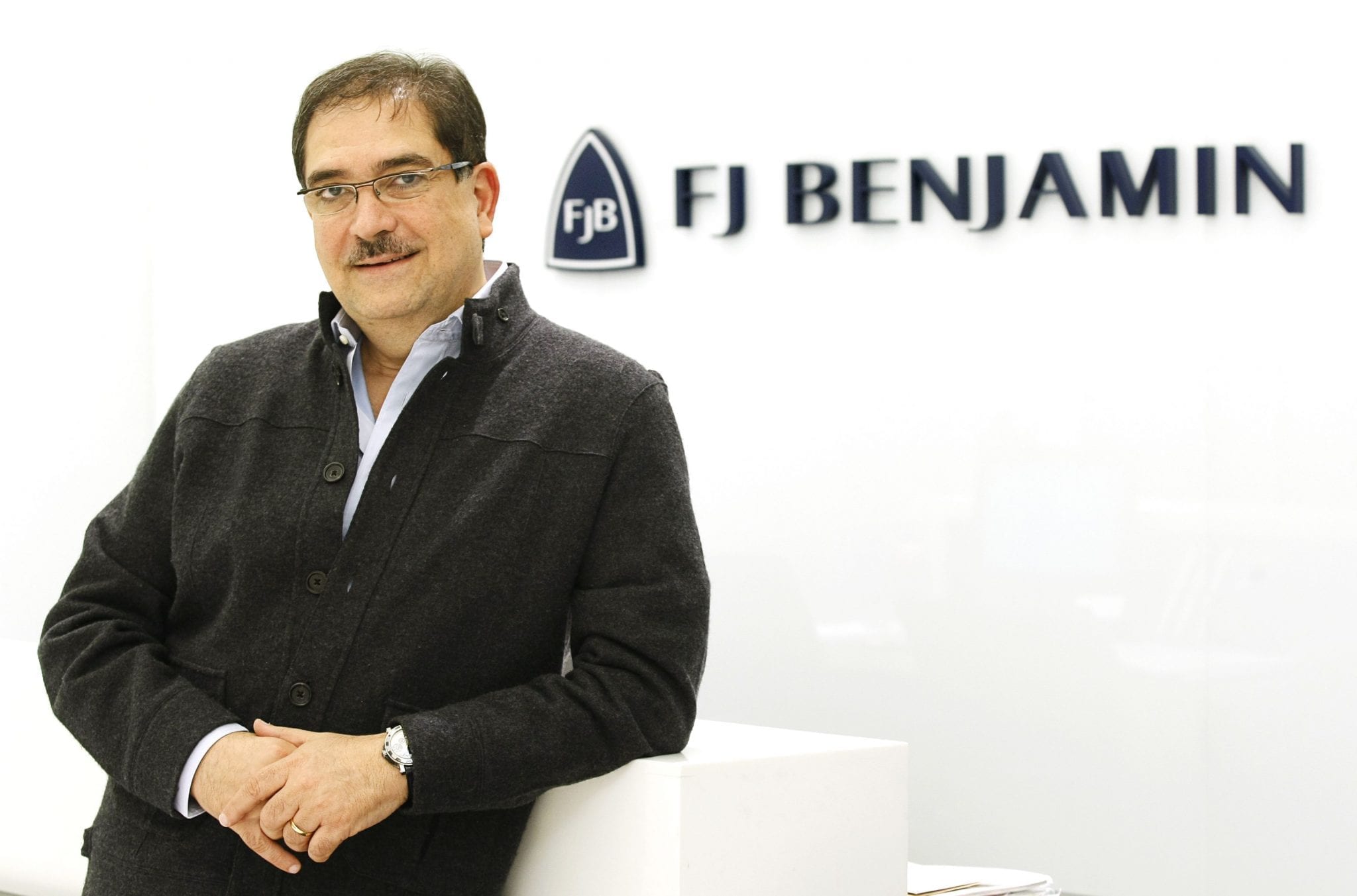
    Group CEO Nash Benjamin said: “FJ Benjamin has been strategising and planning our omnichannel business model for some time now and this partnership with Lazada is intended to get us to where we want to be much faster and in a more cost-efficient manner. This will combine our respective capabilities to strengthen customer experience across brick and mortar and virtual channels.”

    Besides operating principal branded sites, it is also intended to host certain brands on LazMall as well as other regional sites, subject to principal approvals.

    “We are thrilled to be part of this new chapter with FJ Benjamin and value their trust in us,” said James Chang, CEO of Lazada Singapore. “Lifestyle, fashion and beauty are important pillars in our eCommerce plans and shoppers can now look forward to seeing more well-known brands and labels on our platform, for an integrated shopping experience. In the last year, Lazada has supported many businesses that adopted a multichannel approach to set up stores online and we know that our expertise in the eCommerce space will benefit and contribute to the success of a renowned brand like FJ Benjamin, and look forward to seeing positive results with them.”

    While some of the brands managed by FJB, including La Senza, Pretty Ballerinas and Petunia Pickle Bottom, are currently available on Lazada’s premiere shopping platform, LazMall, this is the first time both parties –  one, a traditional brick-and-mortar operator, and the other, the region’s leading eCommerce player – have come together to envision and execute a truly omnichannel model under which customers can control the buying process and enjoy a seamless shopping experience across multiple channels – brick-and-mortar, desktop, and mobile.

    Since the pandemic lockdowns last year forced FJB stores in Southeast Asia to shutter, the Group had secured principals’ approvals to pivot to eCommerce. It has ramped up its online presence from one brand, the cult British fashion label Superdry, to almost all its brands including Guess, La Senza, Casio, Rebecca Minkoff, Pretty Ballerinas, Airfree and Dr Barbara Sturm.

    The MOU states that  “the parties agree both physical stores and online stores are part of the retail ecosystem. With Lazada’s technical and online abilities and FJB’s experience in fashion and lifestyle brand management and physical store operations, this brings together a strong strategic partnership which leverages each other’s expertise to deliver an ultimate consumer experience.”

    Under the terms of the MOU, both FJB and Lazada will, within 90 days, work on a detailed action plan and a definitive agreement to move the partnership forward.

    Mr Benjamin said FJB will continue to take charge of all aspects of product assortment, brand management, pricing, promotions as well as key parts of logistics such as inventory and supply chain. The parties will jointly undertake online marketing and campaign strategies while Lazada will operate the online stores.

  • FJ Benjamin launches five online stores

    FJ Benjamin launches five online stores

    Southeast Asian fashion group FJ Benjamin opened five new online stores for recognized international fashion labels, with more to come, as it pivoted online in the wake of trading restrictions during the Covid-19 crisis.

    Brand owners typically grant distributors only brick-and-mortar rights and prior to the pandemic, FJ Benjamin had e-commerce rights for only Superdry, the British streetwear brand. So when stores were shuttered due to government social-distancing measures, the Singapore company could not immediately turn online to compensate for suspended in-store sales.

    However, the company has since sealed deals with Guess, Casio, Pretty Ballerina, and Anti-Social Social Club to sell online. FJ Benjamin’s IT staff worked around the clock to develop stores for the brands and get them up and running as permission was granted by brand owners.

    Further sites are imminent for US Polo Association, Rebecca Minkoff, Moby, Lancel, Axel Arigato, Barbara Sturm, and “a well-known European lifestyle cosmetics brand,” said FJ Benjamin Group COO Douglas Benjamin.

    Superdry launched online in Singapore in June last year and in Malaysia last January. “The results were very encouraging,” Benjamin said.

    When the pandemic hit, FJ Benjamin-run stores in Singapore, Malaysia, and Indonesia were shuttered for much of the past two months. So Benjamin quickly pursued e-commerce rights for other brands.

    “We are pleased that we are now able to offer the convenience of e-commerce to our customers for five brands, and will be able to do so very soon for at least seven more, including some new labels which will make online debuts only,” he said.

    “In the future, we may consider opening brick-and-mortar stores if it proves to be a viable option depending on the Covid-19 situation, performance of the brand online, and future rental expectations,” he said.

    Benjamin said overseas brand principals understood the challenges faced by the group amid the pandemic and readily agreed to release the online channel rights in its markets.

    He says a new focus online will not see less attention to physical stores, although the closure of some non-performing outlets in the three markets is inevitable.

    We will definitely be culling stores that are not performing to expectations, where we cannot be profitable either because of high cost or low volume.”

    However, he believes physical stores will always be relevant in the fashion industry.

    “People still want to go down to stores to touch and feel, but there is a new comfort that has emerged among consumers with regards to shopping online.”

    FJ Benjamin has adopted a click-and-pick omnichannel approach to its online stores which allows customers to buy online and collect or return items in physical stores, where they are available.

    Benjamin expects consumers will continue to shop online once the pandemic passes as consumers have got used to the channel.

    “We believe this shift to online shopping, although hastened by the Covid-19 pandemic, will be sustainable and scalable.”

    Those advantages include being able to shop 24-seven with different access points to their preferred brands.

  • Baume & Mercier lands Both in Singapore and Malaysia

    Baume & Mercier lands Both in Singapore and Malaysia

    Swiss watch brand Baume & Mercier lands in Singapore and Malaysia today under a new distribution deal with FJ Benjamin.

    The company has inked an exclusive three-year distributorship for the watches, with a two-year extension possible based on certain conditions.

    FJ Benjamin will manage daily operations, sales and support, as well as set up communications and marketing channels to strengthen Baume & Mercier’s brand awareness in the two markets.

    “We are delighted to be appointed exclusive distributor for Baume & Mercier which enjoys a long history in luxury Swiss watchmaking, and is distributed in over 100 countries today,” said Nash Benjamin, FJ Benjamin CEO.

    “We look forward to developing further the presence of the brand in our markets.”

    Romain Lambert, MD of Baume & Mercier, Southeast Asia and Oceania, said the company looks forward to develop a stronger retail network in order to service current and potential Baume & Mercier customers.

  • GAP exit brings ex parent some turning wheel of fortune

    GAP exit brings ex parent some turning wheel of fortune

    Singapore retailer FJ Benjamin has recorded a change of fortune, turning its first annual profit in four years.

    The multi-brand retailer reported a pre-tax profit of S$939,000 for the year to June 30, compared to a loss of $16.5 million the previous year.

    “We are encouraged by our 2018 operating results,” said CEO Nash Benjamin. “With improved consumer sentiment, we witnessed comparable store growth in most of our brands as well as full-year contributions from new stores opened during 2017.”

    He said the company will now focus on growing the business organically with improved merchandise assortments and the implementation of a new Customer Relationship Management system.

    Sales in Singapore and Malaysia last year grew by $16.2 million, however due to the discontinuation of a business overall revenue declined $39.9 million. The company shuttered its Gap and Banana Republic stores in February after opting not to renew the licence.

    Gross profit margin improved four percentage points to 46 per cent due to higher margins from retained brands and the discontinuation of the less profitable labels.

    Nash Benjamin said FJ Benjamin continues to evaluate prospects for introducing new brands into its portfolio.

  • FJ Benjamin sets up advisory board to integrate online and offline retail

    FJ Benjamin sets up advisory board to integrate online and offline retail

    Fashion and lifestyle retailer F J Benjamin has set up an advisory board to help the company integrate its bricks-and-mortar stores and online sales channels.

    The omni-channel advisory board will advise F J Benjamin’s management on strengthening links between new digital channels and the group’s network of over 200 stores and 1,500 points of sale in Singapore, Malaysia and Indonesia, the company said in a statement on Tuesday.

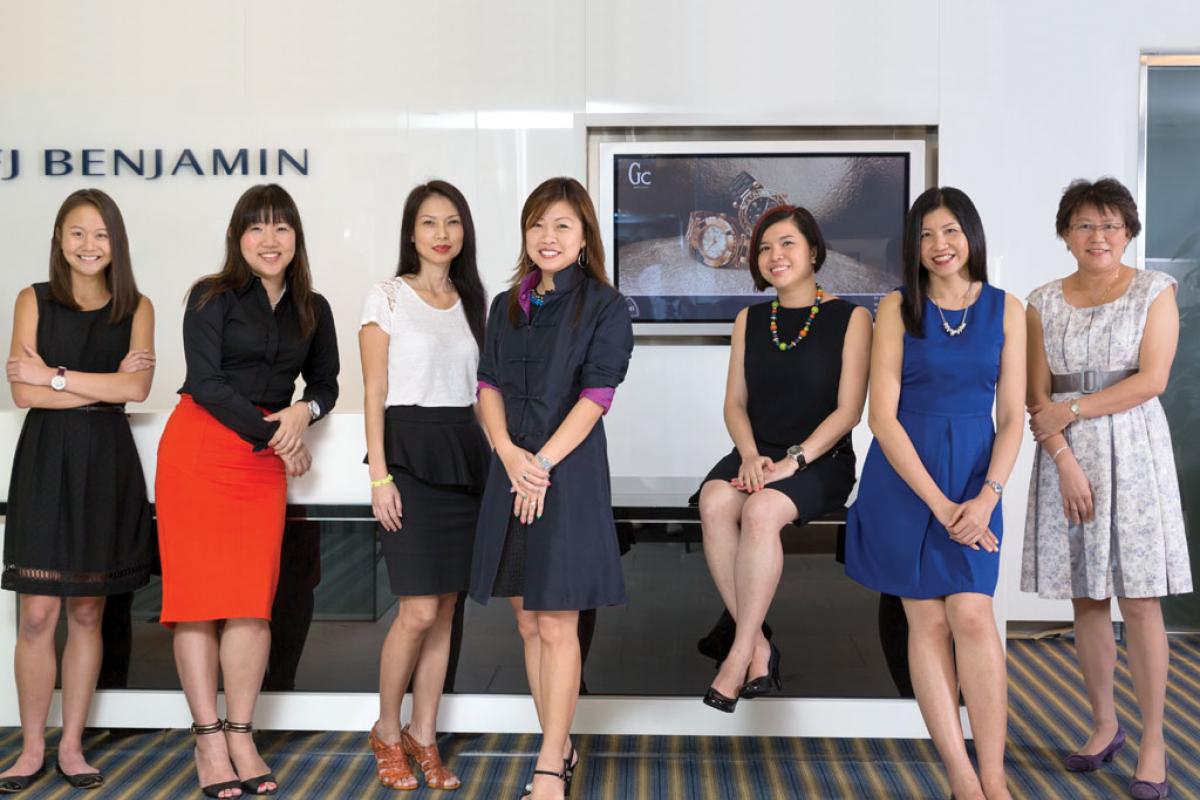
    The advisory board comprises domain experts as well as senior F J Benjamin executives. The domain experts are: Marcelo Wesseler, former CEO of SingPost e-commerce and now managing partner of e-commerce platform developer Codem; Jon Sugihara, head of global strategic partnerships at Google; and Tito Costa, chief marketing officer at Zalora.

    “We are pursuing an omnichannel strategy where we hope to harness our existing customer database in the region, which should have the twin impact of both optimising our regional network as well as growing our business volume online,” said F J Benjamin director of corporate strategy Ben Benjamin, who is also on the advisory board.

    “We have observed the online ecosystem evolve rapidly over the past two years, including last mile logistics, payments and mobile commerce, and feel that the time is now ripe to pursue an economically viable business model that will integrate the online ecosystem with our retail infrastructure.”

    F J Benjamin manages over 20 brands – incuding Guess, Marc Jacobs, Nautica and Swarovski – and operates 226 stores.

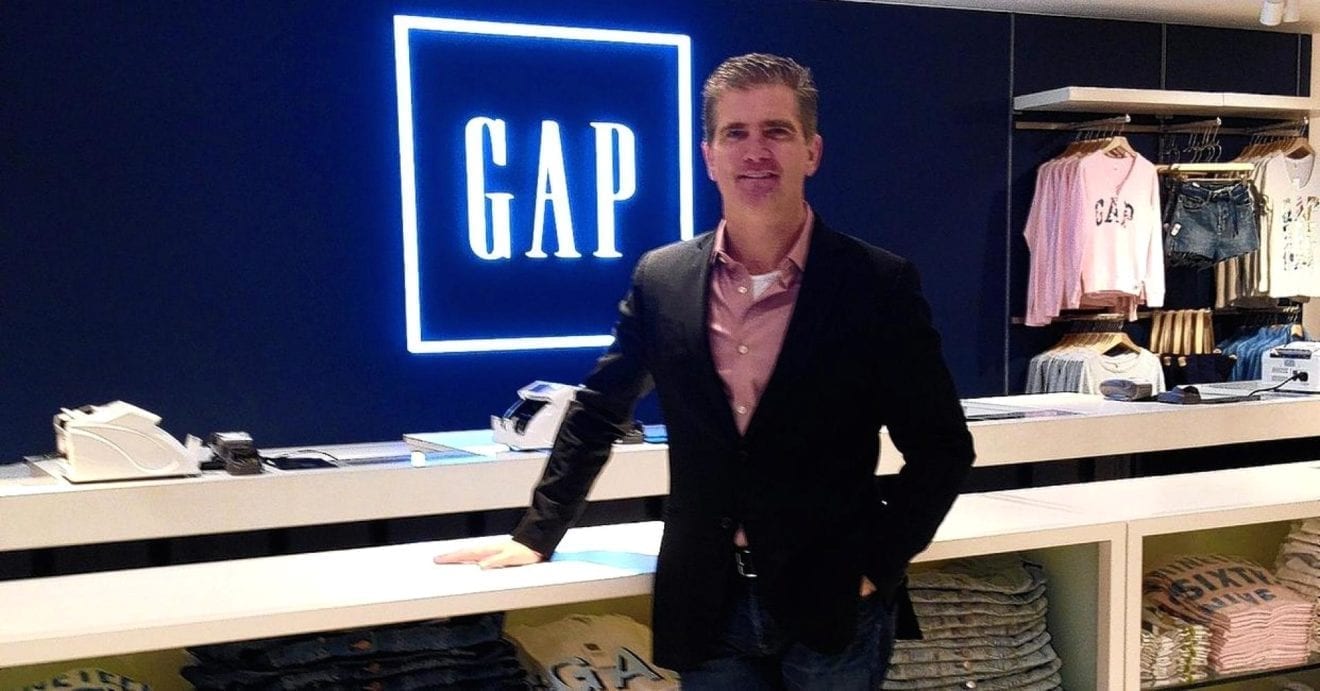
  • Gap CEO & president Jeff Kirwan resigns

    Gap CEO & president Jeff Kirwan resigns

    Gap Inc has announced that Gap brand president/CEO Jeff Kirwan will leave the clothing retail company.

    A search has been launched to find a replacement.

    “As we move into the brand’s next phase of development, Jeff and I agreed it was an appropriate time for a change in leadership,” says Gap Inc CEO Art Peck.

    “Under Jeff’s leadership we made significant progress on the operating model of the brand. We are faster and more responsive than ever before, we radically improved quality and fit, and we centered the brand on the aesthetic our customers love: casual, optimistic and American.

    “We have also seen the results of exceptional marketing and customer engagement reflected in increased traffic, improved sales and the strength of the digital business.

    “While I am pleased with our progress in brand health and product quality, we have not achieved the operational excellence and accelerated profit growth we know is possible at Gap brand.”

    Until a new president is found, the brand will be overseen by executive VP Brent Hyder, who was previously the brand’s COO.

    Gap has been struggling both at home and abroad in recent years. Its Singapore franchisor FJ Benjamin this week announced it was ceding the franchise for both Gap and Banana Republic.

  • Gap, Banana Republic to exit by end of Feb

    Gap, Banana Republic to exit by end of Feb

    Clothing brands Banana Republic and Gap are about to quit Singapore, FJ Benjamin has announced.

    Both outlets have announced their impending departure on their respective Facebook pages.

    FJ Benjamin, which brought both American brands to Singapore, says it will be closing the final two Banana Republic and three Gap stores in Singapore by the end of this month. The company has decided not to renew the franchise, which expires on February 28.

    When the fashion retailer announced the brands’ arrival in Singapore in 2006, it said it planned to open 30 stores – including outlets in Malaysia – by 2010.

    Gap’s stores are at Suntec City, United Square and VivoCity, while the Banana Republic stores are at Paragon and the Shoppes mall at Marina Bay Sands.

  • FJ Benjamin’s net loss narrows to $17 million

    FJ Benjamin’s net loss narrows to $17 million

    Despite a drop in revenue, Singapore luxury retailer FJ Benjamin’s net loss for its latest fiscal year has narrowed to S$17.42 million (US$12.7 million) from $22.96 million.

    Turnover slipped 18 per cent to $207.49 million mainly because of discontinued businesses and a drop in sales to an Indonesian associate. However, the gross profit margin improved to 42 per cent from 39 per cent a year ago thanks to tighter inventory management and improved sell-throughs, says the group.

    “Management expects the operating environment to remain challenging in Singapore as economic growth stays sluggish and the Singapore dollar continues to strengthen relative to regional currencies.

    “While management is conscious of the challenges and will remain vigilant on costs, we will continue to identify new business opportunities that will enhance the group’s portfolio and help the group return to profitability.”

    FJ Benjamin Holdings offers brand building and management, and develops retail and distribution networks for international luxury and lifestyle brands across Asia. It has offices in eight cities, manages more than 20 brands and has 226 stores.

    According to its website, it exclusively retails and distributes brands such as Banana Republic, Celine, Gap, Givenchy, Guess, La Senza, Loewe, Sheridan, Superdry and Tom Ford. Its retail footprint includes Southeast Asia and Hong Kong.

    It also distributes timepieces for such brands as Bell & Ross, ChronoSwiss, Frederique Constant, Guess, Nautica and Victorinox Swiss Army.

  • FJ Benjamin’s losses almost double

    FJ Benjamin’s losses almost double

    Clothing retailer FJ Benjamin has deepened its losses after discontinuing some brands and businesses during its second quarter.

    Its net loss virtually doubled from S$3.7 million (US$2.6 million) in the same quarter a year ago to S$7.3 million. The group says the situation was worsened by a foreign exchange loss of S$3.2 million in the latest quarter due to the strengthening of the US dollar.

    For the three months to December 31, revenue fell 11.9 per cent to S$62.5 million.

  • Offshore investor shows interest in FJ Benjamin

    Offshore investor shows interest in FJ Benjamin

    An international group is seeking to invest in Singapore brand-management company FJ Benjamin, which has such brands as Bell & Ross, Givenchy, Guess and Tom Ford in its portfolio.

    FJ Benjamin says it has entered into a non-binding term sheet, a document that sets out the terms and conditions under which an investment will be made, with an offshore third party.

    This term sheet would be “in relation to a potential transaction which may enhance or unlock shareholder value”, the company said in a release to the Singapore Exchange.

    With mall vacancies in Singapore for the three months to June 30 rising to 7.8 per cent from 7.3 per cent the previous quarter, FJ Benjamin saw its net loss for the fiscal year ended the same date balloon by 35 per cent to about S$23.5 million (US$16.6 million) while revenue fell by 14 per cent to S$253.6 million – its third consecutive year of losses.

    Managing more than 20 brands, FJ Benjamin has 226 stores in eight cities. One of its international labels, Raoul, closed its last store in Singapore, in Paragon mall, in February.

  • Manchester United stars to introduce Cafe Football

    Manchester United stars to introduce Cafe Football

    Former Manchester United stars Ryan Giggs and Gary Neville will open a football-themed cafe in Singapore next year as part of a business venture with real-estate firm Rowsley.

    rmp_cafe_football_0823-1280x853-

    Gary Neville (left) and Ryan Giggs team up.

    Cafe Football is the first overseas venture for the UK franchise, which also includes Hotel Football just beside Old Trafford in Manchester.

    Cafe Football and Hotel Football were initially set up by Singaporean businessman Peter Lim along with five of the Manchester United’s “Class of 92” cohort, which includes Giggs, the Neville brothers Gary and Philip, Paul Scholes and Nicky Butt. Rowsley last year acquired the majority share of both Cafe Football and Hotel Football, as well as hotel management company GG Collections.

    The company has just revealed its intention to bring the franchise to Asia, as well as Europe, over the next decade. It has identified China and India as the main markets it is targeting for expansion.

    “We’ve been approached quite a lot by partners to expand,” says Gary Neville, who played 602 games for the club. “Knowing there’s quite a lot of excitement in the market, we’re filtering down to the best opportunities that support our brand and product.

    “So far, we’ve had fantastic reviews in Manchester, with a more than 80 per cent occupancy rate even during non-match days. Now we are looking for a UK, Europe and Asian expansion over the next 12 to 18 months to add multiple properties.”

    Neville says they hope to build more than 5000 rooms over the next 10 years. They are hoping to open in Indonesia, Malaysia and Thailand, with some developments including both a hotel and cafe, while others will be a cafe only.
    There are currently two Cafe Football outlets in the UK, in Manchester and London. The cafes feature menus divided into “defence, midfield and attack”, with dishes named after football phrases such as “The Special One”, “Mexican Wave” and “El Classico”.

    Lim previously was involved in a football-themed eatery in Singapore. Fashion brand distributor FJ Benjamin, of which Lim is a shareholder, co-owned the now-defunct Devil’s Bar, a sports pub with a Manchester United theme, at Orchard Parade Hotel.

  • FJ Benjamin granted Casio Indonesia rights

    FJ Benjamin granted Casio Indonesia rights

    Singapore-listed fashion and lifestyle group FJ Benjamin has had a celebration to mark it gaining the Casio Indonesia rights to retail the full range of the Japanese watch brand’s watches.

    The brands include Baby-G, Edifice and G-Shock.

    While Casio distributes products to retailers in Indonesia already, only FJ Benjamin has the full range as exclusive retailer for all categories, CEO Nash Benjamin said at a Casio media event at a Jakarta nightclub venue attended by more than 1000 guests.

    He expects the watches to be sold at about 60 sales outlets in the first year. Associate Gilang Agung Persada is setting up G-Shock boutiques and stand-alone counters in malls across Indonesia, as well as selling Casio brands in 30 stores under its two multi-label watch chains, Watch Engine and Watch Zone.

    A G-Shock boutique opened at the end of August at the new St Moritz mall complex, which also houses high-end apartments.

    Benjamin says his company contacted Casio as it has an interest in G-Shock. “Casio came to Indonesia, saw our network of retail stores and was satisfied we could do a good job.”

    Casio senior executive managing officers and senior GM Shigenori Itoh says the company has had double-digit growth in Asia for the past three years.

    Meanwhile, Benjamin says his company could have up to 80 “or maybe even 100” stores in Indonesia in the next four to five years.

    FJ Benjamin has also won exclusive distribution rights in Indonesia for US fashion brand Marc Jacobs.

  • FJ Benjamin posts third loss in row

    FJ Benjamin posts third loss in row

    Singapore-listed lifestyle brand FJ Benjamin has posted notice of its third consecutive year of losses.

    The listed company made its announcement after Tuesday’s market closing, saying its latest six-month average daily market capitalisation was S$38.8 million (US$28.5 million).

    FJ Benjamin says it will make an immediate announcement should it be placed on the Singapore Exchange watch list.

    Companies are placed on the list if they record pre-tax losses for the three most recently completed consecutive financial years, and an average daily market capitalisation of less than S$40 million over the previous six months.

    Dating back to 1959, FJ Benjamin Holdings specialises in brand building and management through distribution and retail. With offices in Indonesia, Malaysia and Singapore, it manages more than 20 brands and has 226 stores. In August it announced it had secured the Singapore and Malaysian rights to Marc Jacobs.

  • FJ Benjamin secures Marc Jacobs rights

    FJ Benjamin secures Marc Jacobs rights

    Singapore fashion and lifestyle group FJ Benjamin has secured exclusive rights to distribute the Marc Jacobs brand.

    An agreement with Marc Jacobs International allows FJ Benjamin to open Marc Jacobs stores in
    Indonesia, Malaysia and Singapore.

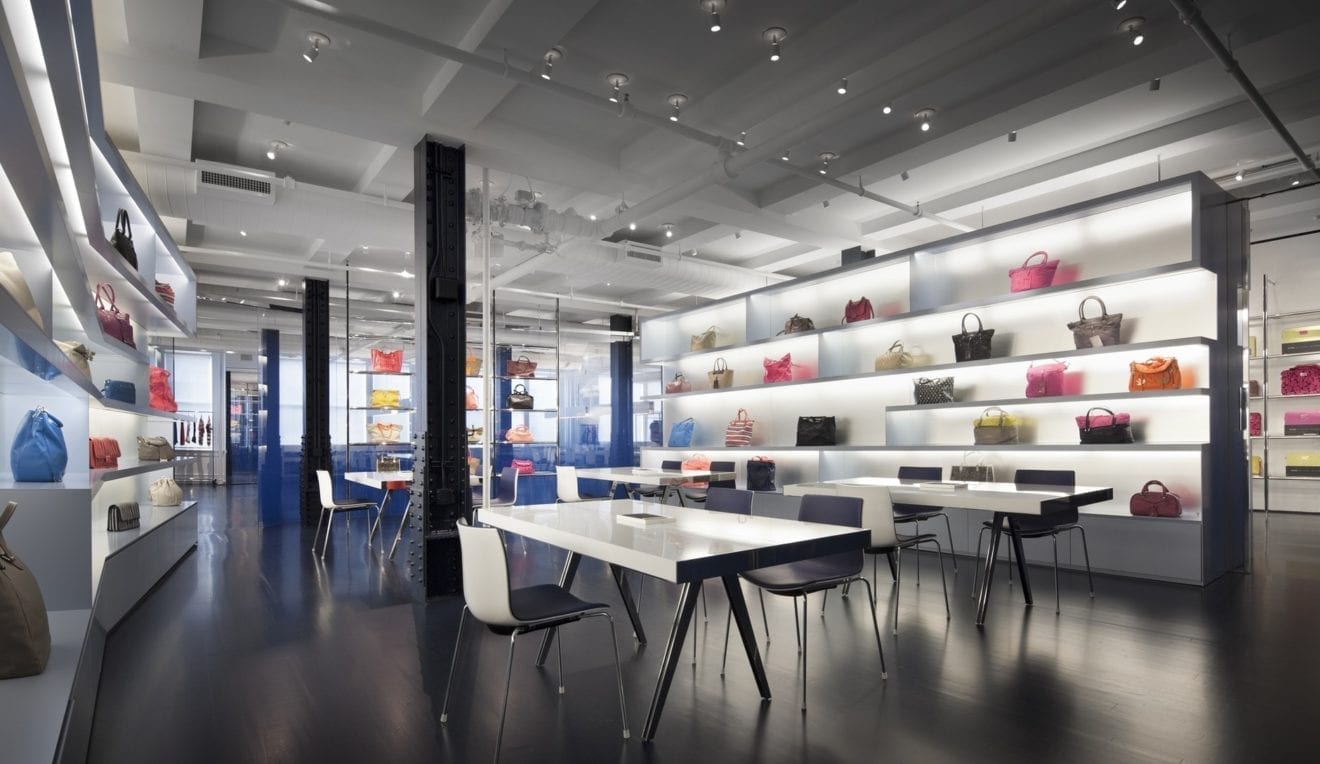
    FJ Benjamin plans to open four stores in the next two years carrying the full range of the American designer’s women’s ready-to-wear, shoes, jewellery, bags and accessories.

    Starting his own label at the age of 23 in 1986, Jacobs became the youngest designer to win the Perry Ellis Award for New Talent from the Council of Fashion Designers of America.

    FJ Benjamin Holdings group COO Douglas Benjamin describes Marc Jacobs as one of the most exciting and sought-after fashion brands.

    Dating back to 1959, FJ Benjamin Holdings specialises in brand building and management through distribution and retail. With offices in Indonesia, Malaysia and Singapore, it manages more than 20 brands and has 226 stores.

  • Raoul Singapore closes last store

    Raoul Singapore closes last store

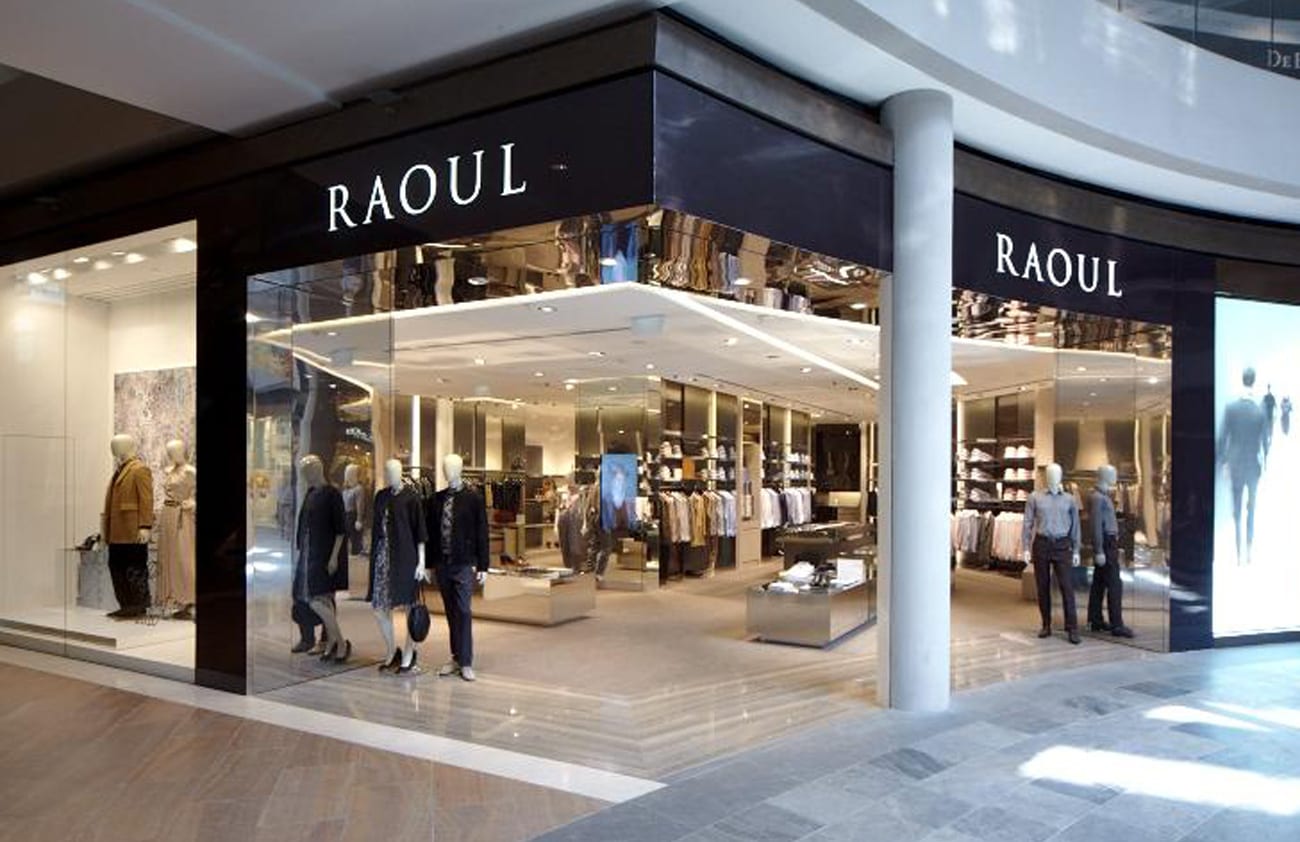
    The last Raoul Singapore boutique has closed its doors as creator FJ Benjamin decides to focus on wholesaling.

    Raoul, positioned as an affordable luxury brand, began life as a menswear brand back in 2002 before expanding into women’s fashion – because women shoppers were buying smaller sized men’s shirts to wear themselves.

    At one point, it had boutiques as far afield as Melbourne and London and became a beacon for the Singapore fashion industry in a market dominated by European fashion labels.

    Raoul closed its Paragon store on Orchard Rd in February, unwilling to pay the rents demanded.

    The founding premise

    When your business model is built around retailing products designed by others – as FJ Benjamin has for more than 50 years – your fortunes rise and fall with those brands and the head office decisions in other countries. That was a major part of the motivation to launch Raoul, which met with success very quickly.

    Over its first 50 years, FJ Benjamin held Singapore or regional rights to brands as diverse as Gucci, Gap, Manchester United, La Senza, Fendi, Goyard, Celine, Givenchy, Banana Republic, La Perla, Naomi Campbell, Valentino, Nautica, Victorinox and Rado. But after the financial crisis, it pulled back from high end labels to focus more on lifestyle brands.

    “In business you have to be nimble. We thought ‘OK, lifestyle has done well for us. Let’s continue’,” Douglas Benjamin, the company’s COO, told a presentation attended by Inside Retail Asia back in 2010.

    The Raoul brand was conceived on a trip by Benjamin to London.

    “The company had always been franchising and representing brands from other companies. My father was a strong believer we needed to have our own brand. In 2003 we bought some shirts from some expensive stores and after three to four months I was wearing shirt and the cuffs were fraying, buttons coming off.”

    What if they could produce shirts that looked as high in quality, but actually lasted?

    “We decided to develop a men’s shirt label. We’d get the best quality material and make it in Asia and if you give a man a choice, he will buy.”

    So Raoul – the French name for Ralph – was launched through stores in Singapore, Malaysia and Indonesia. The first store combining both ranges opened its doors in 2007 and a flagship in the classic Paragon shopping centre on Orchard Rd in 2009. Later, stores would follow in Mainland China and the Middle East.

    Raoul is by no means finished despite the closure of the Singapore stores. A concession continues to trade at Robinsons department store on Orchard Rd and the company will now concentrate on wholesaling with a particular focus on the US, UK and Middle East. Among the UK stockists of Raoul are Harrods, Harvey Nichols and Liberty of London. Saks and Neiman Marcus in the US and KaDeWe in Germany also stock Raoul, further underlining the brand’s fashion cachet.

    Despite its high profile globally, Singapore seemingly cannot sustain a flagship store. As a saddened fashion designer Sabrina Goh of fellow home-grown brand Elohim By Sabrina Goh told the Straits Times this week: “Raoul has always been seen as a sound brand with years of industry experience, and financial and production clout. It really just illustrates how tough the current Singapore retail market is.”