Tag: flagship stores

  • Anaconda Opens 6,000-Square-Metre Flagship in Queensland

    Anaconda Opens 6,000-Square-Metre Flagship in Queensland

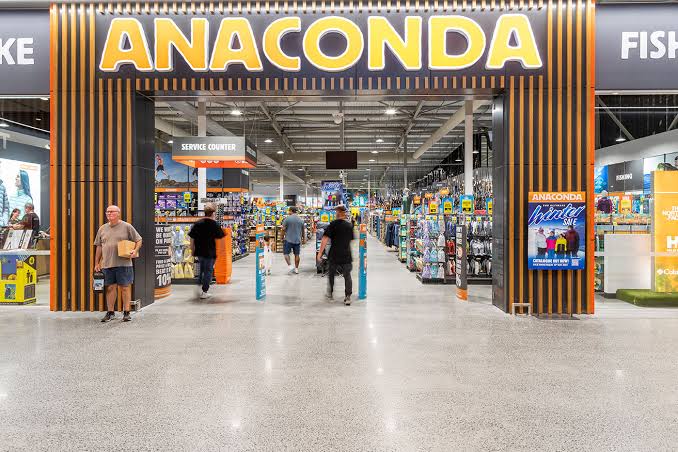
    Anaconda opened a 6,000-square-metre flagship store in Brendale, Queensland, anchoring a 92 million Australian dollar retail development in Moreton Bay. The site, branded Anaconda Adventure HQ, is the outdoor equipment retailer’s largest purpose-built location in Australia.

    Built along South Pine Road and Old North Road, the destination gives shoppers dedicated zones to test equipment before purchase. Chief executive Chris Lude stated the layout targets campers, skiers, and anglers looking for practical demonstrations inside the building.

    Interactive gear testing and live displays

    The Brendale floor plan allocates substantial square footage to working trial areas. Facilities include an alpine-themed snow cave, an indoor boat show with a simulated marina, an outback camping ground, a fishing simulator, and a 12-metre aquarium holding live barramundi.

    Big-box specialty retailers across Asia-Pacific are increasingly turning floor space over to active trials. Dedicating thousands of square metres to live environments raises capital expenditure per site, but operators use the experiential footprint to pull shoppers away from pure-play online merchants.

    Spotlight Group shifts toward destination formats

    Parent company Spotlight Group Holdings financed the expansion as part of a wider push into regional destination centres. Executive deputy chairman Zac Fried said customer buying habits now favor testing gear on site over selecting items directly from warehouse racking.

    Spotlight Group will track trading performance at the Brendale complex as it evaluates whether to scale similar mega-format builds across other high-growth suburban corridors in Australia.
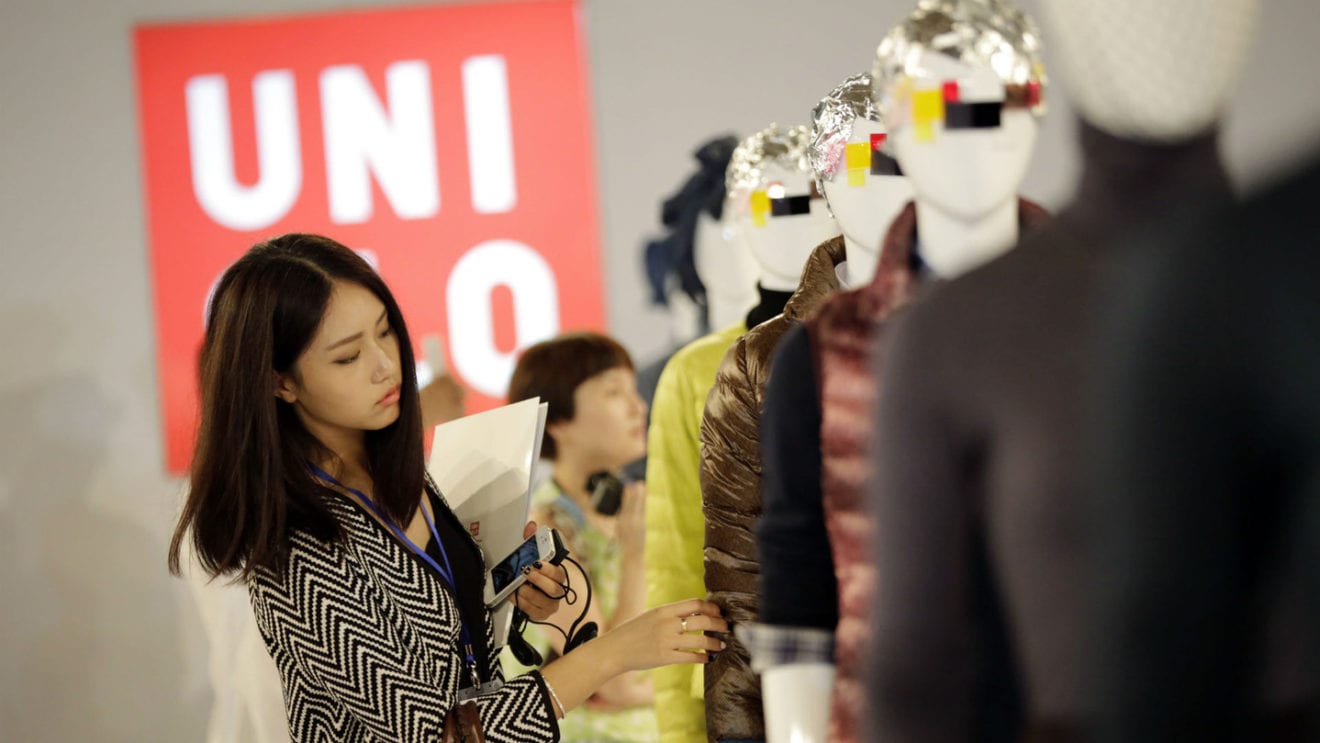
  • Uniqlo to Double Japanese Flagship Count to 20 in Ten-Year Strategy Shift

    Uniqlo to Double Japanese Flagship Count to 20 in Ten-Year Strategy Shift

    Uniqlo will double its network of Japanese flagship stores to roughly 20 locations over the next decade as parent Fast Retailing pivots away from standard shopping mall outlets.

    The apparel group currently runs about 10 flagship or flagship-equivalent premises across domestic city centres, anchored by 3,000-square-metre destinations in Tokyo’s Ginza and Osaka’s Umeda districts. Future domestic openings will focus on major regional hubs such as Nagoya and Sapporo alongside central Tokyo retail corridors, targeting local foot traffic and spending from inbound foreign tourists.

    “Every major city in Japan needs a flagship store,” Fast Retailing chairman and chief executive Tadashi Yanai said. He added that the group sees little value in opening conventional stores that function solely as transaction counters.

    Demographic pressures reshape store networks

    As of late May, Uniqlo operated 785 retail locations across Japan. That count reflects an 8 per cent drop from its peak of roughly 850 outlets in August 2013, following years of flat domestic store numbers.

    A shrinking domestic population and the rise of digital commerce have forced the company to rethink its physical footprint. Stores in Japan now operate less as basic distribution points and more as brand showrooms where customers handle garments and interact with services before buying across omnichannel channels.

    Exporting the Western retail model

    The domestic overhaul mirrors Fast Retailing’s recent playbook in Europe and the United States, where it secured historic buildings and prominent high-street addresses. Those two Western regions together account for nearly 20 per cent of total group revenue and have delivered double-digit sales growth since the pandemic.

    RetailNews Asia views this as a clear signal that the era of aggressive suburban store expansion in mature Asian markets is over. Just as department stores in regional Japan have retreated, fast-fashion operators must concentrate capital into higher-yielding, destination-scale flagships that can capture international tourism spend while digital channels absorb routine replenishment sales.

    Fast Retailing is also preparing to apply this revised large-format strategy to its broader store networks across Southeast Asia and mainland China over the coming fiscal years.

  • Uniqlo Plans 20 Urban Flagship Stores Across Japan over Next Decade

    Uniqlo Plans 20 Urban Flagship Stores Across Japan over Next Decade

    Fast Retailing plans to expand Uniqlo’s flagship store network in Japan to around 20 locations over the next decade. The apparel group is shifting capital away from standardised suburban shopping centres to focus on multi-storey urban showpieces in prime metropolitan districts.

    The strategy alters the retail footprint that built Uniqlo into Japan’s dominant clothing chain. For decades, the brand expanded by opening uniform formats along roadside corridors and inside suburban shopping complexes across provincial prefectures. Future capital expenditure will prioritise high-traffic urban centres designed to deliver higher sales density and elevated brand visibility.

    Shifting capital from roadside formats

    Standard suburban outlets offer limited scope to show the brand’s full product range or create distinctive customer experiences. Flagship formats allow the group to display complete seasonal collections, test specialty service concepts, and handle heavier transaction volumes per square metre.

    Across Asian retail markets, apparel groups face maturing domestic suburban populations and rising store operating overheads. Flagship locations in transit hubs capture both regular daily commuters and high-spending international tourists, delivering better returns on lease costs than distributed suburban networks.

    New locations and tourist hubs

    Uniqlo currently runs global flagship stores in Tokyo’s Ginza district and Osaka’s Umeda commercial hub. Future openings under the revised 10-year plan will target prime retail corridors in Nagoya and Sapporo, along with additional high-footfall central Tokyo districts such as Shibuya.

    The urban rollout begins in western Japan, with Uniqlo scheduled to open its first global flagship store in Kyoto in November.

  • Korean Fashion Labels Cluster in Seoul’s Hannam District for Flagship Retail

    Korean Fashion Labels Cluster in Seoul’s Hannam District for Flagship Retail

    Independent Korean fashion labels are securing standalone flagship stores across Seoul’s hillside Hannam-dong district, establishing physical footprints along Itaewon-ro to capture rising domestic and inbound tourist spending. The neighborhood offers an alternative to the crowded retail pop-ups of Seongsu-dong, giving younger brands space for full-collection stores and dedicated hospitality concepts.

    Womenswear label Glowny anchors the strip with a 660-square-meter flagship, its first physical location before opening a second store in Apgujeong. Founded in 2020 by sisters Choi Jane and Choi Ji-ho, the label built an audience of nearly 400,000 social media followers on basic jersey lines and low-rise denim before scaling into multi-level retail.

    Celebrity Placement Drives Footwear and Apparel Sales

    Physical stores in the quarter rely heavily on styling seen on Korean pop performers. Open YY, operated by sisters Kim Ji-young and Kim Bo-young, pairs its runway apparel and in-store cafe with sell-out shoe lines, including ballet boots that emptied inventory after appearances during Paris Fashion Week. The store combines seasonal ready-to-wear with swimwear and footwear on open floor plans.

    Streetwear outfit SunburnProject sells graphic apparel alongside accessories like its multi-way M.O.S Bag, supported by licensed partnerships including a collaborative line with American character brand Paul Frank. Nearby, Davichi singer Kang Min-kyung opened a dedicated Hannam outpost for her brand Avie Muah in June, selling higher-priced tailoring alongside metal phone accessories.

    Global Retail Roadmaps and Category Expansion

    For several emerging operators, Hannam flagships serve as testing grounds before international rollouts. TooMuchTax, launched in 2023 around bodywear and swimwear, merchandises its hotel-lounge concept store with individual displays for waffle knitwear and scarves. The label plans to run a US pop-up next year ahead of a targeted permanent American store opening in 2028.

    Across menswear, brand Pottery occupies an entire multi-story building focused on workwear and durable textiles, incorporating lounge space to increase dwell time. Multi-brand retailer Beaker provides broader distribution for domestic labels alongside international home goods from Tekla and Ilkwang Lighting, while makeup brand Hince operates a standalone cosmetic store offering custom palette formulation.

  • Uniqlo to Open First Kyoto Global Flagship Store on Kawaramachi-Dori

    Uniqlo to Open First Kyoto Global Flagship Store on Kawaramachi-Dori

    Uniqlo will open its first global flagship store in Kyoto on 6 November. The new site replaces the retailer’s existing Kyoto Kawaramachi shop, which is currently its largest location in the city.

    Located on Kawaramachi-dori, central Kyoto’s primary shopping boulevard, the new store trades on a strip packed with major retail complexes and heavy pedestrian traffic from both domestic shoppers and international tourists. Fast Retailing plans expanded sales floors at the location to carry its full LifeWear apparel range alongside interior features drawn from Kyoto’s traditional craft culture.

    Upgrading Prime Street Footprints

    Upgrading an existing high-street location to flagship status mirrors Fast Retailing’s broader store strategy across key Asian metros. Rather than multiplying smaller satellite outlets in secondary suburban hubs, the apparel group concentrates capital into dense, high-visibility corridors where large-format stores capture heavy tourist footfall.

    Flagship formats in major Japanese tourist cities serve a dual commercial purpose. They generate steady baseline trade from residents while reinforcing brand awareness for inbound visitors who shop the label across greater Asia, Europe, and North America.

    Focus on Inbound Travel Hubs

    Kawaramachi-dori serves as Kyoto’s main commercial artery, linking central rail transit to the city’s key retail and hospitality zones. Replacing the older Kawaramachi shop provides Uniqlo with modernized floor space built to handle heavy transaction volumes during peak travel periods.

    The company scheduled the launch for 6 November, positioning the expanded sales floors to trade directly into Kyoto’s busiest autumn tourism weeks.

  • Online brand “Imvely” to open 1st flagship store

    Online brand “Imvely” to open 1st flagship store

    The online brand ‘Imvely’ is about to reach 100billion won this year. Lim Ji-hyun, who has a strong presence as a marketing role model promoting her own brand wearing ‘Imvly,’ has an attention by presenting a new growth model that combines model and business.

    The online star brand ‘Imvely’ opened its first flagship store ‘velyne’ in Sangsu-dong, Seoul on the 25th.

    The concept of ‘Imvely’ flagship store, which reflects the signatures and identity of Lim Ji-hyun, is like a ‘mansion’, a ‘house of velyne’ where you customer meet all of Imvely at once.

    Everyone who enjoys online shopping knows “Imvly”, and Imvly is the brand that makes a buzz when buying an open line shop.

    The first flagship store Imvly’s ‘velyne ‘is five stories. The first floor is composed of signature cosmetics brand ‘VELYVELY’ and Imvly’s new products, bestselling products.

    The floor is made up of the lifestyle brand ‘Bleu Home’ and the 4th and 5th floors are composed of its own cafe ‘U’all’.

    Imvly, which has been rapidly growing since its launch, already has a solid product lineup and a self-manufacturing line beyond the limits of online shopping malls.

    The company opened eight new stores in Lotte department store this year, and currently operates 13 stores in Lotte Department Store.

    The annual sales of Imvely, which was about 3 billion won at the time of its launching, increased to 148 billion won in 2015, 70 billion won in 2016 and 100 billion won in sales this year.

    With the open of duty-free shop, Imvely has a positive reputation in the global markets, including China and Japan, as well as the domestic market.