Tag: fleet management

  • BYD Launches C12 DUO Electric Coach in UK with 547-Kilometre Range

    BYD Launches C12 DUO Electric Coach in UK with 547-Kilometre Range

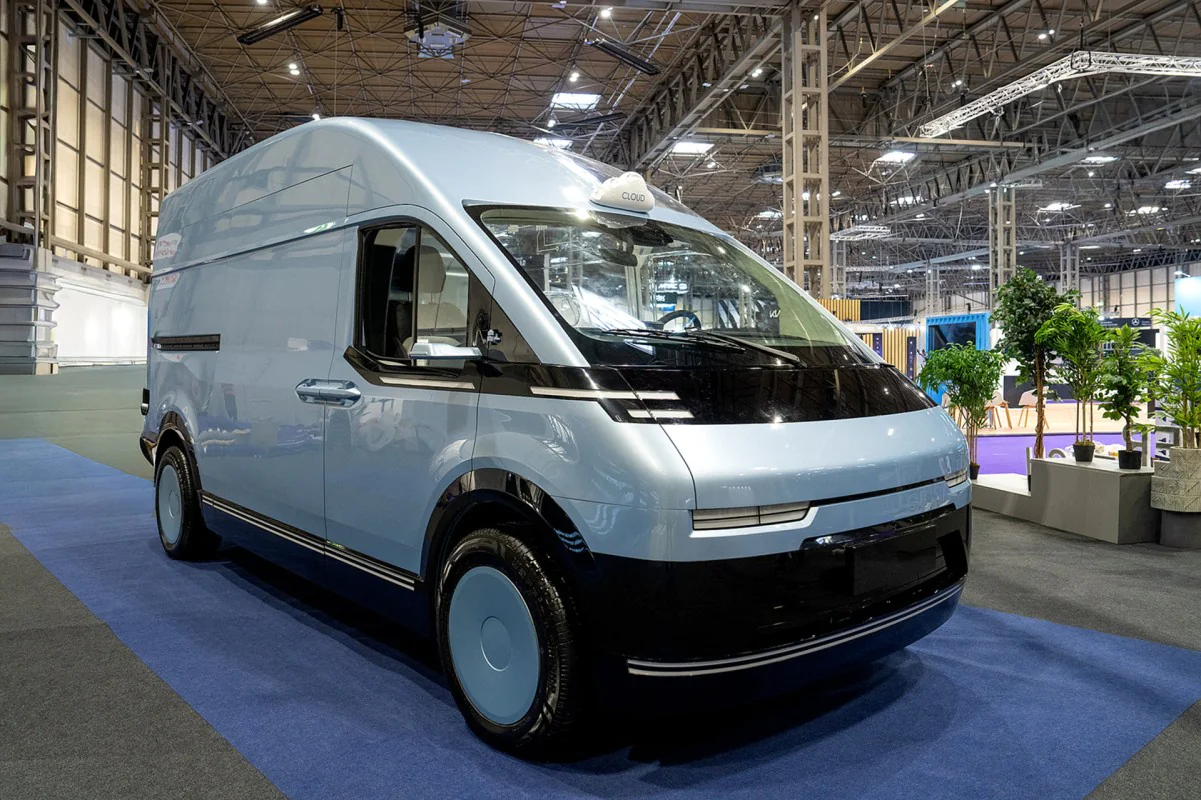
    BYD unveiled its C12 DUO battery-electric coach at the Euro Bus Expo in Birmingham, entering the British long-distance passenger transport sector with a claimed range of up to 547 kilometres (340 miles). The 12.3-metre vehicle seats up to 57 passengers and runs on the Chinese manufacturer’s lithium-iron-phosphate Blade battery technology.

    Frank Thorpe, Managing Director of BYD UK Commercial Vehicles, announced that the high-decker was developed specifically for the UK market. It targets tour operators, school transport, and scheduled services between cities, towns, airports, and event venues. BYD offers the model with two battery options, a 429 kWh pack and a 495 kWh pack, capable of charging at up to 215 kW.

    This week’s world premiere follows earlier announcements outlining the Chinese automotive giant’s entry into the UK coach segment. The expansion builds on BYD’s established presence in Britain, where the company has delivered or secured orders for more than 3,000 electric buses across single-deck and double-decker categories.

    Chassis Integration and Operating Specs

    Power comes from two wheel-hub motors generating 150 kW each, matching the drivetrain layout of BYD’s existing urban and intercity bus lines. Integrating the battery cells directly into the vehicle frame increases torsional rigidity while reducing the vehicle’s weight.

    Luggage capacity measures up to four cubic metres, which is slightly less than in conventional coaches of this size. However, the C12 DUO preserves a full 57-passenger seating capacity without compromise. BYD backs the integrated traction battery with a 15-year warranty.

    The platform measures 12.3 metres in length, 2.55 metres in width, and 3.54 metres in height, sitting on a 6.15-metre wheelbase. Build Your Dreams aims to prove that long-distance electric passenger transport is achievable without compromising range, passenger comfort, or operational efficiency.

    Commercial Fleet Expansion Outside China

    Thorpe noted that the success of the company’s battery-electric double-decker and single-decker transit buses in the UK motivated the move into coaches. Across the country, BYD currently offers single-deck buses in lengths of 9.9 m, 10.4 m, 10.8 m, and 11.8 m.

    The manufacturer also supplies the BD11 double-decker in 10.6-metre or 10.9-metre lengths, featuring a maximum battery capacity of 532 kWh.

    “The transition to zero-emission commercial transport is no longer a distant goal, it is an operational reality,” said Frank Thorpe, Managing Director, BYD UK Commercial Vehicles. “With the debut of the C12 DUO, we are demonstrating that sustainable, long-range electric travel is feasible across every transport segment, from dense city centres to intercity corridors across Europe.”

  • Geely Launches Xingyao 6 EF Methanol Hybrid Sedan at 76,800 Yuan

    Geely Launches Xingyao 6 EF Methanol Hybrid Sedan at 76,800 Yuan

    Geely Auto launched the Galaxy Xingyao 6 EF in Shenyang on Tuesday, pricing the dual-fuel methanol plug-in hybrid sedan from a promotional 76,800 yuan ($11,440).

    The car can run on methanol, gasoline or electric power, accepting any ratio of both liquid fuels inside a single tank.

    Official list pricing ranges between 86,800 yuan and 106,800 yuan across three trim levels, with limited-period launch pricing capped at 96,800 yuan. Geely sells the base model with a CLTC pure electric range of 130 kilometres, while the two higher grades offer 230 kilometres. When fueled entirely by methanol alongside a full battery charge, total cruising range reaches roughly 1,250 kilometres. Switching entirely to gasoline pushes combined range to 1,880 kilometres. Liquid refueling takes approximately three minutes.

    Powertrain and Cold-Weather Hardware

    Under the bonnet sits a 1.5-litre dedicated methanol engine coupled with an electric motor and a lithium iron phosphate battery pack. Geely claims the unit hits 48.15 percent thermal efficiency, which it rates as the highest figure achieved on any production methanol combustion engine. Fuel management relies on a real-time concentration sensor, allowing the onboard computer to re-map fuel injection and ignition cycles dynamically based on the exact blend inside the tank. Fuel system operates at 350-bar injection pressure alongside high-energy ignition packs engineered to permit cold engine starts down to minus 40 degrees Celsius.

    The vehicle sits on Geely’s GEA architecture, measuring 4,806 mm long, 1,886 mm wide and 1,490 mm tall on a 2,756 mm wheelbase. Interior equipment includes a 14.6-inch central display, a 10.25-inch instrument cluster, 609 litres of boot space and software powered by Flyme Auto 2.

    Targeting Fleet Operators and Northern Drivers

    Chinese electric vehicle makers continue to lose operational efficiency in northern winter conditions, where sub-zero temperatures sharply degrade lithium battery discharge rates and cabin heating drains range. Geely is bypassing that hurdle by pitching the Xingyao 6 EF directly at provincial markets where pure electric cars struggle between November and March. Fleet operators running taxi and ride-hailing networks in these provinces gain combustion-style refueling speed and winter heating reliability without paying full gasoline fuel bills.

    Competitors like BYD have dominated the sub-100,000-yuan plug-in hybrid segment through conventional gasoline DM-i platforms. Geely’s decision to bring an alternative liquid fuel down to passenger-car price points creates a different operational calculus for municipal fleet managers, though private consumer adoption outside resource-rich northern provinces will depend strictly on pump access.

    Two Decades of Methanol Investment

    Geely began research into methanol drivetrains in 2005, gradually developing supply chain links spanning synthesis, bulk distribution and retail dispensing. Before opening sales to retail buyers, Geely Holding Group chairman Eric Li deployed more than 6,000 units of the Xingyao 6 EF into commercial taxi services, ride-hailing fleets and government motor pools to log field hours.

    Distribution infrastructure remains the operational bottleneck. Geely Holding senior vice president Victor Yang confirmed the country has established over 1,400 methanol stations of varying types.

    Galaxy brand sales crossed 150,000 units in a single month for the first time in October, rising 20.32 percent to 153,385 deliveries and lifting ten-month volume past 1.03 million cars. RetailNews Asia will watch whether Geely can expand dedicated pump networks beyond its northern operating bastions as volume production scales.

  • Eppo Targets 180,000 Thai State Vehicles for Electric Transition

    Eppo Targets 180,000 Thai State Vehicles for Electric Transition

    Thailand’s Energy Policy and Planning Office (Eppo) has prepared a roadmap to convert more than 180,000 state-owned and leased vehicles to electric power while rolling out workplace charging points across agencies.

    Battery electric models make up only about 1% of all vehicles procured by public departments between 2006 and 2026. Eppo formulated the transition strategy using findings from a consultancy firm’s study to cut public-sector energy costs and lower long-term operating expenses.

    An energy official speaking on condition of anonymity stated that Eppo views the transition as a practical foundation for wider clean-energy adoption across the civil service.

    Rewriting Procurement Rules for State Fleets

    The roadmap requires officials to revise civil service vehicle-leasing and purchasing frameworks to favor electric drivetrains. A dedicated state agency will supervise compliance, monitor progress across ministries, and enforce standardized operational safety measures. Energy planners based the initial framework on a consultancy study, with final implementation rules still being prepared for cabinet consideration.

    Public agencies manage thousands of depots, ministry offices, and municipal yards where staff vehicles sit idle during office hours. Converting these locations requires dedicated commercial charging points, expanding electrical line capacity, and creating unified fleet management contracts for state operators.

    Building Demand for Local Assemblers

    For automakers operating in Thailand, public sector procurement offers guaranteed volume without the marketing overhead of consumer sales. Chinese EV manufacturers and traditional Japanese assemblers competing in Southeast Asia have built local manufacturing capacity to meet domestic production incentives. Long-term fleet purchase agreements give factories stable run rates during seasonal lulls in private retail demand.

    The commercial vehicle ecosystem faces practical hurdles during this transition. State procurement departments historically prioritize low initial purchase prices over total cost of ownership. Battery degradation warranties, salvage values, and maintenance contracts across disparate rural provinces remain unproven at scale in Thai civil service budgets.

    Charging Networks Push for Roaming Standards

    Commercial charging operators stand to gain immediate throughput from centralized fleet operations. Thailand recorded 5,021 charging locations housing 15,290 connectors nationwide as of September 2026. The Energy Policy and Planning Office is running a parallel initiative to integrate these fragmented private charging platforms into a single “EV Roaming Hub” operating on a unified payment standard.

    The shift follows a sharp expansion in civilian passenger electric vehicle sales across the country. Department of Land Transport statistics compiled by the Federation of Thai Industries show Thailand registered 22,587 new EVs and electric motorcycles in September 2026, an 89.7 per cent increase from September 2025. Passenger electric cars accounted for 19,425 of those registrations, rising 98.6 per cent year on year.

    During the first nine months of 2026, total electric vehicle registrations reached 191,273 units, up 83 per cent from the same period in 2025. The Federation of Thai Industries projects full-year 2026 registrations will finish between 200,000 and 220,000 units, compared with roughly 120,000 vehicles registered throughout 2025.

    What to Watch Next

    The Energy Policy and Planning Office must submit the finalized fleet procurement guidelines to the central government for formal policy ratification. Automakers and fleet leasing companies are waiting for the draft to specify annual conversion quotas and the initial budget allocations for civil service charging depots.

  • Air India Sets up Cost-Cutting Team After Posting US$2.3 Billion Loss

    Air India Sets up Cost-Cutting Team After Posting US$2.3 Billion Loss

    Air India has set up a cross-functional team to find operational savings after posting a US$2.3 billion loss for the fiscal year ended March. It is tightening spending approval limits immediately to stem cash burn.

    Chief executive Tewolde Gebremariam told staff in an internal memo that the airline must embed frugality and accountability into daily decisions. Management is introducing an incentive programme for employees. It will reward staff who submit workable ideas to cut expenses or lift revenue.

    Spending Controls and Capital Demands

    The belt-tightening follows an August request by Air India to raise approximately US$1.5 billion in fresh equity from owners Tata Sons and Singapore Airlines. Singapore Airlines holds a 25.1 per cent stake following their joint venture consolidation.

    Air India has failed to record an annual profit since returning to private ownership under Tata Group in 2022. Rising jet fuel prices and prolonged route diversions have burned cash faster than projected during the initial privatization plan.

    Route Headwinds and Supply Bottlenecks

    Geopolitical turbulence has added direct costs to international flight schedules. Airspace closures over Pakistan and conflict disruptions across the Middle East have forced longer routings, cancellations, and capacity cuts on key long-haul services.

    Fleet renewal plans also face delays. Shortages of aircraft seats and cabin components have stalled retrofits on older jets. Management has opened talks to defer deliveries of hundreds of newly ordered aircraft to conserve capital.

    Operational Scrutiny and Safety Lapses

    Regulatory pressure has mounted alongside the cost drive following serious operational failures. The airline faced intense scrutiny after a June 2025 crash in Ahmedabad killed 260 people, severely damaging consumer confidence.

    Aviation authorities have cited the carrier for multiple compliance lapses, including flying aircraft without valid maintenance certifications. Regulators also launched investigations after a pilot involved in a severe mid-air plunge in August tested positive for marijuana.

    Turnaround Strategy Under New Leadership

    Gebremariam took charge of the airline on August 5, replacing former Singapore Airlines executive Campbell Wilson, who had led the restructuring effort since 2022. Gebremariam previously ran Ethiopian Airlines, where he built a reputation for lean cost management and rapid commercial expansion.

    Talks are now underway with aircraft manufacturers to negotiate revised delivery schedules. Meanwhile, Tata Sons and Singapore Airlines are working to finalize terms on the requested US$1.5 billion capital injection.

  • CharIN Tests 1,000 kW Megawatt Charging Systems at 2026 Testival

    CharIN Tests 1,000 kW Megawatt Charging Systems at 2026 Testival

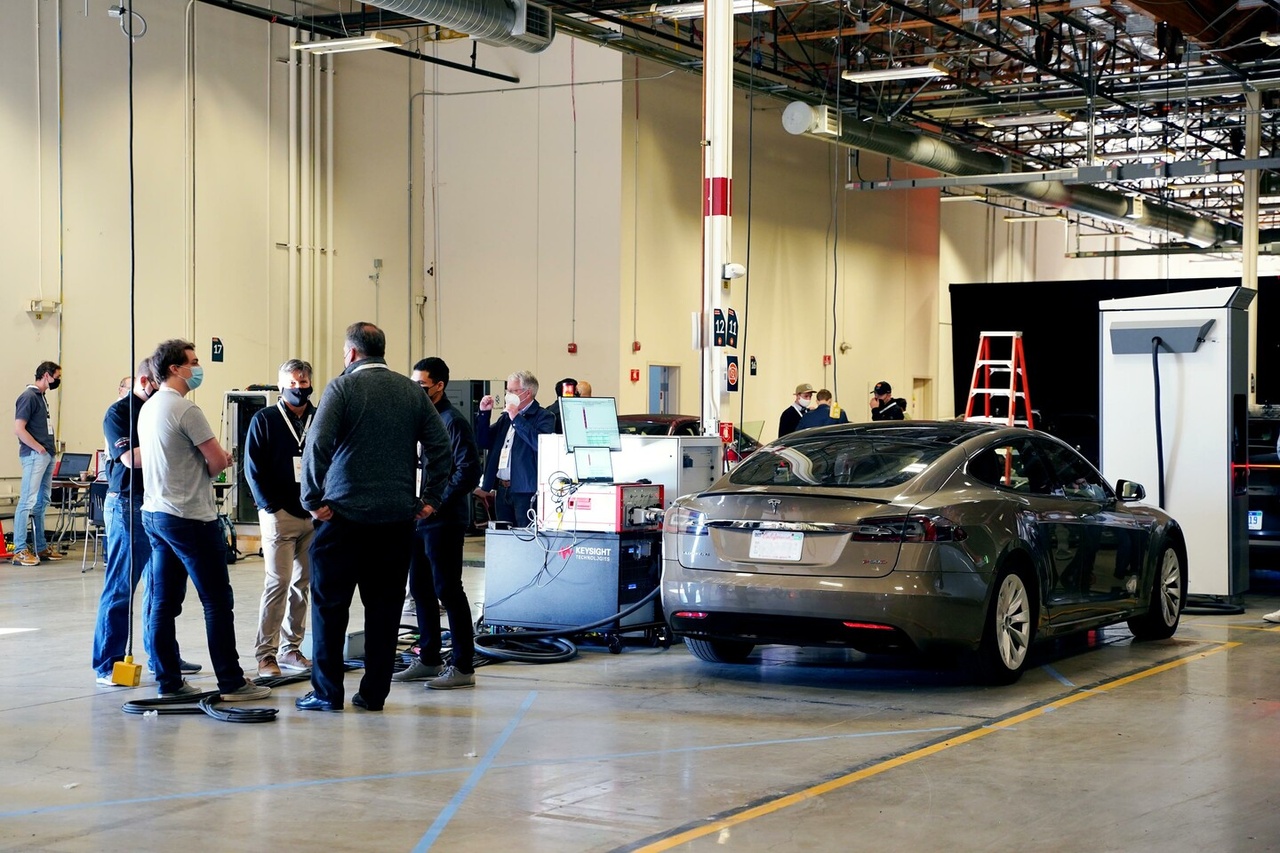
    Global charging alliance CharIN stepped up interoperability testing for heavy-duty electric trucks and passenger vehicles as hardware communication failures continue to disrupt high-power charging deployments in 2026.

    Live trials using Phoenix Contact systems delivering up to 720 kW revealed persistent connection handshaking delays between vehicle software and chargers, proving that standardisation on paper has outpaced field implementation.

    The tests evaluated the Megawatt Charging System, known as MCS, alongside the second-generation ISO 15118-20 communication protocol. Commercial vehicle demonstrations verified throughput capacity of up to 1,000 kW on the Mercedes-Benz eActros 600, 750 kW on the MAN eTGX, and 700 kW on the Volvo FH Aero Electric. CharIN, which has coordinated MCS specifications across 120 member companies since 2018, confirmed that physical socket standards remain governed under IEC TS 63379 specifications.

    Protocols Advance Faster Than Hardware

    Software standardisation moved forward following the release of the ISO 15118-20 Amendment 1 update in July 2026. That revision incorporated MCS services, grid-tied alternating-current distributed energy resource applications, and updated TLS 1.3 cryptographic security protocols. Yet physical trials revealed ongoing mechanical locking and inlet alignment faults across multiple hardware vendors.

    Michael Keller, chief technology officer of CharIN, stated during the trials: “Without 100% interoperability, the customer has no guarantee of a successful charging process when they arrive at an unfamiliar charging station.”

    Vehicle-to-grid capabilities showed wider compliance variations during system trials. Out of 23 direct-current test systems evaluated for bidirectional energy flow, 13 handled European grid feedback specifications, while only seven out of 11 alternating-current systems functioned under simulated grid conditions. CharIN confirmed that automated energy management and bidirectional communication channels require extensive local certification before utility networks permit commercial power exports.

    Implications for Asian Logistics Hubs

    For fleet managers and warehouse operators across Asia-Pacific logistics corridors, the lack of plug-and-play uniformity introduces direct capital risk. Port operators and long-haul logistics fleets in markets like South Korea, China, and Australia cannot afford failed charging handshakes during tight freight turnaround windows. Purchasing megawatt-rated dispensers does not guarantee scheduled power delivery if proprietary truck control units reject public charger firmware.

    RetailNews Asia notes that retail distribution centers face secondary property planning bottlenecks alongside vehicle testing. Megawatt-level charging requires dedicated onsite battery buffering, dynamic load balancing, and restructured depot layouts to accommodate non-standard charging port positions. Operators building high-voltage freight hubs must design facilities around shifting cable lengths, cooling hardware, and transformer lead times rather than vehicle specifications alone.

    Grid Constraints Dictate Rollout Timelines

    Distribution network operators also struggle to process high-capacity grid hookups at the pace demanded by fleet operators. German electrical industry body ZVEI pointed out that local substation headroom and administrative approvals form the primary constraint on fast-charging hubs. In response, regulators such as the Federal Network Agency began publishing regional utility connection timelines to expose connection bottlenecks.

    Municipal public transport operators have already hit these limits during depot conversions. Local authorities in districts like Lippe reported that while over 50 percent of municipal bus fleets are now electrified, expanding depot connections requires balancing local rooftop solar arrays against uncoordinated central energy directives.

    Regional Testing Heads to South Korea

    Standardisation efforts previously focused primarily on light passenger vehicles before shifting toward megawatt-class haulage at trials in Arnhem earlier this year. Those earlier Dutch sessions validated basic bidirectional direct-current flows but left connector durability and automated communication handshakes unresolved for mass-production trucks.

    Testing now moves to the Korea Electrotechnology Research Institute in Ansan-si on October 12, 2026. Industry participants, including GridWiz, VertexCom Technology, and GENIS Korea, will test HomePlug GreenPHY validation workflows and ISO 15118-20 interfaces against Asia-Pacific grid codes.

  • Chery Delivan Targets 100 UK Dealerships for Electric Van Expansion

    Chery Delivan Targets 100 UK Dealerships for Electric Van Expansion

    Chery Commercial Vehicle brand Delivan plans to establish more than 100 UK dealership sites over the next five years to sell electric delivery vans.

    The Chinese automotive group unveiled its production van range at the IAA Transportation show in Hanover, preparing for commercial deliveries in 2027 across Britain, Germany, France, Spain, Italy and the Nordic region.

    Hardware specifications and conversions

    Delivan built its launch lineup on a single electric architecture, offering battery capacities between 50.4 kilowatt-hours and 97.4 kilowatt-hours. The vehicles deliver up to 426 kilometres of WLTP combined range with speed capped at 100 kilometres per hour, while direct-current fast charging takes the battery from 15 percent to 80 percent in roughly 22 minutes.

    The range includes the L1H1 panel van with a 1,400-kilogram payload, the larger L2H3 panel van offering 11.6 cubic metres of cargo capacity, and the L3 chassis cab supporting payloads up to 2,120 kilograms. Both panel vans carry a 2,500-kilogram towing rating. Delivan also displayed four specialist conversion bodies developed with European bodybuilders: a crew van, a refrigerated box, an integrated tool storage layout and a three-way tipper.

    Fleet software and uptime service

    Commercial operations will run on a package the company calls its 1+3 proposition, combining vehicle hardware with three digital support layers. Delivan I handles telematics, route efficiency and real-time energy usage tracking, while Delivan PRO links operators to an uptime centre for predictive maintenance and remote diagnostics. Delivan X oversees third-party vehicle conversions and bodybuilder certifications.

    Software integration has become a primary sales mechanism for Chinese commercial vehicle exporters targeting overseas corporate buyers. Fleets evaluate total cost of ownership through vehicle availability and software integration rather than purchase price alone. Delivan is attempting to bypass typical import friction by embedding diagnostics and bodybuilding approvals directly into European fleet workflows.

    Dealership network strategy

    Distribution in Britain will combine franchised car retailers with dedicated commercial vehicle centres. Chery plans to convert selected existing passenger-car showrooms to carry Delivan while appointing independent commercial vehicle specialists to cover high-density logistics corridors.

    Establishing physical workshops and rapid parts supply presents the main execution hurdle for new commercial vehicle brands in Europe. Delivery companies cannot absorb prolonged vehicle downtime. While Chinese electric passenger cars rely heavily on direct retail or light dealer agreements, light commercial vehicles require round-the-clock maintenance agreements and guaranteed replacement turnarounds to win institutional fleet tenders.

    European expansion timeline

    Delivan initiated its Western European rollout in April at the Commercial Vehicle Show in Birmingham, where Chery first introduced the commercial sub-brand. The company subsequently established regional operating headquarters and technical teams in the UK and Germany to adjust suspension, cargo packaging and cab ergonomics for local delivery routes.

    “Using real-time connected-vehicle data, our in-house smart system applies AI to connect the entire operational chain, from individual vehicles to fleet management,” said Yueqiong Gong, vice president of Chery Holding Group and general manager of Chery Commercial Vehicle.

    Chery will finalize its initial UK dealer appointments over the coming months before opening order books ahead of customer deliveries in 2027.

  • Taiwan to Screen 47,000 Drivers Using Government Health Data

    Taiwan to Screen 47,000 Drivers Using Government Health Data

    Taiwan plans to allow road authorities to use health data to identify drivers who might no longer be medically fit to hold a license, affecting about 47,000 motorists.

    The proposed system would cover drivers with visual impairments, epilepsy, and moderate or severe dementia, the Ministry of Transportation and Communications said.

    Under the plan expected to take effect by the end of this year, road authorities will periodically obtain records from government agencies managing subsidies or insurance programs to cross-check against driver registries.

    How the Medical Cross-Checks Work

    Flagged drivers will receive notices requiring a fresh qualification assessment. Those who fail the evaluation must surrender their licenses immediately.

    Data transfers will follow strict minimization rules, according to the ministry. Road agencies may access only records explicitly tied to the three designated conditions.

    Currently, drivers with epilepsy can secure a permit only by submitting medical certification verifying they have remained seizure-free for at least two years. The new protocol closes the gap between renewal cycles by detecting diagnoses that happen after initial licensing.

    Operational Pressure on Transport Fleets

    For commercial transport operators, courier networks, and last-mile delivery services, automated screening increases compliance pressure. Fleet supervisors who rely on independent contractors or aging drivers must prepare for sudden license revocations when medical records trigger reviews.

    Fleet operators must shift from periodic manual checks to continuous monitoring. Companies facing labor shortages will need faster onboarding pipelines to replace workers sidelined by automatic state disqualifications.

    Legislative Backing and Implementation Timeline

    Revisions to the Road Traffic Management and Penalty Act passed in November last year provide legal backing. Those changes mandate qualification reviews whenever a motorist experiences physical or mental deterioration that impairs driving capability.

    Transport officials plan to launch the data-sharing network before the end of this year. Initial review notices will go out immediately after rollout.

  • Shippit Targets Grocery Fleets with NowGo Dispatch Software

    Shippit Targets Grocery Fleets with NowGo Dispatch Software

    Shippit rolled out its NowGo fleet software to fast-moving consumer goods suppliers in Australia, aiming to automate dynamic re-routing across supermarket delivery networks. The Sydney-based logistics provider claims the system lifted vehicle utilisation by 15 per cent and expanded completed drops by 12 per cent.

    Built on historical Australian and New Zealand transport data, the platform manages temperature-controlled loads, fixed dock booking windows, and delivery-in-full, on-time performance targets. The software combines owned vehicle fleets and third-party transport operators into a single dispatch dashboard. Dispatchers reassign delivery stops and adjust routes instantly when vehicles break down or store receiving slots shift, replacing manual spreadsheet adjustments.

    Dynamic Dispatch and FMCG Time Slots

    Supermarket supply chains across Australia enforce strict delivery windows and immediate penalties for missed dock bookings. When a chilled vehicle fails or a store moves a delivery window forward, manual rescheduling across legacy software often forces suppliers to dispatch costly emergency backup vehicles.

    NowGo allows operators to adjust live runs without pulling drivers off the road, according to Helen Studley, Senior Product Manager at NowGo. The platform also includes scenario-modelling tools designed to test fleet capacity ahead of seasonal volume spikes.

    Fleet Pressures Across Regional Supply Chains

    Across Asia-Pacific grocery networks, suppliers face continuous margin pressure from elevated fuel prices, driver shortages, and tighter supermarket service agreements. While regional logistics giants have historically built bespoke tracking tools or relied on fragmented transport management systems, software providers are pushing modular dispatch algorithms to mid-tier suppliers.

    Fleet operators now face the challenge of integrating real-time routing data across mixed subcontractor networks ahead of peak end-of-year trading volumes.

  • DragonSea Deploys 37 Farizon Electric Vans to Expand UK Removals Fleet

    DragonSea Deploys 37 Farizon Electric Vans to Expand UK Removals Fleet

    Chinese logistics specialist DragonSea took delivery of 37 Farizon SV electric vans to handle door-to-door residential moves across the United Kingdom.

    The two-year lease deal equips the operator with battery-powered commercial vehicles tailored for cargo arriving from China. Broker Driveway Vehicle Solutions structured the transaction, with Pentagon Farizon Derby supplying the vehicles directly.

    Payload specs and route range

    Each SV L1H1 van runs on a 93 kWh battery pack delivering an operating range of up to 234 miles (377 kilometres) under WLTP testing. Cargo capacity reaches 6.95 cubic metres alongside a maximum payload rating of 1,265 kilograms and a 550-millimetre loading height.

    Those specifications allowed DragonSea to switch heavy household freight to electric traction without sacrificing daily operating radius on domestic transfer routes. Farizon Auto UK head of sales Zoe Tonks noted the model combines cargo volume with driver assist functions suited for dense urban removals.

    Chinese commercial EVs target European fleets

    Chinese commercial vehicle manufacturers are pushing rapidly into western European fleet networks, using competitive battery capacities and pricing to displace legacy diesel models. For cross-border logistics providers managing Asian trade flows, deploying Chinese-built electric vans in overseas destination markets creates fleet consistency across both ends of the supply chain.

    Farizon expanded its British lineup earlier this year by introducing the V7E medium electric van in Birmingham, alongside refreshed Core trim packages for the SV platform. Fleet operators will watch real-world battery degradation and second-hand residual values as these two-year lease terms approach renewal in 2028.