Retail News CRM

Tag: fleet

  • Lucio Tans Sky-High Ambitions: Philippine Airlines to Boost Fleet with 20 Boeing Dreamliners

    Lucio Tans Sky-High Ambitions: Philippine Airlines to Boost Fleet with 20 Boeing Dreamliners

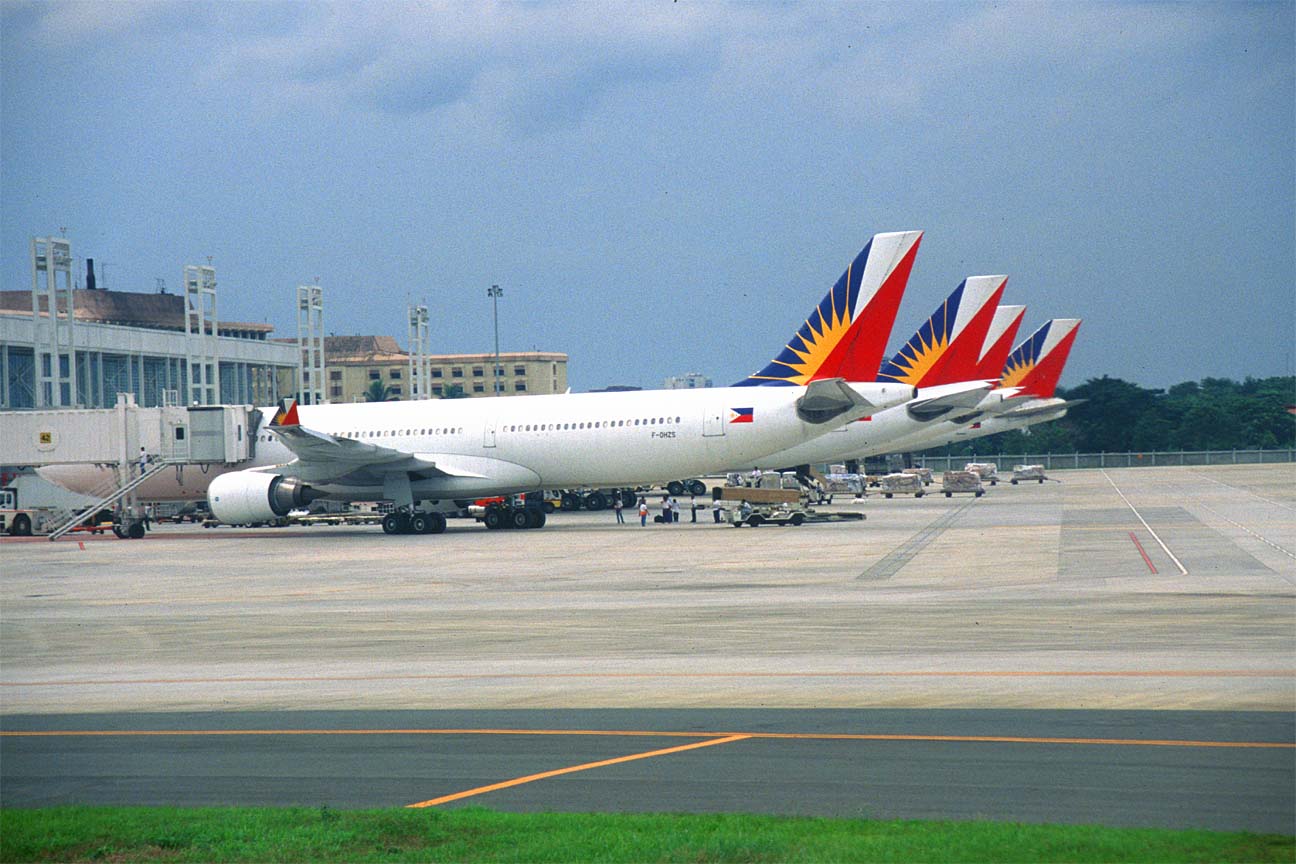
    Philippine Airlines, under the leadership of banking and tobacco magnate Lucio Tan, intends to acquire up to 20 Boeing 787-10 Dreamliner jets as the company upgrades its fleet in response to increased demand in air travel. The national airline has committed to purchasing at least 15 Dreamliners, with the option to buy another five, as stipulated in a preliminary agreement established in the United Kingdom.

    A Historic Purchase for Philippine Airlines

    The new order represents Philippine Airlines’ initial acquisition of Boeing aircraft in nearly 20 years, with delivery slated between 2031 and 2034. While the financial details of the agreement were not disclosed, the overall deal could potentially exceed $7.1 billion based on listed prices. A single Dreamliner typically ranges from $150 million to $200 million, even though its list price can reach a peak of $355 million.

    The procurement follows Philippine Airlines’ successful fundraising of $300 million from its inaugural bond sale after emerging from Chapter 11 bankruptcy in the U.S. in December 2021. The generated funding will contribute to the rejuvenation and expansion of the 85-year-old airline’s fleet.

    Lucio Tan III, president of PAL Holdings, the airline’s parent company, said, “This investment exemplifies our faith in the future of Philippine Airlines and the projected growth of air travel.” He added, “The Boeing 787-10 will augment our medium and longhaul fleet, enabling us to offer an enhanced travel experience for our passengers while improving operational efficiency.”

    A Broader Strategy for Efficiency and Sustainability

    The acquisition of the 787 Dreamliners is part of a larger plan to build a more efficient, sustainable, and competitive airline. The new aircraft will be powered by GE Aerospace’s GEnx-1B engines. Philippine Airlines, which boasts a fleet of over 80 aircraft, provides service to various destinations across the Philippines and 40 international routes in Asia, North America, Australia, and the Middle East.

    Since 2024, the airline has been actively expanding and upgrading its fleet, following a record profit in 2023 spurred by a post-pandemic travel surge. In December, the airline also added five Airbus A320 aircraft to its fleet.

    In addition to aviation, Tan’s business portfolio extends to banking, beer, spirits, tobacco, and real estate through his publicly traded LT Group. His net worth is estimated to be $2.9 billion.

    This purchase also represents a significant win for Boeing, which has also recently secured orders for 100 aircraft from leasing company SMBC and 28 jets from Riyadh Air.

    Questions & Answers

    What is the significance of this purchase by Philippine Airlines?
    This is the first time in nearly two decades that Philippine Airlines has placed an order for Boeing aircraft, marking a significant milestone in the company’s fleet upgrade strategy.

    How will this acquisition benefit Philippine Airlines?
    The acquisition of the Boeing 787-10 Dreamliner aircraft is expected to enhance operational efficiency and the overall travel experience for passengers, particularly for medium and long-haul flights.

    What are Lucio Tan’s other business interests besides aviation?
    Apart from aviation, Lucio Tan’s business interests span across various sectors, including banking, beer, spirits, tobacco, and real estate through his publicly listed LT Group.
  • Air China Cargo Boosts A350F Freighter Fleet to 10 with New Purchase Agreement

    Air China Cargo Boosts A350F Freighter Fleet to 10 with New Purchase Agreement

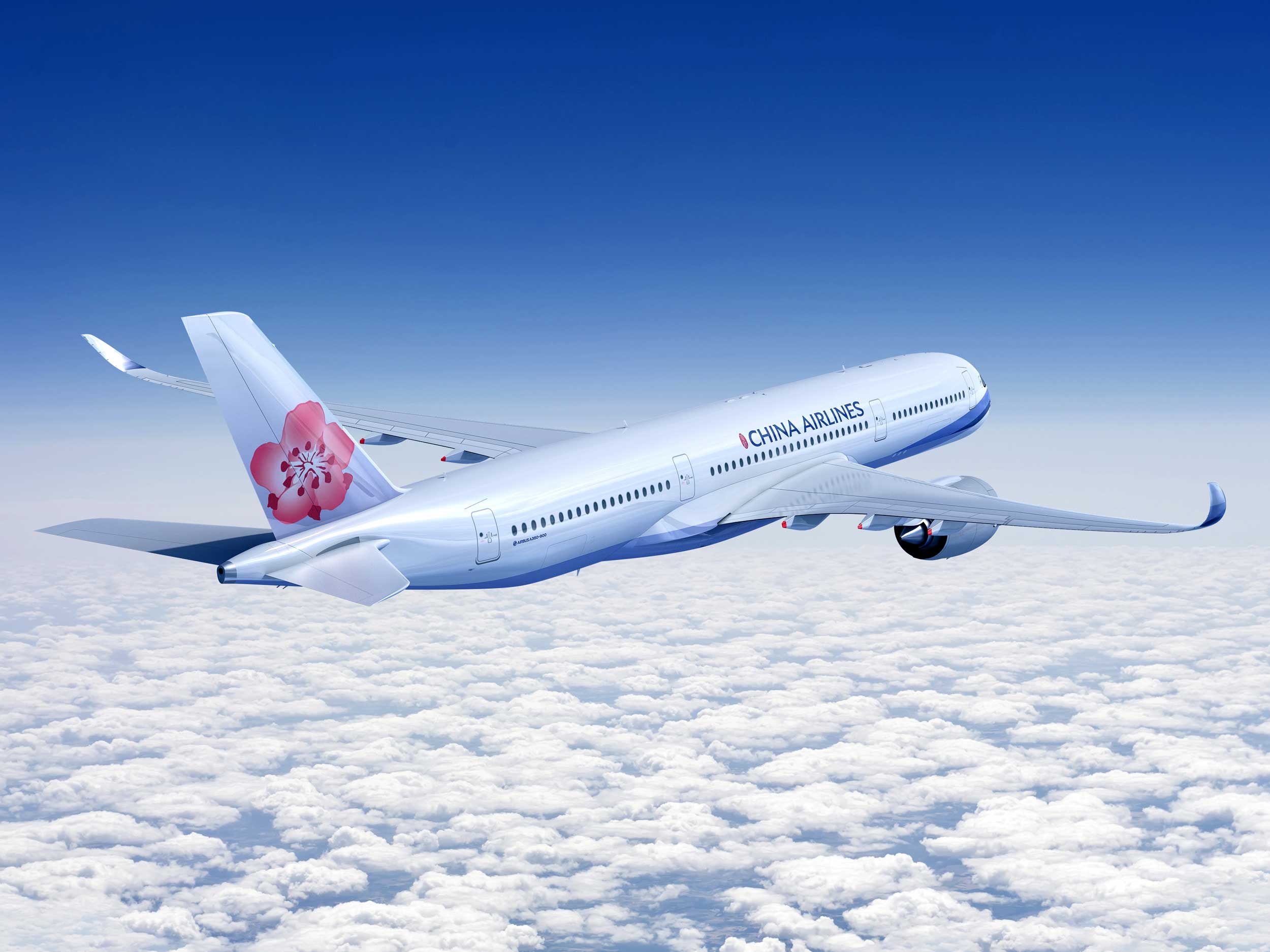
    Air China Cargo Co., Ltd. has cemented a deal with Airbus to procure an additional four A350F freighters. This agreement expands the company’s total order for this aircraft model to 10 units, supplementing the six A350F freighters previously ordered in November 2025.

    A Strategic Move

    The recent acquisition emphasizes the company’s strategy to optimize its fleet composition and enhance transportation capacity. Wang Hongyan, Air China Cargo’s Vice President, shared that the decision will enable them to align more effectively with international air cargo market demands, providing a robust groundwork for the company’s long-term consistent growth.

    Airbus’ EVP Sales of the Commercial Aircraft business, Benoît de Saint-Exupéry, lauded Air China Cargo’s move to augment its A350F freighter order. According to him, this decision signifies the company’s unwavering confidence in Airbus products and solidifies the A350F’s leading stature as the next-generation freighter.

    Air China Cargo initiated the integration of Airbus freighters into its fleet at the close of 2023. It currently manages a fleet of eight Airbus A330-200P2F aircraft. The forthcoming inclusion of the A350F freighter will supplement the A330-200P2F freighters, maximizing their benefits on long-haul and medium-to-long-haul routes.

    The Sophistication of the A350F

    The A350F, designed to be the most advanced cargo aircraft globally, caters to the evolving needs of the international air freight market. Its range capability extends up to 8,700 kilometers with a payload capacity of up to 111 tonnes, allowing operators to utilize it on international long-haul routes. Over 70% of the A350F comprises advanced materials, making it 46 tons lighter than competitive aircraft.

    The A350F features the latest Rolls-Royce Trent XWB-97 engines, promising up to a 20% reduction in fuel consumption and carbon emissions compared to previous generation aircraft with similar payload-range capabilities. As the only freighter that fully adheres to ICAO’s 2027 CO₂ emission standards, the A350F is capable of operating with up to 50% Sustainable Aviation Fuel (SAF) upon entry-to-service, aiming for 100% capability by 2030.

    As of the end of April 2026, the A350F garnered 101 orders from 14 customers.

    Questions & Answers

    How many total A350F freighters has Air China Cargo ordered?
    Air China Cargo has ordered a total of 10 A350F freighters from Airbus.

    What is the range and payload capacity of the A350F?
    The A350F has a range capacity of up to 8,700 kilometers and can carry a payload of up to 111 tonnes.

    What is the unique feature of the A350F in regard to emission standards?
    The A350F is the only freighter that fully meets the ICAO’s 2027 CO₂ emission standards. It can operate with up to 50% sustainable aviation fuel upon entry-to-service, with an aim to achieve 100% capability by 2030.

  • Iran Conflict Fuels Rapid Electrification of Chinas Heavy Truck Fleet Amidst Diesel Price Hike

    Iran Conflict Fuels Rapid Electrification of Chinas Heavy Truck Fleet Amidst Diesel Price Hike

    The surge in diesel prices, precipitated by conflict with Iran, could hasten the electrification of China’s heavy-duty truck fleet this year, according to market analysts and auto manufacturers. This shift could further expedite the decline in fuel consumption in the world’s top oil-importing nation.

    The past two years have seen electric heavy-duty truck sales rise from a niche market to nearly one-third of all new heavy-duty truck purchases by 2025. This increase is attributed to government subsidies, lower refueling costs, and an expanding charging infrastructure. Growth in 2025 was particularly significant in the last quarter as buyers anticipated the termination of the trade-in subsidy program.

    Sales of new-energy heavy-duty trucks, predominantly electric, commenced this year with similar growth, increasing by 45% from the previous year to 44,000 units. This figure represents over a quarter of the entire segment, a strong increase from less than 20% a year earlier, as stated by data provider CVWorld.cn.

    CVWorld.cn also expects sales of heavy electric trucks to rise by 30% in April. The increase is likely driven by robust seasonal demand and high oil prices. According to Min Ji, a senior analyst at S&P Global Mobility, the conflict has increased China’s domestic fuel prices, inevitably accelerating the transition from conventional trucks.

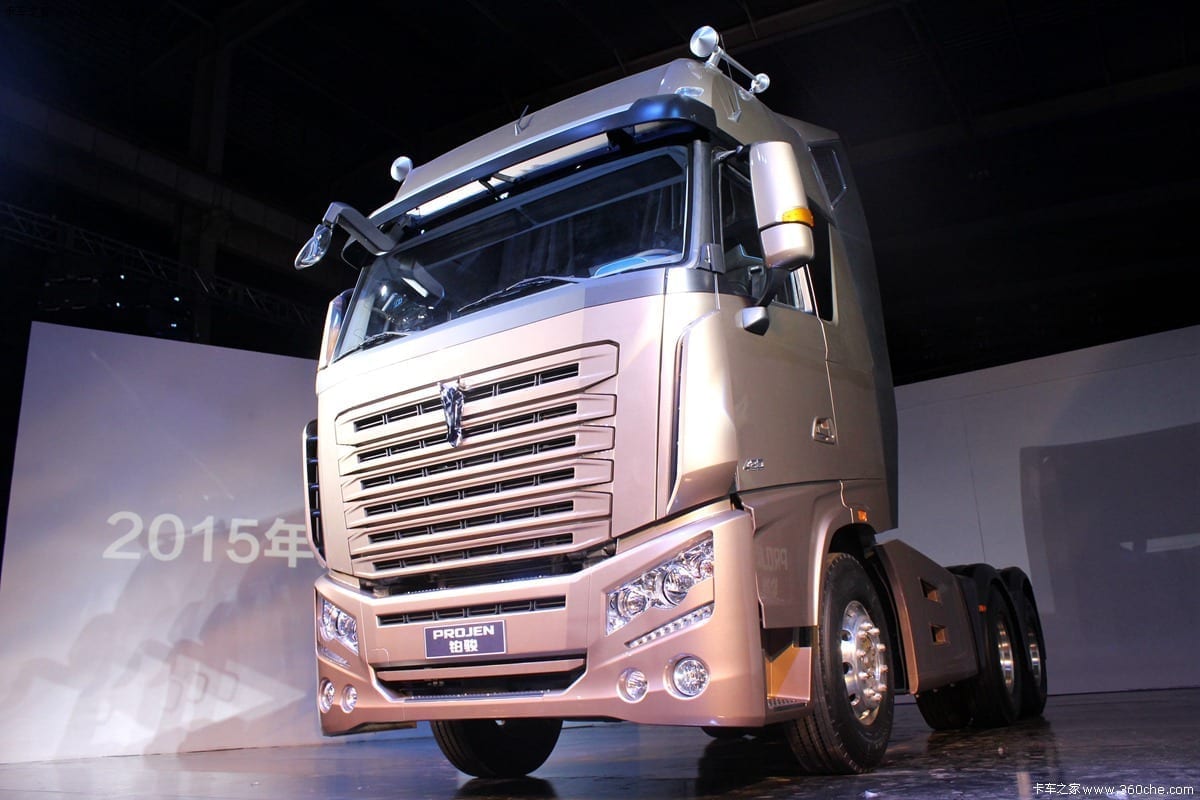
    Electric heavy-duty trucks, with a range of approximately 300km, are primarily used for short hauls between industrial locations and transportation hubs. However, long-distance routes are expanding, and manufacturers such as Sany are introducing trucks with a range of up to 600km.

    The extensive electrification of passenger cars and the swift deployment of electric and liquefied natural gas-powered trucks have reversed China’s longstanding growth in the use of diesel and gasoline. Industry analysts largely predict that the demand for oil will reach its peak by 2030.

    Projections for Diesel Consumption and Export Trends

    Current predictions from energy consultancies anticipate a more rapid decline in diesel use than previously expected. GL Consulting predicts diesel consumption will decrease by 4.3% this year, in comparison with a pre-conflict estimate of a 4.1% fall. Rystad Energy forecasts a 5% reduction in diesel demand, surpassing its previous estimate of a 4% decrease, equating to a further decline of about 40,000 barrels daily.

    A 27% rise in retail diesel prices in China following the onset of the Iran conflict has made the economic case for purchasing electric trucks more compelling. Despite the higher initial cost of electric heavy-duty trucks (500,000 yuan or US$73,500) compared to their diesel counterparts (more than 300,000 yuan), nearly half the price difference can be offset through a trade-in program recently extended to the end of the year.

    The lower operating costs of electric trucks are fueling a surge in exports to Europe, which is the world’s second-largest electric truck market, albeit considerably behind China. In 2024, China’s electric truck sales reached 160,000 units, while Europe lagged with fewer than 25,000 sales, as reported by the International Energy Agency.

    Questions & Answers

    What impact has the Iran conflict had on diesel prices in China?
    The conflict with Iran has led to a significant surge in diesel prices in China, rising by 27% since the conflict began on February 28.

    What are the benefits of electric heavy-duty trucks?
    Electric heavy-duty trucks offer a range of benefits including lower operating costs, far-reaching government subsidies, and reduced environmental impact compared to their diesel counterparts.

    How is the growth of electric truck sales expected to change in the near future?
    The growth of electric truck sales is projected to continue, with a predicted increase of 30% in sales of heavy electric trucks in April. This growth is primarily driven by strong seasonal demand and high oil prices.

  • Vietjet Boosts Fleet with 44 Pratt & Whitney-Powered Airbus A320neos: A Stride Towards Fuel Efficiency

    Vietjet Boosts Fleet with 44 Pratt & Whitney-Powered Airbus A320neos: A Stride Towards Fuel Efficiency

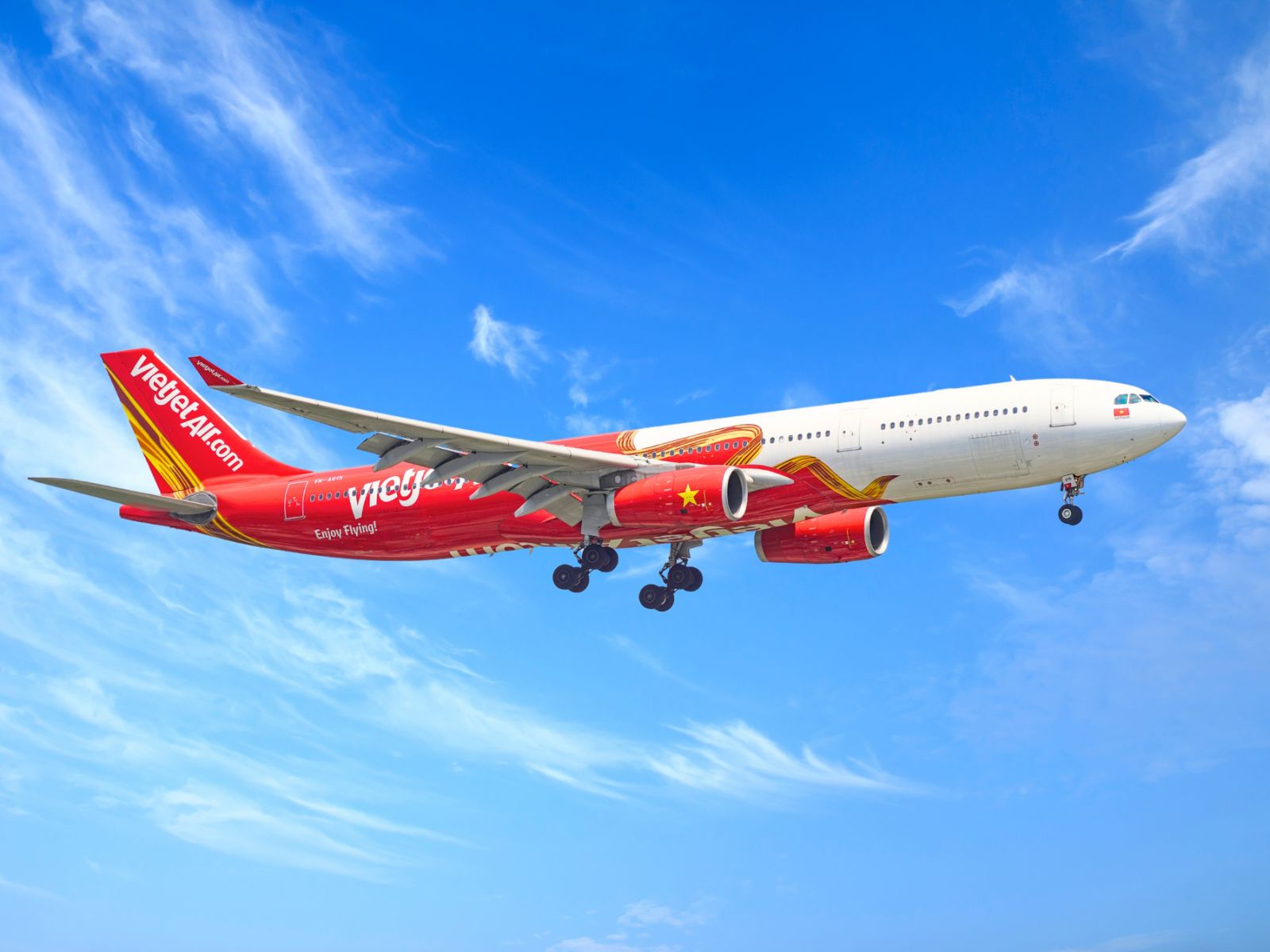
    Vietjet Air recently revealed its partnership with Pratt & Whitney, an international leader in the production and servicing of aircraft engines, to supply its 44 Airbus A320neo airliners with Geared Turbofan (GTF) engines. This new order brings the total number of GTF-powered aircraft ordered by Vietjet to 137.

    Order Details

    The new order comprises 24 A321neo and 20 A321XLR aircraft. The first batch of deliveries is slated to begin in July 2026. Besides supplying the GTF engines, Pratt & Whitney has pledged to offer Vietjet engine maintenance services under a 12-year EngineWise comprehensive maintenance plan.

    “The GTF engine is powering our growth with industry-leading operating economics and fuel efficiency of up to 20% lower than earlier aircraft,” commented Vietjet’s managing director Nguyen Thanh Son.

    In 2018, Vietjet received its initial A321neo aircraft. Currently, the airline operates 42 A321neo aircraft, all powered by GTF engines. The airline’s future plans include outfitting a total of 93 aircraft in its fleet with this specific engine variant.

    Benefits and Commitments

    Rick Deurloo, the president and chief commercial officer of Pratt & Whitney, acknowledged that the latest order would allow Vietjet to fully leverage the merits of one of the most efficient engines for single-aisle aircraft. He also reiterated Pratt & Whitney’s enduring commitment to assisting the airline’s network expansion.

    Compared to previous-generation engines, the GTF engine slashes fuel consumption by up to 20% and noise levels by 75%. To date, over 2,600 GTF-powered aircraft have been delivered to more than 90 customers around the world.

    Network Expansion

    Vietjet currently manages an extensive Asia-Pacific network, connecting Vietnam and Thailand with locations in Australia, India, Kazakhstan, China, Japan, and the Republic of Korea. The airline has plans for a steady expansion towards Europe.

    Questions & Answers

    What is the significance of the new order with Pratt & Whitney?
    The new order will allow Vietjet to achieve maximum fuel efficiency and reduced noise levels, making it one of the most efficient engines for single-aisle aircraft.

    What are the future plans of Vietjet regarding the use of GTF engines?
    Vietjet intends to equip a total of 93 aircraft in its fleet with GTF engines, extending the benefits of fuel efficiency and reduced noise levels across its operations.

    How does the GTF engine compare to previous generation engines?
    Compared to its predecessors, the GTF engine can reduce fuel consumption by up to 20% and noise levels by 75%, making it a more efficient and environmentally friendly option.

  • Bamboo Airways Amplifies Fleet Post-FLC Acquisition, Aims to Elevate Flight Frequency and Launch New Routes

    Bamboo Airways Amplifies Fleet Post-FLC Acquisition, Aims to Elevate Flight Frequency and Launch New Routes

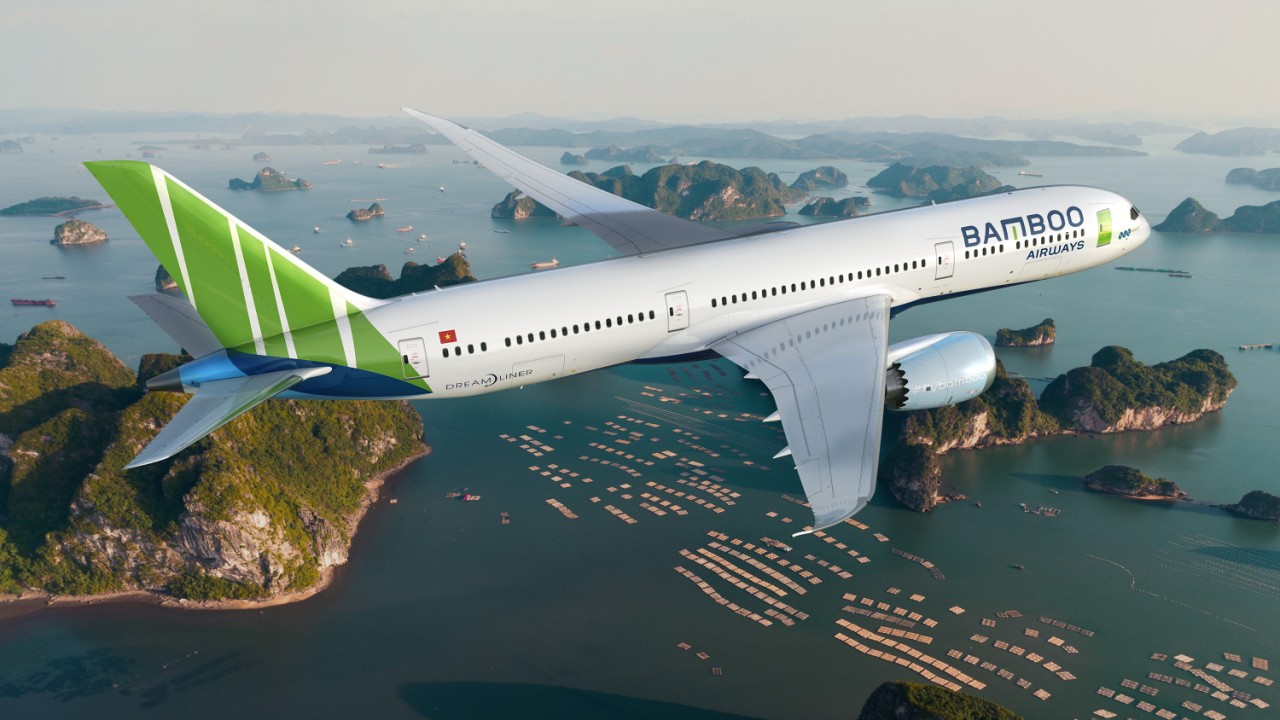
    Bamboo Airways has recently expanded its fleet with the addition of an Airbus A320 aircraft, taking its total count to eight. This move comes as part of an augmentation strategy laid out by the airline, which was recently re-acquired by property developer FLC.

    Expansion and Frequency

    Bamboo Airways’ CEO, Truong Phuong Thanh, regards this fleet expansion as a crucial foundation for increasing flight frequencies and initiating new routes. The airline has an ambitious goal of adding eight to ten aircraft annually which includes wide-body aircraft for long-haul flights, with the aim of expanding its fleet to 30. As of now, the airline only operates narrow-body jets.

    Increased Capacity and Route Resumption

    In light of the new aircraft acquisition, Bamboo Airways anticipates a 16% increase in seat capacity during the Lunar New Year holidays in early February. Additionally, the airline plans to recommence services on several routes that had been previously put on hold.

    Capital for Expansion

    In November, FLC CEO Bui Hai Huyen disclosed that the company was in discussions with various partners to secure funding for the fleet expansion and other related tasks. The property developer had re-purchased Bamboo Airways in September from a consortium of investors, two years after it had initially divested its ownership.

    Expansion among Vietnamese Airlines

    Bamboo Airways is not the only Vietnamese airline in an expansion phase. Vietjet has acquired seven Airbus and two Comac aircraft, while Sun PhuQuoc Airways has added a fifth plane to its fleet.

    Questions & Answers

    What is the goal of Bamboo Airways in terms of fleet expansion?
    Bamboo Airways aims to add eight to ten aircraft annually with the objective of expanding its fleet to 30.

    How does Bamboo Airways plan to increase its flight frequency and capacity?
    The airline plans to increase its flight frequency and capacity by adding to its fleet and increasing the number of seats available with the help of new aircraft.

    How are other Vietnamese airlines expanding their fleet?
    Other Vietnamese airlines such as Vietjet and Sun PhuQuoc Airways are also expanding their fleet by acquiring new aircraft.

  • Cebu Pacific receives first Airbus A330neo; targets all-neo fleet by 2027

    Cebu Pacific receives first Airbus A330neo; targets all-neo fleet by 2027

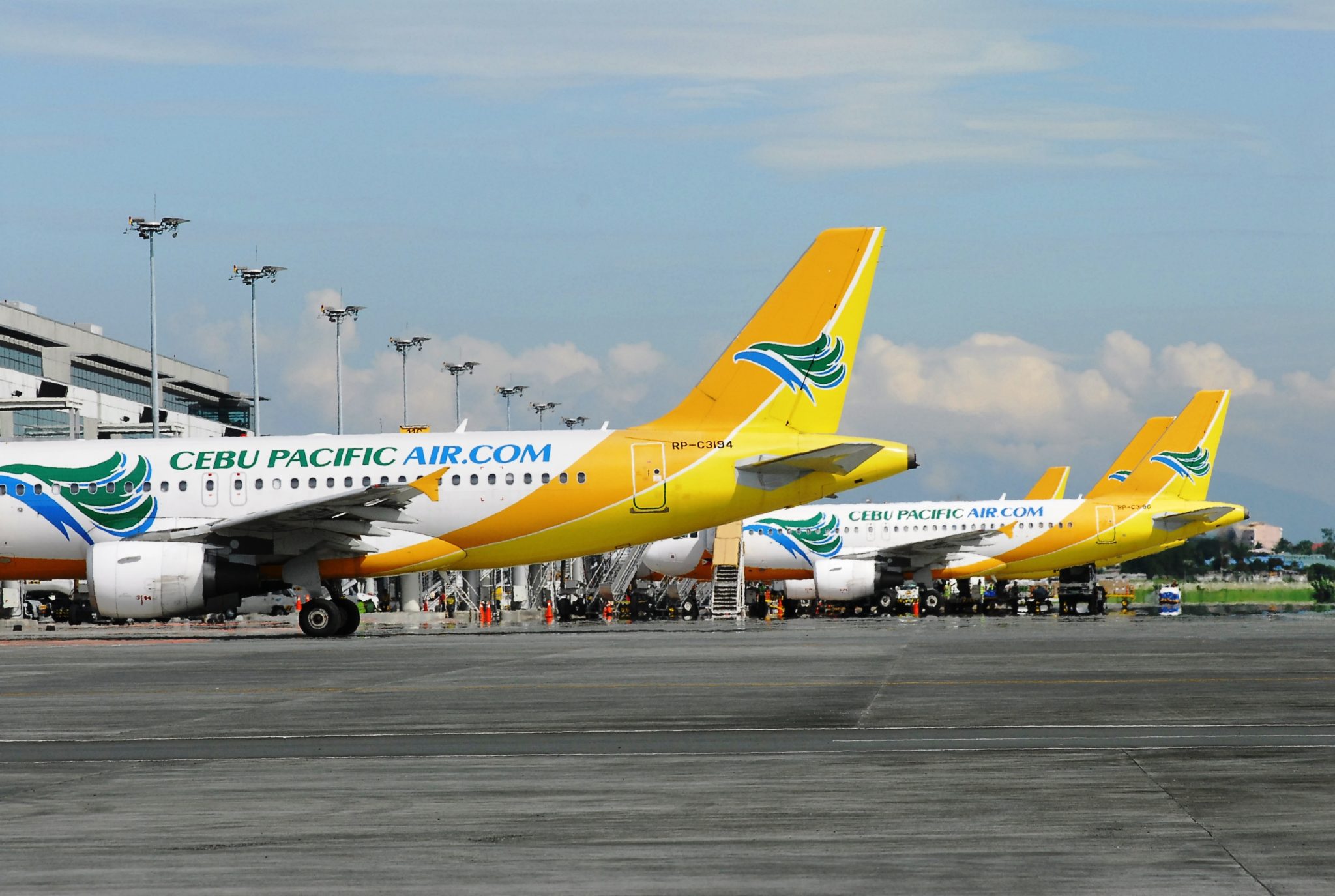
    Philippine low-cost airline Cebu Pacific received its first Airbus A330neo on November 28,2021 as it begins its widebody fleet modernization program.

    The aircraft features 459 lightweight Recaro seats, which have been ergonomically designed, and offer versatility for a wide range of routes from shorter regional services to medium and long-haul operations. The Airbus A330neo will be used to operate trunk routes within the Philippines and the rest of Asia, as well as on longer-range services to Australia and the Middle East.

    The A330neo brings a step-change in efficiency, consuming 25% less fuel than previous generation aircraft and a similar reduction in CO2 emissions. The efficiency of the A330neo also ensures compliance with current and future sustainability requirements in terms of noise and emissions.

    “Cebu Pacific’s first A330neo brings us closer to our target of having an all-Neo fleet by 2027, and shows our commitment to making air travel accessible while ensuring environmental and social sustainability,” Cebu Pacific chief strategy officer Alex Reyes said in a statement.

    Reyes added: “We believe that growth and sustainability are not mutually exclusive and should in fact be inclusive if we want to work towards the greater good. This is why we will always choose the greener options – increased aircraft efficiency, reduced noise, and carbon emissions, to ensure that lower fares will be available for every Juan.”

    In total, Cebu Pacific has ordered 16 A330neo, and also has 16 A320neo and 22 A321neo still to be delivered. The low-cost carrier currently operates 50 Airbus aircraft, comprising 43 A320 families and 7 A330ceo.

    “We thank and applaud Cebu Pacific for selecting our latest-technology A330neo as part of its fleet modernization drive to fly the greenest aircraft for a sustainable future. The A330neo is the first aircraft in the world already certified to comply with ICAO’s CO2 emissions standards beyond 2028. The airline will benefit from the aircraft’s step-change in performance and economics while maintaining passenger comfort and lowest operating costs,” said Airbus Asia-Pacific President Anand Stanley in a press statement.

    The aircraft is powered by Rolls-Royce’s latest-generation Trent 7000 engines and features a new composite wing with increased span for enhanced aerodynamics.

    The A330 remains the most popular widebody family aircraft for Airbus, with an order book of more than 1,800 aircraft at the end of October 2021.

  • Docomo, Itochu Logistics test IoT for delivery-fleet management in US

    Docomo, Itochu Logistics test IoT for delivery-fleet management in US

    Japan’s NTT Docomo and Itochu Logistics are planning to trial an IoT solution for delivery fleet management in the US.

    The solution uses devices compatible with low-power, wide-area LTE-M technology to track the status of outsourced trucks in their fleets.

    The trial will begin in the United States on May 1, 2019.

    According to the companies, the solution involves placing hand-held, battery- or solar-powered devices in trucks to collect data, such as truck locations and frequency of sudden braking, which will be sent through an LTE network to a dedicated website.

    The solution can also provide temperature, humidity, brightness, etc. data depending on delivery needs, as well as notify customers via email when the trucks approach their destinations.Itochu Logistics USA expects to save time using the solution compared to the conventional method of manually phoning drivers to confirm their locations and estimated delivery times.

    The solution will be tested for its effectiveness in supporting the management and safety of truck fleets at Itochu Logistics USA’s delivery-trick network and logistics system.

    “While most delivery trucks are equipped with GPS devices, the location data typically is available to the owner but not to logistics/transport companies that retain the trucks on an outsourced basis,” the companies said.

    “The solution’s easily deployed LTE-M devices, however, will give logistics/transport companies dedicated access to location and other useful information about trucks operating temporarily in their fleets.”

    The trial is part of the Globiot global-IoT initiative that Docomo launched on July 2, 2018.

    The Japanese mobile giant said it expects the solution will be marketed widely throughout US, Japan, and Asia.

  • Inmarsat’s Fleet Xpress honoured in Digital Technology Award win

    Inmarsat’s Fleet Xpress honoured in Digital Technology Award win

    The Fleet Xpress service from Inmarsat has secured the prestigious Seatrade Award 2017 for Digital Technology, one of the maritime industry’s leading honours, which recognises technical innovation.

    Given to acknowledge the most significant contribution to “moving the maritime industry along the digital technology track”, the Seatrade 2017 Digital Technology Award winner is selected by a special panel of judges, appointed by Seatrade for their knowledge of “Intelligent Shipping”.

    Inmarsat Maritime senior vice president market strategy, Drew Brandy, accepted the Award on June 30th. He said: “This is a reward for our entire Inmarsat team, recognising the extraordinary work behind the development, launch and delivery to market of Fleet Xpress. Setting a new standard in maritime communications, Fleet Xpress constitutes shipping’s real-world digital revolution, bringing unrivalled vessel efficiency and communication benefits to crew, and reinforcing our firm commitment to the future of connectivity at sea. With more than 10,000 ships now committed to Fleet Xpress, this award underpins the success of the service.”

    Fleet Xpress is the ‘first and only’ globally-available, high-speed satellite network owned and managed by a single operator. It is an innovative service platform that is delivering the benefits of continuous connectivity, big data and ‘digital disruption’ to shipping.

    Brandy said that the rapid uptake of Inmarsat Maritime’s Fleet Xpress since its launch in March 2016 demonstrated that shipping can participate fully in the digital revolution, at a time when the term ‘innovation’ is often overused in the maritime industry. The service delivers game-changing maritime connectivity, enabling a powerful combination of vessel efficiency gains and improved business intelligence analytics that changes the way shipping does business, he said.

  • Alphabet partners with Avis to manage self-driving car fleet

    Alphabet partners with Avis to manage self-driving car fleet

    Waymo, the self-driving car unit of Alphabet Inc, said on Monday it signed a multi-year agreement with Avis Budget Group Inc for the car rental firm to manage its growing fleet of autonomous vehicles, sparking a surge in Avis Budget’s stock.

    Investors bid Avis shares up by as much as 21 percent on Monday, the biggest intraday percentage gain for the stock in more than five years. The shares closed at $27.67, up about 14 percent.

    Shares in traditional rental car companies such as Avis and Hertz Global Holdings have taken a beating as more travelers use ride services such as Lyft and Uber Technologies The Waymo-Avis deal points to a potential future for rental car companies as managers for fleets of shared and autonomous vehicles require their services changing tires, cleaning interiors, and securing vehicles when they are not in operation.

    A Bloomberg report on Monday that Apple was using vehicles supplied by rival rental car company Hertz Global Holdings to test its self-driving car technology prompted a surge in that company’s shares.

    Also on Monday, General Motors Co Chief Financial Officer Chuck Stevens told analysts during a conference call that the automaker has “done a lot of thinking” about how to manage its growing fleet of self-driving vehicles. But he said “it’s early days on how that business model may play out.” GM has a large network of franchised dealers that could provide fleet management services, as well as an alliance with Lyft and its own Maven car-sharing unit.

    Waymo and Avis said they will launch their partnership in Phoenix, Arizona, where Waymo is allowing selected members of the public take rides in self-driving cars, including modified Chrysler Pacifica minivans built by Fiat Chrysler Automobiles NV. Waymo has said it plans to expand its fleet of Chrysler minivans to about 600 vehicles.

    Waymo and Avis did not say whether their partnership will expand to other cities, but John Krafcik, the head of Waymo, said in a statement that “with thousands of locations around the world, Avis Budget Group can help us bring our technology to more people, in more places.”

  • AirAsia X chasing Europe; open to other aircraft types

    AirAsia X chasing Europe; open to other aircraft types

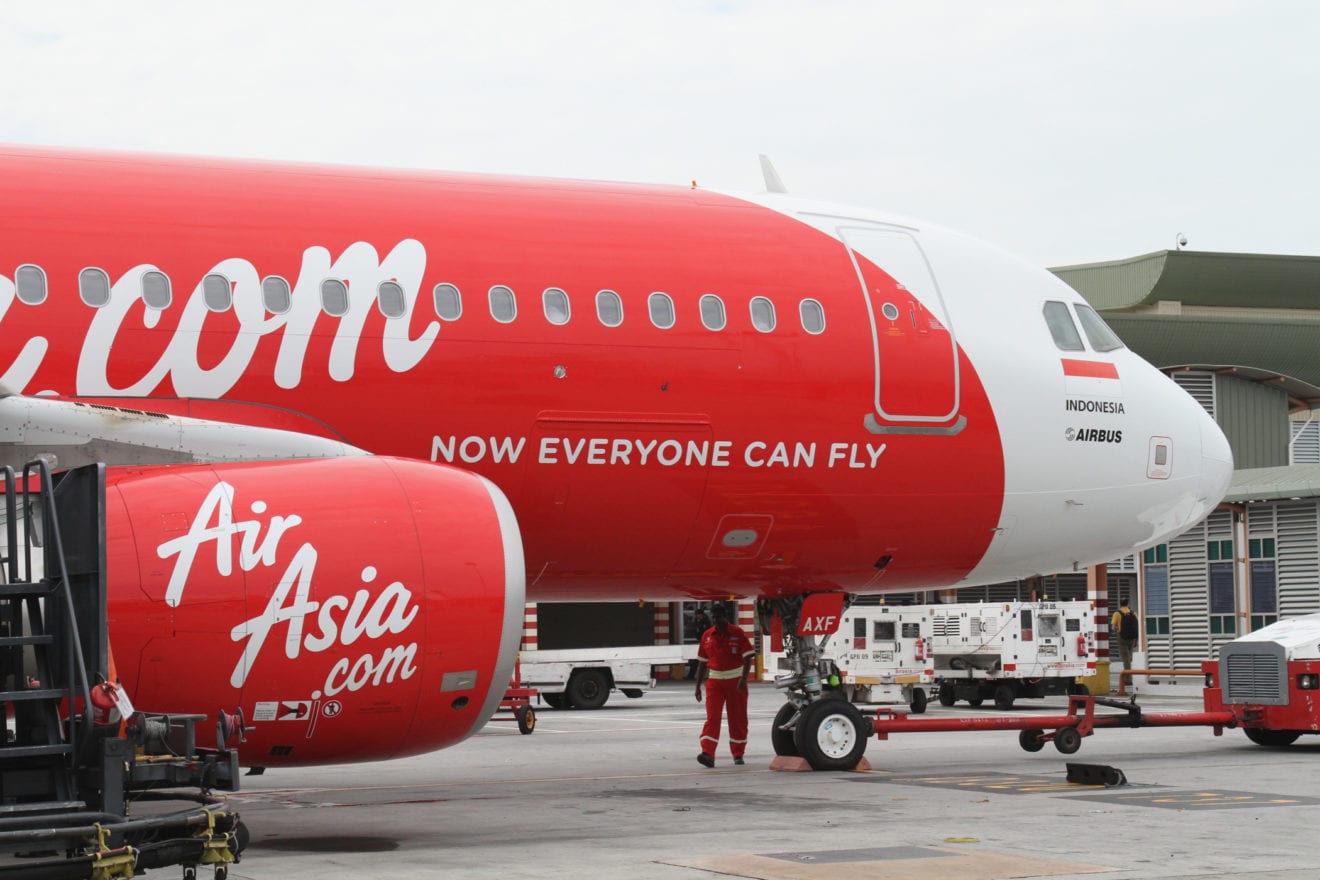
    AirAsia X wants to relaunch services to Europe “as quick as possible”, and is looking at aircraft other than Airbus A330s to get there.

    Speaking to FlightGlobal,the chief executive of AirAsia X‘s core Malaysian operation, Benyamin Ismail, says that its fleet plans have changed.

    The carrier had not planned to take delivery of any aircraft in 2017, but is now speaking with “some parties to see what aircraft are available”.

    “If we can get the aircraft we need… when the A330neos arrive, the focus for them will be to grow frequencies in our current markets, like China and North Asia,”

    Earlier in the year, Benyamin said that the carrier would not re-enter the European market until it starts receiving the A330-900s from the second half of 2018 onwards.

    On the A330-900 seat configuration, AirAsia X expects to confirm the details “in the next couple of months”, but could install more business class seats on those units initially planned to take on European routes.

    “We are working with Airbus to get the assurance that the A330neos can get us direct to Europe (from Kuala Lumpur).”

    Asked whether AirAsia X might take on A350s that may be available in the short-term, Benyamin re-iterates that the carrier “is open and has various options”, but would not confirm if it has held talks with lessors.

    Flight Fleets Analyzer shows that AirAsia X has 66 A330-900 and 10 A350-900s on order. It currently operates 22 A330-300s.

  • GPSengine, Alematics forge partnership in tracking fleets

    GPSengine, Alematics forge partnership in tracking fleets

    Alematics a tracking device manufacturer for fleet tracking and management and GPSengine, a leading hosted platform service provider in IoT, GNSS, Tracking and Telematics,have established a new partnership to support Alematics tracking devices on GPSengine’s Platform Connect hosted platform.

    Based in Taiwan and with a core focus on tracking devices, Alematics provides a range of trackers suitable for a range of industries and applications.  The combined solution made available by this partnership provides customers with a ready to go solution.  Projects in the fleet tracking space take time to develop and implement and this incurs costs for organisations even before they can see basic tracking.  With this combined offering, organisations can install Alematic trackers and start tracking straight away utilising Platform Connect, reducing the cost and time to implement traditional solutions.

    Platform Connect is a hosted platform service that receives, processes and stores information from GNSS, IoT’s, devices, sensors, applications and third party services.  Based in Brisbane, Australia, GPSengine is a white label IoT platform provider, specialising in vehicle tracking.  Recognised globally for innovation and quality, the GPSengine platform is the result of more than 10 years working in the telematics space. Since 2014 their primary focus has been the development and support of an easy-to-skin, customisable white label GPS tracking platform, as well as seamless integration of supporting hardware. This combination means GPSengine delivers a comprehensive M2M technology enabling companies to connect and monitor assets with confidence. Alematics (www.alematics.com) vision and aim is to provide added value for people and companies by creating the latest technologies that bring comfort, efficiency and security to everyday life.