Tag: fleets

  • Islamabad Police Deploys 50 BYD Atto 2 Electric SUVs for Capital Patrol

    Islamabad Police Deploys 50 BYD Atto 2 Electric SUVs for Capital Patrol

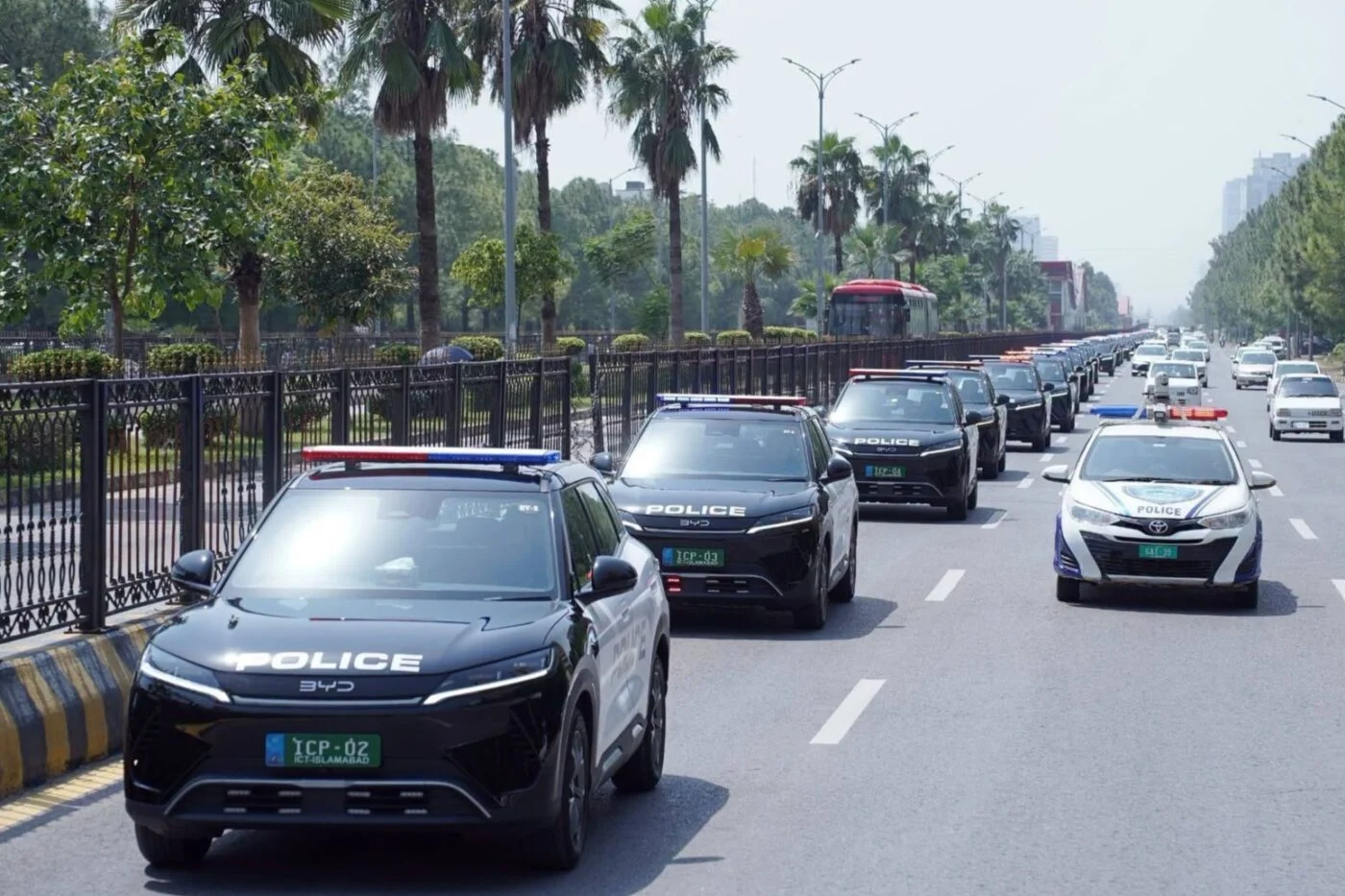
    Islamabad police deployed 50 BYD Atto 2 electric sport utility vehicles across the Pakistani capital, establishing a dedicated 200-officer patrol unit. The fleet cost 7.29 million Pakistani rupees per vehicle and will cut monthly municipal fuel spending by roughly 34 million rupees.

    Pakistani Prime Minister Shehbaz Sharif transferred the vehicle keys on 8 September to Federal Minister for Interior Mohsin Naqvi and Inspector General of Islamabad Police Syed Ali Nasir Rizvi. The rollout equips the newly formed Capital Patrol force to handle urban surveillance and emergency calls.

    Fleet deployment and financial return

    Municipal calculations indicate the monthly fuel savings will recover the capital outlay for each vehicle in ten and a half months. Lower operational expenses allow the department to reallocate budget lines from fuel procurement to frontline equipment and maintenance.

    Police leadership expects the electric fleet to improve urban response times across Islamabad. Rapid torque delivery from electric powertrains and reduced maintenance downtime give city patrols higher daily availability than aging internal combustion units.

    Powertrain and battery specifications

    The deployed Atto 2 models run on a single powertrain configuration. A front-mounted permanent magnet synchronous motor generates 130 kW of power and 290 Nm of torque, allowing acceleration from zero to 100 kilometres per hour in 7.9 seconds.

    Energy storage relies on a 45.12 kWh lithium iron phosphate battery pack. The system delivers an operating range of up to 380 kilometres under NEDC testing standards, and fast charging restores battery capacity from 30 per cent to 80 per cent in 30 minutes.

    Local assembly plans in Sindh

    The municipal procurement aligns with BYD’s manufacturing roadmap in Pakistan through its local partner, Mega Motor Company. Mega Motor, an associate of power producer Hub Power Company, is building a vehicle assembly plant in Gharo, Sindh.

    Establishing domestic production enables the Chinese automaker to lower import tariffs and compete aggressively against traditional Japanese vehicle assemblers that dominate Pakistan’s passenger market. Fleet deals with government agencies provide stable initial volumes while retail distribution develops.

    Commercial network expansion

    Mega Motor plans to complete construction of the Gharo assembly facility by the end of 2026. The Atto 2 serves as the primary candidate for initial local assembly lines once production begins.

    Watch the rollout of charging infrastructure along capital patrol routes and the completion timeline for the Sindh factory ahead of the late 2026 manufacturing target.
  • Chinese Airlines Secure $17.8 Billion Airbus Deal to Boost Capacity and Modernize Fleets

    Chinese Airlines Secure $17.8 Billion Airbus Deal to Boost Capacity and Modernize Fleets

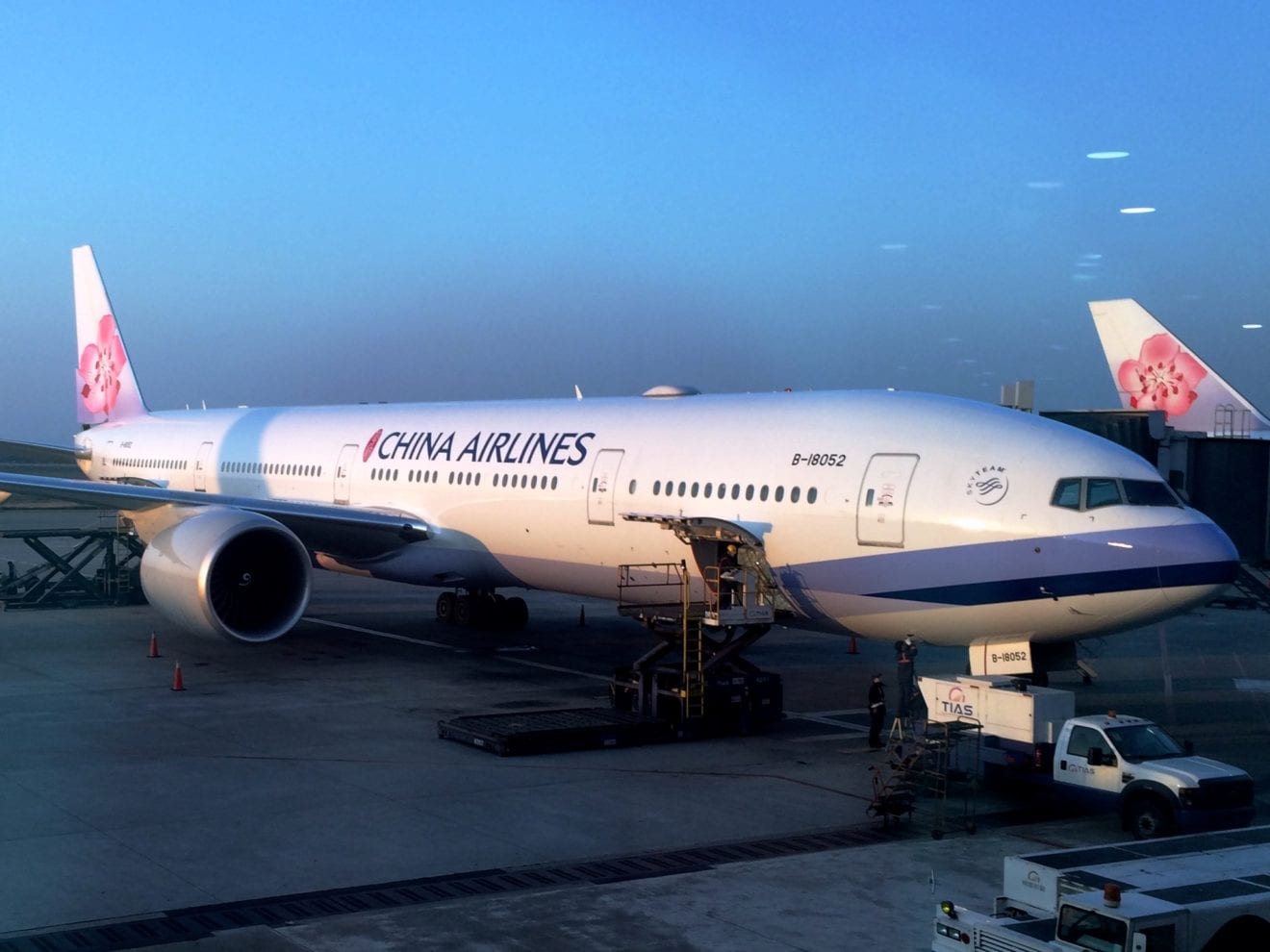
    Three major Chinese airline companies are set to acquire 95 aircraft from Airbus, in deals collectively valued at approximately $17.8 billion. This comes as part of a concerted effort by these airlines to expand their capacities and modernise their fleets with more fuel-efficient aircraft amidst the bourgeoning growth of China’s aviation market – the second-largest globally.

    Air China and its subsidiary Shenzhen Airlines have agreed to purchase 55 Airbus aircraft for a total value of $12.4 billion. Conversely, Hainan Airlines has independently agreed to buy 40 A320neo-family jets, with a list price of up to $5.4 billion.

    Air China will acquire 15 A350-900 wide-body jets, while Shenzhen Airlines will separately buy 40 narrow-body A320neo-family aircraft. The A350-900 jets, valued at roughly $6.09 billion, are set for delivery between 2030 and 2032. The 40 A320neo-family aircraft, worth approximately $6.35 billion, are slated for delivery between 2029 and 2032. Meanwhile, Hainan Airlines has scheduled the delivery of its 40 A320neo jets between 2028 to 2032.

    However, Air China has clarified that the actual transaction prices will be lower than the listed values, stating that Airbus has granted significant discounts in line with standard practice for large-scale aircraft orders.

    This surge of orders is indicative of the ongoing recovery and expansion of Chinese carriers post-pandemic, despite notable challenges. Recently, Air China reported a potential net loss of up to 2.6 billion yuan for the first half of this year, attributing the financial squeeze to rising fuel prices.

    Other Chinese carriers have also been investing in large orders with Airbus. Previous notable investments include those by China Eastern Airlines and China Southern Airlines, which have made substantial aircraft purchases in recent months.

    These new jets are predicted to increase the total capacity of the Air China group and Shenzhen Airlines by 7.1% and 4.3% respectively, based on their combined passenger and cargo capacity as of December 31, 2025. In addition, some of the new aircraft will replace older models set to be retired.

    Competition-wise, the A320neo family rivals the Boeing 737 MAX on medium-haul routes, while the A350-900 is favored for long-haul international services.

    According to the IATA World Air Transport Statistics, the U.S. remained the world’s largest aviation market last year with 890.1 million passengers, with China following closely at 776.1 million passengers.

    Questions & Answers

    What is the total value of the Airbus aircraft orders by the three Chinese airlines?
    The total list price of the 95 Airbus aircraft ordered by Air China, Shenzhen Airlines, and Hainan Airlines is approximately $17.8 billion.

    Which aircraft models are being purchased by the Chinese airlines from Airbus?
    The three airlines have agreed to purchase various models, with Air China acquiring 15 A350-900 wide-body jets and Shenzhen Airlines buying 40 narrow-body A320neo-family aircraft. Hainan Airlines will be purchasing 40 A320neo-family jets.

    How will these purchases affect the total capacity of the Air China group and Shenzhen Airlines?
    The acquisition of these new jets is expected to boost the total capacity of the Air China group by about 7.1% and Shenzhen Airlines by 4.3%, based on their combined passenger and cargo capacity as of December 31, 2025.