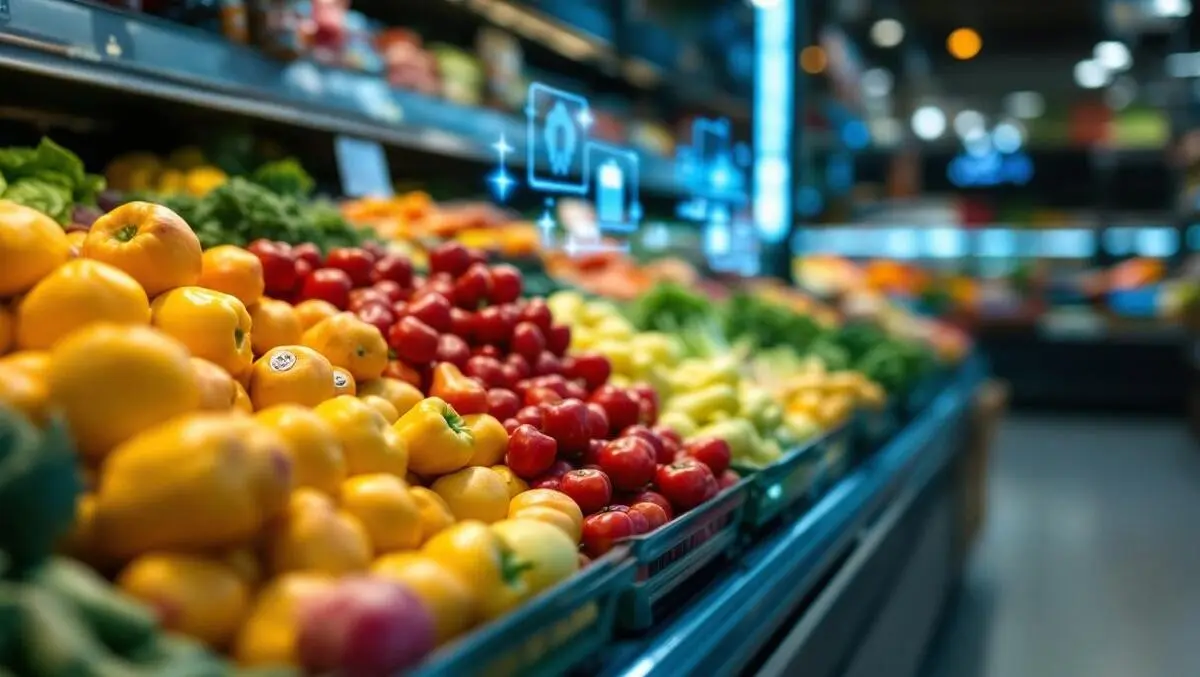
Imports of U.S. fruits and vegetables to Vietnam have surged, showing a nearly 67% increase to US$900 million in 2025. This figure represents a tenfold increase from a decade ago and showcases the robust demand for U.S. produce in Vietnam. Among the top imports are cherries, apples, grapes, and oranges, as reported by Vietnam Customs.
Disparity in Trade
Despite the significant increase in imports from the U.S., Vietnamese exports to the U.S. have not shown the same growth. In 2025, the value of Vietnam’s fruit and vegetable exports to the U.S. was $546 million, a mere 1.49% share in a market dominated by suppliers from Mexico, Canada, and South American countries.
Dang Phuc Nguyen, general secretary of the Vietnam Fruit and Vegetable Association, acknowledged the challenges of the U.S. market, noting its stringent technical standards and the geographical distance between the U.S. and Vietnam.
Vietnam’s Position in the U.S. Market
Vietnam currently ranks as the 13th largest fruit and vegetable supplier to the U.S., a position achieved through the concerted efforts of local businesses. There is potential for further growth in the U.S. market with the expanding list of fresh fruits allowed for export, including pomelo, mango, dragon fruit, longan, lychee, star apple, rambutan, and, most recently, coconut.
Consumer trends in the U.S. are shifting towards exotic fruits, health-oriented products, and more processed items like frozen fruit, dried fruits, and juices. Vietnamese products like coconut, durian, and pomelo are becoming increasingly sought after in the U.S.
Challenges to Exports
Despite the potential for growth, Vietnamese exports face several hurdles. Starting from this month, the U.S. has tightened regulations on traceability and food safety, with a specific focus on pesticide residues. Inconsistent Vietnamese oversight of planting area codes and packaging facilities may lead to warnings or even temporary import suspensions by the U.S.
The long distance between the two countries also incurs high logistics costs, making it challenging for Vietnamese fruits and vegetables to compete with suppliers closer to the U.S., such as those in Mexico, Peru, or Thailand.
Changes in U.S. policies under the Trump administration have introduced unpredictability to trade defense measures designed to safeguard domestic agriculture. At the same time, green production, carbon emission, and social responsibility requirements in supply chains are gradually becoming mandatory, adding further pressure on exporters.
Questions & Answers
What are the top U.S. fruits imported by Vietnam?
The top fruits imported by Vietnam from the U.S. are cherries, apples, grapes, and oranges.
What are some of the challenges facing Vietnamese exports to the U.S.?
Challenges include tightened U.S. regulations on traceability and food safety, high logistics costs due to geographical distance, and the increasing mandatory requirements related to green production, carbon emission, and social responsibility in supply chains.
What potential does Vietnam have for growth in the U.S. market?
There is significant potential for growth, especially as the list of fresh fruits permitted for export to the U.S. continues to expand. Moreover, with U.S. consumer trends shifting towards exotic fruits and health-oriented products, Vietnamese products like coconut, durian, and pomelo are gaining popularity.