Tag: floods

  • Thai Floods Hit 4,500 Factories Causing 2.14 Billion Baht in Damage

    Thai Floods Hit 4,500 Factories Causing 2.14 Billion Baht in Damage

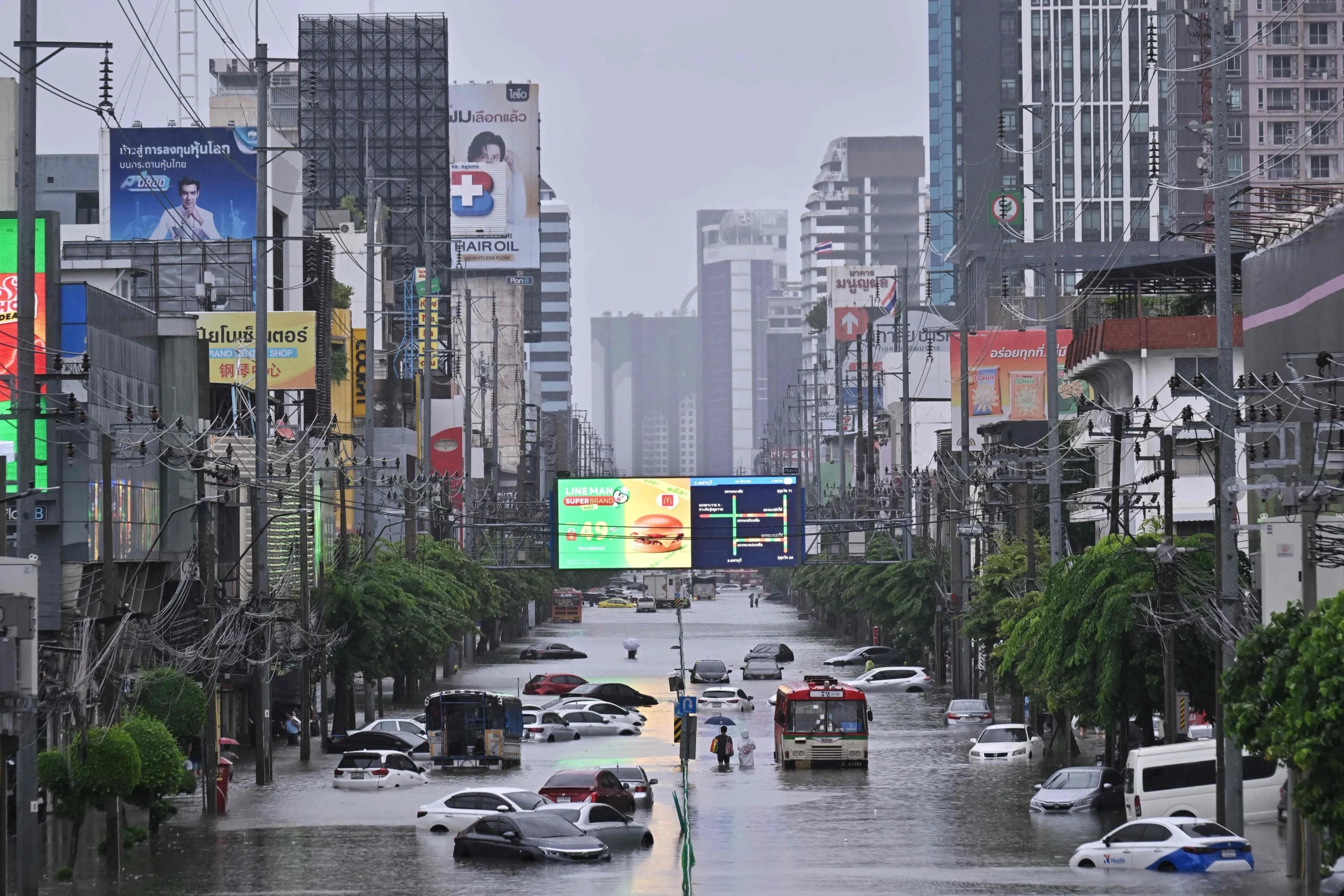
    Floods across Thailand damaged 4,523 factories in 55 provinces, generating an estimated 2.14 billion baht in losses, Industry Minister Varawut Silpa-archa said on Tuesday.

    Small and medium-sized enterprises bore the brunt of the disruptions, accounting for 4,113 of the flooded sites.

    Established industrial operators accounted for 316 damaged plants, while 94 community enterprises also suffered flood losses. The Industrial Estate Authority of Thailand reported that between 180 and 190 plants located within formal industrial estates took hits, accumulating between 1.7 billion and 1.8 billion baht in physical and operational damage.

    Breakdown Across Industrial Zones

    Industrial estate operators absorbed the vast majority of financial losses despite representing a smaller fraction of the total site count. The concentration of high-value machinery and automated production lines inside managed zones drove up the repair bill relative to dispersed workshops.

    For consumer goods manufacturers and regional supply networks, prolonged shutdowns at tier-two and tier-three SME suppliers create immediate component shortages. Production stoppages ripple directly into wholesale distribution channels across Southeast Asia when small packaging, plastic moulding, and parts fabricators go offline simultaneously.

    State Assistance and Debt Relief

    The Industry Ministry is preparing targeted financial relief for affected facilities. Officials plan to approach commercial lenders and state banks to secure debt moratoriums alongside concessional loans dedicated to site rehabilitation and equipment repairs.

    Factories that suffered complete operational shutdowns will receive prioritized state support. Industrial works inspectors are also rolling out mandatory post-flood safety guidelines to evaluate electrical grids and structural integrity before sites resume output.

    Supply Chain Risks and Recovery Steps

    Thailand’s manufacturing base remains vulnerable to seasonal monsoon surges that overwhelm drainage networks outside central industrial corridors. While major multinational plants inside ring-fenced estates have permanent flood barriers, peripheral SME supply clusters often lack dedicated dykes and pumping infrastructure.

    Commercial banks and ministry inspectors are now evaluating the 4,523 damaged facilities to determine exact capital requirements before loan packages roll out to affected operators.
  • Toyota and Honda Halt Thai Production as Floods Cause $38M in Losses

    Toyota and Honda Halt Thai Production as Floods Cause $38M in Losses

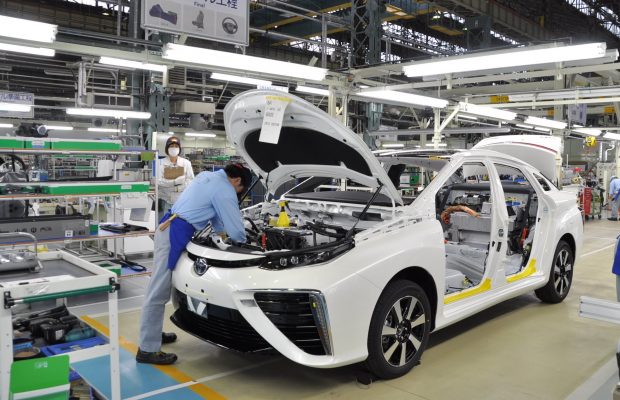
    Toyota Motor Thailand and Honda Automobile (Thailand) have temporarily suspended vehicle production at all their assembly plants in Thailand as severe flooding disrupts transport routes and parts deliveries.

    The disruption followed accumulated rainfall of more than 320mm in three days, leaving major transport corridors heavily flooded and preventing suppliers from reaching assembly lines.

    Honda Shuts Ayutthaya And Prachin Buri Lines

    Honda Automobile (Thailand) suspended vehicle production at its Prachin Buri and Ayutthaya plants from October 2 to 6 after suppliers in Chonburi and Rayong provinces were hit by flooding, cutting off component deliveries.

    Koji Iwanami, president and chief executive of Honda Automobile (Thailand), confirmed the target restart timetable while granting emergency leave to affected facility staff.

    “The company has temporarily suspended vehicle production at the Prachin Buri and Ayutthaya plants from Oct 2 to 6 because parts suppliers have been unable to deliver components required for vehicle production after being affected by flooding, particularly in Chonburi and Rayong provinces,” Iwanami said.

    Plant managers plan to introduce overtime shifts once lines restart to clear model order backlogs and recover lost output.

    Toyota Halts Four Thai Assembly Facilities

    Toyota Motor Thailand ceased work across its three primary manufacturing plants in Samut Prakan and Chachoengsao, alongside affiliate facility Toyota Auto Works. The company runs the Samrong facility in Samut Prakan together with the Ban Pho and Gateway plants in Chachoengsao.

    Submerged access routes broke the parts delivery cadences needed to support Toyota’s just-in-time production system. Plant managers are scouting alternate logistics bypasses and assessing inventory buffers to restart operations once floodwaters drain.

    Supply Chain Bottlenecks Expose Tight Logistics

    The manufacturing halts show how little inventory cushion exists in Southeast Asia’s primary automotive export hub. When arterial roads connecting the Eastern Economic Corridor’s parts cluster in Rayong and Chonburi get blocked, assembly lines outside Bangkok stall within hours regardless of plant floor safety.

    Car manufacturers in Thailand remain heavily exposed to single-route logistics risks. While suppliers upgraded localized drainage barriers after historic monsoon disasters in past cycles, external transport corridors between provinces remain vulnerable to acute flash flooding.

    Industrial Losses Mount Across Fifteen Provinces

    Federation of Thai Industries data show that flooding between September 24 and September 30 hit Bangkok and 14 surrounding provinces, affecting roughly 40 per cent of member operations in flooded districts. The group calculated preliminary losses of at least 1.018 billion baht ($38.7 million) across automotive assembly, parts suppliers, machinery damage, damaged vehicles and lost factory shifts.

    Industrial estates across Chonburi absorbed the bulk of direct supplier delays. Toyota and Honda are watching municipal drainage rates on key industrial arteries ahead of Honda’s scheduled production restart on October 7.