Tag: fly

  • Bentley Hires Jets To Fly Car Parts To Britain During Brexit

    Bentley Hires Jets To Fly Car Parts To Britain During Brexit

    Bentley, the luxury carmaker owned by Volkswagen has booked five Antonov cargo jets to help overcome potential supply bottlenecks in the event of a disorderly exit of Britain from the European Union, the carmaker said on Wednesday. Car manufacturers are securing additional supply routes as policymakers in Brussels and Westminster seek to strike a deal to determine the future trading relationship with continental Europe after Britain exits the European Union.

    Bentley, which makes high-end sports cars, buys 90% of its components from continental Europe, and sells around 24% of its cars into Europe, Chief Executive Adrian Hallmark told the Financial Times’ Future of the Car summit.

    “We have spent two years planning. We have five Antonovs that we have on reserve to fly bodies to Manchester,” Hallmark said, adding that in addition to shifting car bodies by air, Bentley has hiked the level of spare parts stored for production.

    Bentley has booked additional warehouses and planned new logistics routes in case traditional supply methods are hampered by bottlenecks

    “We used to run just-in-time with two days stock. Now we have 14 days of stock. That’s 14 working days, so that’s three weeks of stock,” he said.

    The company has booked additional warehouses and planned new logistics routes in case traditional supply methods are hampered by bottlenecks.

    If Britain fails to secure a negotiated trade agreement with European policymakers, Bentley would be able to absorb 10% import tariffs by raising prices and cutting costs. This would be less damaging than supply disruptions.

    “It is not existential as long as everything flows. Stopping flows is far more dangerous than Brexit tariffs,” Hallmark said, referring to supply bottlenecks.

    This year Bentley expects to sell more than 10,000 luxury cars and to reach breakeven, mainly thanks to a rebound in demand in China, Hallmark said.

    China sales are up 35% when compared with before the COVID-19 crisis. Sales in Europe and the United States up 15% Hallmark said.

    “Overall we are in a position where we will do well over 10,000 sales this year,” he said via Webcast. “We are on the cusp of going beyond breakeven.”

  • Come Fly With Me – Is the world ready for self-flying planes?  

    Come Fly With Me – Is the world ready for self-flying planes?  

    Come Fly With Me – Is the world ready for self-flying planes?

    Recently, Tesla has, once again, hit the headlines for all the wrong reasons as it prepares to roll out its self-driving cars, despite criticism that the technology is not yet ready. If we’re reluctant to accept self-driving cars, it would stand to reason that self-flying aircraft would be a no-no but, surprisingly, these are closer than we might think.

    This is not your Captain speaking

    To begin with, it’s important to understand the difference between automation and fully self-flying aircraft. In the modern world, most flights run automatically to a large extent. For example, with a commercial flight, a pilot will input a flight plan into the flight management system and will then manually guide the plane through take-off before engaging auto-pilot.  

    Although modern airplanes can land autonomously, they are usually monitored carefully by the pilot from the cockpit to ensure that everything stays on course. In contrast, when talking about self-flying planes, we’re referring to an aircraft which will conduct a flight from start to finish without a human pilot in the cockpit. Although this may initially sound terrifying, in reality, it’s not actually that much of a leap when we look at how much of the average flight is already automated.  

    As we speak, a number of airlines, including Boeing, are looking into the possibility of pilot-less flights with the benefits stated as cost savings and the elimination of pilot error during a flight. In fact, in July of this year, Airbus reported that it had successfully concluded tests on an airplane which can taxi, take off and land without a human pilot. Far from science fiction, Swiss Bank UBS concluded in a recent survey that pilot-less flights may be coming to an airport near you as soon as 2025. So, how will it work? 

    Technology in the upright position

    The answer to that question lies, of course, in the technology. Unlike the existing auto-pilot technology, safely operating pilot-less aircraft within busy airspace will require some really complex engineering, far beyond the ability to stay in the air for a period of time. In reality, a pilot-less aircraft will need to be able to:  

    • Taxi and take-off safely and accurately 
    • Seek out obstacles and dangers such as building, birds and other aircraft (including drones) 
    • Identify and address issues during a flight 
    • Make alterations to the course of a flight to take into account weather systems, failures and obstacles 

    This kind of advanced technology will require embedded software and the use of artificial intelligence in order to plan a safe path of motion and correctly execute such a path. The kind of capabilities needed will mean that the actual aircraft will be very different and will require a number of innovations including:  

    • Electric propulsion for the purposes of reducing urban emissions 
    • Lightweight frames for maneuverability and efficiency 
    • Redesign of the cockpit 

    This is how it could be done but, the other question is, should it be done? 

    Winging it

    The 2016 movie, Sully, tells the story of pilot, Chelsey Sullenberger, who made the decision to land an Airbus Airbus A320-214 in New York’s Hudson River after birds destroyed both engines. The movie highlights the fact that, despite the technology saying otherwise, Sullenber’s 42 years of experience told him that the aircraft would not make it to the nearest airport. For this reason, it’s easy to understand why many people are uncomfortable with the very idea of boarding a pilotless flight. However, whether we like it or not, we may be buckling up on a flight run entirely on technology in the next five years.

    The future of air travel

    2020 has been disastrous for the airline industry and, for the travel industry as a whole. By the 8th of October this year, 43 airlines had been forced to declare bankruptcy with more forecast to follow. As the airline industry struggles to recover from this extraordinary year, many will be looking to the concept of self-flying aircraft as a means of survival. In fact, some airlines are already introducing single pilot flights for freight and cargo which most agree is the first step toward full automation.  

    While self-flying aircraft will almost certainly play a role in the future of air travel, sceptics needn’t start to worry just yet. As with any innovation as important as this in terms of safety, there will need to be extensive testing and a huge number of guidelines to be set in place before our skies are filled with these airplanes of the future.  


  • AirAsia Is Accepting Applications For Its ‘Dare To Fly!

    AirAsia Is Accepting Applications For Its ‘Dare To Fly!

    If you are among those who wish to become pilots someday, now is your chance to reach your dream. AirAsia has recently announced it is now accepting applications for the “Dare to Fly! The Allstars Cadet Pilot Program.”

    The aim, according to a press release from AirAsia, is to select as well as train aspiring young pilots.

    In this program, AirAsia has teamed up with Omni Aviation Corporation in a bid to provide successful cadets with up to two years of technical and leadership training. It is to reach the competencies that are required by the Civil Aviation Authority of the Philippines.

    “AirAsia is proud to have the best pilots in the country and we will strive to train more young cadets with our partner Omni Aviation Corporation,” said Ricky Isla, the CEO of AirAsia Philippines. “Through the ‘Dare to Fly! The Allstars Cadet Pilot Program,’ we invite Filipinos to dare to dream with AirAsia.”

  • AirAsia India Set To Switch Terminals At Mumbai Airport

    AirAsia India Set To Switch Terminals At Mumbai Airport

    AirAsia India has made the choice to change from terminal two at Chhatrapati Shivaji Maharaj International Airport, to the domestical terminal one. This will mean passengers who are traveling within India will no longer have to transfer through the international terminal to take a standard domestic flight on AirAsia India.

    Mumbai is a popular destination for airlines. So much so that AirAsia India has been unable to get departure gates from the main terminal one at Chhatrapati Shivaji Maharaj International Airport since they launched back in June 2014. They have, instead, had to operate their domestic service from the international terminal two.

    This had several disadvantages, such as forcing passengers who are transferring from other domestic carriers to a different terminal to take an AirAsia India flight, as well as passing through different security checks that are normally reserved for international flights. And for those not in the know, the two terminals are far apart and require a bus to transfer between them.

    This is set to change however this October, when the airline begins operating from terminal one and can line up with all the other domestic low-cost-carriers.

    “We are pleased to announce that Mumbai will now be our fourth hub in India, and alongside that AirAsia India will shift its operations from Terminal 2 to Terminal 1B from October 15,” said Sunil Bhaskaran, managing director, and chief executive, AirAsia India.

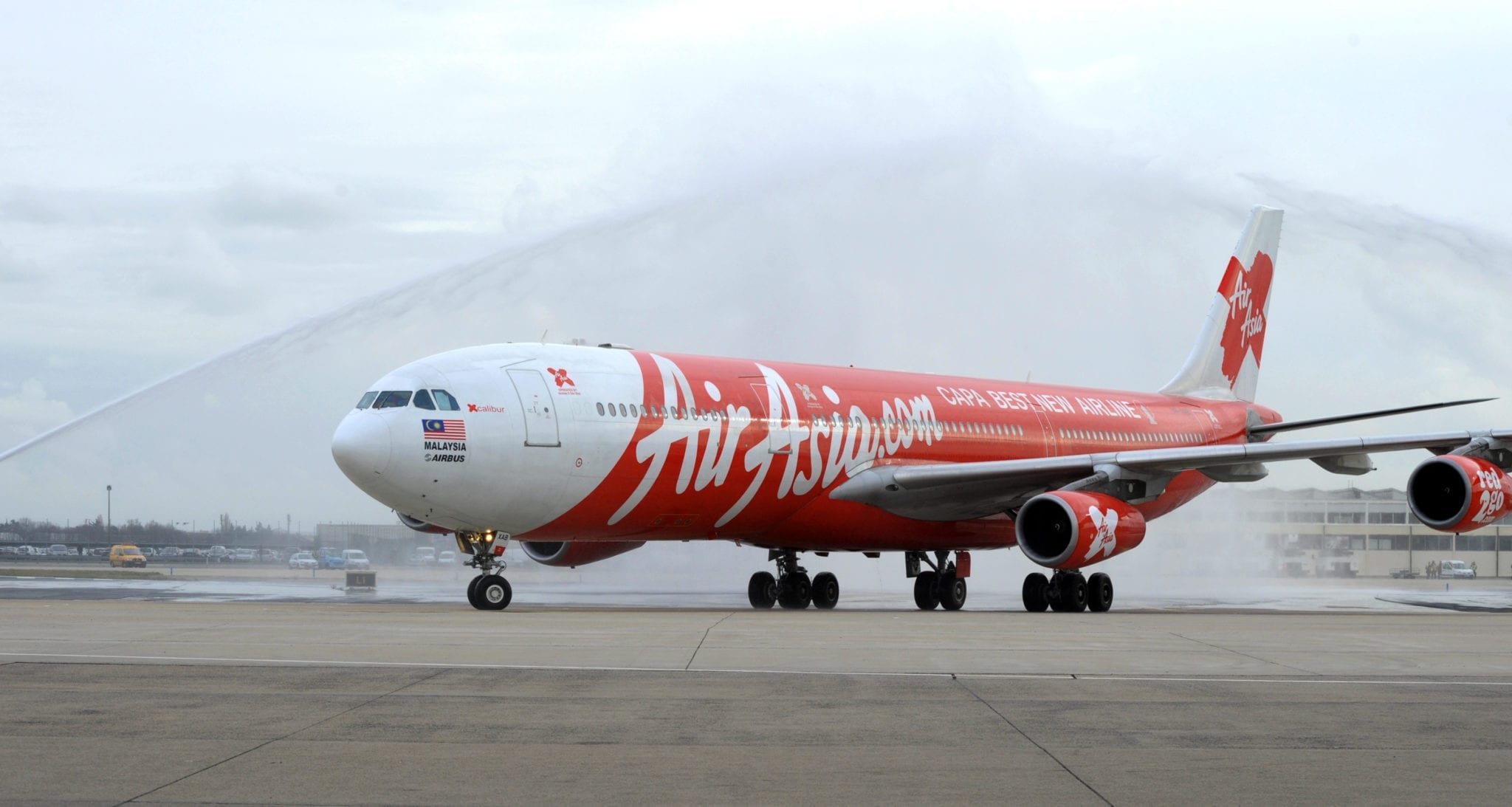
    AirAsia India flies across the sub-continent. Photo: AirAsia

    But moving to a better terminal for passengers is just the beginning, with the move allowing AirAsia India to make Mumbai it’s new fourth hub in the country.

    “Mumbai will become AirAsia India’s fourth hub in the country after Bengaluru, New Delhi and Kolkata,” AirAsia India said in a press statement back in May “AirAsia India will now connect Mumbai to Kochi, Kolkata, Hyderabad, Indore, New Delhi and Bengaluru.”.

    The airline currently flies to 21 destinations across the subcontinent with 23 Airbus A320-200 aircraft. They don’t specifically have any aircraft on order at the moment, but likely that some of the vast 353 Airbus A321neos that are on order to their parent organization will find their way into their fleet.

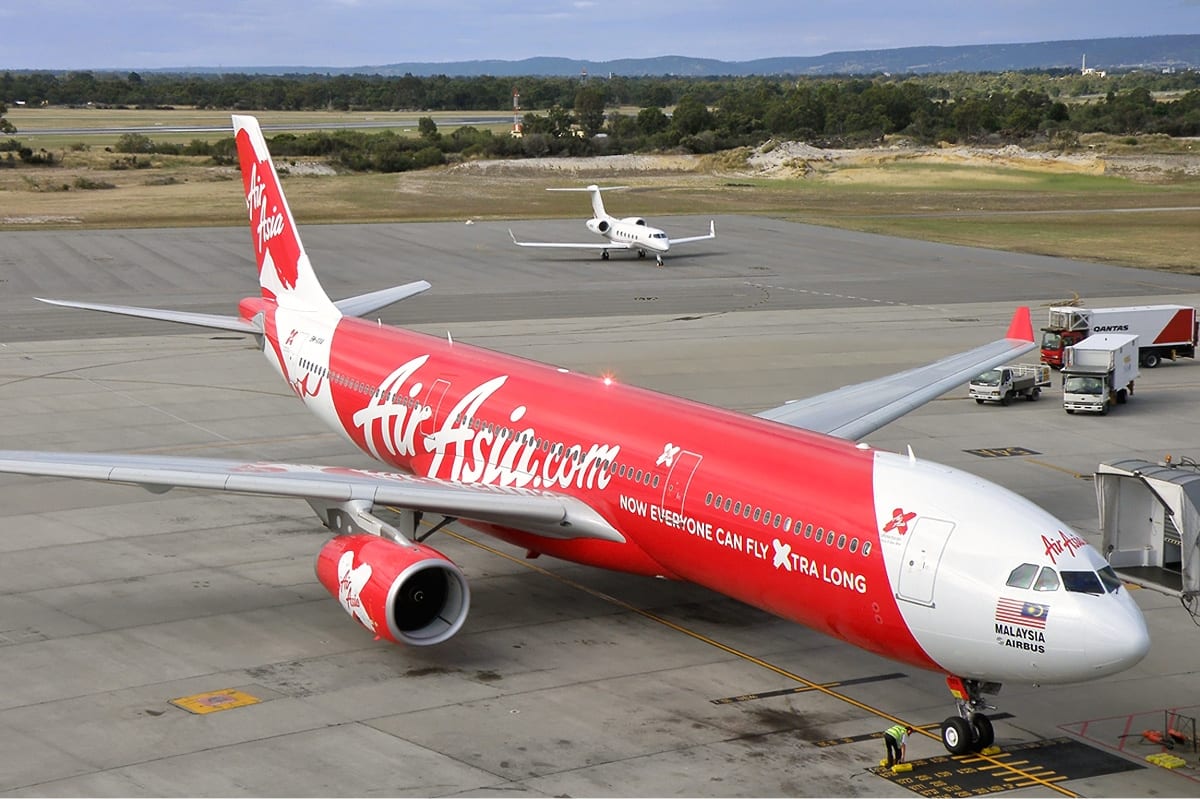
    They are a subsidiary airline of the AirAsia group, a vast network of low-cost-carriers who’s combined network flies from the United States, to Japan, to Australia and more. AirAsia X, the international arm of the airline, recently took ownership of a brand new Airbus A330neo and is operating the cheapest flatbeds flying in the sky today.

    Needless to say, this move to the domestic terminal sets up AirAsia India for long-haul success in India.

  • Eros Now partners AirAsia’s in-flight WiFi service provider

    Eros Now partners AirAsia’s in-flight WiFi service provider

    Eros Now, the Indian over-the-top (OTT) entertainment platform, has entered into a partnership with Rokki – AirAsia’s in-flight WiFi service provider. The deal will provide flyers access to Eros Now’s content on their own devices, while onboard WiFi-enabled AirAsia flights.

    With the deal in place, AirAsia WiFi will host Eros Now’s content for free. It will also host a microsite that will enable guests to discover more of the OTT platform’s offerings and purchase discounted subscription plan vouchers on-board, offering one-month access to the OTT platform’s premium content including over 12,000 Bollywood movies, original shows, Quickies, music, and other content.

    “On-the-go consumers are always on the lookout for interesting content. Our intent has always been to deliver the best of services to meet end-users’ demands and expectations. By partnering with Rokki we plan to attract the in-flight consumers by offering Eros Now’s vast collection,” said Rishika Lulla Singh, CEO, Eros Digital.

    “In line with Rokki’s continuous efforts to transform the in-flight experience through our key offerings – entertainment, connectivity, and e-commerce – our partnership with Eros Now is another step towards creating a dynamic and engaging experience through content-driven commerce,” said Sargunan Seenivasan, head of Rokki.
  • KDDI, Terra Drone launch drone asset inspection service

    KDDI, Terra Drone launch drone asset inspection service

    Japan’s KDDI and industrial drone solutions provider Terra Drone have jointly launched a new drone inspection services for industrial infrastructure.

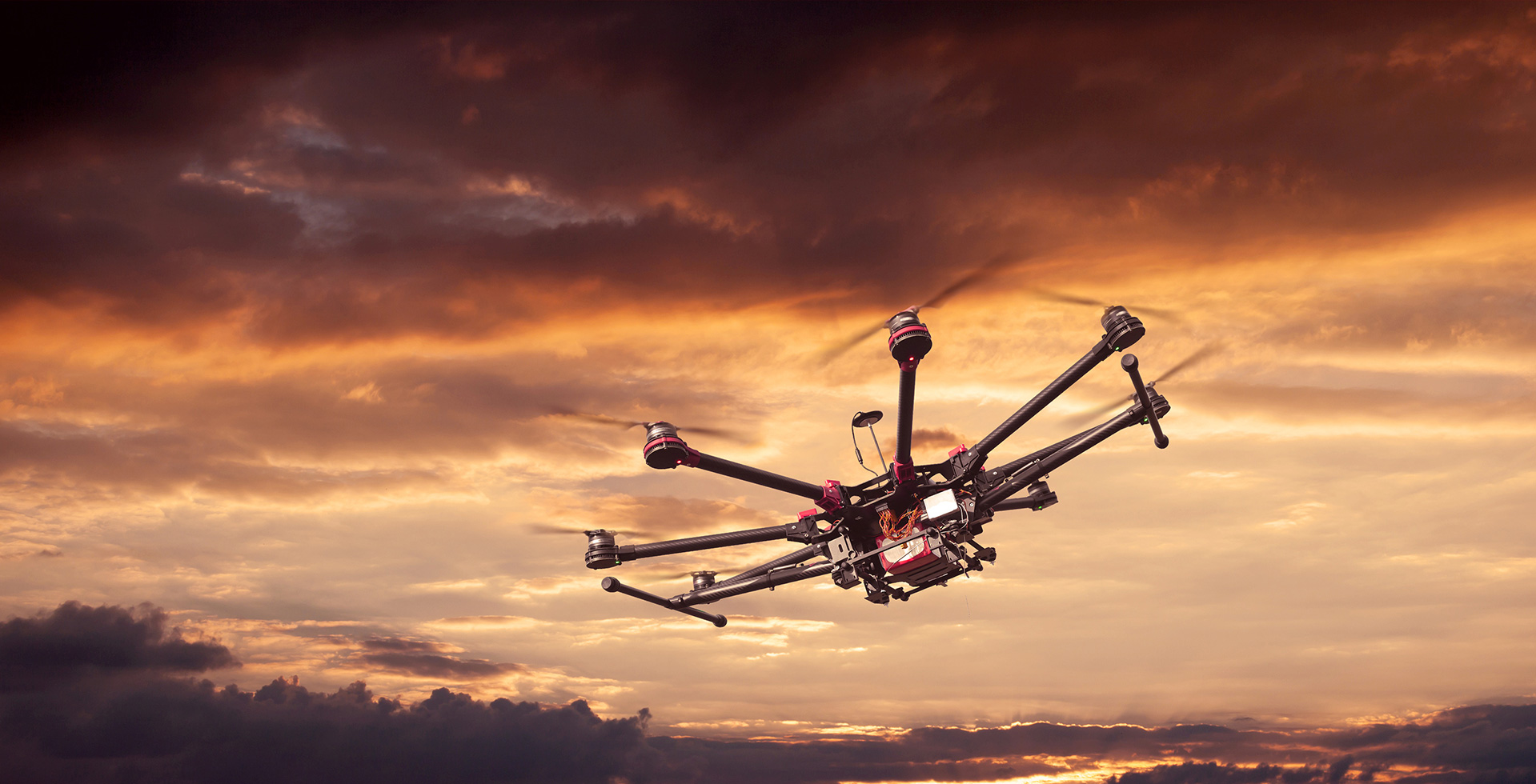
    The jointly developed solution involves using a drone to generate a 3D, high resolution model of heavy industrial assets such as wind turbines, telecom and transmission steel towers, smokestacks, and bridges.

    The drone will use the model to determine which components should be inspected, allowing the drone to shoot the inspection points from optimal angles and range designated by the Terra Inspection software.

    It uses mobile networks to transmit data back to inspection crews and to allow operators to remotely plan flight paths based on weather databases and maps.

    The solution also has potential applications in areas beyond asset inspection, such as large area surveillance, land surveying or precision farming.

    KDDI and Terra Drone jointly developed the underlying Smart Drone platform, and have developed a number of solutions based on the platform since 2016.

  • AirAsia Philippines Passes Massive Safety Audit

    AirAsia Philippines Passes Massive Safety Audit

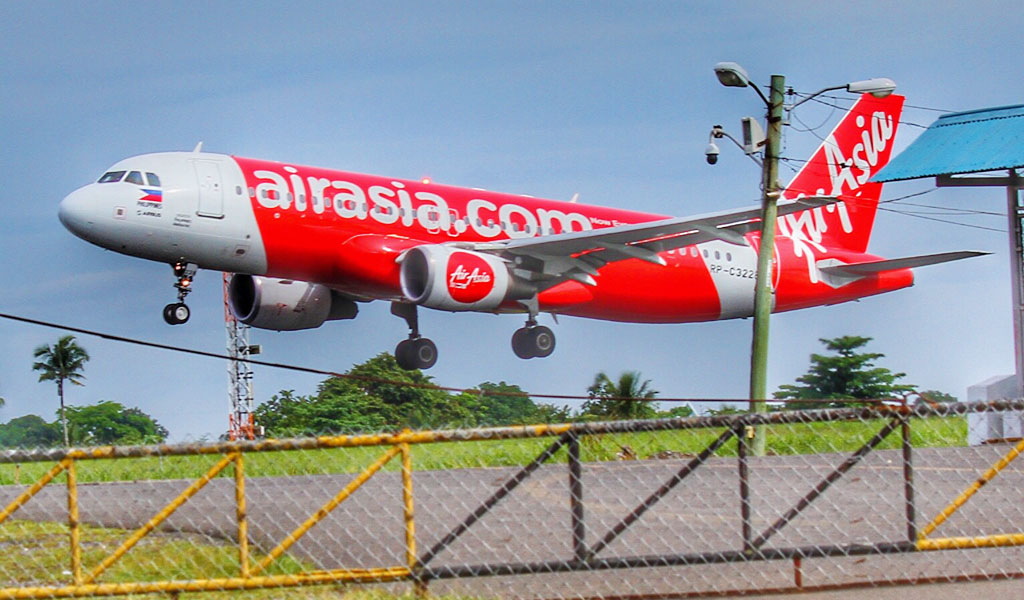
    Manila-based AirAsia Philippines has passed a major international safety audit, the International Air Transport Association Operation Safety Audit (IOSA), that covers more than 1060 separate parameters. The operational safety audit is compulsory for IATA members and airlines that have completed the audit have a safety record almost four times better than those that have not. AirAsia Philippines CEO Captain Dexter Comendador said, “We are pleased to announce that we have successfully completed IOSA accreditation. This achievement is a recognition of everyone at AirAsia’s dedication to safety and security.”

    Earlier this year, AirAsia Philippines received its ISO Certificate which gives world class specification for products, services, and systems to ensure quality, safety, and efficiency. ISO 9001:2015 helps ensure passengers get consistent, good quality products, and services. This international standard is based on quality management principles including a strong customer focus, the motivation and implication of top management, the process approach and continuous improvement.

    “We are closing this year with two important achievements from IOSA and ISO and it is but fitting to dedicate an aircraft to our hardworking team who we proudly call, Allstars. We are officially launching this month a special Allstars livery bearing faces of more than one thousand Filipino Allstars including AirAsia Group’s management team,” Comendador added

    Now 426 airlines have completed the audit, which is renewed every two years. The awarding of the IOSA accreditation is expected to be a major boost for the airline. The IOSA certification audit is an internationally recognized and accepted evaluation system designed to assess the operational management and control systems of an airline. The audit covers eight functional and operational areas: organization and management system, flight operations, operational control, and flight dispatch, aircraft engineering and maintenance, cabin operations, ground handling operations, cargo operations, and security management.

    IOSA was introduced to stem the increasing number of crashes in the late 1990s and into the beginning of the last decade. The AirAsia Group airlines now fly to 165 destinations in 25 countries. It has just ordered or reconfirmed orders for 100 A330s for its AirAsia X operation. Separately long-haul, low-cost, operator AirAsia X is evaluating Airbus’ long-range version of the  A321neo as it moves to target more destinations within a range of seven hours.

    Powered by CFM International’s LAEP-1A engines, the A321neo LR,  is due to enter service in the fourth quarter of 2018 and is designed to carry up to 240 passengers 4000 nautical miles. The airline confirmed last month it was evaluating “the potential introduction” of the 321neo LR for developing routes.

  • AirAsia X names new CEO to take over from Founders

    AirAsia X names new CEO to take over from Founders

    Malaysia’s long-haul budget carrier AirAsia X on Thursday appointed Nadda Buranasiri as its new group chief executive officer to take over from its co-founders. Buranasiri, chief executive of the Thai arm of AirAsia X since 2014, will replace co-CEOs and co-founders Tony Fernandes and Kamarudin Meranun with immediate effect, the company said in a statement. Fernandes and Kamarudin will become non-executive directors.

    In July, Fernandes said AirAsia X was looking to restructure itself into a group holding company along the lines of affiliate AirAsia Group Bhd .

    He had also said AirAsia X would focus on flying to countries where it would dominate routes, such as Japan, Korea, Australia, China and India, and remove what he called peripheral routes where no growth was seen.

    AirAsia X reported a loss for the June quarter, weighed down by higher fuel prices.

  • AirAsia to push discounted airfares via digital platforms

    AirAsia to push discounted airfares via digital platforms

    In line with the upcoming year end holidays and early 2019 travels, AirAsia is offering up to 70% off on all its destinations until 28 October 2018. These include Changsha, Tokyo, Kolkata, Bali, Phuket, Siem Reap, Yangon, Manila, Singapore and Kota Kinabalu, among others. In a statement, AirAsia group marketing head Amanda Woo said the move to offer discounted airfares is based on understanding the different travel and route behaviours of its consumers. For this campaign, AirAsia is focused on a combination of content marketing and digital platforms. It also looked into offline platforms for certain key regions, Woo said.

    “In line with our company direction of going digital, our marketing strategy relies heavily on data and digital analytics as part of the deciding factors on the channels we use,” she added.

    Besides encouraging more travels during the period, Woo said the airline also hopes to boost more member sign-ups so consumers can enjoy more exclusive deals.

    “The year end is always an exciting time and we can think of no better way to welcome the holiday season than to offer more discounts on our already low fares,” Woo said. AirAsia BIG members will enjoy more perks including instant discounts when booking directly via the website and mobile app.

  • Tigerair Taiwan announces Cebu-Taipei flights with seat sale

    Tigerair Taiwan announces Cebu-Taipei flights with seat sale

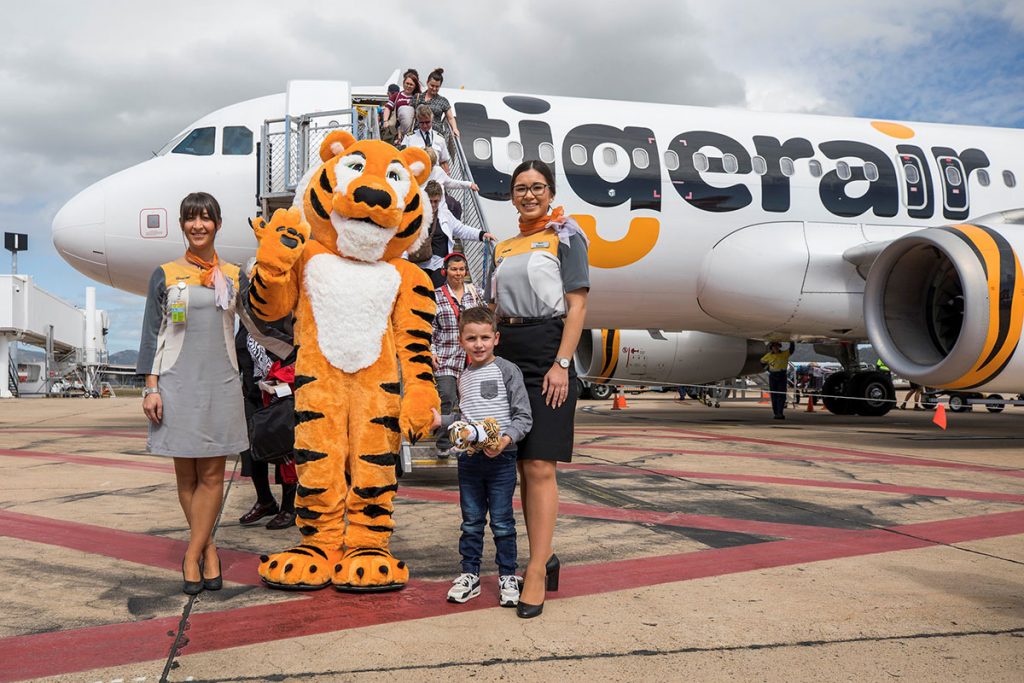
    Tigerair Taiwan said it would start flying between Cebu City and Taipei on Dec. 1. Taiwan’s only low-cost carrier said it would offer a 2-day seat sale for the new route starting Monday. Tigerair will use the new Mactan-Cebu International Airport and will compete with the Philippines’ largest carrier, Cebu Pacific and AirAsia in the Cebu-Taipei route.

    “Tigerair Taiwan’s presence in Cebu shall give Filipinos more access to fun, affordable, and memorable flights to Taipei. We look forward to this development before the year ends,” said Tigerair Taiwan spokesperson Bernard Hsu.

    Tigerair flight IT537 will depart Taipei for Cebu every Tuesday, Thursday, Saturday, and Sunday. The return flight, IT538, will depart Cebu every Monday, Wednesday, Friday, and Sunday.

  • Now you can book a cook on Singapore Airlines

    Now you can book a cook on Singapore Airlines

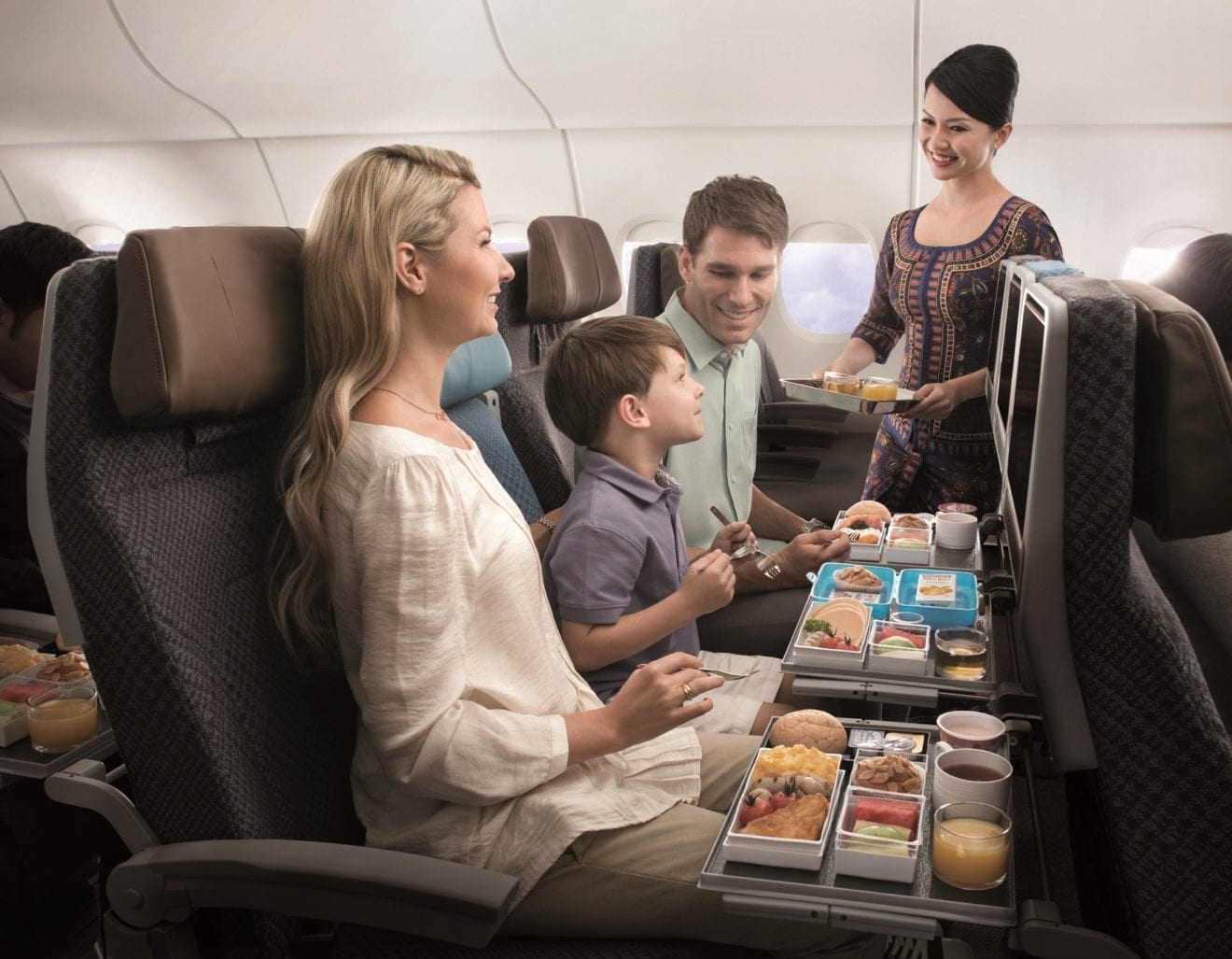
    It’s like dining a la carte 34,000 feet above sea level. That’s the “Book the Cook” experience that you get when you fly Singapore Airlines. It’s an exclusive advance inflight meal-ordering service that allows passengers in Suites, First Class, Business Class and Premium Economy Class to pre-select a gourmet dish of their choice before their flight.

    “It’s a departure from our regular meal service,” says Hermann Freidanck, food and beverage, inflight services manager. “You get to order your main course from a wide selection in a specially prepared menu up to 24 hours before your flight. Now you won’t have to settle for a dish that is not your choice.”

    At the exclusive meal presentation before local media recently at Singapore Airline’s new-concept Silver Kris Lounge in NAIA3, we got to experience firsthand what this was like. A couple of days before the event, we were sent a special menu to choose from, which included beef tenderloin steak, roasted rack of lamb, slow-cooked marinated duck leg with mushroom risotto, marinated free-range chicken, and baked herb-marinated salmon.

    The sit-down meal included an appetizer of marinated lobster with Mediterranean vegetable salad and balsamic dressing, as well as roasted pumpkin soup or snow fungus chicken soup with Chinese mushroom and quail egg. The salad was spinach and green frisée garnished with cherry tomatoes and olives with a choice of balsamic vinegar and extra-virgin olive oil or honey-mustard dressing, while dessert was a choice of  either chocolate and banana cake with vanilla ice cream and raspberry coulis or fresh mango tiramisu with verbena mango compote and biscotti by three-Michelin-starred chef Georges Blanc.

    As part of the Book the Cook service, passengers can choose from a menu of ICP dishes. “These are dishes created by Singapore Airline’s esteemed International Culinary Panel (ICP), which is a team of celebrated Michelin chefs who have restaurants or groups of restaurants in our main destinations in Europe, America and Asia,” Freidanck explains. “They work closely with our own chefs to develop unique dishes that we serve on board.” The panel includes Alfred Portale (United States), Carlo Cracco (Italy), Goerges Blanc (France), Matt Moran (Australia), Sanjeev Kapoor (India), Suzanne Goin (United States), Yoshihiro Murata (Japan), and Zhu Jun (China).

    “Our menus are planned four to five months ahead of time, on a four-month cycle. First Class and Business Class have four different main courses, while Premium Economy Class has a third choice in addition to the usual two choices,” Freidanck shares. “The way we do our menus is what we call ‘destination-specific.’ If you are going to Frankfurt, for example, you’ll have a German dish. In First Class and Business Class, you will always have  an ICP dish. Seasonal ingredients would also affect which dishes would be available.  The Japanese, as well as the Chinese dishes, go by the seasons. A bestseller is the Maine lobster, but not every country has it. It is difficult to get lamb, for instance, but because you can order in advance, you are guaranteed your main course.”

    “And then we have the Asian dishes. We look at the passenger profile, and if it’s predominantly Singaporean, for example, we try to put a Singaporean dish. We emphasize that we must represent the cuisine properly. It always has to be authentic. It must be traditional,” Freidanck adds. ‘There are also what we call the special meals which address certain conditions of the passenger, either due to religious beliefs, dietary or allergy restrictions. You can order them and we will serve you according to what you order. It’s not like other airlines where one menu fits all.”

    Singapore Airlines also launched a new “Deliciously Wholesome” program catering to the needs of an increasing number of health-conscious travelers.

    Preservation of freshness is an important consideration. Dishes are cooked with the reheating process in mind. “There is a fine line because we have to follow the hygiene regulations,” Freidanck explains. “Steak, for instance, has to be seared from the outside, so when it’s reheated on board, it’s just right. Sushi has to either be grilled or pickled or smoked. Nothing is raw. Oysters have to be cooked, following hygiene regulations.” Certain dishes can be a challenge. “Not impossible, but difficult,” Freidanck says. Dim sum, like pasta, does not reheat very well. The texture of risotto can be less appealing when overdone.

    The dishes are cooked in the kitchen, then kept in the chiller below 10 degrees so no bacteria can thrive, until it goes on board. The dishes are deconstructed and put into different containers. On board, it goes in the oven where the heat is calibrated to a certain temperature. “There is a training center in Singapore where the crew learn to do this. It’s very specific. There’s a lot of details which they have to go through,” Freidanck says. The crew gets a plating guide, which they must follow when they assemble the dishes.  First Class passengers get their meals served on real plates with fine cutlery.

    “Complementing Singapore Airline’s World Gourmet Cuisine is a selection of the finest wines from the very best vineyards, selected by some of the world’s most educated and sought-after palates. These wines are handpicked by world-renowned wine experts and blind-tasted under simulated cabin pressure, since our taste buds are affected by the cabin pressure,” notes Carol Ong, Singapore Airlines general manager for the Philippines, Guam and USTT. The Singapore Airlines Wine consultants include three Masters of Wine: Michael Hill-Smith, Jeannie Cho-Lee, and Oz Clarke.

    “So, you have just flown First Class, basically,” Freidanck says, addressing the intimate media group of happy diners at the end of the meal. The only thing missing was the altitude.