Retail News CRM

Tag: flyinh

  • AirAsia ‘super app’ to help struggling airline rebound from pandemic

    AirAsia ‘super app’ to help struggling airline rebound from pandemic

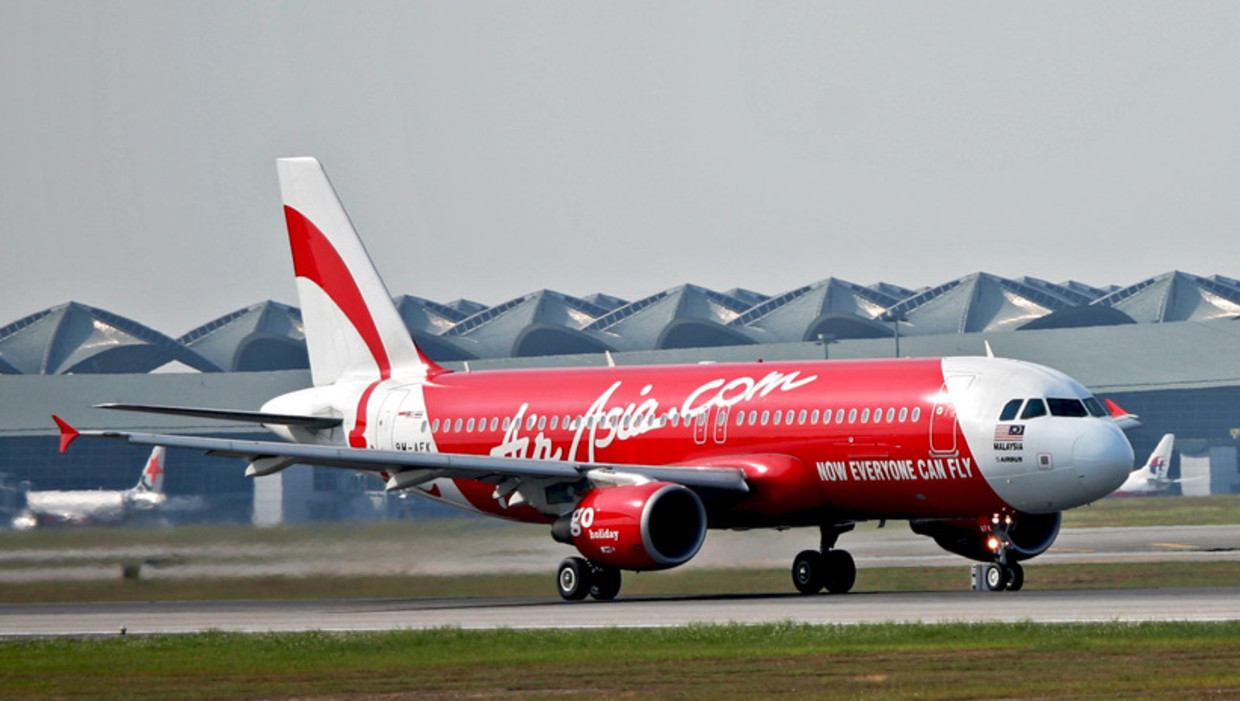
    AirAsia Group Bhd chief executive officer, Tan Sri Tony Fernandes, said the global pandemic and country lockdowns that ensued last year served as a great opportunity for the company to work on growing its “super app”.

    The group’s website airasia.com has already been providing airline and travel-related services. However, in October last year, it unveiled the rebranding of the “super app”, combining 15 types of products and services under three pillars — travel, e-commerce and fintech.

    According to Japan’s NHK World’s interview with Fernandes recently, the app now has 16 million users a month.

    He said the airline is in a good position to succeed given its growing know-your-customer (KYC) data and wants a non-airline business to rival his airline business in a few years’ time.

    “One of the greatest assets of an airline is data. It’s KYC. It’s passport information. We have ID information. We have strong loyalty card information. People who fly have a bit more money, so there is also credit card information.

    “If you take a Grab or a GoJet, they are generally transacting at a lower value, they may not have as much information as we do over the last 19 years. So knowing what you want, we can personalize a lot of things and I think that’s one of our advantages,” he said in the video interview dated Feb 1.

    The airline industry has been hit the hardest in the wake of the Covid-19 pandemic as many flights are forced to be halted and plane fleet temporarily grounded, plummeting business performance and forcing many to be out of job.

    Fernandes said his aim is for the airline to continue attracting customers at a low price while making money, and then take the opportunity to sell other things digitally to the customers. He added that he hopes to hire back all the staff that had to be let go during the pandemic.

    The budget airline saw its worst quarter during the second quarter of last year at the peak of lockdown measures in Malaysia and around the region, as revenue dipped 96% to RM118.96 million as of June 30, 2020 compared with RM2.92 billion in the previous year while it registered a net loss of RM992.8 million versus a net profit of RM17.3 million a year earlier.
  • AirAsia India plans expansion; to induct 3 more A320 neos by June 2021

    AirAsia India plans expansion; to induct 3 more A320 neos by June 2021

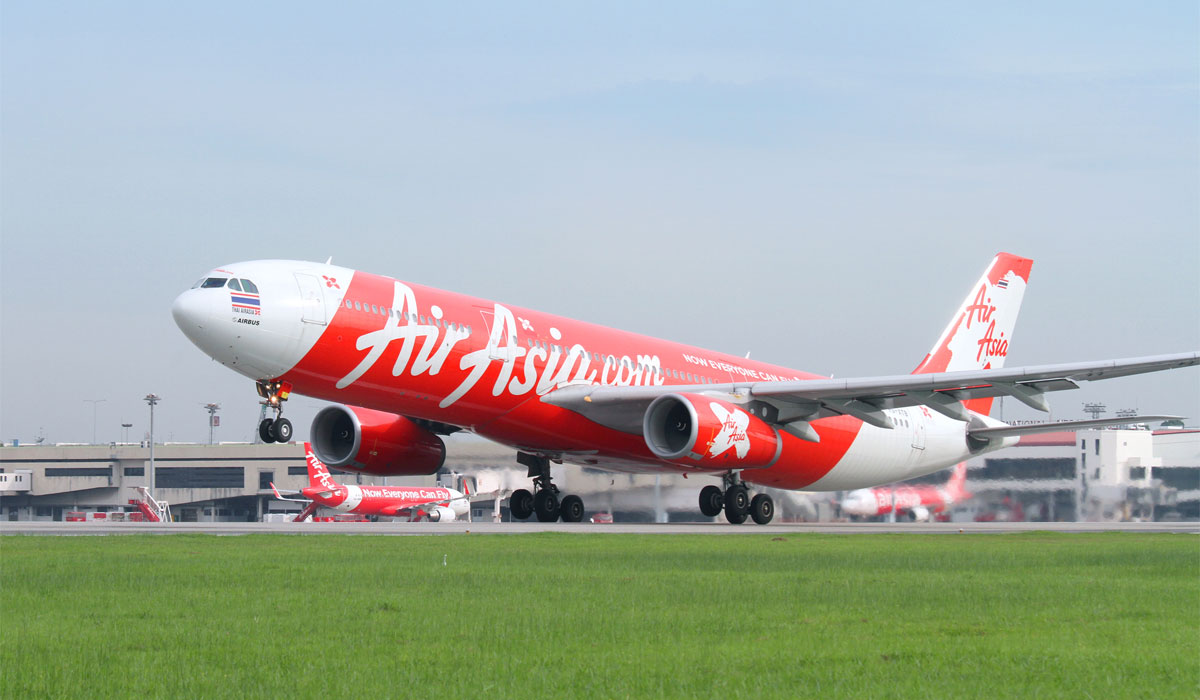
    Budget carrier AirAsia India plans to add three more Airbus A320 neo planes by June next year as part of its fleet and network expansion. The airline — a joint venture between Tatas and Malaysia’s AirAsia Investment currently has 32 aircraft, including two A320 neos inducted recently.

    In a statement to PTI, an AirAsia India spokesperson said the airline had signed an agreement for inducting five A320 neo planes last year.

    The Bengaluru-based airline took delivery of the first A320 neo in October and another one earlier this month.

    “We will be inducting our third Airbus A320 neo in December and we look forward to inducting our fourth and fifth A320 neo by June 2021,” the spokesperson said in the statement.

    The statement was issued in response to the queries sent to the airline’s managing director and chief executive officer Sunil Bhaskaran.

    On November 17, Malaysia’s AirAsia Berhad had said it was reviewing its investment in AirAsia India. Against this backdrop, there have also been concerns about the domestic airline.

    Indicating that AirAsia India is on an expansion path, the airline’s spokesperson said it is planning to scale up the capacity to 70 per cent from 55 per cent at present.

    “We are soon planning to amp up our capacity to 70 per cent,” the statement said.

    Domestic commercial flights were suspended for two months from March 25 to curb the spread of coronavirus infections.

    The Civil Aviation Ministry permitted increasing the capacity to 45 per cent with effect from June 27 from a maximum of one-third at the time of resumption of domestic flights from May 25. It was scaled up to 60 per cent from September 2.

    Airlines were allowed to operate at 70 per cent of the pre-COVID-19 capacity from November 11.

    Earlier this month, senior AirAsia India officials informed travel agents that it remains on the path of serving Indian market by growing its network and scale of operations.