Tag: foldable

  • Apple’s First Foldable Iphone: Predicted Lower Hinge Costs May Impact Retail Price

    Apple’s First Foldable Iphone: Predicted Lower Hinge Costs May Impact Retail Price

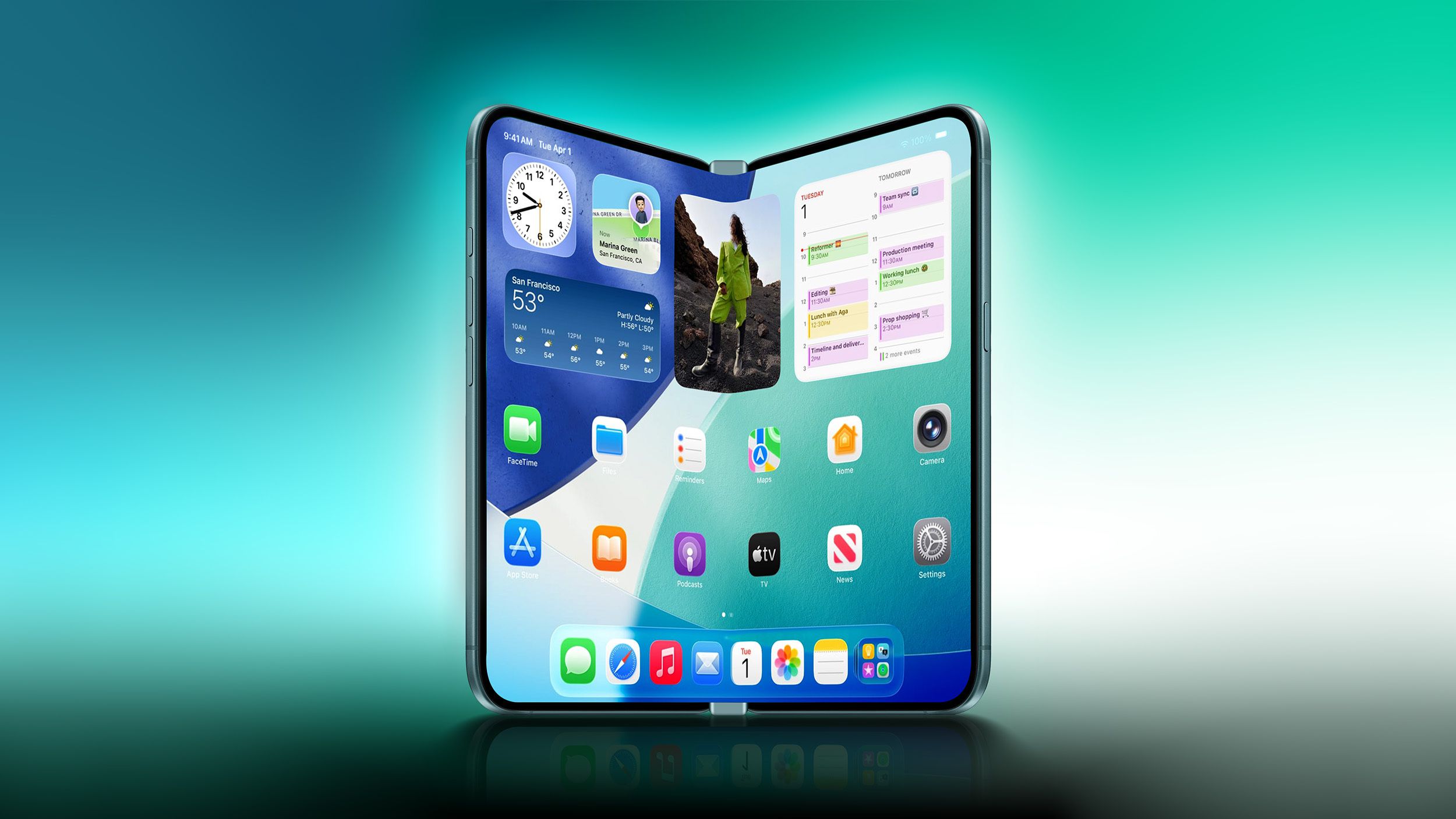
    Apple is reportedly developing its first foldable iPhone, a topic that has been garnering significant interest in recent months. The latest inside information comes from industry analyst Ming-Chi Kuo, who has offered some insight into the potential cost of the phone’s integral component, the hinge.

    Predictions on Hinge Cost for the Foldable iPhone

    Ming-Chi Kuo suggests that the hinge for Apple’s foldable iPhone might be more cost-effective than currently expected, potentially by $20 to $40. The hinge is a crucial component in a foldable phone as it supports the flexible display, enabling it to open and close.

    Creating the ideal hinge for such devices can be challenging, often leading to high production costs. However, Kuo proposes that Apple’s choice of hinge design could reduce these costs significantly.

    Kuo predicts that when the hinge enters mass production, the average cost could be around $70 to $80 per piece. This estimation is considerably lower than the current market expectation of $100 to $120 or even more.

    Partnership for Hinge Production

    It is reported that the task of producing the hinge will be shared between two companies. Foxconn, a long-standing partner in Apple’s supply chain, and Shin Zu Shing are expected to jointly undertake the manufacturing process.

    This partnership is believed to have secured a significant portion of hinge orders from Apple, accounting for around 65% of the total. The remaining orders are anticipated to be fulfilled by Amphenol.

    There are rumors of a potential third manufacturer, Luxshare, joining the production chain. However, this is contingent on the success of the initial foldable iPhone and may not occur until after 2027.

    Expectations for the Foldable iPhone

    Earlier speculations suggested that the foldable iPhone might feature a frame composed of titanium and aluminum, enabling the phone to be both thin and robust. This contradicts Kuo’s previous assertions that stainless steel might be used.

    The launch of the first foldable iPhone is currently projected for late 2026. It remains uncertain whether the potential lower cost of hinge production might lead to a reduction in the retail price of the foldable iPhone. Apple considers various factors when pricing its products, and this approach will likely apply to the new foldable iPhone as well. Current estimates suggest the foldable iPhone could cost around $2,000 to $2,500.

    Questions & Answers

    What is the estimated cost for the hinge of the foldable iPhone?
    The estimated cost of the hinge, when it enters mass production, is around $70 to $80 per piece. This is considerably lower than the current market expectation of $100 to $120 or more.

    Which companies are rumored to produce the hinge for the foldable iPhone?
    Foxconn and Shin Zu Shing are expected to jointly produce the hinge, securing about 65% of the total orders from Apple. The remaining orders are likely to be fulfilled by Amphenol. There is also speculation about a third manufacturer, Luxshare, joining the production later.

    When is the foldable iPhone expected to be launched?
    The launch of the first foldable iPhone is currently projected for late 2026.

  • Huawei might introduce an asymmetrical foldable smartphone someday

    Huawei might introduce an asymmetrical foldable smartphone someday

    Foldable smartphones are becoming more popular with each new model introduced by different manufacturers. Samsung launched its Galaxy Z Fold 5 and Galaxy Z Flip 5 last month, Google unveiled its Pixel Fold back in May, and Huawei launched its Mate X3 internationally around the same time. Now, it looks like the latter is working on something a bit different when it comes to foldable smartphones.

    Blogger Jerrold_tech posted on Weibo what they say are pictures of patented designs for Huawei’s future folding phone. The images reveal an innovative type of foldable phone featuring asymmetrical halves, where the left side is taller than the right side.

    Unlike all other foldable smartphones currently available, this patent unveils a design in which the two halves are of different sizes when the phone is unfolded. This difference seems to come from the camera position, which is not in the usual spot at the back of the phone. When the phone is unfolded, the camera resides in the upper left corner, playing the role of a front-facing selfie camera. Once folded, the right panel aligns beneath this camera, enabling the latter to serve as the primary rear camera.
    One of the benefits of this foldable phone’s a bit strange design is that it can use just one camera setup, no matter if the device is folded or not. The patented design also shows that one of the cameras is a Time-of-Flight (ToF) lens, so it can be used for face recognition as well.

    The shared images don’t give away any more details about the patent, but if Huawei is indeed developing this new kind of foldable, it might add some variety to the foldable phone market. Since this info is all based on rumors and there’s been no official confirmation from Huawei, it’s best to take it with a pinch of skepticism. Still, it would be pretty cool to see this asymmetrical design actually come to life.

  • Gmail interface gets optimized for foldable phones like Galaxy Z Fold 4

    Gmail interface gets optimized for foldable phones like Galaxy Z Fold 4

    Foldable phones are supposed to be more than just glorified tablets and big-screened mobile phones. They are getting better each year with new software tricks. The latest improvement is a new interface for Gmail.
    Up until now, foldable phones displayed a stretched-out version of the Gmail app that you see on conventional phones. Google has given the interface a makeover and now, foldable phone users with book-style phones like the Samsung Galaxy Z Fold 4 will see a 2-pane layout for Gmail. The 2-pane view is also available for Meet and Chat.
    What this means is that the left part of the foldable screen will show the inbox and the right half will show an opened email. This makes sense from a multitasking perspective and will save a lot of back and forth when browsing emails.
    The search bar is above the inbox and the Compose button can also be seen on the first half of the screen. The bottom bar spans the width of the entire screen. In contrast, you see a vertical navigation rail on tablets. Little touches like these help create a distinct identity for foldable handsets.
    Google has increased its focus on foldable phones and tablets in recent times. The company announced its tablet-first OS Android 12L in late 2021 to make the software experience better on devices with large screens.
    It includes little tweaks and optimizations that make better use of larger screens, such as a vertically split notification shade and a taskbar to allow users to launch apps quickly.
    Google didn’t really care about tablets for the longest time. That’s changing now, and one of the major reasons behind this renewed interest is that the company has a tablet and probably a foldable phone on the way.
  • Price of foldable Samsung smartphone plummets

    Price of foldable Samsung smartphone plummets

    Vietnamese electronics retailers are buying back the Galaxy Z Fold, which sold for VND50 million (US$2.092) when it was launched in 2019, at an 88% reduction from the original price.

    Ever since Samsung’s new Galaxy S23 went on sale in Vietnam on Feb. 17, retailers have launched trade-in programs, encouraging users to buy the new model.

    Galaxy Z Fold phones are being bought back at prices of VND0.43-6.1 million per unit depending on their condition.

    The Galaxy S10+, another high-end Samsung model which went on sale in 2019 with a price tag of VND28.9 million, is being bought back for VND2.9 million.

    According to Nguyen Lac Huy, manager of electronics chain CellphoneS, prices of most Android smartphones fall faster than those of iPhone models. After six months of use, the price of an Android phone plunges by 40-50%.

    The main reason is that manufacturers often offer discounts on Android phones after launch, while the cost of repairing them is high.

  • Microsoft optimizes all Office mobile apps for Samsung’s new foldable phones

    Microsoft optimizes all Office mobile apps for Samsung’s new foldable phones

    The announcement of the new Galaxy Z Fold 3 and Galaxy Z Flip 3 marked a few premiers for Samsung’s flagships. For example, there are the first smartphones that allow users to seamlessly transfer all their WhatsApp chat history when they switch from an Apple iPhone to an Android phone.

    This WhatsApp feature only works on the Galaxy Z Fold 3 and Galaxy Z Flip 3, but its availability will soon be expanded to most Android and iOS devices. Another interesting premiere revealed this week focuses on Microsoft’s Office mobile apps, which have been fully optimized to work on Samsung’s new foldable phones.

    The Redmond-based giant announced a new partnership with Samsung to perfect the way its Office mobile apps work on the Galaxy Z Fold 3 and Galaxy Z Flip 3. Also, the partnership between the two companies has expanded to further integrate Teams and Outlook into the foldable smartphone experience.

    Starting with these two foldable phones, you’ll be able to run multiple apps at the same time via the Multi-Active window. For example, running Microsoft Excel and PowerPoint dragging and dropping a table right into your presentation will be a breeze now. Even running two instances of the same app will be possible.

    Samsung Galaxy Z Fold 3 and Galaxy Z Flip 3 are now available for pre-order for $1,800 and $1,000, respectively, with availability expected August 27 starting from the United States and Europe. You can pre-order either of the two flagships via the widgets below.

  • HTC’s foldable smartphone is awkward rather than exciting

    HTC’s foldable smartphone is awkward rather than exciting

    Many companies have already jumped on the foldable phone bandwagon, but it may take years for the market to reach maturity. As such, the first companies to have their own foldable smartphones available on the market have a big advantage over those who didn’t have the courage or resources to come out with such products yet.

    Even though these foldable smartphones are still crazy expensive, there seems to be an audience for these. It remains to be seen how large this audience really is and whether or not foldable smartphones will become a thing, unlike 3D phones that disappeared very fast.

    After Samsung, Motorola, and Huawei, it looks like HTC is readying its own foldable smartphone. Although HTC’s foldable smartphone exists just on paper at the moment, the Taiwanese company seems to be interested in the concept.

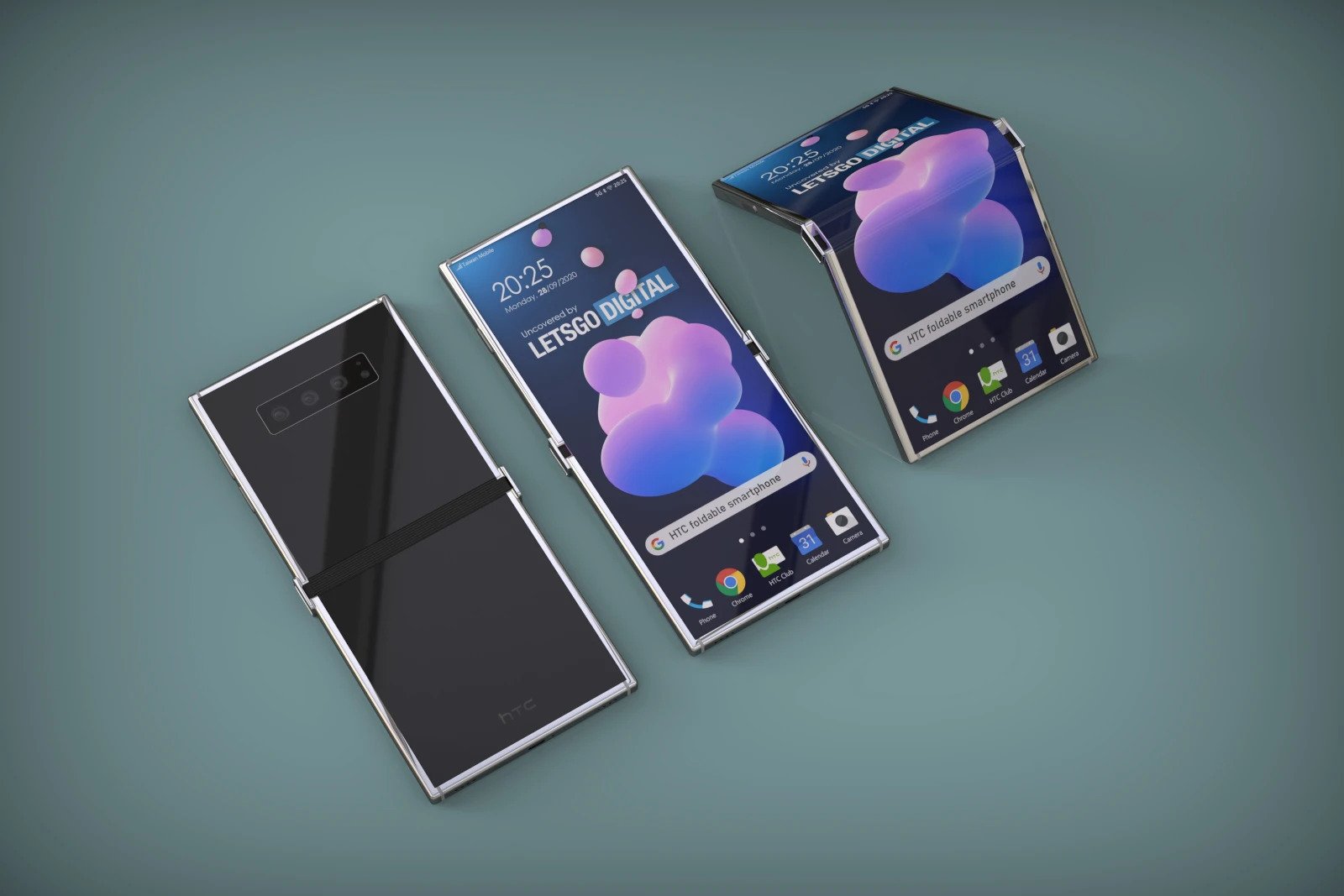
    HTC filed a patent for a new foldable smartphone late last year. The patent was published back in August by the WIPO (World Intellectual Property Office) and judging from the sketches, HTC’s device doesn’t look too good. The technology behind it needs to be streamlined, that’s for sure.

    The hinge mechanism is the first weird thing noticeable in the pictures. It protrudes outwards and while it might offer an additional layer of sturdiness to the phone, it’s quite unpleasant for the eyes. But the biggest question mark is that HTC’s device folds outwards, so the display will always be on the outside.

    HTC’s foldable smartphone doesn’t seem to feature a secondary display like Motorola’s new RAZR, but because it folds outwards, it should allow users to operate the phone without having to open it, at least in theory.

    LetsGoDigital made a handful of renders based on the patent drawings filed by HTC, but the final device might not look like what we’re seeing in these images. It’s hard to say if HTC is still determined to launch its own foldable smartphone, but if it does, let’s hope it comes up with a better concept.

  • Logitech unveils affordable Smart Keyboard alternatives for Apple iPad PROs

    Logitech unveils affordable Smart Keyboard alternatives for Apple iPad PROs

    Logitech makes some of the best third-party accessories for iPhones and iPads, a few of which can even be purchased directly from Apple at very competitive prices. Just think of the $69.95 Logitech Crayon, which substantially undercuts the $99 and up Apple Pencil. Or the $69.95 Logitech Powered wireless charging stand, or $130 and up Logitech Slim Combos with detachable keyboards for previous-generation iPad Pros

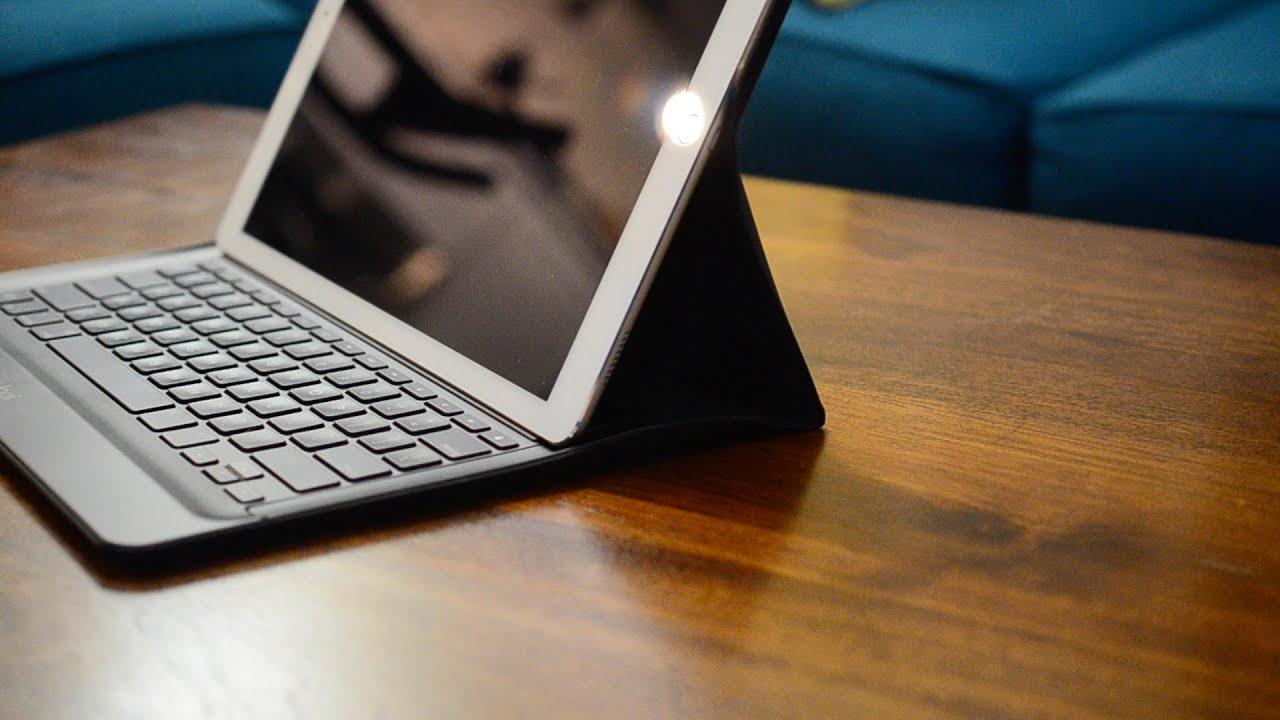
    Oddly enough, Logitech still doesn’t sell any keyboard accessories tailor-made for Apple’s newest iPad Pro models, but that’s finally set to change later this month. The Slim Folio Pro looks and sounds extremely similar to the first-party Smart Keyboard Folio, starting however at only $119.99. That’s a whopping 60 bucks cheaper than Apple’s own 11-inch option, while the Logitech Slim Folio Pro for 2018’s 12.9-inch iPad Pro will cost $129.99, compared to the $199 price tag of its Apple-made counterpart.

    Impressively enough, it doesn’t seem like Logitech has had to cut many corners or make any big compromises to go this low in terms of retail prices, as the Slim Folio Pro ticks all the essential boxes of a robust “all-in-one case”… and then some. You get both front and back protection against scuffs, scratches, and spills for your new 11 or 12.9-inch iPad Pro, an “edge-to-edge” backlit keyboard design aimed at stellar productivity, and even a special magnetic latch to safely store your Apple Pencil when not in use.

    Without a doubt, the best thing about this overall top-notch Smart Keyboard alternative is its battery life, rated at “up to three months” on a single charge. The Slim Folio Pro is also pretty versatile, enabling comfortable typing, sketching, and reading experiences by propping up your iPad Pro, sliding underneath it, or effortlessly folding back.

    The only possible drawback is the use of Bluetooth technology to wirelessly connect to Apple’s latest powerhouses rather than leveraging their magnetic Smart Connectors. But Bluetooth keyboards can be reliable too, so if you want to save a few bucks, you should definitely consider the Logitech Slim Folio Pro… when it actually goes on sale.

  • Huawei says half of its flagships could have foldable displays by 2021

    Huawei says half of its flagships could have foldable displays by 2021

    Huawei is betting pretty heavily on foldable smartphones and in a recent interview the CEO of the company’s Consumer Business Group, Richard Yu, revealed Huawei’s short-term expectations for the new device format. Because the foldable segment is so new, Huawei’s primary focus at the moment is the recently-announced Mate X, which will go on sale in June. This device, as the company openly admits, is rather expensive but as foldable devices start to gain traction Huawei expects pricing to begin falling. In fact, in just two years’ time, Huawei’s foldable flagships should cost no more than regular smartphones.

    This gradual drop in price will also result in Huawei bringing more devices to the market and, by 2021, half of the smartphone giant’s flagship offerings could sport foldable displays, with one of these being a compact device that’s smaller than both the Huawei Mate X and Huawei P30 Pro.

    Obviously, foldable devices will become increasingly more important to Huawei in the years to come. The company does, however, recognize that not everyone will be interested in the new format and that some will prefer traditional smartphones. This would suggest that regular devices, like the ones in our hands today, will be sticking around for quite some time and are under no threat at the moment.

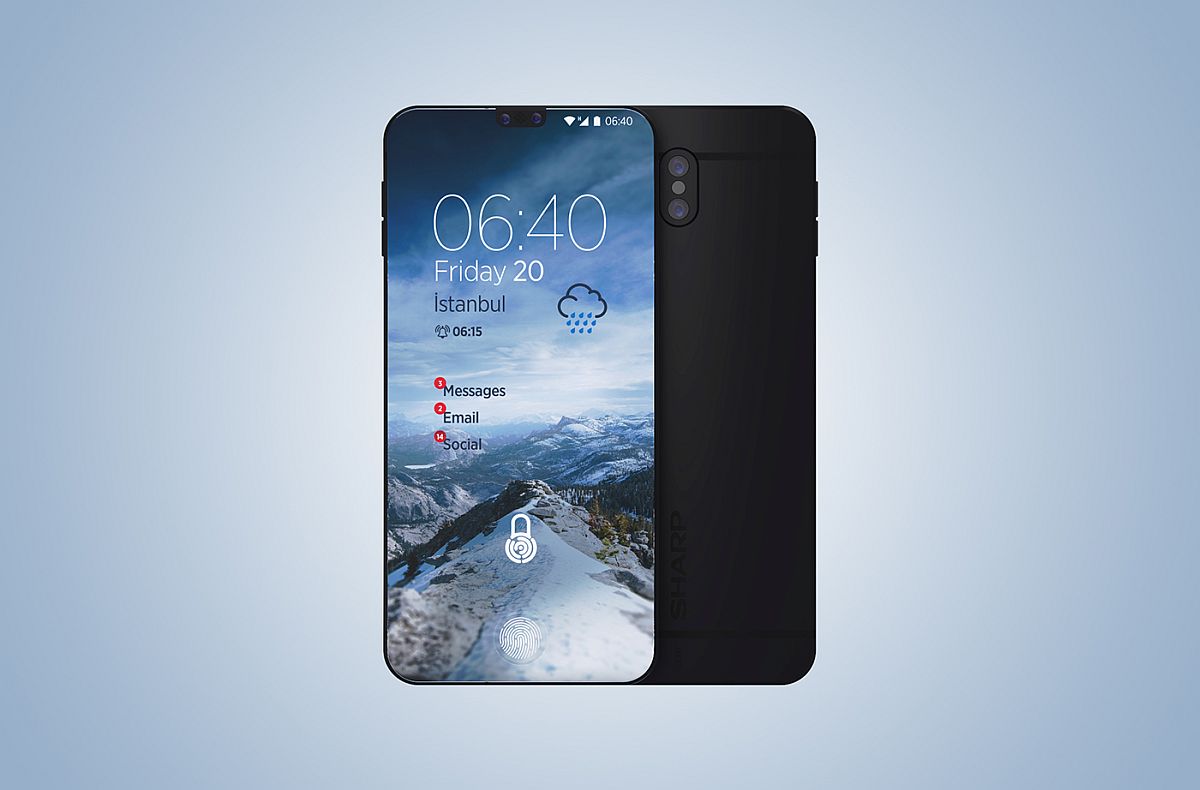
  • Sharp has patented a sleek foldable phone

    Sharp has patented a sleek foldable phone

    Sharp is not a smartphone brand that makes the news frequently. Its phones are mostly sold in Japan with some models making an appearance in Europe as well but in fairly small numbers. This is probably no one is expecting them to have a go at the latest trend in mobile tech: foldable smartphones. By now, you’re probably familiar with the Galaxy Fold and the Huawei Mate X, the two phones of that new class that you’re most likely to see in the real world (if you’re lucky). We’ve also seen hints that Motorola and Google are working on their own interpretations as well.

    Coming from patents yet again is information about Sharp’s intentions for a foldable phone. Picked up by LetsGoDigital and visualized in renders are drawings from an application to WIPO (World Intellectual Property Office) that was submitted by the Japanese tech giantThe design proposed by Sharp has some familiar elements with a twist. The fold of the display is horizontal, similar to that of the rumored Motorola phone, which means the screen size will be similar to current flagship phones, but the device will be more compact when folded. That approach has its advantages, but it seems that users have now accepted the form factor of current phones and prefer to get a larger display if their device is to be foldable.

    There are two things that grab our attention when looking at these renders. First, there seems to be no gap when the device is folded, which is something current foldable displays can’t accomplish. Of course, devices in renders are often quite different from real products, so it’s too early to judge. Sharp is one of the major display manufacturers, however, and it’s possible that the company is working on its own tech to achieve those results.

    The other curious thing is that the device has two hinges about half an inch apart, which allows the lower panel to either completely cover the top one or to leave about an inch of the display clear for notifications and other system indicators. While that might be handy in some situations, the added hinge is also another weak point for this device.

    There also appears to be no selfie camera in the drawings Sharp submitted, but this is likely just another omission until the design reaches a stage closer to realization.

    Currently, there are no hints from Sharp when or if we should expect a device like the one pictured above, but we certainly hope that more companies will join the foldable phone stage with their own ideas.
  • Smartphones that fold up are coming by 2019, says Samsung engineer

    Smartphones that fold up are coming by 2019, says Samsung engineer

    A Samsung engineer recently said that he expects foldable smartphone displays to be ready for mass consumption in 2019.

    “Because the bezel-free display currently sells so well, we still have enough time to develop foldable displays,” Samsung Display principal engineer Kim Tae-woong. “The technology is expected to be mature around 2019.”

    A foldable display will pave the way for gadgets that can be folded into smaller sizes. Imagine a tablet that can be folded into a smartphone that can be folded into something even tinier and more pocket-friendly.

    Phone-makers have experimented with this sort of “foldable” technology before, though rather unsuccessfully. Kyocera launched a phone on Sprint named the “Echo” that folded in half, but used two separate display panels instead of a truly foldable display.

    A report last summer suggested that Samsung was going to launch a foldable smartphone much sooner. The device, reportedly code named “Project Valley” inside Samsung, was expected to make its debut in February during Mobile World Congress. No such device ever materialized in public view.

    There’s another reason why Samsung may be dragging its feet with foldable screens, though.

    Samsung is currently leading the market in bendable displays. Its curvy displays have been used in its flagship smartphones for the past several years, most recently making an appearance on the Galaxy S8 that launches later this month. They’re used to minimize the bezels on the front of a smartphone, allowing for a display that appears to pour over the edges of the device. Foldable displays will make bendable screens obsolete.

    The comments made by Tae-woong suggest that Samsung is going to take its time perfecting foldable displays, especially while interest in its bendable screens is still growing. Rumor has it, for example, that Apple will finally adopt Samsung’s display technology, possibly employing a bendable AMOLED display in the iPhone 8.