Tag: food imports

  • Australia Ships First Ecoganic Bananas to Japan After 28 Years

    Australia Ships First Ecoganic Bananas to Japan After 28 Years

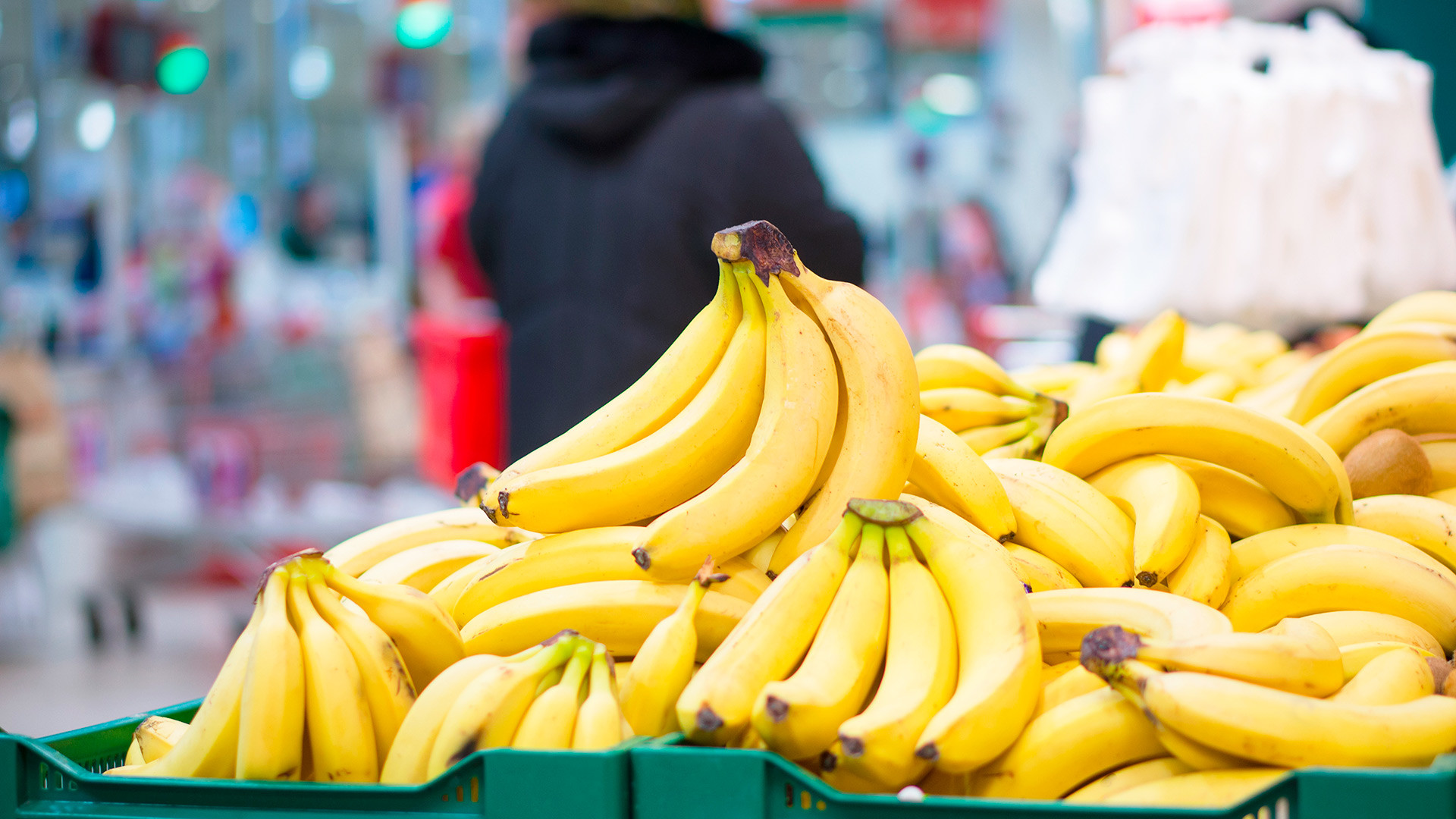
    Australian grower Pacific Coast Eco Bananas has begun shipping its red-wax-tipped bananas to Japan, marking the country’s first “ecoganic” export after 28 years of development.

    Founder Frank Sciacca established the certified cultivation method in 1998 to rebuild depleted soil and counter pest outbreaks without heavy synthetic chemical treatments.

    The proprietary farming system yields bananas that are sweeter and last longer on store shelves than standard varieties, helping the operation break into a competitive Asian grocery sector.

    Chemical cuts

    Grower Frank Sciacca started the farming system in 1998 in Australia. Heavy chemical applications had drained farm soil health and multiplied pest infestations across his acreage. Sciacca stripped out standard commercial sprays in favour of ecological management, creating fruit that lasts longer on supermarket shelves and delivers higher sugar readings.

    Workers dip the fruit tips in bright red wax prior to packing. The visual marker separates the produce from conventional Cavendish stock inside wholesale terminals and retail display cases.

    Targeting premium produce aisles

    Japanese grocery buyers pay steep markups for imported fruit with verified clean-agriculture credentials.

    Premium grocers across Japan manage tight display footprints and penalise stock that spoils fast under store lighting. The longer shelf durability of the ecoganic product gives distribution partners wider stocking windows across metropolitan distribution hubs.

    Expansion across Pacific trade lanes

    Pacific Coast Eco Bananas worked for nearly three decades refining yields before clearing regional export standards for East Asia. Australian horticultural exporters face strict biosecurity protocols when clearing shipments into Japanese import terminals.

    Retailers in Japan will track clearance volumes through major ports as the brand tests broader supply lines across the Asia-Pacific network.
  • Italian Trade Agency Targets Australia in 18-Month Retail and Foodservice Push

    Italian Trade Agency Targets Australia in 18-Month Retail and Foodservice Push

    The Italian Trade Agency is running an 18-month commercial push across Australian grocery and foodservice channels to widen distribution beyond core staples.

    Sydney-based Trade Commissioner Alessandro Lamura, who began his role on August 31, leads the effort targeting hotel catering, institutional dining and major supermarket shelves with specialty bakery goods, sauces, confectionery and frozen foods.

    Targeting Professional Kitchens and Supermarket Shelves

    Italian exporters have long relied on steady demand for pasta, extra virgin olive oil, wine, cheese and cured meats. The agency now wants to place preserved goods, specialty ingredients and ready-to-use food solutions into mainstream supermarkets and independent delicatessens.

    Foodservice sits at the center of the push. Lamura wants Italian ingredients in commercial restaurant groups, hotel kitchens and institutional catering operations, moving past traditional Italian dining rooms. As an institutional matchmaker, the agency gathers market intelligence and connects Italian producers directly to Australian importers, distributors and retail buyers.

    Shifting from Re-Export Hubs to Final-Destination Retail

    Lamura took charge of the Sydney office on August 31. He previously served as deputy trade commissioner across the United Arab Emirates, Pakistan and Oman. Unlike Middle Eastern trade hubs built on logistics zones and re-export volumes, Australia is a high-value domestic market with strict biosecurity protocols and long distributor vetting cycles.

    Australia offers reliable margins for European suppliers eyeing Asia-Pacific. Still, it demands local compliance and shelf consistency. European producers frequently struggle with national biosecurity rules and high transport costs across the continent. Direct work with domestic distributors aims to cut inventory delays and secure permanent shelf space against domestic and regional Asian food brands.

    Strengthening Commercial Presence After Melbourne Trade Event

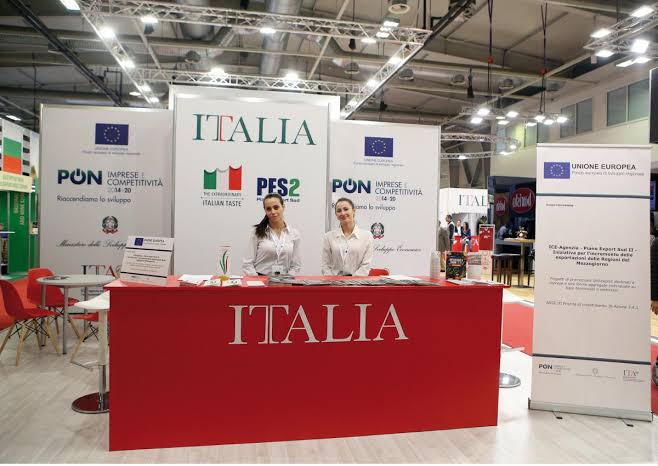
    This campaign follows the Italian National Pavilion at Fine Food Australia 2026 in Melbourne, which included an August visit by Italian Trade Agency president Matteo Zoppas. Zoppas directed the Sydney office to secure deeper ties with Australian grocery chains and digital marketplaces while expanding attendance at regional industry exhibitions.

    Preparations are underway for Italy’s pavilion at next year’s trade exhibition. The agency will add a live demonstration kitchen and product workshops for commercial buyers.

  • Japanese Retailers Lock in FX Contracts as Weak Yen Hits Profits

    Japanese Retailers Lock in FX Contracts as Weak Yen Hits Profits

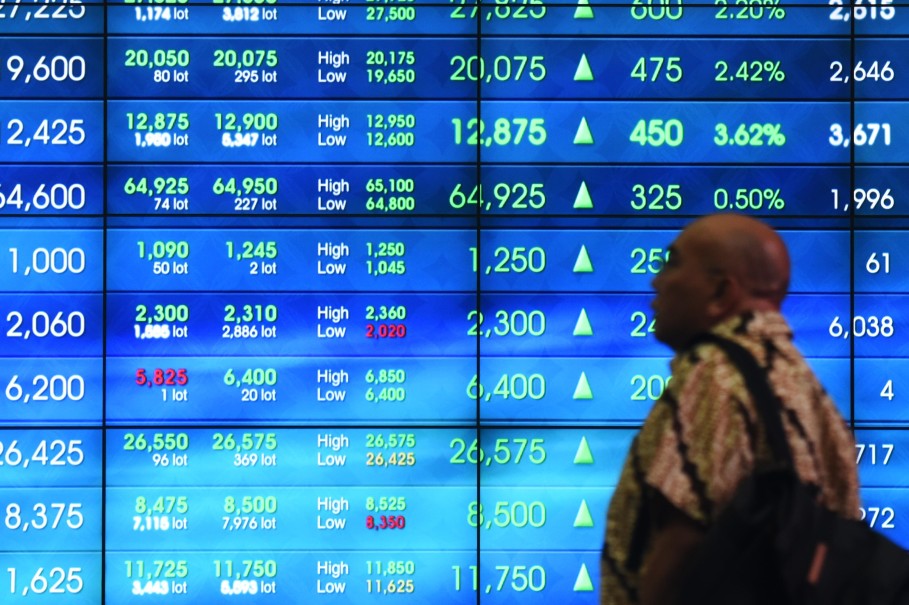
    Japanese retailers are overhauling supply contracts and turning to financial derivatives as the yen hovers near 159 per dollar, driving up import costs across food and consumer goods.

    The currency has shed more than 30 per cent against the greenback over the past five years, eroding buying power for domestic store operators that rely heavily on overseas agricultural products, raw materials and finished goods.

    Supermarkets Shift Supply Terms

    Takara MC, which runs 43 supermarkets south of Tokyo, has abandoned monthly price negotiations with overseas suppliers in favour of quarterly and annual agreements. Chief executive Taku Ueno said securing terms for up to a year on imports such as US beef, Spanish olive oil and Italian tomatoes allows the chain to shield shoppers from immediate price increases on store shelves.

    Securing supply deals has grown harder as rival buyers from China and Thailand consistently outbid Japanese grocers for commodity shipments.

    Bankers report that small and mid-sized store operators, which previously absorbed modest currency swings, are now turning to futures, forwards and options contracts to limit their balance sheet exposure.

    Corporate Hedging Stretches Further

    Nitori Holdings, the country’s largest furniture retail chain, estimates that every 1 yen drop against the US dollar reduces its operating profit by roughly 2 billion yen ($12.5 million). While the company has avoided direct hedges to date, it is reviewing forward contracts if currency weakness continues.

    Brokers in Tokyo say hedging volume is expanding well beyond traditional tenors. Daiwa Securities noted that client requests to lock in exchange rates have stretched from the usual few months out to as long as five to 10 years, while Bank of America expanded its Tokyo foreign exchange sales team over the past two years to handle the surge in corporate demand.

    For retailers across East Asia, Japan’s currency predicament shows how sustained foreign exchange weakness can upend long-standing retail pricing models. Competitors elsewhere in the region, operating with firmer currencies, continue to snap up global agricultural allocations that once went routinely to Tokyo buyers.

    Market participants at JP Morgan project the dollar-yen rate will persist in the 155 to 165 corridor, keeping the pressure firmly on Japan’s store operators as contract renewals approach in the coming quarter.

  • South Korea Tightens Regulatory Requirements for Foreign Food Facility Imports

    South Korea Tightens Regulatory Requirements for Foreign Food Facility Imports

    South Korea has strengthened its regulatory framework for food imports, imposing tighter requirements on overseas facilities that manufacture and process products bound for the domestic market.

    The updated measures target foreign food manufacturing plants and export facilities, increasing scrutiny on safety standards and compliance records before shipments clear customs.

    Stricter oversight for overseas facilities

    Under the enhanced framework, overseas food production sites supplying South Korean buyers must meet updated registration and safety verification rules. Importers and foreign operators must maintain verified documentation confirming compliance with national safety standards, reducing contamination risks across cross-border supply chains.

    Border authorities retain the mandate to audit and inspect overseas facilities directly when risk factors or compliance discrepancies arise during entry processing.

    Regional trade and compliance demands

    Regulators across East Asia continue to raise the bar for food safety governance, aligning import protocols with domestic manufacturing standards to protect consumers. Stricter facility requirements place heavier administrative obligations on international food brands and regional suppliers exporting packaged food, raw ingredients, and agricultural commodities to South Korea.

    Foreign suppliers and domestic importers must complete required registrations and facility filings ahead of scheduled shipping cycles to prevent port delays and product rejections.