Tag: food industry

  • Mandatory addition of micronutrients hurting Vietnam’s food industry

    Mandatory addition of micronutrients hurting Vietnam’s food industry

    A decree requiring the addition of micronutrients to food products is making them unattractive and more difficult to sell, industry insiders say.

    The decree, which went into effect last year, requires businesses to include iodine in salt and iron and zinc in wheat flour.

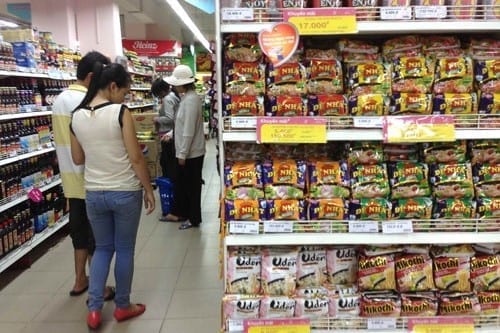
    Asahira Keita, deputy marketing director of food firm Acecook Vietnam, said the mandatory inclusion of minerals like iron or zinc in flour has hurt his company.

    Keita said the resulting flour has a darker color than normal flour. Its texture also changes and makes the end product less appealing to customers, he added.

    “To make our food products more appealing, we would have to research new recipes, which would certainly cost us more,” he said.

    Keita had other concerns too. Several countries don’t allow the inclusion of micro-nutrients in food products, so Vietnamese food firms would need to go through lengthy procedures to export food products with micronutrients into such countries. Foreign customers are also not fond of food products with micro-nutrients, he said.

    “This is a tough challenge for businesses like ours. We might even have to stop exporting products into these long-time partner countries, just because they don’t have the same requirements as Vietnam does,” Keita said.

    He said one solution could be to create two types of flour separately; one for domestic use and another to be exported. But doing so would be too costly and expensive, as the firm, which is currently deploying an automation-focused production model, can only afford one automated system. Right now, it is being used to make flour infused with iron and zinc for domestic use.

    Therefore, flour without iron or zinc that is used for export products, must be manually packaged.

    “This is too costly, time-consuming and inefficient,” said Keita.

    Processing challenges

    Businesses are also finding it hard to follow the decree’s guidelines as the processing method could change the levels of micro-nutrients in the products.

    Lam Ba Nhi, quality control director of Vietnamese meat processing firm Vissan, said the application of heat during food processing could destroy the iodine included in food products.

    Therefore, when food products are tested, levels of iodine present could be lower than the decree’s mandates, Nhi said.

    Lam proposed that the inclusion of iodized salt should not be made compulsory in food processing.

    Last month, the government had said the Health Ministry should carry out further research so that appropriate changes can be made to the decree, in which the inclusion of micro-nutrients in food products should only be encouraged, and not made compulsory.

    The Ministry of Health has not responded since.

    “We want the Ministry of Health to take action and follow the government’s suggestion,” said Nguyen Hoai Nam, deputy general secretary of Vietnam Association of Seafood and Producers.

    The decree came in the wake of advice from the Iodine Global Network, which ranks Vietnam among the top 19 iodine-deficient countries.

    The network had advised that Vietnamese people use iodized salt directly in food seasoning, food processing, and livestock feeding.

    Prolonged iodine deficiency can cause nerve damage among infants and children; and make pregnant women suffer miscarriages or go into preterm labor. Adults can also suffer goiter, nerve damage and mental illness.
  • India to become the gateway to the food industry

    India to become the gateway to the food industry

    India is all set to become the global manufacturing hub of the food industry, and to establish its presence and showcase its capabilities, the World Food India 2017 is being held in New Delhi, from 3rd to 5th November 2017. World Food India will be the largest gathering of investors, manufacturers, producers, food processors, policy makers, and food corporations from the global food ecosystem. The three-day event is being organised by the Ministry of Food Processing Industries, Government of India.

    World Food India intends to establish global linkages and facilitate foreign investment in India’s food retail market that services the needs and rising aspirations of the country’s 1.3 billion consumers – a ready market. The food processing industry accounts for over 9% manufacturing GDP and has emerged as critical component of India’s economy.

    World Food India aims to provide opportunities for both investment and trade in the food processing sector for leading Indian and international companies. Encompassing the entire food spectrum from production to consumption, World Food India is looking at creating a better sourcing environment, thereby enabling higher returns for farmers, creating employment, and fostering entrepreneurship. The three day mega event ‘World Food India’ will provide a platform to showcase offerings and services along the food value chain which includes production, processing, packaging, technology, equipment, storage, logistics or retail.

    Global food corporations, MSMEs & everyone connected directly or indirectly to the food sector are showing tremendous interest in World Food India 2017. The cuisines of India are inherently diverse in nature as each state in India come with a unique palate & offering. The World Food India aims to bring all the different states of India, as well as the global powerhouses in the food industry, together – for the first time.

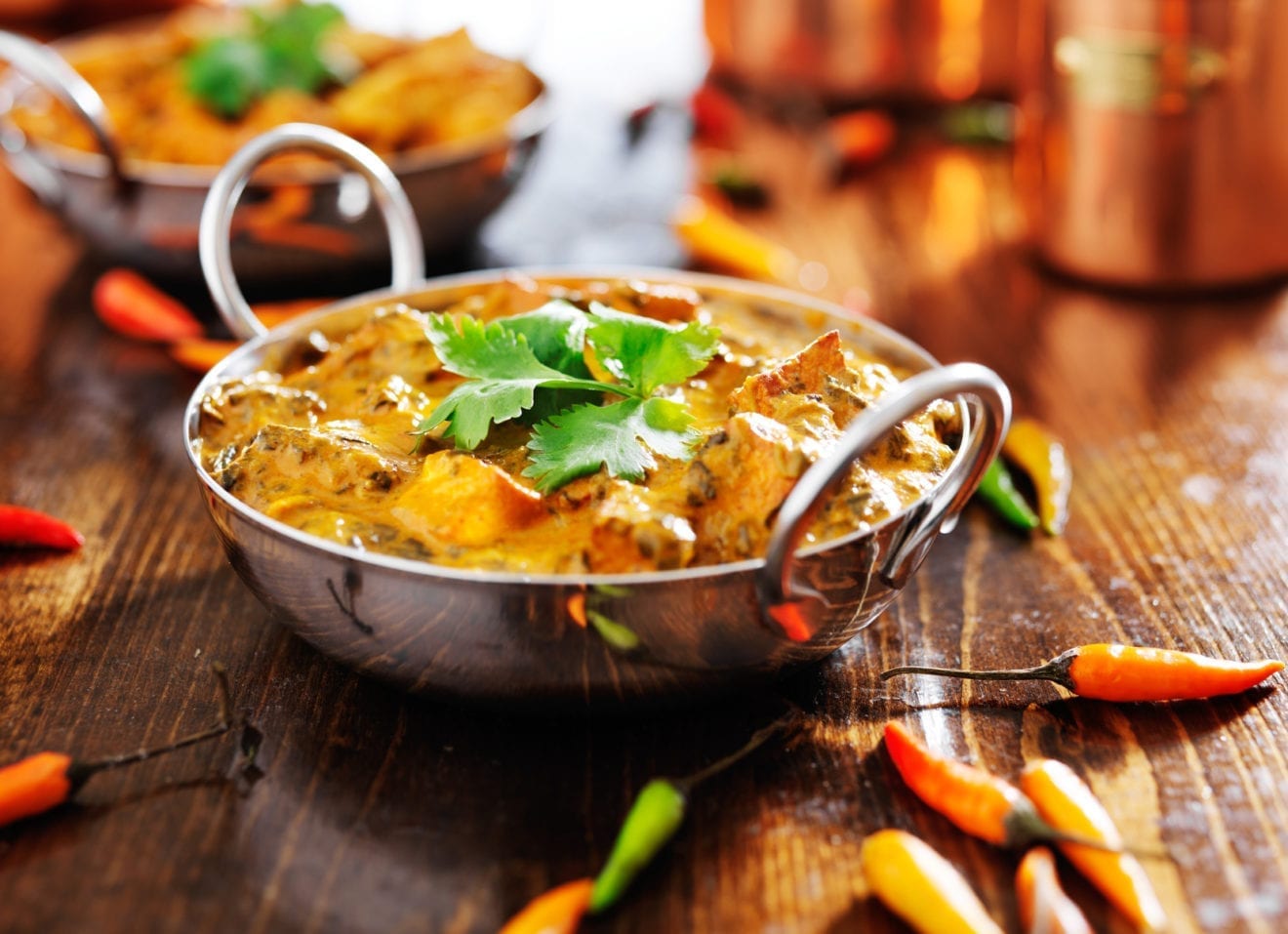
    World Food India will have exhibitions on the food processing industry, a Global CEO conclave, a country session, a state session, and conferences. One key attraction of the event will be the Food Street which will showcase food delicacies of the various states of India and as well as international cuisine. More details on World Food India 2017 can be found on this website.

  • Here’s why Singapore can depend on F&B industry for economic growth

    Here’s why Singapore can depend on F&B industry for economic growth

    It contributes $14.4b to the city-state’s GDP.

    The food industry has done more than relieving hunger as it has also made huge impact in the overall economic growth of Singapore, contributing a bulk to the city-state’s GDP.

    According to the Food Industry Asia report by the Oxford Economics, F&B industry contributes an estimated $14.4 billion to GDP and employs nearly 300,000 people.

    The study revealed that overall impact of the food industry is dominated by food distribution.

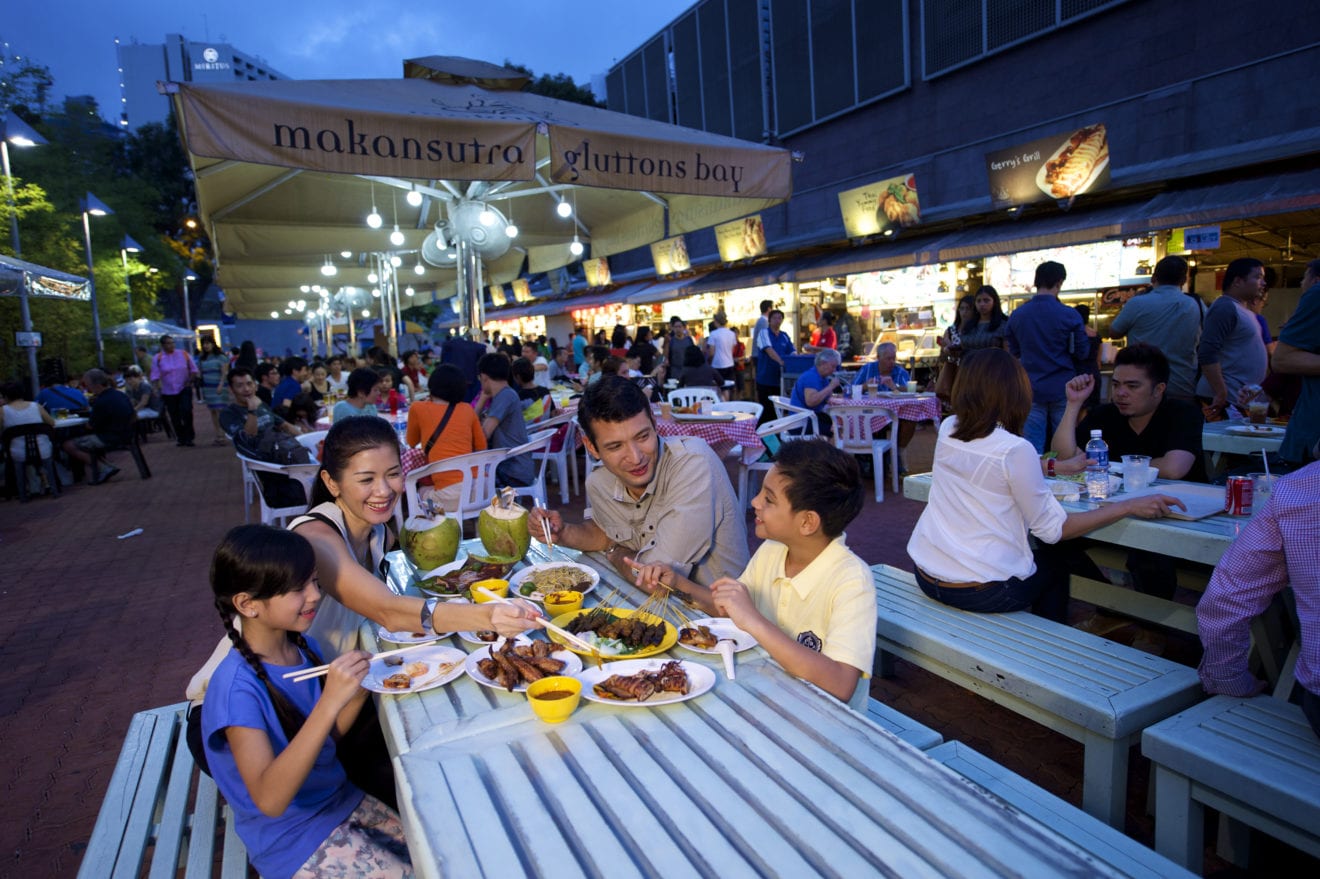
    “The wholesale and retail of food, along with activities linked to Singapore’s 6,700 food service locations (which include restaurants, coffee shops and street hawker stands) account for two-thirds of the food industry’s GDP contribution, and four-fifths of the employment it supports,” the study said.

    Meanwhile, the food manufacturing industry has also made a huge impact on Singapore’s GDP, with its direct support for 38,800 jobs.

    In 2014, the food manufacturing industry earned S$9.8 billion from sales in Singapore.

    More so, food manufacturers’ supply chain spending within Singapore supported $1.6 billion of domestic procurement, $610 million of GDP, 6,100 jobs, $31 million in tax revenues, and S$37 million in Central Provident Fund contributions in the same year.

    “Based on the report’s findings, the food manufacturing industry is equivalent in size to Singapore’s aerospace industry, and larger than industries such as speciality chemicals, petrochemicals, medical technology and land transport engineering,” the study noted.