Tag: food inflation

  • Australian Food Inflation Hits 3.2 per Cent as Grocery Categories Diverge

    Australian Food Inflation Hits 3.2 per Cent as Grocery Categories Diverge

    Australian food and non-alcoholic beverage prices climbed 3.2 per cent in the year to September, accelerating from 3 per cent in August as grocery price movements split sharply across individual categories.

    Official figures from the Australian Bureau of Statistics show that while overall grocery inflation has eased from its peak of 9.2 per cent in late 2022, category-level volatility is dictating basket costs for supermarket operators and hospitality venues.

    Fresh Produce Leads Supermarket Price Divides

    The headline pace hides wide gaps on the shelves. Fruit prices jumped 10.2 per cent over the 12 months to September, and beef and veal rose 5.8 per cent. Milk prices climbed 5.4 per cent over the same period, while dining out and takeaway food recorded a 3.9 per cent increase. By contrast, pork prices declined, giving retail buyers brief relief in an otherwise climbing protein basket.

    RaboResearch senior food analyst Michael Harvey pointed out that price shifts are no longer running evenly through the aisles. “Rather than broadbased inflation across the supermarket basket, we’re now seeing much greater divergence between categories,” Harvey said.

    Distributors Warn of Seven Per Cent Wholesale Jump

    Cost pressures upstream threaten to erase recent stability for commercial kitchens and supermarket suppliers. Countrywide Foodservice Distributors, an industry group representing almost 100 distributors that serve 80,000 businesses and institutions across Australia, warned that domestic operators can no longer absorb rising operational overheads.

    The group projects an average increase of 7 per cent across food and beverage lines. Mounting freight outlays, higher fuel expenses and a global squeeze on synthetic nitrogen fertiliser linked to conflict in the Middle East are lifting farmgate input costs. Because natural gas and Gulf shipping routes dictate global fertiliser pricing, Australian growers are paying more to establish upcoming crops, which distributors expect to pass straight through to wholesale pricing schedules.

    Margin Squeeze Shifts to Private Label and Sourcing

    For supermarket chains and foodservice groups across the region, widening price gaps between categories destroy predictable margin structures. When basic produce like fruit spikes at double-digit rates, consumers trade down to discount private-label alternatives, purchase processed shelf-stable substitutes or trim basket sizes altogether.

    Retailers operating in Australia cannot lean on uniform across-the-board supplier price increases without alienating shoppers whose overall household budgets remain pinched. Margin defense now rests on selective category renegotiations: buying desks must swallow higher fruit and dairy inputs while exploiting cheaper pork supplies and flat packaging lines to keep basket totals manageable.

    Long Tail of Earlier Price Increases

    The current divergence follows five years of compounding retail food price escalation. An inquiry by the Australian Competition and Consumer Commission documented a 23 per cent surge in food and non-alcoholic beverage prices between March 2019 and June 2024. Although the annual rate of increase has downshifted from the 9.2 per cent recorded in the December quarter of 2022, the price baseline remains permanently elevated.

    The immediate indicator to track is the upcoming Australian Bureau of Statistics consumer price index release for the December quarter, which will confirm whether distributor-projected 7 per cent wholesale increases have begun flowing into supermarket checkouts.
  • Japan Home Centre Accepts Onions as Payment for up to 3 Items

    Japan Home Centre Accepts Onions as Payment for up to 3 Items

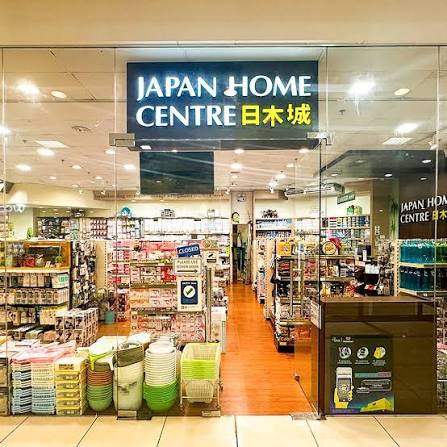
    Japan Home Centre held its “Pay with Sibuyas” campaign on Saturday, February 4, allowing customers to use onions as payment at its Panay Avenue branch in Quezon City.

    Under the one-day promotion, shoppers could swap one onion in exchange for a selected in-store product, with a maximum of three items allowed per purchase.

    How the barter checkout functioned

    The retail store accepted all kinds of onions for select merchandise, and Japan Home Centre stated that all collected onions would be given to a community pantry that provides free food for those in need.

    Management routed every bulb into a local community pantry network that distributes free food to low-income residents across Quezon City. The retailer absorbed the inventory cost directly as promotional expense and community assistance.

    The economics of grocery marketing gimmicks

    Barter promotions let general merchandise chains convert regional supply bottlenecks into customer foot traffic without cutting sticker prices across their wider assortment. Non-grocery discount stores step into the gap when everyday food staples turn into luxury commodities.

    Financial exposure stays low because the retailer caps redemptions at three units per shopper. The chain also limits eligible SKUs to high-margin, low-cost plastic ware and kitchen sundries. These stunts generate sudden foot-traffic spikes for mall landlords and retail neighbors, but conversion into cash-paying shoppers across regular aisles stays modest once promotional stock runs out.

    Wholesale price surges and infrastructure gaps

    Domestic retail prices for onions across Metro Manila wet markets and supermarkets reached 700 pesos per kilo in December 2022. That was roughly eight times higher than the global average of 1.54 dollars, or about 84.87 pesos, per kilo recorded across 89 tracked countries.

    Delayed import clearances and chronic storage deficits across agricultural provinces in Luzon triggered the domestic spike. Local farmers dumped bumper crops during harvest months without refrigerated warehouse capacity. That left urban retail distribution chains exposed to severe shortages and price spikes later in the crop cycle.

    Supply controls and import volumes to monitor

    Agricultural agencies have since scheduled off-season import shipments and started inspections of provincial cold storage facilities to stabilize retail distribution costs. Retail buyers across Metro Manila now watch whether wholesale farmgate prices drop back toward the baseline of 100 pesos per kilo before the next domestic harvest enters wholesale depots.

  • Australian Grocery Baskets Rise 8.5% as Shoppers Trade Down

    Australian Grocery Baskets Rise 8.5% as Shoppers Trade Down

    Australian households face an 8.5 per cent jump in standard grocery costs, pushing four-person families to spend an average of $245 weekly at supermarket checkouts. That identical basket of goods climbed to $232 in July 2026 from $214 in March 2025, according to tracking data from consumer research firm Canstar.

    Overall household grocery spending rose two per cent year on year from an average of $240 per week, held down only because shoppers are actively ditching premium items and buying cheaper alternatives. Research from ANZ Institutional shows consumers are managing higher food costs by swapping beef for chicken, picking private-label staples like pasta and canned tomatoes, and structuring purchases around promotional cycles.

    Trading down to private labels

    Price scrutiny has altered basket composition across major supermarket chains. Canstar survey data indicates 40 per cent of shoppers cut back on discretionary treats and snacks, while 38 per cent spend extra time evaluating unit pricing on shelves. Another 30 per cent target marked-down stock, and 25 per cent now buy supermarket home brands instead of proprietary labels.

    The shift demonstrates how consumer adaptation blunts headline shelf inflation. Families who alter their purchasing baskets shield their weekly budgets, while those maintaining rigid preferences for items like fresh beef, dairy and convenience foods absorb the full weight of cumulative price gains.

    “Food inflation doesn’t just change prices; it changes habits,” said Matthew Mann, director of research and analysis at ANZ Institutional.

    Margin squeeze for national brands

    For packaged goods manufacturers and tier-one food brands, this behavioral pivot threatens market share in key dry-grocery and dairy categories. Major supermarket operators in Australia continue to expand their private-label ranges, securing margin while offering entry-level price points that squeeze branded suppliers off shelf space.

    Suppliers unable to fund trade promotions or justify premium pricing risk permanent volume losses as private-label loyalty solidifies. The margin pressure sits heavily on domestic food processors, who must navigate higher logistical and ingredient costs without full pricing power at the retail negotiating table.

    Tracking the checkout shift

    Cost pressures built steadily through 2025 before escalating into mid-2026, compounded by wider supply chain friction and energy costs. University of Sydney retail researcher Lisa Asher noted that real wage growth has failed to keep pace with cumulative food cost increases over that window.

    The key metric for Australian retail suppliers through the final quarter of 2026 is volume recovery in branded meat and snack categories as promotional discounting deepens.