Tag: food manufacturing

  • Calbee Launches POP LAYERS Snack Brand in Thailand Starting at 7-Eleven

    Calbee Launches POP LAYERS Snack Brand in Thailand Starting at 7-Eleven

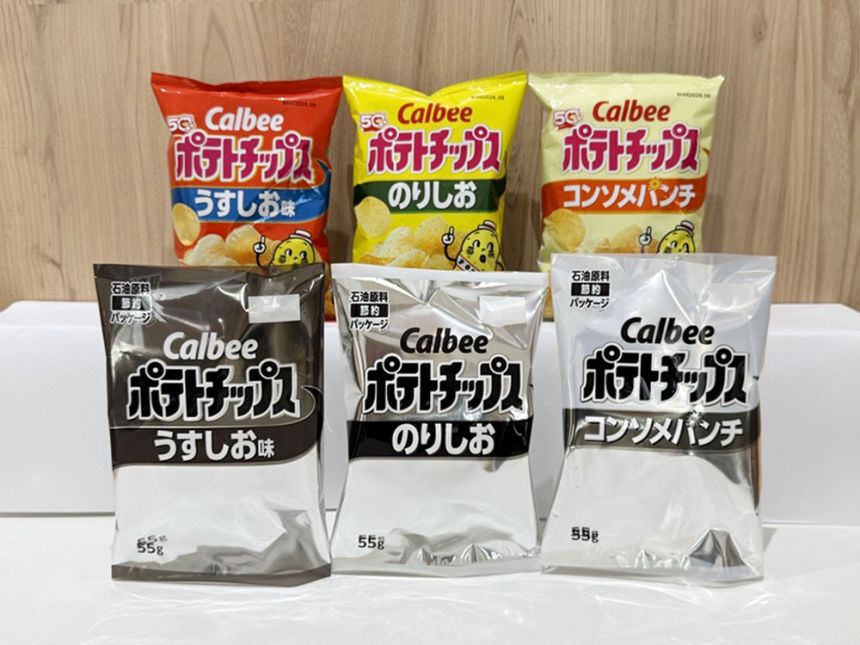
    Calbee launched POP LAYERS in Thailand in October 2026 as a new Asia-Oceania snack brand. It targets younger consumers with three multilayer corn chip flavours. Convenience store chain 7-Eleven secured exclusive initial rights to sell the lineup nationwide.

    Three varieties lead the rollout: Salt, Cheese, and BBQ. The BBQ flavour remains exclusive to 7-Eleven branches. Salt and Cheese will expand to other retail channels roughly four weeks after the debut.

    Production base in Indonesia powers regional export

    To develop POP LAYERS, Calbee adapted the production processes and recipe behind GuriBee, a four-layer corn snack made in Indonesia. PT. Calbee-Wings Food, a joint venture established in 2021 between Calbee and Indonesia’s Wings Group, expanded manufacturing capacity to supply overseas markets beyond its domestic Indonesian network.

    This approach alters Calbee’s traditional practice of exporting Japanese formulations into Southeast Asia. Local manufacturing in Indonesia allows the company to test textures and flavours against regional consumer taste profiles before distributing across neighbouring ASEAN territories.

    “POP LAYERS is a new brand originating in Indonesia developed to reach more consumers around the world. Beginning with Thailand, we aim to drive further growth overseas and strengthen our global business foundation.”

    Shifting competition in Thailand’s savoury snack market

    Thailand serves as the testbed because fabricated and extruded snacks continue to gain share in the country’s savoury snack segment. Urban shoppers show high trial rates for novel textures. That appetite creates shelf space for layered corn chips against standard potato crisps.

    Exclusive items like the 7-Eleven BBQ variant drive store foot traffic for retail partners. For Calbee, Indonesian manufacturing delivers a lower unit cost than shipping finished goods from domestic Japanese plants. That setup protects operating margins against currency swings.

    Overseas targets under 2035 corporate strategy

    The regional push fits into Calbee’s long-term business plan, titled Accelerate the Future. That strategy positions international business units as the central growth engine through 2035. The expansion aims to offset aging demographics and slower volume growth inside Japan.

    Earlier regional efforts brought several market-specific lines to Southeast Asia. These included localized Ebisen variations and healthier Frugra lines in Thailand, alongside recipe trials in Singapore. The Indonesian venture gives the group a dedicated regional manufacturing hub to run parallel product development.

    Next distribution steps across Asia-Oceania

    Supermarkets and hypermarkets in Thailand will receive the Salt and Cheese flavours in November 2026. Calbee then plans to roll out POP LAYERS into additional Asia-Oceania markets. Factory output at the Indonesian joint venture will determine the launch schedule across the region.
  • Daesang Expands US Kimchi Output as Brand Captures 56% of South Korea Exports

    Daesang Expands US Kimchi Output as Brand Captures 56% of South Korea Exports

    South Korea’s Daesang Corporation captured 56 per cent of the country’s total kimchi exports in the first half of 2026, generating 48 million dollars in overseas shipments.

    Total South Korean kimchi exports reached 86 million dollars during the six-month period, cementing the United States as the group’s largest foreign market.

    California Plant and Supply Sourcing

    The Seoul-listed food group expanded output across North America through its 10,000-square-metre facility in the City of Industry, California, and its 2023 purchase of food maker Lucky Foods. The California factory provides 2,000 metric tons of annual processing capacity, holding dedicated cold-storage rooms and running lines for regular, vegan, white, cucumber and extra-spicy Silbi recipes.

    Daesang buys napa cabbage, radishes and green onions directly from growers in the United States. Sourcing produce locally allows the manufacturer to bypass trans-Pacific shipping schedules and preserve crispness across its mainstream supermarket accounts in western and central states.

    Mainstream Retail and Product Tweaks

    Asian packaged food producers face flat domestic populations and high ocean freight expenses, pushing operators to build manufacturing inside export destinations. By establishing factory lines in California, Daesang avoids refrigeration surcharges and port congestion that erode margins on perishable shipments sent from South Korea.

    Building local production networks introduces new supply-chain liabilities. Processing regional crops exposes the company to North American harvest price swings, while reformulating recipes for western supermarket chains risks alienating traditional Asian diaspora shoppers who built the brand’s initial market share. Daesang is calculating that volume from mainstream retail shelves will easily offset higher US factory overheads.

    Portfolio Shift Beyond Korean Grocers

    Jongga began expanding out of Asian supermarket channels into broadline American grocery stores in 2019. The company completed its California plant in early 2022, becoming the first Korean food maker to operate a commercial-scale kimchi facility on American soil, before buying Lucky Foods a year later to add the Seoul Kimchi brand to its stable.

    Global export sales for the brand tripled from 32 million dollars in 2017 to 90 million dollars in 2025. The United States overtook Japan in 2023 as the label’s highest-volume international destination, supported by distribution agreements that put jars into mainstream grocery aisles.

    Global Scale and Product Formats

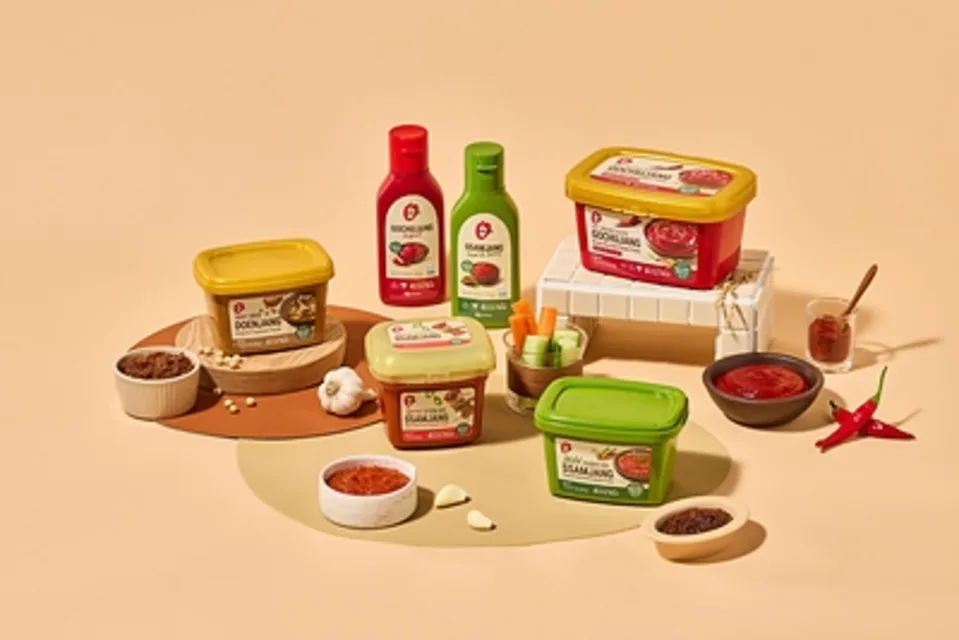
    To match western consumer eating habits, Daesang widened its catalog beyond whole fermented cabbage. The lineup includes shredded carrot and green cabbage blends, mild white varieties, apple-beet-carrot mixtures, spreadable kimchi pastes for bread and crackers, and portioned Crunchy Bites containers.

    Commercial collaborations have also entered the schedule. In 2024, Daesang partnered with San Francisco chef Corey Lee to sell San Ho Won Kimchi lines under its Gourmet Edition badge.

    The United States has emerged as Jongga’s largest export market and is a key market for our global kimchi business.

    Retail analysts will track Daesang’s full-year 2026 sales reports to see whether overseas kimchi revenue tops the 90 million dollar total booked in 2025.

  • PepsiCo Backs Australia Foods Unit with $150 Million Produce Spend

    PepsiCo Backs Australia Foods Unit with $150 Million Produce Spend

    In September 2026, PepsiCo highlighted the scale of its Australian supermarket presence, supported by an annual spend of about $150 million on locally grown produce.

    The company’s domestic foods business spans household snack brands including Smith’s, Red Rock Deli and Doritos, backed by three manufacturing sites and more than 1,700 employees.

    For Alexia Horley, CEO of PepsiCo’s Australia and New Zealand foods business, a key focus is keeping its familiar brands relevant and visible across store shelves.

    Sourcing and Factory Operations

    Local agricultural supply chains form the backbone of the manufacturer’s domestic processing network. The company directs approximately 150 million Australian dollars each year into domestic farm produce, primarily processing potatoes and grains across three dedicated factories.

    Those production hubs include manufacturing facilities such as its Regency Park operations in South Australia. Plant operations run round-the-clock shift schedules covering bulk liquid intake, grain handling, automated frying, seasoning and high-density palletised distribution into national retail distribution centres.

    Rivalry in the Snack Aisle

    Competition in Australian grocery aisles is tightening as supermarket chains Coles and Woolworths push private-label alternatives against multinational branded goods. Discount retailers like Aldi continue to squeeze standard packet pricing across core chip segments.

    Branded manufacturers face pressure on margins from elevated ingredient input costs, transport tariffs and retail listing fees. To defend volume without discounting away brand equity, packaged goods suppliers must push established names into premium formats, alternative grain bases and cross-category pantry lines.

    Supply Chain Priorities

    Sustaining local manufacturing gives multinational consumer groups an operational hedge against international shipping volatility and foreign currency swings. Processing close to farm gates cuts transport lead times and secures direct supply agreements with domestic growers.

    The group has kept its regional manufacturing base intact while many consumer goods competitors outsourced production to lower-cost Southeast Asian packing hubs. That domestic manufacturing base allows fast product turnover and seasonal flavour runs tailored directly to Australian shoppers.

    Next Steps for Retail Distribution

    PepsiCo plans to roll out line extensions under its Smith’s and premium snack banners across supermarket networks over the coming retail quarters. Procurement teams are tracking raw material contracts across eastern state farming districts ahead of the next seasonal harvest cycles.

  • City Group Seeks Capital Market Pivot After Amassing Tk 26,000 Crore in Bank Debt

    City Group Seeks Capital Market Pivot After Amassing Tk 26,000 Crore in Bank Debt

    Bangladeshi consumer goods giant City Group is restructuring a portion of its Tk 26,000 crore bank debt after rapid expansion and currency headwinds left it squeezed across three dozen lenders.

    The maker of Teer flour, suji and soybean oil plans to raise up to Tk 1,500 crore from the capital market through an initial public offering, private equity, preference shares, corporate bonds or Sukuk.

    City Group built a household staple empire over decades, but a weaker taka, delayed factory utility hookups and aggressive capital expenditure pushed its balance sheet into trouble. Around 36 commercial banks now carry the exposure. Rather than relying entirely on bilateral bank roll-overs, the group announced in mid-August that it would tap outside investors for long-term equity and debt instruments to rebalance its funding base.

    The Imbalance in Corporate Funding

    The conglomerate’s liquidity squeeze exposes the structural fragility of private sector financing in Bangladesh, where commercial banks supply nearly 99 percent of corporate funds while capital markets generate just 1 percent. Industrial term-loan disbursements climbed to Tk 97,138 crore in fiscal 2025. By contrast, businesses raised only Tk 302 crore through initial public offerings and rights issues during the same twelve-month stretch.

    Equity markets remain sidelined across the country’s industrial sector. At the end of June, the Dhaka Stock Exchange market capitalization stood at 5.7 percent of national gross domestic product, ranking as the lowest ratio in South Asia. A World Bank survey showed that only 0.5 percent of local businesses view equity as a viable funding route, compared with 6.9 percent in neighboring India.

    Balance Sheets Under Borrowing Pressure

    Bank loans offer fast deployment, often clearing internal approvals within three months, whereas equity listings demand nine months or more alongside rigorous disclosure filings. That speed has created deep structural hazards for supply chain operators and consumer goods manufacturers across the domestic market. Defaulted loans across the banking sector exceeded Tk 600,000 crore by the end of June, representing 32.78 percent of total outstanding credit.

    Rising interest rates are accelerating the strain on operating margins. An assessment of 166 listed companies showed net finance costs surged roughly 26 percent year on year to Tk 8,871 crore in fiscal 2024-25. Perpetual loan rescheduling has shielded unhedged borrowers from formal insolvency, but it has locked commercial banks into carrying high corporate default risk on their balance sheets.

    Corporates do not stop borrowing because they do not face big problems if they default; rather, banks find ways to keep the corporates alive.

    Regional Lessons in Conglomerate use

    Heavy reliance on bank lending mirrors earlier developmental bottlenecks seen across East and Southeast Asia. South Korean chaebols expanded rapidly on bank use before the 1997 financial shock forced aggressive balance-sheet restructuring, reduced cross-guarantees and deeper capital market compliance. Indonesia faced a similar crunch during the same period, subsequently cutting corporate bank debt dependence down to 40 percent of business financing by 2007.

    Developing viable non-bank financing requires deep structural liquidity and verifiable reporting frameworks. Malaysia expanded its capital market to RM4.3 trillion in 2025 by creating active Sukuk and local corporate bond ecosystems with zero recorded defaults that year. Replicating that stability in Dhaka requires regulators to streamline listing timelines without compromising investor protections.

    Next Steps for Industrial Capital

    City Group’s Tk 1,500 crore fundraising rollout will serve as a test case for whether Bangladesh’s major private conglomerates can transition from short-term bank reliance to public and institutional capital. Regulators now face the task of tightening single-borrower exposure ceilings while speeding up bond and equity approvals. The key benchmark to track is whether domestic institutional funds step up to absorb the group’s planned issuance before the next debt restructuring cycle closes.

  • Baiada Opens Tamworth Plant to Process 1.5 Million Chickens Weekly

    Baiada Opens Tamworth Plant to Process 1.5 Million Chickens Weekly

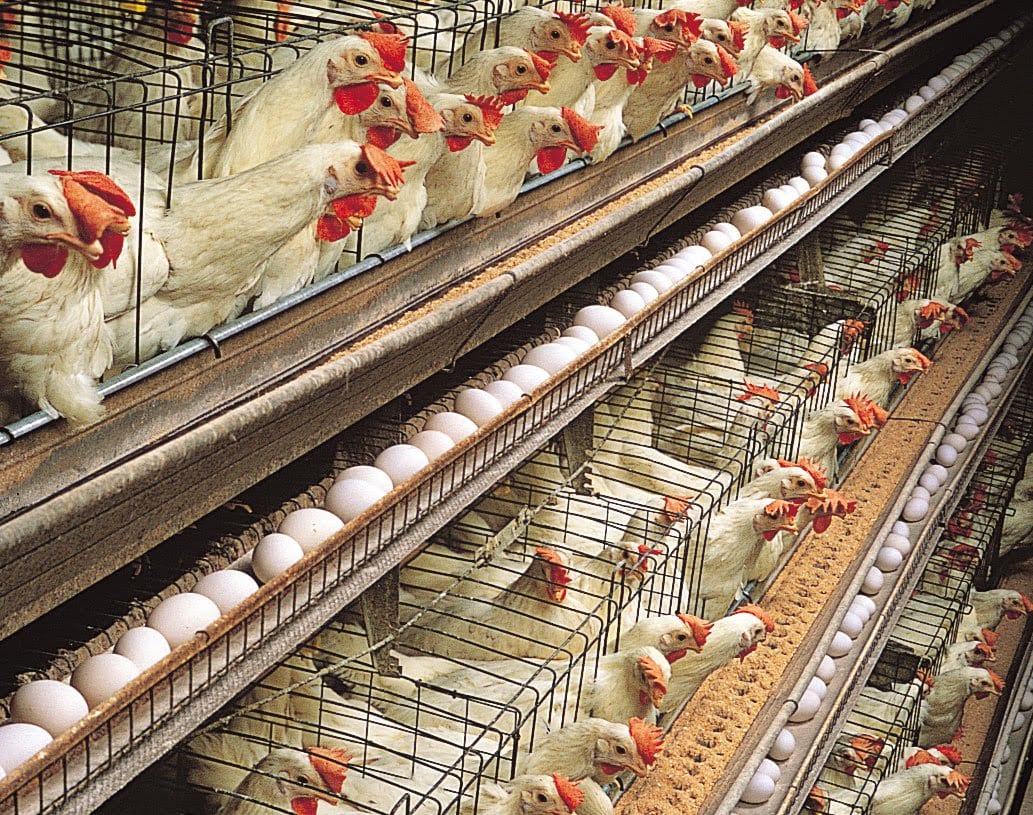
    Australian poultry producer Baiada opened its processing facility in Tamworth on September 16. The site began operations with a weekly capacity of 1.5 million chickens.

    The plant ranks among Australia’s largest regional food manufacturing investments. It supplies fresh poultry directly to domestic supermarket chains and commercial food service operators.

    Automation and Weekly Processing Volume

    Managing Director Simon Camilleri and Chairman John Camilleri launched the site as an integrated manufacturing hub. It combines automated processing lines, updated environmental controls and expanded worker facilities. These systems handle high-volume throughput with fewer bottlenecks.

    Processing 1.5 million birds every seven days gives Baiada immediate scale in northern New South Wales. The company built the site to centralise slaughter, cut-up and packaging closer to regional farming networks. That proximity cuts transit times for live birds.

    Supply Chain Pressure and Regional Competition

    Supermarket retailers Woolworths and Coles rely on Baiada for private-label and branded fresh poultry lines. By lifting throughput in Tamworth, Baiada adds capacity to protect volume commitments against rival processors like Ingham’s during peak seasons.

    Concentrating volume in a single regional facility raises operational exposure. Automated meat plants require uninterrupted cold-chain logistics and steady local labour pools to maintain target line speeds. Local disruptions can quickly ripple into retail distribution centres across eastern Australia.

    Long-Term Capacity Targets

    Baiada planned the Tamworth project to replace aging regional infrastructure and meet steady domestic consumption gains across wholesale and grocery channels. Past supply constraints across New South Wales pushed processors to build facilities that cut unit electricity and water usage per processed bird.

    Attention now turns to whether Baiada ramps line capacity beyond its initial 1.5 million weekly baseline toward peak engineered volume over upcoming processing cycles.

  • Sunrice Launches Microwave Rice Range with 10G of Protein

    Sunrice Launches Microwave Rice Range with 10G of Protein

    Sunrice launched a ready-to-heat rice lineup infused with collagen across Australia in September 2026, delivering at least 10 grams of protein per pouch.

    The product roll-out targets the 28 per cent of Australian grocery shoppers who actively seek high-protein items during routine supermarket trips, according to Euromonitor consumer data.

    Collagen across three core grain types

    Branded as Sunrice Microwave Protein+, the range introduces functional ingredients to standard Jasmine, Brown, and Basmati varieties. Each pack heats in 90 seconds, keeping the standard shelf-stable pouch format intact while committing further to nutritional density per serving.

    Fortifying basic carbohydrates with animal-derived collagen shifts rice from a pure bulk filler into the higher-margin functional meal category. Food manufacturers across Asia-Pacific face steady consumer migration toward protein-dense diets, forcing commodity grain processors to reformulate mature product lines.

    Shifting staple grains into functional grocery

    Supermarket operators in Australia continue allocating more centre-store shelf space to enhanced staples, where suppliers command pricing premiums over unfortified private-label equivalents. For Sunrice, lifting product margins through functional fortification provides a hedge against volatile farmgate grain prices and competitive retail discounting.

    Similar functional grain launches across regional markets in Southeast Asia and Japan have relied on plant isolates rather than collagen. Sunrice chose collagen to hit double-digit protein grams without altering the grain texture or extending cook times for microwave prep.

    Category expansion targets pantry shoppers

    Category trials have previously paired microwave grain pouches with legumes, seeds, and ancient grains. By partnering with research institutions including the CSIRO on processing techniques, the company has worked to stabilize nutritional additives during commercial pouch sterilization.

    Supermarket distribution for Sunrice Microwave Protein+ begins across major Australian grocers this quarter, with retailers tracking rate-of-sale numbers against standard single-serve pouches through the end of the financial year.

  • Australia Food Manufacturing Turnover Hits $182.6 Billion

    Australia Food Manufacturing Turnover Hits $182.6 Billion

    Australia’s food and grocery manufacturing turnover rose 5.5 per cent to $182.6 billion in the 2024-25 financial year. Steady consumer demand across supermarket aisles drove the increase.

    Total workforce numbers across processing plants and distribution hubs passed 301,000 people over the 12-month period. That headcount now represents 33 per cent of all manufacturing jobs in the country.

    Squeezed margins and factory payrolls

    The annual State of the Industry 2024-25 report from the Australian Food and Grocery Council shows steady top-line expansion across packaged goods, beverages and daily essentials. Yet the headline revenue growth conceals worsening operational headwinds inside processing facilities.

    Persistent cost pressures and compressed margins are reducing the capital available for factory upgrades, automation and long-term expansion, the council warned. While consumer spending on staples supported turnover, wholesale input prices and elevated running expenses continue to erode net profitability across supply chains.

    Regional production pressures

    Similar margin pressure affects food manufacturing hubs across the Asia-Pacific region. Processors face higher utility bills, freight volatility and stubborn ingredient costs. When consumer-facing brands cannot fully pass wholesale cost increases to supermarket buyers, capital spending plans are routinely deferred.

    Factory operators are now recalibrating capital expenditure budgets for the 2025-26 cycle. They continue to monitor wholesale input pricing ahead of supplier negotiations with national retail chains.