Retail News CRM

Tag: food waste

  • Yume launches click-to-donate scheme to reduce food waste

    Yume launches click-to-donate scheme to reduce food waste

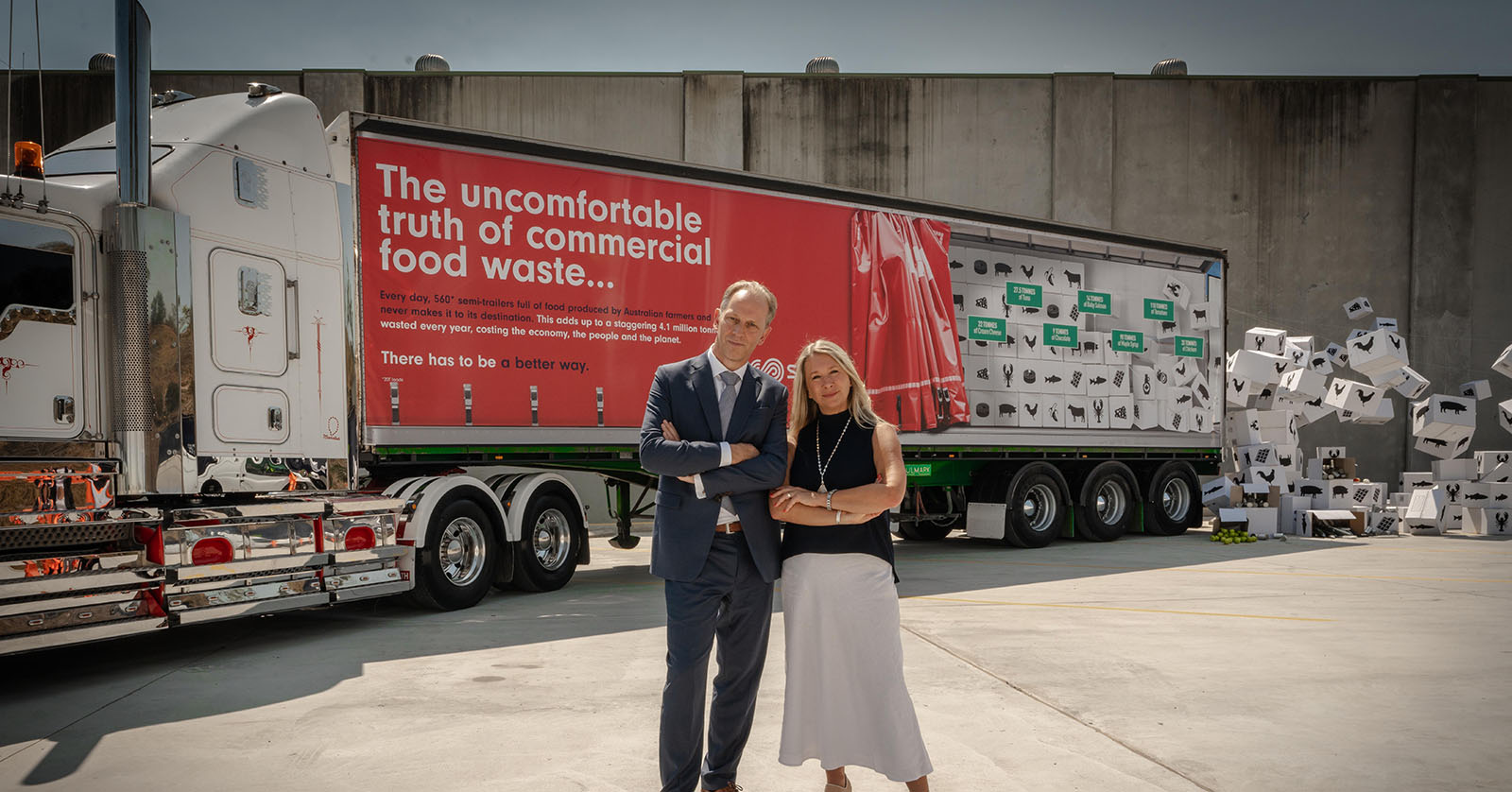
    The social enterprise has developed a one-stop solution for producers to sell or donate surplus food, all on the Yume platform.

    In August, Yume CEO and founder Katy Barfield said: “No one has invested money into streamlining the end-to-end clearance process plug in, so that is what we’re doing.

    “We want to manage it from surplus right through to sale or donation. We don’t want to change what the companies are doing; we just want to make it efficient.”

    For five years, Yume CEO and founder Katy Barfield has worked with commercial food manufacturers and primarily produces to cut the amount of food waste generated by the sector.

    While the focus on finding and selling high-quality surplus food on the Yume platform has been hugely successful – to date it has prevented close to three million kilograms of food from going to waste while returning more than $8 million to Australian businesses – there has been an ongoing issue of food not sold still going to waste.

    “We saw this as an opportunity to improve the food donation initiatives already happening within large-scale food producers,” Barfield said.

    With a $165,000 Victorian Government grant through the Recycling Victoria Circular Economy Business Innovation Centre (CEBIC) in FY21 to expand the platform to enable food suppliers to seamlessly donate surplus food to food rescue organizations, the role technology could play for the social enterprise was recognised.

    Yume was part of the Victorian Government’s start-up agency Launch Vic’s CivVic Labs Program, which works with companies to utilize technology more effectively. The Atlassian Foundation volunteered time to work on the project.

    LaunchVic CEO Dr Kate Cornick said they were keen to see Yume take the next step in its journey.

    “The capital they have secured will help them refine their product offer and propel their long-term growth,” Cornick said.

    Pilot partners

    Unilever, Mars Food, and General Mills partnered with Yume to pilot the program. Unilever Food Solutions managing director Australasia Yezdi Daruwalla said: “Partnering with Yume means we have an efficient and streamlined process to donate surplus products to those in need. Since 2018, we’ve prevented 40,000 kilograms of surplus food from going to waste – this is equivalent to 79,526 kilograms of CO2 prevented from being released into the atmosphere, and 7.7m litres of water from going to waste.

    “Now with Yume’s updated platform the process is even more straightforward and just this month we sent hundreds of cartons of tea to Foodbank Victoria, with the simple click of a button,” Daruwalla said.

  • Starbucks plans to reduce food waste in Japan

    Starbucks plans to reduce food waste in Japan

    Starbucks today announced a new program to reduce food waste at select Starbucks stores across Japan.

    To ensure unsold food does not go to waste, participating stores have the option of marking down select bakery products by 20% several hours prior to closing.

    As part of Starbucks ongoing commitment to fight against hunger, the company will donate part of the revenue of these discounted sales to Musubie, a local non-profit which provides meals for children across Japan.

  • Australia’s food waste problem fueled by meal delivery services

    Australia’s food waste problem fueled by meal delivery services

    Australia’s food waste problem is getting worse, like meal delivery services fuel further waste.

    The nation’s total food waste bill is now $10.1 billion, up from $8.9 billion dollars in 2018, making it the highest in four years of data collected by the Rabobank Food Waste report.

    Australia is the fourth highest food waster in the world, with the average household now throwing away an average $1,026 worth of food per year, a 15 percent increase from $890 last year.

    Household waste makes up 34 percent of food waste nationally, with 31 percent from primary production and 25 percent from manufacturing.

    Glenn Wealands, head of Client Experience, Rabobank Australia said food waste is one of the most “significant challenges facing our nation and planet”.

    “As individuals, each and every one of us can and must make a difference. When we waste food, the ramifications go far beyond just dollars, impacting our planet and precious resources,” Wealands said.

    “We know from this research that more than three-quarters of us care about reducing food waste and are annoyed by it. However, it is alarming that less than three out of 10 of us recognize the impact our food waste has on the environment.”

    Rabobank said the main contributor to household waste was poor food prepared properly, leftovers going uneaten, buying too much and changing plans after shopping.

    Gen Z remains the most wasteful generation, binning $1,446 of the food they purchase every year, up $234 from 2018. While Baby Boomers remain the least wasteful of all Australians, throwing out only $498 of their food.

  • The Source Bulk Foods opens Restaurant in Singapore

    The Source Bulk Foods opens Restaurant in Singapore

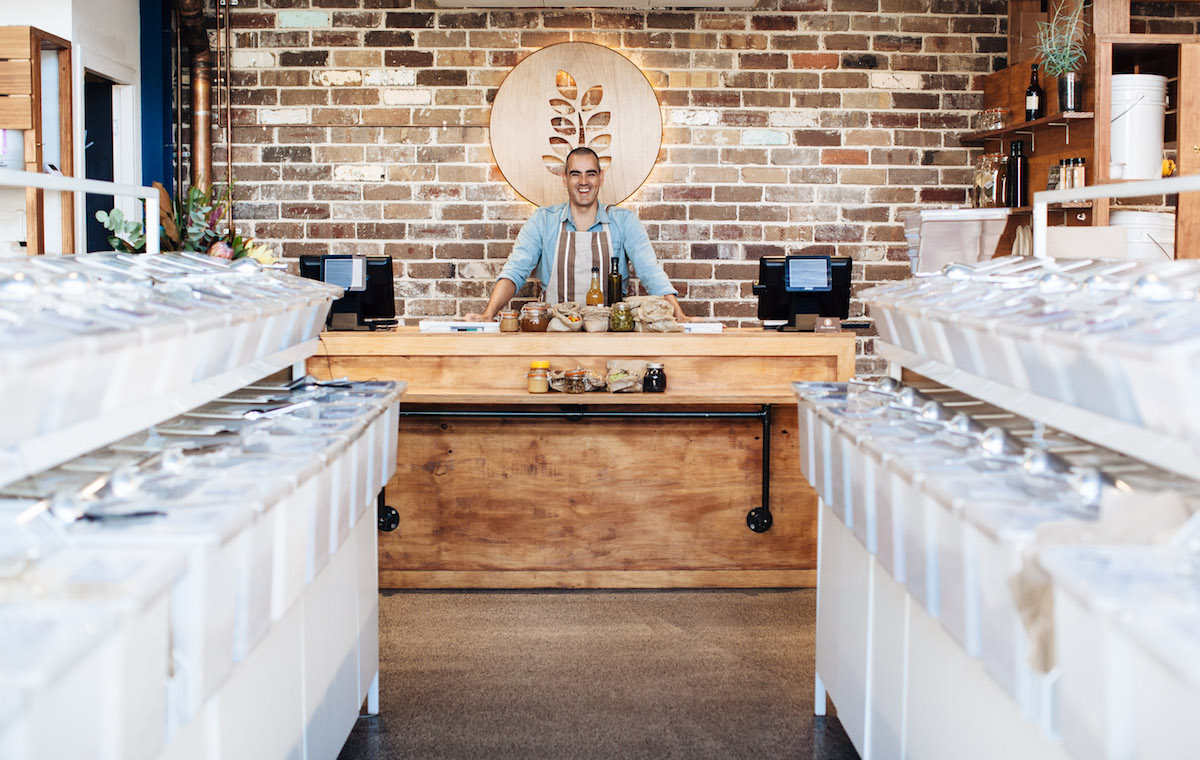
    Australia’s largest bulk foods and zero waste retailer The Source Bulk Foods has unveiled its first outlet in Singapore.

    Located at Cluny Court, the store will carry a wide range of pantry staples, numbering more than 350 products that include premium whole foods and treats as well as packaging-free household products.

    Founded in 2012 in Byron Bay, Sydney, Australia, The Source Bulk Foods has promoted an ethos of zero packaging, encouraging customers to buy and use only what is needed.

    “We are as much about providing nutritious products as we are about embracing a zero waste goal, and creating a healthy community,” said The Source Bulk Foods master franchisor for Southeast Asia Rob Behennah.

    “Our passionate team looks forward to delivering wholesome food, nourishing families, and in doing so, taking a hands-on approach to nurturing our planet.”

    Shoppers at the store are given three easy steps to purchase: grab a bag (or refill a jar), write the product code, and fill the bag with the desired amount of the chosen product. Customers then proceed to the cashier, where their groceries will be weighed and payment made.

    “The Source Bulk Foods is revolutionising the way we shop,” said franchise partner and full-time nutritionist Sarah Widjaja.

    “At every step of the way, suppliers, retailers, and customers can reduce their use of unnecessary packaging and single-use plastics. By buying only what is needed, we can also minimise food waste.”

  • Tesco UK to tackle food waste with new Colleague Shops

    Tesco UK to tackle food waste with new Colleague Shops

    Grocery and general merchandise retailer Tesco is set to introduce ‘Colleague Shops’ in all its UK stores to give employees the opportunity to take food approaching its expiry date, as part of its wider work to prevent good food from going to waste.

    Dedicated storage areas and fridges will be set up in back-of-store employee rooms to safely store quality food on its use by or best before date, and has the added benefit of helping to reduce food waste.

    The company said the move is part of Tesco’s on-going drive to ensure that no food safe for human consumption will go to waste in its UK retail operations by the end of 2017/18. Colleague Shops will form an additional part of Tesco’s established approach to managing stock in store which includes using sophisticated systems to predict and order the amount of food that customers are expected to buy in stores.

    Additionally, the price of products are ‘reduced-to-clear’ as they approach their expiry date to minimise surplus. If food cannot be sold, it’s offered to local charities and community food groups via Tesco’s surplus food redistribution initiative, Community Food Connection. However, charities don’t always need everything offered to them, so any food left over will now be made available to Tesco staff.

    Tesco’s head of food waste reduction Mark Little said: “We want to do everything we can to make sure perfectly good food doesn’t go to waste. Our Colleague Shops are a win-win, providing an additional step to support our efforts to tackle food waste in our own operations and offer colleagues an extra little help at the end of their shift.”

    Colleague Shops will be introduced to Tesco stores by the end of February. The surplus food will initially be made available for 1p before becoming free of charge in a few months’ time.